.svg)

The 14th Scientific Conference of Ain Shams University Discusses Localization and Deepening of Local Manufacturing for Automotive Component Industries in Egypt
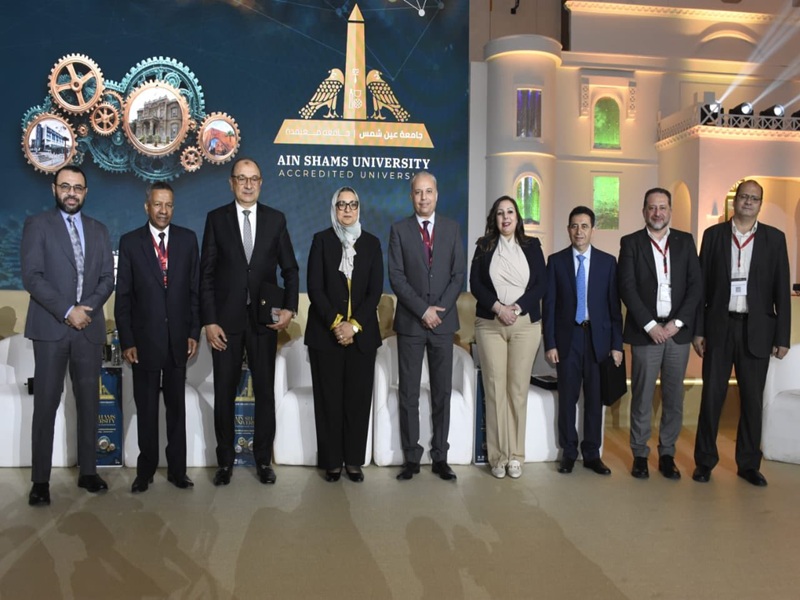
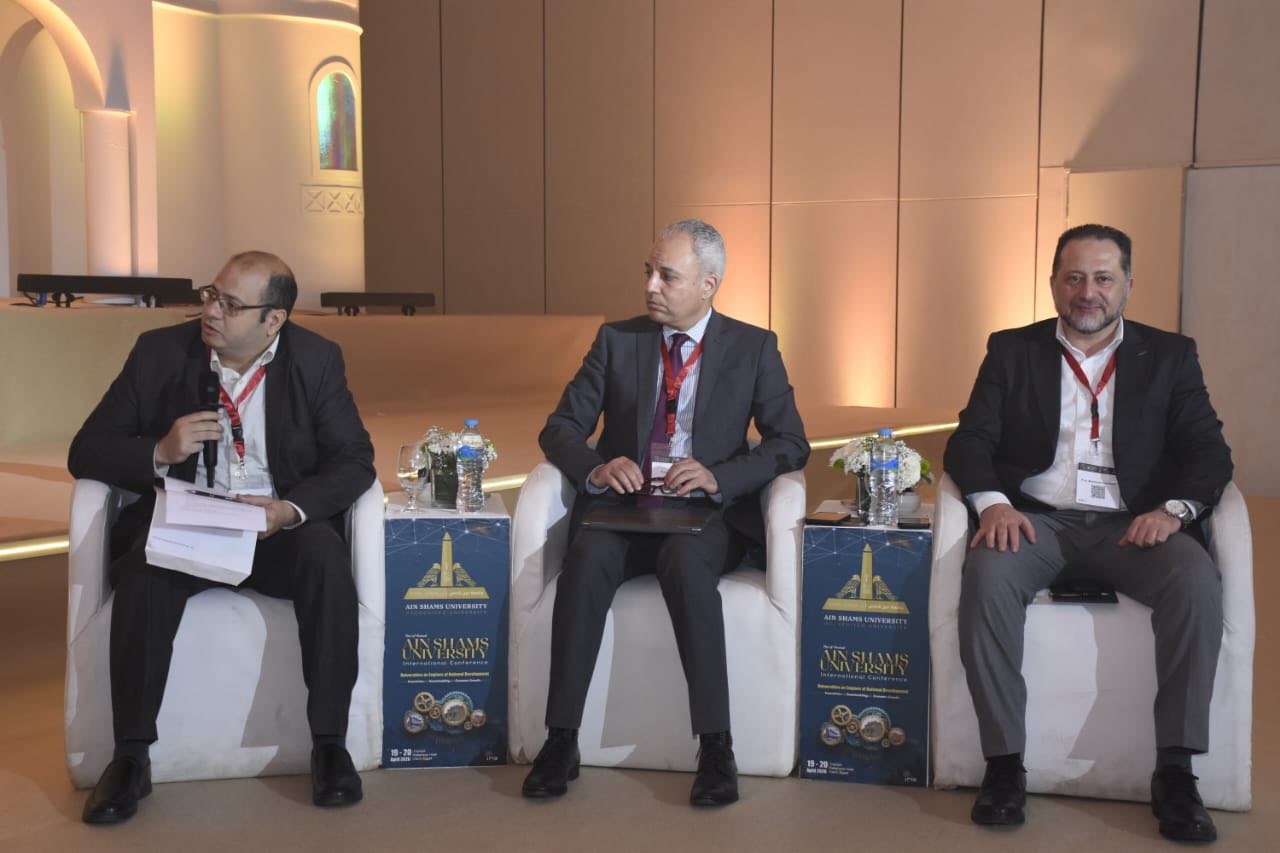
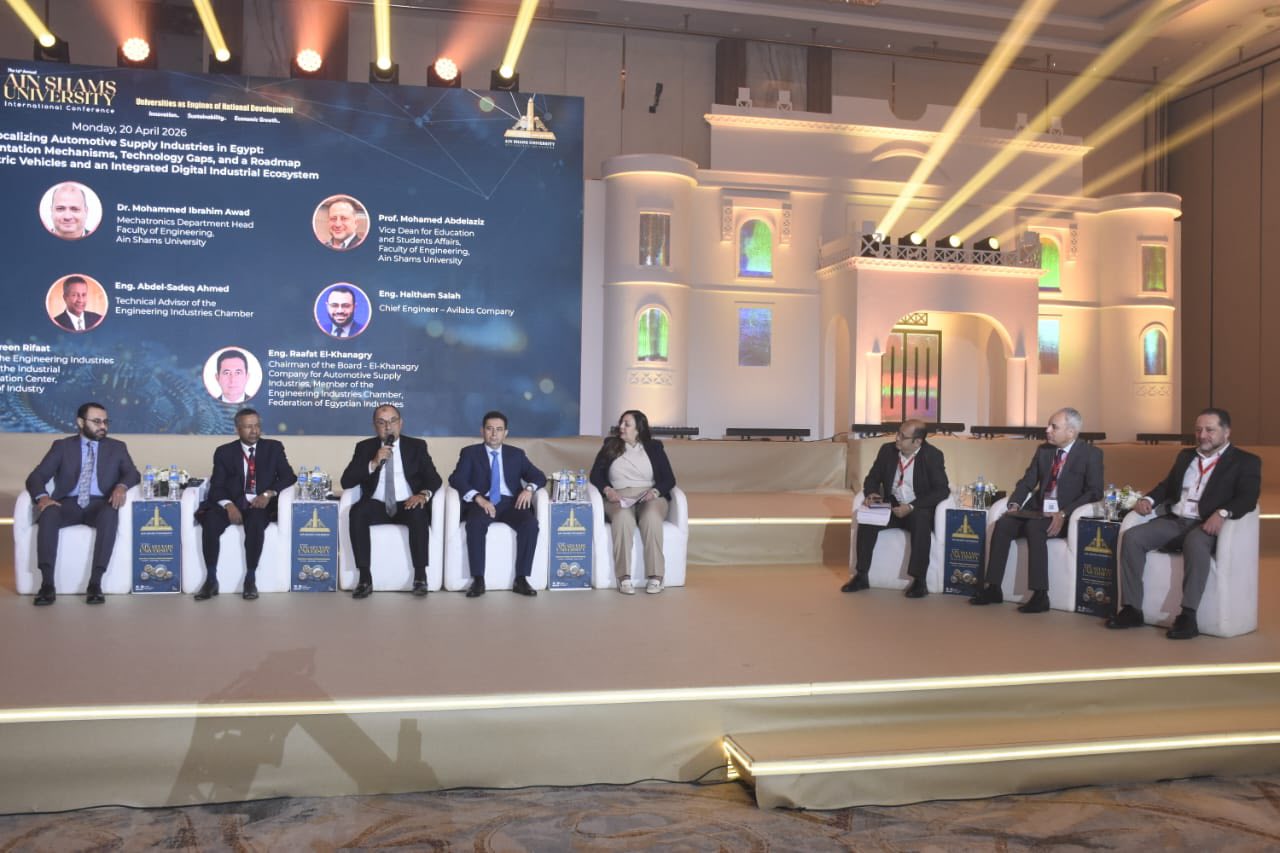
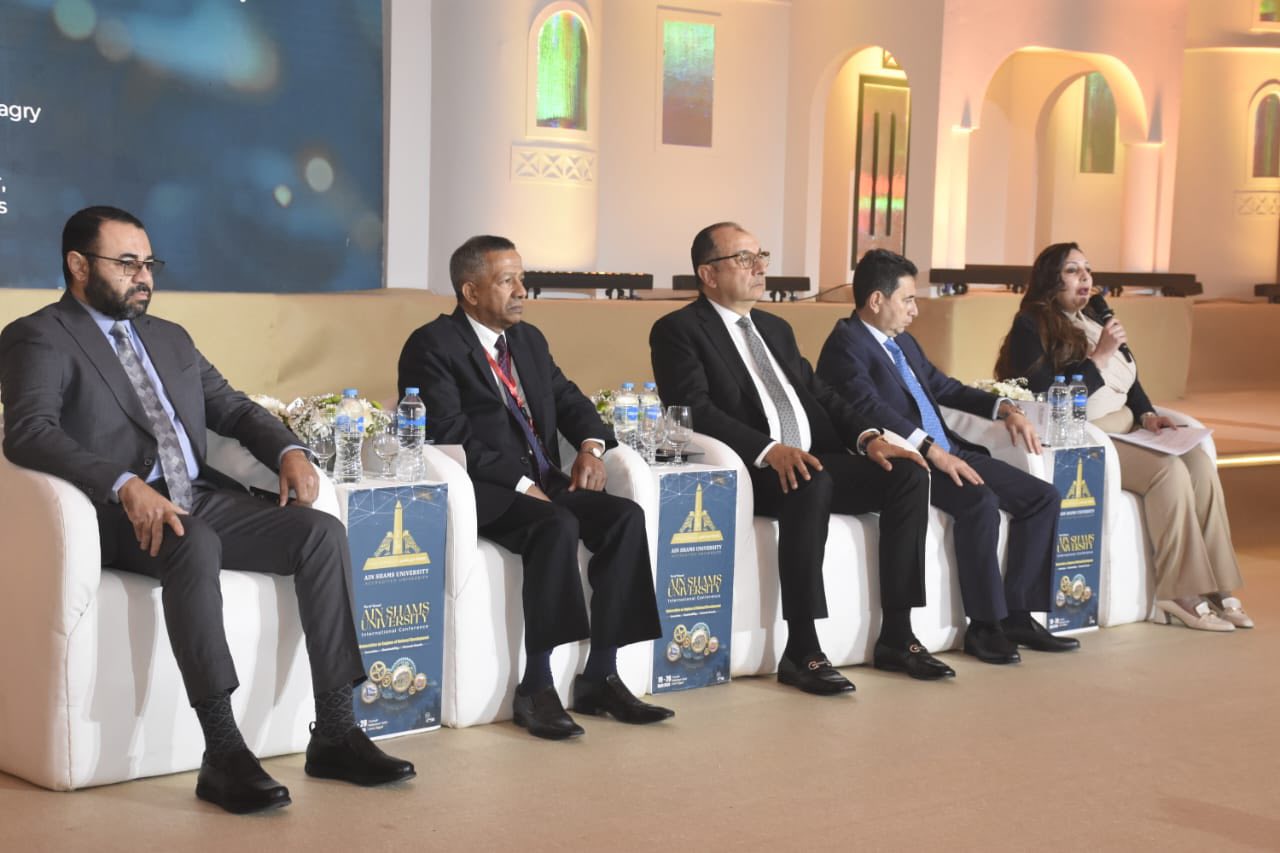
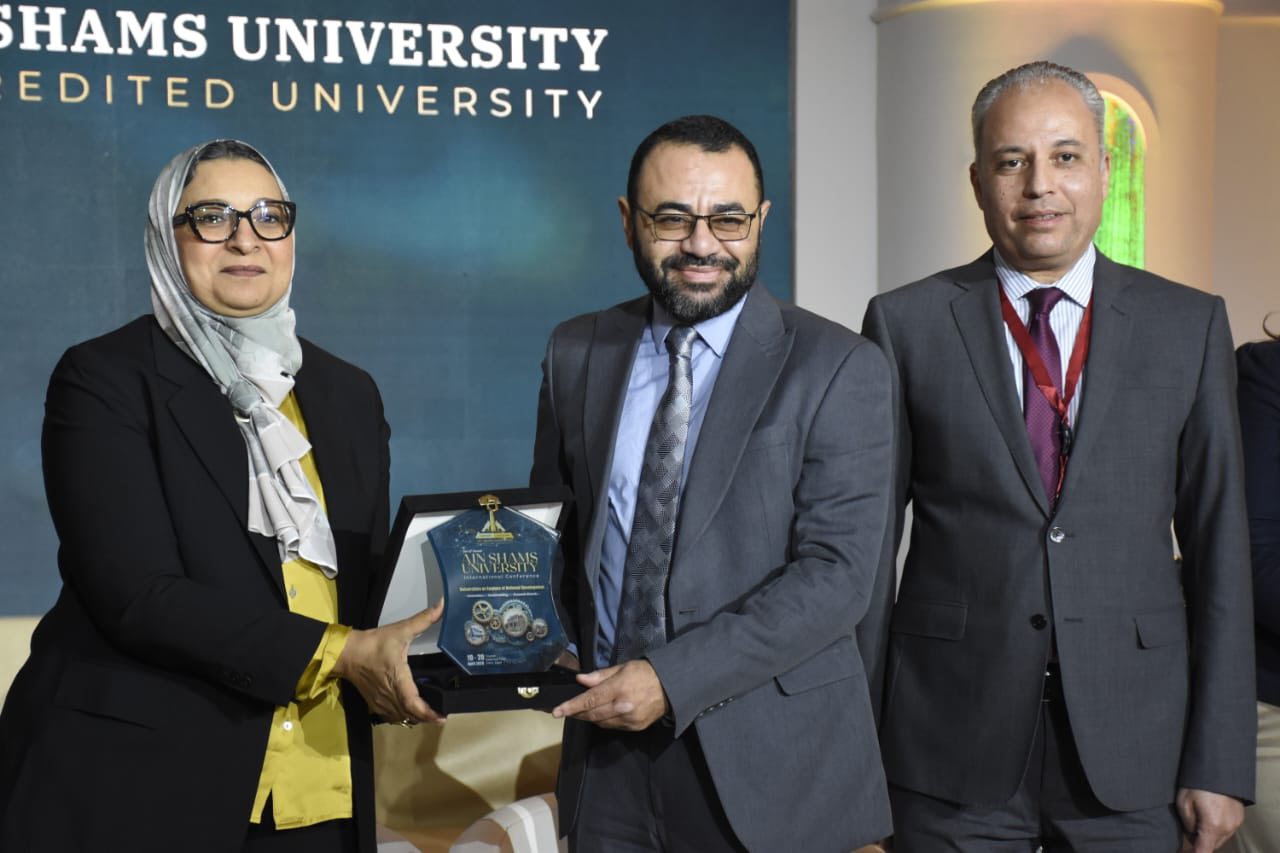
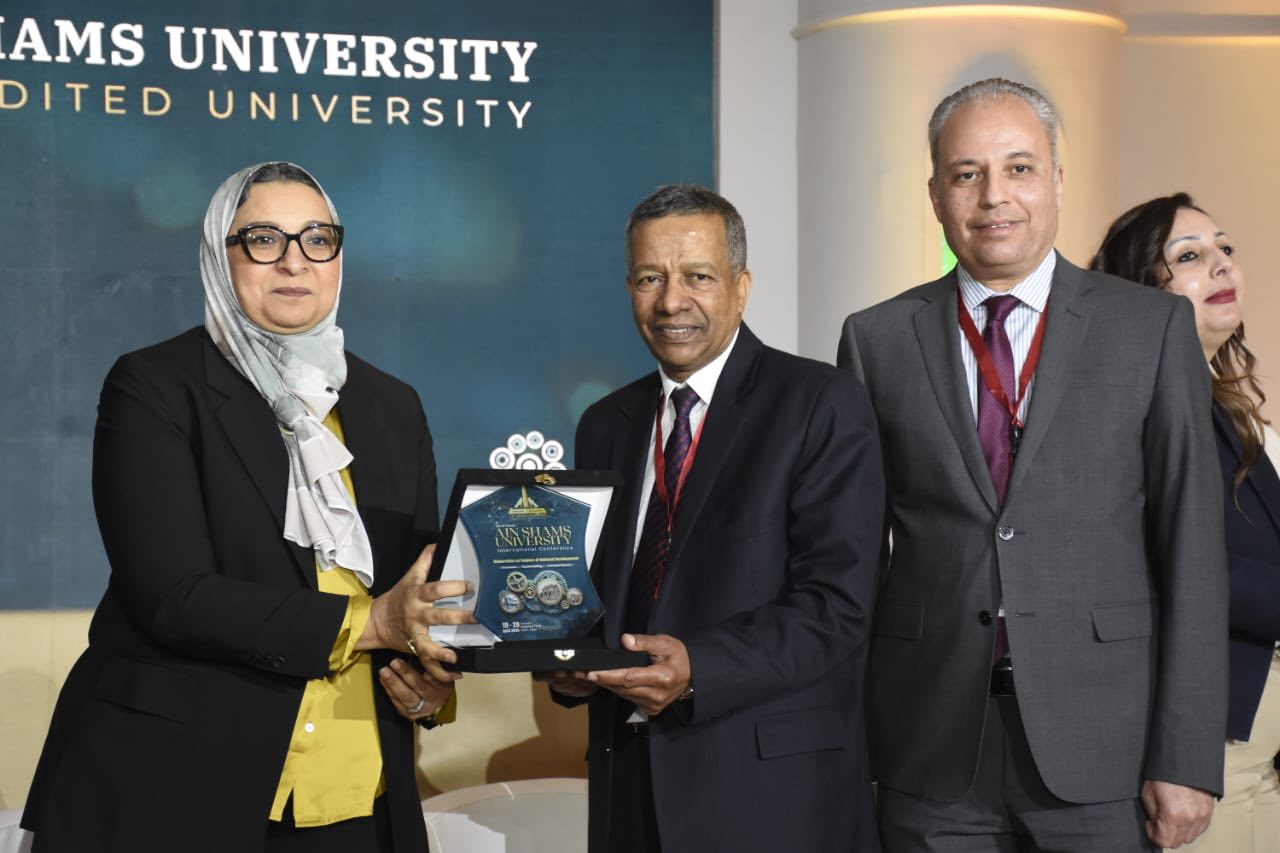
Prof. Ghada Farouk, Vice President of Ain Shams University for Community Service and Environmental Development, witnessed the activities of the session on localizing and deepening local manufacturing of industries that supply the automotive industry in Egypt during the activities of the Fourteenth Scientific Conference of the University. The session was chaired by Prof. Amr Shaat, Dean of the Faculty of Engineering, Prof. Mohamed Abdel Aziz, Vice Dean of the Faculty of Engineering for Education and Student Affairs and former Head of the Automotive Department, and Prof. Mohamed Ibrahim Awad, Head of the Mechatronics Department at the Faculty of Engineering.
The session hosted Engineer Mohamed Ibrahim Sheimy, former Egyptian Minister of Public Business Sector; Engineer Raafat El-Khanagry, Chairman of the Board of Directors of El-Khanagry Automotive Components Company and member of the Engineering Industries Chamber at the Federation of Egyptian Industries; Engineer Nesreen Refaat, Head of the Engineering Industries Sector at the Industrial Modernization Center of the Ministry of Industry; Engineer Abdel-Sadek Ahmed, Technical Advisor to the Engineering Industries Chamber; and Dr. Haitham Salah, Chief Engineer at Avilabs.
The session addressed the features of the state's strategy for transitioning from vehicle assembly to integrated manufacturing, focusing on building strong local supply chains and enhancing the added value to the national economy, especially in light of the move towards manufacturing electric vehicles. The importance of localizing vital components such as batteries and motors was also emphasized as a fundamental pillar for achieving industrial independence.
 |
 |
 |
||
Participants discussed the role of the automotive supply industry as the backbone of the automotive sector, emphasizing the need to develop local suppliers and enhance their technical capabilities, as well as to achieve integration between manufacturers and suppliers. This integration aims to increase the percentage of locally sourced components and reduce reliance on imports.
The session also reviewed the most prominent challenges facing the sector, including the high costs of testing and industrial equipment, limited production capacity, the need for stable demand, and the importance of government incentives in attracting investment and promoting industry growth.
The discussions highlighted the global shift towards software-driven cars, where electronic systems now constitute a significant portion of vehicle components, opening promising opportunities for Egypt in the field of automotive software development and intelligent systems.
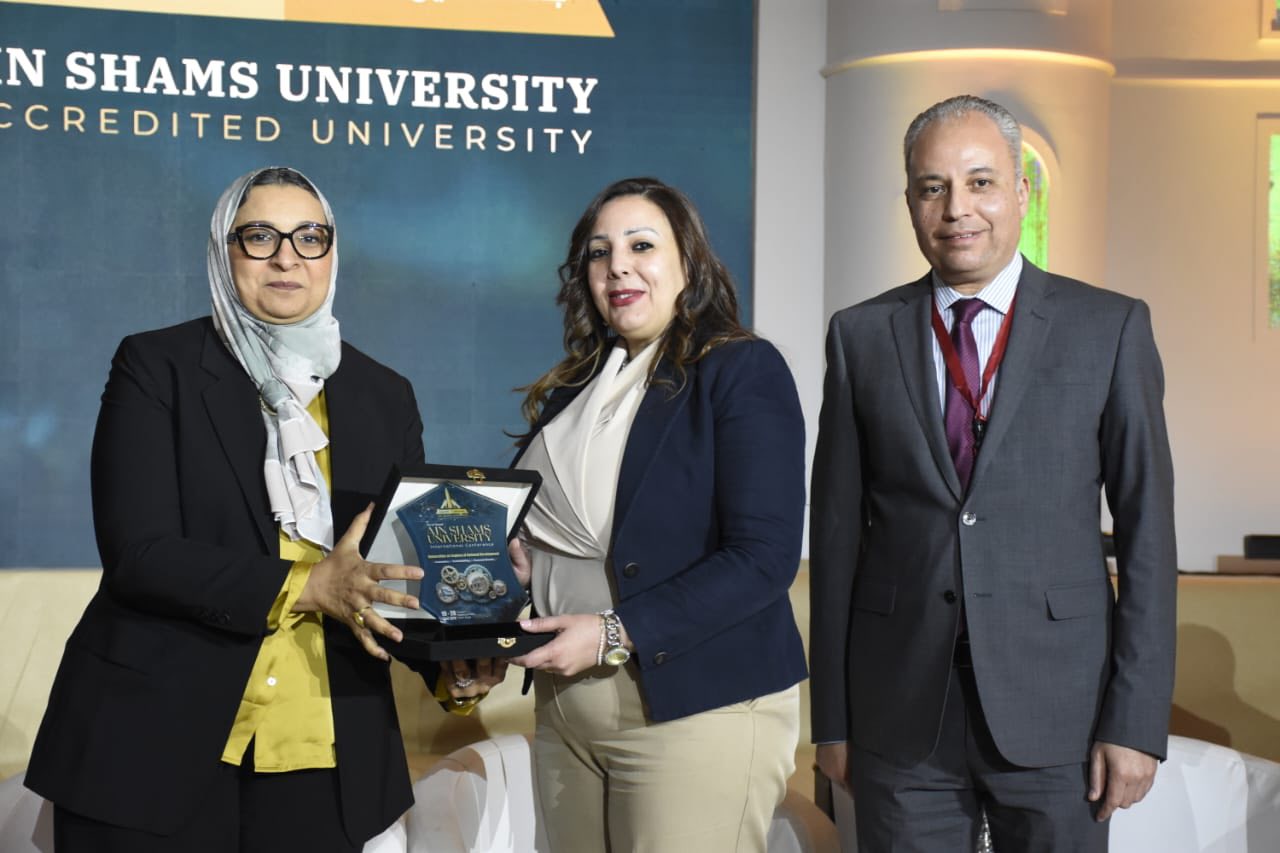
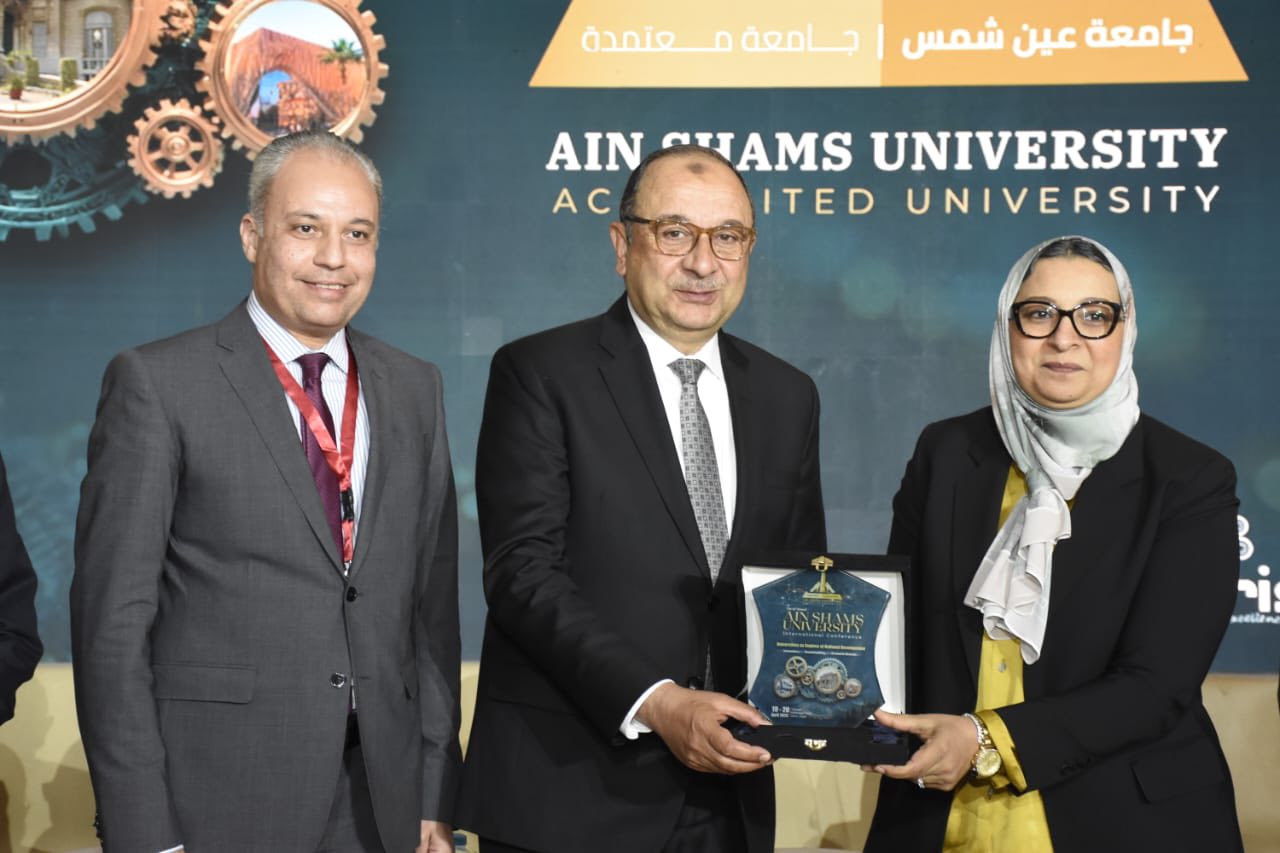
At the session's conclusion, Prof. Ghada Farouk, Vice President of the University for Community Service and Environmental Development, emphasized the need to strengthen the link between scientific research and industry through standardized laboratories and applied collaboration models within the framework of discussing ways to achieve sustainable development. She stressed that realizing the true value of research requires translating it into practical applications that serve productive sectors.
She explained that the challenges facing this link are numerous and complex, foremost among them the reluctance of some private sector institutions to fund scientific research, in addition to a gap between the goals of industrial institutions, which focus on protecting intellectual property and achieving commercial returns, and the goals of universities, which tend to disseminate and share knowledge.
She pointed out that one effective solution is to establish standard (experimental) laboratories within universities, which would act as a link between scientific research and industrial application, by giving students and researchers the opportunity to work on real products and components, thus contributing to the development of feasible and verifiable solutions.
 |
 |
 |
||
Her Excellency reviewed practical experiences gained from visits to industrial and educational institutions in China, where companies prioritize internal research and development activities based on specific objectives, while maintaining ownership of knowledge within the organization, thus enhancing their competitiveness.
She also emphasized the importance of strengthening cooperation between factories and universities by establishing specialized product design departments. These departments would allow students to implement real-world industrial projects in collaboration with companies, creating a mutually beneficial partnership. Factories benefit from innovative ideas, while students gain practical experience that prepares them for the labor market.
She noted that rapid technological advancements, particularly in fields like automobiles and batteries, necessitate dynamic and sustainable partnerships between scientific research and industry to keep pace with successive changes and transform them into economic opportunities.
She concluded by emphasizing that building an integrated system linking universities and industry, supported by standardized laboratories and applied collaboration, represents a fundamental step towards achieving innovation and enhancing the competitiveness of the national economy.
 |
 |