.svg)

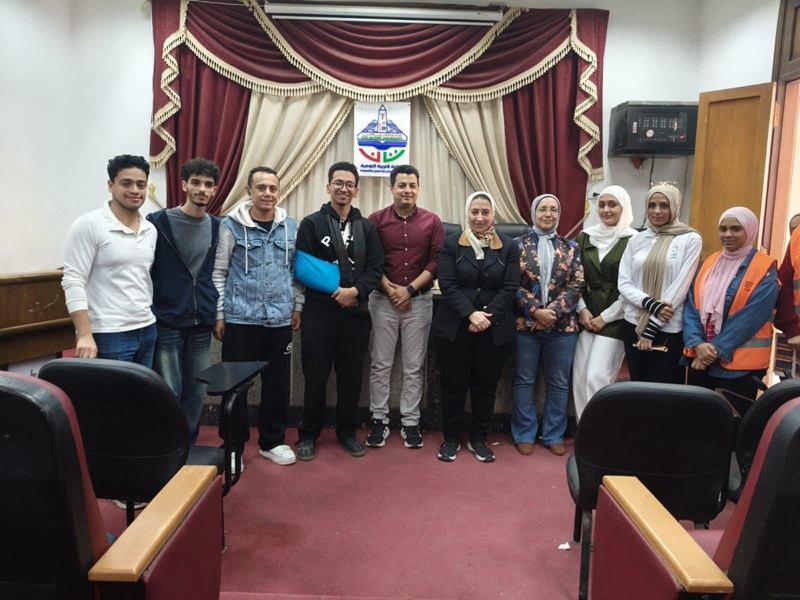
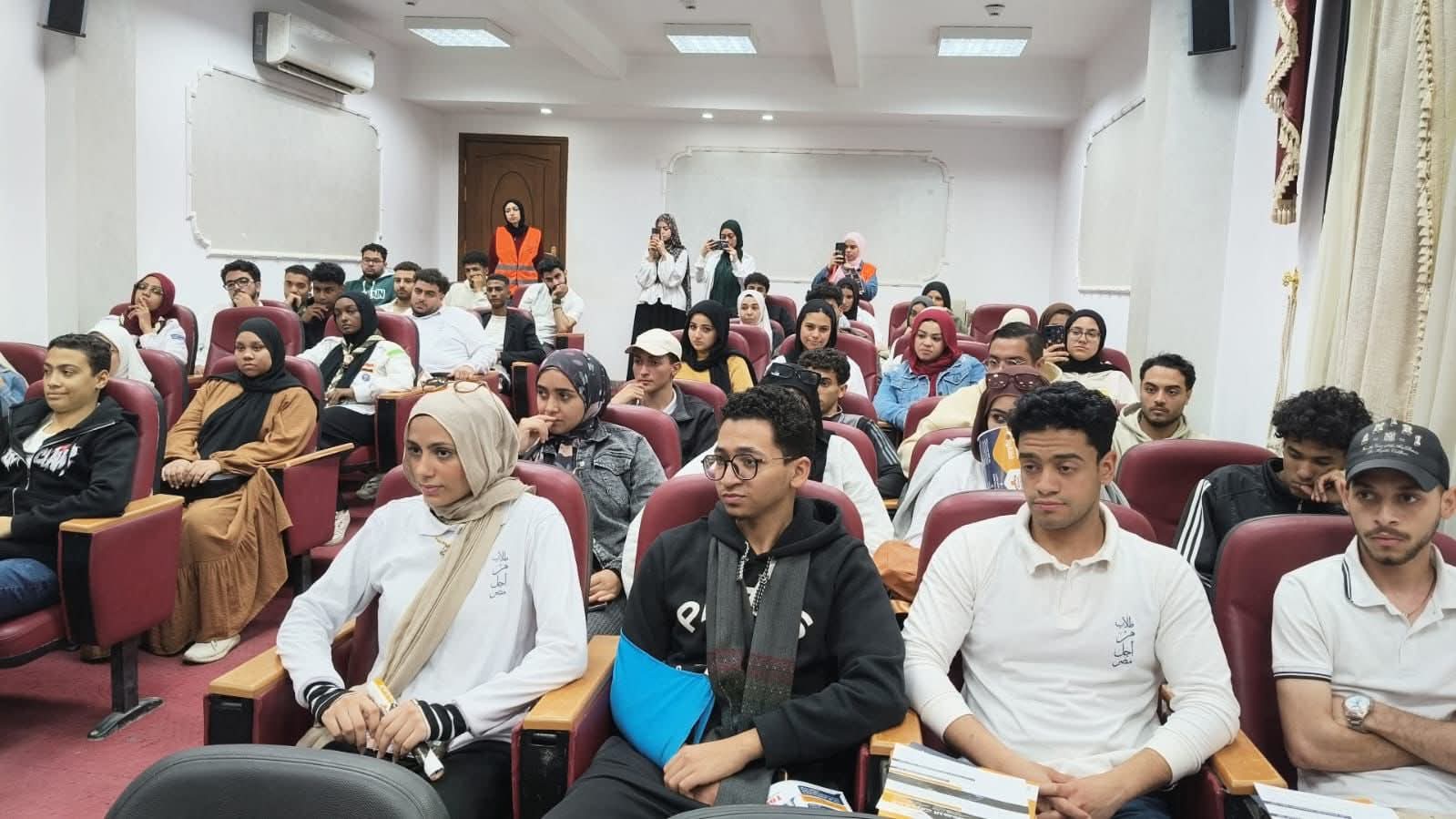
The Education and Student Affairs Sector organizes an awareness seminar at the Faculty of Specific Education titled “Drugs Between Beliefs and Reality,” in cooperation with the Fund for Combating and Treating Addiction
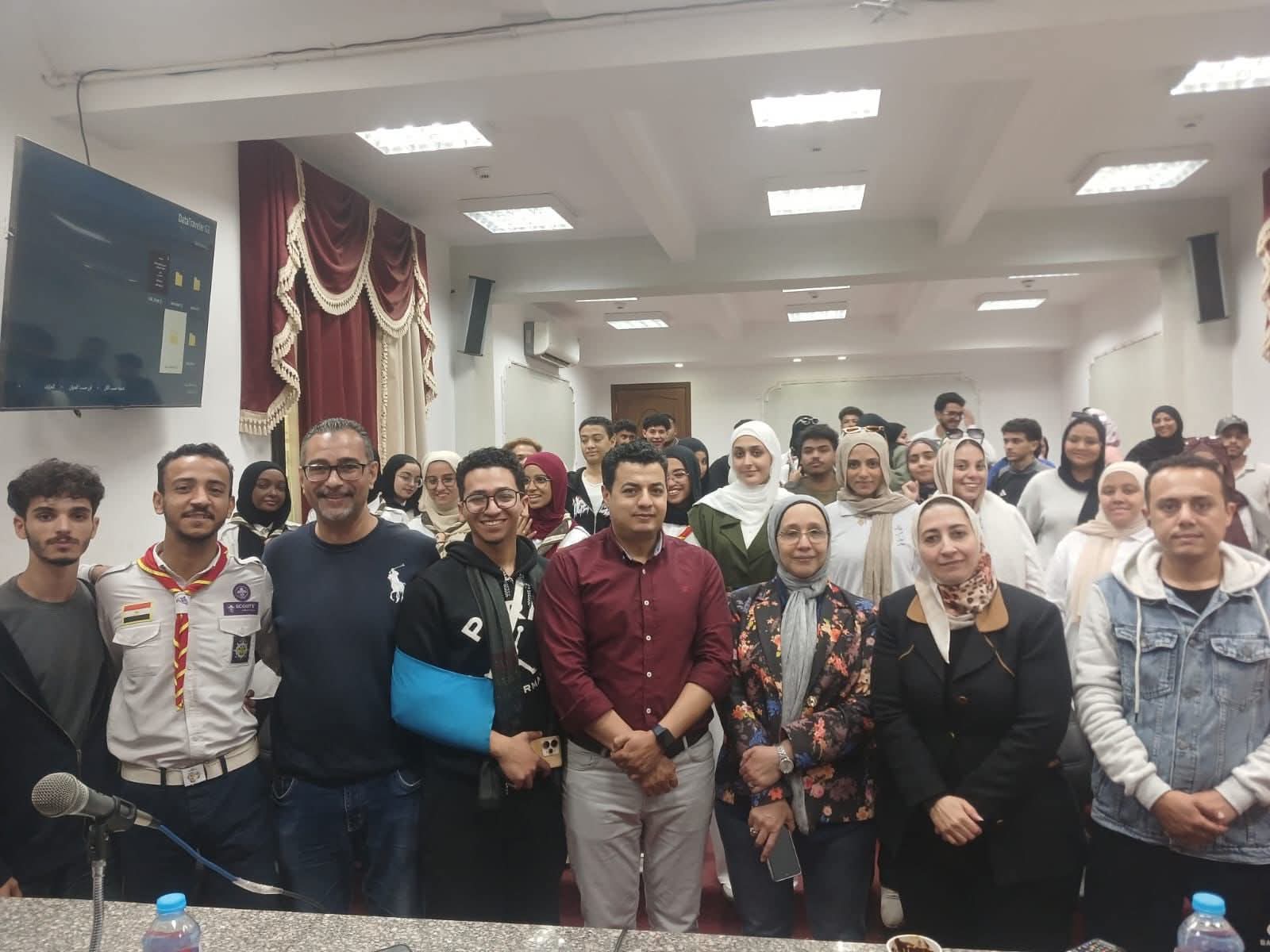
The Education and Student Affairs Sector at Ain Shams University organized an awareness seminar titled “Drugs Between Beliefs and Reality,” hosted by the Faculty of Specific Education, under the patronage of Prof. Mohamed Diaa Zain El-Abedeen, President of the University, and Prof. Rami Maher Ghali, Vice President for Education and Student Affairs, with administrative coordination and supervision by Mr. Ibrahim Saeed Hamza, Assistant Secretary of the University for the Education and Student Affairs Sector.
 |
 |
 |
||
The seminar was graciously hosted by Prof. Osama El-Sayed Mostafa, Dean of the Faculty of Specific Education, and Prof. Zeinab Mostafa Moussa, Vice Dean for Education and Student Affairs, in the presence of Prof. Mohamed Ahmed Farag, Vice Dean of the Faculty of Al-Alsun for Community Service and Environmental Development, with the participation of the Faculty’s Youth Welfare Administration.
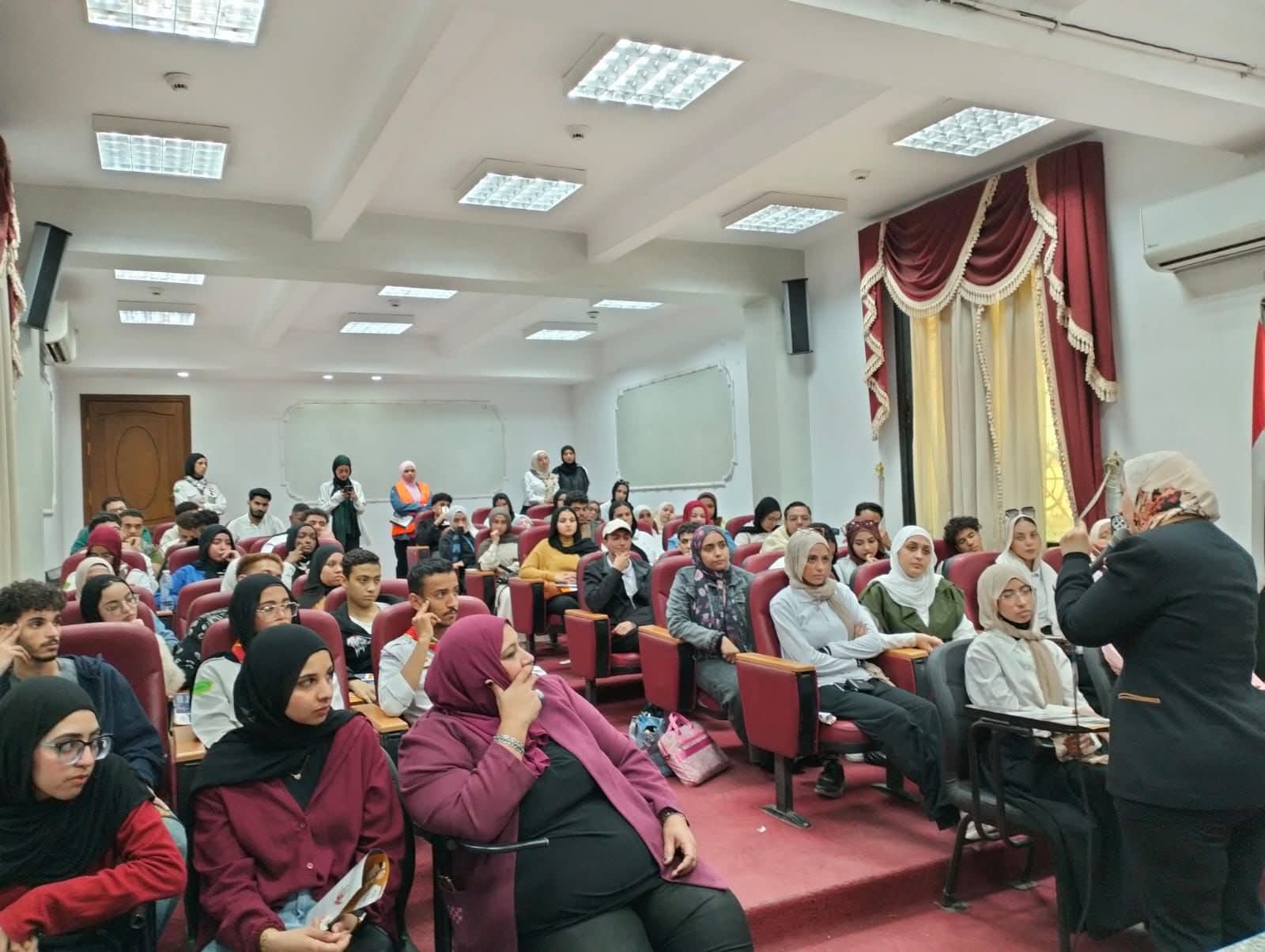
The seminar featured a lecture by Dr. Rasha Mohamed Rashad, a researcher at the Fund for Combating and Treating Addiction and Substance Abuse, affiliated with the Cabinet.
The seminar addressed the risks of addiction on both individuals and society, highlighting the vital role played by the Fund for Combating and Treating Addiction and Substance Abuse in confronting this issue.
Dr. Rasha Mohamed Rashad explained that drugs are not limited to illegal substances only, but also include certain medications that are misused, such as sleeping pills, sedatives, and cough medicines, noting that misuse can lead to both psychological and physical dependence.
She also pointed out that the Fund focuses on reducing the demand for drugs as a commodity, emphasizing that demand reduction begins with awareness and community education, not solely through punitive measures.
She added that drug testing has become a fundamental requirement in many life and professional situations, such as marriage contracts, obtaining driving licenses, residence in university dormitories, and applying for jobs and promotions, reflecting the state’s serious approach to combating the phenomenon from multiple angles.
She stressed that combating addiction is not limited to apprehending dealers, but primarily depends on raising awareness among youth and families, warning against online content on social media platforms that promotes drugs and portrays them misleadingly as symbols of courage or freedom.
She reviewed the Fund’s free and confidential treatment and rehabilitation services provided through the hotline (16023), which operates around the clock to receive reports and inquiries. She also noted that the Fund supports recovered individuals by financing small projects and covering all treatment costs without placing any financial burden on families.
She concluded by emphasizing that addiction is a disease that can be overcome through determination and support, not a stigma, calling on students to act as ambassadors of awareness within the university and society.
This seminar comes as part of a series of awareness activities organized by the Education and Student Affairs Sector, represented by the Department of Student Families and Unions at the General Administration of Youth Welfare, in cooperation with the Fund for Combating and Treating Addiction and Substance Abuse.
The seminar witnessed strong student engagement, with participants showing clear interest through questions and discussions that reflected their awareness and eagerness to benefit.