.svg)

In line with Ain Shams University's vision to enhance the competitiveness of its graduates, the Faculty of Al-Alsun is keeping pace with digital transformation through "Linguistics Engineering" and artificial intelligence training for translators
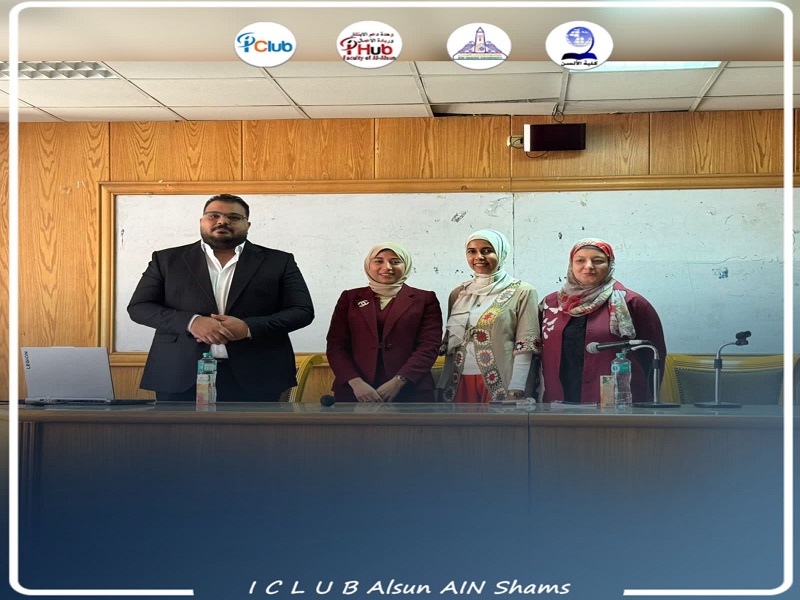
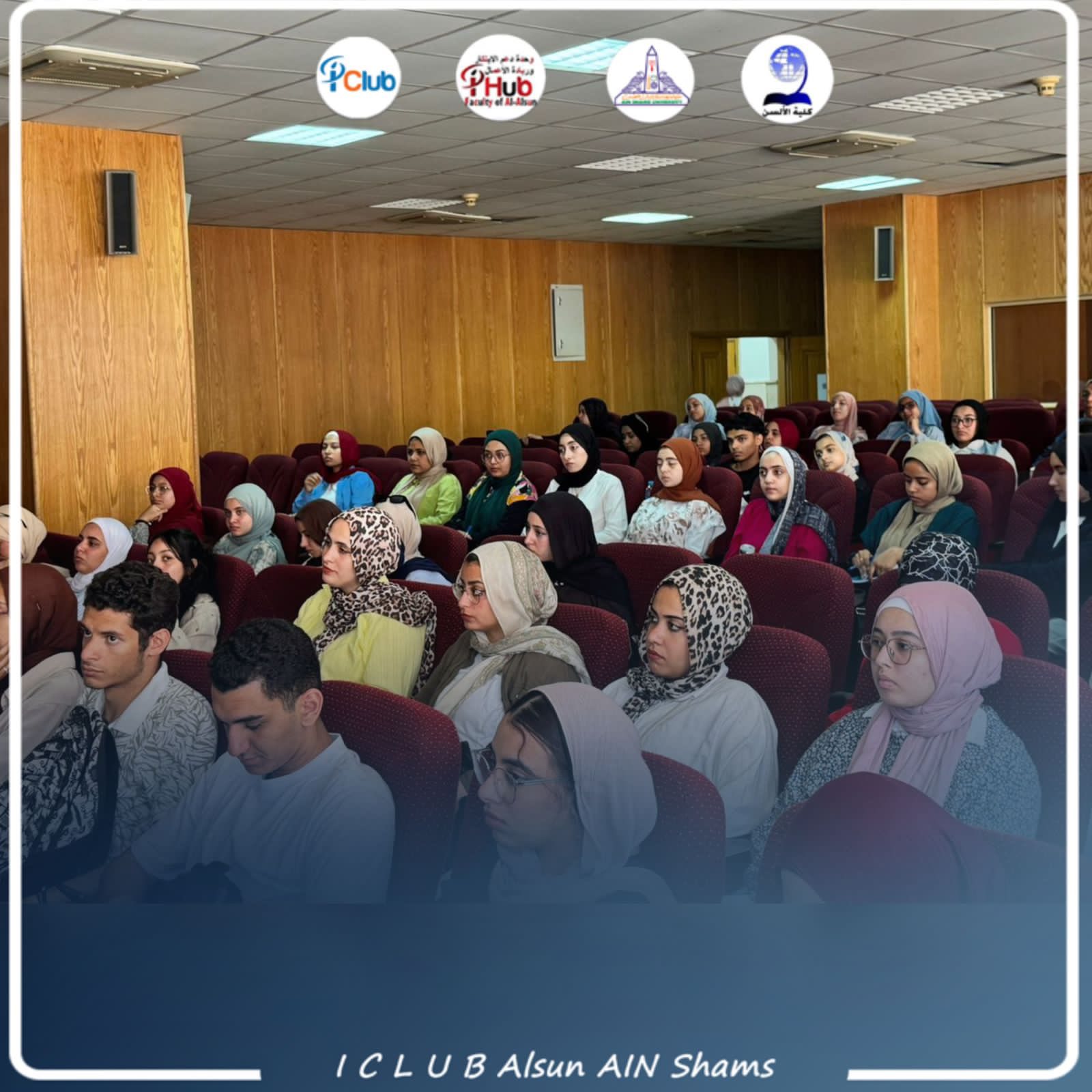
In line with Ain Shams University's strategy to develop the educational process and enhance the integration between academic studies and the rapidly evolving demands of the job market, the Innovation and Entrepreneurship Support Unit at the Faculty of Languages organized a specialized session entitled: “Linguistic Engineering and Artificial Intelligence Training for Translators.” The session was attended by a distinguished student body, reflecting a growing interest in modern translation fields and digital technologies.
The event was held under the auspices of Prof. Mohamed Diaa Zain El Abedeen, President of Ain Shams University; Prof. Rami Maher, Vice President for Education and Student Affairs; Prof. Amany Osama Kamel, Vice President for Graduate Studies and Research; Prof. Yomna Safwat, Vice Dean for Community Service and Environmental Development and Acting Dean of the Faculty of Al-Alsun; and Prof. Hala Sayed Metwally, Vice Dean for Education and Student Affairs. It was supervised by Dr. Heidi Khaled, Acting Director of the Innovation and Entrepreneurship Support Unit.
 |
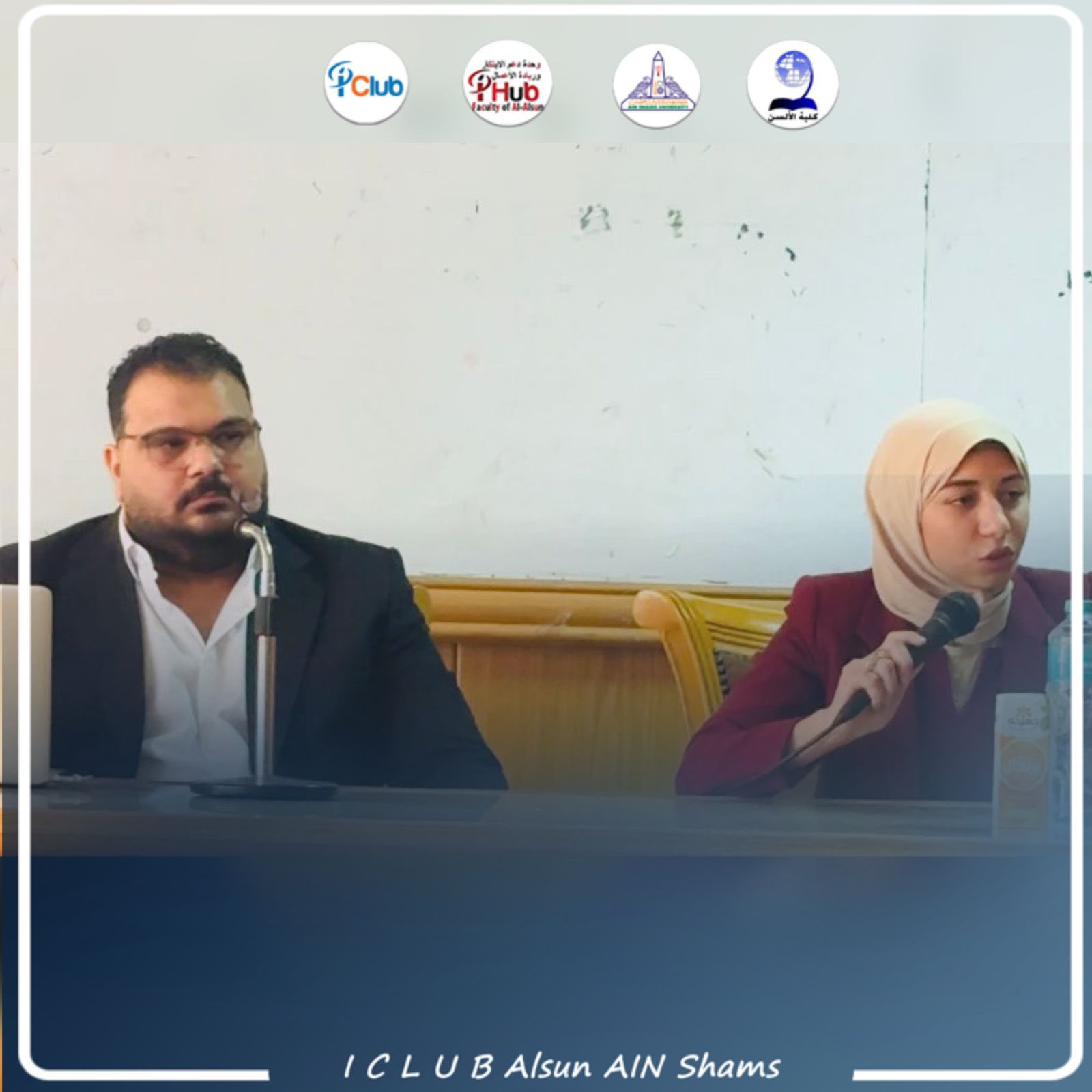 |
The session was presented by Dr. Yassir Ibrahim, who discussed the concept of Linguistic Engineering as a modern interdisciplinary field combining linguistics and computer science. He emphasized its growing role in developing artificial intelligence systems, particularly in machine translation and natural language processing.
Dr. Ibrahim also reviewed the mechanisms for training AI models on linguistic data, explaining how translators can transform from mere users of tools to active partners in their development. This is achieved by contributing to the construction of accurate linguistic corpora, improving the quality of translated outputs, and training models on diverse cultural and linguistic contexts.
The session highlighted the new skills that have become essential for translators in the age of artificial intelligence, such as working with AI-powered translation tools, understanding the fundamentals of linguistic data analysis, and the ability to evaluate and post-edit automated output, thus enhancing their professional competence in the digital job market.
In this context, it was emphasized that the future of translation is no longer based solely on linguistic proficiency, but now requires a combination of technical and analytical skills. This opens new horizons for language students to work in diverse fields, such as language model training, content management, and smart application development.
The session concluded with a rich and interactive discussion, featuring active student participation. Students posed questions reflecting a sophisticated understanding of the nature of digital transformation and a genuine desire to acquire the skills necessary to keep pace with the future of their professions in light of the rapid advancements in artificial intelligence.