.svg)

Final Statement of the 14th International Conference of Ain Shams University: A Roadmap Towards National Innovation and Sustainable Growth
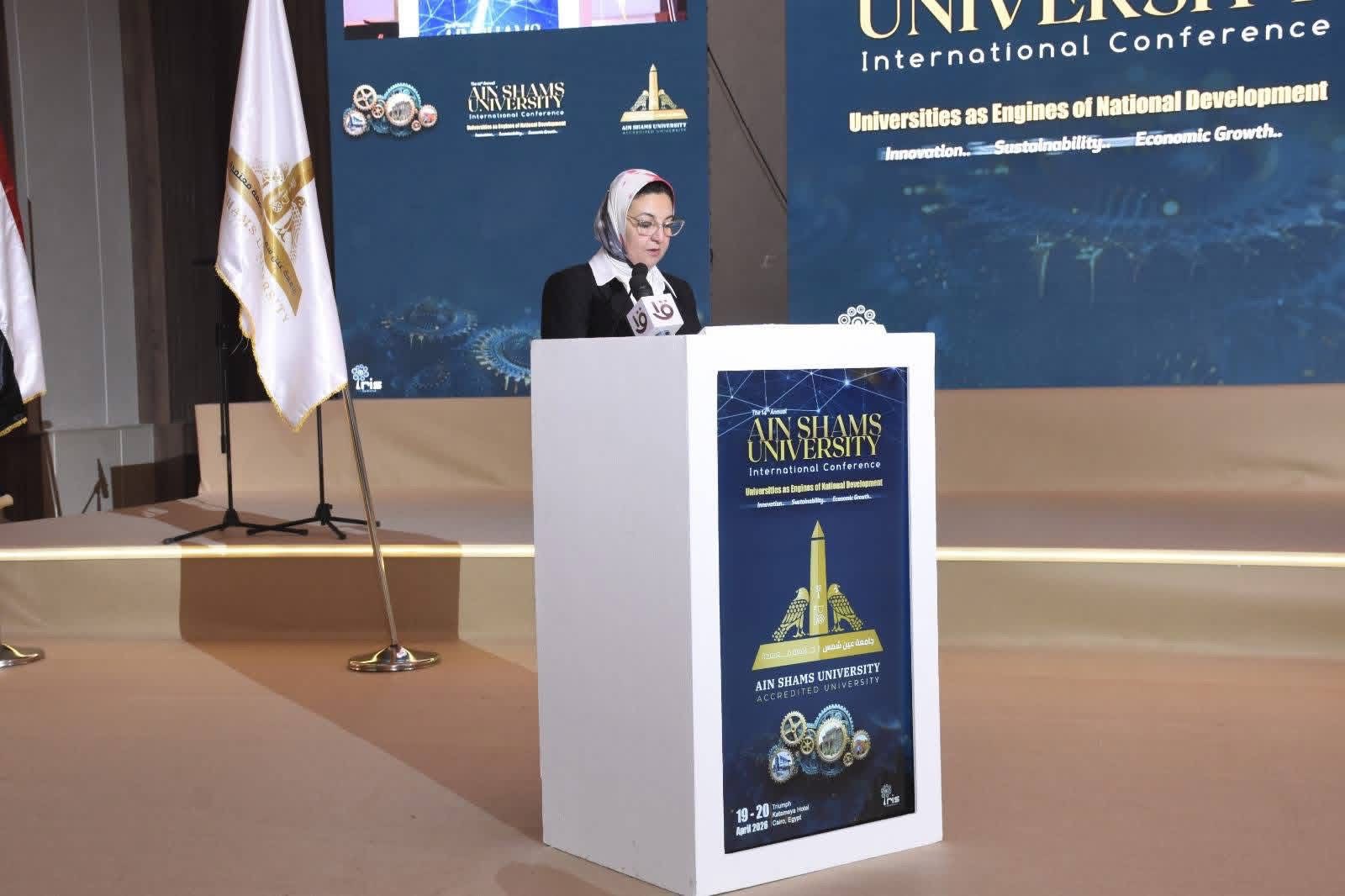
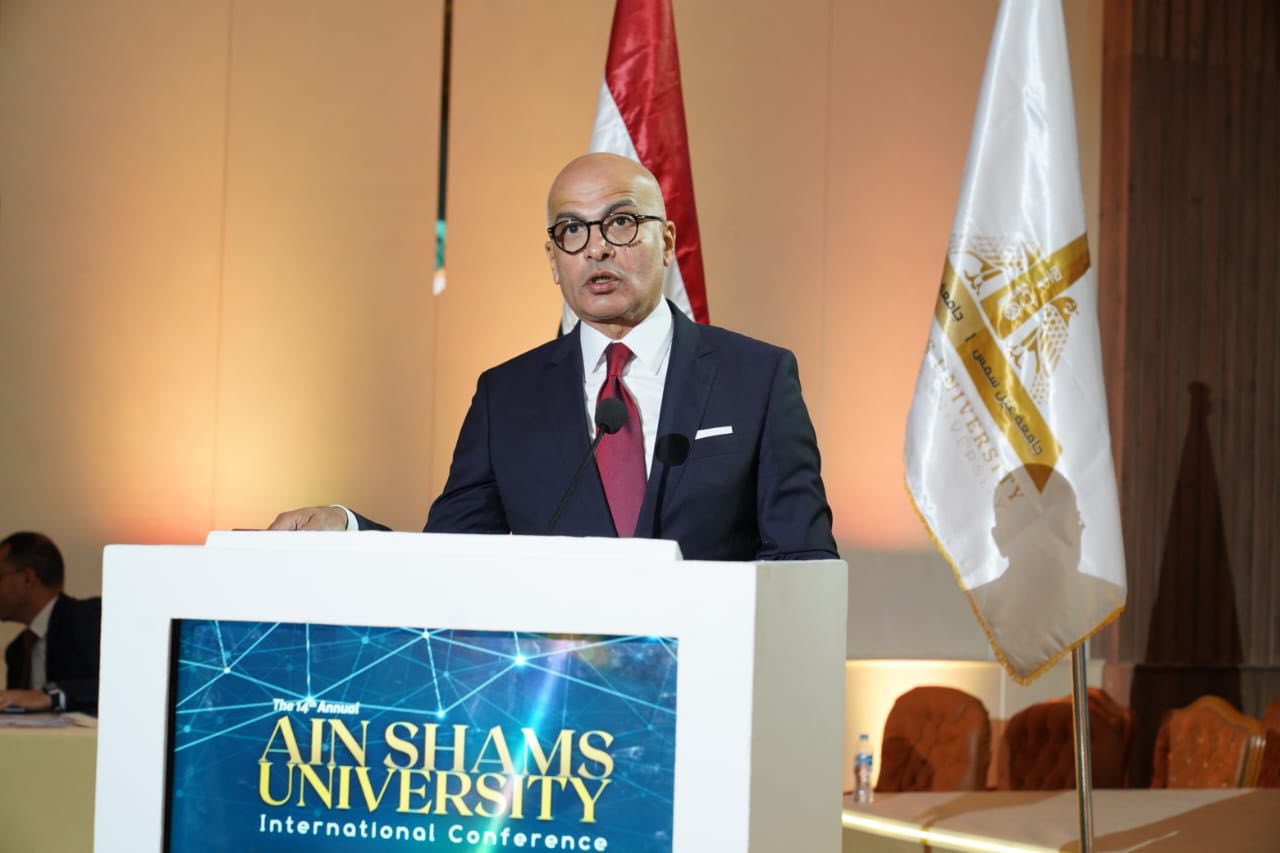
Under the slogan “Universities are engines of national development… towards innovation and sustainable economic growth,” Ain Shams University held its fourteenth international conference from April 19 to 20, under the patronage of Prof. Abdel Aziz Qansouh, Minister of Higher Education and Scientific Research, and chaired by Prof. Mohamed Diaa Zain El Abedeen, President of the University, with the participation of the Vice Presidents of the University and Vice Presidents of the Conference: Prof. Amany Osama Kamel, Vice President of the University for Graduate Studies and Research and Executive Director of the Conference; Prof. Ghada Farouk, Vice President of the University for Community Service and Environmental Development; and Prof. Rami Maher Ghali, Vice President of the University for Education and Student Affairs.
 |
 |
 |
||
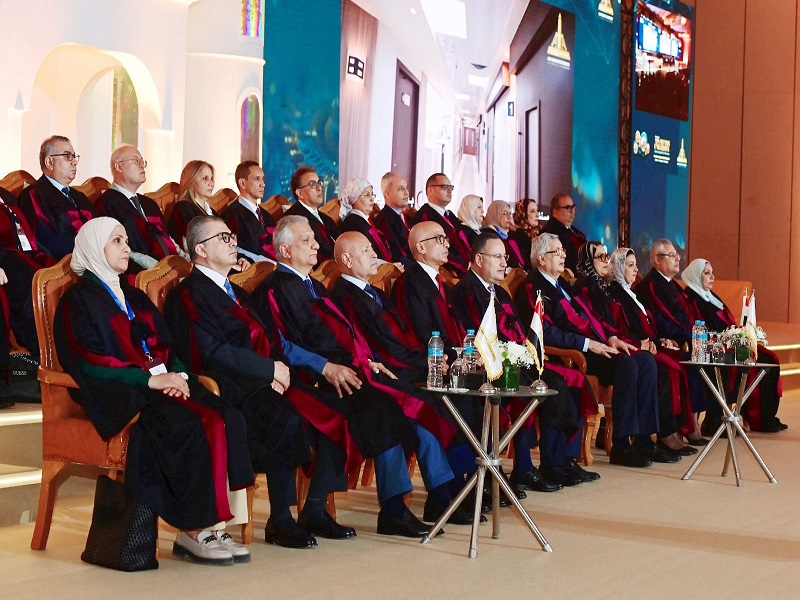
The opening ceremony was attended by a high-level official delegation including several senior government officials, current and former ministers, leaders of the legislative and executive branches, presidents of Egyptian universities, and a select group of international experts, decision-makers, and representatives from various industry sectors.
In keeping with the university's tradition of honoring its distinguished alumni, an honorary doctorate was awarded to Counselor Omar Marwan, the former Minister of Justice, during the opening ceremony. This recognition was given in appreciation of his outstanding contributions to supporting state institutions and strengthening institutional work, and as one of the shining examples of Ain Shams University's distinguished graduates from the Faculty of Law in 1979.
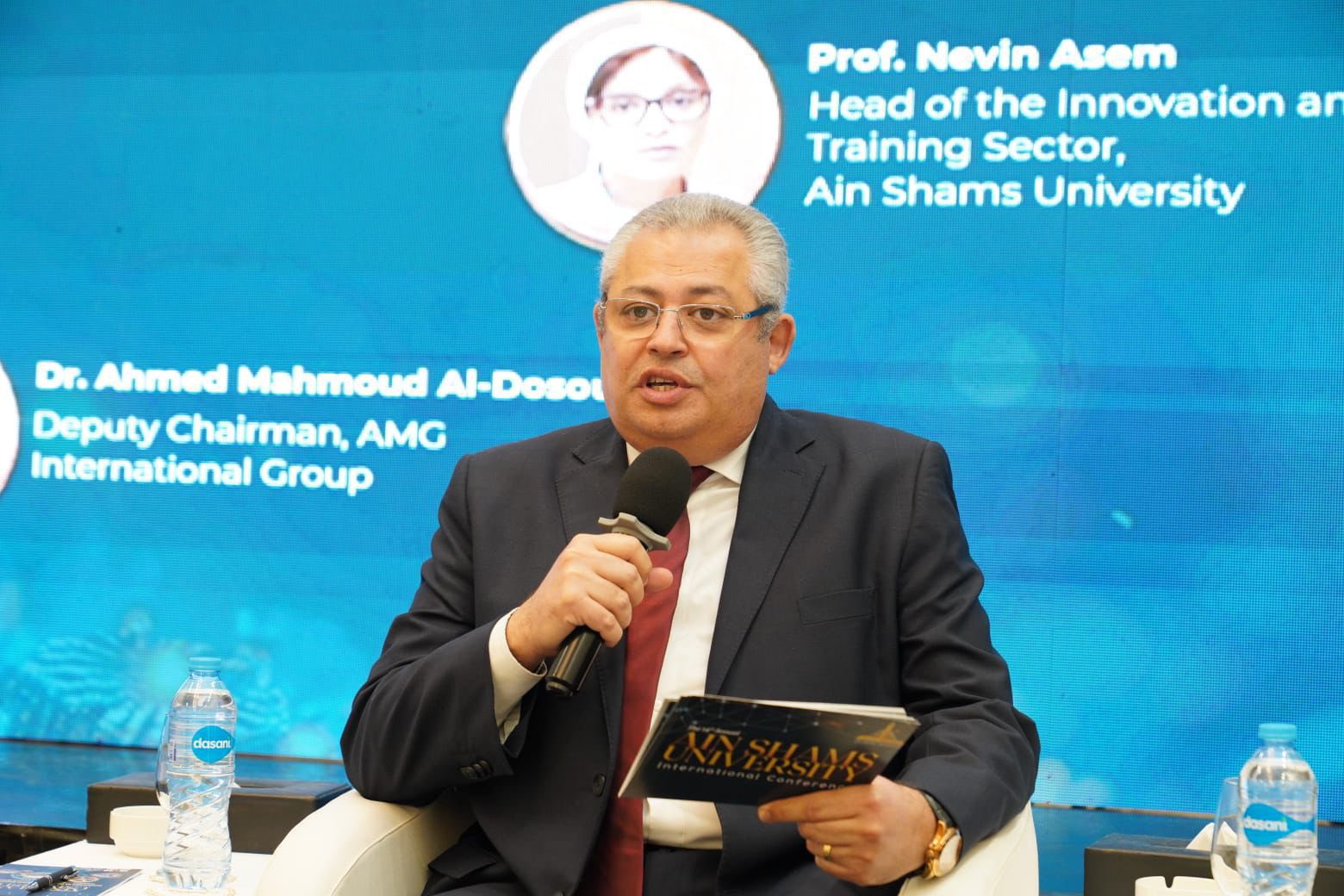
The conference sessions included a range of strategic issues and scientific themes, which on its first day included developing education in the digital age and focusing on supporting the professional development of faculty staff, promoting inclusive leadership (especially for women) in the education technology and higher education sectors, aligning higher education with the labor market and exploring how to link academic programs and scientific research with the changing needs of the labor market to support sustainable development, as well as the role of media in development and awareness and examining the role of media institutions as a partner in achieving Egypt's Vision 2030, and confronting the challenges of digital transformation such as cybersecurity and fake news, in addition to investing in human capital and discussing human development as an integrated process that includes education, training, innovation and health, with integration between universities and state institutions, enabling innovation in deep technology (DeepTech) and exploring ways to build an integrated system for deep technology in Egypt and addressing investment and policy gaps, as well as the future of the seed industry and analyzing the current challenges in the seed sector and searching for innovative solutions to enhance food security, cultural development and digital ecotourism, and addressing the role of museums (such as the Zaafaran Museum and the Grand Egyptian Museum) in serving the community, and the transition towards "smart museums".
 |
 |
The second day's sessions covered artificial intelligence in academia, its impact on the quality of teaching, scientific research, and innovation, and building future-ready institutions. Other topics included the localization of the automotive industry, exploring mechanisms to deepen local manufacturing of automotive components, the roadmap for transitioning to electric vehicles, and the pivotal role of universities in shaping visual identity and developing Egyptian cities. The sessions also addressed the localization of the pesticide industry and Egypt's plans to become a regional hub for pesticide manufacturing and reduce the import gap through technological innovation.
Additionally, a conference on measurement and evaluation, themed "Multidimensional Assessment," was held on the sidelines of the university's international conference. This conference focused on developing assessment systems that go beyond grades to encompass skills and personal growth, particularly in medical education.
The conference concluded with a number of recommendations, including the shift towards smart universities and the need to adopt integrated strategies for digital transformation and the use of artificial intelligence to raise the quality of teaching and scientific research, localize local industry, and develop executive plans to deepen local manufacturing in the fields of electric cars and agricultural industries to reduce the import gap. It also recommended linking scientific research to the labor market and strengthening partnerships between universities and production sectors to transform research innovations into economic projects with added value, in addition to developing the measurement system and moving to multi-dimensional evaluation systems that focus on practical skills and personal growth alongside academic achievement, as well as investing in human capital and building an integrated system that combines education, training, innovation and health, considering that "human beings" are the first driver of sustainable development.
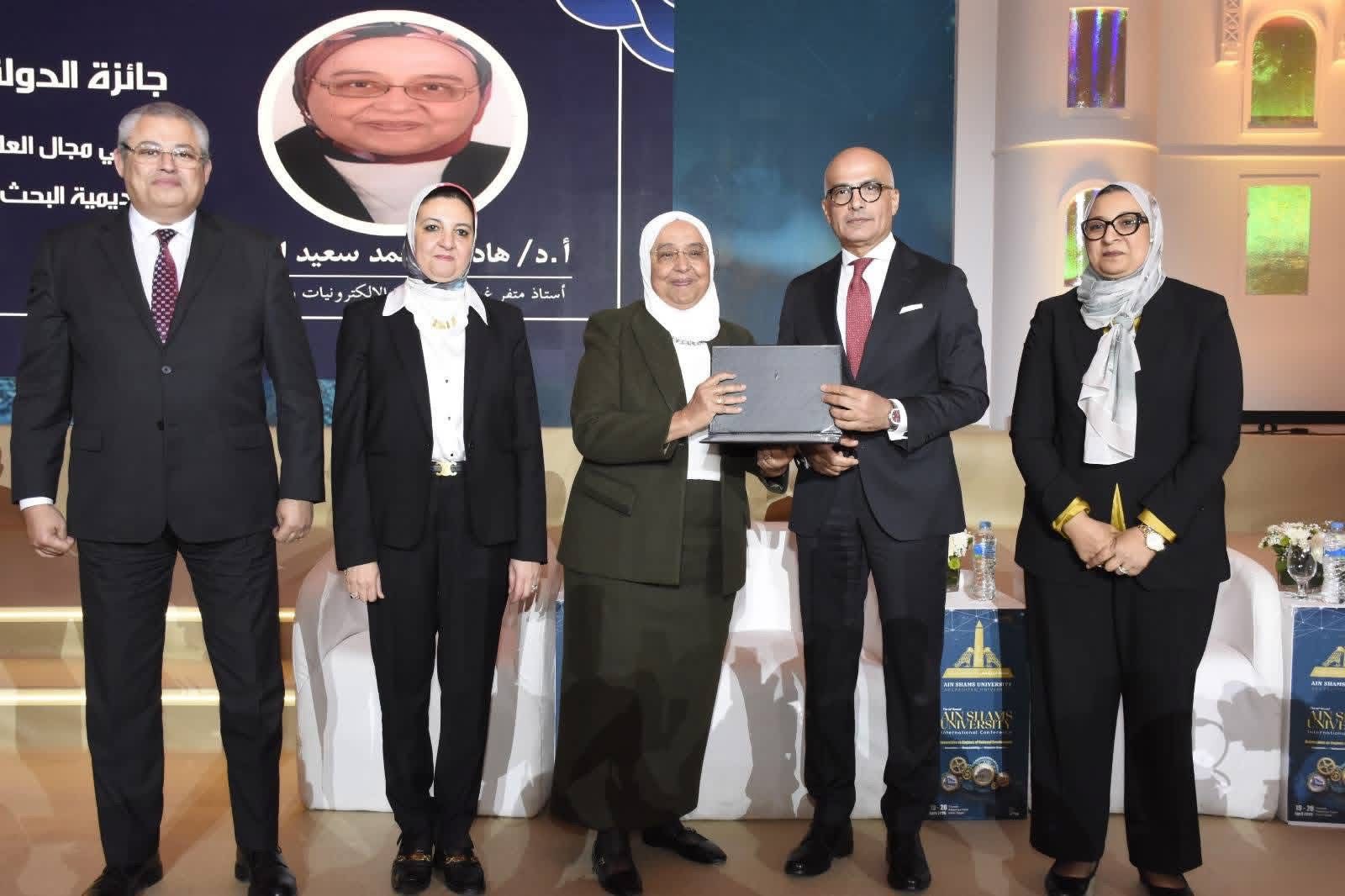
The conference witnessed the honoring of more than a thousand professors who received the International Publication Award, the batch of Prof. Ahmed Hussein. The closing ceremony also witnessed the honoring of 22 faculty staff who received the State Appreciation, Incentive, and Special Awards, in addition to honoring the organizing committees and honoring Engineer Mirna Wael, Assistant Lecturer at the Faculty of Engineering, for designing the new modern university logo.
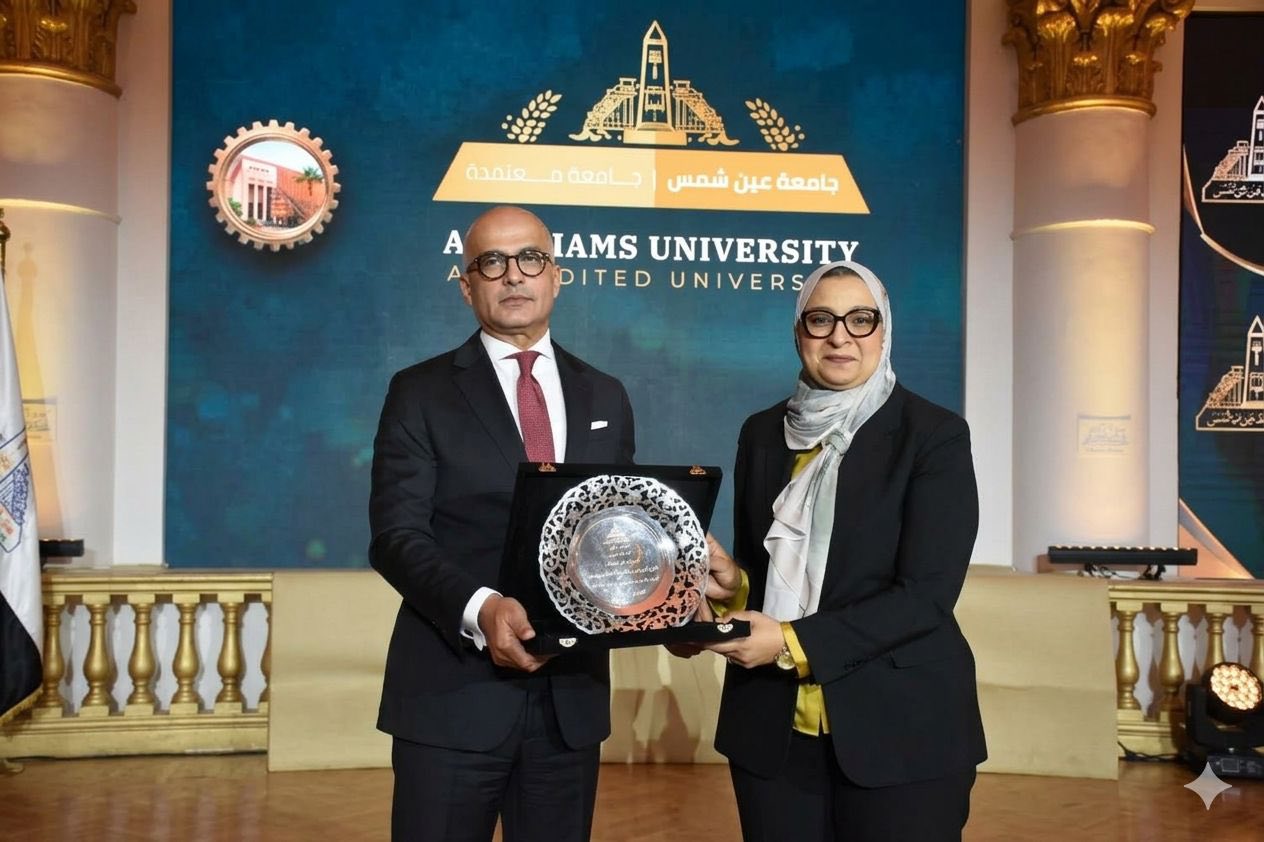
The closing ceremony included a gesture of appreciation, honoring Prof. Ghada Farouk, Vice President of the University for Community Service and Environmental Development, in recognition of her distinguished efforts and significant contributions that have left a prominent mark on the university's community and development work.