.svg)

The Education and Student Affairs Sector at Ain Shams University Organizes an Awareness Seminar at the Faculty of Archaeology on “Combating Addiction, Substance Abuse, and Smoking” in Cooperation with the Fund for Drug Control and Treatment of Addiction
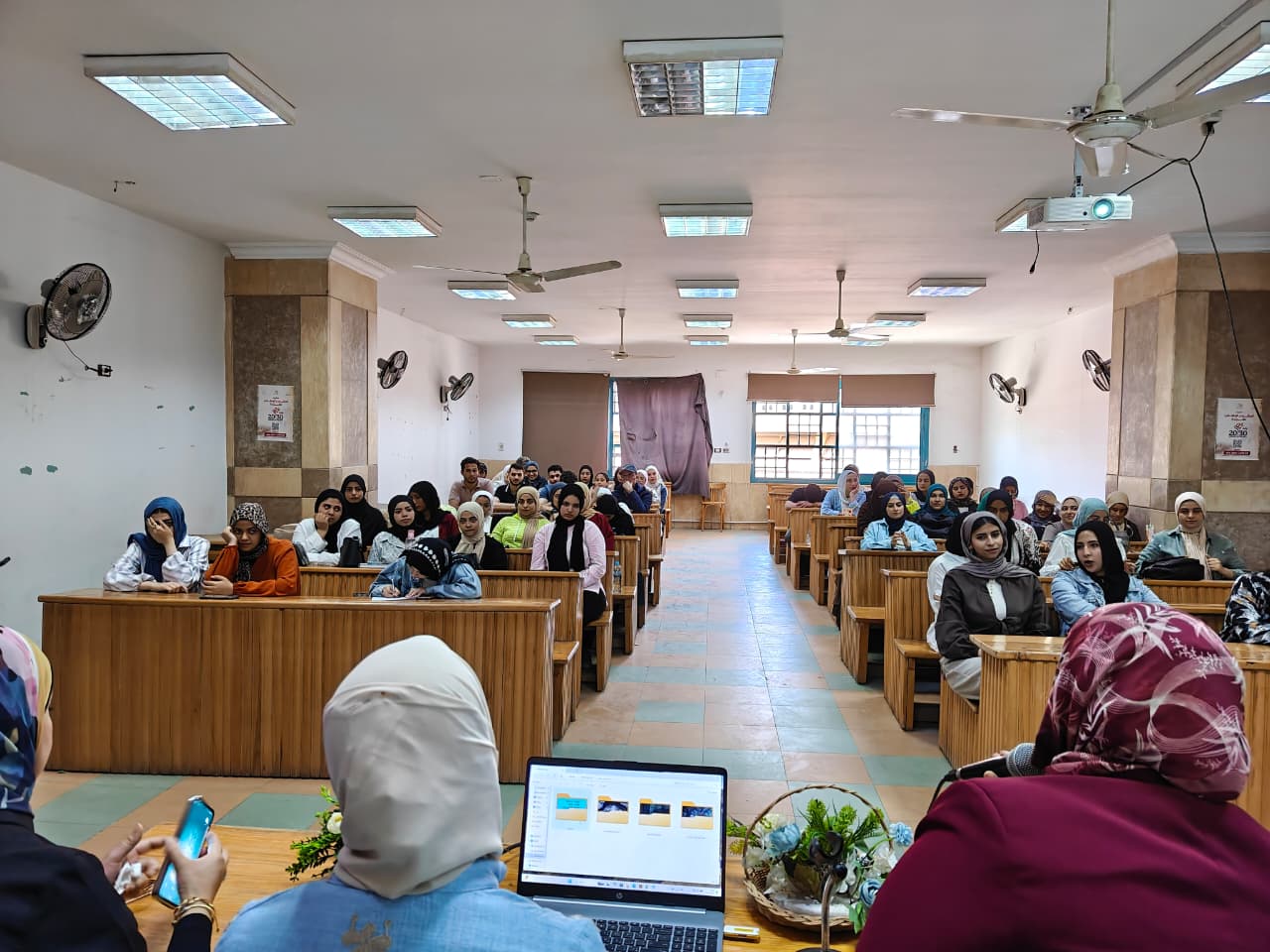
The Education and Student Affairs Sector at Ain Shams University organized an awareness seminar titled “Combating Addiction, Substance Abuse, and Smoking: Between Common Misconceptions and Scientific Facts,” hosted by the Faculty of Archaeology. The event was held under the patronage of Prof. Rami Maher Ghali, Vice President for Education and Student Affairs, and under the administrative coordination and supervision of Mr. Ibrahim Saeed Hamza, Assistant Secretary-General of the University for the Education and Student Affairs Sector.
 |
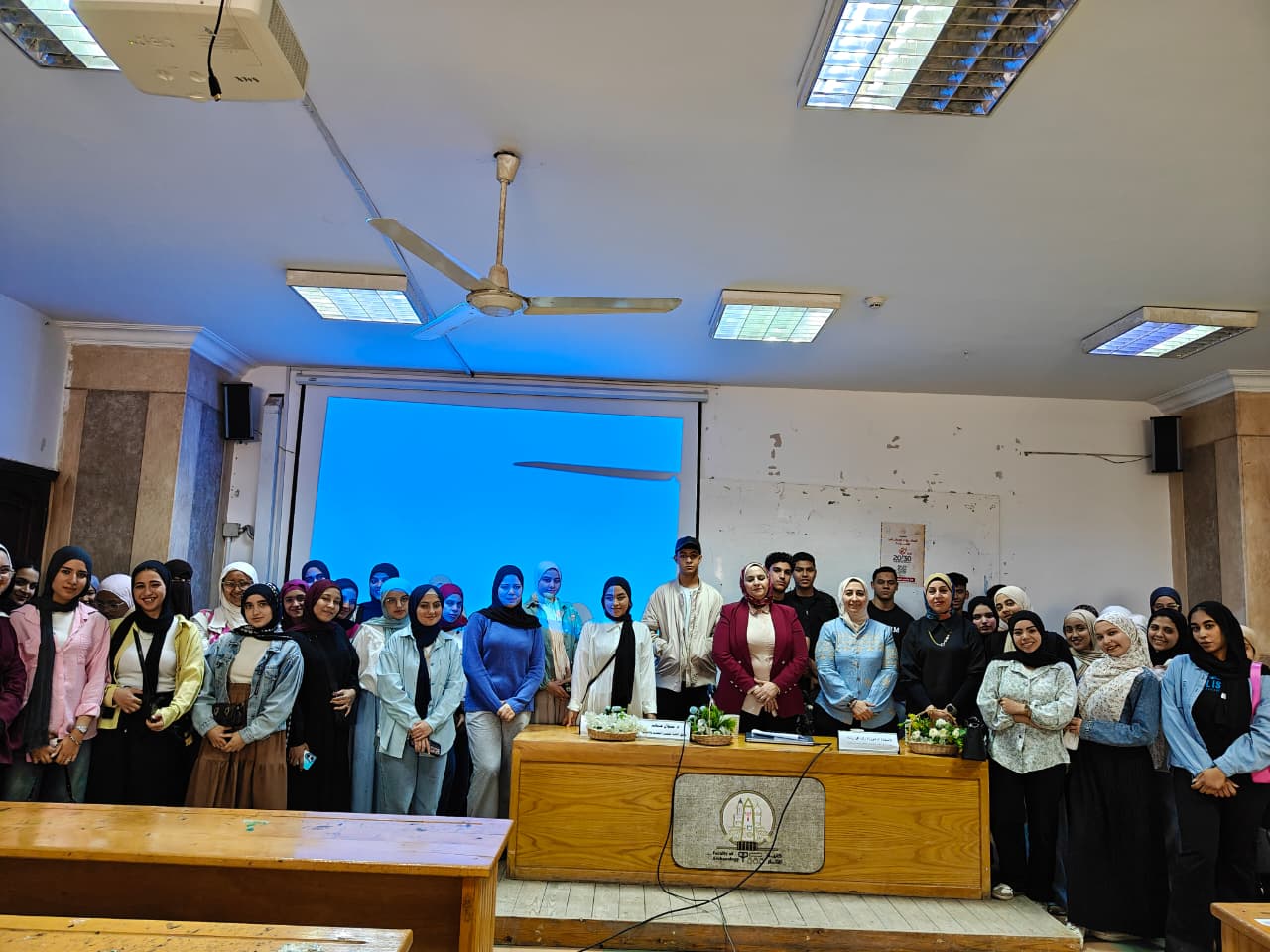 |
The seminar was graciously hosted by Prof. Hossam Tantawy, Dean of the Faculty of Archaeology, and Prof. Nawal Gaber, Vice Dean for Education and Student Affairs, with the participation of the Faculty’s Youth Welfare Department. The session was delivered by Dr. Rasha Mohamed Rashad, a researcher at the Fund for Drug Control and Treatment of Addiction, affiliated with the Cabinet.
The seminar addressed several key topics, including an overview of the Fund’s role and its various departments, with a focus on preventive programs aimed at reducing the demand for drugs. It also highlighted the role of the hotline in providing 24/7 counseling services and free, confidential treatment, in addition to social rehabilitation programs.
A detailed presentation was given on the most common misconceptions surrounding cigarettes and narcotic substances, within an interactive session between the speaker and students. The discussion clarified scientific facts related to cigarettes, their components, and their health risks, as well as outlining the different types of drugs—natural, synthetic, and semi-synthetic—and their associated dangers.
In this context, the seminar emphasized that, amid the widespread misconceptions about smoking and drug use, there is a critical need to correct these beliefs based on scientific evidence and societal realities. While some believe that smoking relieves stress or that certain drugs are “mild” and non-addictive, the reality confirms that all such substances pose serious health and psychological risks that may lead to addiction and the destruction of individuals’ lives.
The seminar also addressed methods of protection and primary prevention, including the role of the family and the importance of avoiding negative peer influence. It featured visual presentations produced by the Fund on the dangers of synthetic drugs, highlighting the role of art as an effective tool for raising positive awareness and building community consciousness.
This seminar is part of a broader series of awareness activities organized by the Education and Student Affairs Sector, represented by the Department of Student Families and Unions at the General Administration of Youth Welfare, in cooperation with the Fund for Drug Control and Treatment of Addiction, with the aim of enhancing youth awareness of these risks, encouraging healthy behaviors, and promoting a safer and more informed society.
The seminar witnessed strong engagement from students, who demonstrated clear interest through their questions and discussions, reflecting their awareness and eagerness to benefit.