
.svg)

Empowering Egyptian Women Achieves Sustainable Development: A Success Story at Ain Shams University's 14th Annual Conference
Under the patronage of Prof. Dr. Mohamed Diaa Zain El Abedeen, President of Ain Shams University; Prof. Amany Osama Kamel, Vice President for Graduate Studies and Research and Executive Director of the Conference; Prof. Ghada Farouk, Vice President for Community Service and Environmental Development; and Prof. Rami Maher, Vice President for Education and Student Affairs, Prof. Amany Osama Kamel, Vice President for Graduate Studies and Research, and Prof. Hind El-Hilaly, Executive Director of the Women's Support and Anti-Violence Unit at the University, inaugurated the activities of the 5th Annual Conference, "Empowering Egyptian Women Achieves Sustainable Development: A Success Story." This conference aligns with the Egyptian state's direction towards achieving the goals of Egypt Vision 2030 and reinforces the National Strategy for Women's Empowerment. Ain Shams University has emerged as a leading institutional model that combines legislation and the practical application of women's empowerment policies through integrated initiatives and programs that reflect effective partnerships between governmental bodies and international organizations.
 |
 |
 |
||
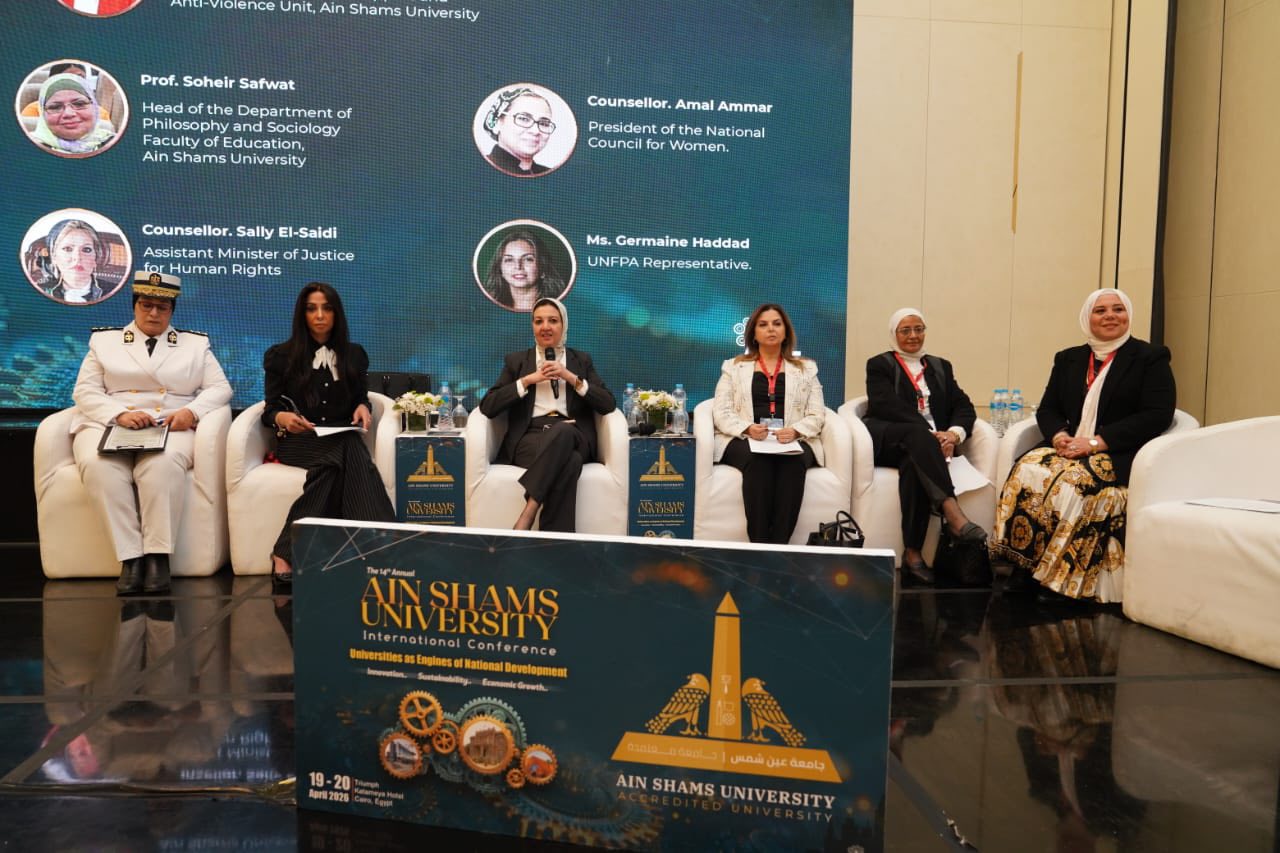
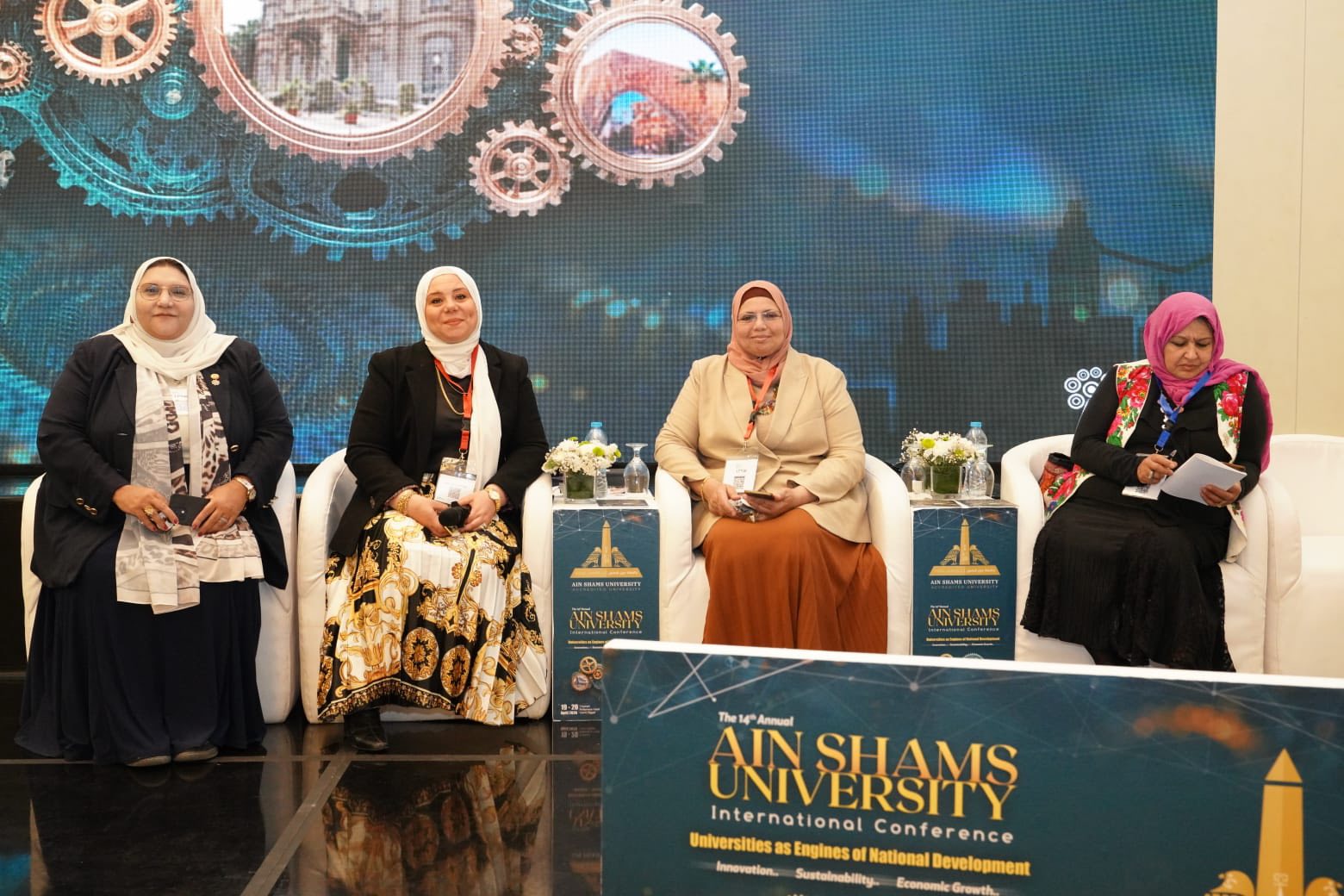
The 14th International Conference of the University, held under the theme "Universities as Engines of National Development Towards Innovation and Sustainable Economic Growth," featured an expanded session of the 5th Annual Conference of the Women's Support and Anti-Violence Unit. This session addressed "Mechanisms for Empowering Egyptian Women to Achieve Sustainable Development... A Success Story," from a comprehensive developmental perspective that integrates legal frameworks, institutional integration, and practical applications.
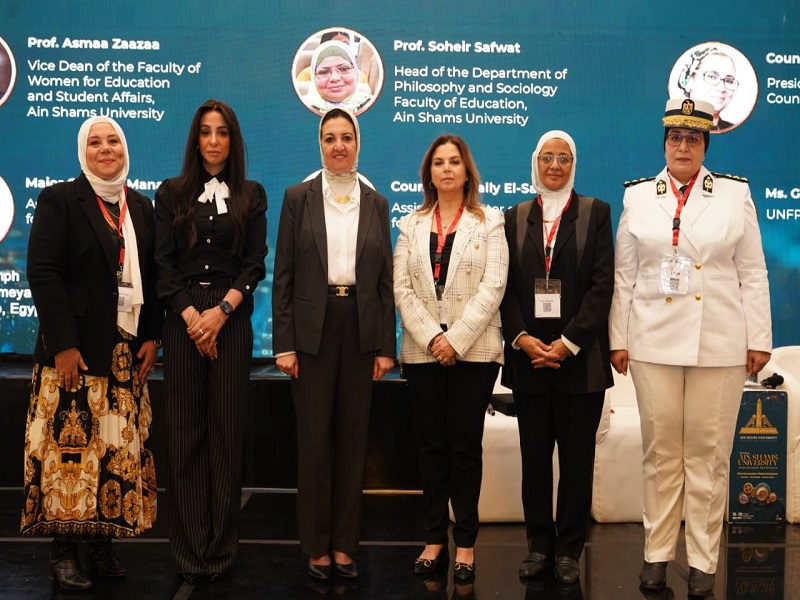
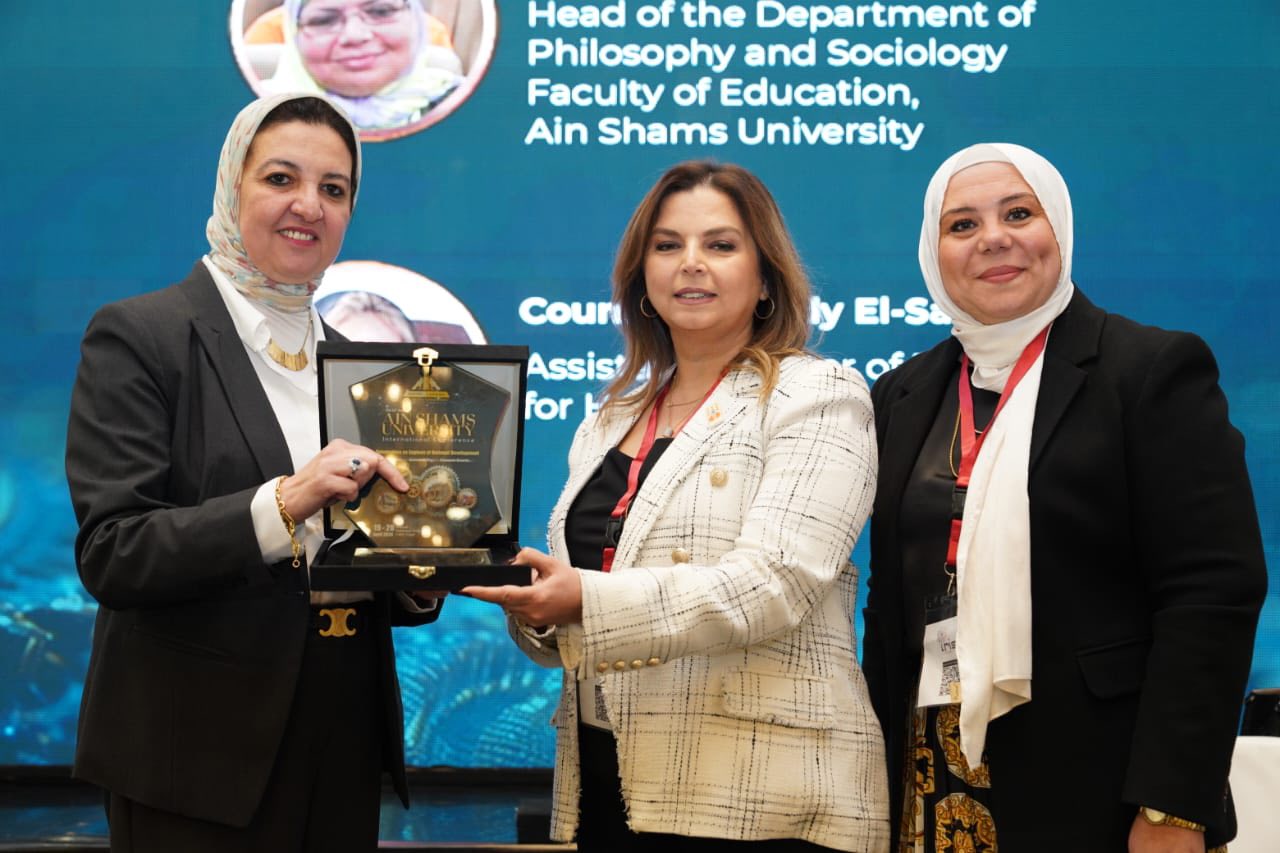
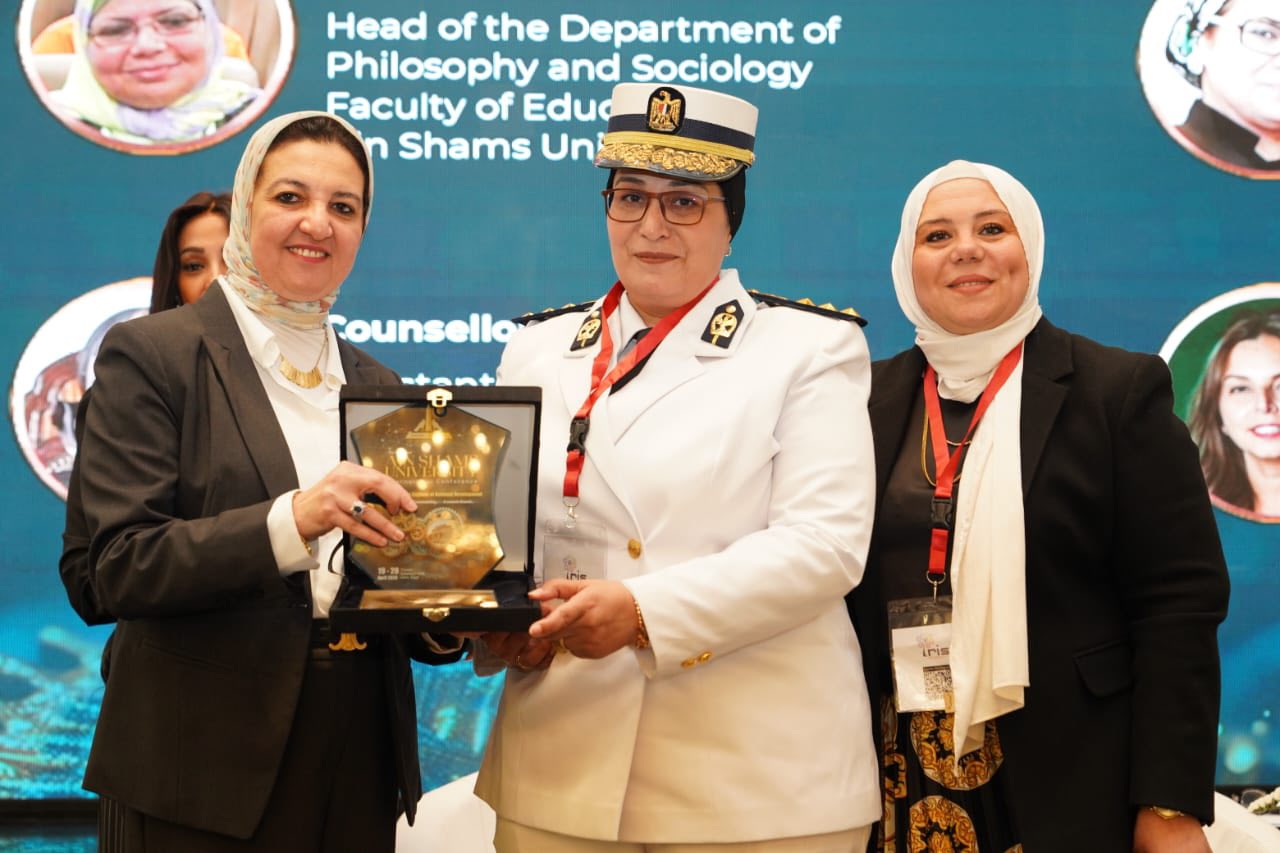
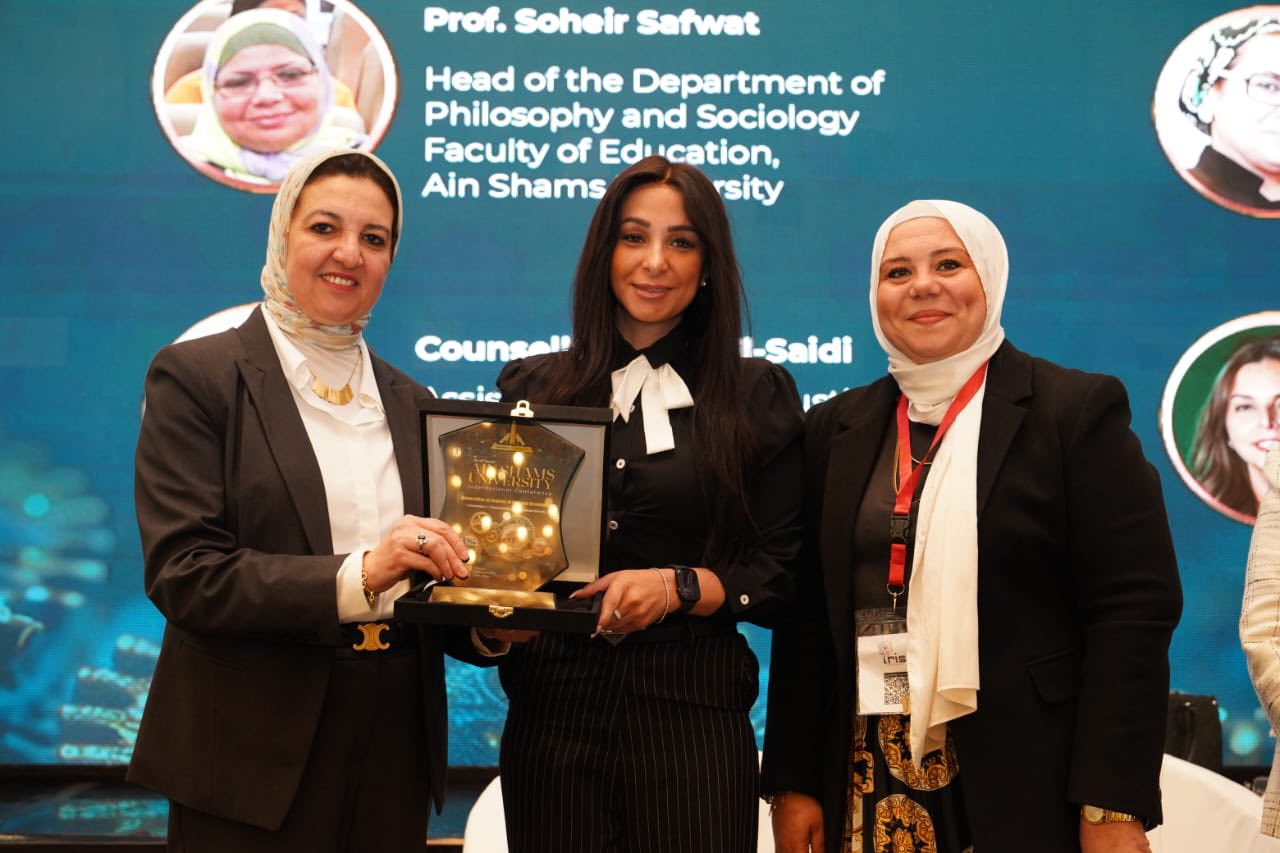
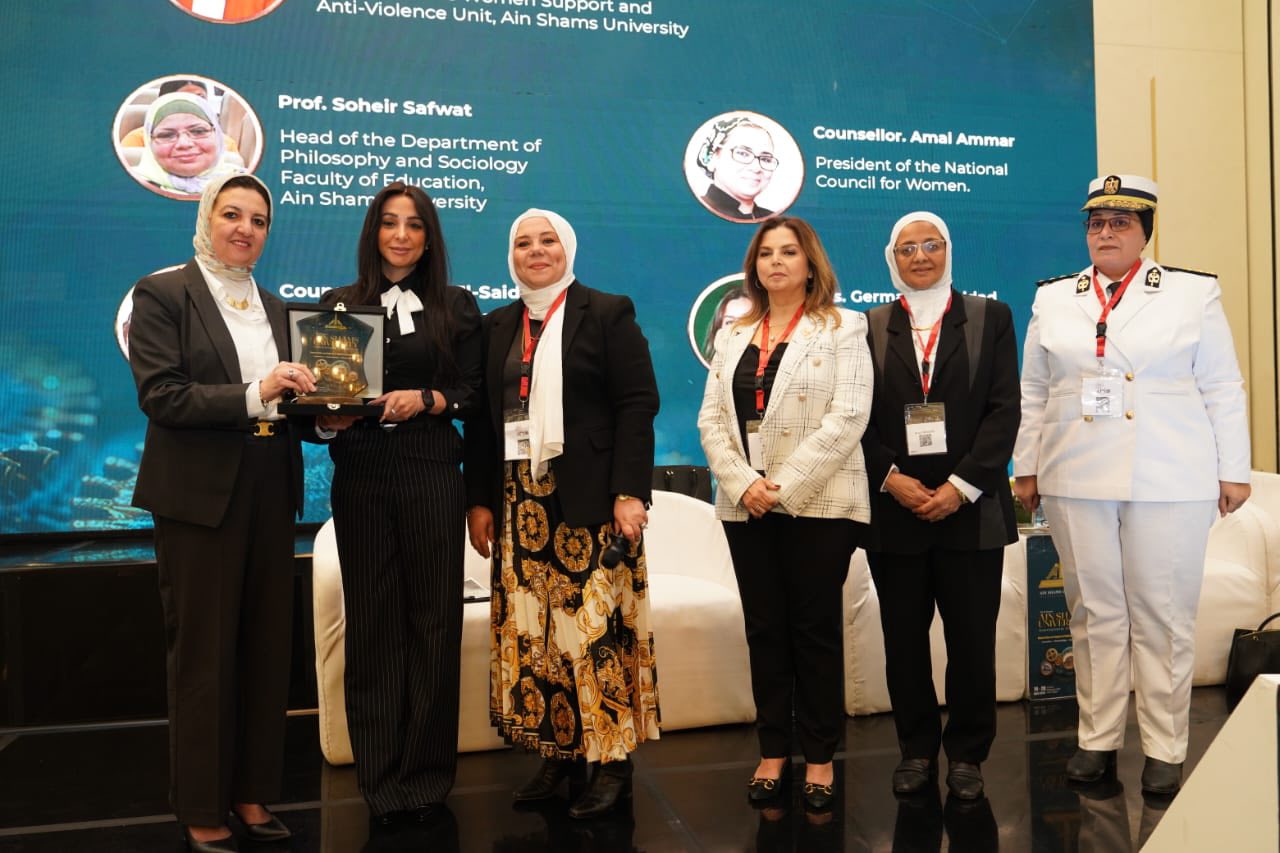
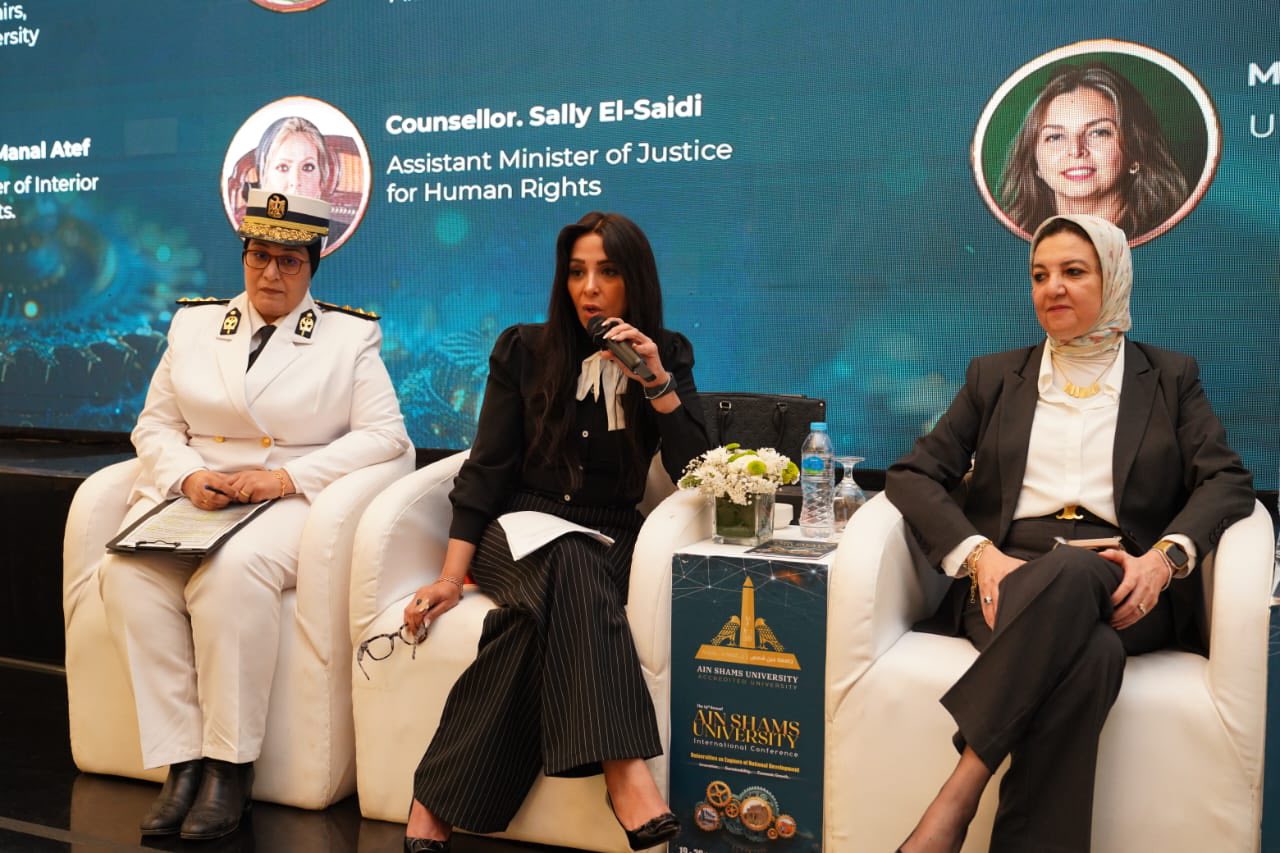
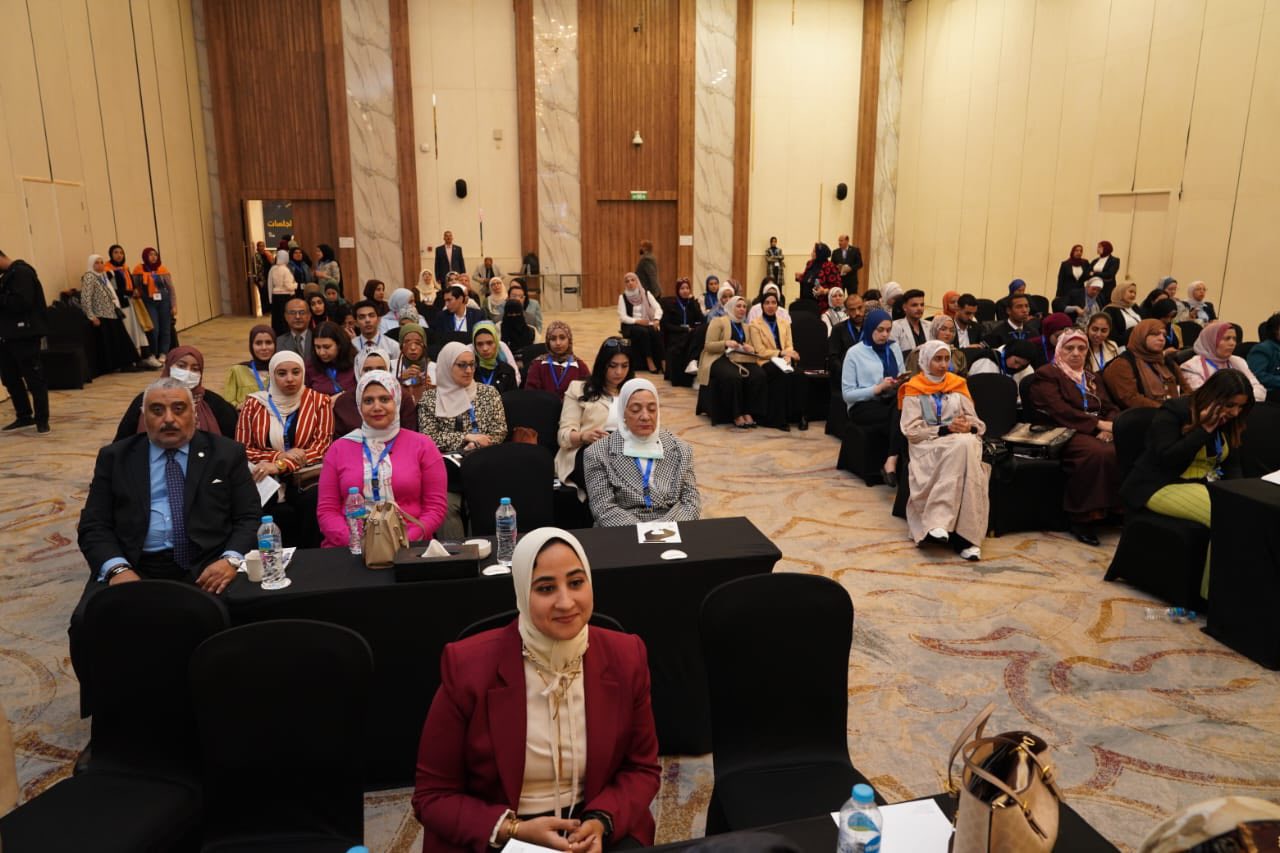
The session was distinguished by the participation of representatives from state institutions and international organizations, including Counselor Marwa Barakat, representing the National Council for Women; Brigadier General Marwa El-Madani, Director of the Department of Violence Against Women Cases at the Human Rights Sector of the Egyptian Ministry of Interior; Mrs. Germaine Haddad, representing the United Nations Population Fund; Dr. Arwa Metwally, Director of the Equal Opportunities Unit at the Ministry of Social Solidarity; Prof. Yassin El-Shazly, Dean of the Faculty of Law at the University; Prof. Asmaa Zaazaa, Vice Dean of the Faculty of Girls for Education and Student Affairs; Prof. Sohair Safwat, Head of the Sociology Department at the Faculty of Education at the University; and a number of specialists, trainees, and students from the University.
The participants affirmed that this institutional diversity is the cornerstone of achieving genuine and sustainable empowerment, based on the exchange of expertise and the integration of policies and programs.
Prof. Hind Al-Hilali presented a report on the achievements of the University's Women's Empowerment Unit, explaining that the unit has adopted several integrated strategies aimed at supporting women, including protection, economic and social empowerment, and the provision of psychological support services.
 |
 |
 |
||
She also emphasized the unit's pivotal role in adopting a scientific research strategy, as the surrounding academic environment enables the production of specialized studies and research on women's issues, contributing to the development of scientifically sound and reliable solutions to address various challenges.
In her presentation, she discussed several important research projects, including studies on digital violence and youth reactions to online blackmail. She also reviewed a joint master's thesis between the unit and the Faculty of Environmental Studies, which examined the impact of female genital mutilation (FGM) on women's mental, physical, and reproductive health through a field study conducted on a sample in one of Egypt's governorates.
The session also addressed the findings of a study measuring the reactions of a sample of medical staff to workplace violence, as well as the results of a psychological support program for women contemplating suicide due to violence and psychological stress. This highlights the unit's role in both preventative and therapeutic intervention.
The session discussed the vital role of legislation in protecting women's rights and promoting their participation. It was emphasized that developing a legal framework to combat discrimination and violence directly contributes to improving women's economic and social conditions. The challenge lies not only in enacting laws but also in ensuring their implementation and monitoring their enforcement.
State institutions presented practical models for implementing policies. The Egyptian Ministry of Interior showcased its efforts in developing mechanisms for receiving complaints of violence, providing trained female personnel, and offering psychological support to victims.
In turn, the Ministry of Social Solidarity presented comprehensive programs to support women, particularly the most vulnerable groups such as female heads of households and women in debt, through economic empowerment, entrepreneurship programs, and protection and shelter services.
 |
 |
 |
||
The United Nations Population Fund (UNFPA) highlighted its joint initiatives with the university, such as programs supporting and empowering girls within the university environment. These programs are implemented in collaboration with the Women's Support and Anti-Violence Unit, which has been considered a successful institutional model since its establishment in 2016.
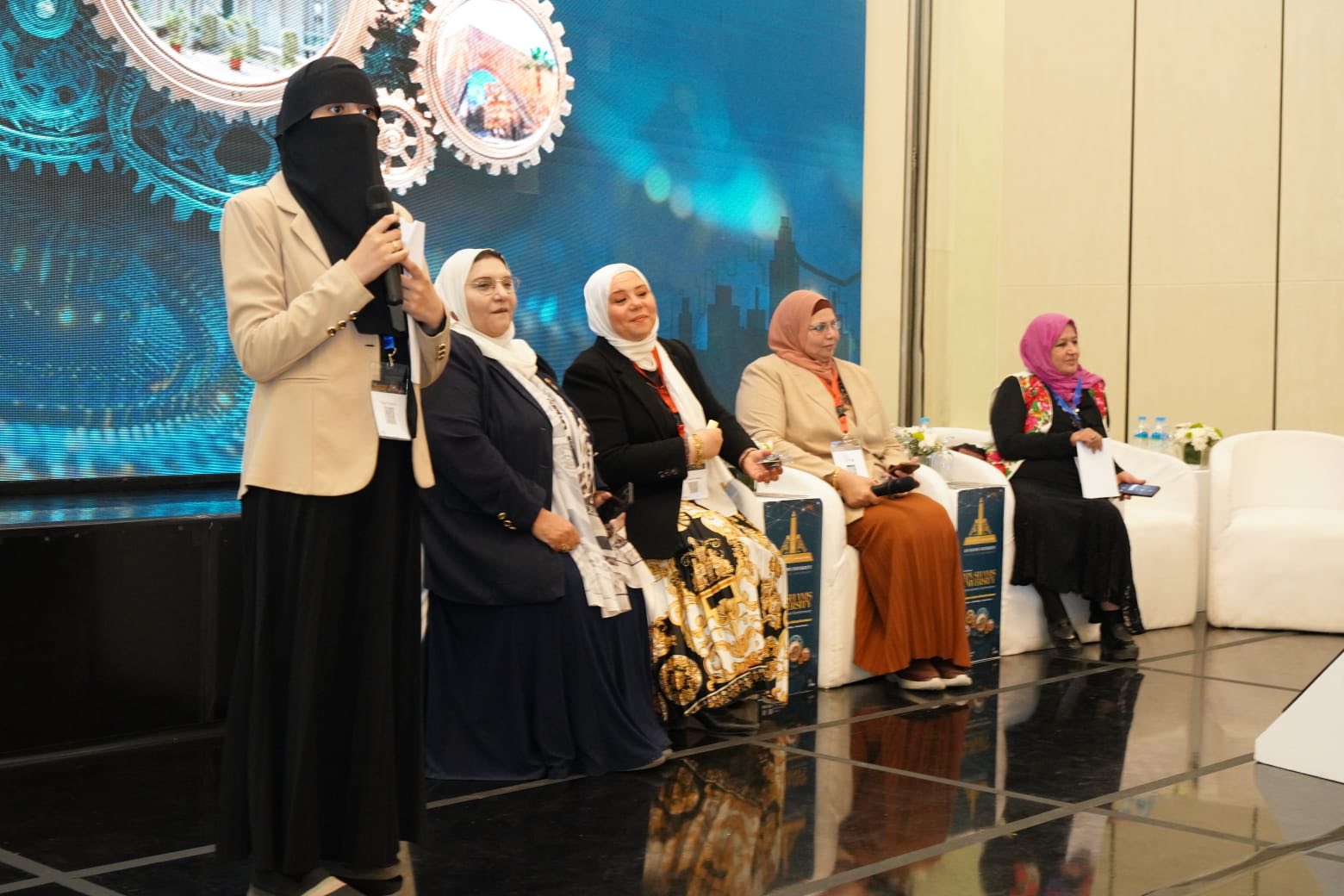
The session also discussed several student research and innovation projects from the Faculties of Education, Women, and Agriculture, including topics such as workplace violence, cybercrime, and innovation in producing low-cost materials. Participants emphasized the importance of linking these research findings to practical applications to maximize their impact on society.
The discussions also touched upon sensitive issues such as female genital mutilation (FGM), highlighting the progress made in combating it through stricter legal penalties, while emphasizing the need for continued awareness campaigns alongside legislation.
In conclusion, Ain Shams University reaffirms its pivotal role as an academic and developmental platform that contributes to supporting women's issues and promotes sustainable development based on justice, equality, and equal opportunities, thus becoming a model for the integration of theory and practice.