
.svg)

Health Tourism in Egypt on the Agenda of Ain Shams University’s 14th Annual Conference: Promising Opportunities and Ongoing Challenges to Enhance Global Competitiveness
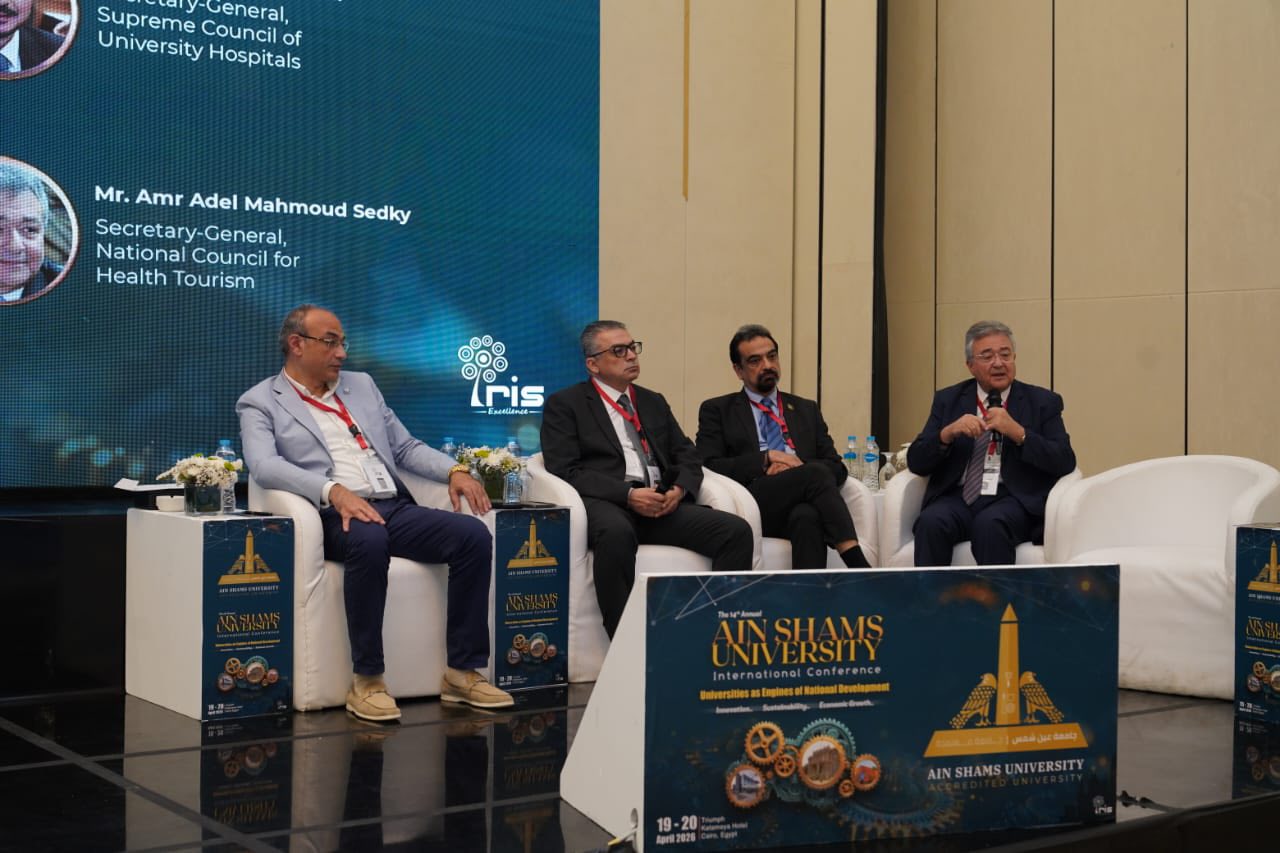
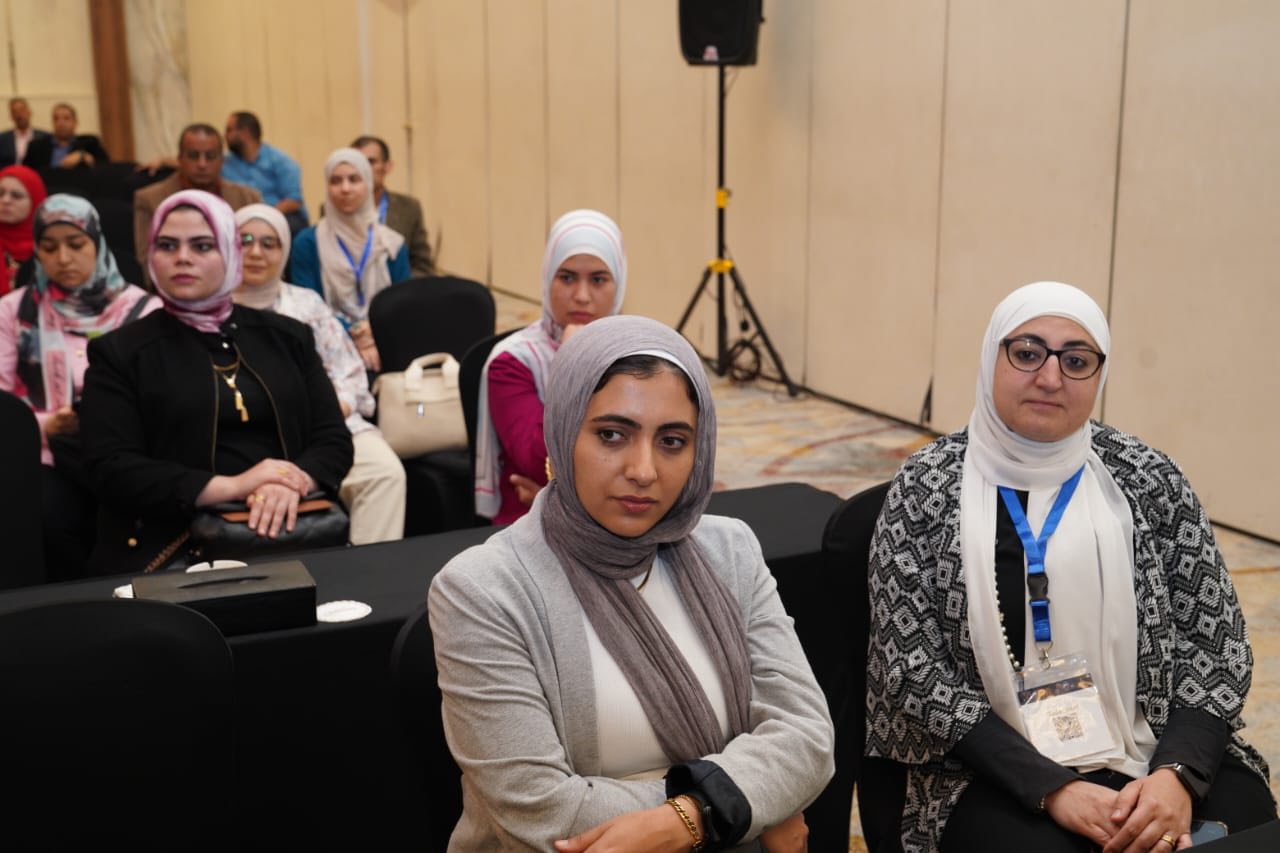
A session titled “Health Tourism in Egypt: Opportunities, Challenges, and Pathways to Global Competitiveness,” held as part of the 14th Annual International Conference of Ain Shams University, under the theme “Universities as Engines of National Development… Toward Innovation and Sustainable Economic Growth,” explored prospects for developing this vital sector and its role in supporting the national economy.
 |
 |
 |
||
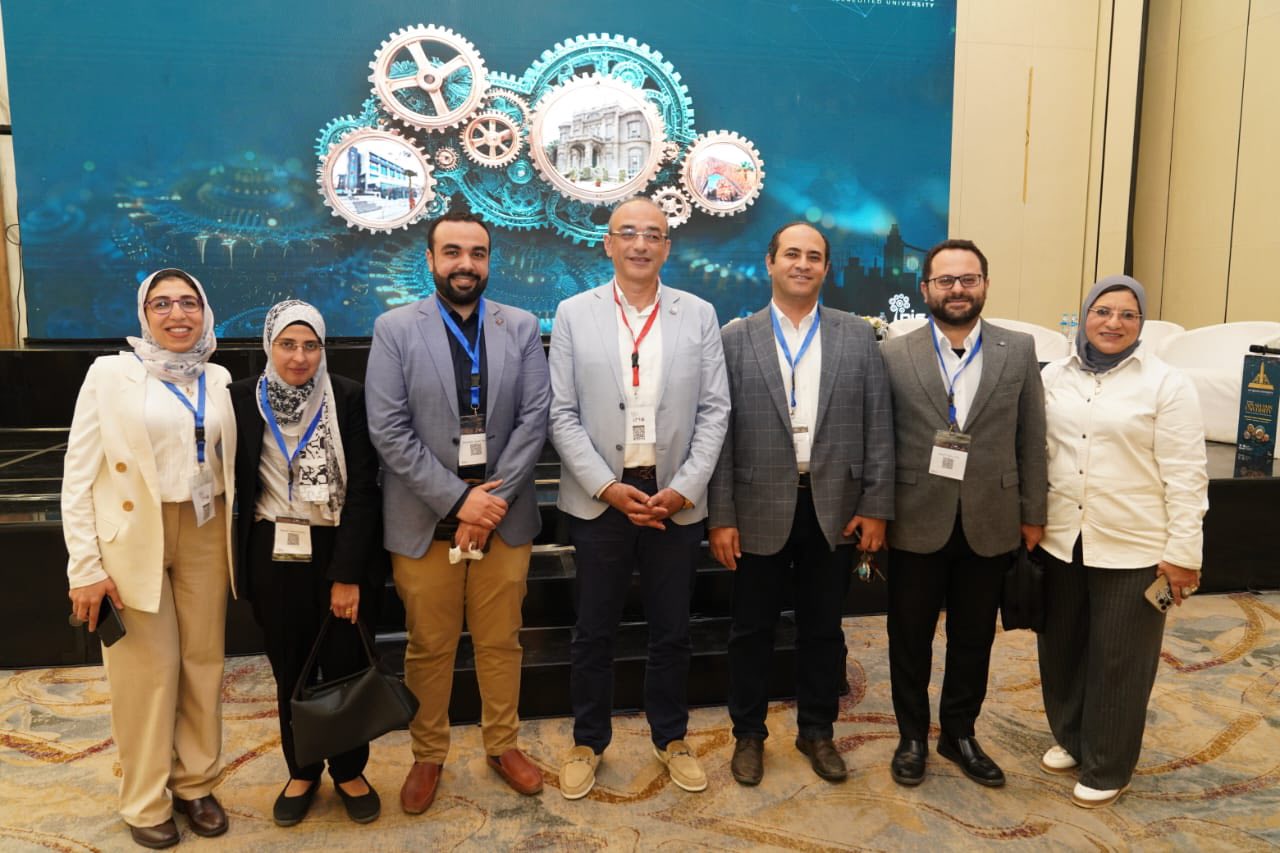
The session was chaired by Prof. Ali El-Anwar, Dean of the Faculty of Medicine at Ain Shams University, in the presence of Prof. Mohamed Diaa Zain El-Abedeen, President of the University and Conference Chair, and Prof. Amany Osama Kamel, Vice President for Postgraduate Studies and Research and Executive Director of the Conference.
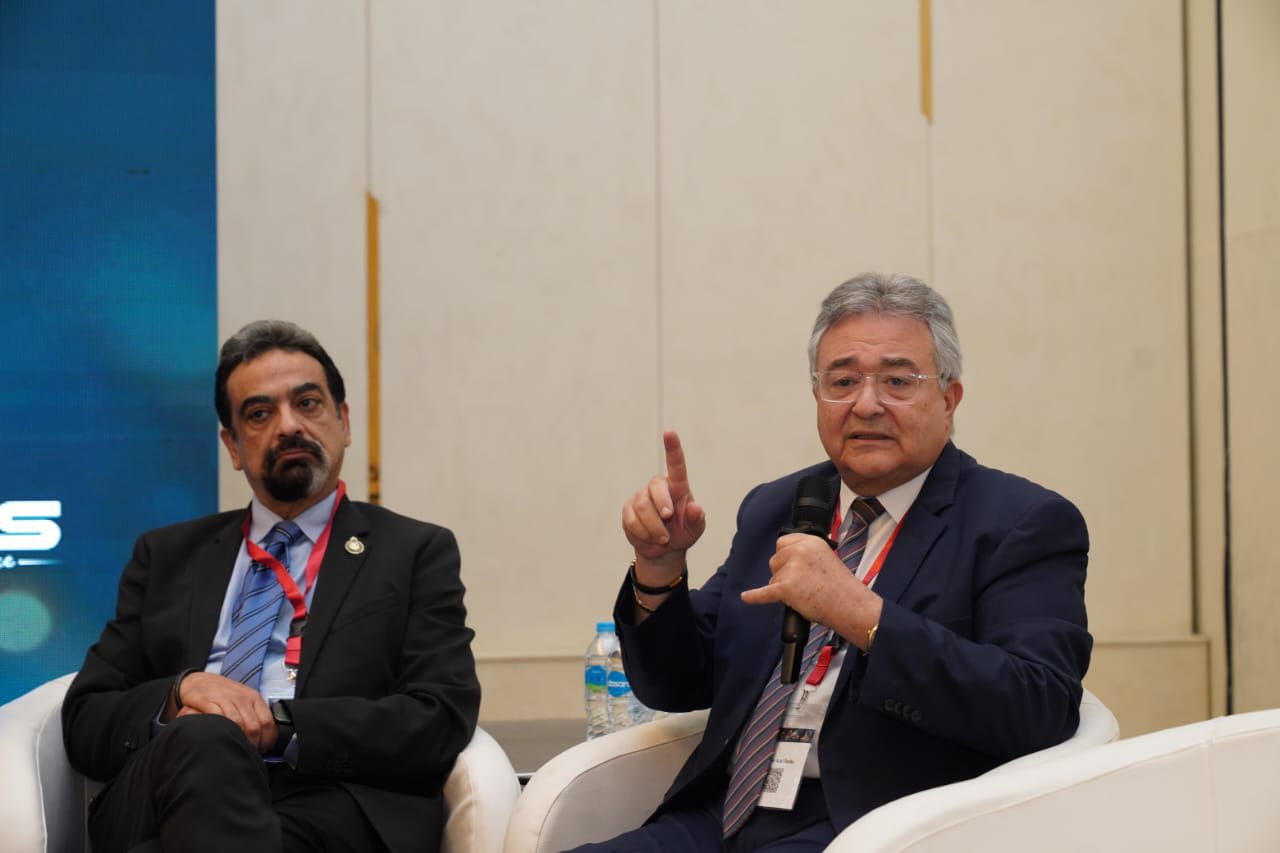
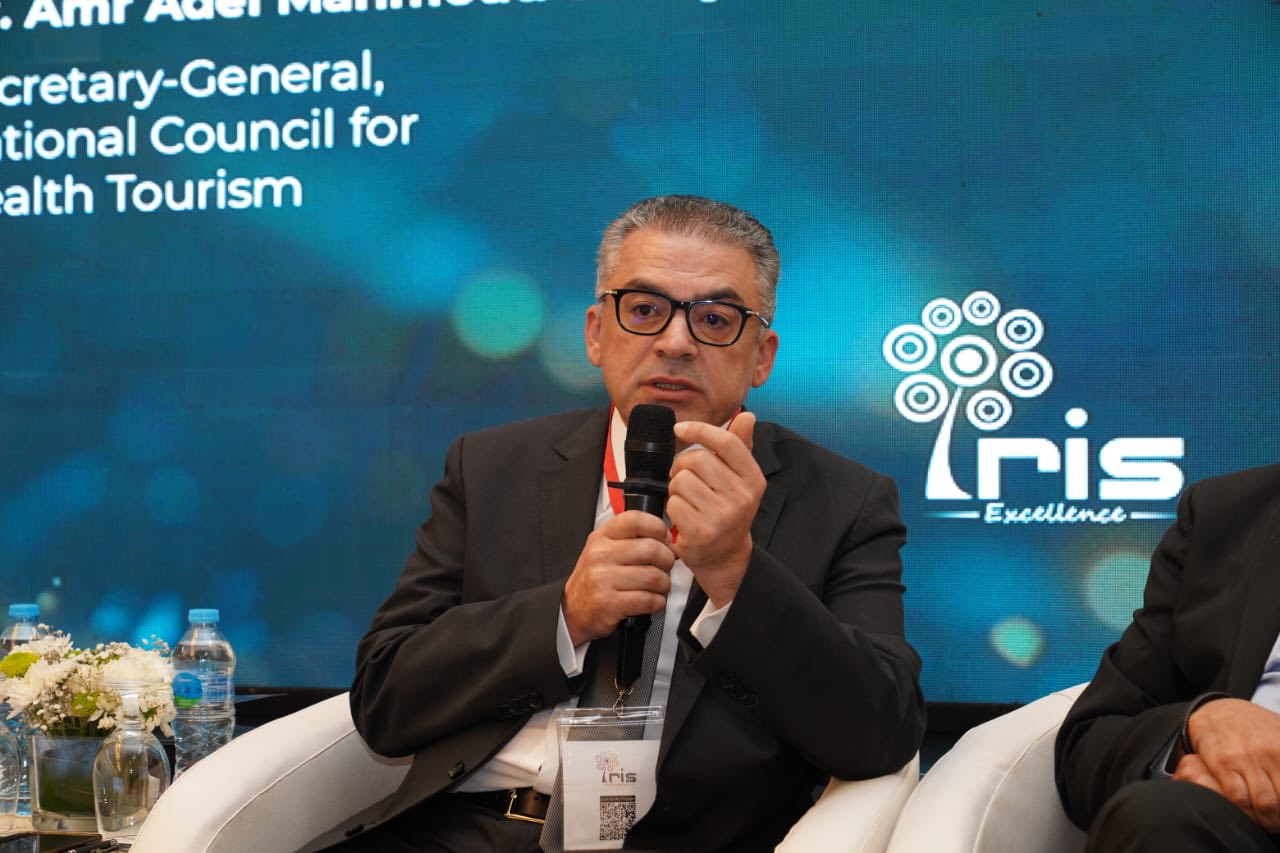
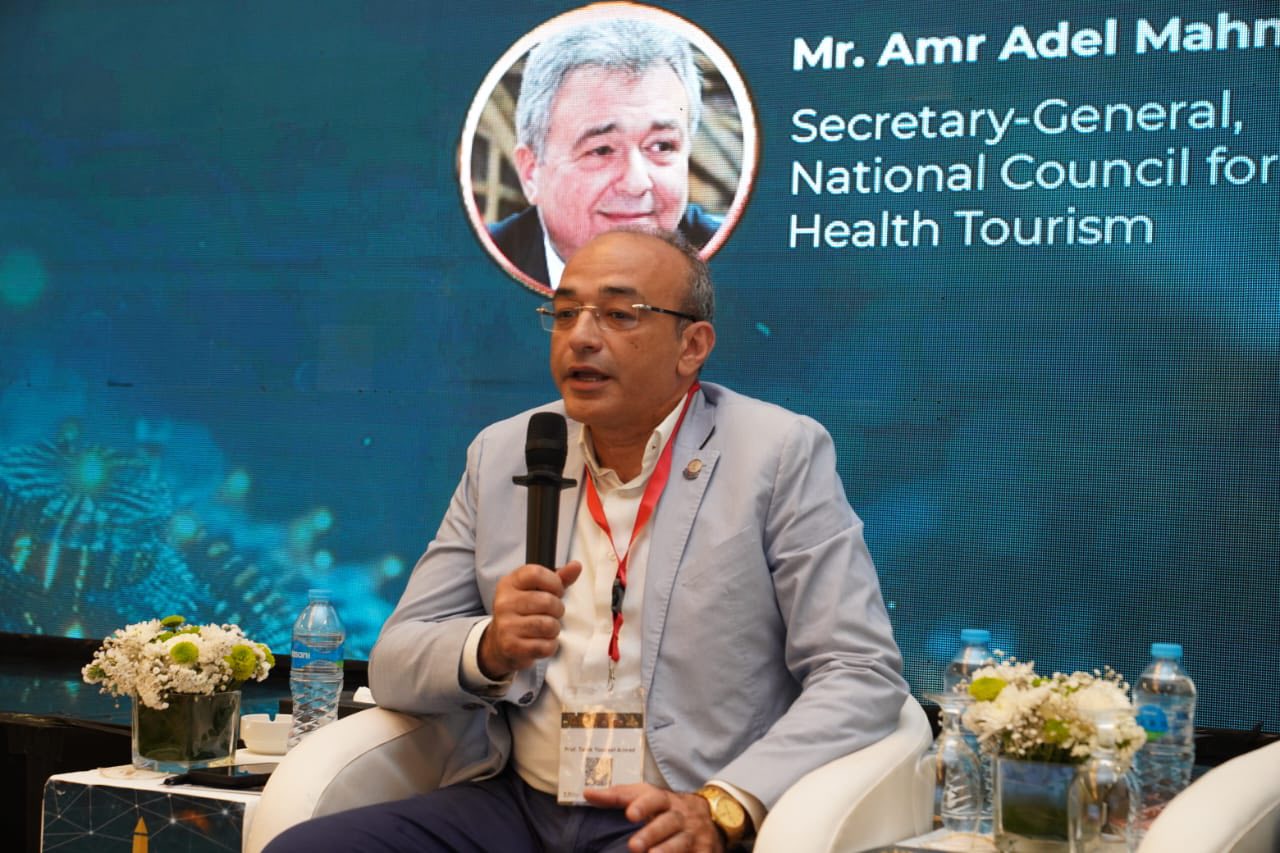
The session featured participation from Mr. Amr Sedky, Secretary-General of the National Council for Health Tourism; Prof. Hossam Abdel Ghaffar, official spokesperson for the Ministry of Health and Population; and Prof. Tarek Youssef, Executive Director of Ain Shams University Hospitals.
 |
 |
 |
||
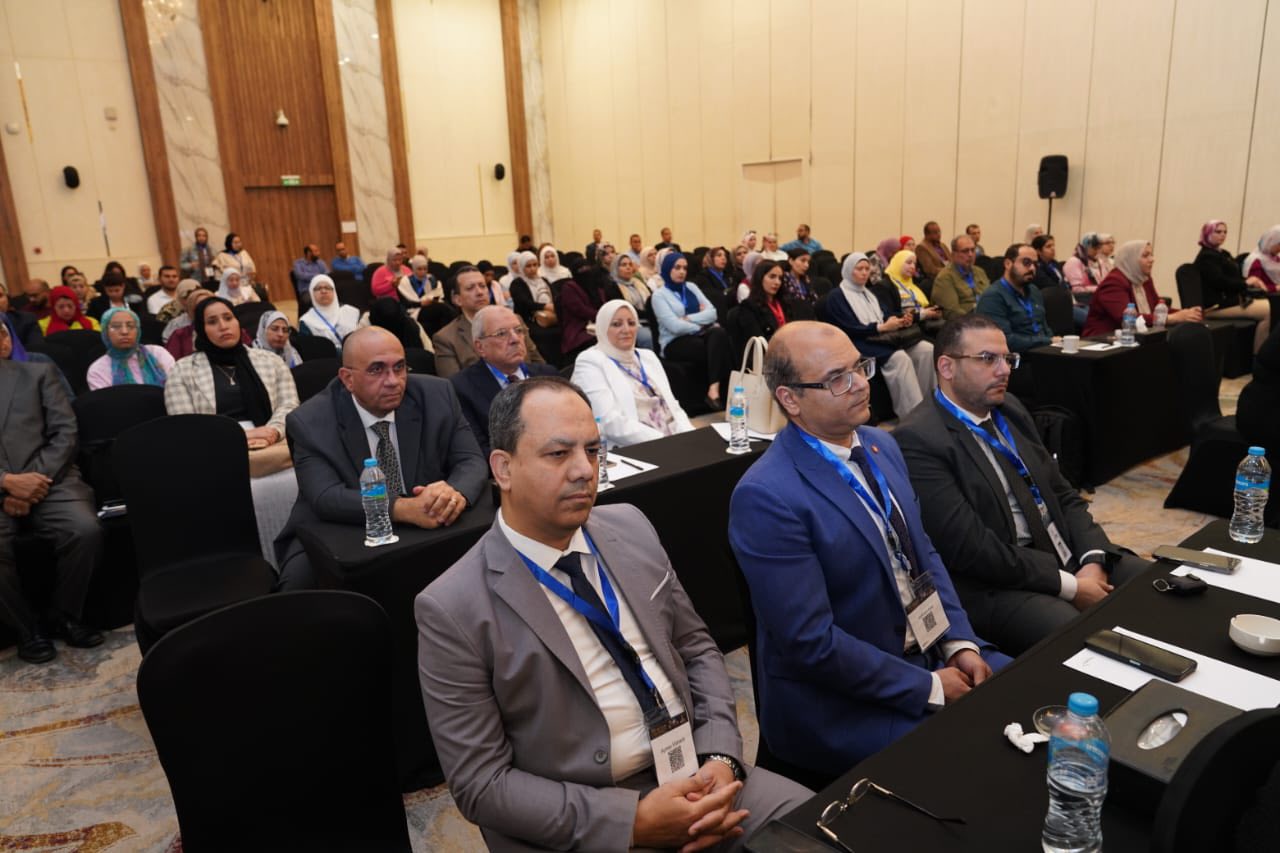
The session highlighted Egypt’s significant potential in the field of health tourism, positioning it as a key driver of economic growth and a promising sector for delivering high-quality healthcare services. Participants discussed current trends, investment opportunities, and the importance of building strategic partnerships to strengthen Egypt’s position as a leading regional and global destination in this field.
Mr. Amr Sedky emphasized the importance of clarifying concepts, noting that “health tourism” is the broader term, encompassing medical tourism related to healthcare services, wellness tourism based on natural therapeutic resources under medical supervision, as well as accessible tourism tailored for people with disabilities and the elderly.
He also reviewed the role of the National Council for Health Tourism and its future, particularly in developing the legislative framework governing the sector. He highlighted the upcoming launch of the “Tour for Cure” digital platform, which will be available in eight languages (starting with three in its initial phase). The platform is designed to serve as a direct link between healthcare providers and patients, enabling organized service presentation and helping patients choose suitable options with ease and transparency.
 |
 |
 |
||
For his part, Prof. Hossam Abdel Ghaffar reviewed the current state of Egypt’s medical sector and its impact on health tourism, noting that the Ministry of Health has signed agreements with several countries to send their citizens to Egypt for treatment. He stressed that while Egypt possesses outstanding medical capabilities, its position on the global health tourism map remains below its full potential, highlighting the need for a unified coordinating body to ensure fairness among service providers and provide clear guidance for patients.
He also underscored the importance of obtaining both local and international accreditation for medical institutions, as well as the role of the Medical Liability Law in enhancing international trust.
Meanwhile, Prof. Tarek Youssef raised a key question regarding the readiness of university hospitals to integrate into the health tourism system, emphasizing that they represent the pinnacle of the healthcare sector due to their specialized expertise and advanced capabilities operating around the clock.
He explained that Ain Shams University is working to reshape public perception by delivering distinguished medical services at a hospitality-standard level, alongside expanding infrastructure and improving service efficiency. He also highlighted the role of the Ain Shams Virtual Hospital in supporting health tourism through remote medical consultations and patient follow-up, facilitating access to healthcare services both within and outside Egypt, while strengthening international cooperation.
The session witnessed extensive discussions on infrastructure development, quality standards implementation, innovation in digital health, ethical considerations, and sustainability, alongside a review of the key challenges facing the sector.
The session concluded with the presentation of practical solutions and actionable pathways aimed at enhancing Egypt’s global competitiveness in health tourism.
At the closing, Mohamed Diaa Zain El-Abedeen presented the conference shield to the speakers in appreciation of their valuable contributions and enriching discussions
.