
.svg)

In the Presence of the Minister of Supply and Internal Trade and the President of Ain Shams University…the Faculty of Business Organizes Its First International Conference under the Theme “Innovate to Lead”
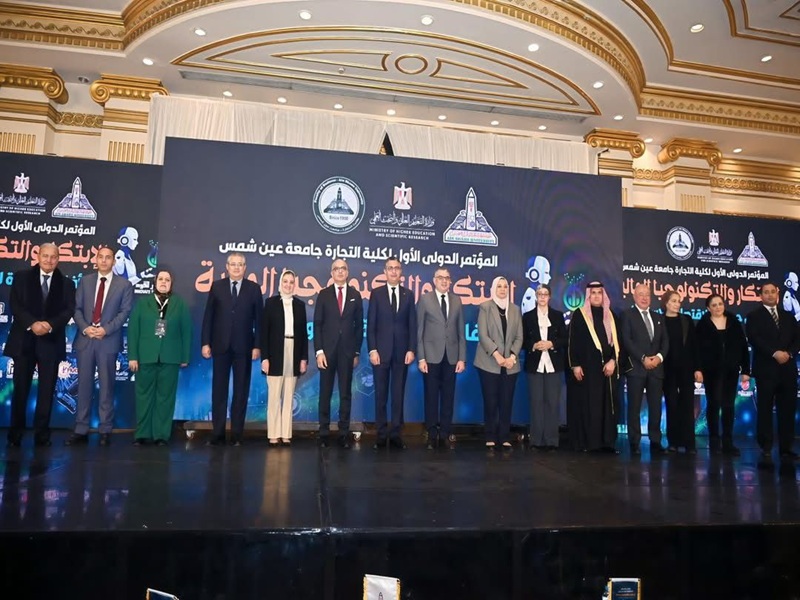
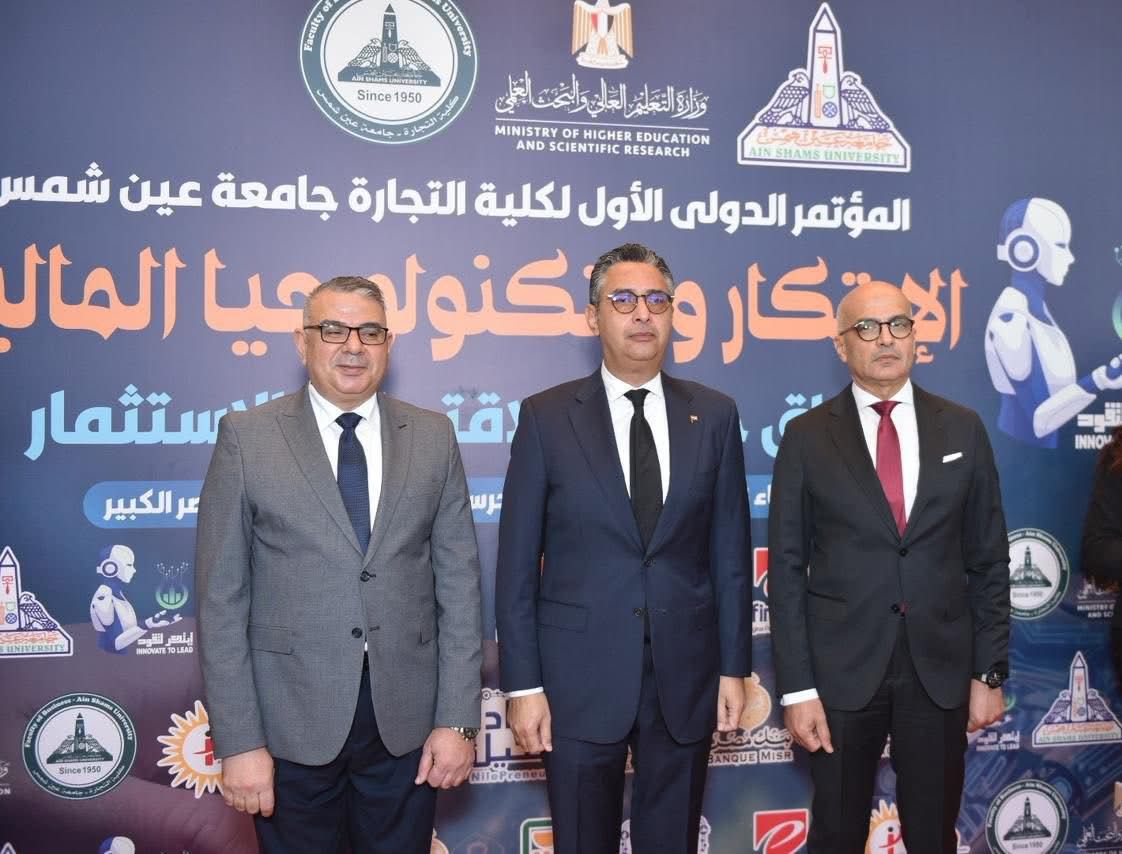
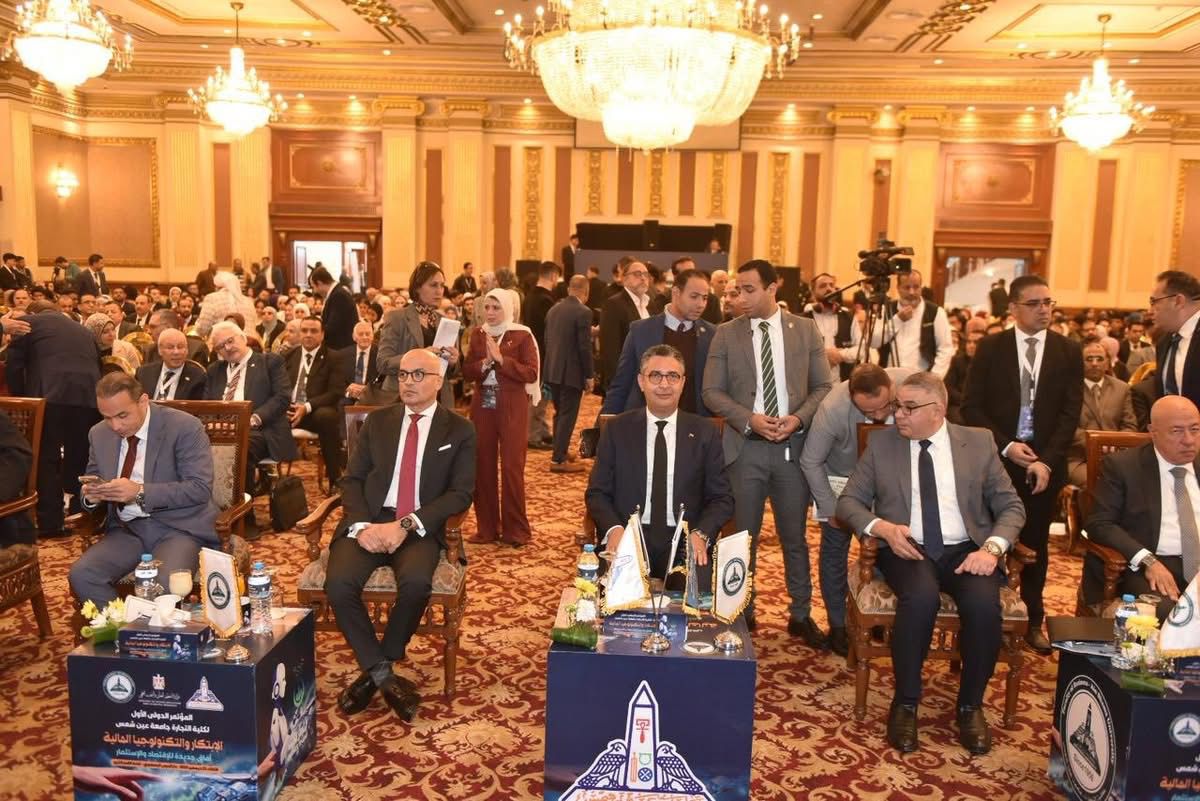
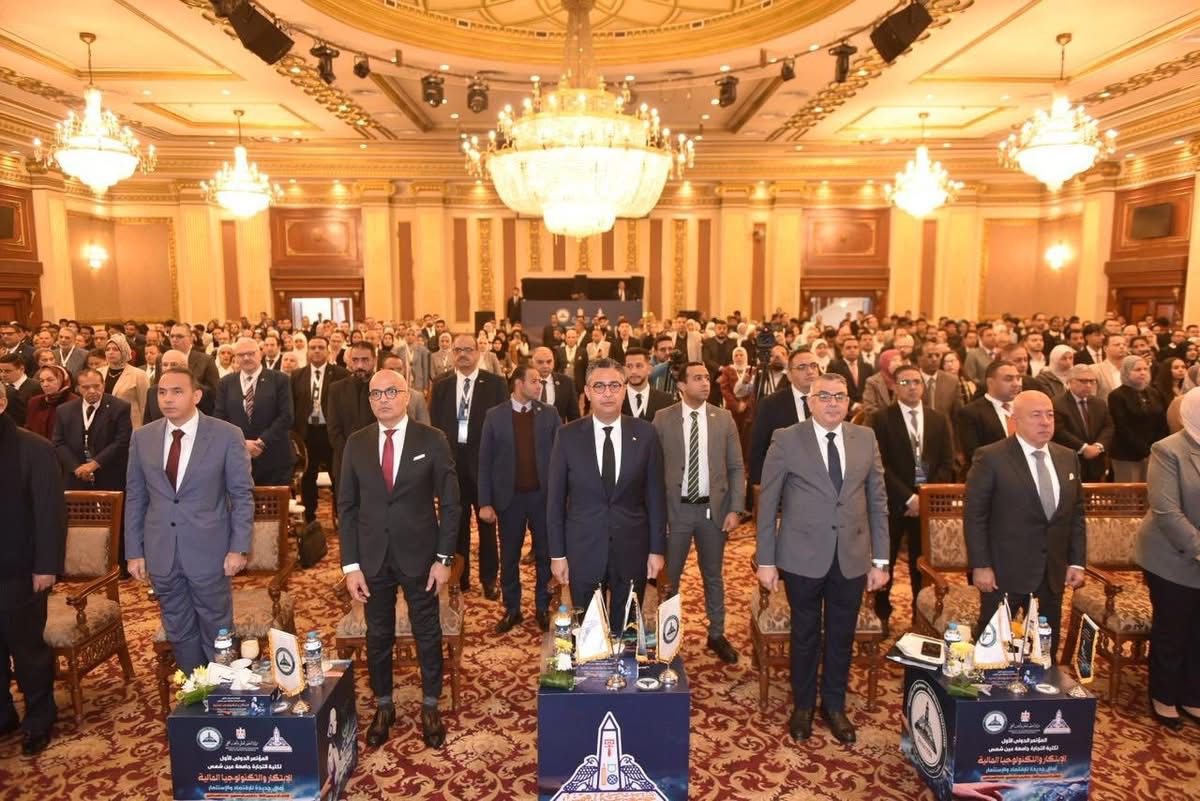
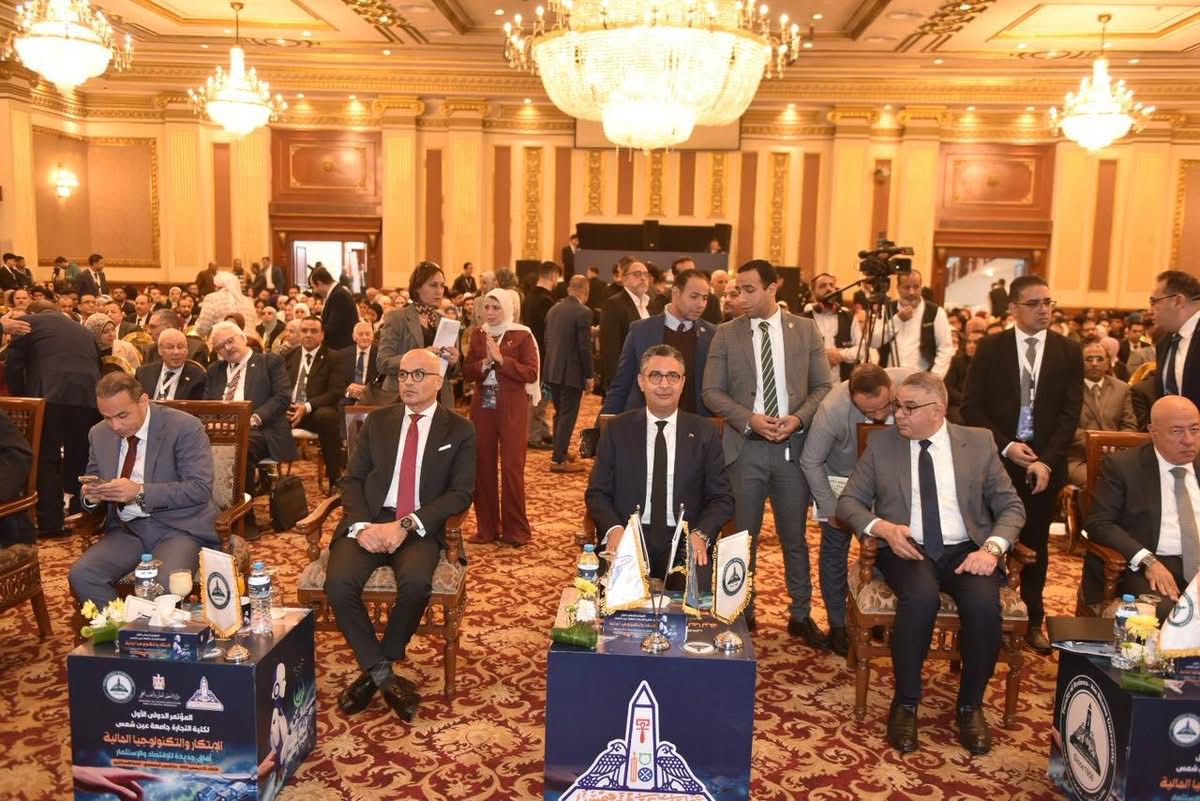
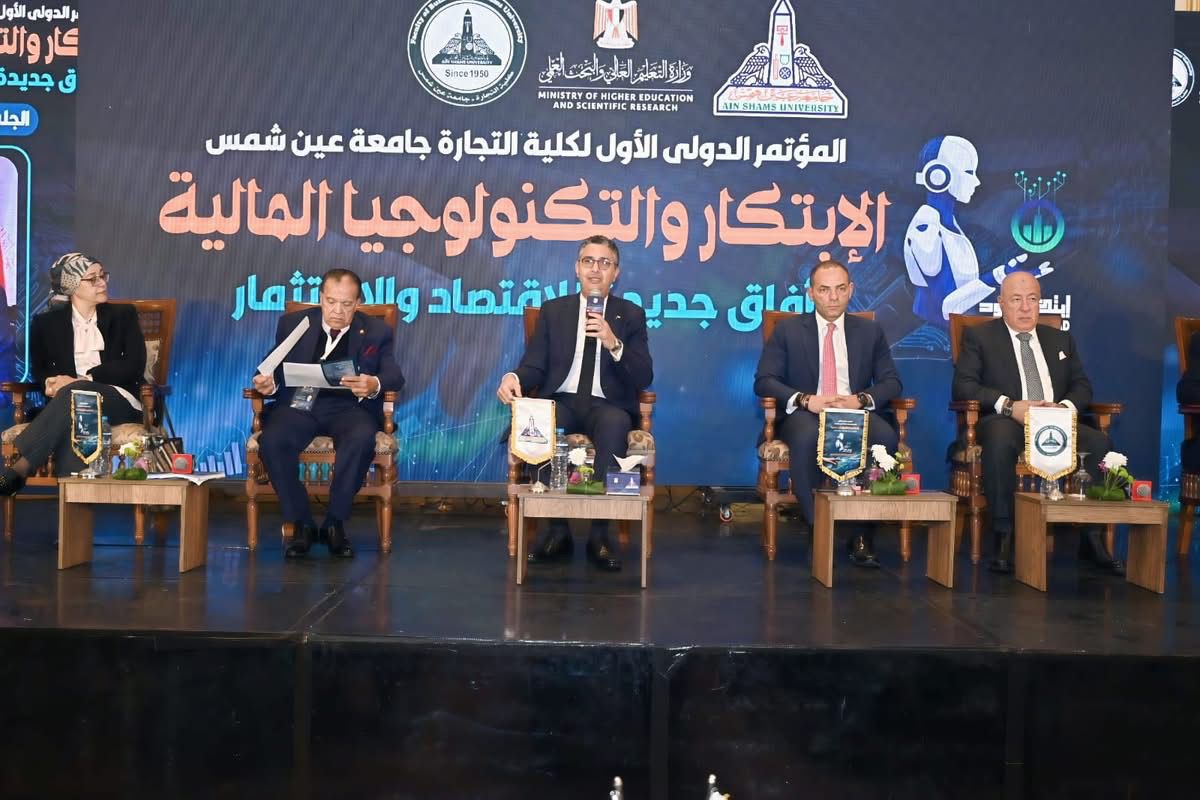
Under the patronage of Prof. Mohamed Ayman Ashour, Minister of Higher Education and Scientific Research, Prof. Sherif Farouk, Minister of Supply and Internal Trade, and Prof. Mohamed Diaa Zain El-Abedeen, President of Ain Shams University, attended the activities of the First International Conference of the Faculty of Business, held under the theme “Innovate to Lead,” at the Republican Guard House, with broad participation from experts, university presidents, and decision-makers in the financial and technological sectors.
 |
 |
 |
||
The conference was attended by Prof. Ghada Farouk, Vice President of Ain Shams University for Community Service and Environmental Development; Prof. Amany Osama Kamel, Vice President for Graduate Studies and Research; Prof. Rami Maher Ghali, Vice President for Education and Student Affairs; Prof. Hussein Eissa, Former President of Ain Shams University, Chairman of the Planning and Budget Committee of the House of Representatives, and Head of the Commercial Sector Committee; H.E. Ambassador Abdulaziz bin Abdullah Al-Matar, Permanent Representative of the Kingdom of Saudi Arabia to the League of Arab States; Prof. Farid Moharram, Dean of the Faculty of Business; in addition to a distinguished gathering of faculty members, students, and researchers.
The opening session featured keynote addresses underscoring the importance of digital transformation, the conference’s strategic vision of linking academic research with market and investment needs, and in-depth discussions on the digital revolution and cybersecurity.
 |
 |
 |
||
In his address, Prof. Mohamed Diaa Zain El-Abedeen, President of Ain Shams University, emphasized that financial technology (FinTech) is no longer merely a technical option, but has become a primary driver of economic growth and a strategic tool for reshaping financial and investment markets and enhancing financial inclusion. He noted that the conference aligns with rapid global transformations and supports the achievement of sustainable development goals, in line with presidential directives and Egypt Vision 2030, which places digital transformation and innovation at the forefront of national priorities. This is achieved by linking scientific research to practical applications and preparing qualified cadres capable of building a competitive knowledge-based economy.
He further highlighted that the conference theme, “Innovate to Lead,” reflects the spirit of the current phase, reaffirming the University’s continued role as a key supporter of initiatives that contribute to national economic development and strengthen Egypt’s regional and international standing, through fostering dialogue between academia and the banking and technology sectors. He also expressed appreciation for the patronage of the Minister of Higher Education and Scientific Research and the attendance of the Minister of Supply, along with leading economic experts from Egypt and abroad, reflecting the integration of efforts to formulate innovative visions that support the State’s economic policies.
During the conference, Prof. Farid Moharram, Dean of the Faculty of Business, stressed the critical importance of digital transformation, noting that the world is changing at an unprecedented pace and that digital transformation is no longer optional, but an essential reality for reshaping institutions and service delivery models. He explained that the modern economy now relies primarily on knowledge, data, smart technologies, and innovation, rather than solely on traditional physical capital.
He added that the University and the Faculty have adopted a strategic vision that integrates innovation and entrepreneurship within economic and financial disciplines, aiming to develop curricula and launch modern academic programs that prepare students for future labor market demands.
The conference discussed 66 scientific research papers across seven academic and dialogue sessions, focusing on the impact of artificial intelligence, blockchain technologies, and cybersecurity on sustainability, transparency, the quality of financial reporting, and big data analytics. It was also emphasized that FinTech has become a key tool for promoting sustainable economic growth and enhancing financial inclusion, praising the Egyptian State’s steps toward building a robust digital infrastructure and updating the legislative framework governing this sector.
Prof. Islam Azzam, Chairman of the Egyptian Exchange, highlighted the pivotal role of FinTech in shaping the future of Egypt’s financial sector, noting that reliance on such technologies is a strategic necessity aimed at attracting new categories of investors, particularly youth, who now represent nearly 80% of new market participants, driven by electronic trading applications and innovative digital solutions. He also emphasized the importance of enhancing financial inclusion by simplifying investment procedures and facilitating access to non-banking financial services via mobile platforms.
 |
 |
Prof. Gehan Ragab, General Rapporteur of the Conference, stated that the event responds directly to the accelerating pace of global digital transformation and its growing impact on business environments, governance, and economic decision-making. She emphasized that one of the conference’s primary objectives is to anticipate the future of financial and accounting professions and advanced information systems in light of blockchain and artificial intelligence technologies, reflecting the Faculty’s belief in its pivotal role in bridging academic knowledge with practical realities and supporting the State’s direction toward a knowledge- and innovation-based economy, in line with Egypt Vision 2030, particularly in the areas of financial inclusion and the development of electronic payment systems.
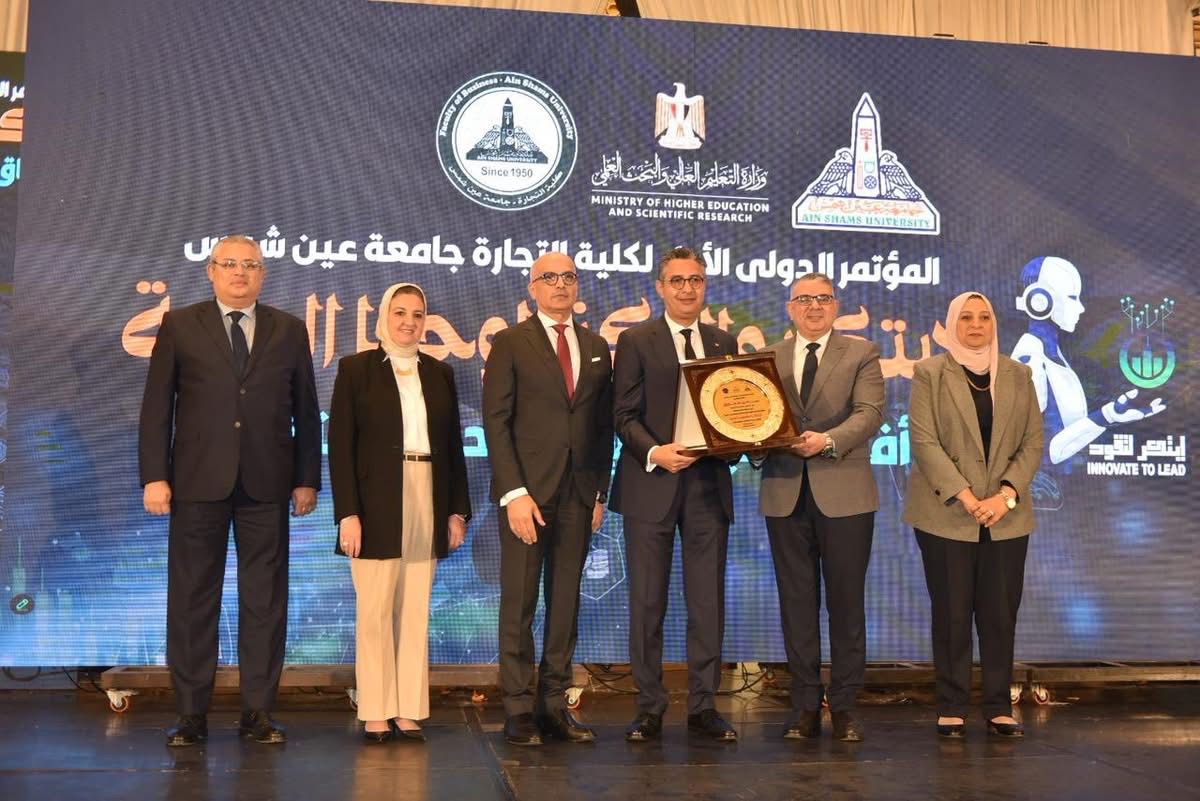
At the conclusion of the conference, the President of Ain Shams University, the Vice Presidents, the Dean of the Faculty of Business, and the Conference Rapporteur presented the Ain Shams University Shield and honored Prof. Sherif Farouk, Minister of Supply and Internal Trade. Honorees also included:
Mr. Yehia Aboul Fotouh, Deputy CEO of the National Bank of Egypt.
Mr. Abdel Hamid Abu Moussa, Governor of Faisal Islamic Bank.
Mr. Mohamed Farid, Chairman of the Financial Regulatory Authority (honor received on his behalf by Eng. Ahmed Mohamed Khalifa).
Prof. Islam Azzam, Chairman of the Egyptian Exchange.
Dr. Heba Saleh, Chairperson of the Information Technology Institute.
H.E. Ambassador Abdulaziz bin Abdullah Al-Matar, Permanent Representative of the Kingdom of Saudi Arabia to the League of Arab States.
The name of the late Prof. Mohamed Lotfy Hassouna, Professor of Accounting and Auditing, Faculty of Commerce, Ain Shams University.
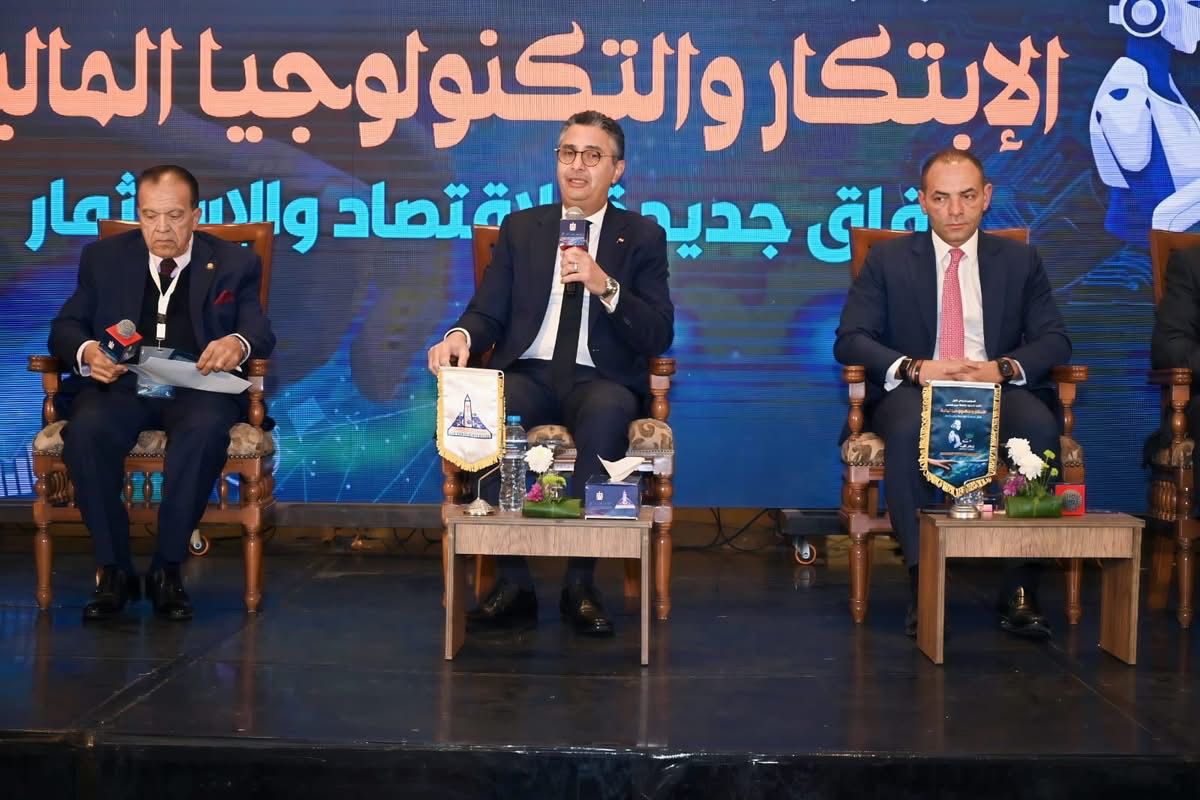
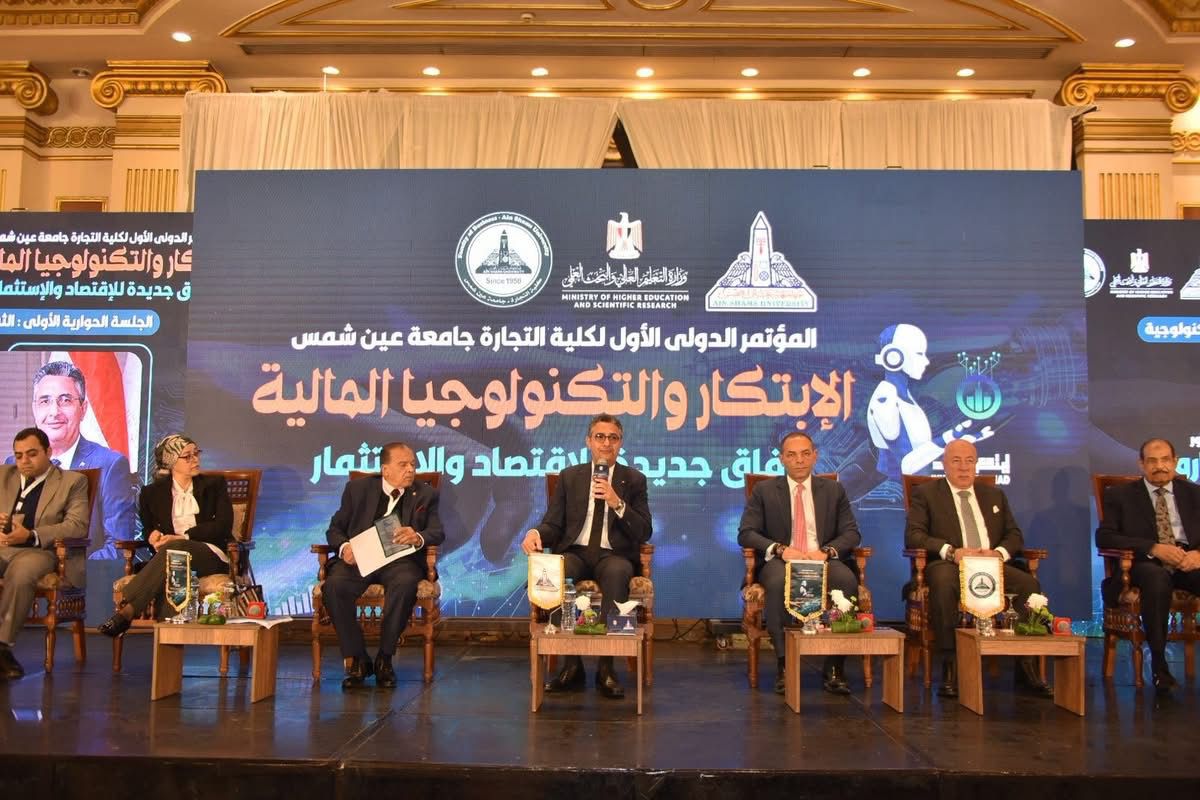
Through its dialogue sessions, the conference addressed key issues, foremost among them “the digital revolution and its technological impacts.” The first dialogue session, chaired by Prof. Sherif Farouk, Minister of Supply and Internal Trade, and attended by leaders from the National Bank of Egypt, the Egyptian Exchange, and e-Finance, brought together prominent national decision-makers and leaders in the financial and technological sectors to discuss digital transformation of financial and accounting professions and the role of AI and blockchain.
The second session, chaired by Prof. Hussein Eissa, focused on the challenges facing commercial education in the era of digital transformation, with participation from deans of faculties of commerce and university vice presidents. The third session, chaired by Prof. Mohamed Mahmoud Abdel-Maged, former Dean of the Faculty of Commerce, addressed the digital transformation of accounting professions.
The fourth session, titled “Cybersecurity and Financial Markets,” chaired by Prof. Mona Kadry, explored proactive approaches to digital threats in the financial sector, with contributions from leading experts in cybersecurity, artificial intelligence, and financial transformation.