.svg)

The Closing of the Conference ‘Heritage Cities: A New Vision Balancing Authenticity and Innovation’ at the Faculty of Archaeology
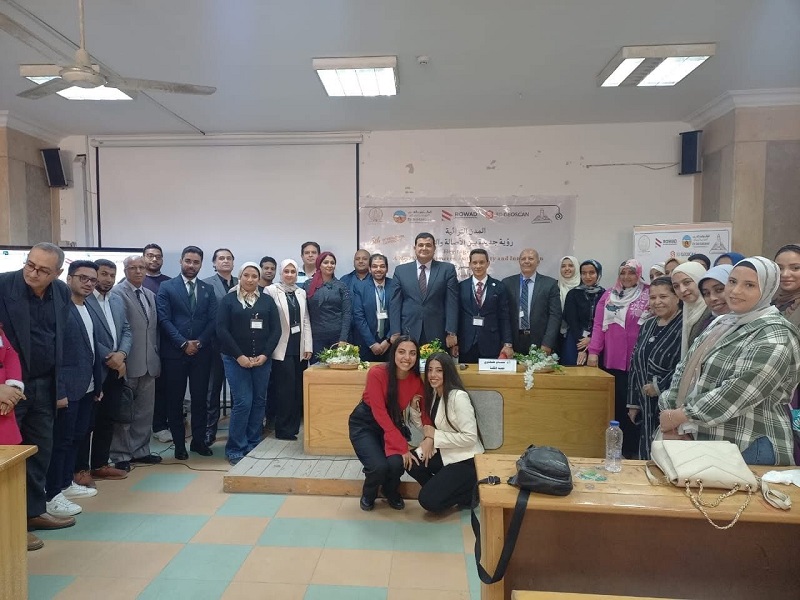
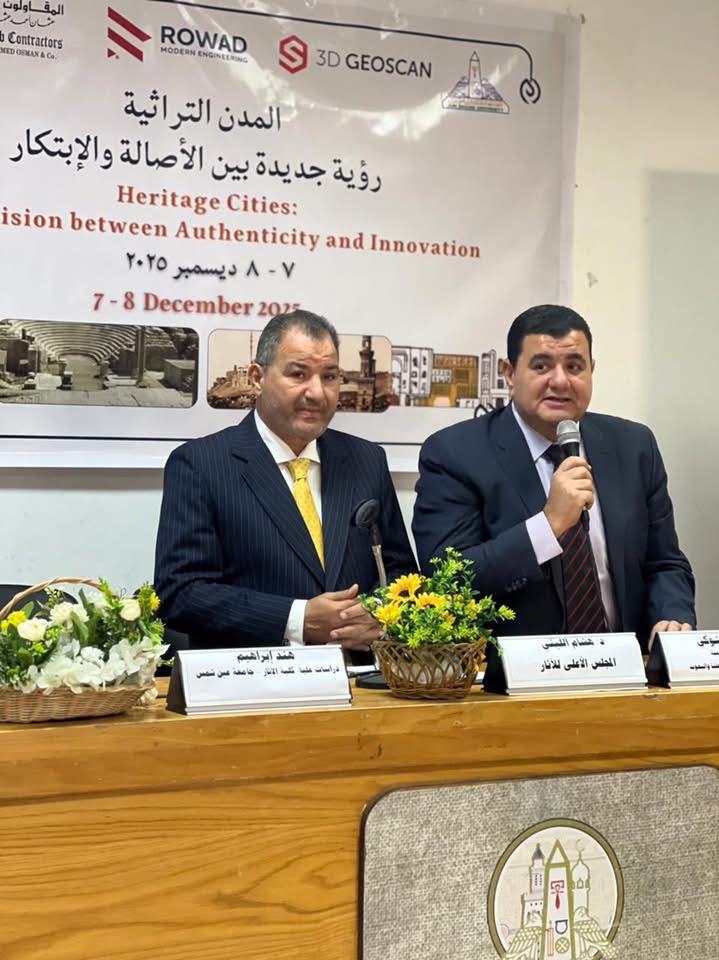
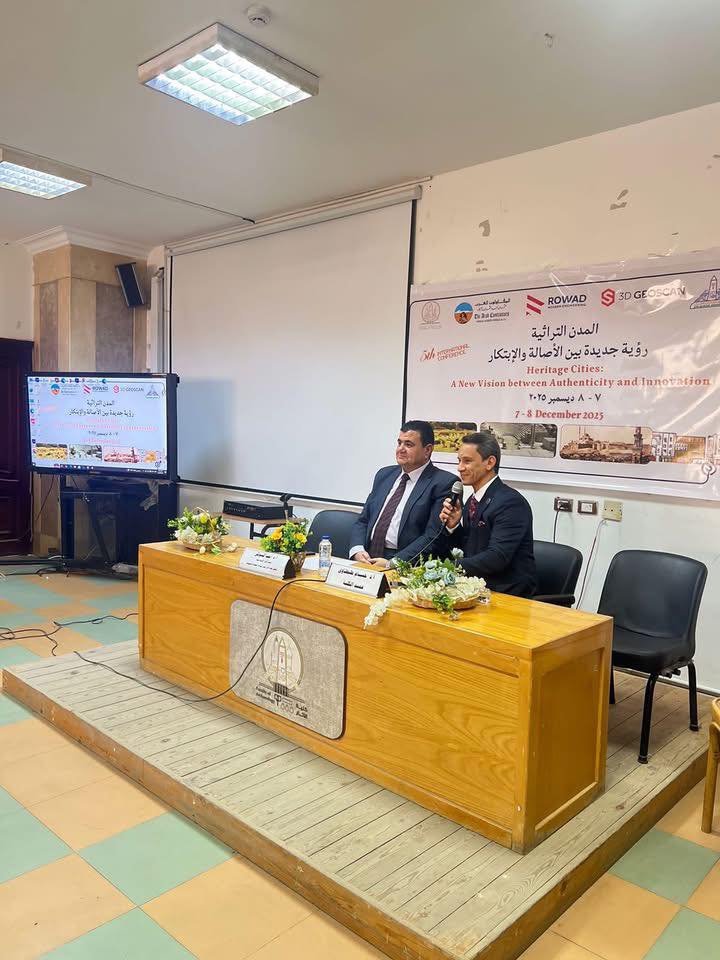
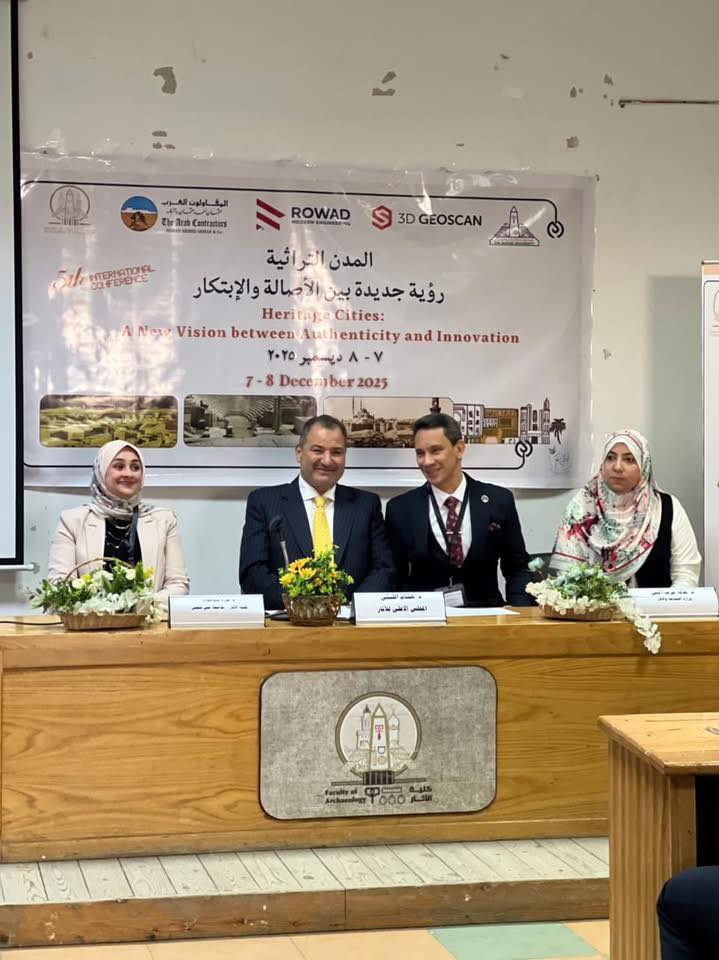
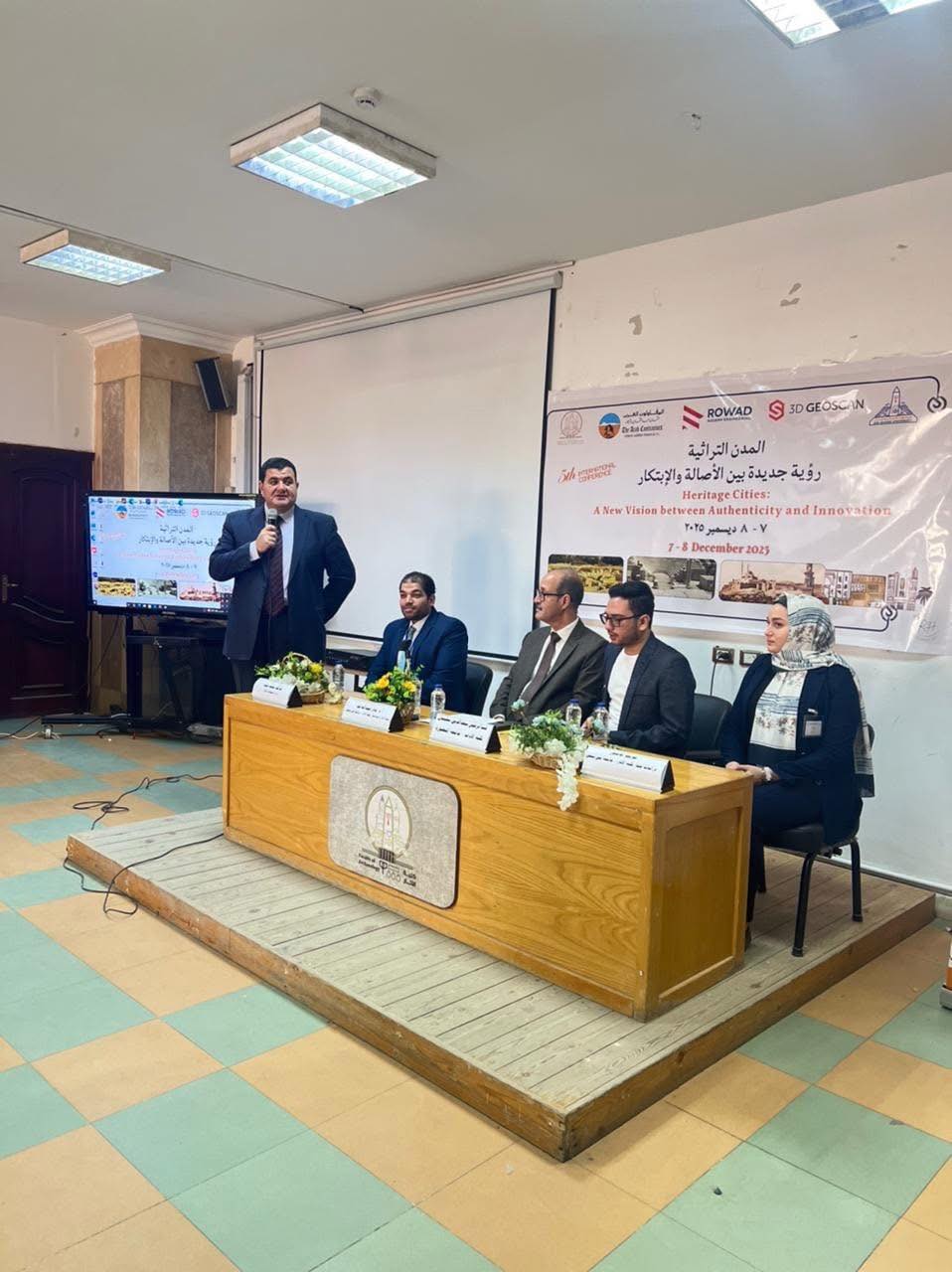
The Fifth International Conference of the Faculty of Archaeology at Ain Shams University, titled “Heritage Cities: A New Vision Between Authenticity and Innovation”, concluded on Monday, 8 December 2025. The conference was held under the auspices of Prof. Mohamed Diaa Zain El Abedeen, University President; Prof. Amany Kamel, Vice President for Postgraduate Studies and Research; Prof. Hossam Tantawi, Dean of the Faculty and Conference Chair; and Prof. Ahmed El Shoky, Vice Dean for Postgraduate Studies and Research and Conference Secretary.
The two-day event featured intensive sessions, with the first day hosted at the IHUB conference hall on campus, and the second day continuing within the Faculty of Archaeology.
 |
 |
 |
 |
Participants presented a series of specialized research papers covering several key themes, including technology and innovation, environmental impact on heritage cities, sustainability, and preservation in historic urban areas. The discussions highlighted case studies of ancient cities such as Fustat, Al-Ula, Fatimid Cairo, as well as cities in the Maghreb region.
The conference saw participation from researchers across Egypt and several Arab countries, both in-person and virtually. Notable contributions came from scholars affiliated with the University of Sharjah, the Ministry of Antiquities and Tourism, and the Academy of Arts, presenting lectures on cultural heritage and the rehabilitation of archaeological sites within urban contexts.
Key recommendations from the conference included:
1- Developing cultural policies that protect cultural identity and prevent its erosion, while promoting cultural diversity as a driver of sustainable development.
2- Establishing clear policies to balance heritage conservation with economic and social development needs, particularly in densely populated historic cities.
3- Utilizing artificial intelligence applications in restoration and conservation projects.
4- Leveraging augmented reality and the metaverse to globally promote heritage.
5- Adopting international best practices in restoration and maintenance, with emphasis on sustainable solutions that preserve the visual and historical identity of cities.
6- Enhancing the role of social media to raise awareness and engage local communities in heritage protection and transforming heritage buildings into productive cultural and economic spaces.
7- Encouraging partnerships between universities, government agencies, and international organizations to exchange expertise in heritage city management.
8- Drawing on Egyptian experiences, such as the Historic Cairo Revival Project, the development of the Moqattam Aqueduct, and the Fustat Project, as inspiring models for other cities.
9- Turning heritage into an economic resource through cultural industries and sustainable tourism while ensuring its preservation.
10- Creating digital databases to document cultural practices, traditional crafts, folk arts, and music using modern technologies.
11- Integrating intangible cultural heritage into educational curricula and university activities to strengthen national identity among younger generations.
12- Supporting traditional artisans through training programs and online marketing platforms to ensure the continuity of these professions.
13- Producing digital content (documentaries, interactive platforms, apps) to promote intangible heritage locally and globally, utilizing social media effectively.
14- Collaborating with UNESCO and international organizations to register intangible heritage elements on global lists, enhancing their value and ensuring sustainable protection.
The Faculty of Archaeology emphasized that the conference provided a high-level scientific platform for exchanging expertise and ideas, and that the resulting recommendations will contribute to the preservation of heritage and its role in sustainable development. The faculty reaffirmed its commitment to organizing future academic events in this vital field.