
.svg)

Assistant Minister of Justice on a high-level visit to the Faculty of Law
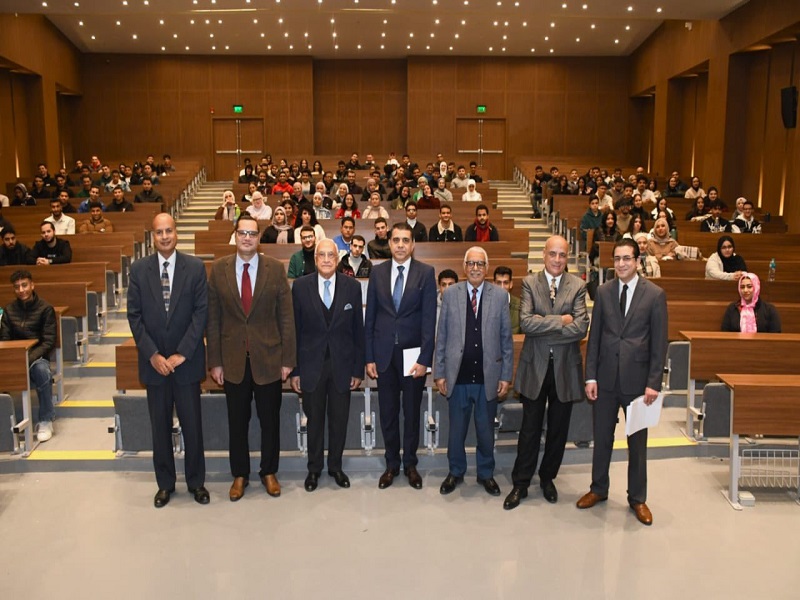
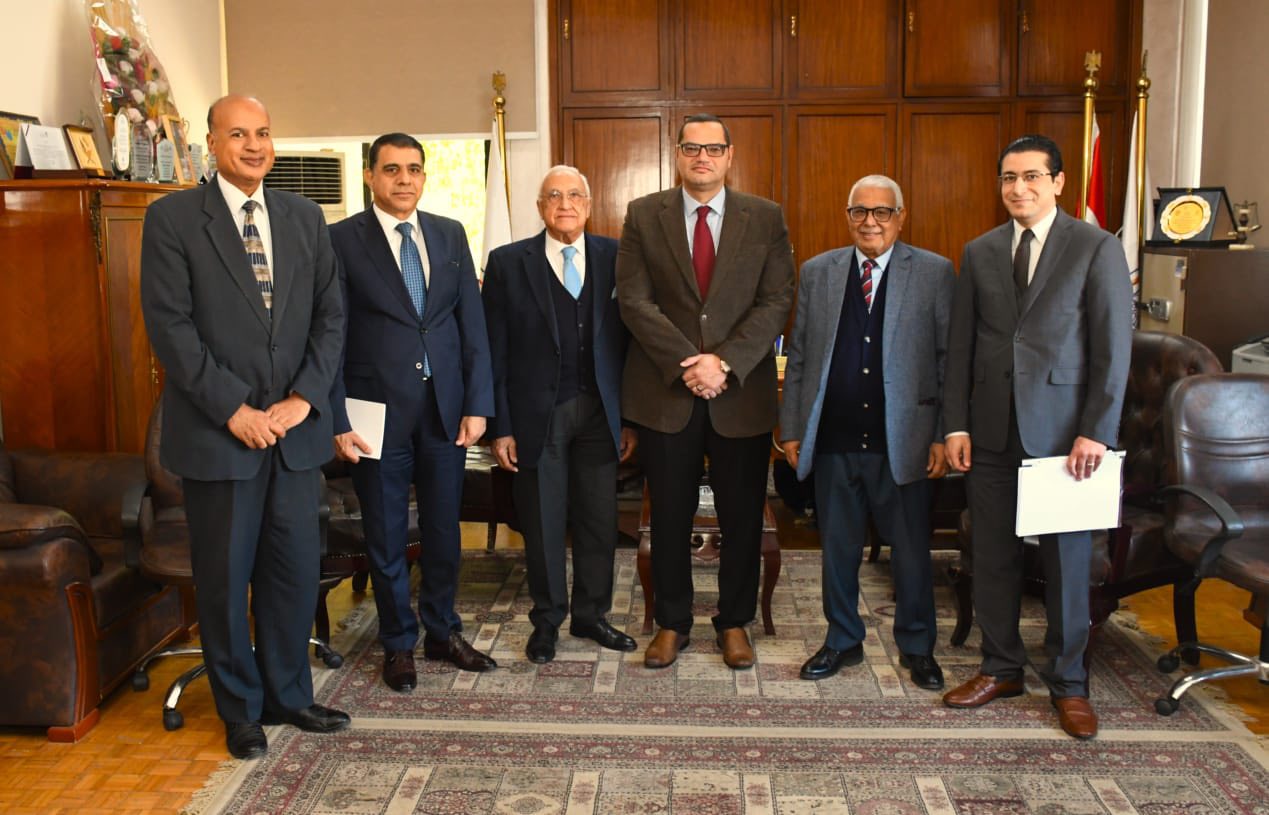
Under the patronage of Prof. Mohamed Diaa Zain El Abedeen, President of Ain Shams University, the Faculty of Law welcomed Counselor Tarek Harby, Assistant Minister of Justice for Specialized Courts Affairs, as part of ongoing efforts to strengthen cooperation between the judicial sector and academic institutions.
 |
 |
 |
||
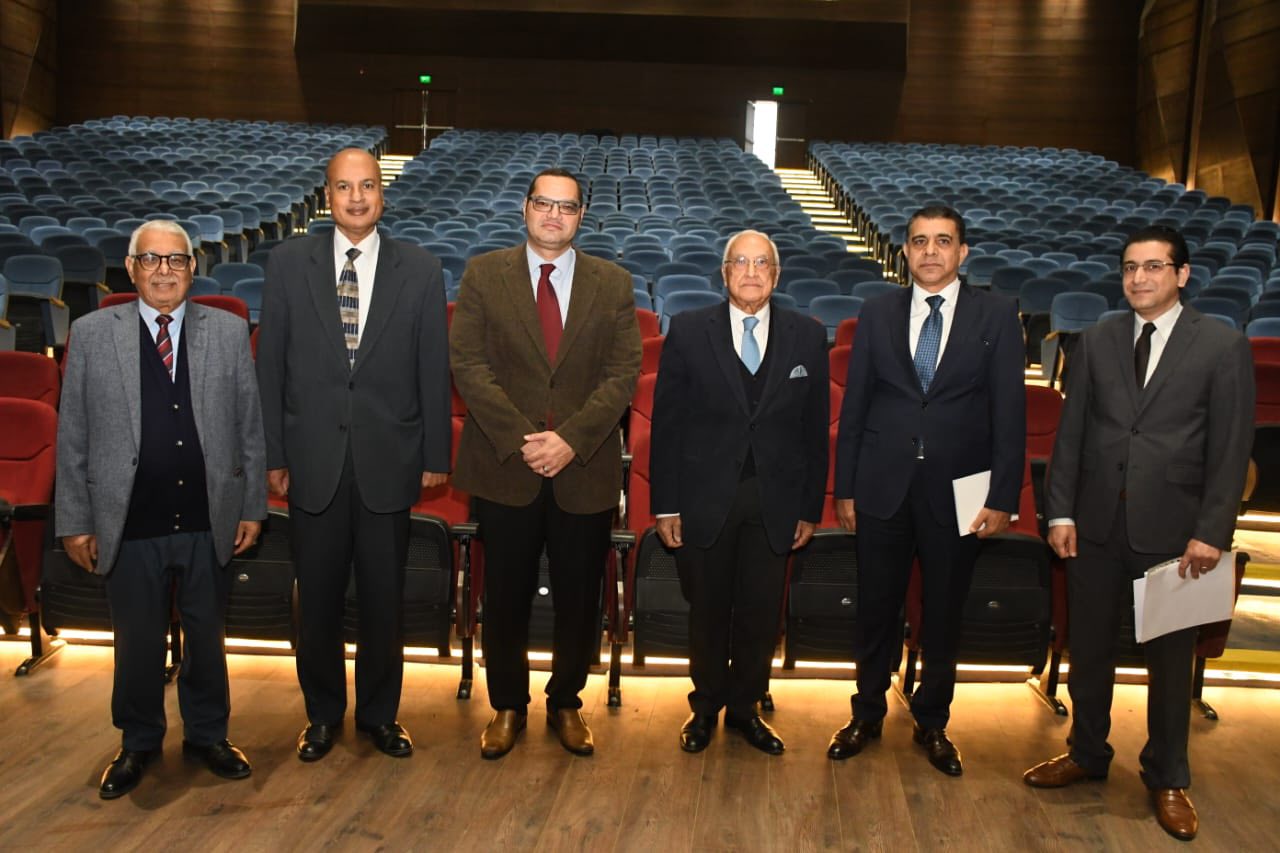
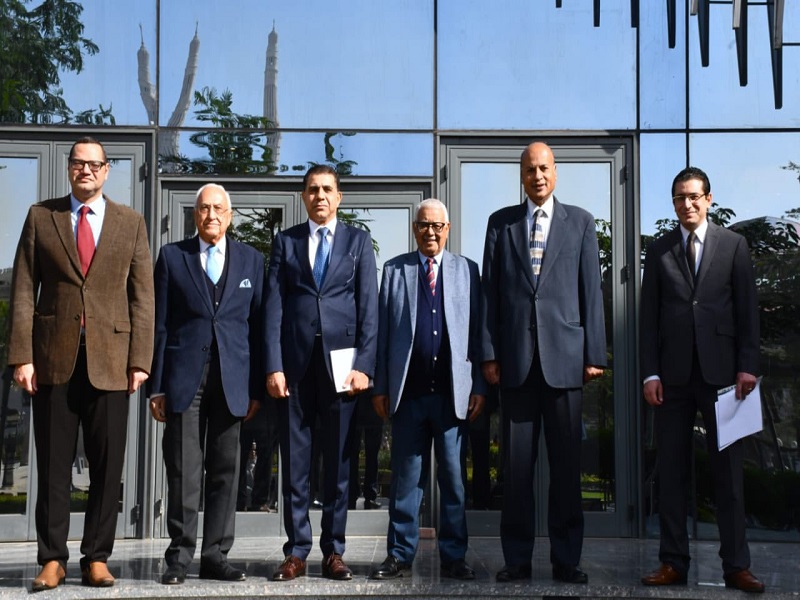
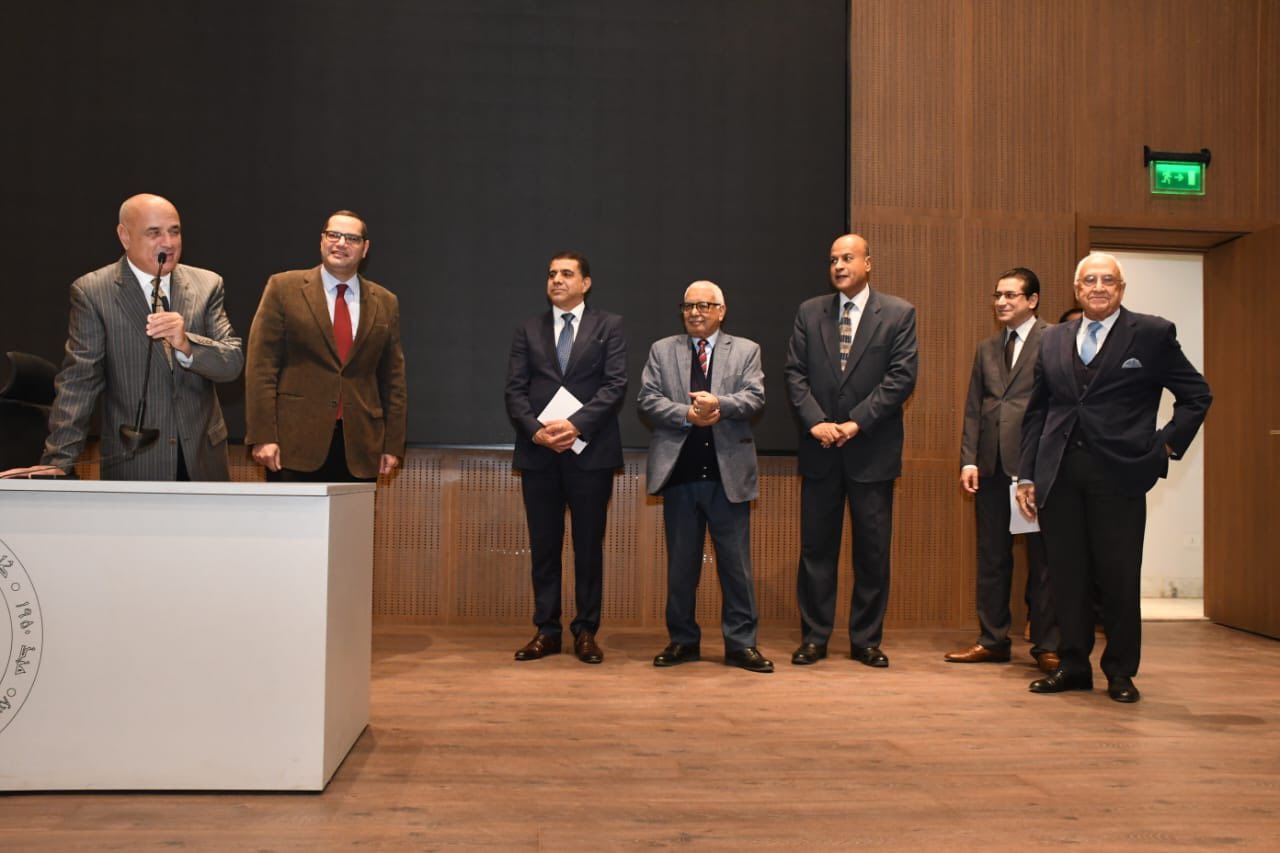
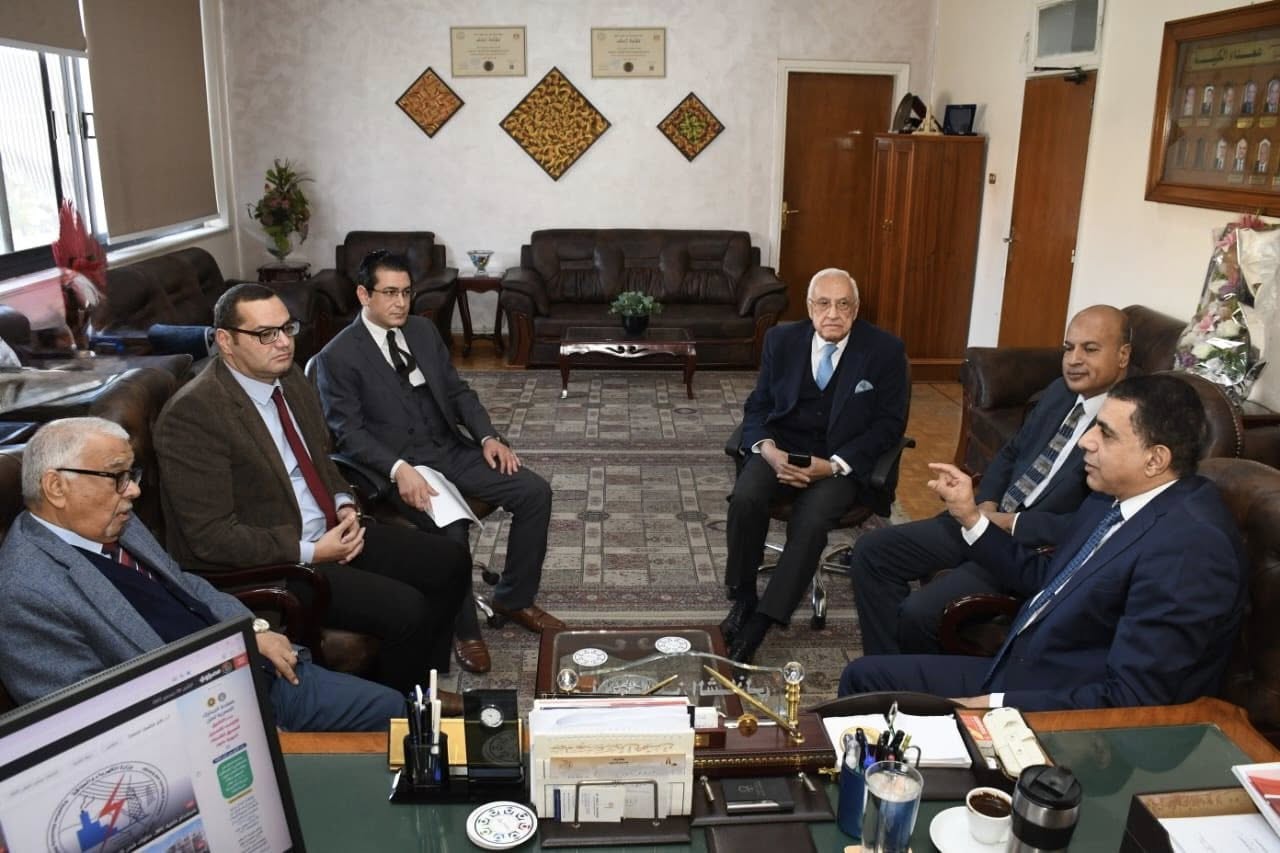
Counselor Harby was received by Prof. Yassin El-Shazly, Dean of the Faculty; Prof. Mohamed El-Shafei, Vice Dean for Education and Student Affairs; Prof. Hossam El-Ahwany, former Dean; Prof. Sayed Mahmoud, Professor of Procedural Law and former Vice Dean; along with several department heads and faculty members.
The visit aimed to explore avenues for enhanced collaboration, with discussions focusing on mechanisms to deepen the partnership between the Ministry of Justice and the faculty, particularly in areas related to student training and preparation for careers in the judicial and legal sectors.
Talks also addressed curriculum development, including a review of the needs of modern specialized courts and ways to incorporate them into academic programs to ensure that graduates are equipped for emerging judicial developments.
 |
 |
 |
||
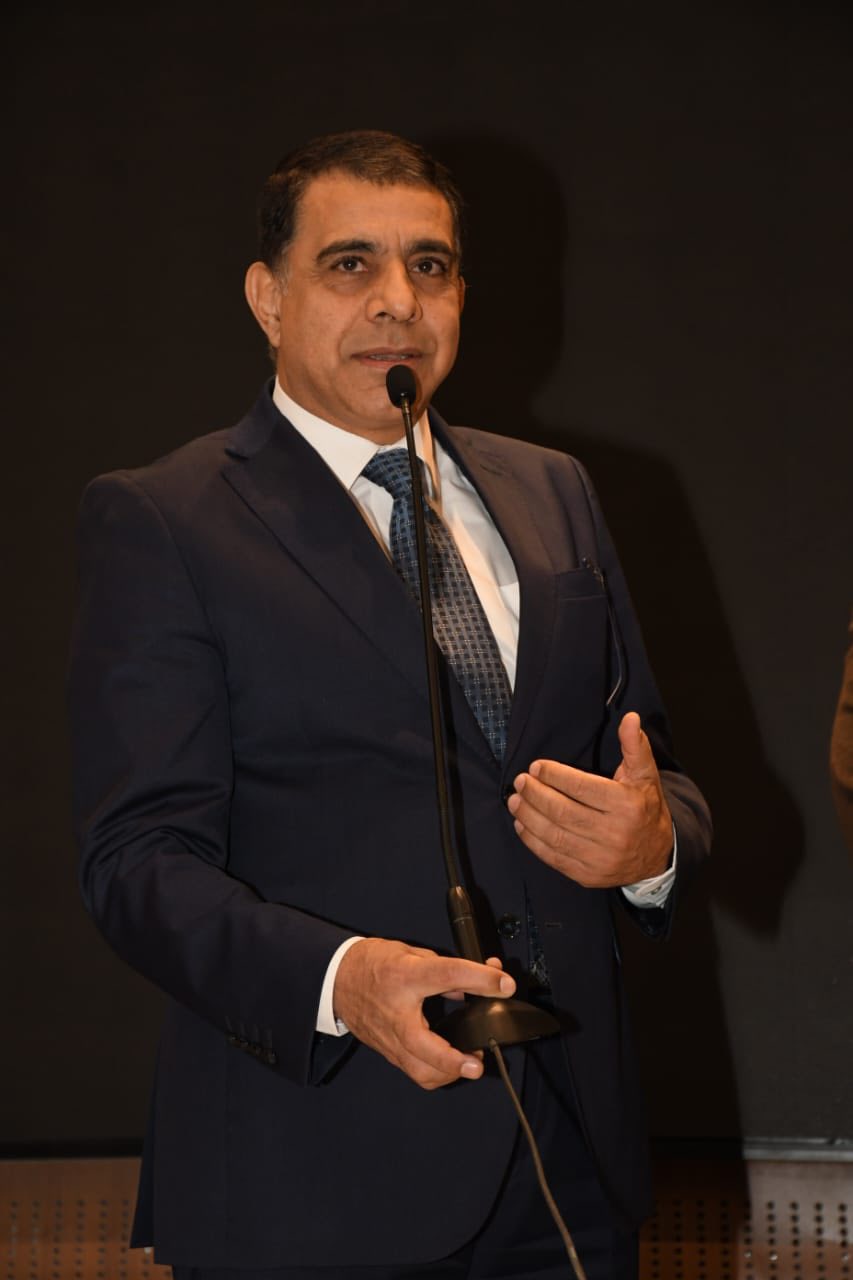
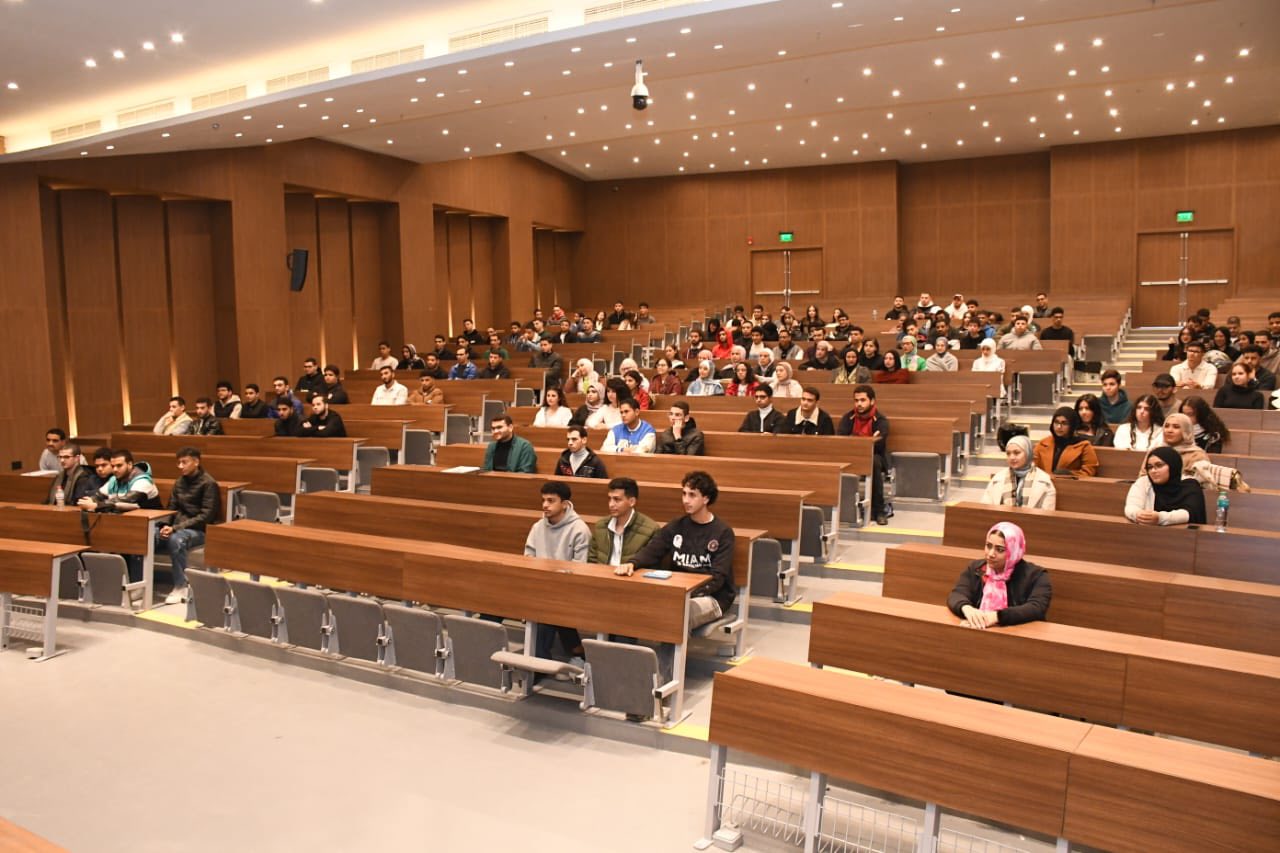
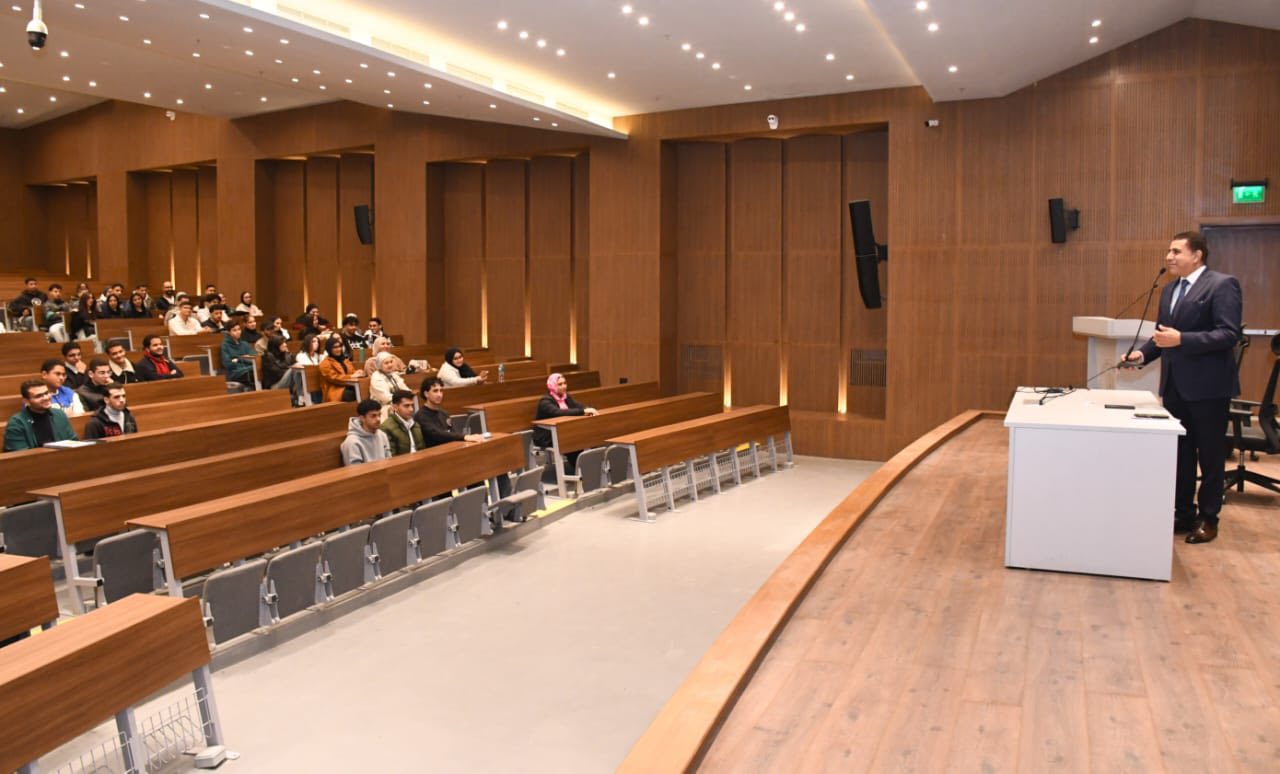
Counselor Harby toured the faculty’s buildings and lecture halls, and held an open dialogue with students, listening to their questions about work within specialized courts and responding to their inquiries regarding the future of the legal profession.
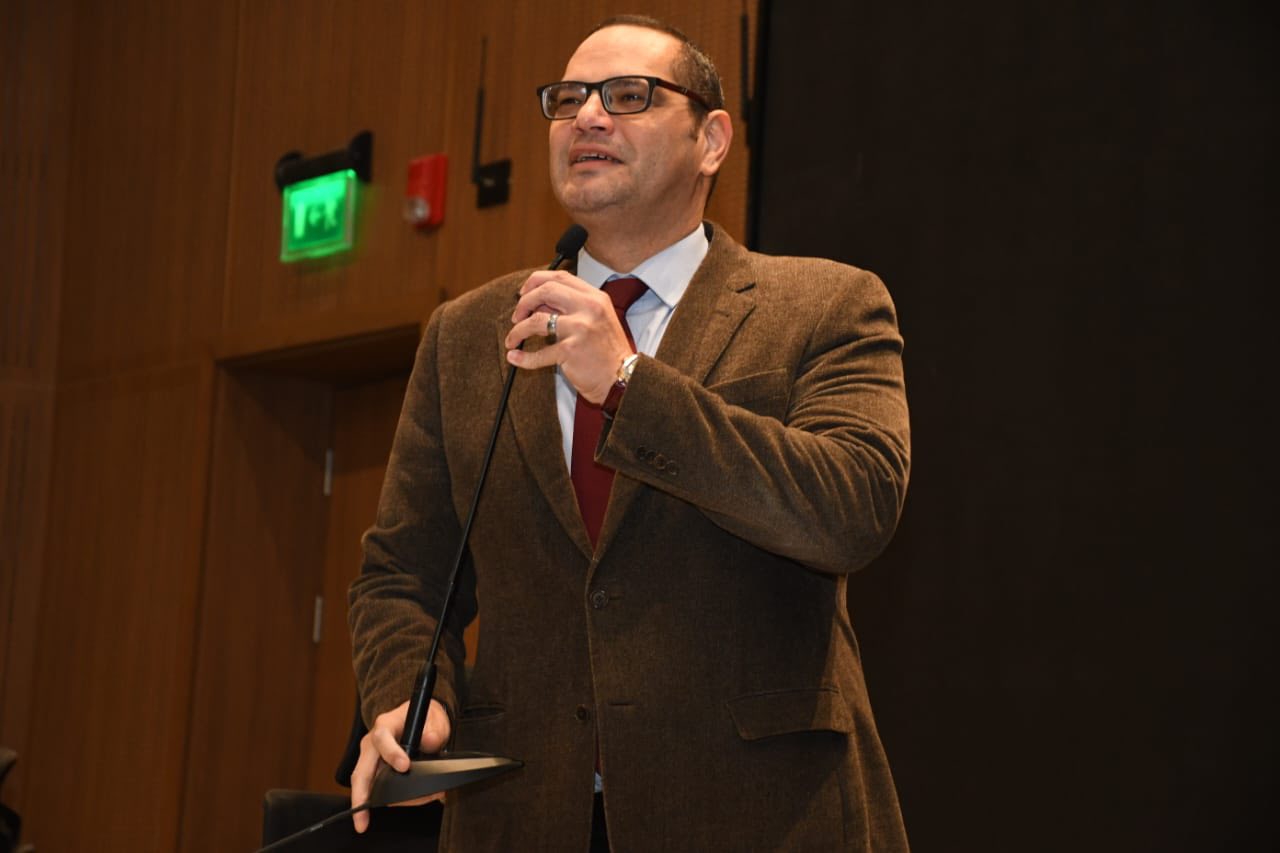
Prof. Yassin El-Shazly emphasized the importance of such visits in enriching the students’ academic experience, reaffirming the faculty’s commitment to graduating highly qualified legal professionals. “This visit bridges the gap between theory and practice,” he said, “and we look forward to a lasting partnership with the Ministry of Justice in support of justice nationwide.”
For his part, Counselor Tarek Harby praised the academic caliber of the faculty’s students, expressing pride in being an alumnus who studied under its distinguished professors. He also commended the faculty’s infrastructure, stressing that the development of specialized courts requires young professionals well-versed in modern legal systems. He urged students “to delve into contemporary branches of law that form the backbone of future litigation.”
 |
 |
 |
||