.svg)

The Fifth International Conference of the Faculty of Archaeology, entitled "Heritage Cities: A New Vision Between Authenticity and Innovation," has commenced
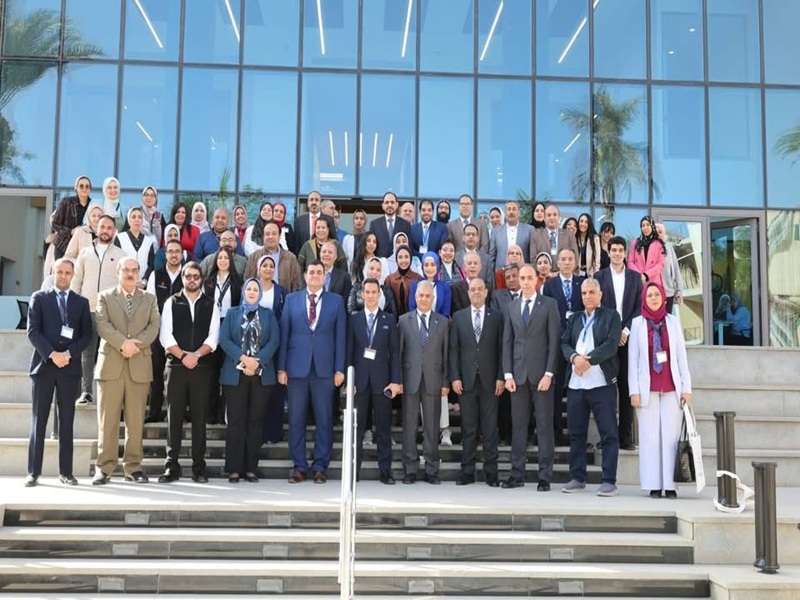
The activities of the Fifth International Conference of the Faculty of Archaeology at Ain Shams University, were launched yesterday morning, Sunday, December 7, 2025. This year's conference is being held under the title: "Heritage Cities… A New Vision Between Authenticity and Innovation," under the patronage of: Prof. Mohamed Diaa Zain El Abedeen, President of Ain Shams University, Prof. Amany Osama Kamel, Vice President of the University for Graduate Studies and Research, Prof. Hossam Tantawy, Dean of the Faculty of Archaeology and President of the Conference, and Prof. Ahmed El Shawky, Vice Dean of the Faculty for Graduate Studies and Research, and Conference Rapporteur.
 |
 |
 |
||
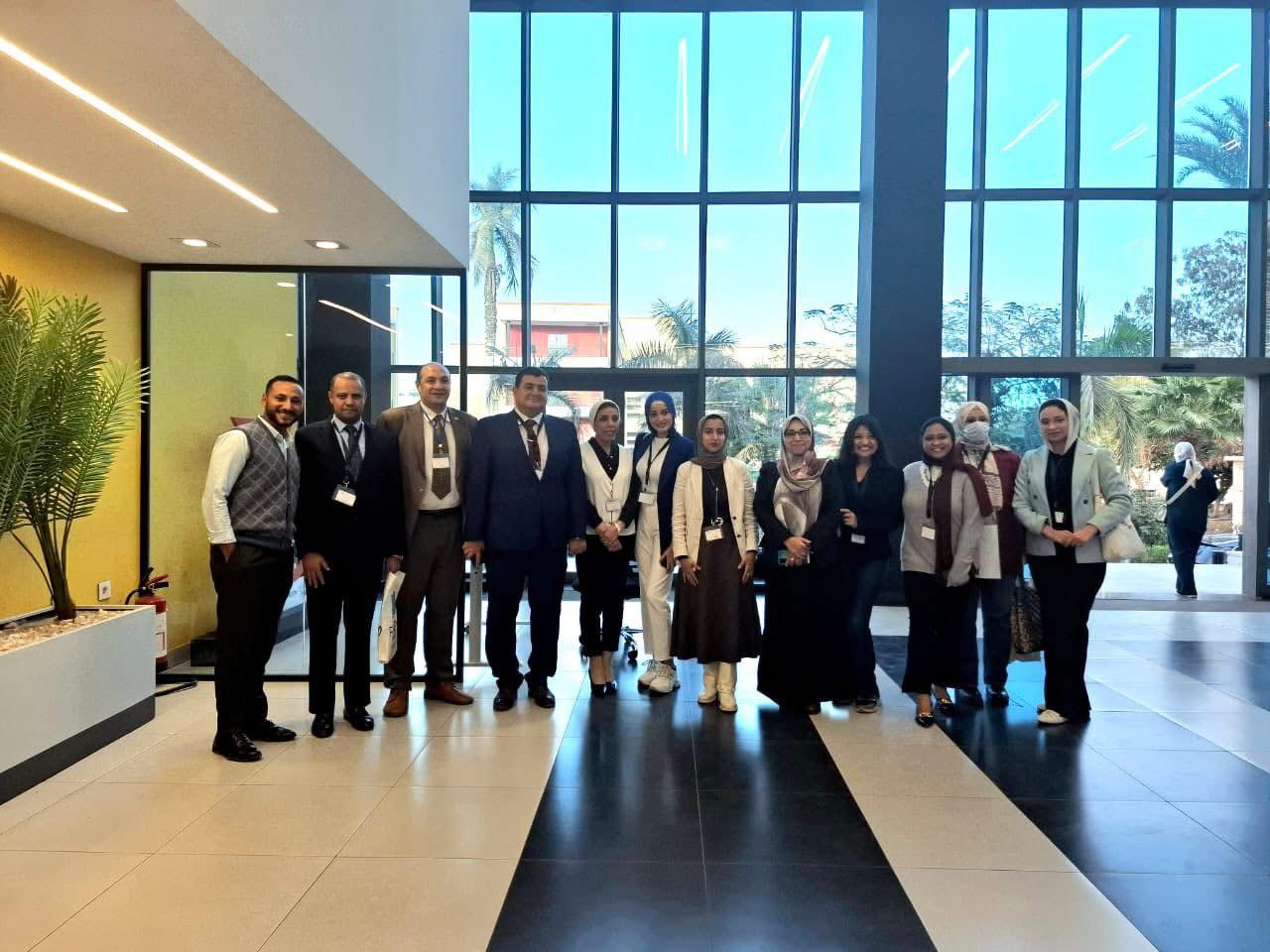
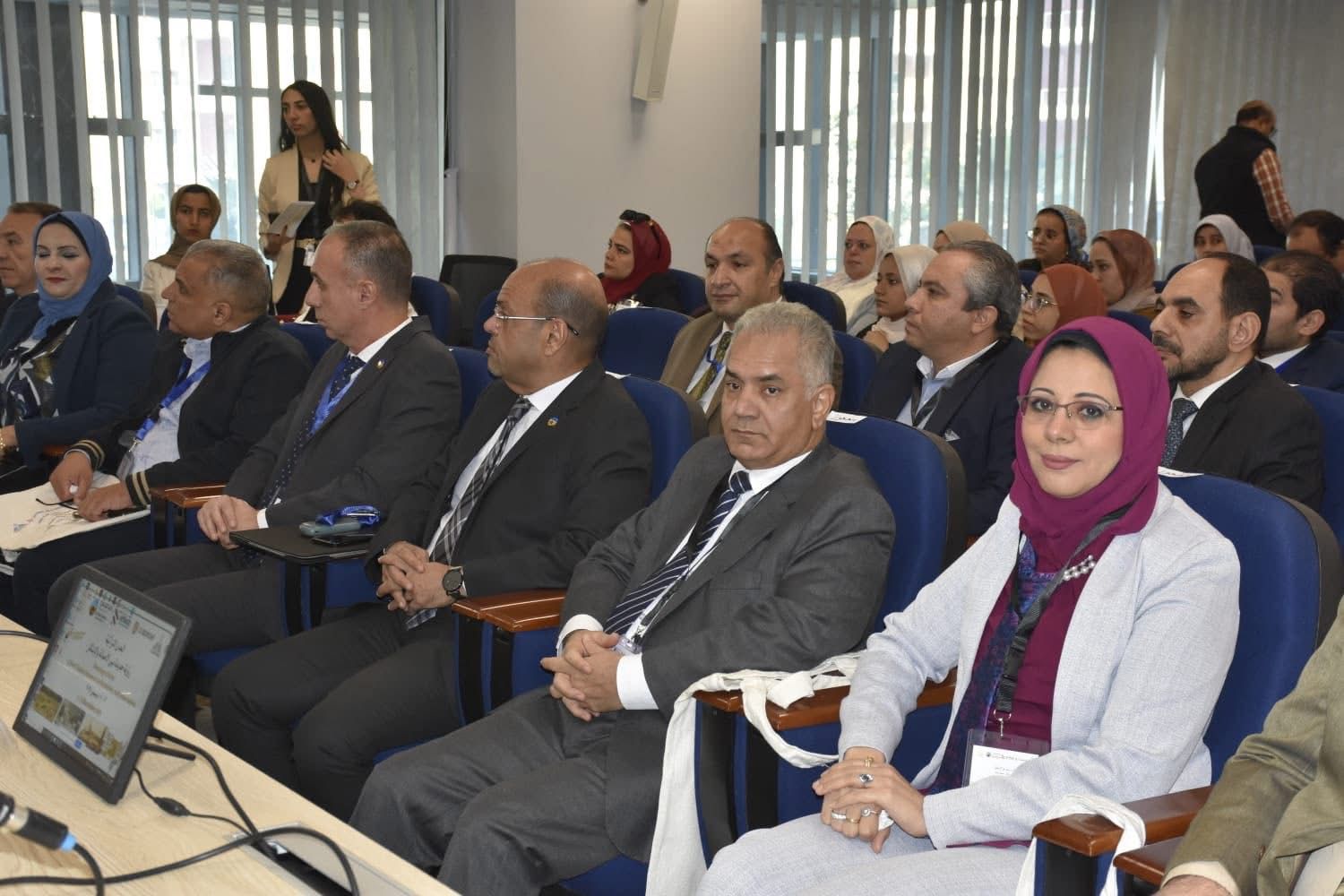
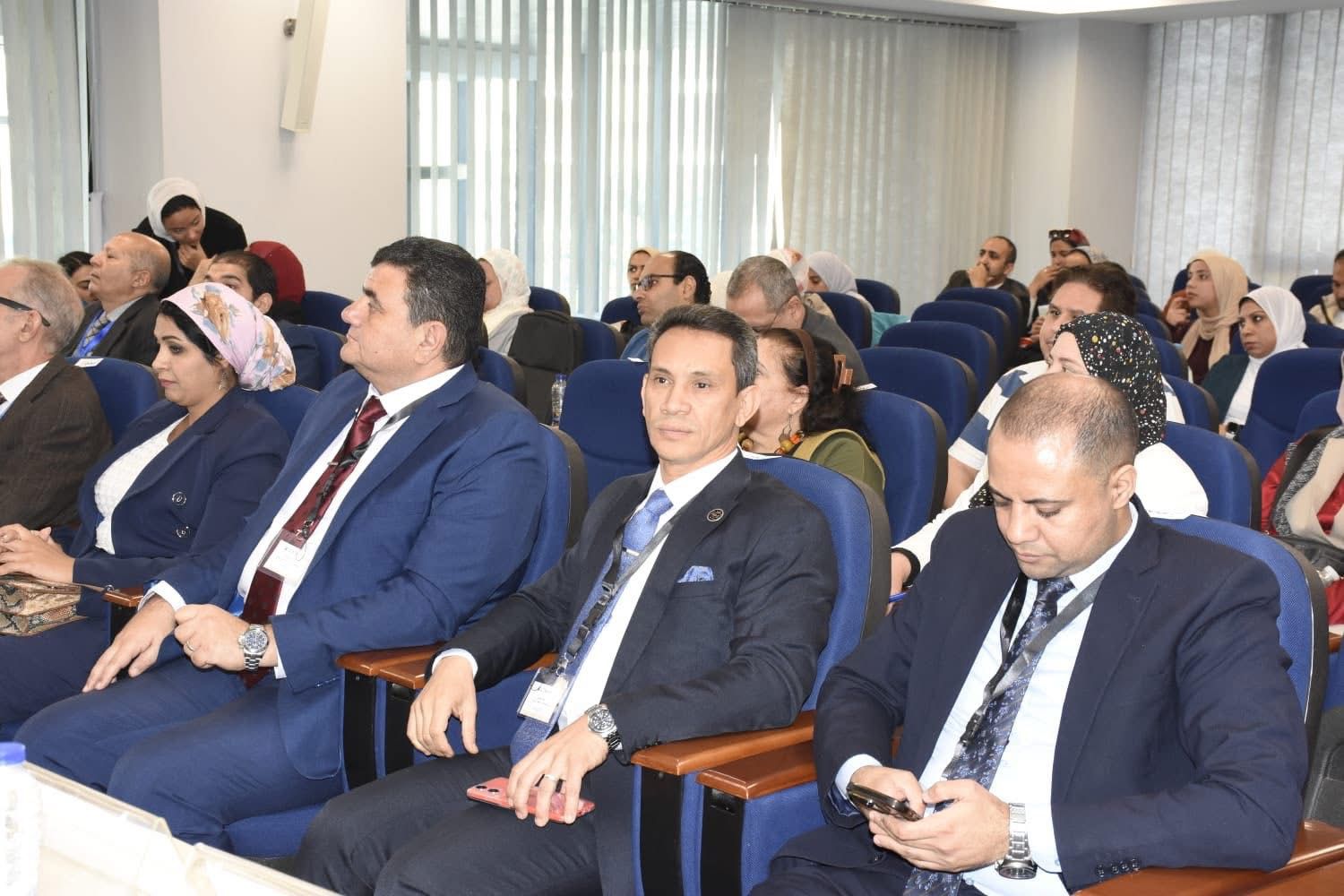
The MPU Conference Hall in the IHUB building at the university hosted the first day's events, with the participation of a distinguished group of professors and experts specializing in the fields of archaeology, restoration, conservation, and heritage management.
In his opening remarks, Prof. Hossam Tantawy, Dean of the Faculty of Archaeology, welcomed the attendees, emphasizing that the Faculty of Archaeology was honored to organize the fifth edition of its annual conference series for postgraduate studies.
He noted that this fifth conference was being held under special circumstances, coinciding with Ain Shams University's strong push towards becoming a fourth-generation university and keeping pace with international standards, following its institutional accreditation from the National Authority for Quality Assurance and Accreditation of Education.
 |
 |
 |
||
This also aligns with the Egyptian state's belief in the value and importance of heritage, its commitment to collective efforts to preserve the value of heritage cities and their treasures, its endeavors to maintain and revitalize them, and its openness to cooperation and the exchange of expertise in this field, particularly following the expansion of modern urban development and the establishment of the New Administrative Capital.
His Excellency emphasized the importance of studying heritage cities and the necessity of balancing the protection of architectural heritage with the developmental and economic needs of populated cities in general, and Egyptian cities in particular.
His Excellency stressed the importance of architectural heritage and its role as a fundamental element of the visual and historical identity of cities, highlighting the issues and challenges facing historical cities in their journey towards the future and providing sustainable solutions for their development, the need to explore the prospects of the intersection between sustainability and innovation, integrating artificial intelligence tools, using the latest methods and techniques of restoration, preservation and maintenance, and best practices for rehabilitation, taking advantage of social media in marketing and community participation, and providing a better understanding of these cities, which ultimately leads to accurate results and the provision of useful and applicable solutions, which is what is revealed by the objectives of this conference, its themes and the research papers submitted to it.
He explained that the conference comprises five sessions, in addition to the opening and closing sessions, where 30 speakers and researchers from diverse disciplines will share their knowledge through 26 research papers and two poster presentations.
In closing speech, the Dean expressed his gratitude to the university administration, all the organizing and scientific committees, and all the participating researchers and speakers.
For his part, Prof. Ahmed Al-Shouki, Vice Dean of the Faculty of Archaeology, welcomed the attendees, emphasizing that heritage cities are not merely static historical sites, but rather, as Ibn Khaldun described them, living entities that grow through crafts and flourish through human activity.
He pointed out that the greatest challenge facing heritage cities is achieving a balance between development and preserving identity. He explained that the creative economy and digital technology can contribute to promoting Egyptian heritage globally through metaverse and augmented reality technologies, transforming archaeological buildings into productive cultural and economic spaces.
He also reviewed the major heritage revitalization projects currently underway in Egypt, such as the Historic Cairo Revitalization Project, the development of the Aqueduct of Cairo (Sur Magra El-Oyoun), the Fustat Project, and the Grand Egyptian Museum as a global icon. He emphasized that these experiences provide an inspiring framework for the conference's vision and its scientific themes.
In his opening lecture, Dr. Mamdouh El-Damaty, former Minister of Antiquities, highlighted the importance of ancient Heliopolis, a city that served as a center of intellectual and religious influence in Egypt for thousands of years, impacting numerous civilizations.
He also reviewed the Ain Shams University excavation project in the Matariya and Arab El-Hosn areas, showcasing key landmarks and discoveries that have redrawn the map of the sun temples and the layout of the sacred city, despite the fact that most of Heliopolis's monuments have been relocated to other countries, leaving only the obelisk of Senusret I.
He added that the achieved results reflect the professionalism of the research team and students, and underscore the vital role of the university in protecting heritage and preserving Egyptian identity. We will continue our work to uncover more secrets of this ancient city.
It is worth noting that the conference includes several scientific sessions discussing diverse topics in the fields of urban conservation, historical studies, and Islamic and intangible heritage, including: construction and restoration techniques in ancient cities, the sustainability of heritage cities, Greek and Roman papyrus documents, the impact of environmental factors on historic Cairo, and issues of Arab heritage throughout the ages.
The first day concluded with a presentation of recommendations aimed at strengthening the role of heritage cities in sustainable development and achieving a balance between development and the preservation of historical identity.
The university and faculty administration also affirmed their continued support for specialized research projects in the field of heritage preservation and their commitment to making research findings available to relevant authorities and institutions for use in future development plans.
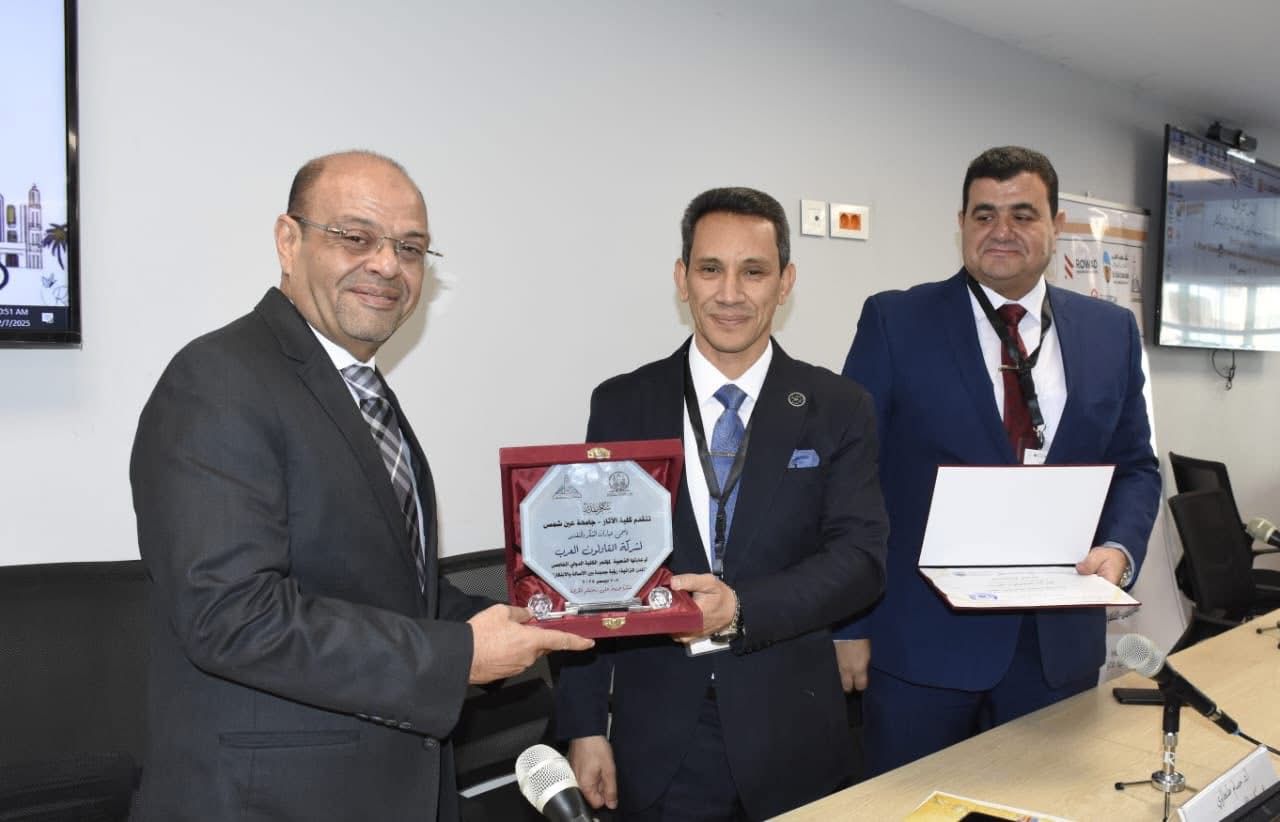
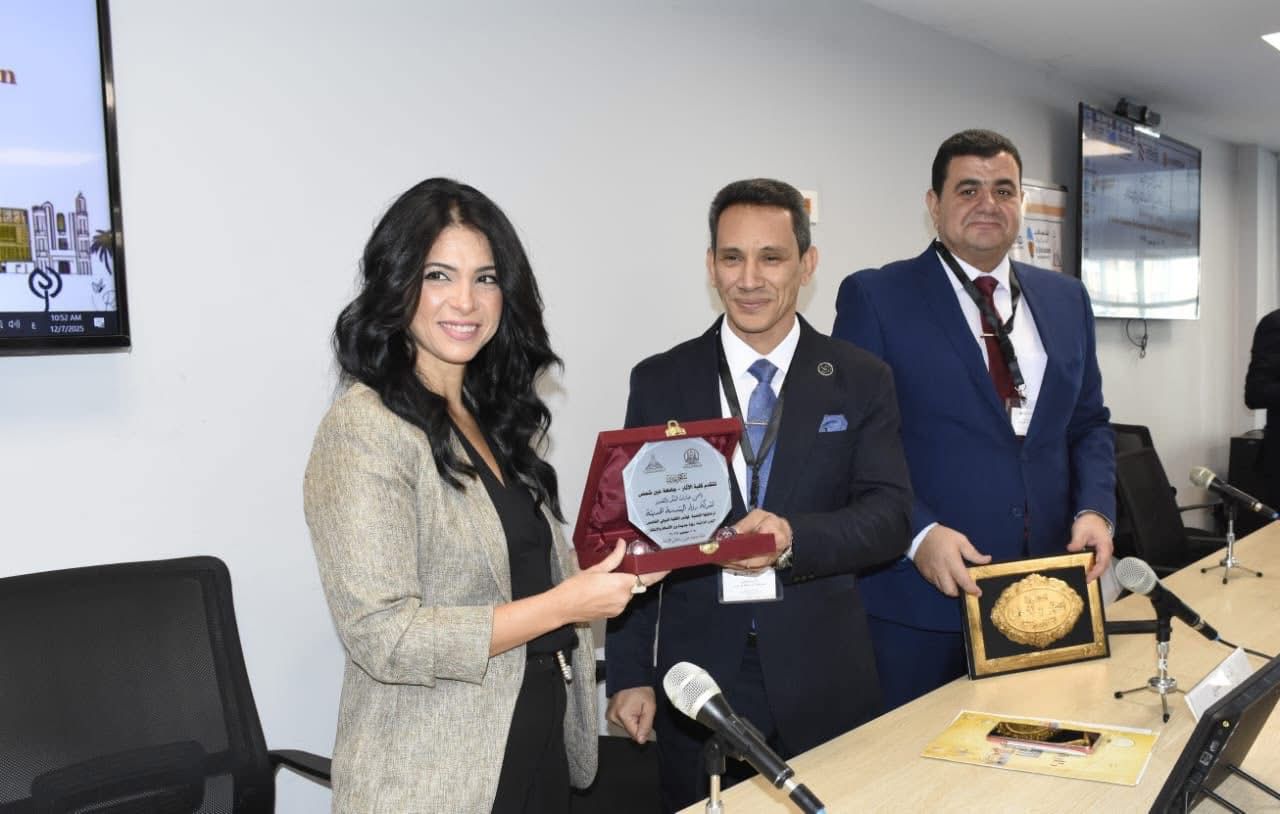
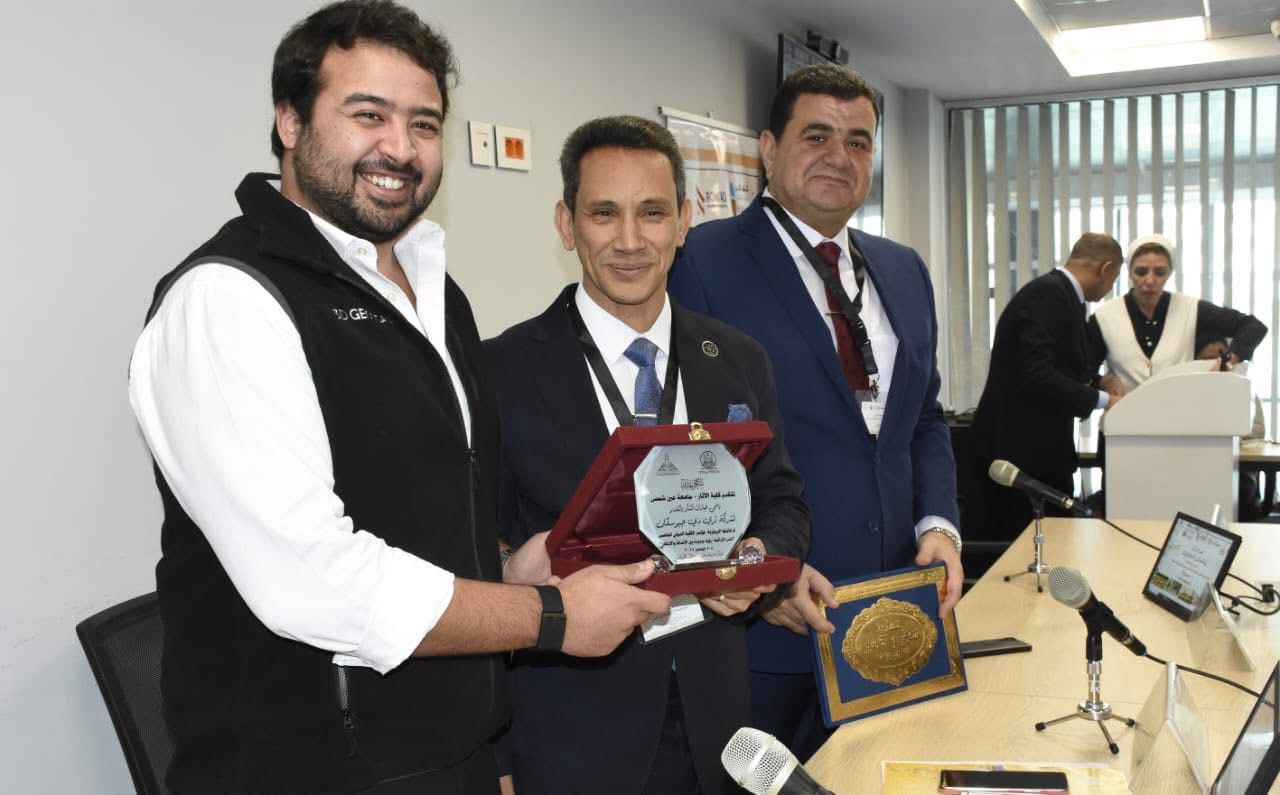
Prof. Hossam Tantawy honored the sponsors for their significant support of the conference.