

The Faculty of Al-Alsun Strengthens Student Participation in the National Literacy Eradication Project and Announces Training and Career Benefits for Participants
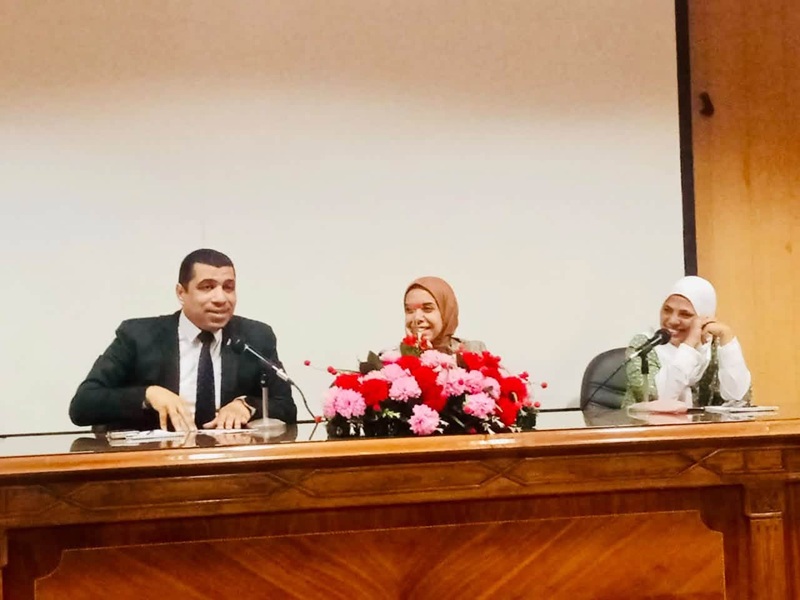
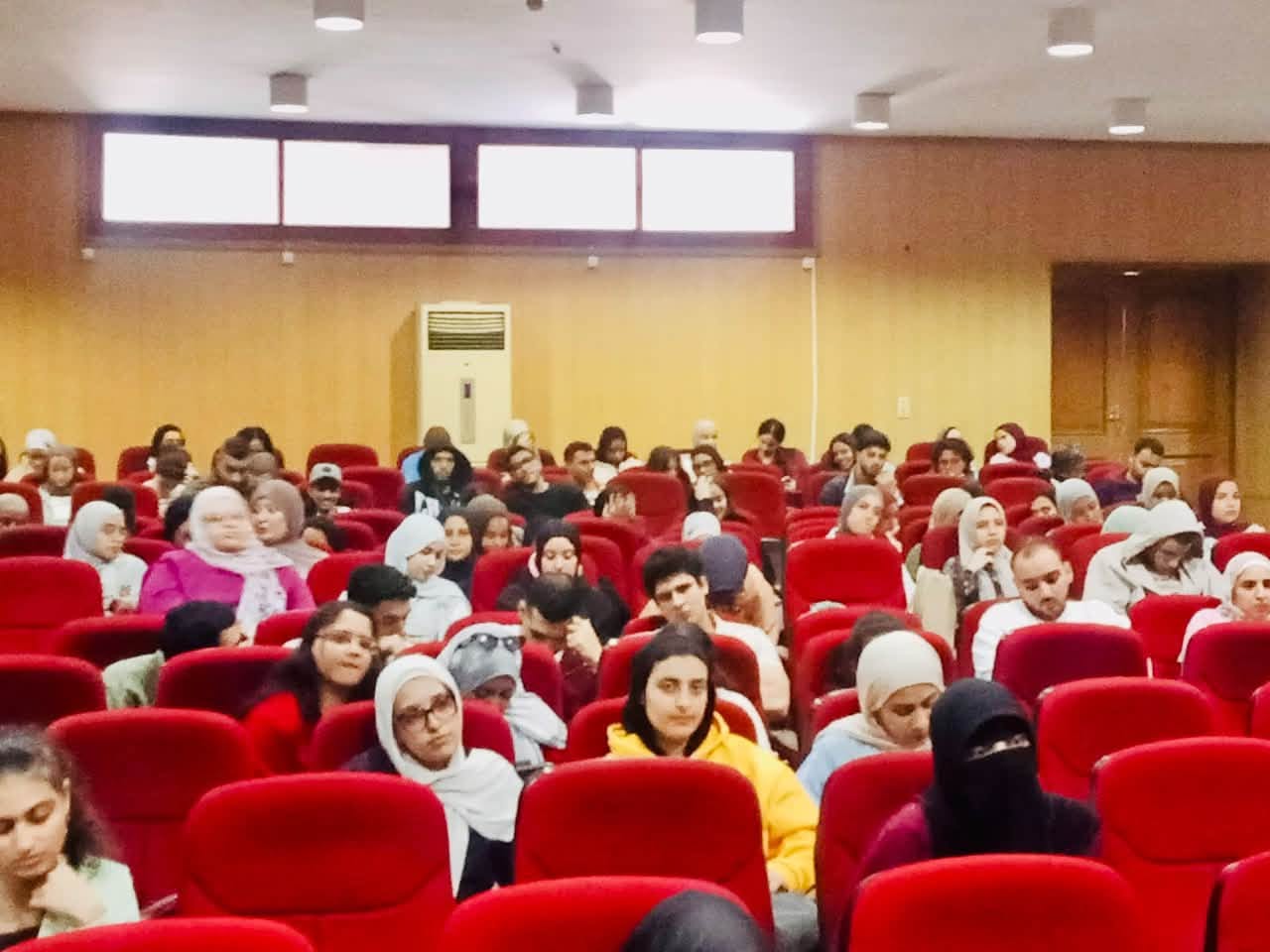
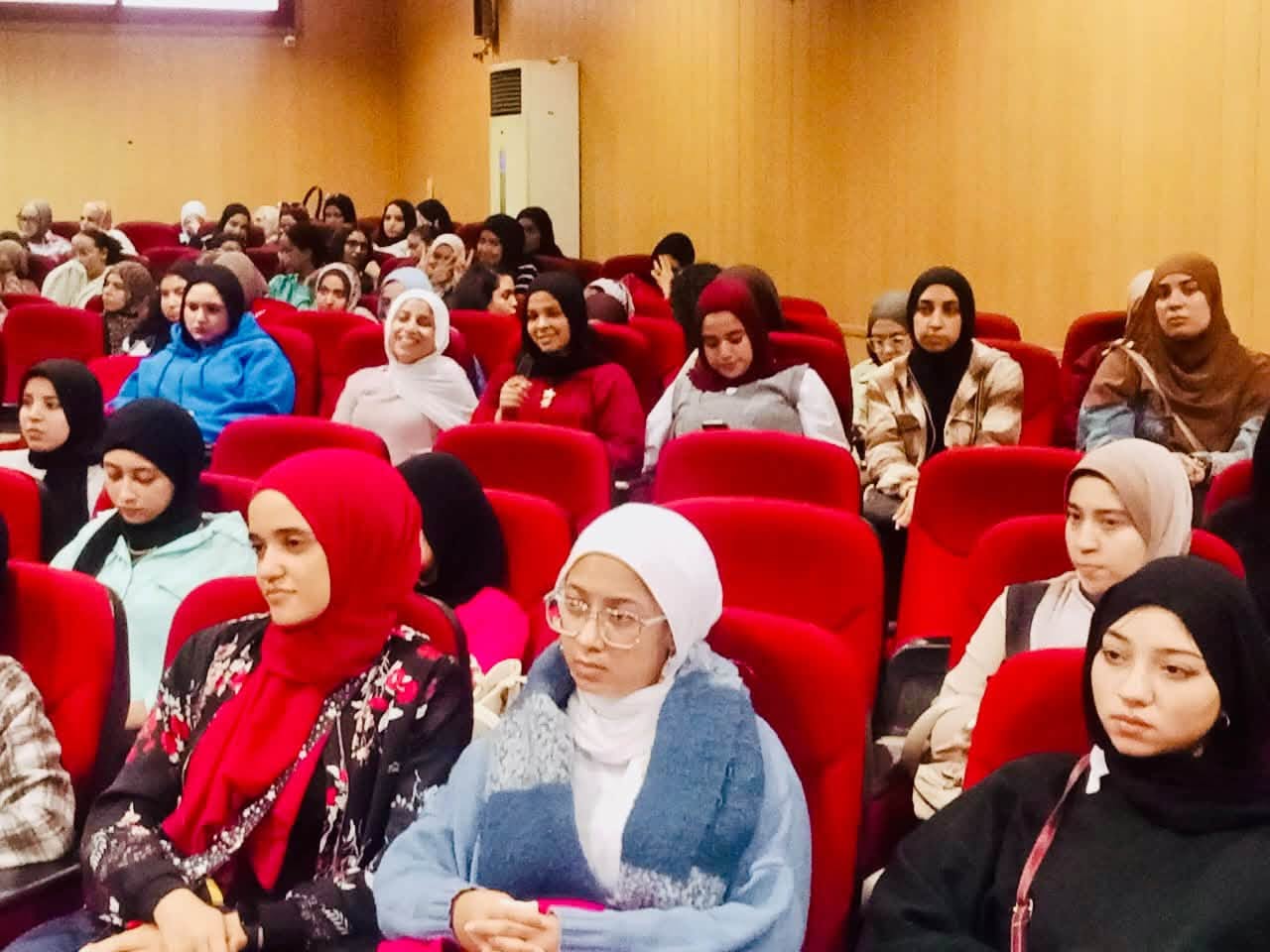
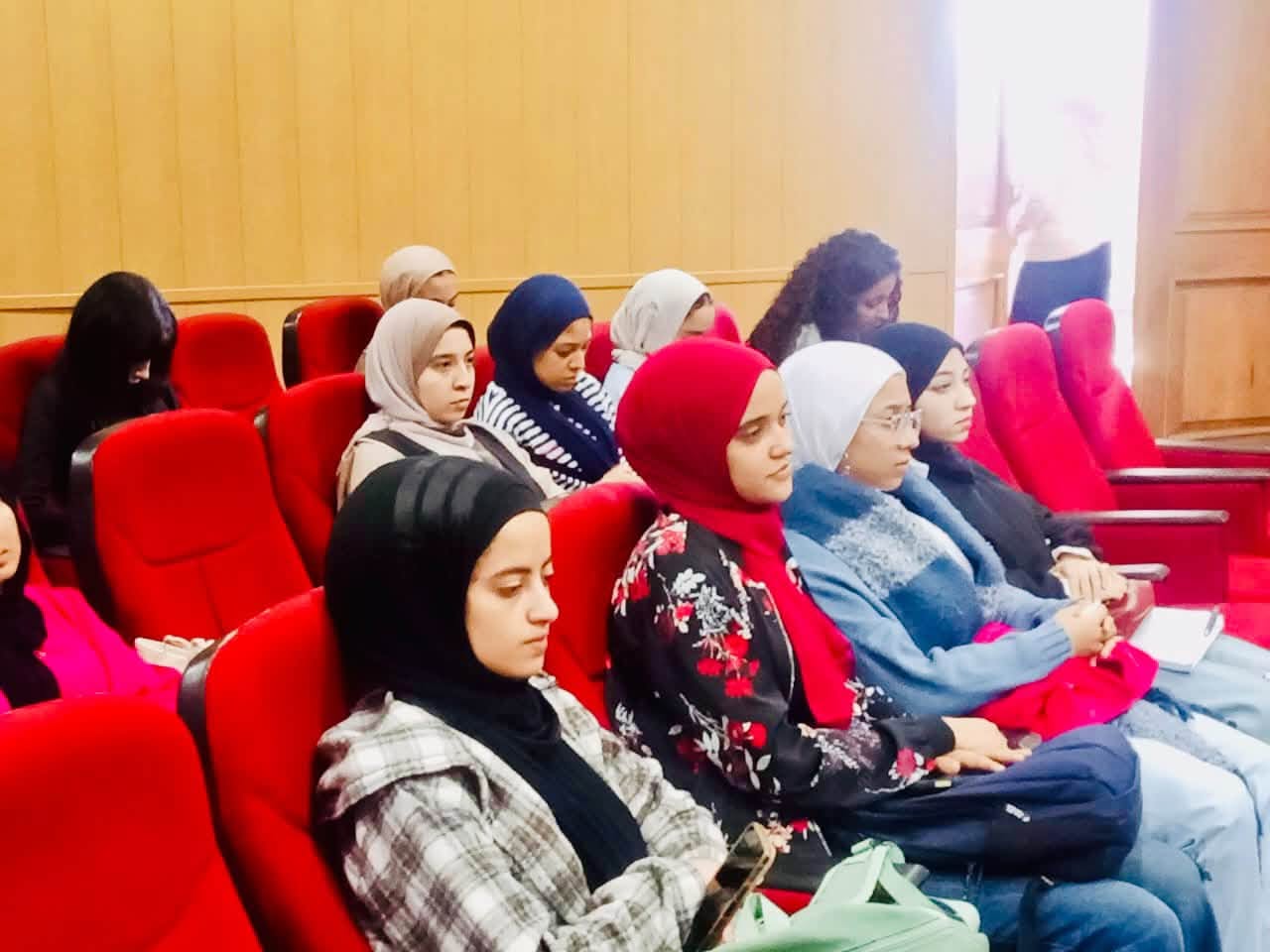
As part of Ain Shams University’s strategy to strengthen its community engagement, enhance its contributions to national initiatives and projects, and instill a sense of responsibility among students toward sustainable development issues, the Literacy Eradication Unit at the Faculty of Al-Alsun organized a comprehensive educational and awareness-raising seminar to introduce students to the mechanisms for participating in the National Literacy Eradication Project. The seminar was held at the Faculty's Conference Hall under the patronage of Prof. Mohamed Diaa Zain El-Abedeen, President of Ain Shams University; Prof. Rami Maher Ghali, Vice President for Education and Student Affairs; and Prof. Yomna Safwat Salem, Dean of the Faculty of Al-Alsun. It was supervised by Dr. Nahed Raheel, Director of the Faculty’s Literacy Eradication Unit, with the participation of Prof. Islam El-Saeed, Director of the Adult Education Center at Ain Shams University, and Ms. Neama Rashwan, Coordinator of the General Authority for Adult Education at the Faculty.
 |
 |
 |
||
Dr. Nahed Raheel opened the seminar by welcoming the attendees, emphasizing that illiteracy remains a major development challenge requiring concerted efforts from state institutions and the participation of all segments of society. She highlighted the knowledge, skills, and capabilities of Al-Alsun students, which qualify them to contribute effectively to raising awareness, combating illiteracy, and serving as ambassadors of enlightenment within their communities. She also reaffirmed the Unit's commitment to providing students with the necessary logistical support and guidance and overcoming any obstacles they may encounter throughout their participation in the project.
For his part, Prof. Islam El-Saeed reviewed Ain Shams University’s strategic vision for managing its literacy eradication initiatives and the successive achievements it has accomplished in this field. He also highlighted the Faculty of Al-Alsun’s outstanding performance, having ranked second among the University's faculties according to the results of the July 2026 examination cycle, as reported by the General Authority for Adult Education. He emphasized that student participation in the project goes beyond community service, representing a valuable opportunity to gain practical experience and develop personal and professional skills.
He explained that the modern labor market increasingly values graduates who possess documented practical experience in volunteering and community engagement, reflecting their awareness of their roles and responsibilities toward society.
To encourage greater student participation, Prof. Islam El-Saeed announced a package of non-financial incentives and training opportunities for students involved in the project. He highlighted plans to strengthen cooperation between the University's Adult Education Center and the Faculty of Al-Alsun to organize a series of free specialized training workshops aimed at developing students’ capabilities and enhancing their personal and professional skills. These workshops will cover artificial intelligence applications, public speaking skills, and Training of Trainers (TOT) programs.
In the same context, Ms. Neama Rashwan outlined the project’s administrative and organizational procedures, explaining the role of the General Authority for Adult Education and the mechanisms for cooperation with it. She detailed the practical steps for student participation, beginning with registering learners’ information and establishing literacy classes, either near students’ places of residence or through available contractual arrangements. She also reviewed the project’s implementation timeline, examination schedules, and procedures for issuing accredited certificates to learners upon successfully passing the required examinations.
The seminar concluded with an open discussion session, during which students raised several questions regarding how to balance their university studies with the requirements of participating in the project, graduation requirements associated with it, and ways to benefit from the announced training programs and workshops.
The discussions witnessed constructive engagement, as the speakers responded to students’ inquiries and provided the necessary clarifications regarding participation procedures. This helped deepen students’ understanding of the project’s importance and encouraged them to register and actively contribute.
The seminar reflects the Faculty of Al-Alsun’s continued commitment to fostering a culture of community engagement among its students and utilizing their academic knowledge, linguistic abilities, and communication skills to serve society. These efforts support the state’s initiatives to combat illiteracy while strengthening the University’s role in advancing development and human capacity building.