.svg)

A Scientific Seminar at the Faculty of Archaeology on Underwater Archaeology
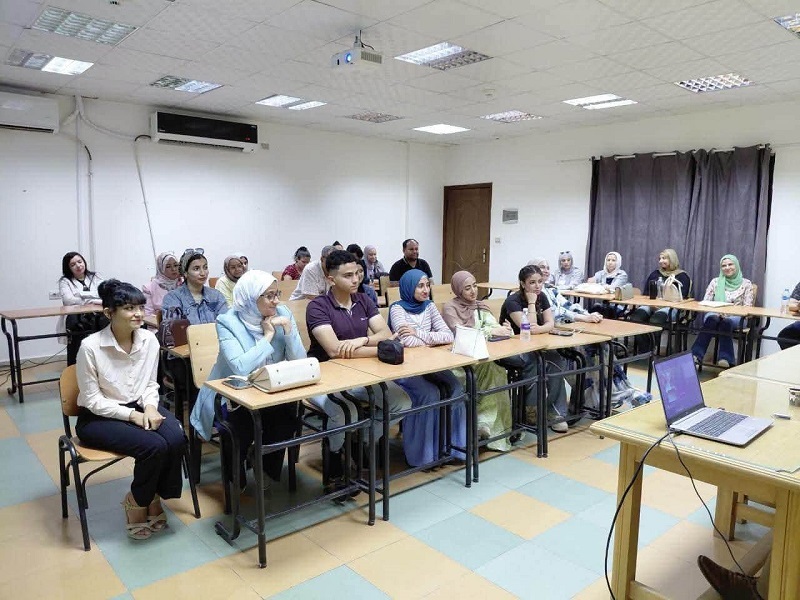
Under the patronage of Prof. Mohamed Diaa Zain El-Abedeen, President of Ain Shams University; Prof. Rami Maher Ghali, Vice President of the University for Education and Student Affairs; Prof. Hossam Tantawy, Acting Dean of the Faculty of Archaeology; and Dr. Nawal Gaber Mohamed, Acting Vice Dean of the Faculty for Education and Student Affairs, the Faculty of Archaeology at Ain Shams University organized a scientific seminar entitled “From the Treasures of the Seas to Underwater Archaeology: The Evolution of Scientific Technologies and Regulatory Legislation.” The seminar was held in Hall (3) at the faculty, with the participation of a distinguished group of specialists, academics, and students.
 |
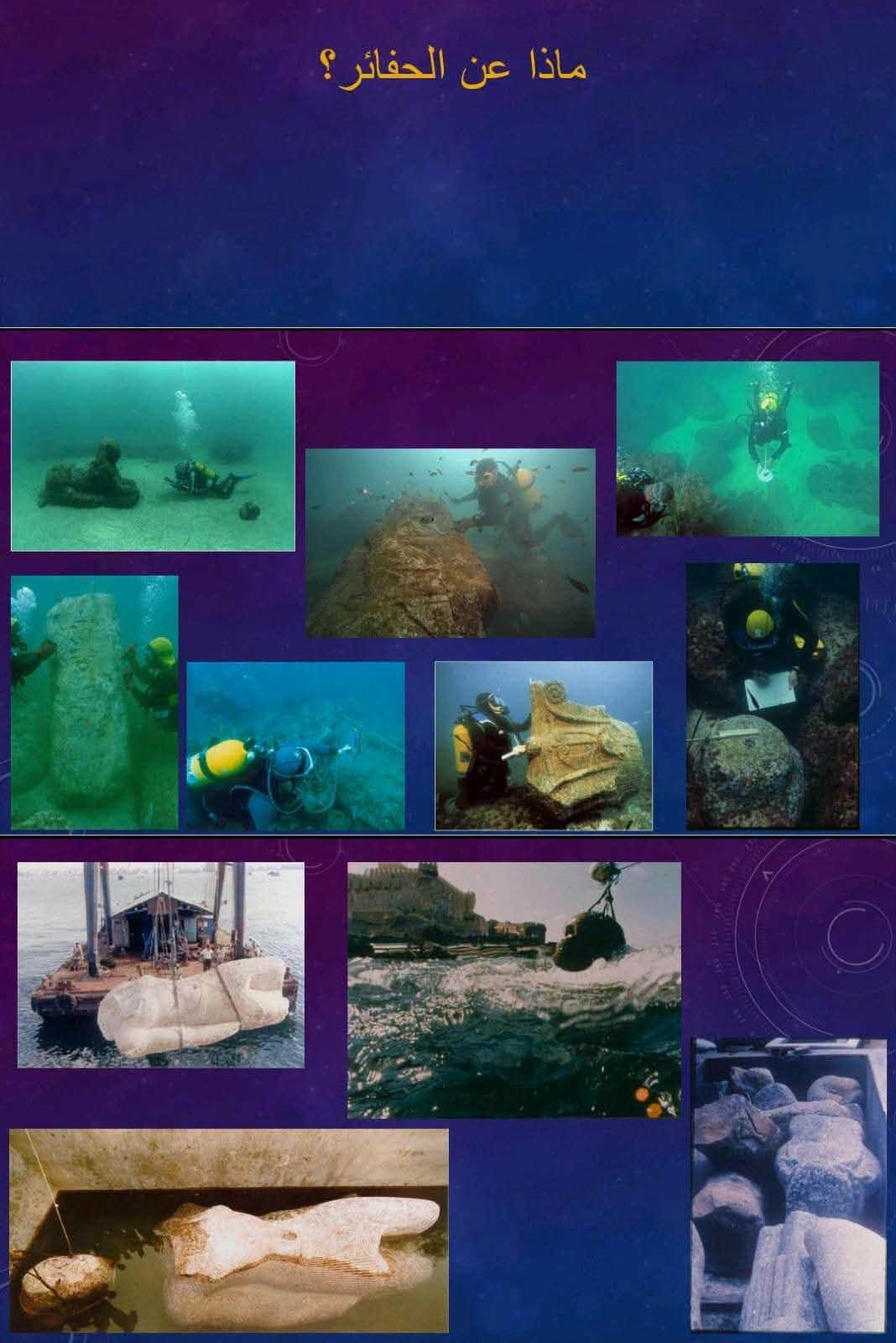 |
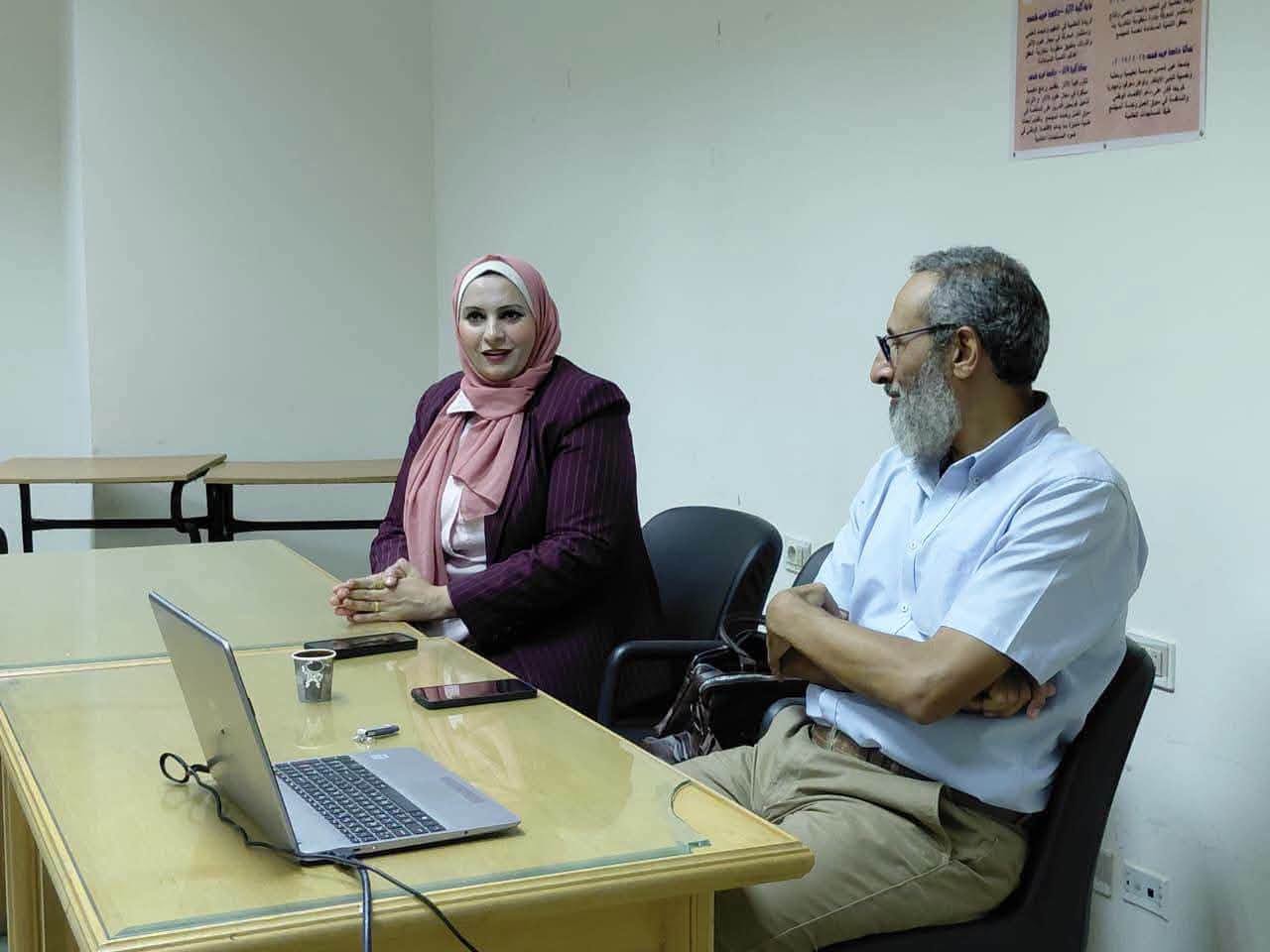
The seminar hosted Dr. Mohamed Mostafa Abdel Meguid, former Head of the Central Department of Underwater Antiquities, who discussed the evolution of underwater archaeology, from the earliest attempts to recover antiquities from the seas to the latest scientific technologies used in the field.
The seminar also addressed the history of maritime archaeology and the development of diving equipment, as well as the 2001 UNESCO Convention on the Protection of the Underwater Cultural Heritage. It also highlighted the International Day for Underwater Cultural Heritage, adopted by UNESCO in November 2025 upon the recommendation of the Arab Republic of Egypt. The speaker reviewed the major natural and human-induced threats facing underwater heritage and presented several case studies, including the Port of Khufu at Wadi El-Jarf and the “Thistlegorm” shipwreck.
Dr. Mohamed Mostafa Abdel Meguid emphasized the importance of adhering to scientific principles when dealing with underwater cultural heritage, preserving it in its original location, and preventing its commercial exploitation. He also highlighted the need to address contemporary challenges, particularly climate change and industrial activities, while strengthening international cooperation and the exchange of expertise.
The seminar concluded with an open discussion involving faculty members and students on ways to protect Egypt’s underwater cultural heritage and enhance public awareness of its importance and cultural value.