
.svg)

Ain Shams University Conference Discusses the Future of Biopesticides and Enhancing Local Production
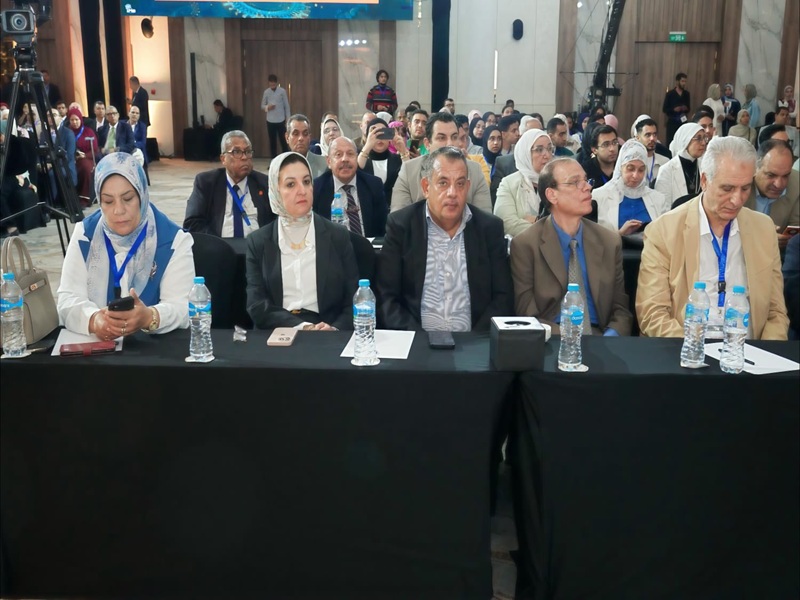
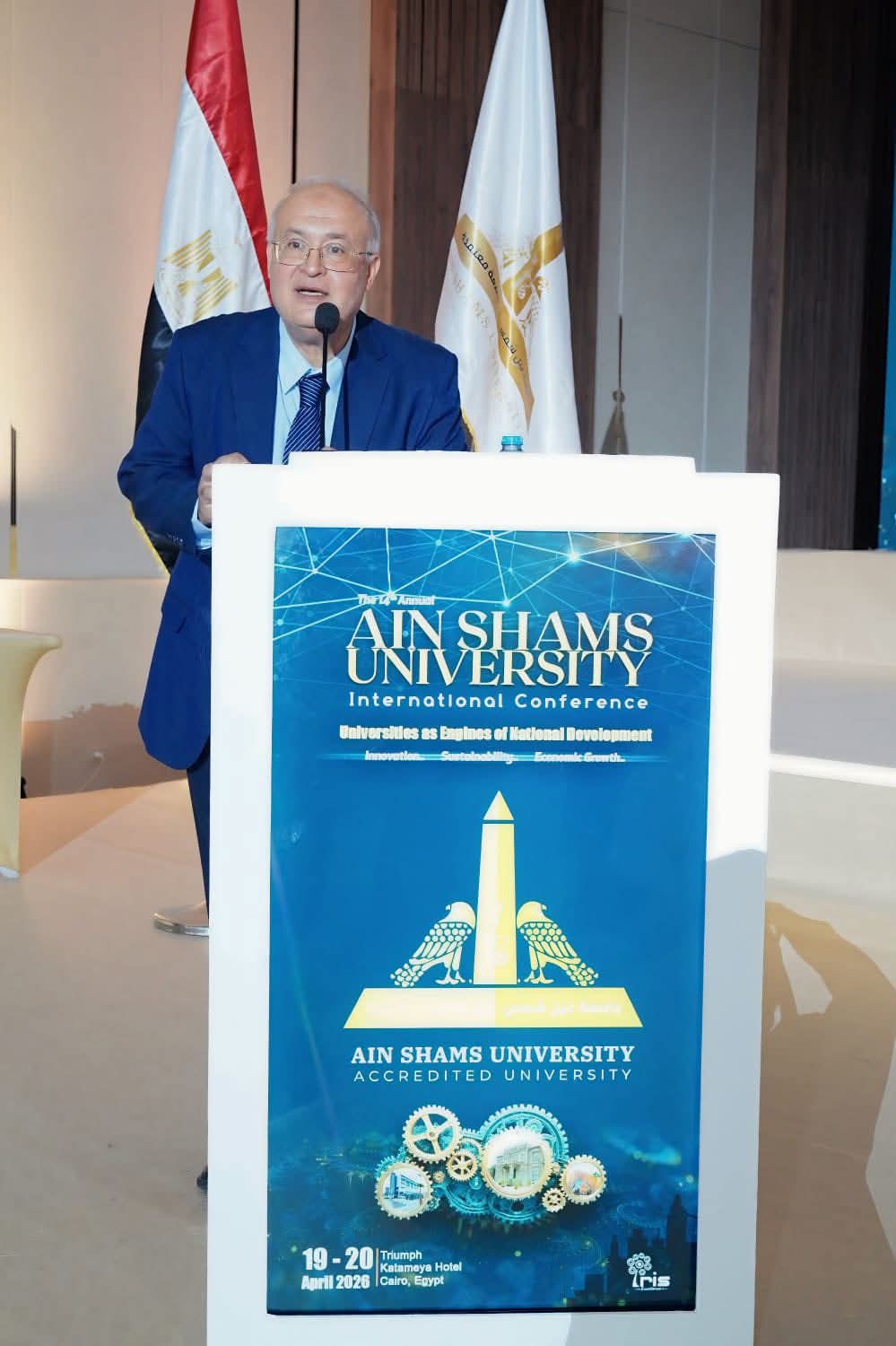
The specialized scientific sessions in the agricultural field, held as part of the 14th International Conference of Ain Shams University, under the patronage of Mohamed Diaa Zain El‑Abedeen, President of the University, and Amani Osama Kamel, Vice President for Postgraduate Studies and Research, witnessed extensive discussions on the future of the pesticide industry in Egypt. These discussions come considering global shifts toward biotechnology and sustainability, as well as the need to develop legislative and economic frameworks to keep pace with these changes.
 |
 |
 |
||
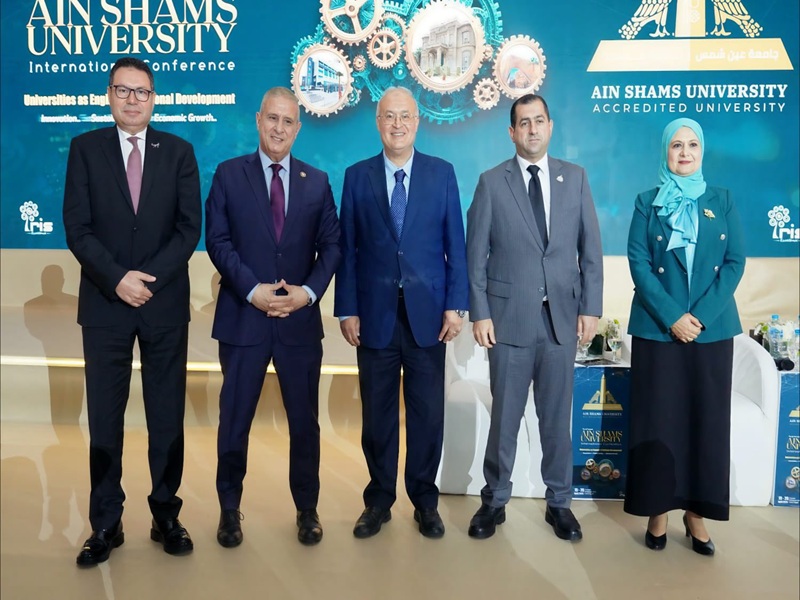
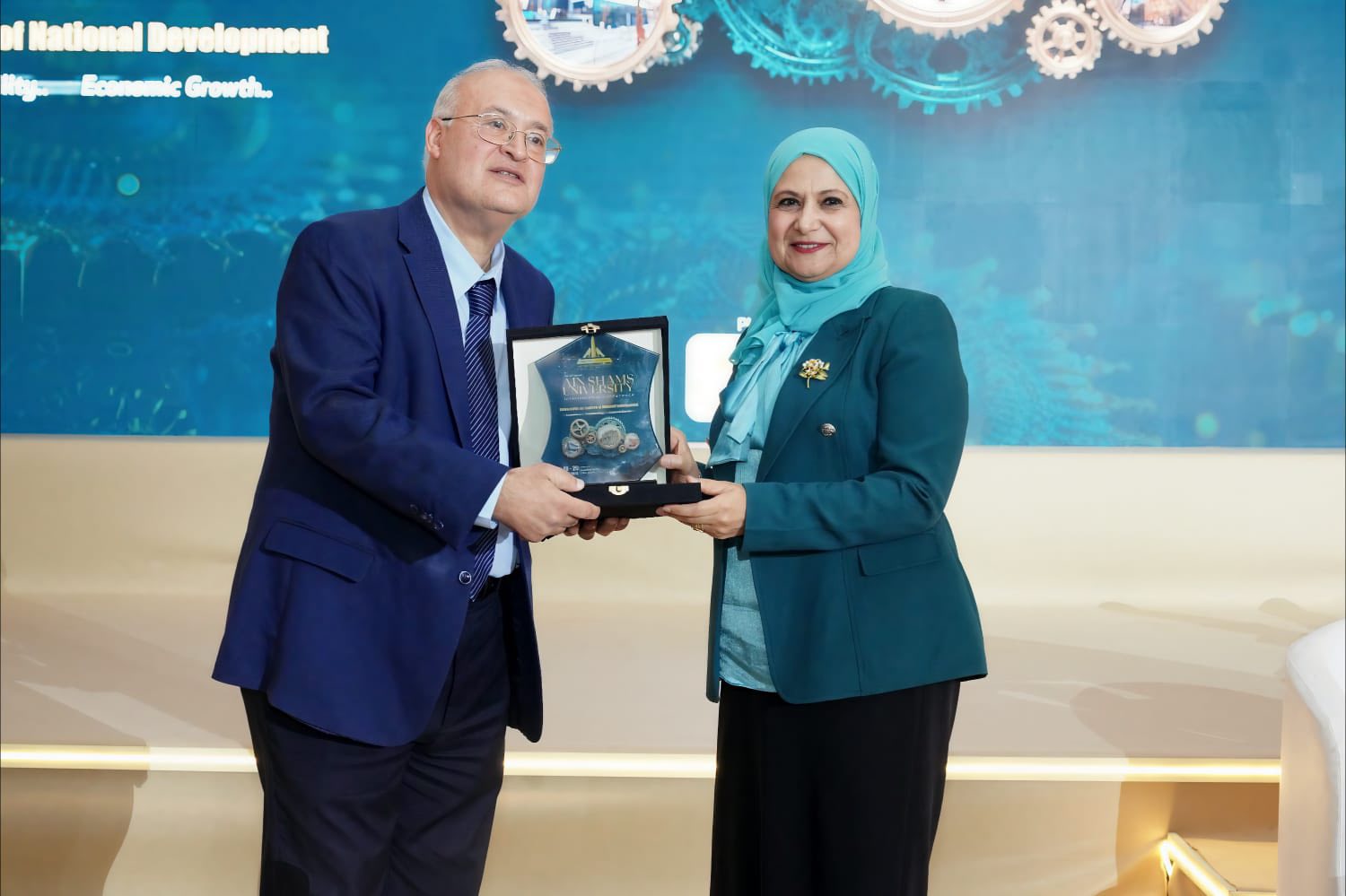
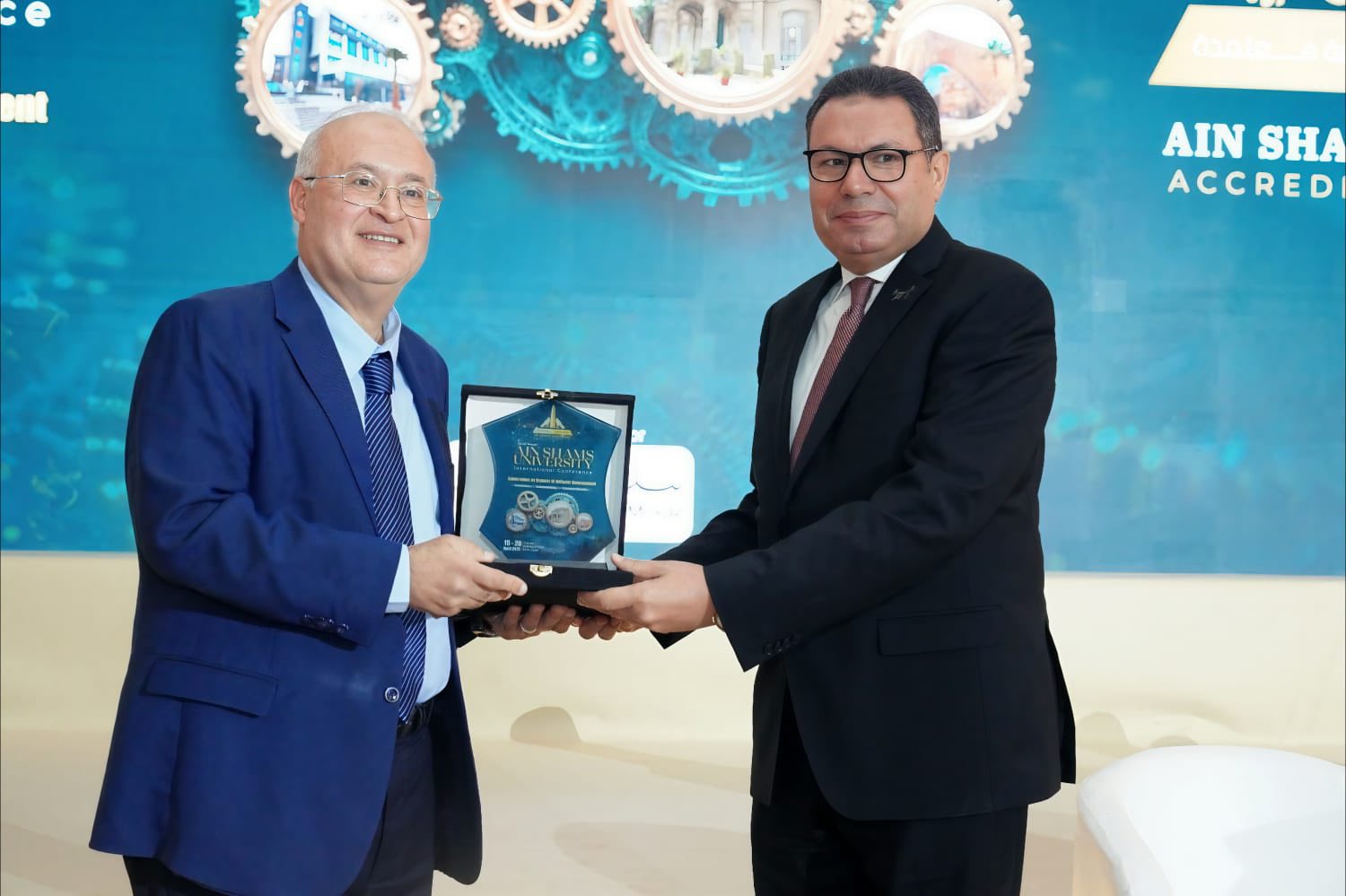
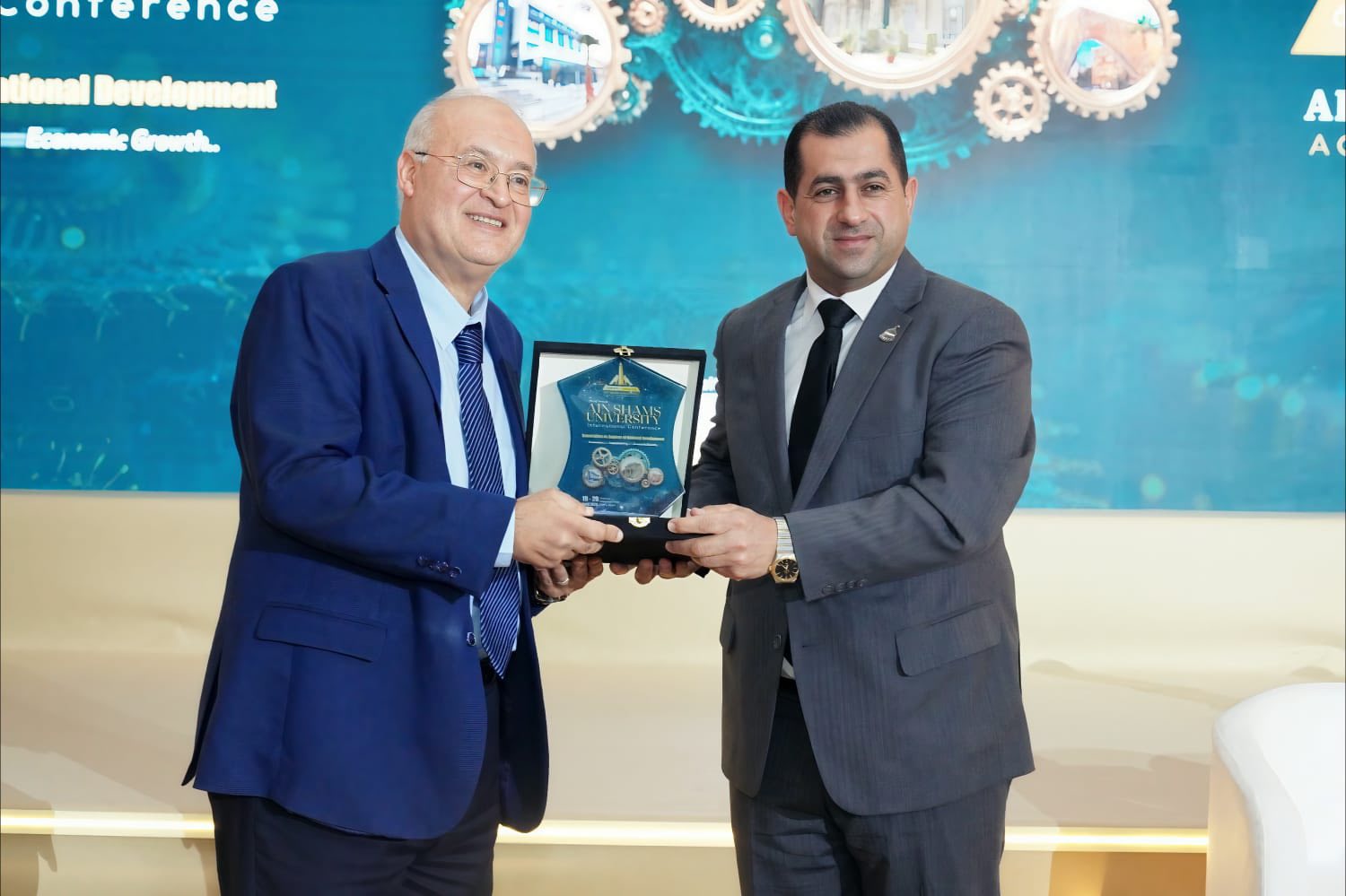
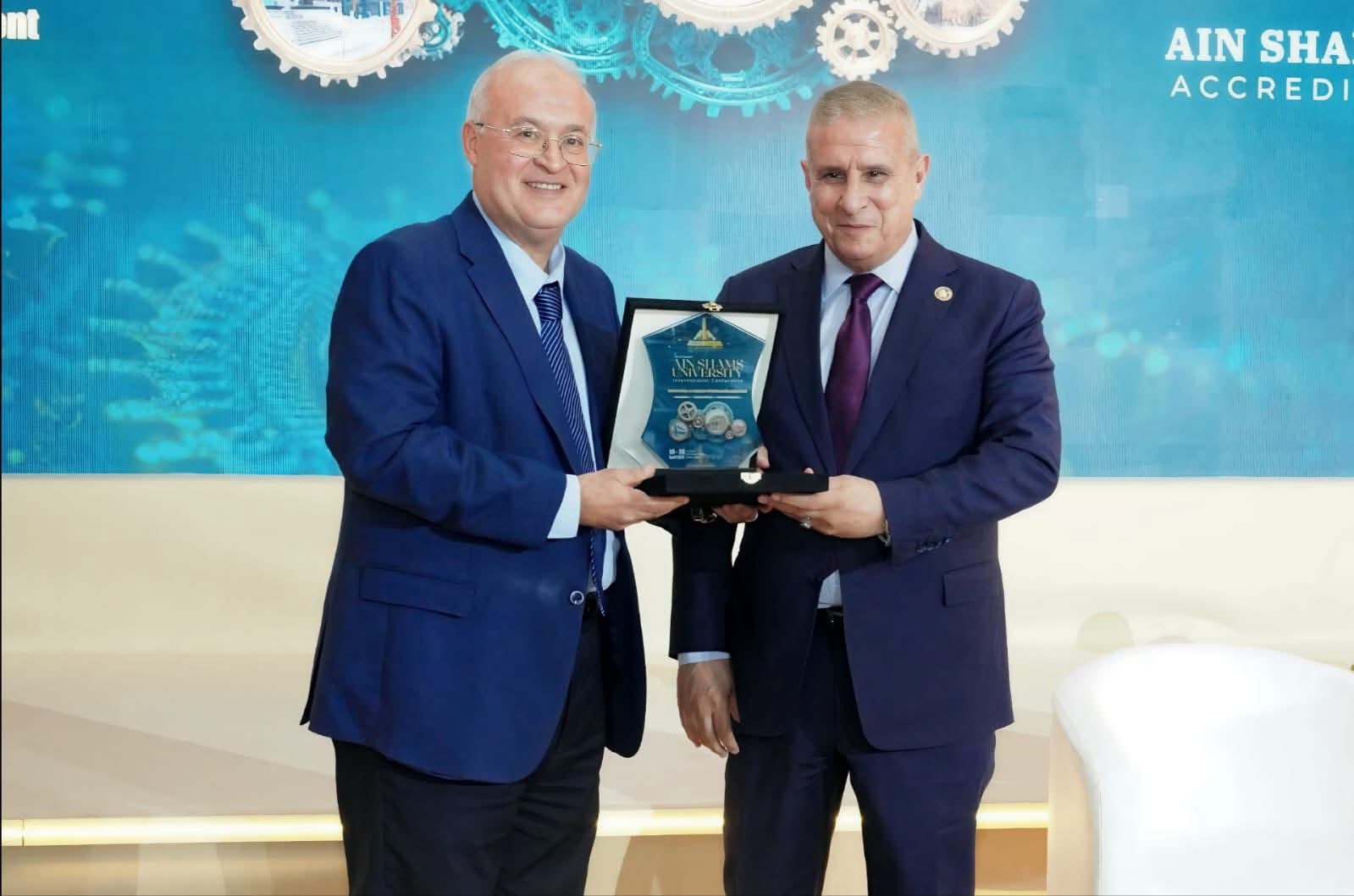
The sessions brought together a distinguished group of experts and specialists, including Prof. Walaa Mohamed Abdel Ghany El Sayed, Dean of the Faculty of Agriculture at Ain Shams University; Prof. Hala Abu Youssef, Head of the Agricultural Pesticides Committee at the Ministry of Agriculture and Land Reclamation; Prof. Mohsen El Battran, Professor of Agricultural Economics at Cairo University and Head of the Senate’s Agriculture Committee; and MP Hesham El Hossary, member of the House of Representatives and Deputy Head of the parliamentary body of the Future of a Nation Party.
Participants reviewed the latest global trends in the pesticide sector, particularly RNA interference (RNAi) technologies, which represent a new generation of pesticides based on precise gene targeting within pests, achieving high efficiency with lower doses and minimal environmental impact. Reference was also made to the registration of the first pesticide of this kind globally in 2023, alongside its growing applications in genetically modified crops and in pest and fungal control.
 |
 |
The sessions also addressed the gradual shift from conventional pesticides to more advanced alternatives, amid increasing reliance on herbicides due to rising labor costs and changing agricultural production patterns. This comes alongside stable volumes of pesticide imports into Egypt, coupled with rising values, reflecting changes in product quality and cost.
 |
 |
Participants emphasized that improving the quality of agricultural products is a key driver for maximizing export returns, which currently amount to approximately 9.5 million tons annually, with an estimated gap of 50–60% in potential export value.
In this context, an initiative was proposed to launch a national project to produce biopesticides based on local resources, aiming to ensure safe food for the Egyptian market and enhance the competitiveness of exports, particularly in light of growing global demand for low-residue products.
At the institutional level, the sessions reviewed efforts to develop the biopesticide registration system, including plans to reduce the registration period to a single agricultural season, establish a specialized committee to review dossiers prior to approval, and create an advanced molecular biology unit to analyze modern pesticides and assess their environmental impact.
The importance of supporting the national industry was also emphasized through training technical personnel and establishing quality control laboratories within factories, thereby enhancing export opportunities to African and Arab markets, alongside the need to strengthen oversight to combat fraud.
In this regard, speakers warned of the spread of a parallel market for counterfeit pesticides, stressing that addressing this issue requires integrating modern legislation with technology through the implementation of digital traceability systems for each product unit to ensure supply chain integrity.
Participants also highlighted the need to update the legal framework, particularly Agriculture Law No. 53 of 1966, to keep pace with technological advancements, while adopting incentive policies to support investment and scientific research in the field of biopesticides.
The sessions concluded by emphasizing that the future of agriculture in Egypt depends on the integration of biotechnology with modern legislation and economic policies, in a way that ensures food security, enhances export competitiveness, and guarantees the sustainability of resources.