.svg)

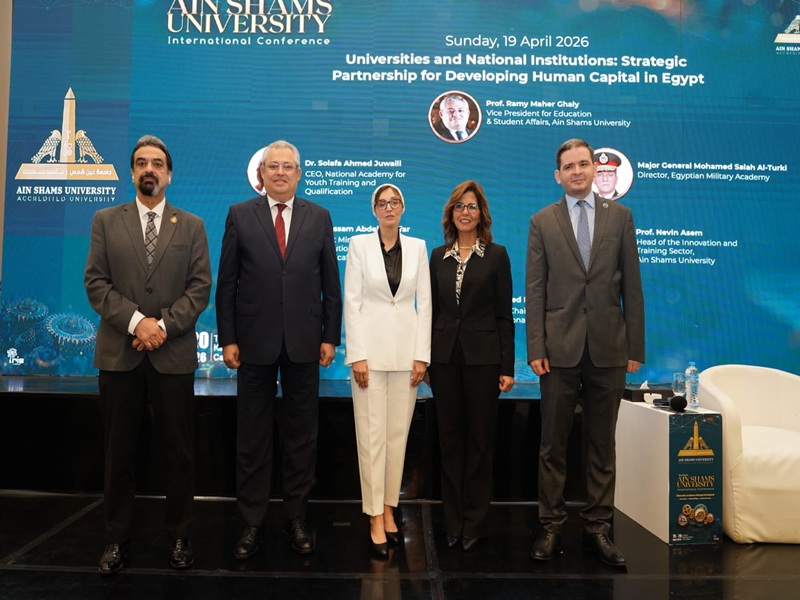
A partnership between universities and national institutions to build the Egyptian citizen… A dialogue session at the 14th Ain Shams International Scientific Conference
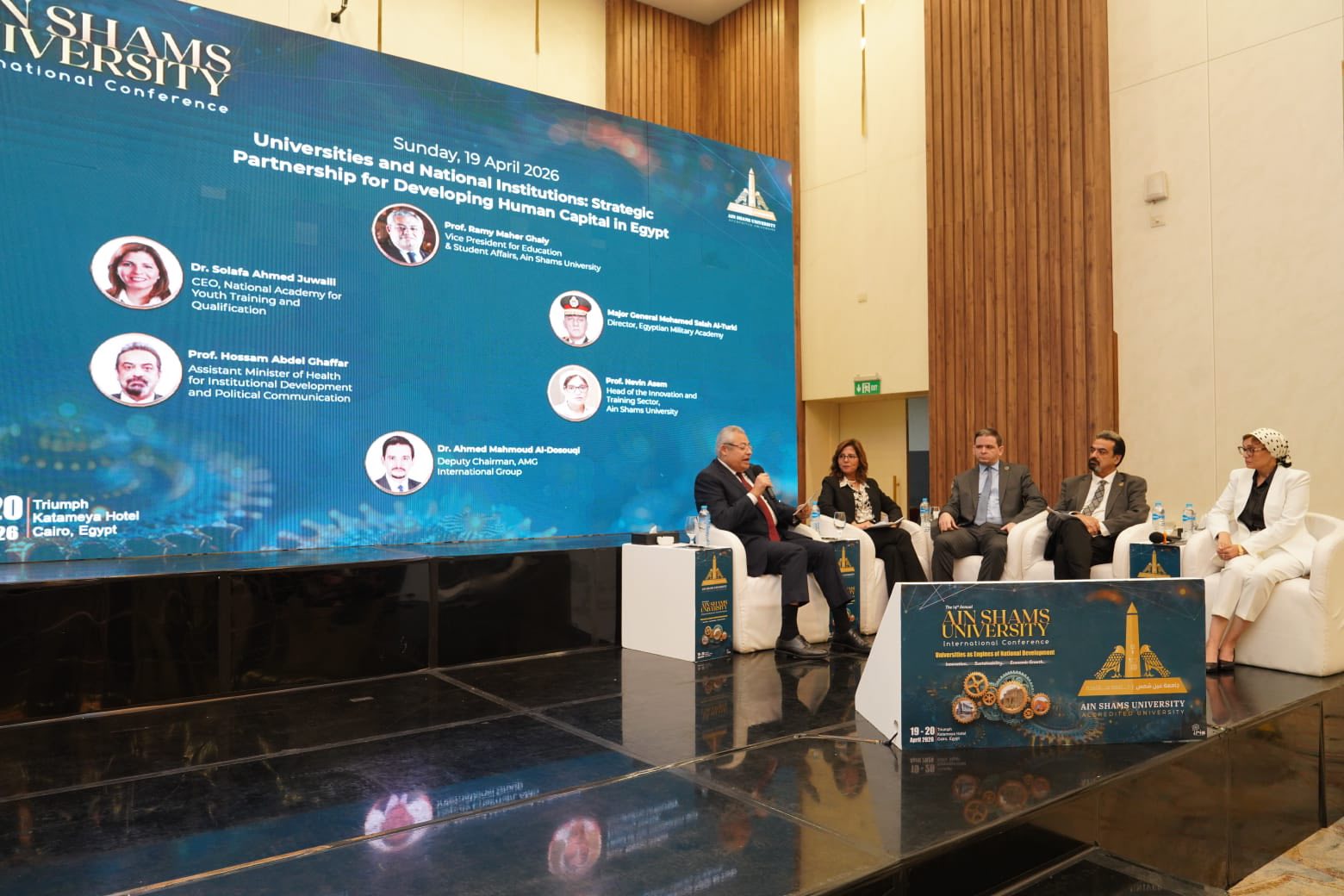
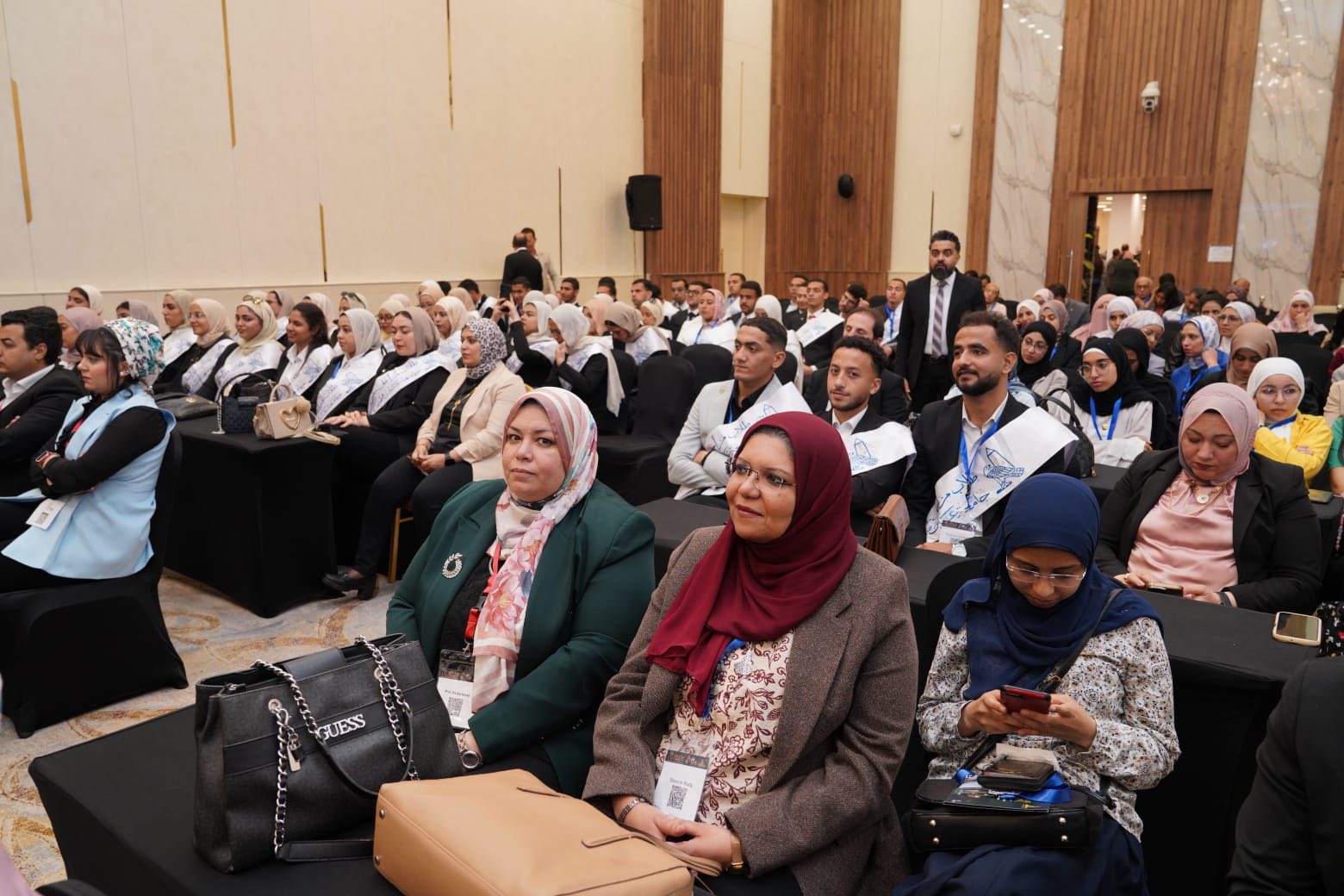
The first day of the 14th International Scientific Conference of Ain Shams University, held under the theme ”Universities as Engines of National Development Towards innovation and Sustainable Economic Growth,” featured a panel discussion titled “Universities and National Institutions: A Strategic Partnership for Building the Egyptian Citizen.” The discussion included a distinguished group of leaders and experts from state institutions and the public and private sectors.
 |
 |
 |
||
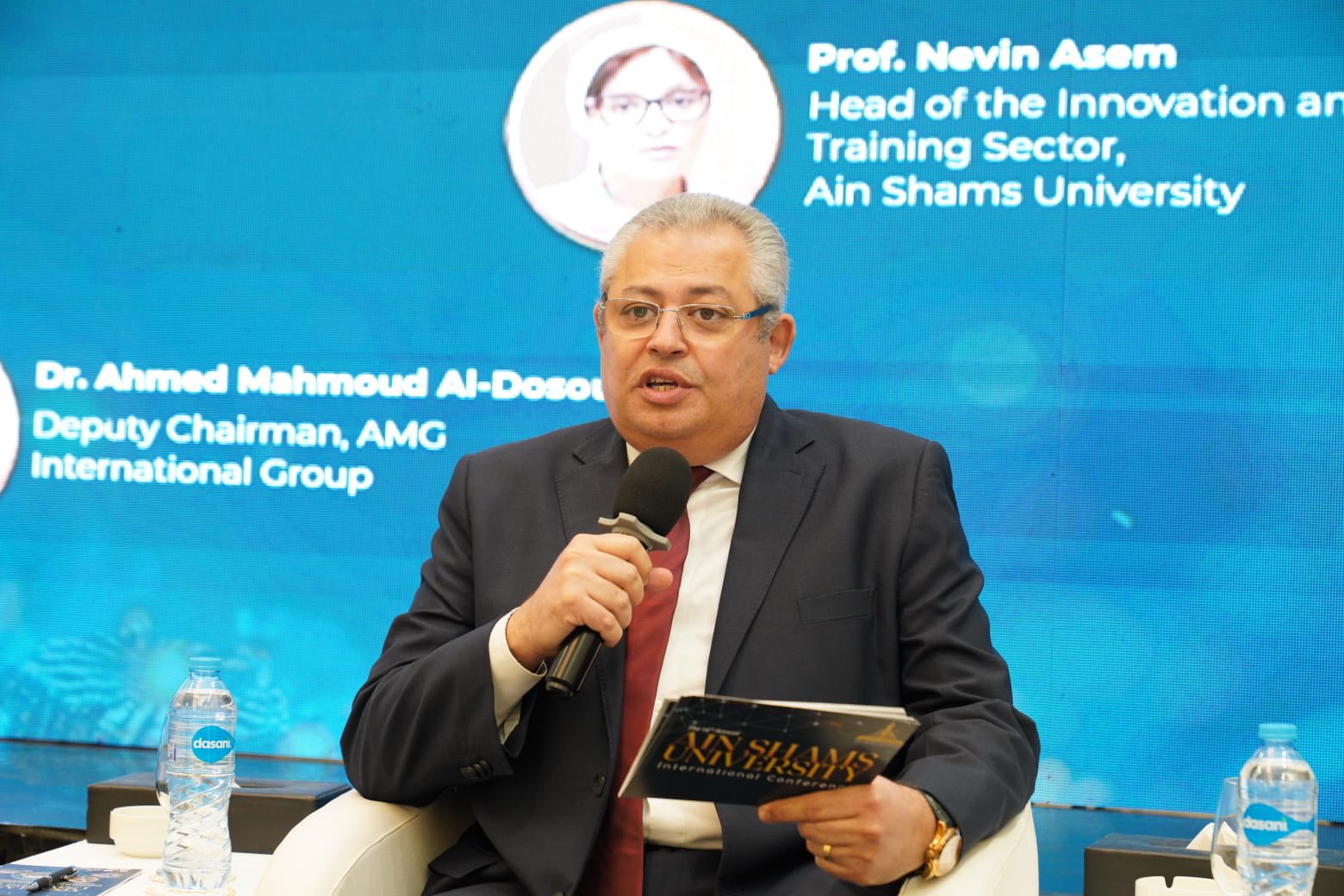
The session was moderated by Prof. Rami Maher Ghali, Vice President of Ain Shams University for Education and Student Affairs. Discussions focused on the role of integration between universities and national institutions in preparing qualified personnel capable of leading the development process in the new republic.
Prof. Rami Maher Ghali affirmed that building the Egyptian citizen is a top priority for the Egyptian state, emphasizing that Ain Shams University places great importance on developing the student’s character at all levels.
He pointed out that the selection of speakers for the session reflects the importance of integration among state institutions, explaining that the discussion is no longer limited to how to coordinate between institutions, but has evolved to how to achieve genuine integration among them.
 |
 |
 |
||
During the session, the Vice President of the University referred to the experience of living with Ain Shams University students at the Egyptian military Academy, which contributed to developing leadership, discipline and teamwork skills, in line with Egypt’s Vision 2030, as the students appeared in an honorable manner that reflects their commitment, and he praised the positive impact achieved by the experience at all levels.
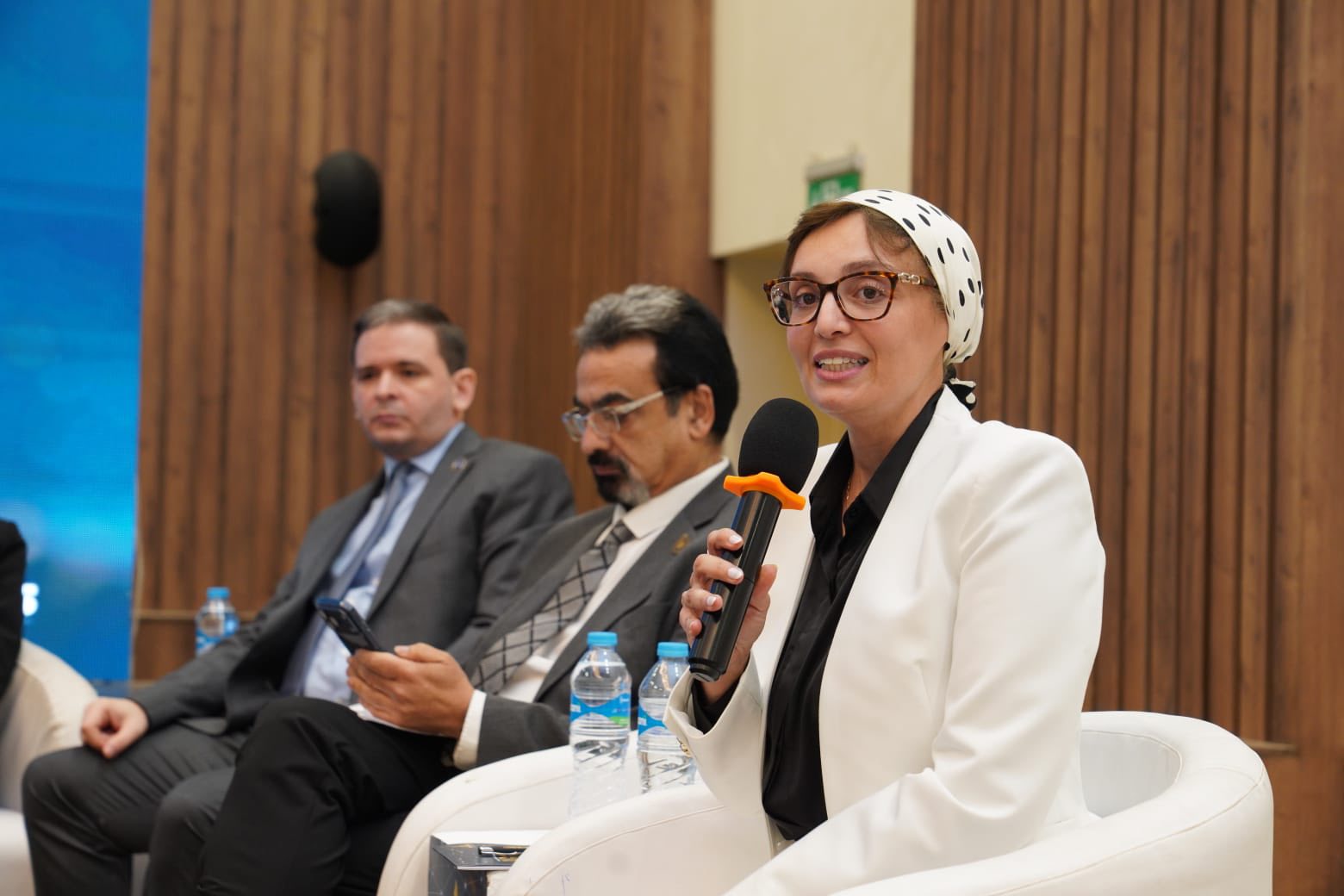
For her part, Dr. Sulafa Ahmed Gweili, Executive Director of the National Academy for Youth Training and Development, affirmed that the Academy has become a pivotal platform for preparing and developing young leaders through integrated training programs that bridge university education with leadership skills development. This contributes to opening clear pathways for young talents to transition from universities to leadership positions in state institutions.
She explained that the rapid changes in the labor market have led to the emergence of new jobs and the disappearance of others, necessitating the development of skills in future generations to align with market demands.
She also addressed the most important skills students need to enter the job market, in addition to reviewing mechanisms for activating cooperation between Egyptian universities and the Academy, which would enhance student qualifications and raise their professional readiness.
 e="text-align:justify">Prof. Hossam Abdel Ghaffar, Advisor to the Minister of Health and Population and the Ministry’s official spokesperson, spoke about mechanisms for coordination and integration between state institutions and universities to ensure improved quality of life. He emphasized that unifying strategic goals and databases is fundamental to achieving this, along with adopting unified performance indicators and operational policies.
He emphasized that coordination prevents duplication of efforts, but the most important aspect is achieving genuine integration among the various entities.
He also discussed the Ministry of Health’s efforts to ensure the sustainability and professional development of medical personnel, noting the Ministry’s focus on skills-based training and its commitment to strengthening partnerships with local and international institutions in the field of evaluation, which contributes to raising the standard of medical practice in Egypt.
He addressed the integration of modern technologies, particularly artificial intelligence, within the healthcare system, and reviewed ways to confront and overcome the challenges facing the health sector.
Dr. Ahmed Heikal, Vice President of AMG International, spoke about the skills sought by the industrial sector, especially in light of the rapid shift towards the digital economy and AI-based industries. He emphasized the need to develop students’ skills, particularly diversification, marketability, leadership, and other skills required by the labor market.
He also discussed the role of the private industrial sector in supporting innovation within universities, highlighting alliances and partnerships with Ain Shams University. He further emphasized the necessity of aligning curricula with the demands of the labor market.
In the same vein, Prof. Nevin Assem, Head of the innovation and Training Sector at Ain Shams University, reviewed the university’s efforts in developing its training and innovation system. This was achieved through the establishment of the innovation and Entrepreneurship Sector, which contributes to bridging the gap between academic education and labor market needs. This is accomplished by strengthening partnerships with executive bodies and national institutions to transform students’ ideas into applied projects that support the state’s priorities in the fields of agriculture, food security, and sustainable development.
The session concluded by emphasizing that investing in human capital is the cornerstone of achieving comprehensive development.
In a move aimed at fostering entrepreneurship and innovation, Dr. Salwa Gweili called on the university to launch an initiative by developing a comprehensive plan to connect all stakeholders in the innovation sector. This initiative, undertaken in partnership with the Ministry of Planning and Economic Development, would link the university’s innovation sector with the ministry to create training programs for students, produce graduates capable of competing in the job market, and cultivate entrepreneurs able to develop diverse fields of work.
At the end of the session, Prof. Rami Maher emphasized that human development is an integrated process and a vital project that extends beyond education to include training,innovation, and promoting awareness, culture, and health.
He emphasized that integration between universities, state institutions, the professional sector, and national training centers is key to preparing a generation of young people capable of leading the future and actively contributing to achieving Egypt’s development goals.
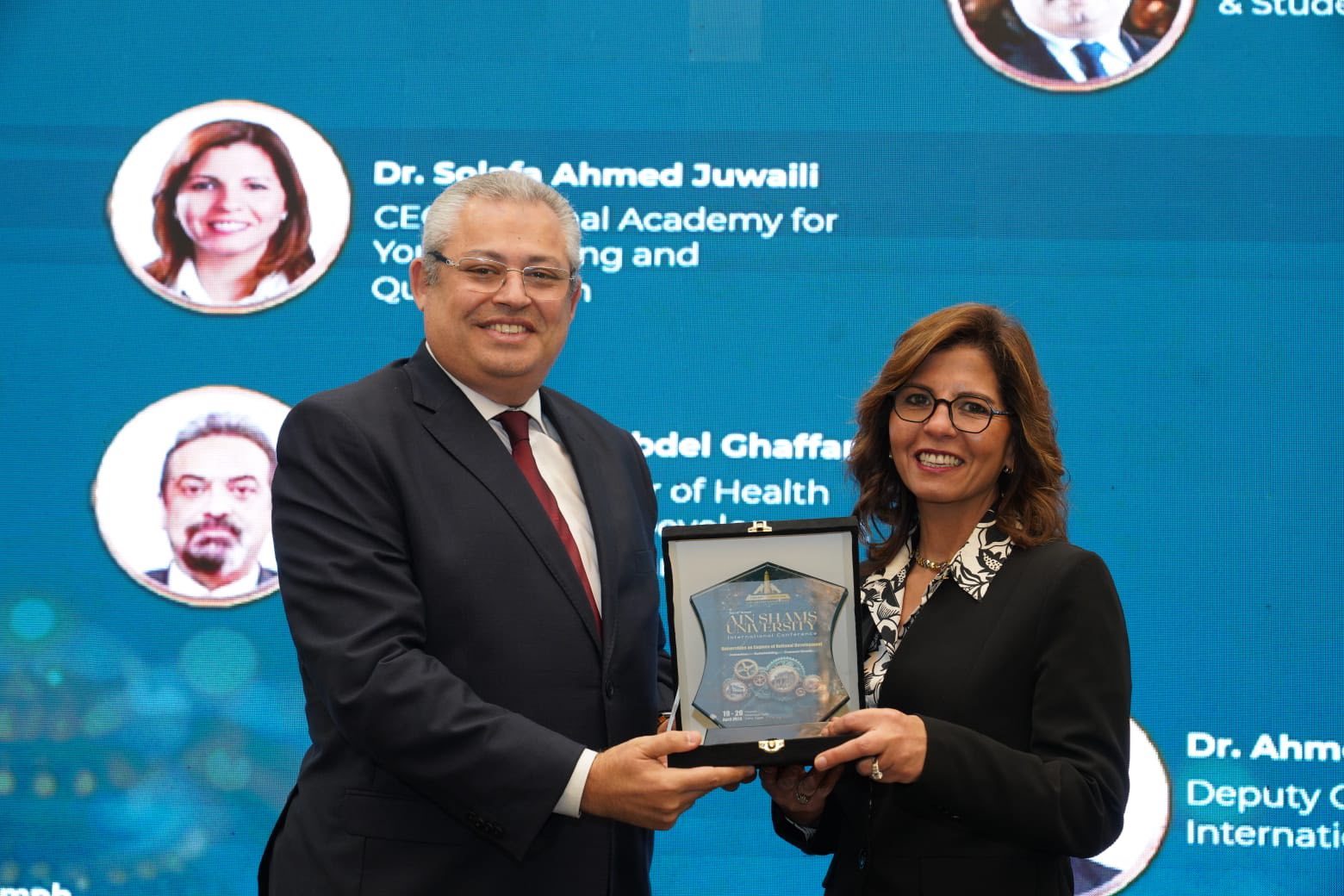
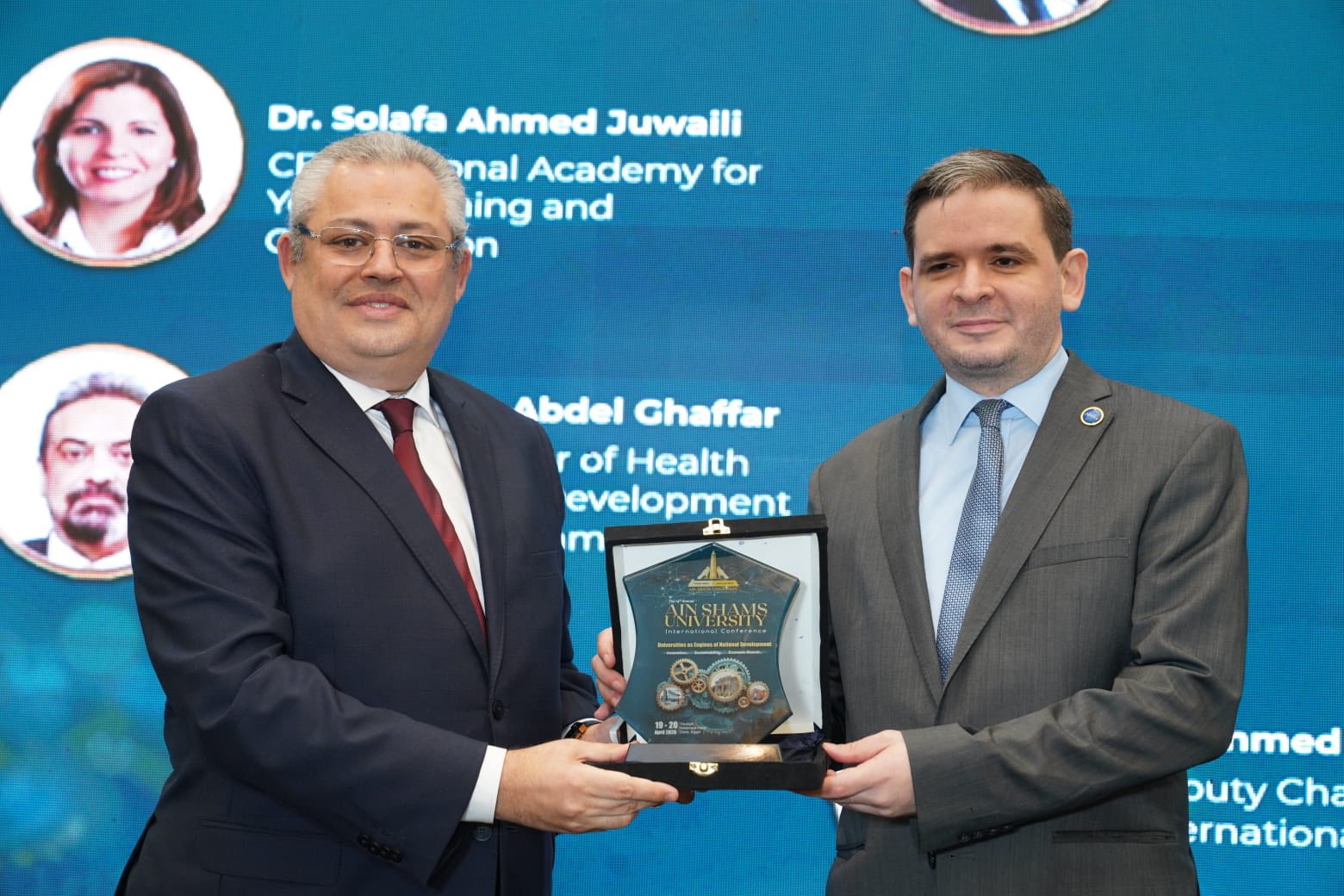
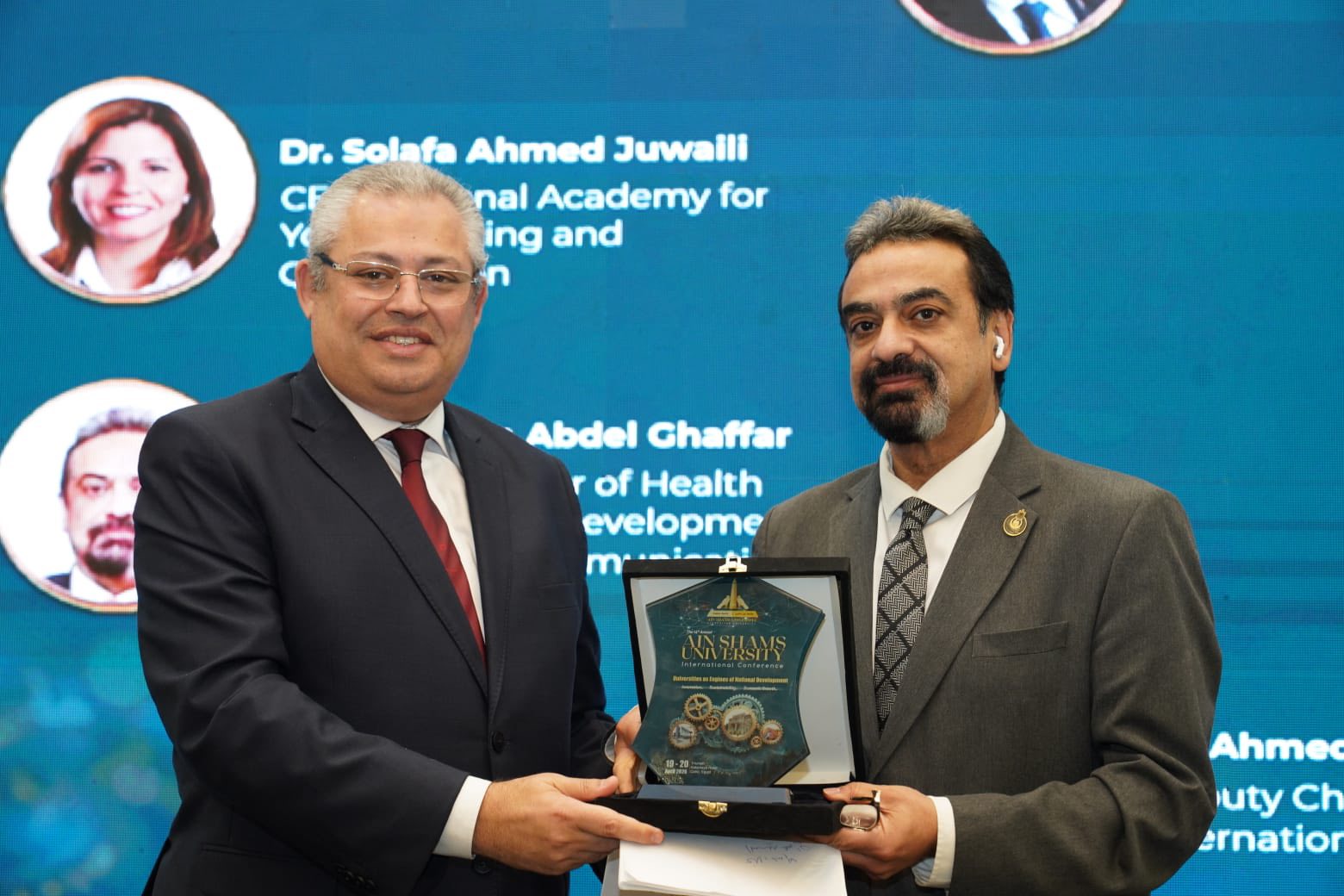
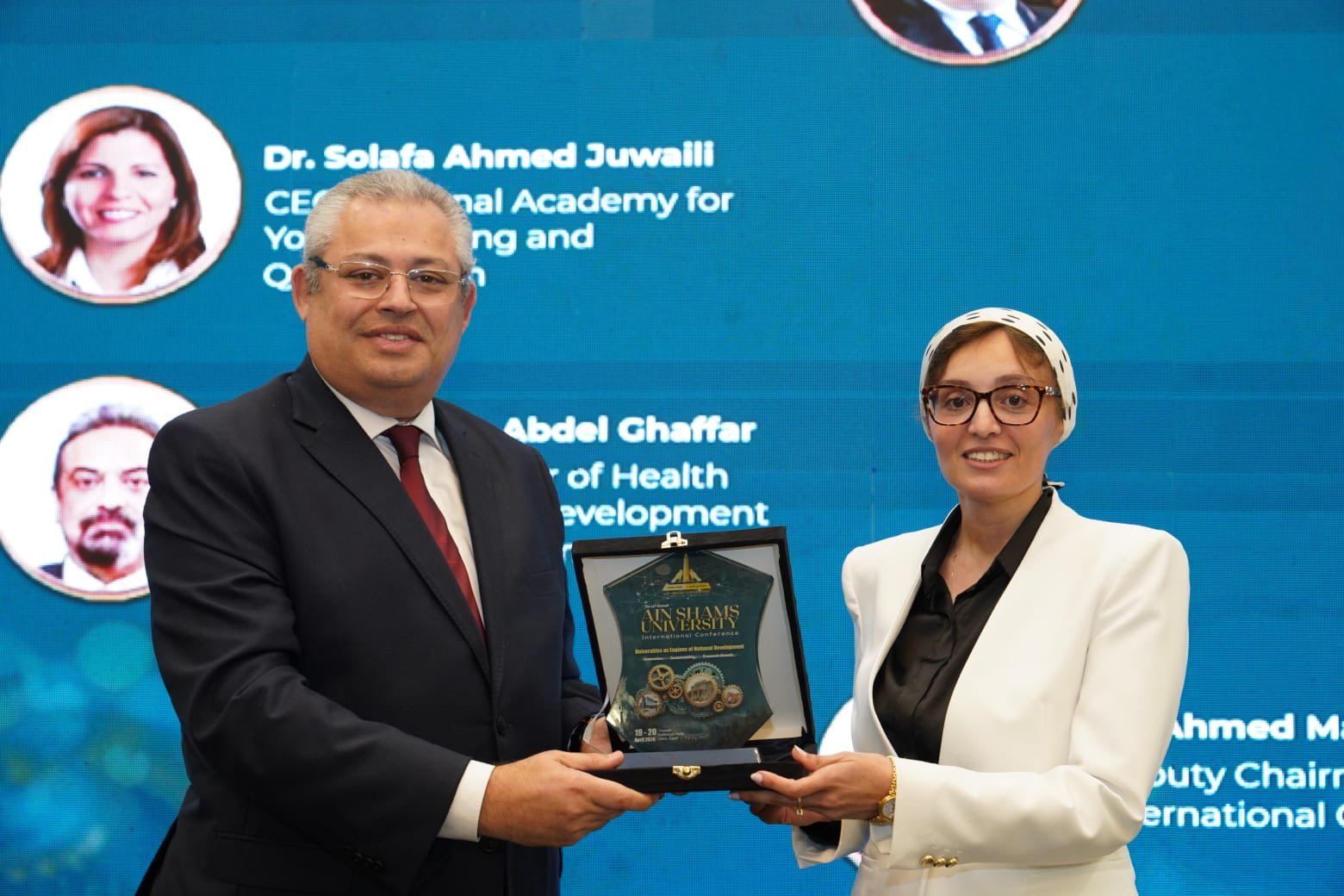
At the conclusion of the panel discussion, Prof. Rami Maher Ghali presented commemorative shields to the distinguished guests in appreciation of their valuable participation.