.svg)

At Ain Shams University’s 14th International Conference: “From Al-Zafaran to the Grand Egyptian Museum” … Archaeology Experts Highlight Cultural Development in Digital Cross-Tourism
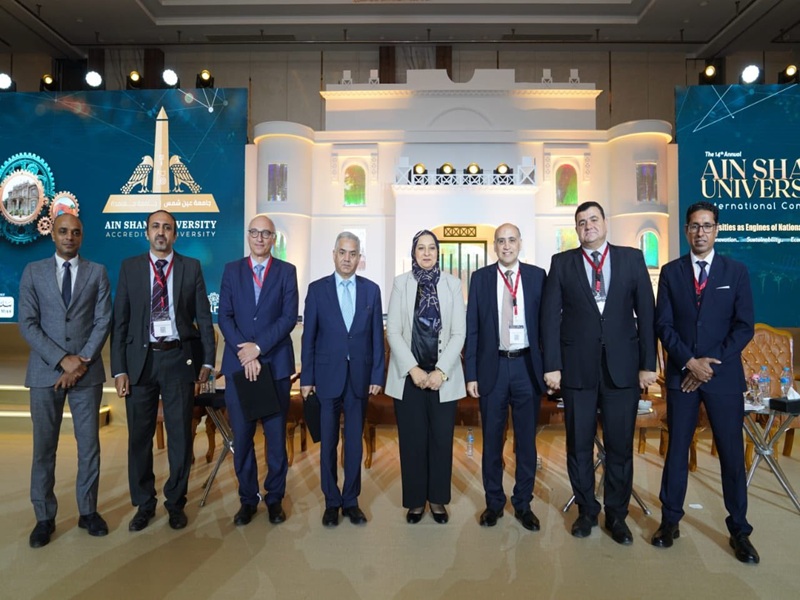
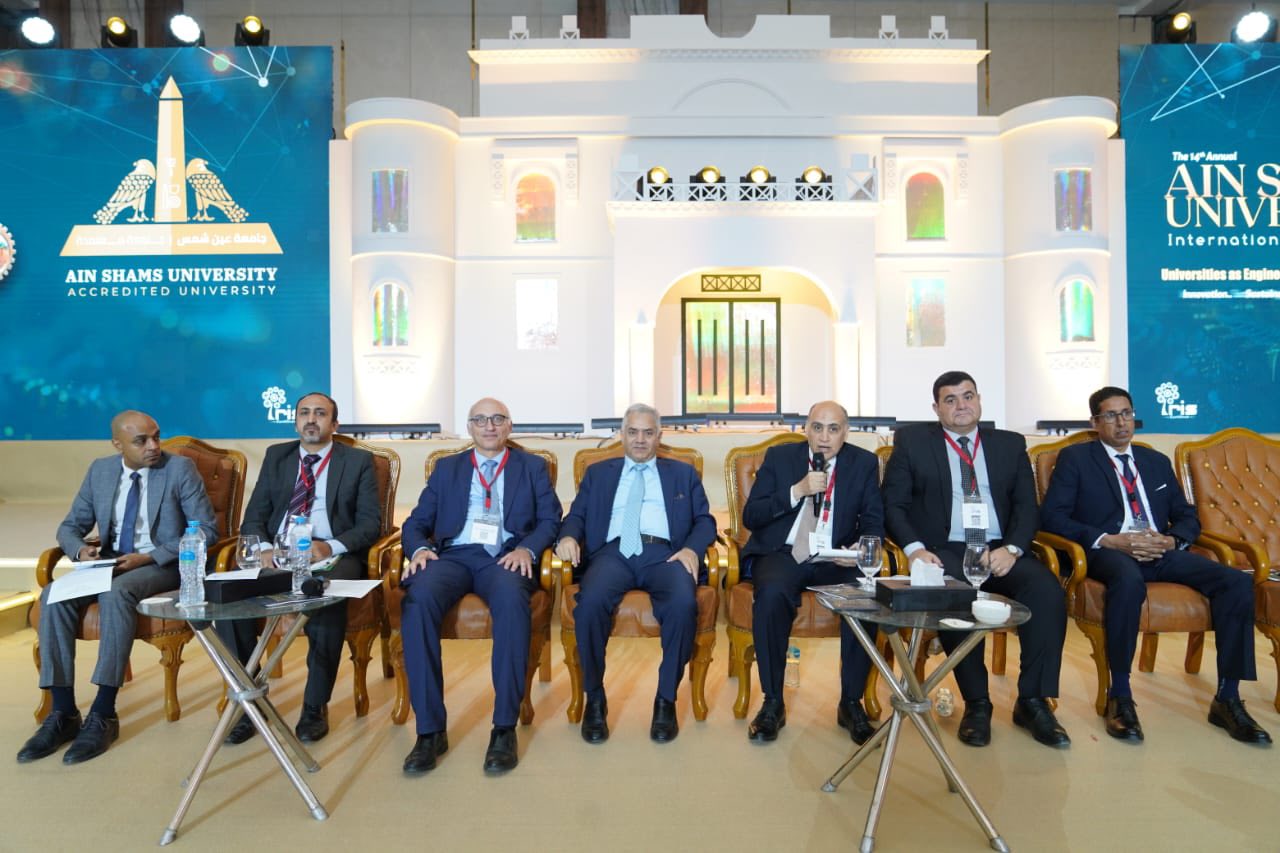
Under the patronage of Mohamed Diaa Zain El-Abedeen, President of Ain Shams University, an extensive scientific session titled “Cultural Development in Smart Digital Cross-Tourism” was convened as part of the University’s 14th Annual International Conference, bringing together a distinguished group of leaders in archaeology and museum practice.
 |
 |
 |
||
The session opened with remarks by Mamdouh El-Damaty, former Minister of Antiquities, who emphasized that the Grand Egyptian Museum represents a qualitative shift in global museum philosophy, highlighting the visual harmony between the grandeur of the pyramids and cutting-edge exhibition technologies.
For his part, Dr. Sayed Abou El-Fadl, Director of Museum Display at the National Museum of Egyptian Civilization, stated that the museum embodies a contemporary vision for reinforcing Egyptian identity. He noted that it functions as an educational institution housing one of the largest conservation centers in the Middle East, with a fully technology-driven visitor experience that also preserves traditional crafts.
 |
 |
 |
||
In his address, Prof. Ahmed El-Shoky, Vice Dean of the Faculty of Archaeology at Ain Shams University, highlighted a project to document more than 4,000 archaeological tombstones and establish the first digital database linking artifacts to their original locations, in collaboration with the French Institute of Oriental Archaeology.
From a technological perspective, Dr. Mohamed Ismail, Director of Heritage Science and Museum Technology at the Faculty of Archaeology, reviewed the transformation of the Zafaran Palace Museum through the integration of virtual reality (VR) and augmented reality (AR), the use of digital fabrication to support visually impaired visitors, and the incorporation of artificial intelligence in heritage documentation.
In turn, Dr. Walaa El-Din Badawy, Director of the Zafaran Museum, addressed the exceptional historical value of Zafaran Palace, outlining the philosophy behind its transformation into a pioneering educational museum that bridges historical heritage with a modern academic ecosystem. He noted that the palace dates to a building constructed by Khedive Ismail in 1869, leading to its current structure built in 1901.
Within the framework of community engagement, Mr. Hossam Mohamed, Curator of the Zafaran Museum, reviewed the museum’s role in interacting with its surrounding community through exhibitions, seminars, and lectures aimed at promoting awareness of Egyptian heritage and strengthening ties between the university and the public.
The session concluded with remarks by Prof. Tarek Sayed Tawfik, President of the International Association of Egyptologists, who highlighted the global resonance of the Grand Egyptian Museum’s opening, praising the purely Egyptian efforts behind this landmark achievement.
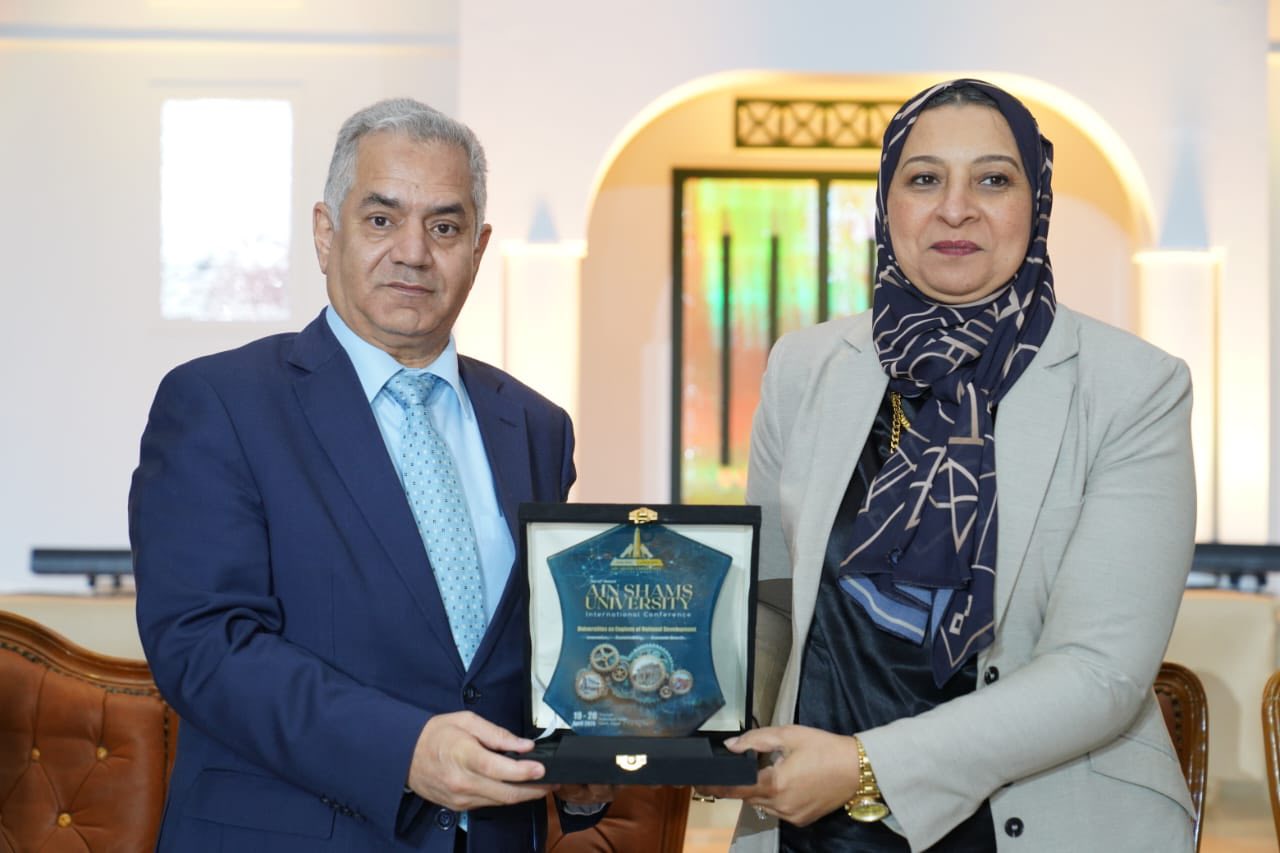
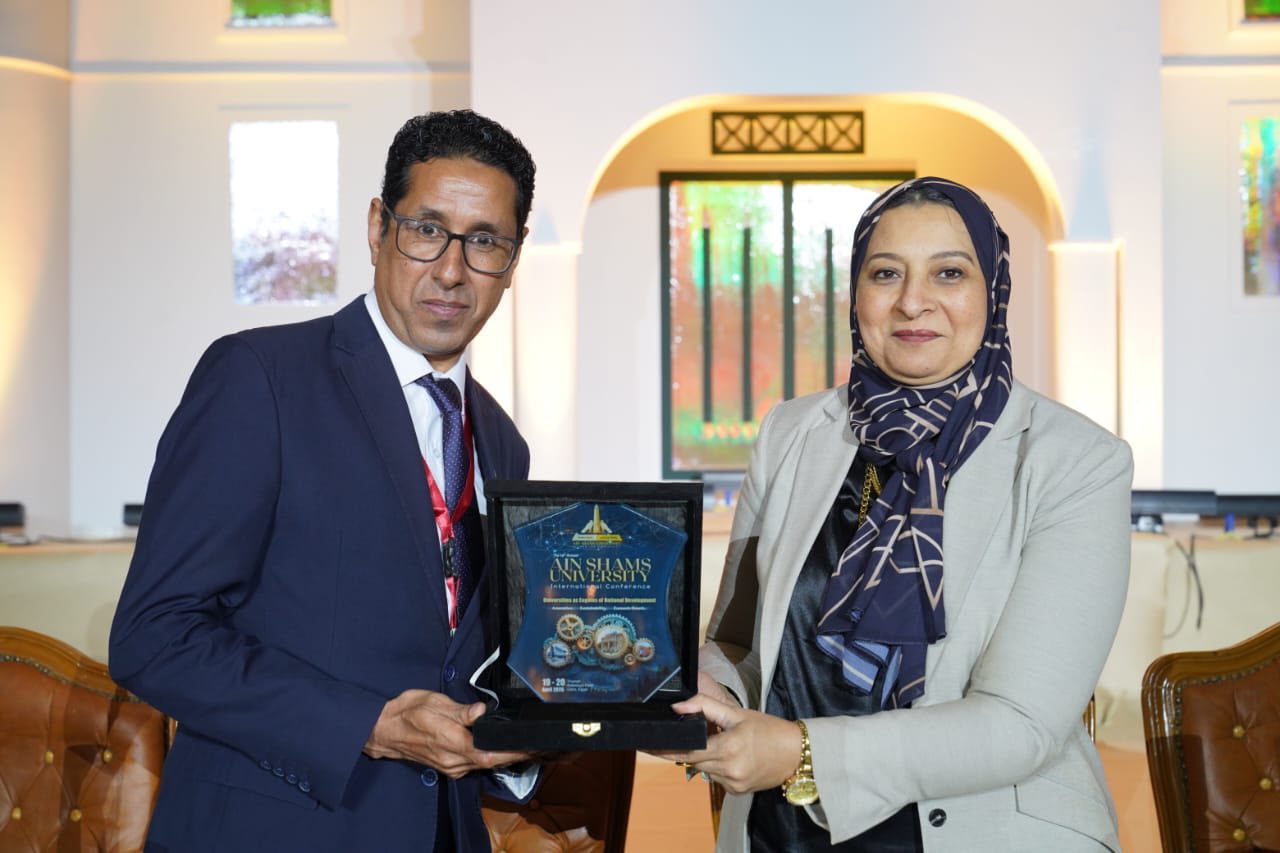
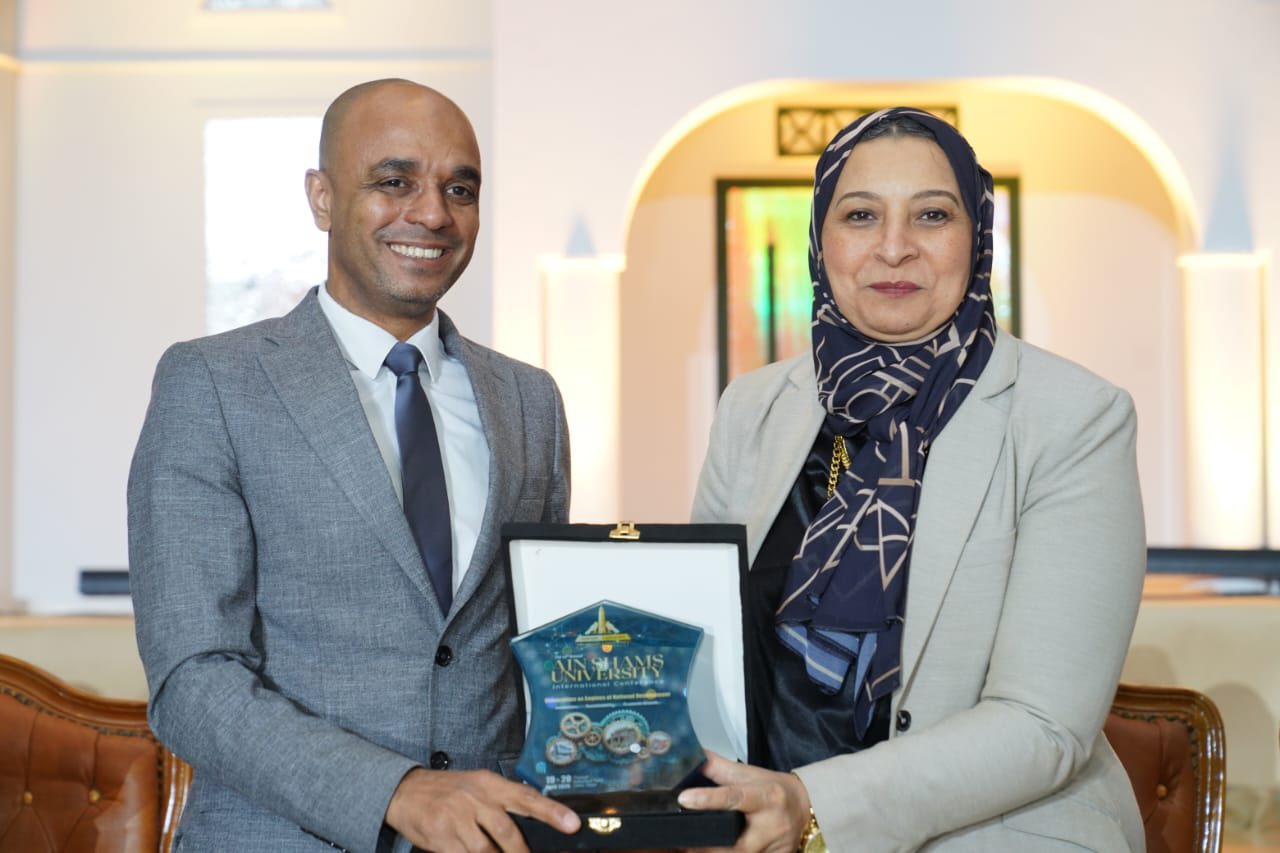
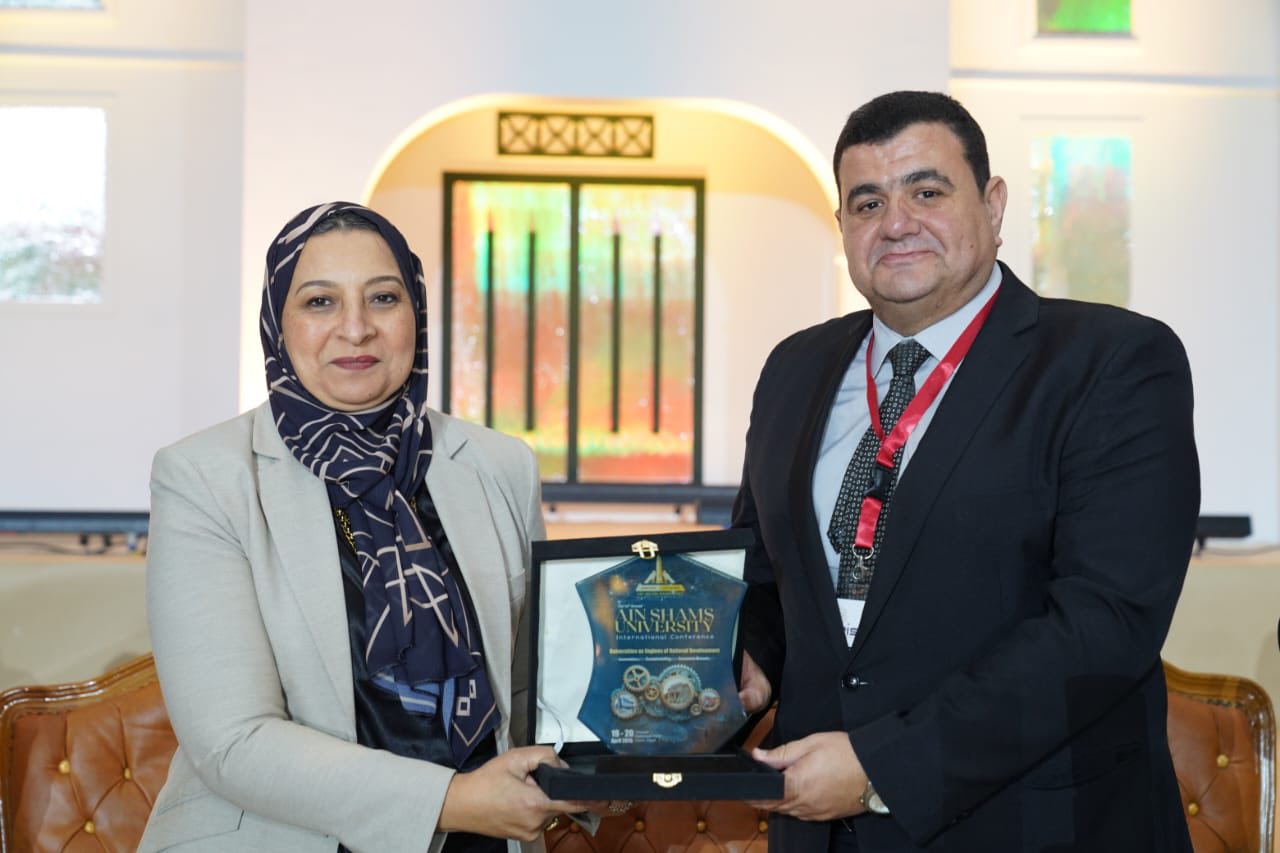
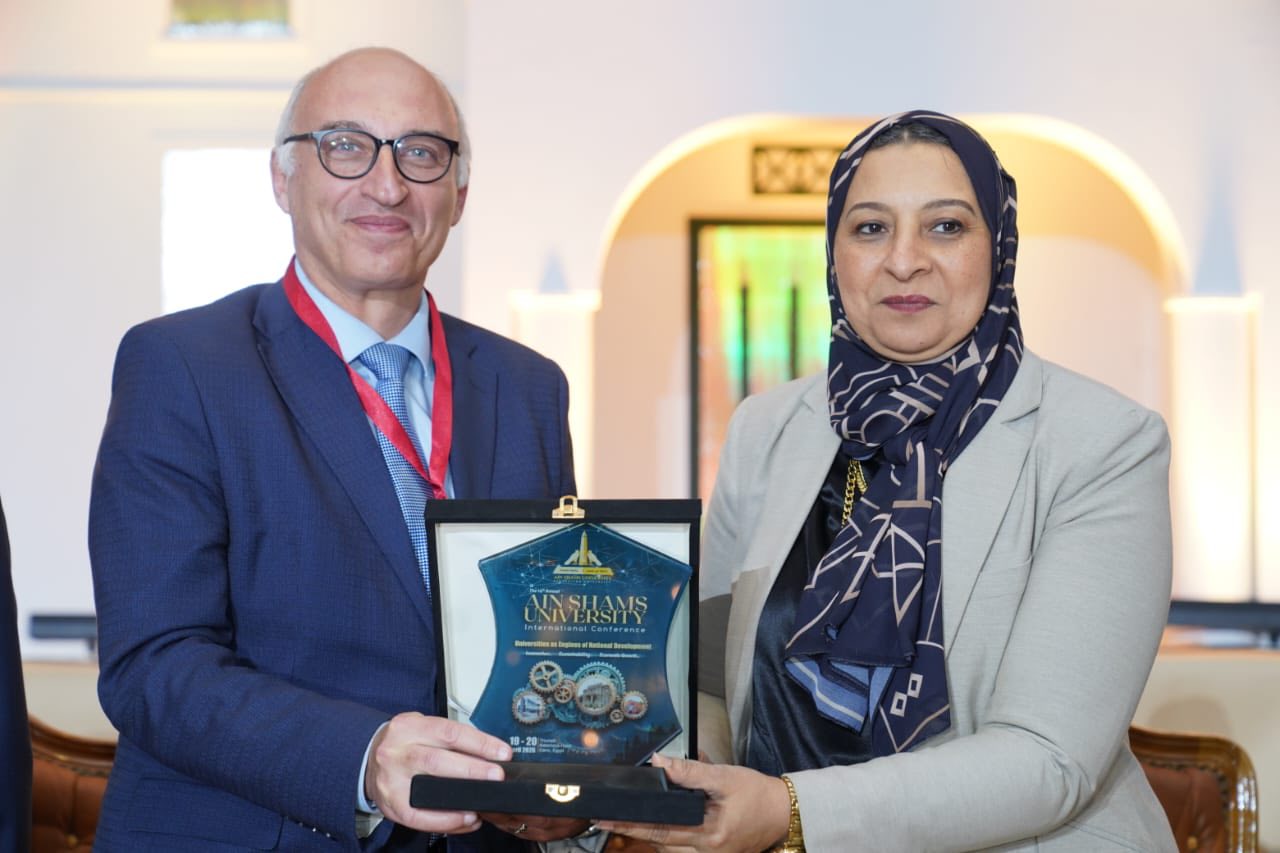
At the close of the session, Ghada Farouk, Vice President for Community Service and Environmental Development, honored the speakers in recognition of their scholarly contributions and forward-looking visions for the future of tourism and digital heritage in Egypt.