.svg)

A Seminar at the Faculty of Arts Discusses “The Phenomenon of Street Children” with a Forward-Looking Approach to Confrontation
As part of its commitment to its societal role and its dedication to addressing pressing humanitarian issues, the Community Service and Environmental Development Sector at the Faculty of Arts, Ain Shams University, organized an extensive seminar entitled “The Phenomenon of Street Children: A Forward-Looking Vision for Mechanisms of Confrontation.”
The event was held under the auspices of Prof. Mohamed Diaa El-Abedeen, President of the University; Prof. Ghada Farouk, Vice President for Community Service and Environmental Development; and Prof. Hanan Kamel Metwally, Dean of the Faculty, under the supervision of Prof. Hanan Salem, Vice Dean for Community Service and Environmental Development.
 |
 |
In a message reflecting a profound humanitarian vision, Prof. Hanan Kamel Metwally emphasized that the issue of street children is not merely a social phenomenon, but a mirror reflecting the ethical challenges facing society. She highlighted that the university acts as a partner in proposing solutions, not merely as an observer. She added that every child who loses the embrace of their family falls within the responsibility of all of us, and that the university must pay attention, open doors for true scientific understanding, and instill in its students the principle that the future of society begins with the oppressed child before the accomplished one.
Prof. Hanan Salem explained that combating this phenomenon begins with understanding its underlying causes before considering intervention mechanisms. She emphasized that a child ending up on the streets is the result of a long chain of societal changes. She added that we should not view these children as a burden, but rather as victims, highlighting that every child who loses their home needs a heart before needing an institution, and care as much as they need legal protection.
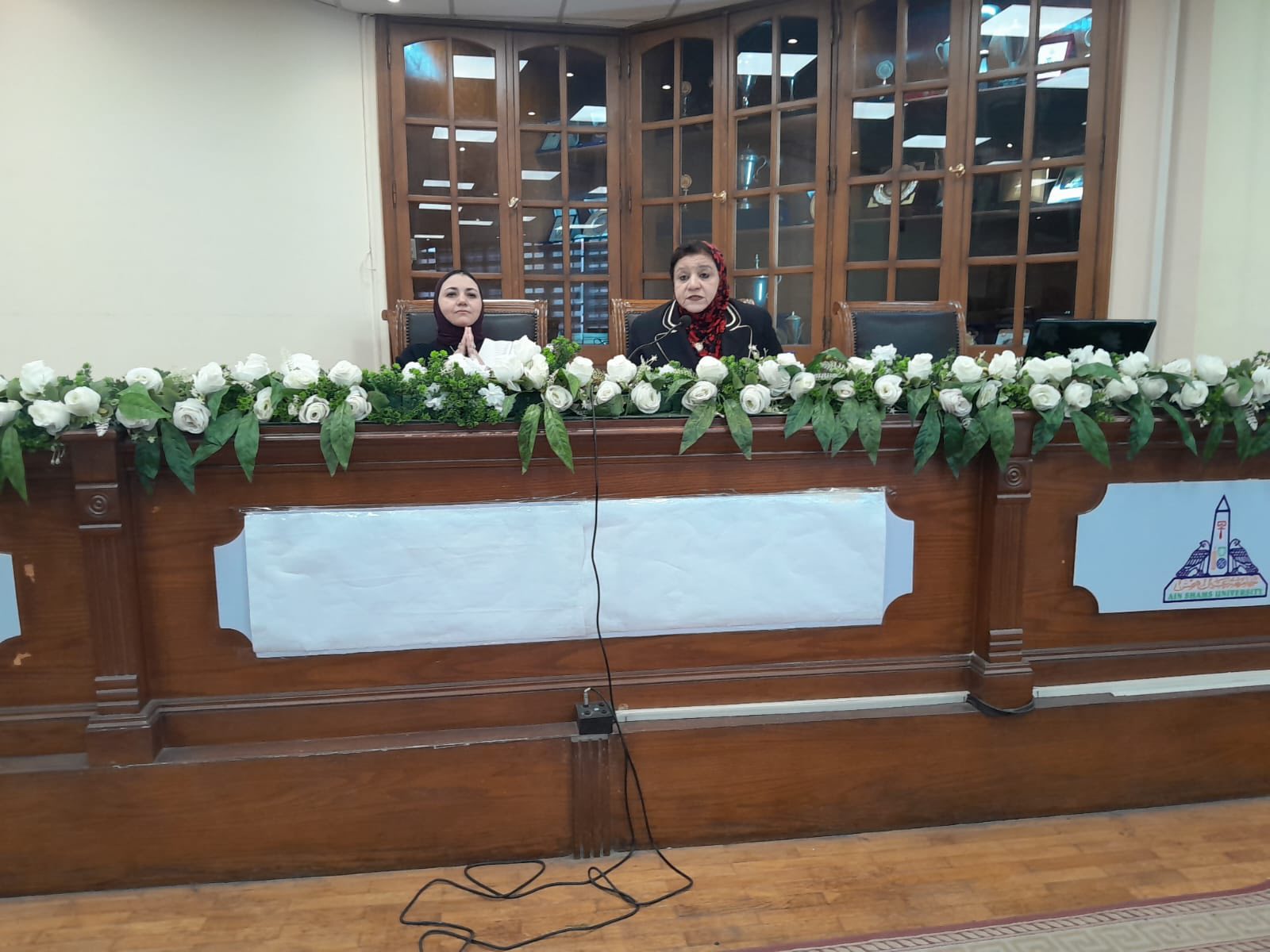
Prof. Mona Hafez, Professor of Sociology and the seminar lecturer, presented a comprehensive analysis of the intertwined dimensions of the phenomenon, from social and economic conditions to its psychological and behavioral impact on the child. She noted that a street child is not born on the street but is pushed into it. She explained that a child may run away from a broken home, from violence they cannot endure, or from poverty that makes them feel like a burden, sometimes ending up on the street without knowing how or why. She stressed that the street does not nurture; rather, it drags the child into dangerous paths, among the most serious of which are loss of trust in society and loss of a sense of belonging.
Dr. Mona elaborated on the deep psychological effects of traumatic experiences in the lives of these children, noting that most live in a state of constant vigilance akin to a “survival mode,” which may lead the child to over-defend themselves, withdraw completely from the world, or join dangerous groups that give a false sense of security.
She also reviewed examples from countries that successfully reduced the phenomenon through programs based on alternative care, family reintegration, when possible, psychological and behavioral support for the child, and training personnel in human-centered skills before technical ones.
Dr. Mona Hafez proposed a forward-looking vision based on building an early prevention system starting with at-risk families, children in danger, schools that can detect neglect early, and partnerships between state institutions and civil society organizations. She stressed that if we want a future without street children, we must act before the child reaches the streets, close the gaps that drain their innocence, and build bridges to restore them to life.
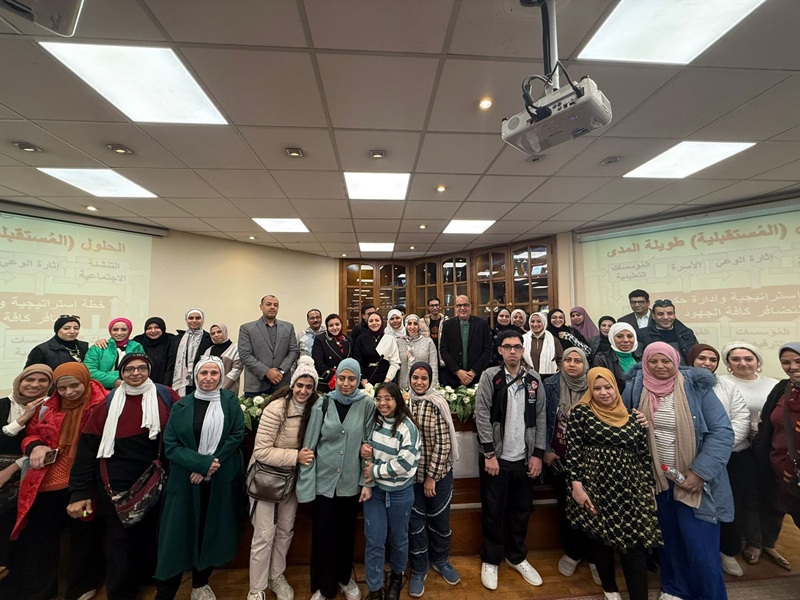
The seminar witnessed active participation, with students asking questions about psychological and social approaches to working with children, while faculty members raised points about the university’s role in supporting awareness and early intervention initiatives.
The seminar concluded with an affirmation that the Faculty of Arts will continue to embrace such pressing issues, providing spaces for scientific and humanitarian dialogue, believing that its true role begins when placing humans at the center of concern, and that raising awareness is the first step toward building a more just and compassionate society.
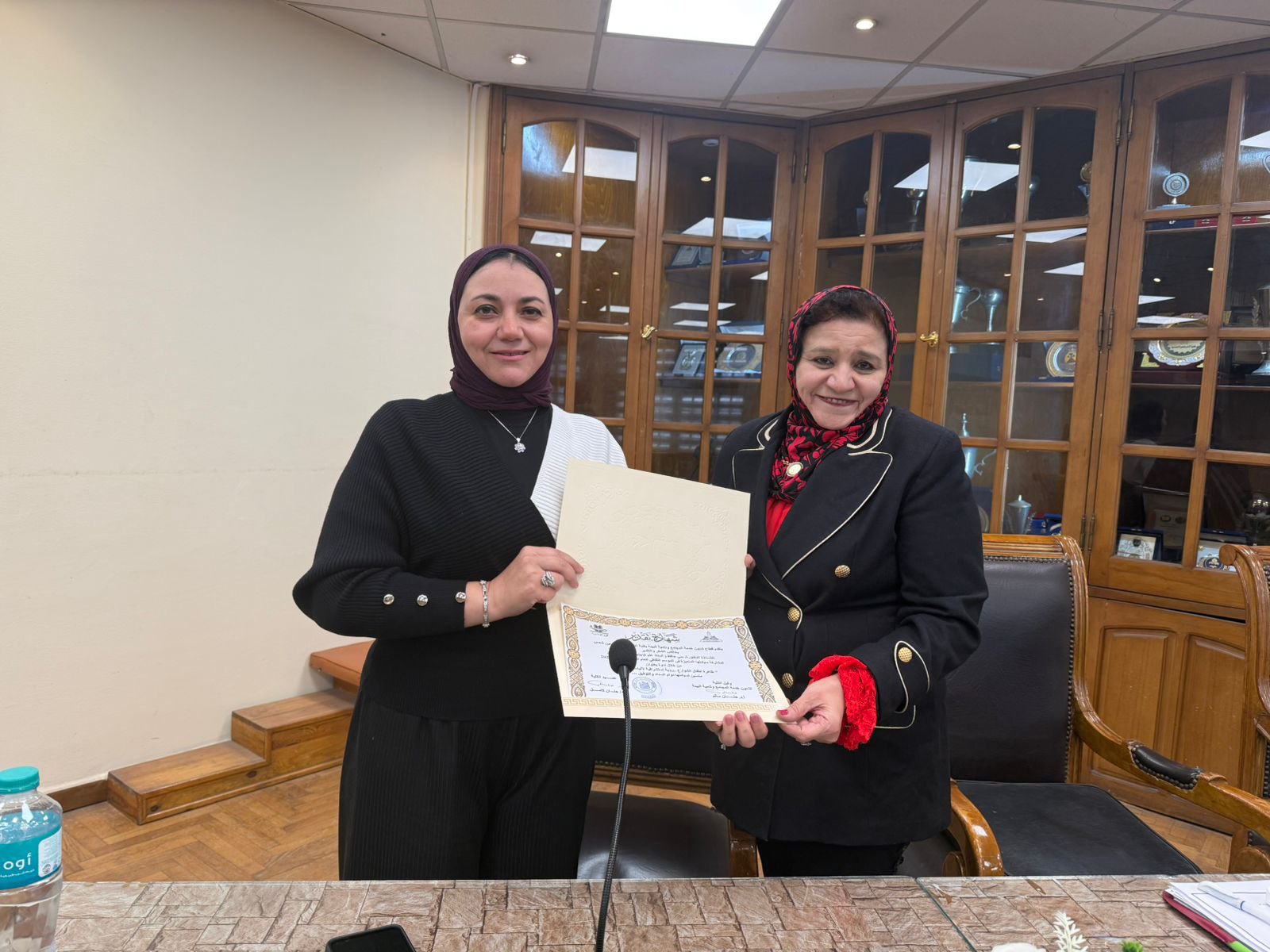
Prof. Hanan Salem, Vice Dean for Community Service and Environmental Development, presented a certificate of appreciation to Prof. Mona Hafez in recognition of her academic contributions and service to the community.