
.svg)

Ain Shams University Discusses the Future of Artificial Intelligence and Digital Transformation in Education, Scientific Research, and Innovation at its 14th Annual Conference
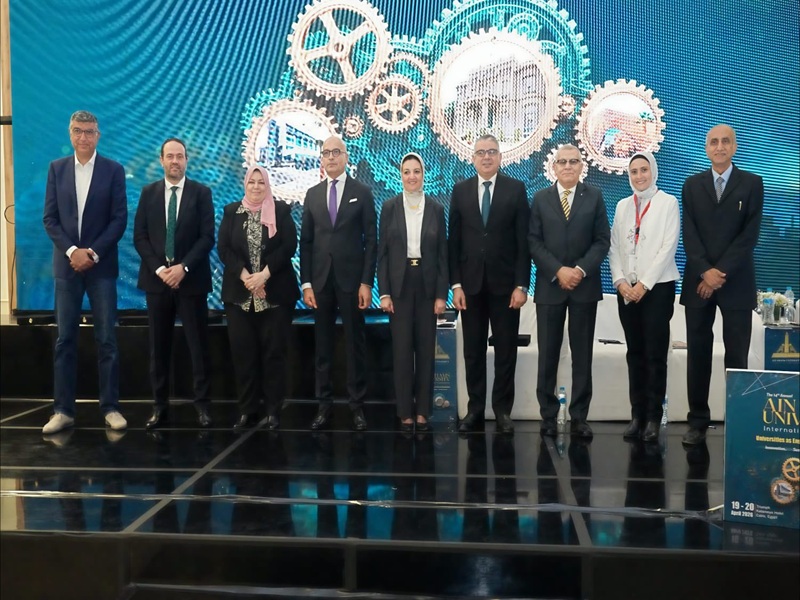
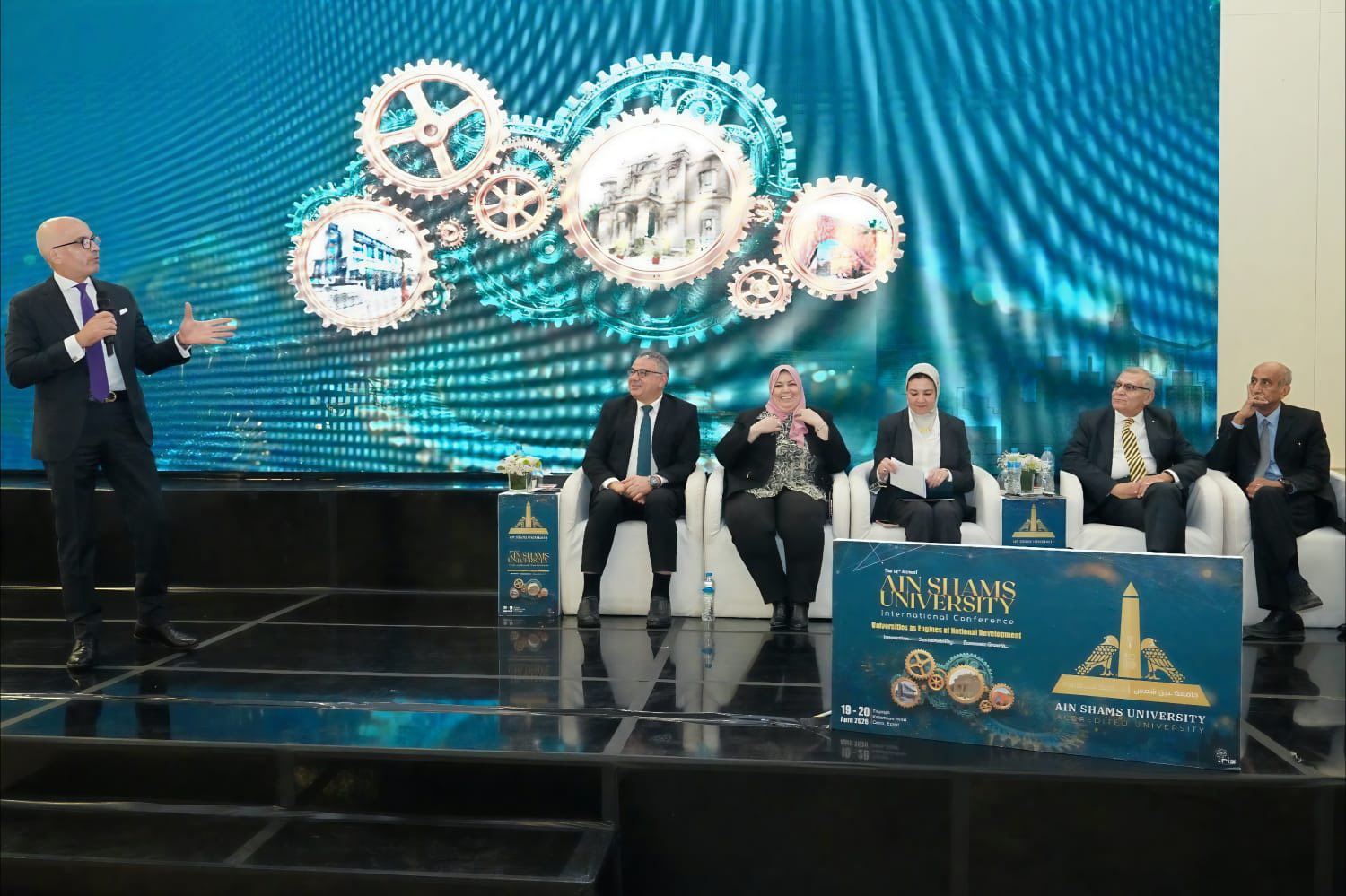
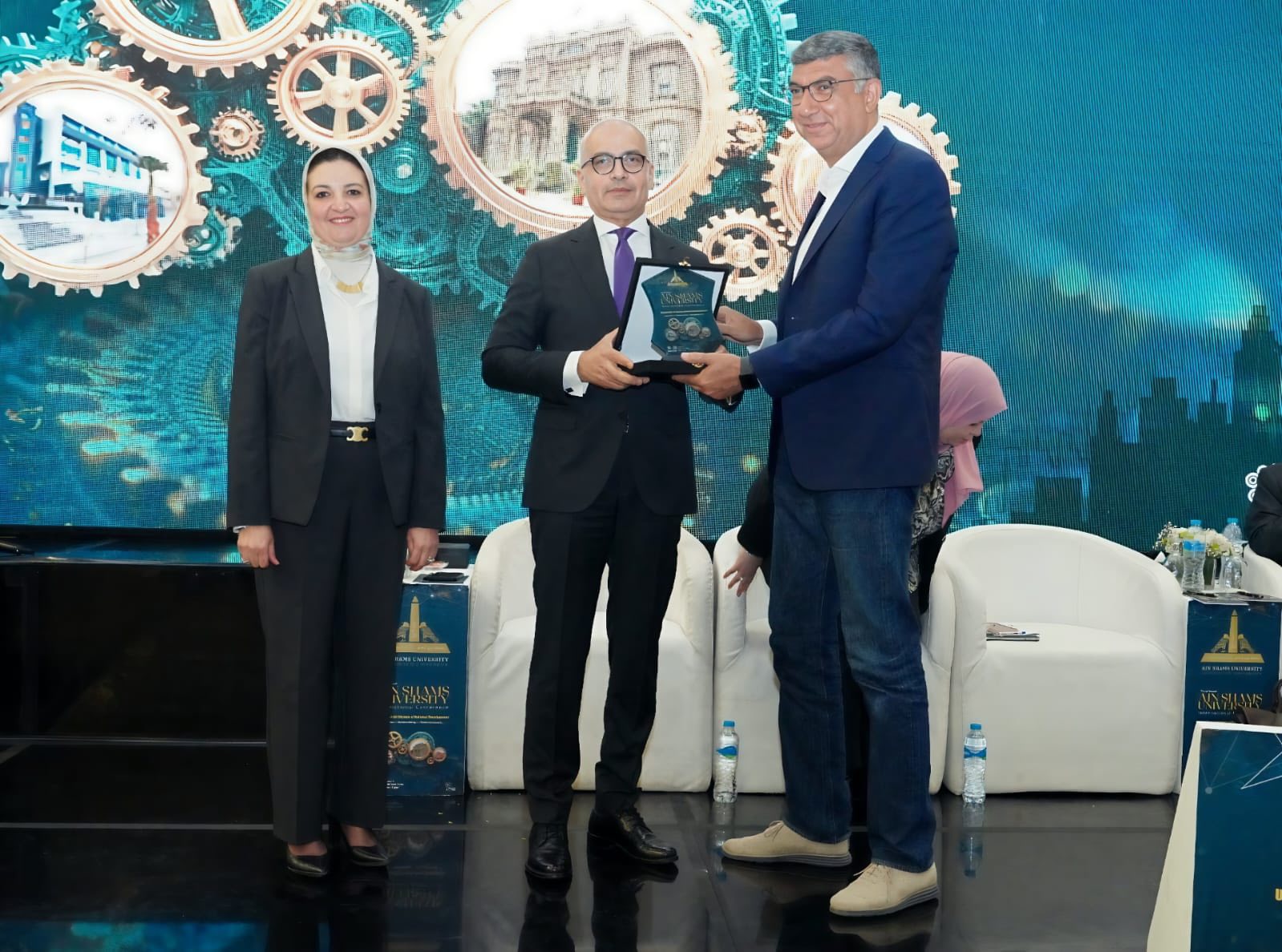
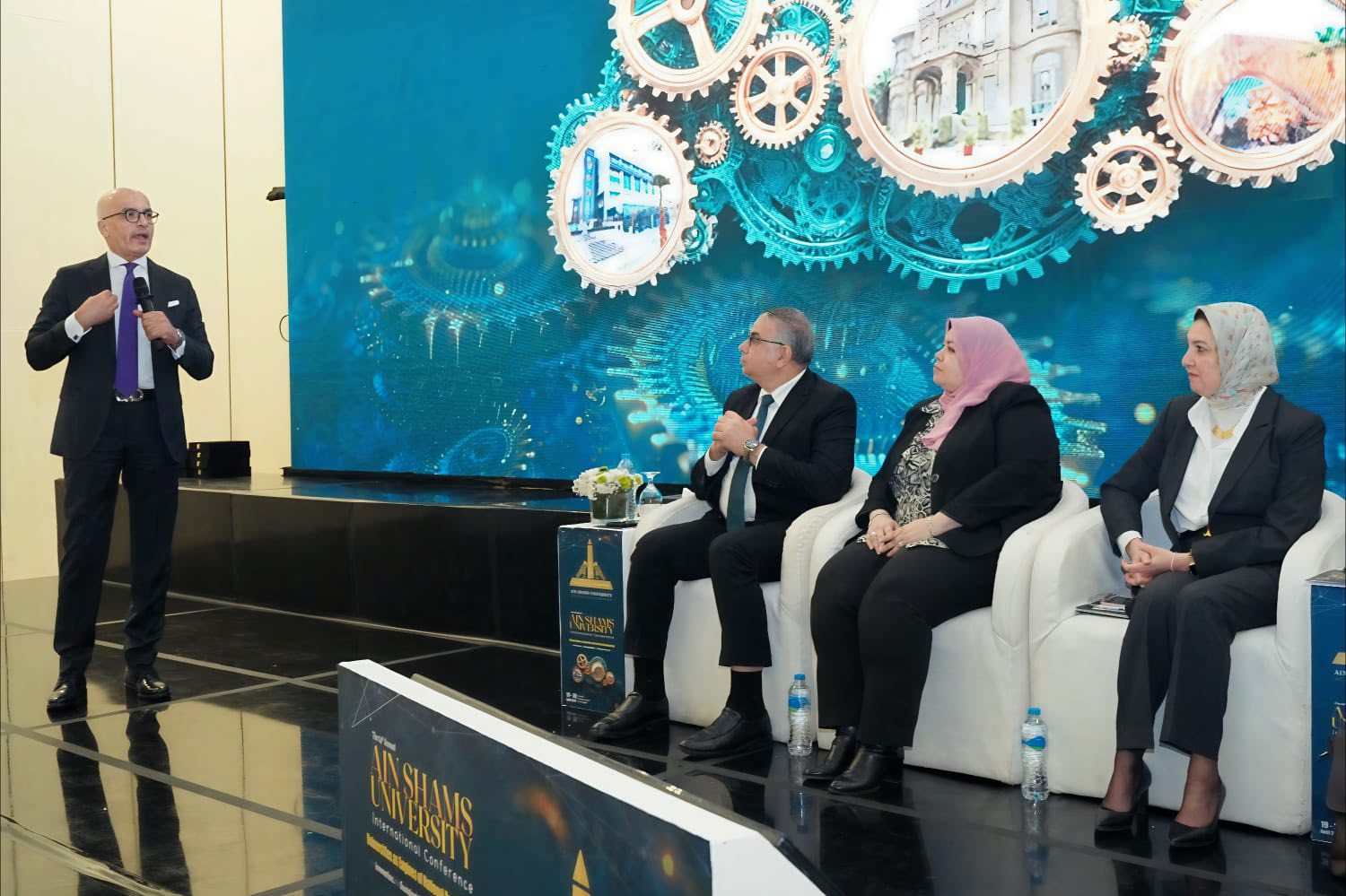
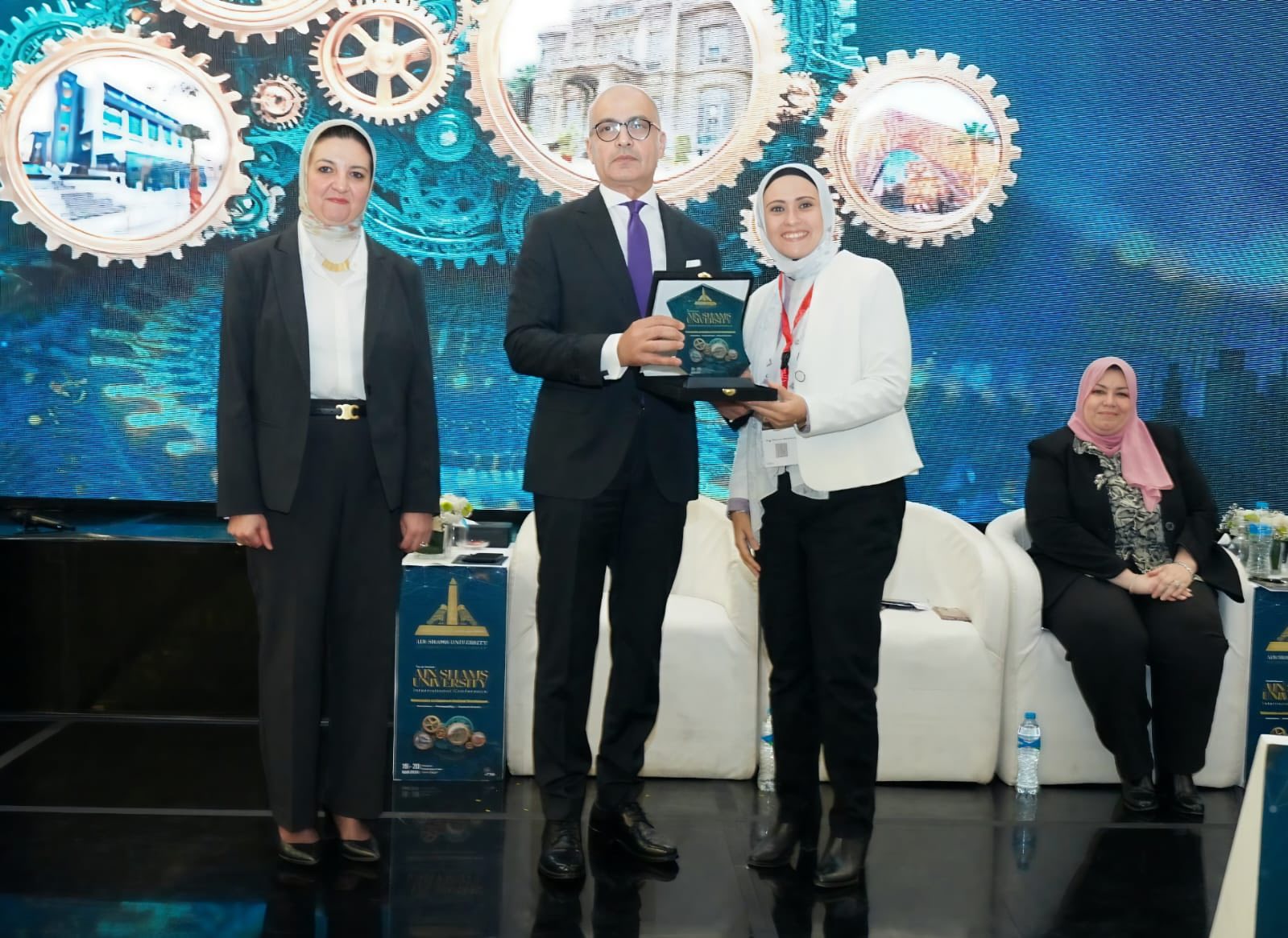
Continuing the activities of the 14th International Conference of Ain Shams University, entitled "Universities as Engines of National Development... Towards Innovation and Sustainable Economic Growth," under the patronage of Prof. Mohamed Diaa Zain El Abedeen, President of Ain Shams University, Prof. Amany Osama Kamel, Vice President of the University for Graduate Studies and Research, inaugurated a series of specialized scientific sessions entitled "Artificial Intelligence and Digital Transformation in Education, Scientific Research, and Innovation." These sessions featured a distinguished group of academic leaders, technology experts, industry representatives, and entrepreneurs, including Prof. Khaled Negm, Advisor to the Minister of Communications and Information Technology for Digital Governance; Prof. Rasha Ismail, Dean of the Faculty of Computer and Information Sciences, Ain Shams University; Prof. Farid Moharram, Dean of the Faculty of Business, Ain Shams University; Prof. Taimour Nazmy, Professor of Computer Science, Faculty of Computer and Information Sciences, Ain Shams University; Dr. Amal Khalifa, Assistant Professor of Computer Science, Purdue University, Fort Wayne, USA; Prof. Dr. Hatem Salam, Founder and CEO of EduSofx; and Dr. Ibrahim Mohamed, Regional Director for Emerging Markets at Elsevier, and Engineer Shaimaa Mohamed Sayed Abu Taleb, Senior Solutions Manager for Data Centers at Dell Technologies, as part of the university's direction towards promoting digital transformation and building an integrated educational and research system that supports innovation.
 |
 |
 |
||
The session affirmed that artificial intelligence is no longer a future option, but a reality that significantly impacts the development of higher education and scientific research. It stressed the necessity of adopting a responsible strategic approach that ensures the effective use of modern technologies, while addressing the challenges related to the quality of outputs, bias, and the risks of information overload.
During a panel discussion, Prof. Mohamed Diaa Zain El Abedeen, the university president, emphasized that the success of AI initiatives depends on effective partnerships, robust infrastructure, and sound policies. He stressed the importance of developing mechanisms to guarantee the quality and reliability of outputs and studying funding and implementation mechanisms in the coming phase.
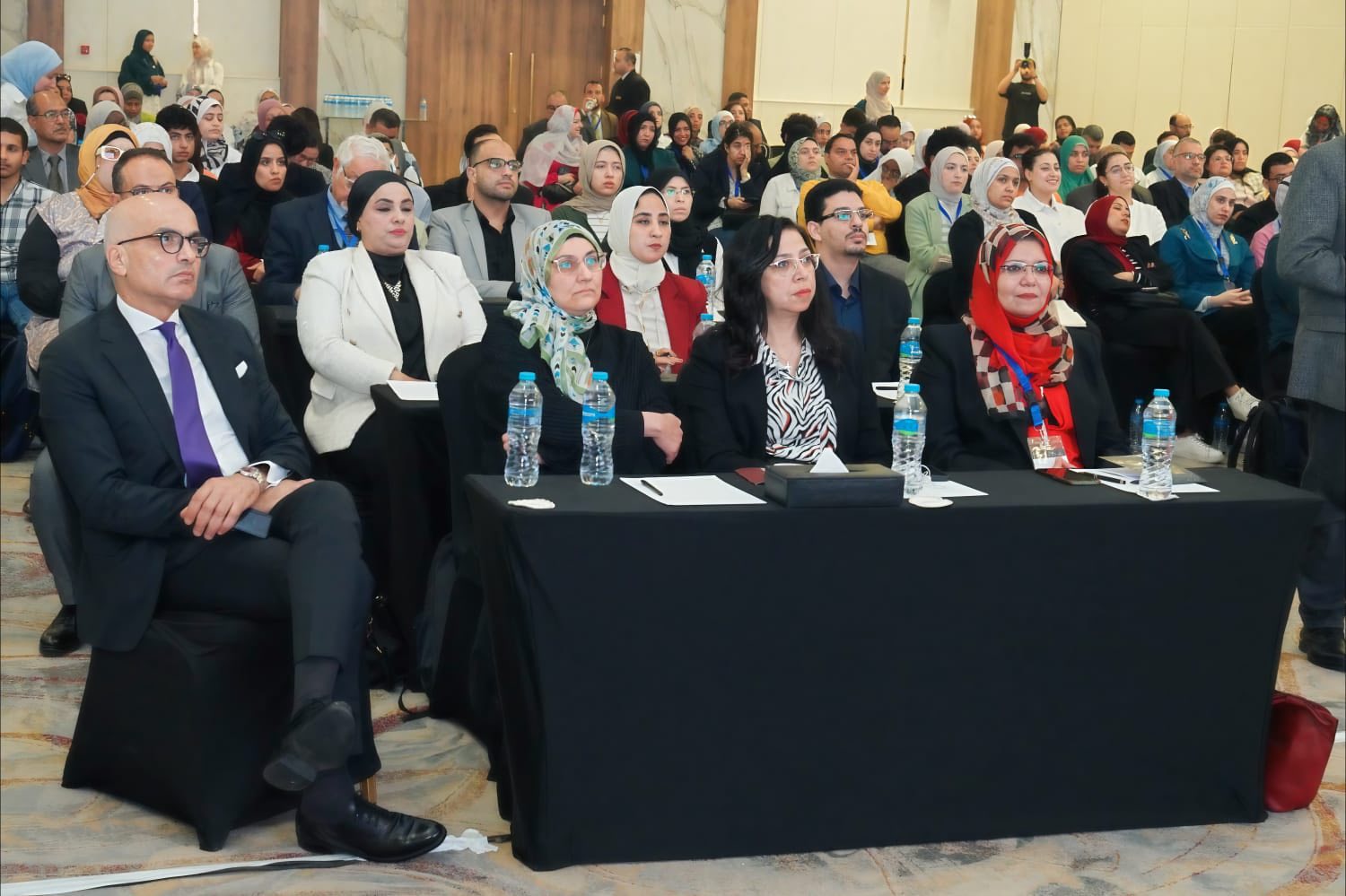
Participants emphasized the importance of developing digital infrastructure, strengthening institutional policies, and expanding partnerships between universities and the industrial sector as fundamental pillars for the success of digital transformation. They also highlighted the need to build a workforce capable of handling advanced technologies and keeping pace with the demands of the evolving job market.
 |
 |
 |
||
During the sessions, Prof. Rasha Ismail, Dean of the Faculty of Computer and Information Sciences, emphasized that artificial intelligence (AI) has evolved from traditional analytical tools to generative models capable of producing content and supporting decision-making. She highlighted the importance of adopting the concept of “responsible AI” to ensure fairness and transparency.
For his part, Dr. Khaled Negm, Advisor to the Minister of Communications and Information Technology, reviewed the importance of AI governance and data sovereignty. He explained that the world is witnessing widespread efforts to regulate this field, stressing the need to enhance integration between scientific research and industry, and to develop analytical and predictive models that support decision-making.
Dr. Amal Khalifa, Assistant Professor of Computer Science, also presented several insights on developing university education using AI, including converting educational content into interactive digital formats, employing intelligent agents and generative models to improve the learning experience, and developing assessment systems.
 |
 |
In a related context, Dr. Hatem Salam, founder and CEO of EduSofx, discussed the stages of digital transformation within universities, from automation to comprehensive digital transformation, highlighting modern concepts such as digital twins and command engineering, and the importance of governance to ensure the reliability of intelligent systems.
Prof. Farid Moharram, Dean of the Faculty of Business, also reviewed the faculty's experiences in integrating artificial intelligence and financial technology into curricula through partnerships with national and international institutions, thus enhancing graduates' readiness for the digital job market.
In the field of scientific research, Dr. Ibrahim Mohamed, Regional Director for Emerging Markets at Elsevier, emphasized the role of artificial intelligence in accelerating academic publishing and automating research reviews, while also warning of the risks of bias and lack of transparency, and advocating for the adoption of a "human-centered" approach to ensure the quality of outputs.
Engineer Shaimaa Mohamed Sayed Abu Taleb, Senior Data Center Solutions Manager at Dell Technologies, presented a comprehensive vision for building AI platforms, emphasizing the importance of data, robust infrastructure, and information security, while showcasing successful application models in the fields of justice, transportation, and government services.
In a specialized lecture on generative intelligence, Prof. Taimour Mohamed, Professor of Computer Science at the Faculty of Computer and Information Sciences at the university, presented a strategy for localizing AI technologies by building an institutional framework encompassing governance, training, and research, with a focus on small-scale, multimedia models applicable within the university.
The sessions concluded by emphasizing that the real challenge is no longer simply adopting artificial intelligence, but rather employing it responsibly and strategically to maximize its benefits in supporting education, scientific research, and innovation, and to enhance the university's position as a leading institution in digital transformation and shaping the future.