

Ain Shams University Discusses Enhancing Research Ethics Framework and Establishing a New Office for Scientific and Research Integrity
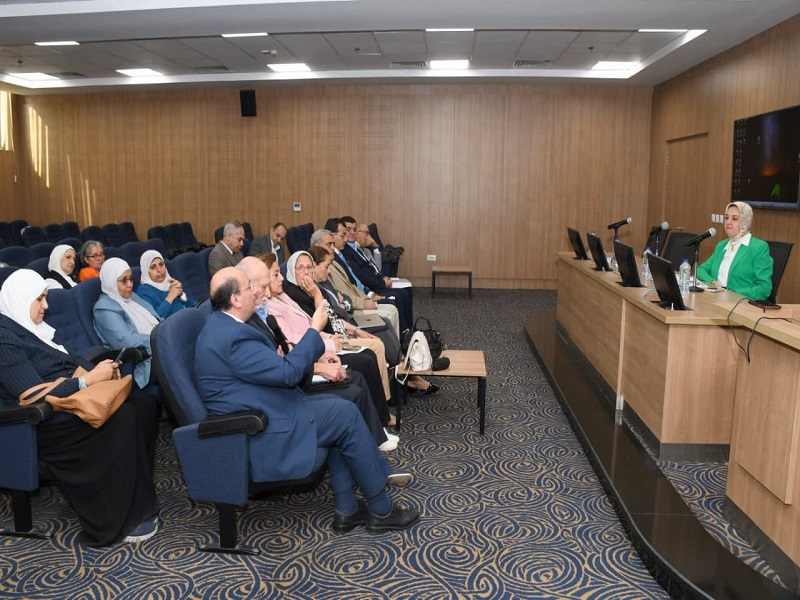
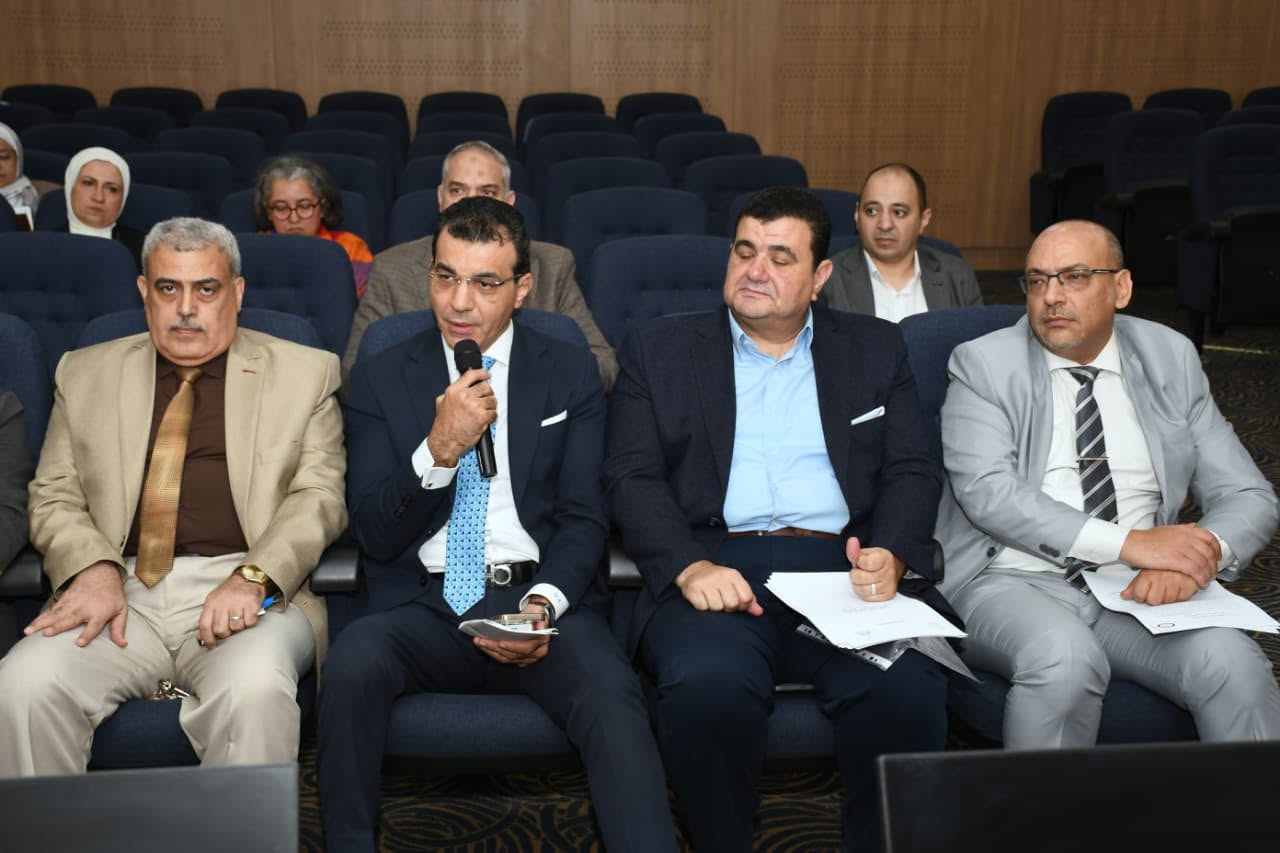
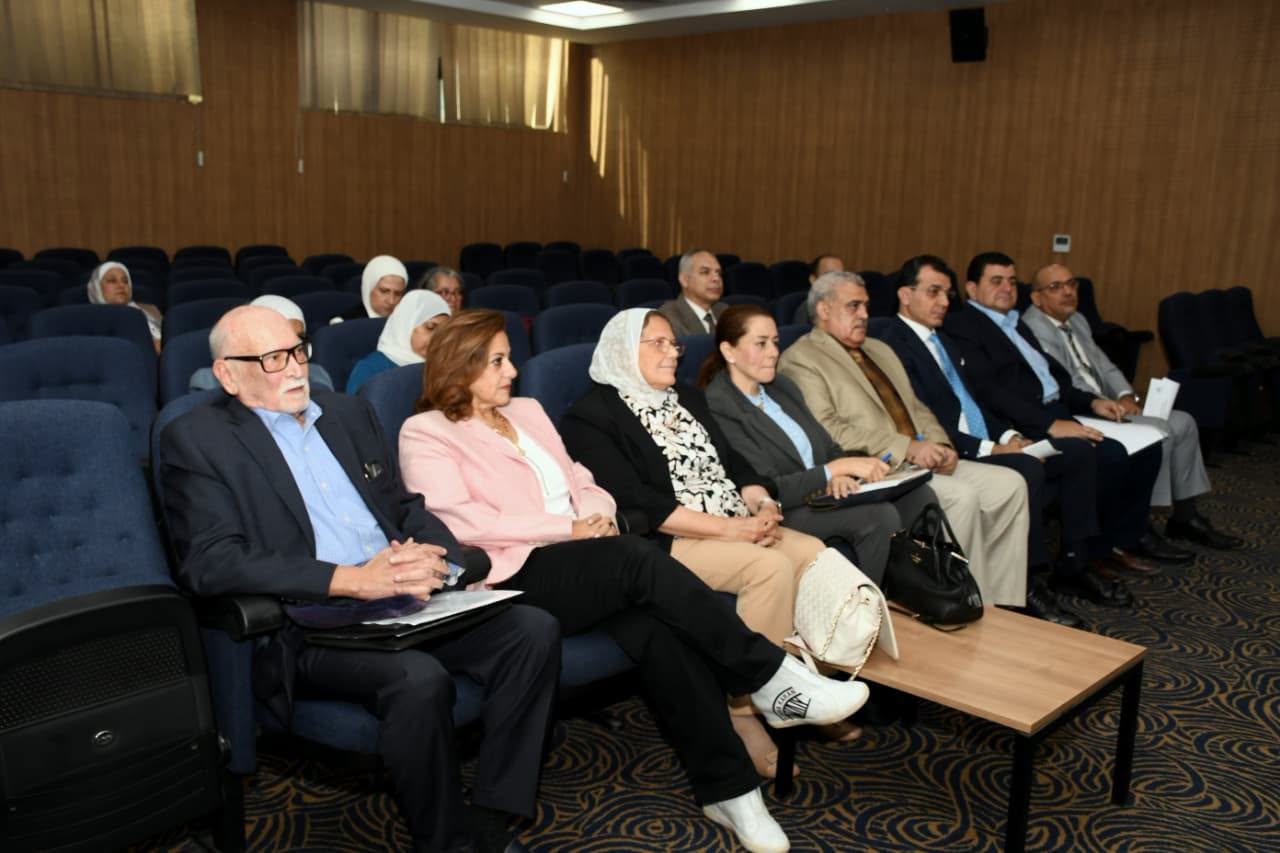
The Scientific Research Ethics Committee at Ain Shams University held a meeting chaired by Prof. Amany Osama Kamel, Vice President for Postgraduate Studies and Research, and attended by the chairs of research ethics committees from the University’s various faculties. The meeting discussed ways to strengthen the institutional framework for research ethics and enhance mechanisms for scientific integrity and academic honesty in accordance with international standards and guidelines.
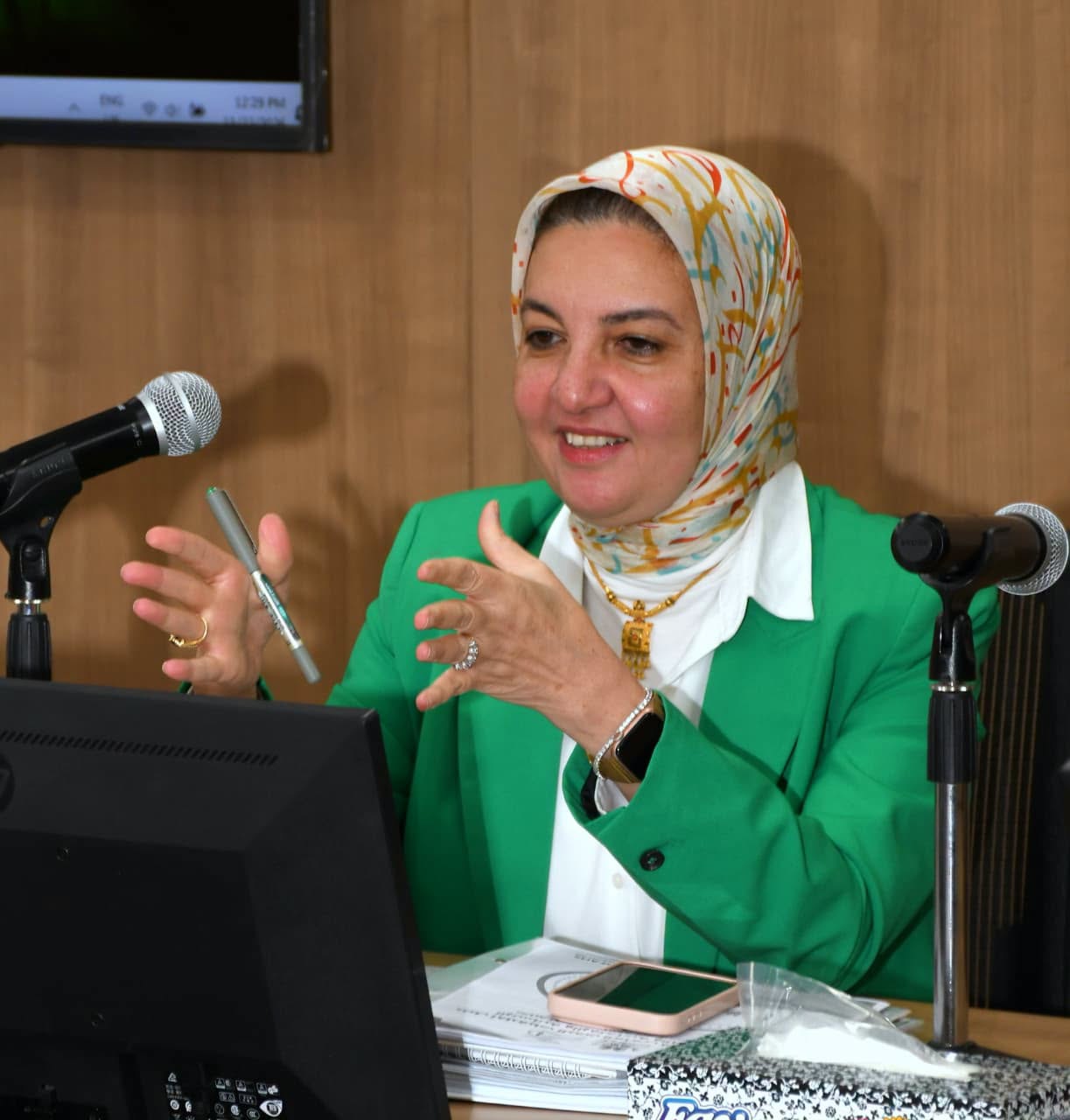
Prof. Amany Osama Kamel opened the meeting by welcoming the attendees and emphasizing the vital role of research ethics committees in establishing ethical principles and standards governing scientific research and ensuring compliance across different disciplines. She stressed the need for continuous evaluation of the research ethics framework and regular updates to its regulations and policies to keep pace with international developments.
 |
 |
She highlighted the growing number of research misconduct cases and the resulting retraction of published scientific papers, emphasizing the need for decisive measures to promote scientific integrity and academic honesty. These include establishing clear policies and implementing training and awareness programs for researchers and faculty members. She stressed that education and training should precede accountability measures and disciplinary action to strengthen awareness of ethical responsibilities and reduce unacceptable research practices.
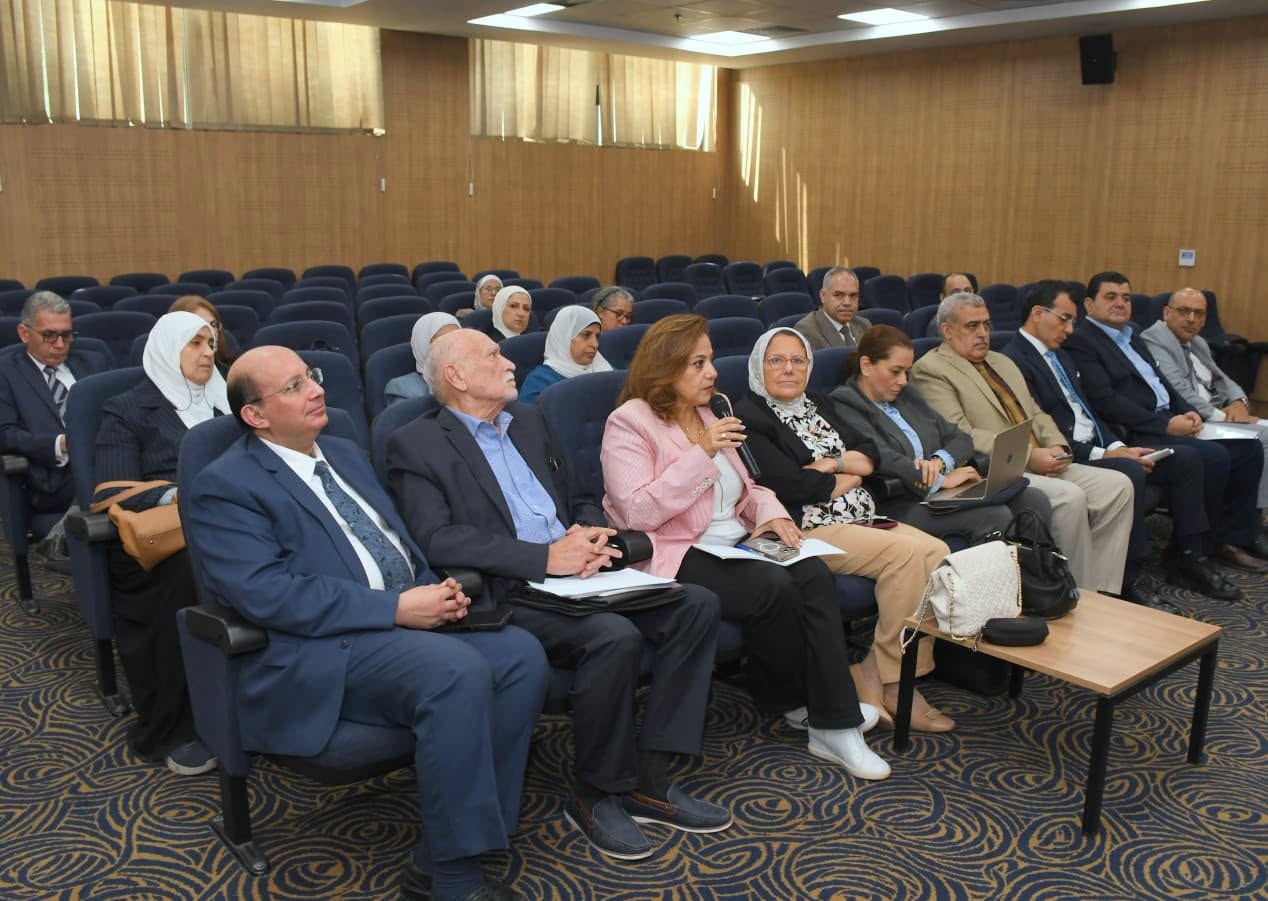
Prof. Amany Osama Kamel also listened to presentations by representatives of the faculties’ research ethics committees regarding their internal regulations, operating procedures, and established mechanisms. The presentations provided an overview of each committee’s activities and enabled an assessment of how closely existing policies align with institutional and international standards.
The meeting also reviewed the University’s Research Ethics Committee regulations and the rules governing the handling of research violations, with particular emphasis on establishing clear accountability procedures and ensuring fairness and transparency.
Prof. Amany Osama Kamel highlighted Ain Shams University’s longstanding experience in research ethics, noting that the University has maintained specialized committees for many years. She praised the scientific expertise of committee members, and the specialized international certifications and accreditations obtained by several of them, expressing her aspiration to increase the number of professionals holding recognized qualifications in this field.
 |
 |
She further explained that rapid developments in scientific research, the increasing volume and diversity of research activities, and the emergence of complex ethical challenges require continuous improvements in the operating mechanisms of research ethics committees. She emphasized the importance of considering the specific characteristics, disciplines, and requirements of each faculty within a unified institutional framework that ensures compliance with the University’s ethical standards.
She presented a proposal to enhance the University’s research ethics framework through two complementary approaches. The first focuses on developing and strengthening research ethics committees across the faculties, while the second involves establishing a new Office of Scientific and Research Integrity. The proposed office would be responsible for awareness and training initiatives, reviewing complaints and allegations of research misconduct, and conducting investigations in accordance with established regulations and procedures.
Prof. Amany Osama Kamel also proposed establishing a Higher Committee for Research Ethics and Integrity at the University. The committee would be responsible for developing plans and proposals to improve the institutional framework, overseeing training and awareness programs, and coordinating procedures for reviewing and investigating allegations and violations of research integrity, thereby reinforcing compliance with ethical standards throughout all stages of scientific research.
In a related context, she emphasized the importance of activating the Institutional Biosafety Committee (IBC), a specialized scientific and regulatory committee responsible for reviewing, approving, and monitoring research and experiments involving potentially hazardous biological materials. The committee would help ensure compliance with biosafety requirements and protect researchers, the community, and the environment.