

The Education and Student Affairs Council Emphasizes Prompt Resolution of Student Issues and Expedited Disciplinary Procedures
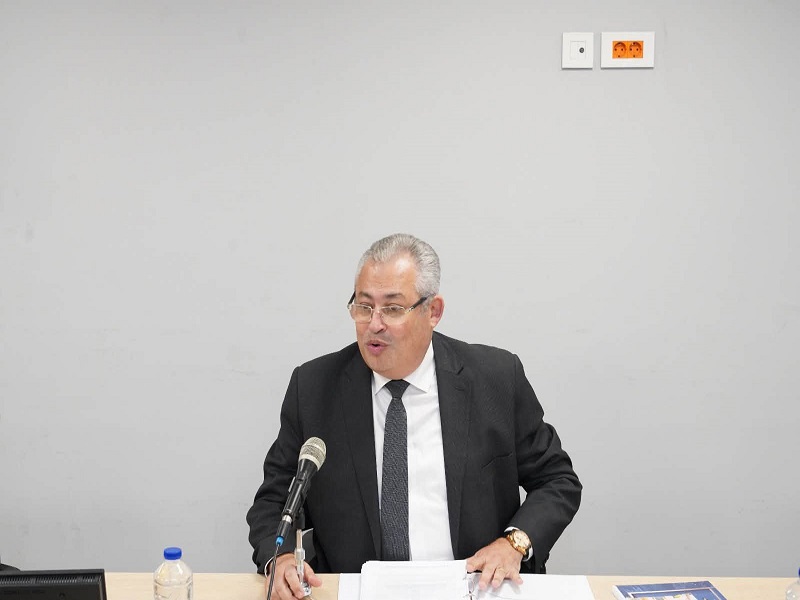
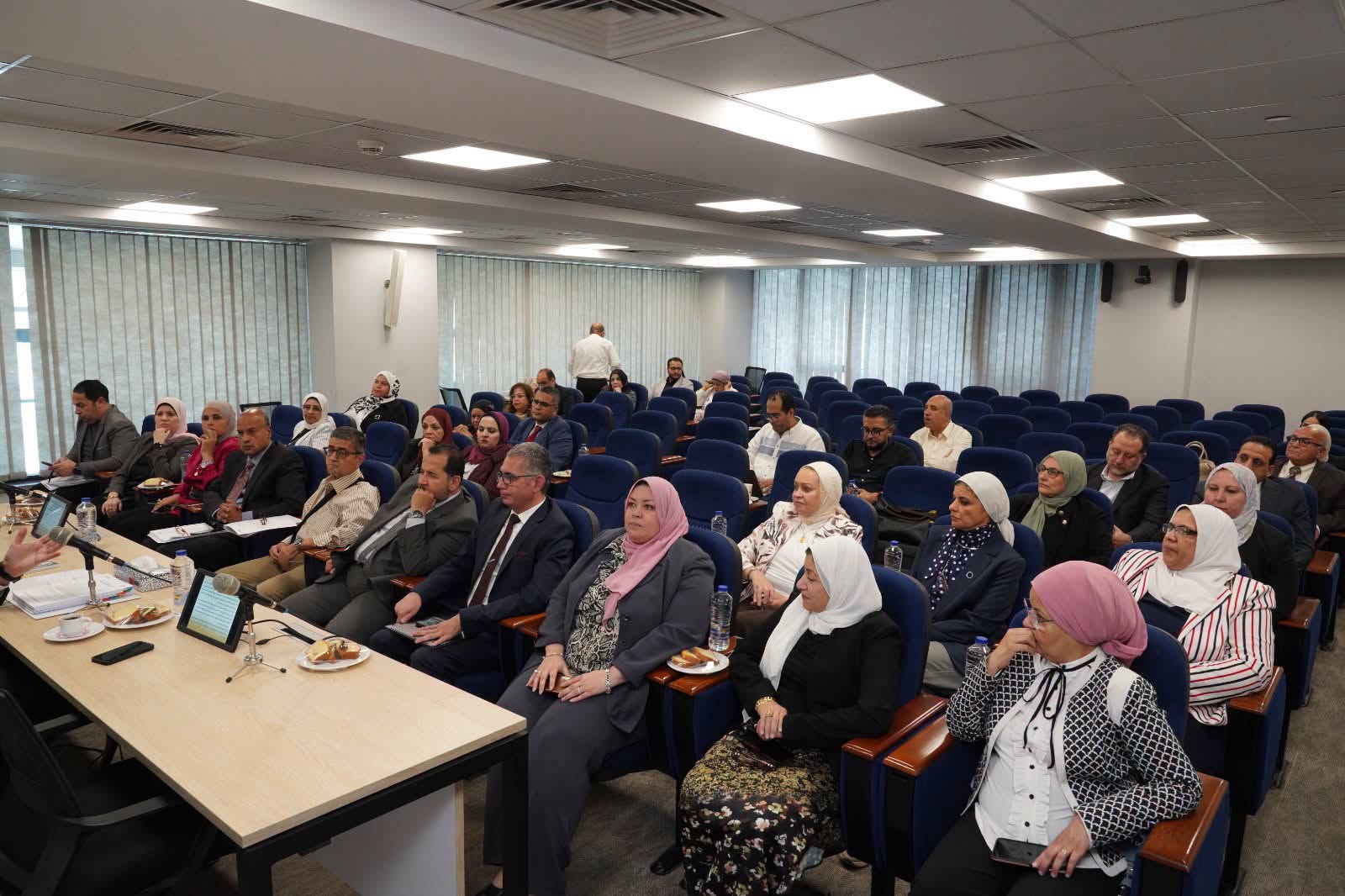
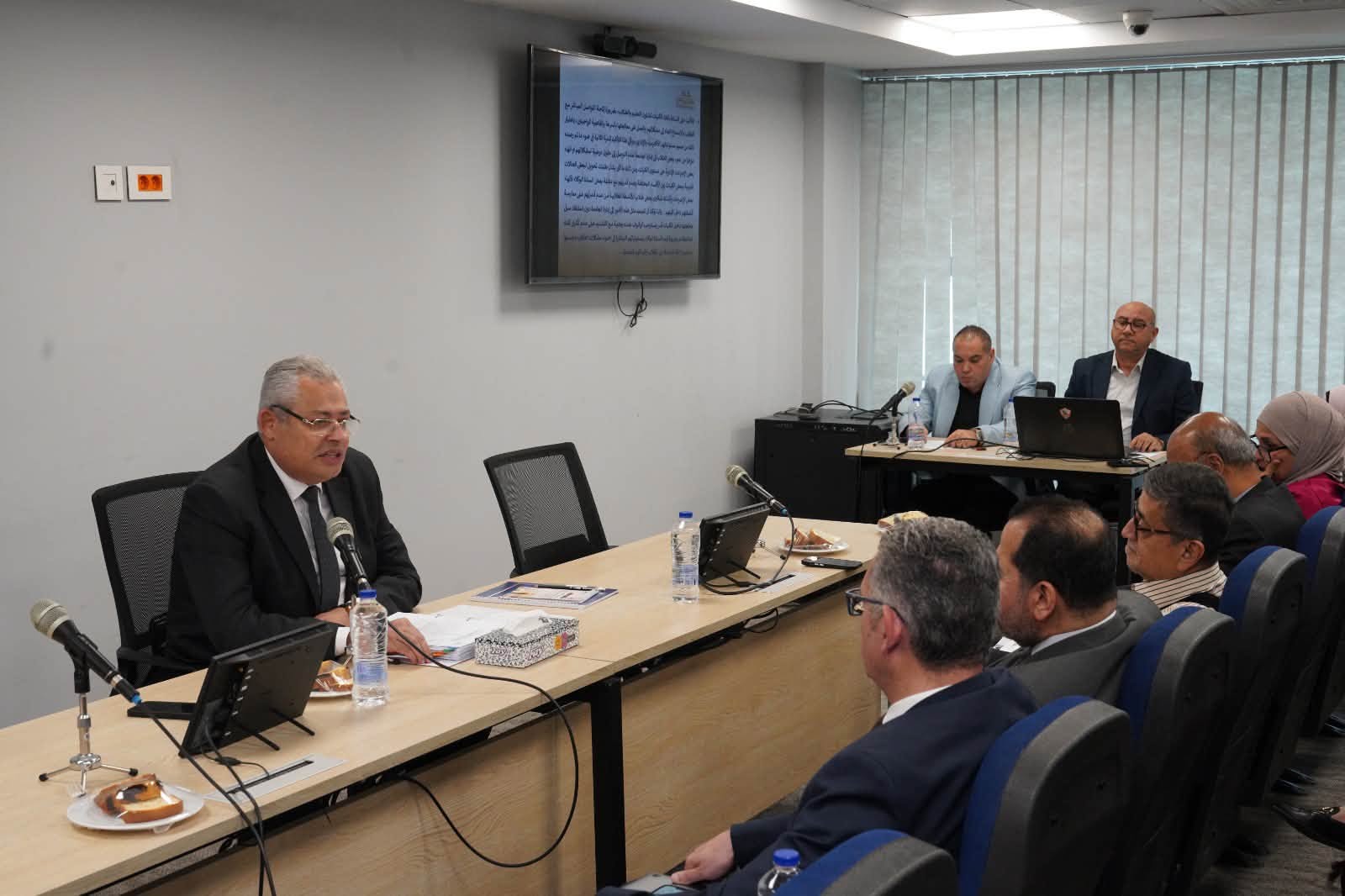
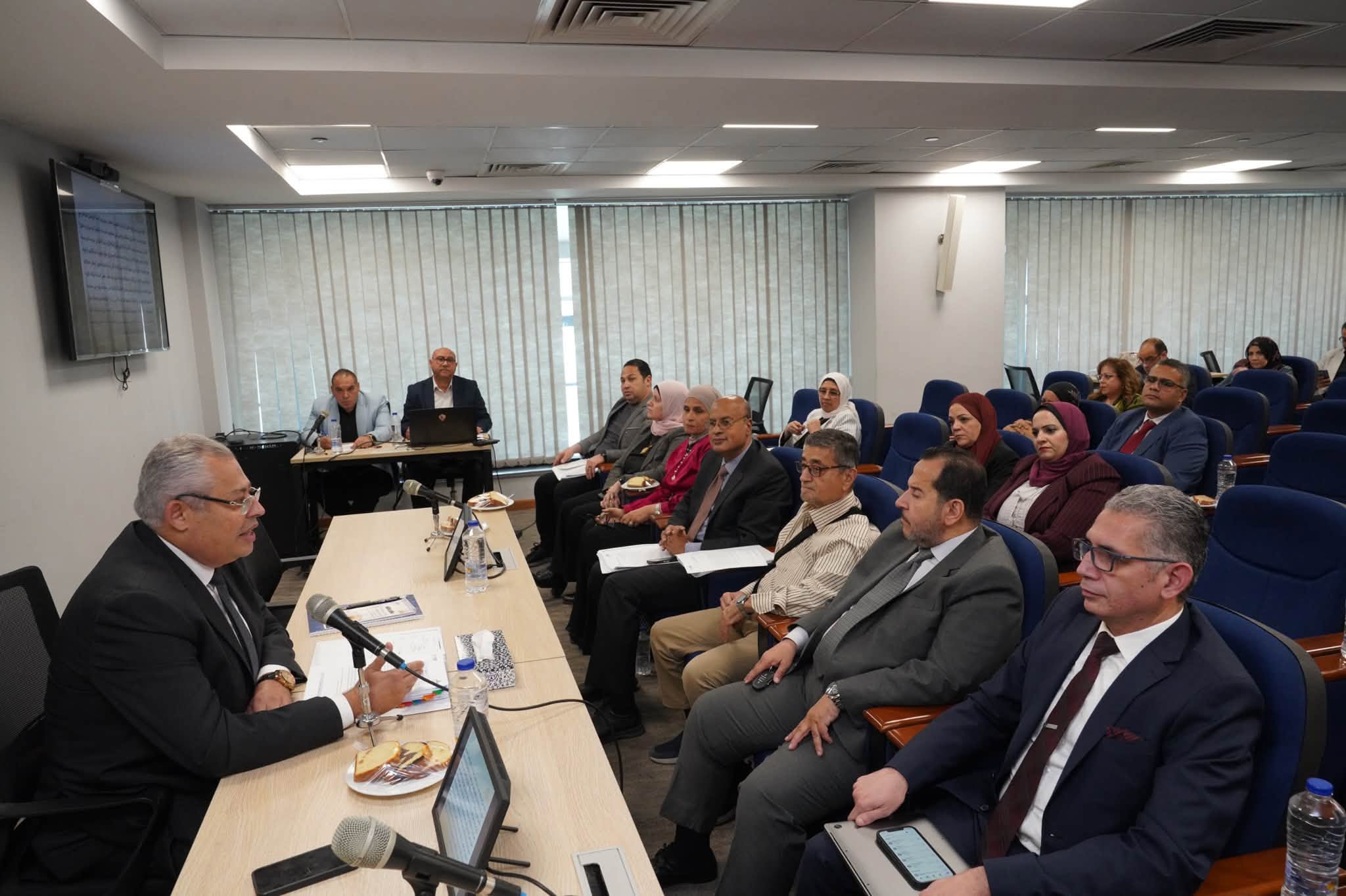
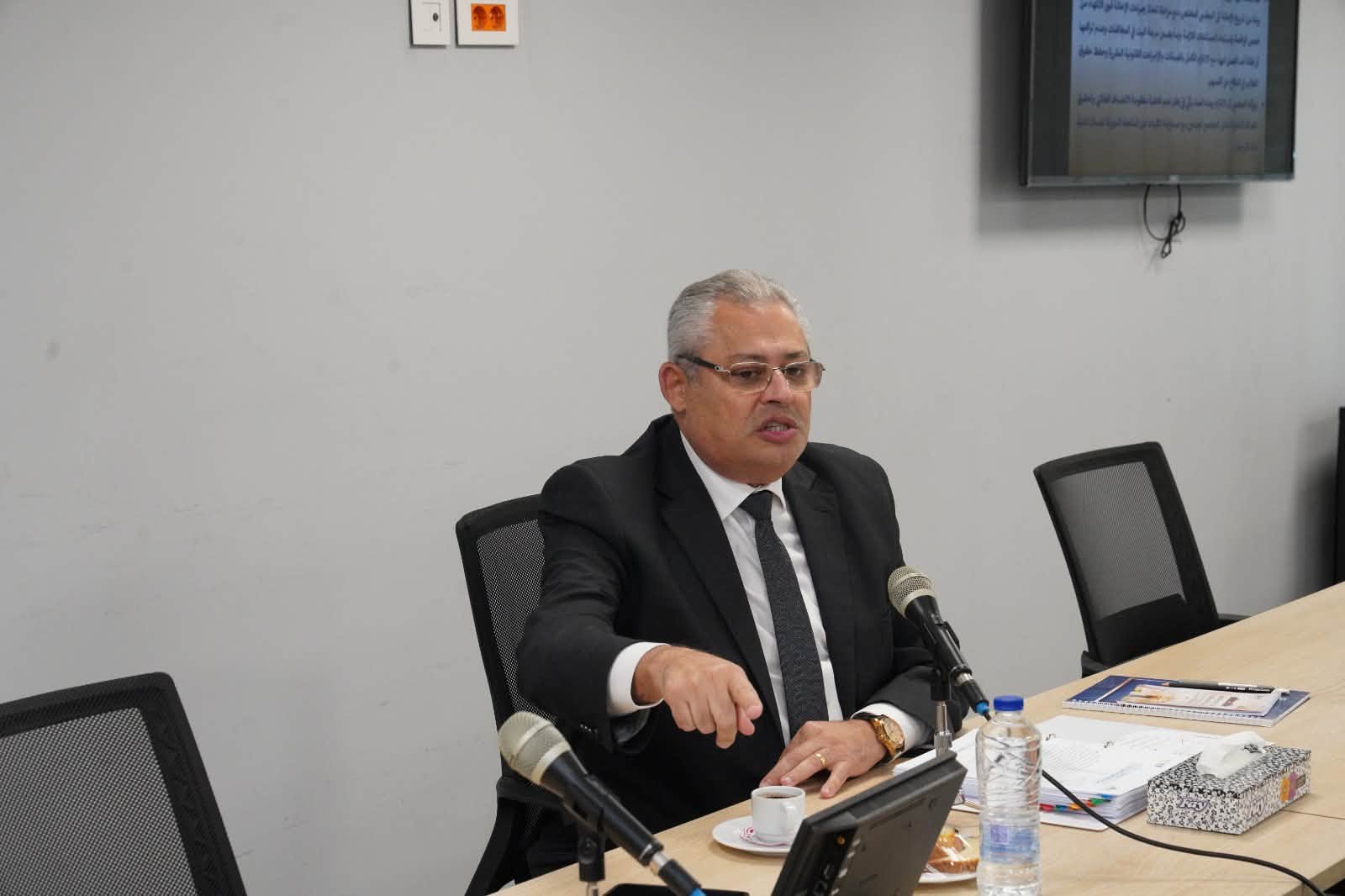
Ain Shams University’s Education and Student Affairs Council held its second meeting of the 2026/2027 academic year on Wednesday, October 21, chaired by Prof. Rami Maher Ghali, Vice President for Education and Student Affairs, and attended by faculty deans, vice deans for Education and Student Affairs, external council members, and Mr. Ibrahim Said Hamza, Assistant Secretary-General of the University for Education and Student Affairs.
 |
 |
 |
||
At the beginning of the meeting, Prof. Rami Maher Ghali welcomed Prof. Tamer Abdullah Fathy Sharaf on his appointment as Dean of the Faculty of Science at Ain Shams University. He also expressed his appreciation to Prof. Amal Ahmed Morsi for her efforts during her tenure as Acting Dean of the Faculty of Science.
Upholding University Discipline
The Vice President emphasized the need for vice deans for Education and Student Affairs to maintain direct communication with students, listen attentively to their concerns, and address their problems promptly and effectively as an essential part of their academic and administrative responsibilities. He reiterated this directive for the second time following recent instances in which students had approached the university administration after failing to obtain satisfactory solutions to their problems or complete certain administrative procedures at the faculty level.
Prof. Rami Maher Ghali stressed that vice deans must assume direct responsibility for addressing and resolving student issues, thereby maintaining mutual trust between students and university leadership.
As part of efforts to uphold university discipline, reinforce the rule of law, and ensure the prompt resolution of student violations while maintaining educational discipline and the smooth functioning of the academic process, he instructed vice deans for Education and Student Affairs to take the necessary measures to expedite the referral of student violations to the competent disciplinary boards, following the completion of all required legal procedures.
He further emphasized that first-instance student disciplinary boards must convene within no more than fifteen days of receiving a referral. Referral procedures must be initiated immediately after the incident has been investigated and all necessary documentation completed, ensuring that violations are addressed promptly without unnecessary delays or case backlogs. He also stressed the importance of fully observing established legal procedures and safeguards and protecting students' right to defend themselves. He noted that adherence to these deadlines would enhance the effectiveness of the student disciplinary system and ensure swift justice within the university community, with faculties responsible for regular follow-up to ensure implementation.
Supporting Students Unable to Pay or Facing Difficulties in Paying Tuition Fees
During the meeting, the Vice President reviewed the University Council's approval, at its September 28, 2026 meeting, of the minutes of the committee established to consider providing financial support to students unable to pay or experiencing difficulties in paying their tuition fees.
The Council also reviewed statistical data on various activities and their progress. Prof. Rami Maher Ghali thanked the General Administration of Education and Student Affairs for providing comprehensive data, including statistics on newly admitted students enrolled in credit-hour programs across faculties, average student enrollment figures for the new academic year, first-year enrollment figures for the 2026/2027 academic year, and tuition fee payment rates.
The meeting also approved the minutes of the Education and Student Affairs Council meeting held on September 23, 2026, and those of the Standing Committee meeting held on October 6, 2026, which covered several issues. The Council reaffirmed its commitment to making decisions that serve students' best interests and enhance the quality of education.
During the meeting, the Council considered a letter from the Secretary-General of the Supreme Council of Universities concerning the President of the Republic's approval of recommendations submitted for his consideration. These included directing all universities, regardless of their type, to prohibit student activities or gatherings, such as exhibitions, celebrations, and cultural or educational workshops, unless all necessary Civil Defense permits had been obtained for the venues hosting such events. The recommendations also emphasized that new universities must not be granted authorization to commence academic activities until all Civil Defense requirements have been fully met.
 |
 |
 |
||
Electronic Examination System
Prof. Magdy Shaaban Amin Mohamed, Director of the Measurement and Evaluation Unit at the Faculty of Education and Director of the University's Electronic Examinations Center, presented the latest developments in Ain Shams University's electronic examination system. He highlighted the University's leading position among Egyptian universities in developing question banks and reviewed the system's overall achievements and statistics. The University currently has 18,124 question banks containing 1,479,496 registered questions, while the number of students registered on the system has reached 121,881.
He also reviewed the infrastructure and capacity of the University's faculties to accommodate electronic examinations, explaining that the system incorporates four layers of security to control access and safeguard examinations. It is also supported by a robust operational infrastructure that facilitates further development, improves efficiency, and enhances scalability.
Electronic University Dormitory Management System
Dr. Mohamed Yehia Gawish, Lecturer of Computer Science at the Faculty of Computers and Information and Technical Coordinator of University Dormitories, presented the second phase of Ain Shams University's Electronic University Dormitory Management System. This phase has achieved integration with the University's automated management system and electronic payment platform and is being implemented in university dormitories during the current academic year.
He explained that the first phase involved launching an online portal for dormitory applications and introducing several electronic modules, including user and access management, admissions and allocation management, application management, dashboards, reports and statistics, disciplinary measures and leave management, meal management, and accommodation allocation.
He also presented statistics on dormitory applications during the current academic year and the various application periods. A total of 4,713 applications were received, including 2,880 applications from returning students, representing 61.1%, and 1,833 applications from new students, accounting for 38.9%.
In terms of gender distribution, male applicants totaled 1,817, representing 38.6%, while female applicants numbered 2,896, accounting for 61.4%.
The Vice President praised the efforts to develop the electronic dormitory management system under the supervision of Prof. Rasha Ismail, Dean of the Faculty of Computer and Information Sciences. He also thanked the University Management System (UMS) team responsible for university dormitories for their efforts in supporting the electronic system and ensuring transparent student accommodation allocation through a smart platform connecting dormitory administration with Education and Student Affairs departments across all University faculties. He emphasized the importance of continuing to develop digital services to improve the quality of services provided to students.
During the meeting, it was announced that a dedicated mobile application for students residing in university dormitories would soon be launched. The application aims to facilitate access to services, improve communication, and enhance the efficiency of the services provided to residents.