.svg)

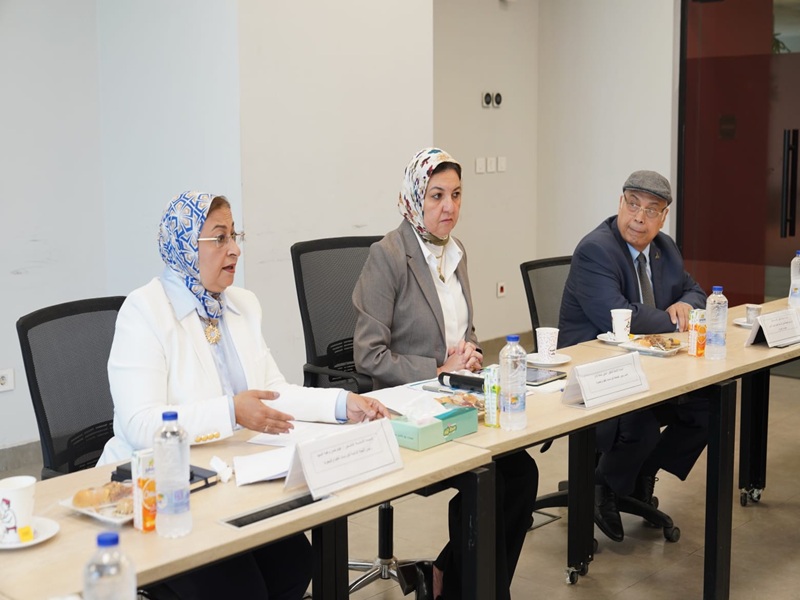
The Graduate Studies and Research Council at Ain Shams University Discusses the Development of Scientific Research, Digital Transformation, and the Employment of Artificial Intelligence to Support the Quality of Education
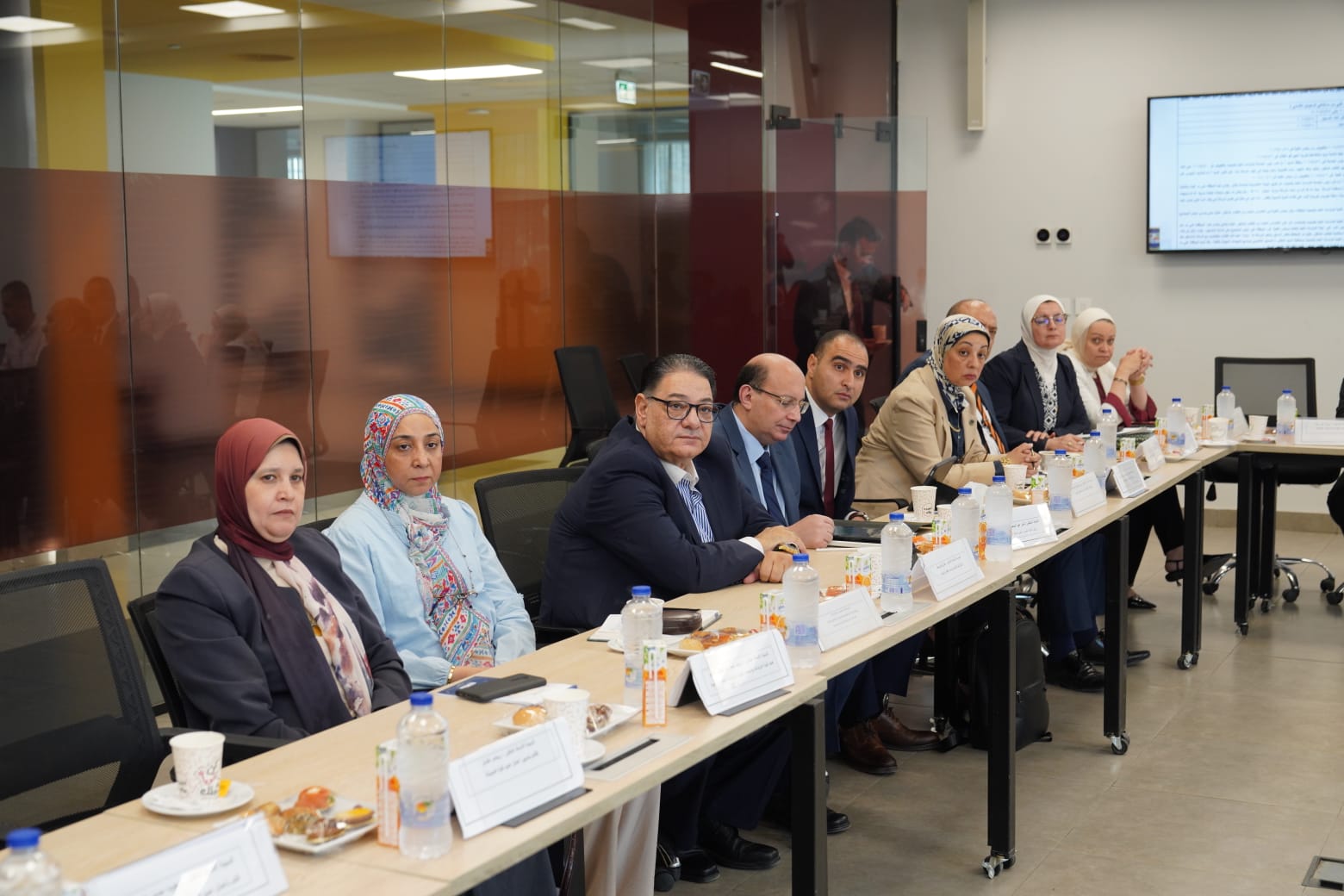
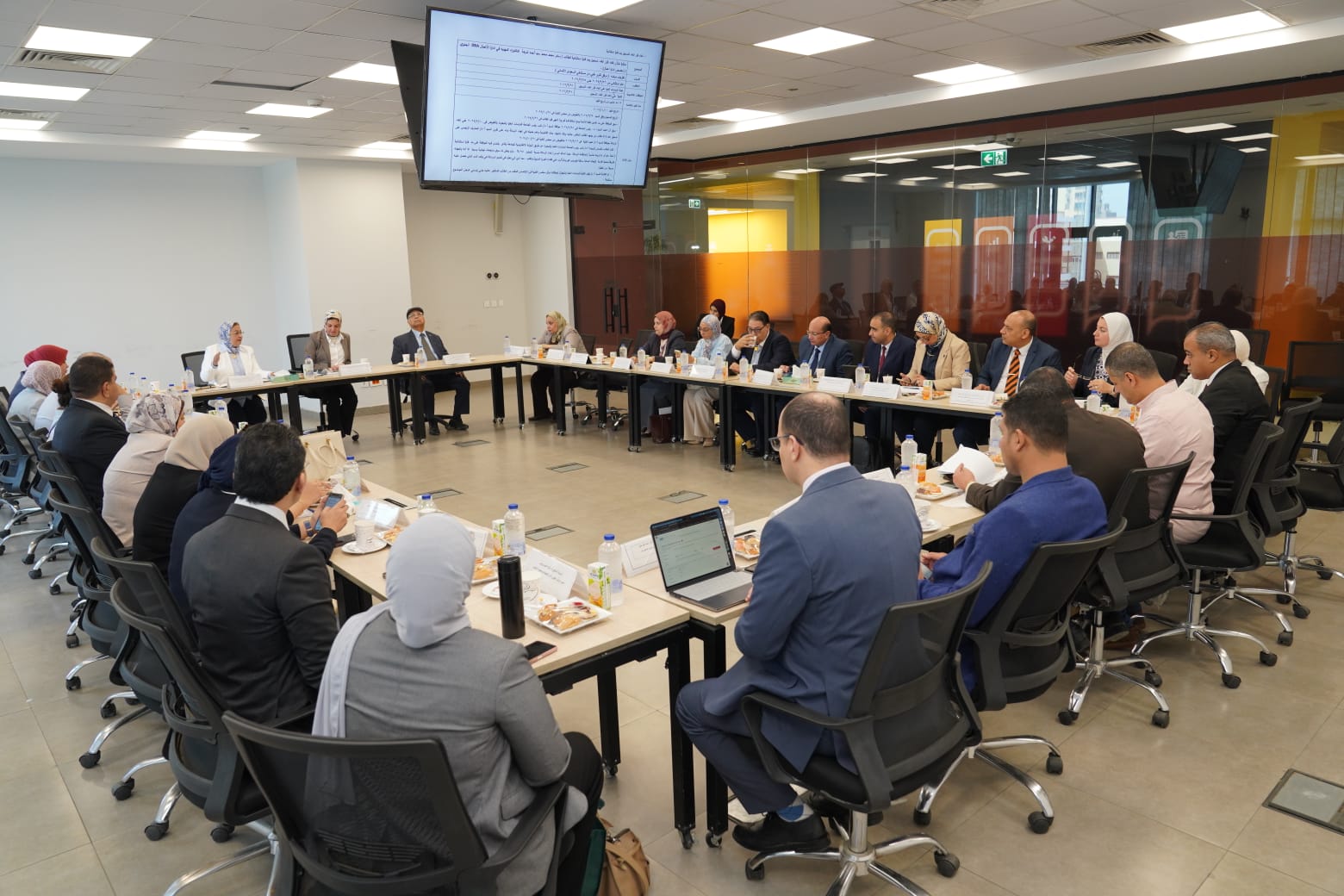
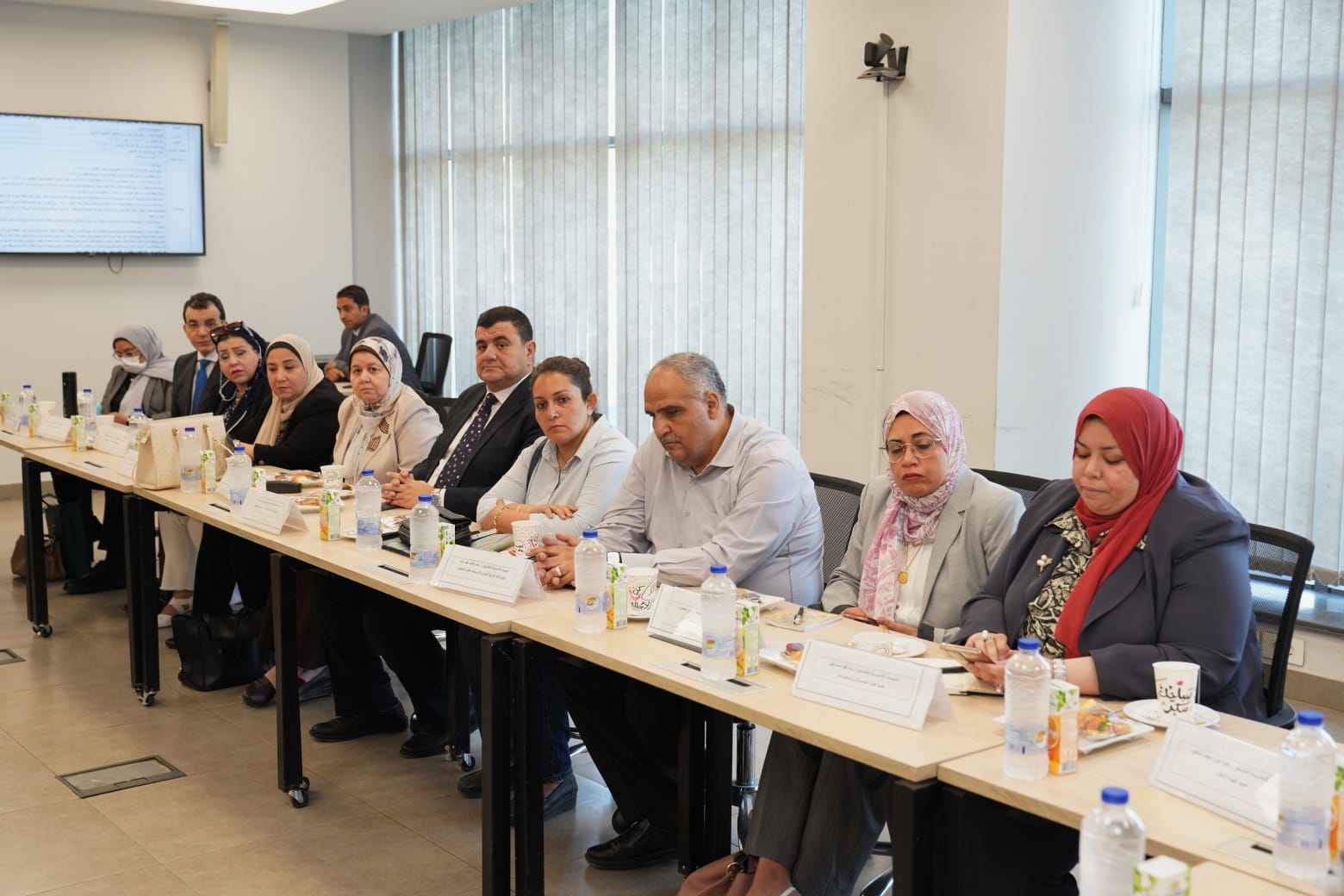
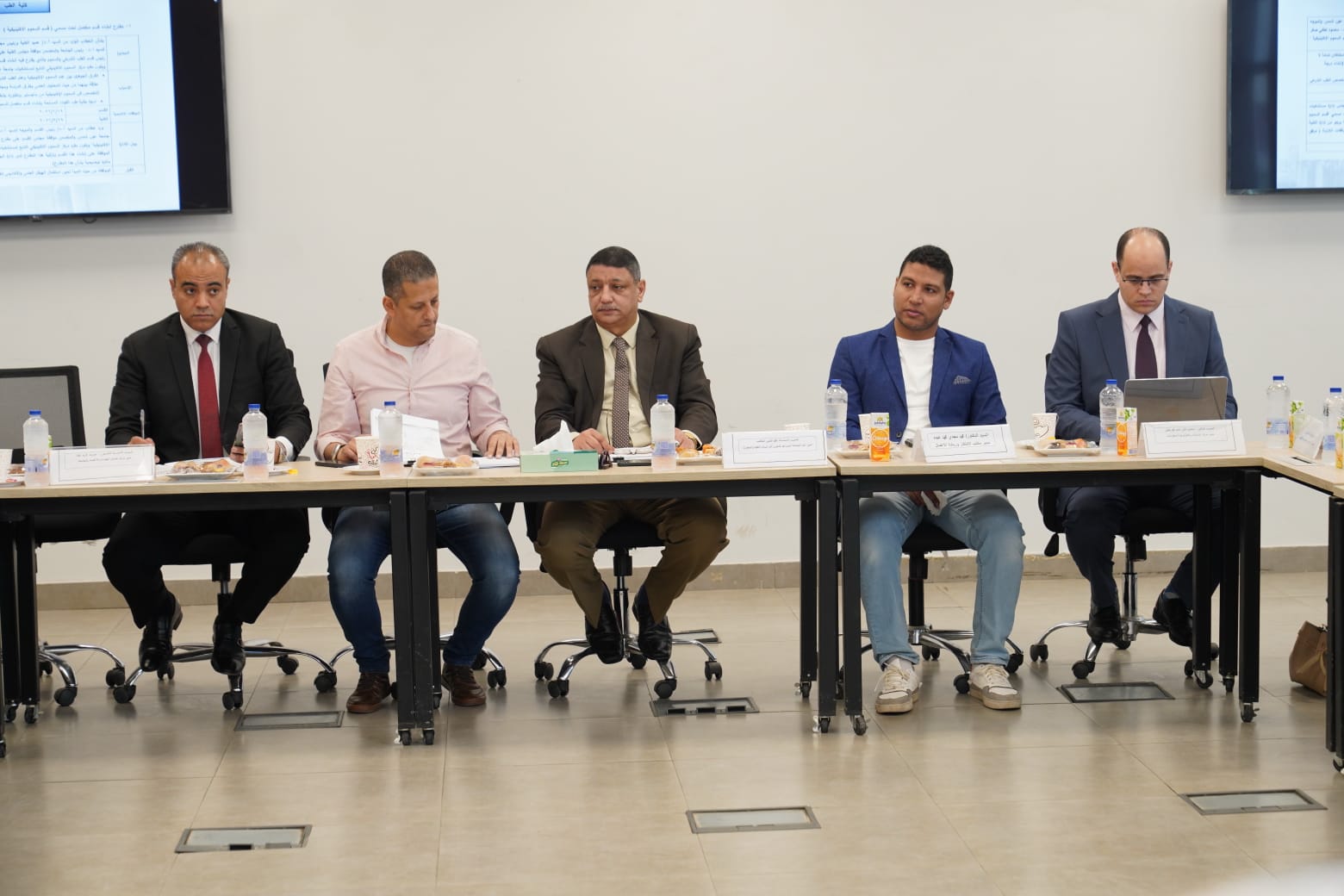
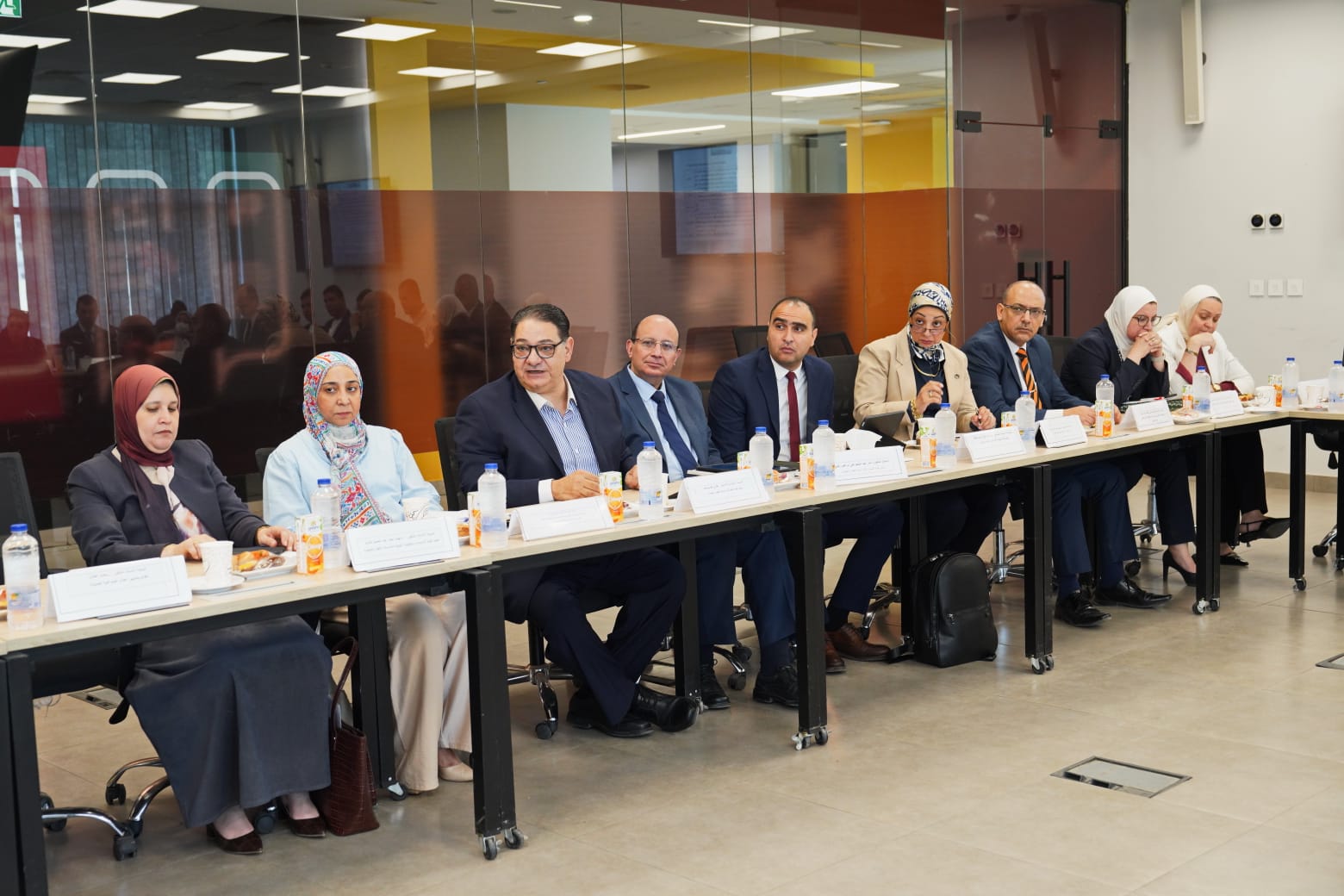
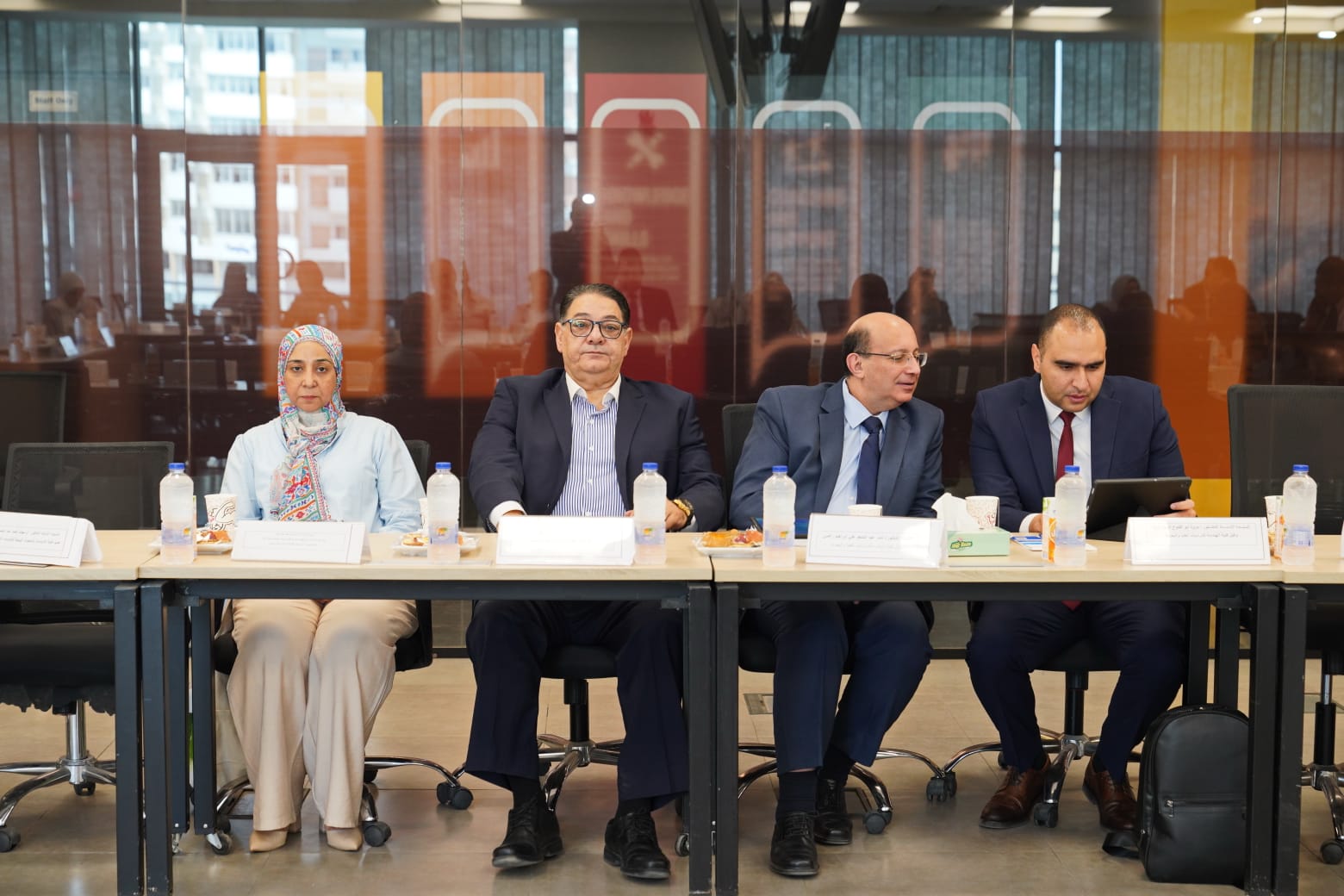
The Graduate Studies and Research Sector Council at Ain Shams University convened under the chairmanship of Prof. Amany Osama Kamel, Vice President of the University for Graduate Studies and Research Affairs, in the presence of the vice deans of the faculties for graduate studies and research, along with council members.
At the outset of the session, Prof. Amany Osama Kamel extended her congratulations to the faculty members on the blessed Eid Al-Adha, wishing them acceptance of their good deeds.
She also expressed her appreciation and gratitude to Prof. Ashraf Attia, Vice Dean of the Faculty of Al-Alsun, at the conclusion of his legal term in office, praising his efforts during his tenure. She then welcomed Prof. Yomna Safwat for assuming the duties temporarily until the official appointment decision is issued.
 |
 |
 |
||
Regarding professional certificates and programs, Prof. Amany Osama Kamel emphasized the importance of providing the necessary support to students enrolled in these programs, whether through academic facilitation or training and qualification opportunities, helping them maximize the benefits and develop their professional and practical competencies. She noted that professional programs represent one of the key pillars in developing the higher education system and linking it to labor market needs, while also contributing to the preparation of qualified cadres possessing the practical skills and professional expertise required to keep pace with rapid developments across various sectors.
She further highlighted that these programs contribute to enhancing competitiveness, supporting innovation and entrepreneurship, and providing flexible educational opportunities that meet the needs of learners and institutions alike, thereby supporting sustainable development and strengthening the role of universities in serving society and the national economy.
Prof. Amany Osama Kamel also stressed the necessity of activating and generalizing the data of students, international students, graduate studies, and all data registered across faculties on the electronic University Management System (UMS) at Ain Shams University, while ensuring accurate statistical records to support digital transformation efforts and improve the efficiency of services provided.
During the council meeting, Prof. Dalia Ibrahim El-Qurshi, Vice Dean of the Faculty of Dentistry for Graduate Studies and Research, delivered a presentation addressing the faculty’s scientific research plans and orientations, in addition to its most prominent scientific practices and activities, and the follow-up of international and local research publications to enhance the exchange of expertise and coordination among faculties.
She also reviewed the establishment of the Faculty’s Researchers Support Office, designed to provide an integrated support system for researchers through training programs and statistical analysis services, thereby contributing to the promotion of scientific integrity and the enhancement of research quality according to the highest academic standards.
In the same context, Prof. Amany Osama Kamel commended the Faculty of Dentistry for its distinguished efforts and activities in the fields of scientific research and academic development.
The council also reviewed a presentation by Dr. Dalia Youssef, Director of the Education Strategies Center, regarding the report of the Center for the Development of Education Strategies and Research. She outlined the training program for the guiding reference framework for higher education presented by the Supreme Council of Universities, which aims to train faculty members on preparing academic programs according to accredited standards through a remote electronic system while providing academic support to trainees. She noted that enrollment in the program is optional, while highlighting Prof. Amany Osama Kamel’s interest in activating the program and encouraging faculty participation due to its role in developing academic programs and improving the quality of the educational process.
She also pointed to the inclusion of an Ain Shams University experience among the best international practices in AI-powered education.
 |
 |
 |
||
In the context of supporting scientific publishing and digital transformation, Dr. Mahmoud Fayez, Director of the University’s Networks and Information Technology Center, presented the monthly performance report of the center. He noted that the Faculty of Agriculture achieved the highest rates in creating academic profiles on the “Shams Scholar” platform, while also reviewing statistics related to scientific research registration across the university’s faculties and discussing the latest developments.
He added that a dedicated artificial intelligence model has been operated internally within the university without internet connectivity and with limited access permissions, supporting a secure digital working environment within the university.
Professor Dr. Rasha Ismail, Dean of the Faculty of Computers and Information, then reviewed the periodic report on the status of digital transformation, sector automation, the University Management System (UMS), and the university website. She noted the availability of registration for digital transformation courses for international students, the updating of the university’s logo across websites to strengthen institutional identity, modifications to the certified documents system, activation of the Animal Care and Use Committee program, and the launch of an electronic certificate authentication system through graduate services on the UMS platform. She added that students can now authenticate any certificate electronically through the UMS graduate services.
Within the framework of supporting quality assurance and academic accreditation, Prof. Mariam Ayad, Director of the University Quality Assurance and Accreditation Center, presented the center’s monthly report. She referred to the announcement by the National Authority for Quality Assurance and Accreditation of Education regarding the suspension of the 2009 Academic Reference Standards (ARS) for graduate programs, coinciding with the activation of the National Qualifications Framework. She emphasized the importance of preparing academic programs according to the framework’s qualification levels and developing the necessary alignment matrices.
She also reviewed the accreditation status of the faculties and the activities of the Technical Support Unit and the Training and Awareness Unit.
At the conclusion of the council meeting, Prof. Dina Lashin, Director of the International Students Administration at the university, reviewed the status of international students and visiting professors, presenting statistics on the numbers of international students as well as short-term training programs designed for them.
 |
 |