.svg)

A huge archaeological discovery in the vicinity of Saladin Citadel with the participation of the Faculty of Archaeology
In a unique archaeological discovery that highlights the genius of Islamic engineering, the joint Egyptian-French archaeological mission between the Faculty of Archaeology, Ain Shams University, the French Institute of Oriental Archaeology and the Supreme Council of Antiquities, led by Dr. Mohamed Ibrahim, Assistant Professor of Islamic Archaeology at the Faculty of Archaeology, Ain Shams University and Director of the Mission, and with the membership of faculty staff of the Department of Islamic Archaeology, namely: Dr. Ashjan Ahmed, Dr. Ghada Fayad, Dr. Noura Hussein, Dr. Noura Abdel Qader, Dr. Rawan Ahmed, Dr. Shaimaa Abdullah, and Ms. Noha Kamal, succeeded in unveiling new secrets in the vicinity of the Citadel of Saladin in historic Cairo.
 |
 |
 |
||
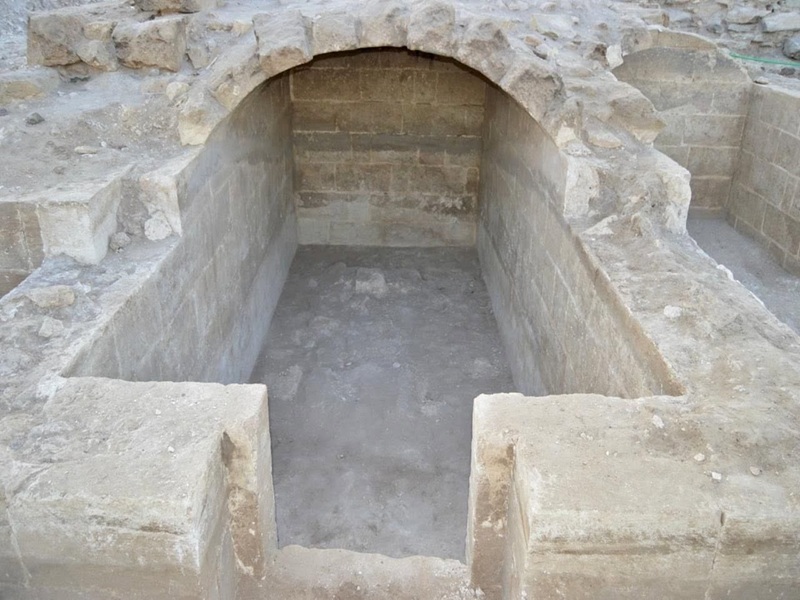
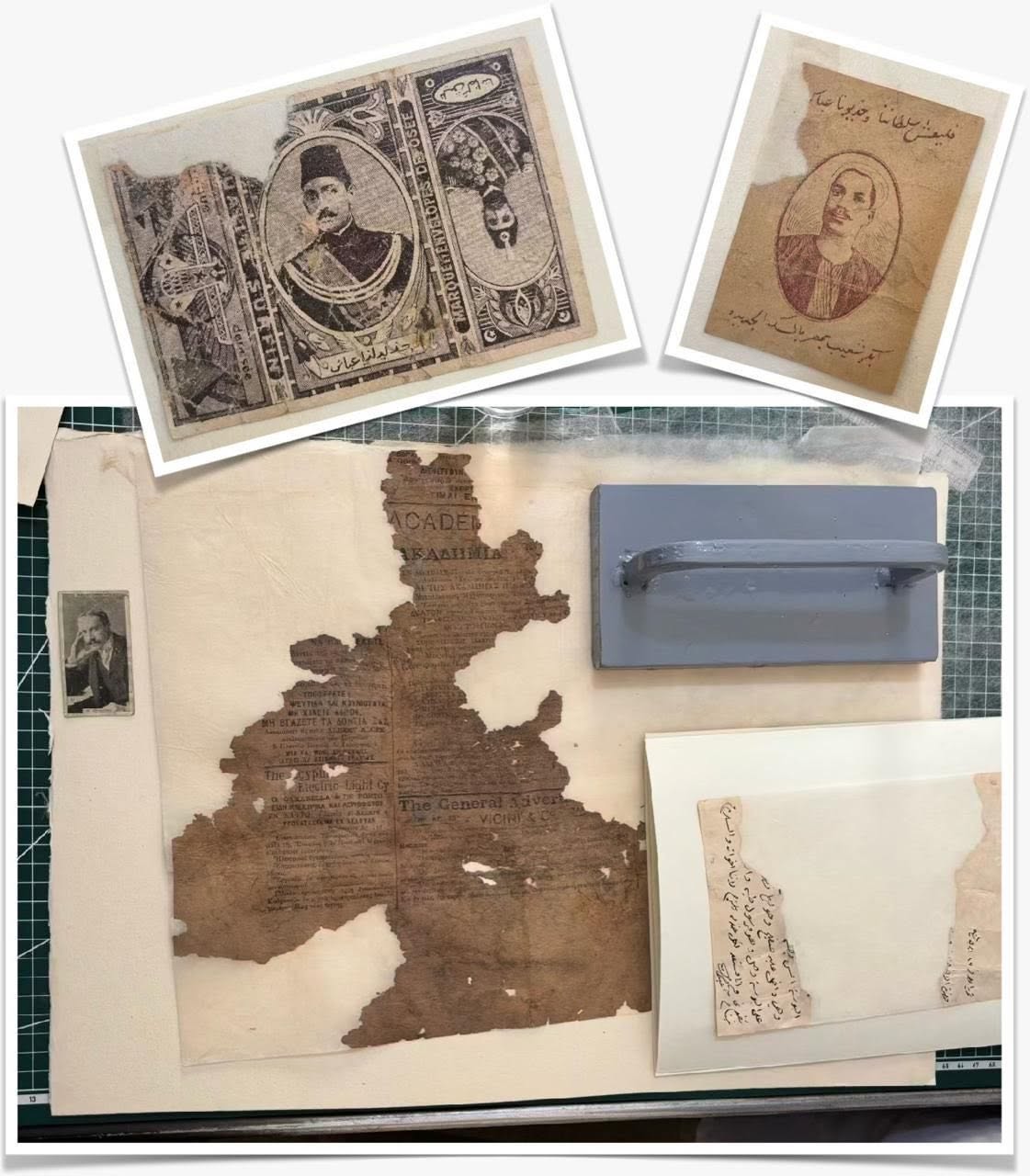
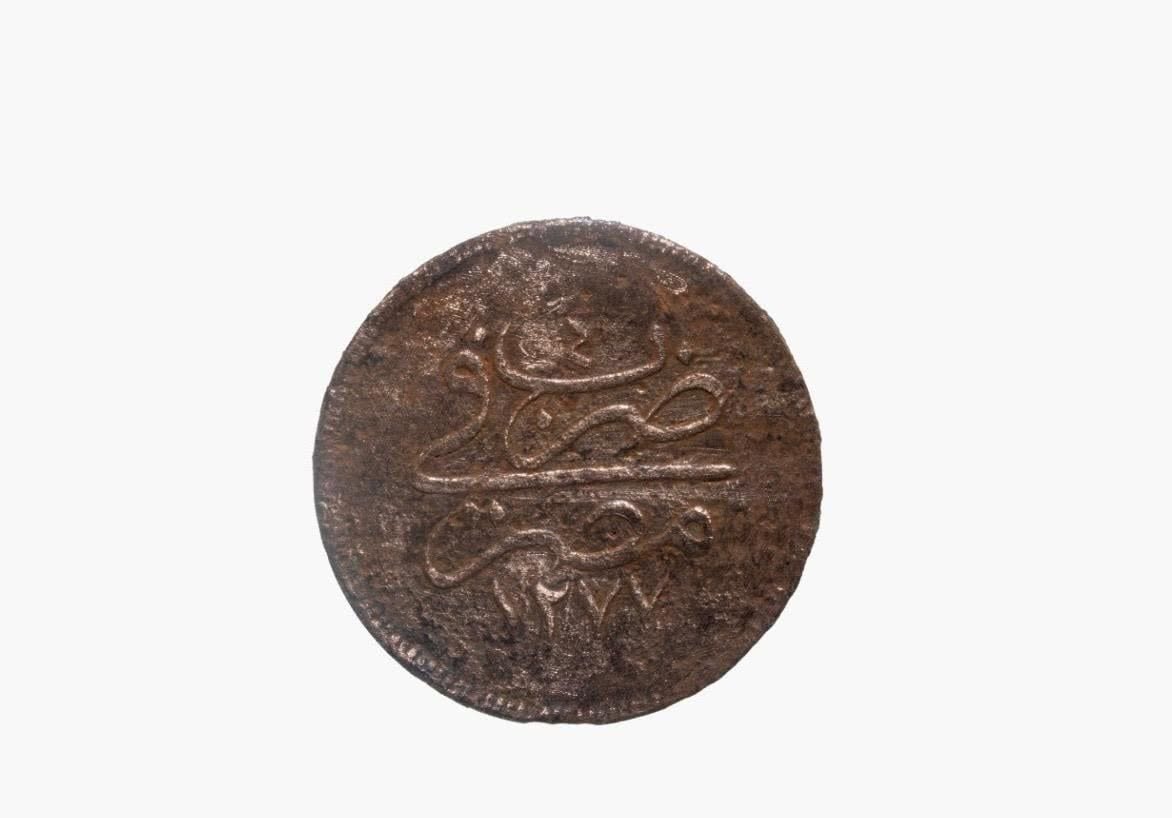
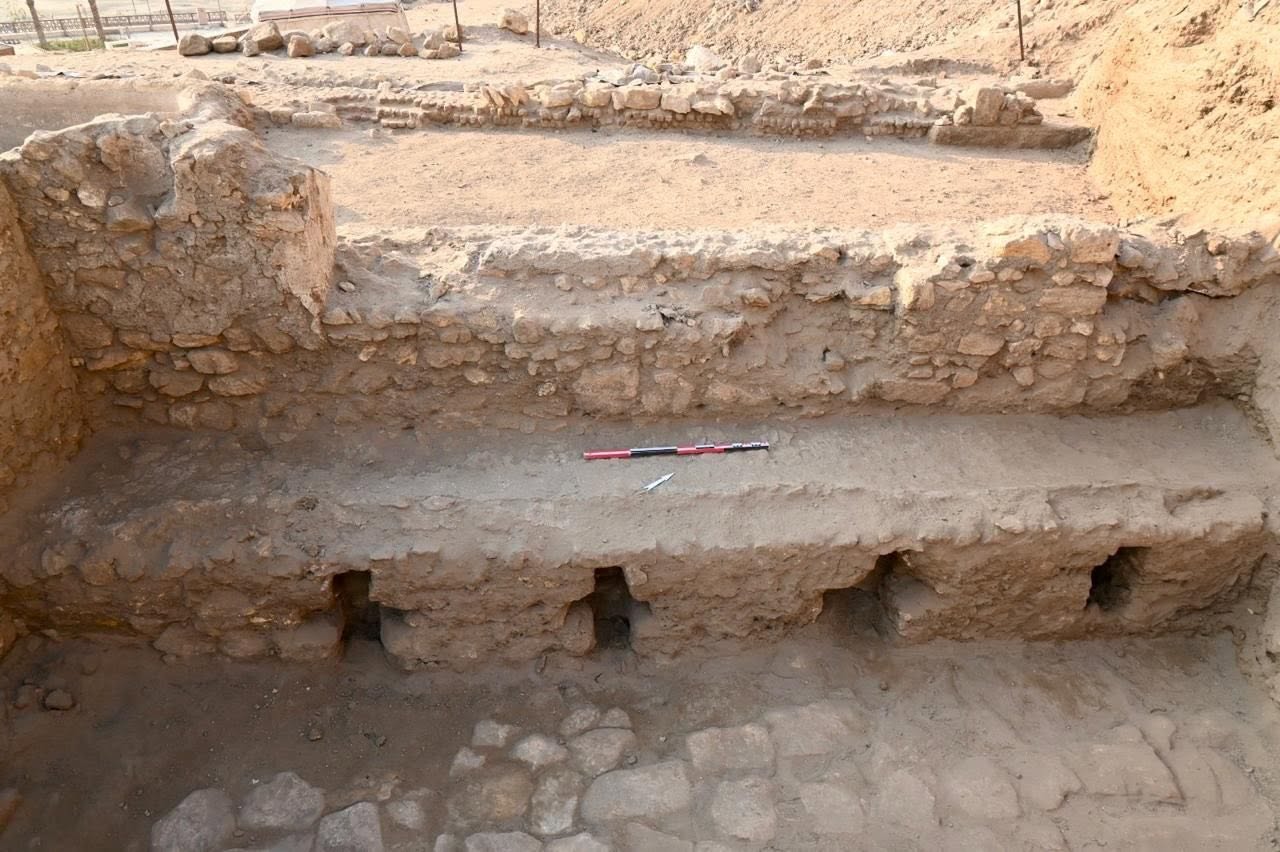
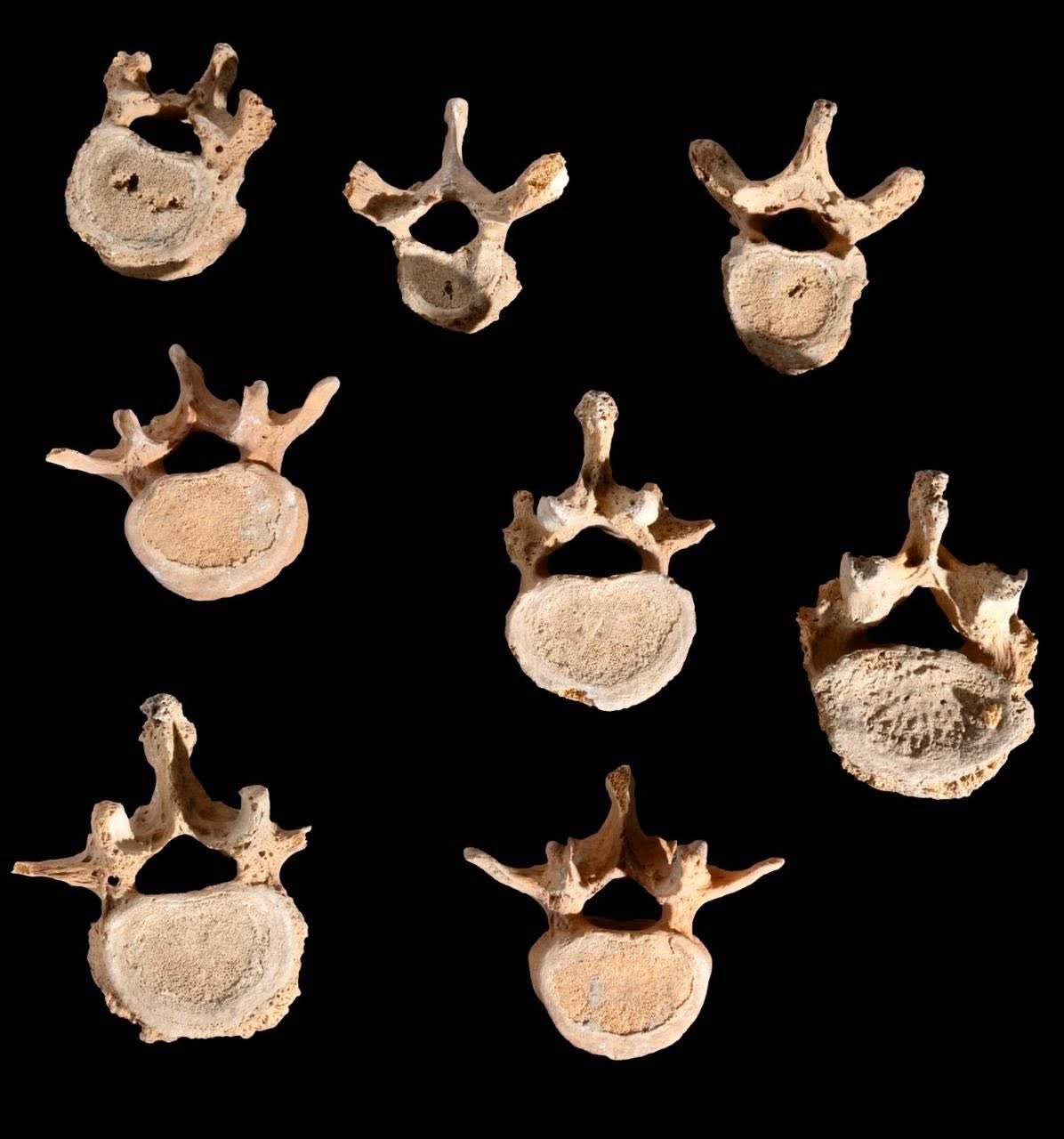
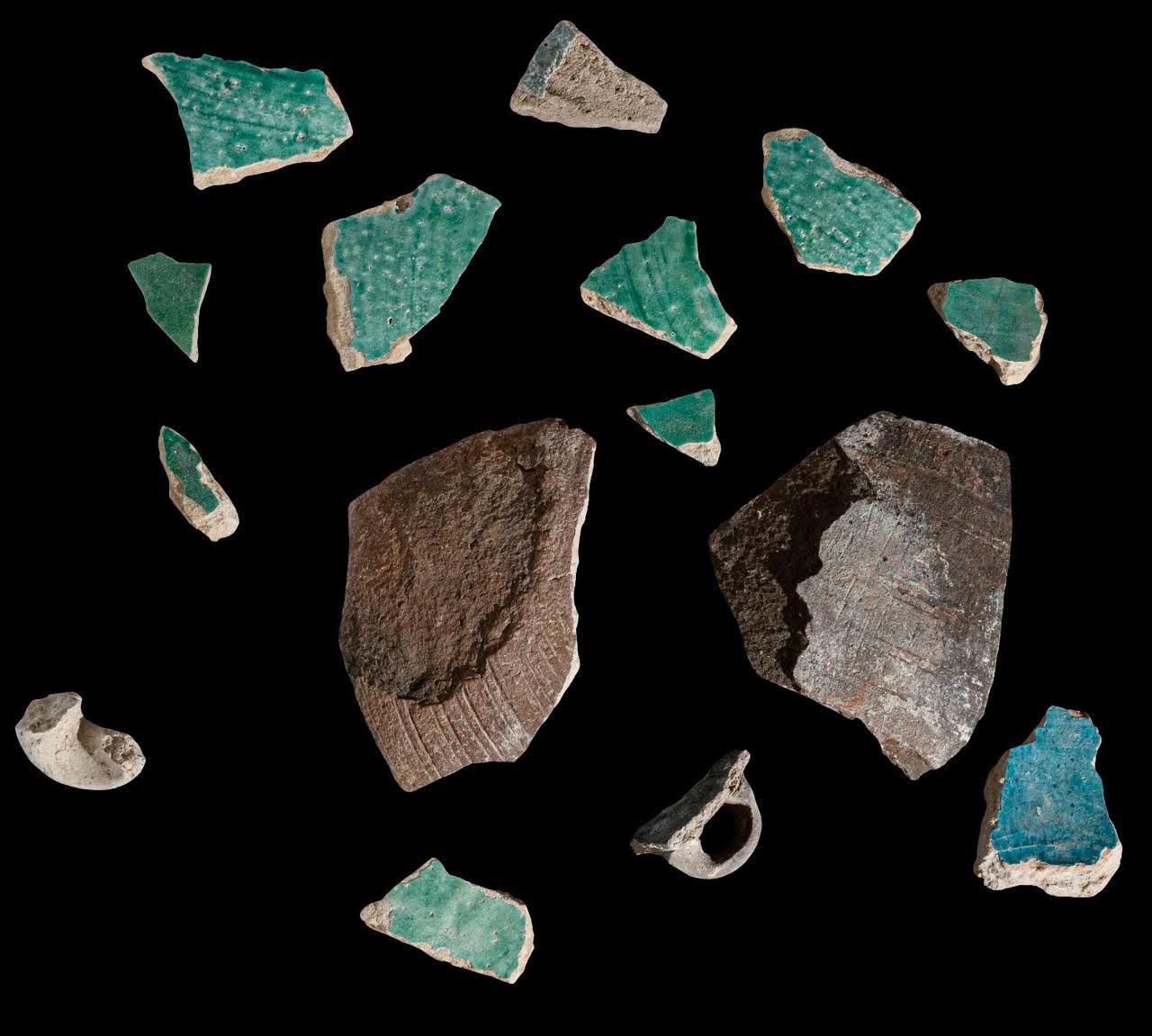
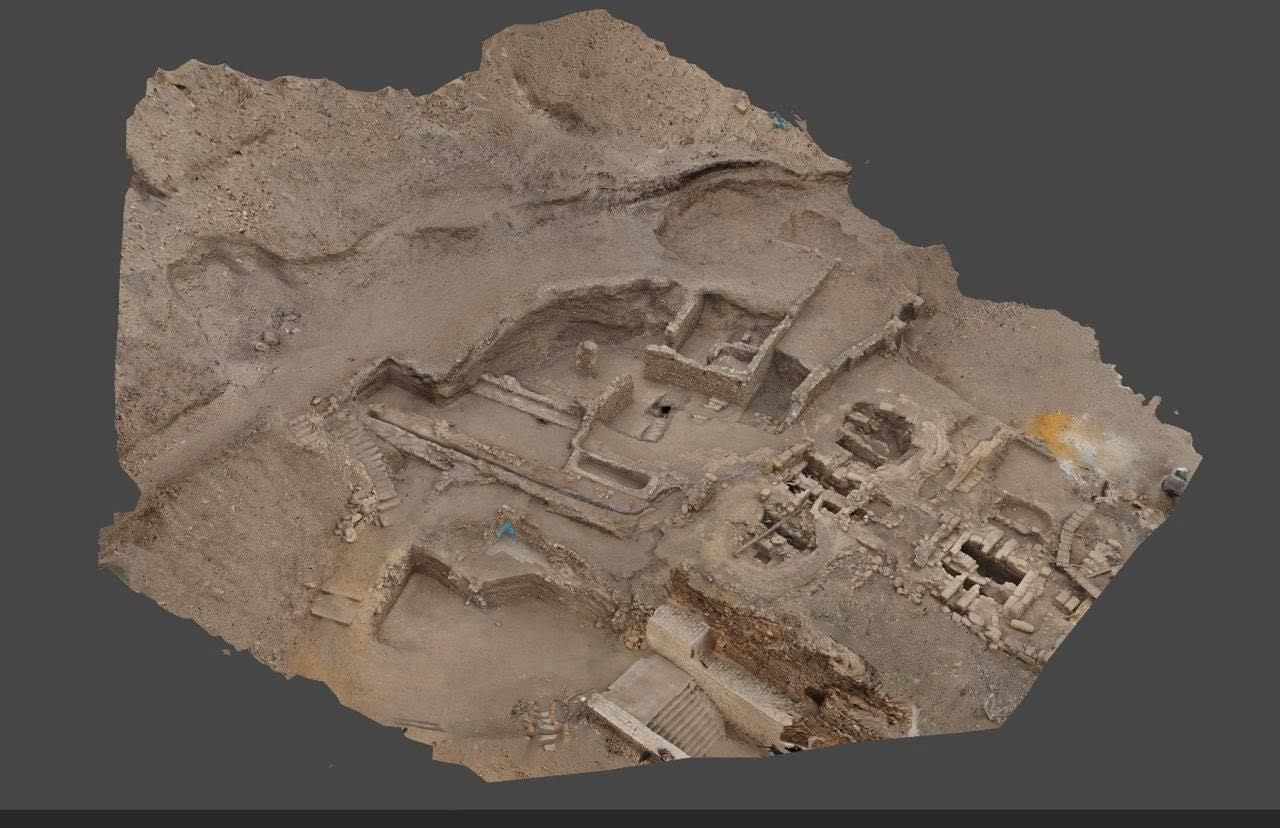
This achievement confirms the pioneering scientific role of the scientists and professors of Ain Shams University in leading major research projects and archaeological excavations in cooperation with major international bodies. The excavation work led by Dr. Mohamed Ibrahim in the Arab Al-Yasar and Al-Hattaba areas resulted in unprecedented results, which included the first-time discovery of details of the last part of the hydraulic system associated with the Aqueduct of the Eyes wall, a part that had not been addressed by historical sources before. The discovery included two huge wells built with stone blocks, ten meters and eight meters deep, to raise water through four rotating waterwheels and a network of stone channels that transported water into the fortress, in addition to revealing the paths for the movement of animals, their shelter rooms, fodder stores and animal watering basins, which reflects an advanced level of engineering planning and water resource management during the Mamluk era. In the Al-Hattaba area, the mission succeeded in discovering the remains of a mosque from the Mamluk era, including the Qibla Iwan, the mihrab, parts of the southwestern portico and a burial chamber associated with the mosque, in addition to a group of tombs dating back to different Islamic periods, coins and pottery jars.
The director of the mission and a graduate of Ain Shams University explained that preliminary archaeological and architectural studies suggest that some of these discovered water structures date back to the works of Sultan Al-Nasir Muhammad Ibn Qalawun, while also revealing the discovery of a new water channel heading west towards the Sultan’s stables, which contributes to re-dating a number of important architectural structures in the vicinity of the Citadel and correcting some historical concepts about the area.
His Excellency added that the project was not limited to the research aspect only, but extended to include organizing a field excavation school to train antiquities inspectors on the latest methods of documentation, recording and three-dimensional digital photography under the supervision of a group of specialists, which reflects the developmental and scientific vision adopted by the sons of Ain Shams University in transferring knowledge and developing national cadres, so that this archaeological discovery remains a new witness to the excellence of the competencies of Ain Shams University and their role in enriching the civilized history and supporting cultural tourism in Egypt.
 |
 |
 |
 |