
.svg)

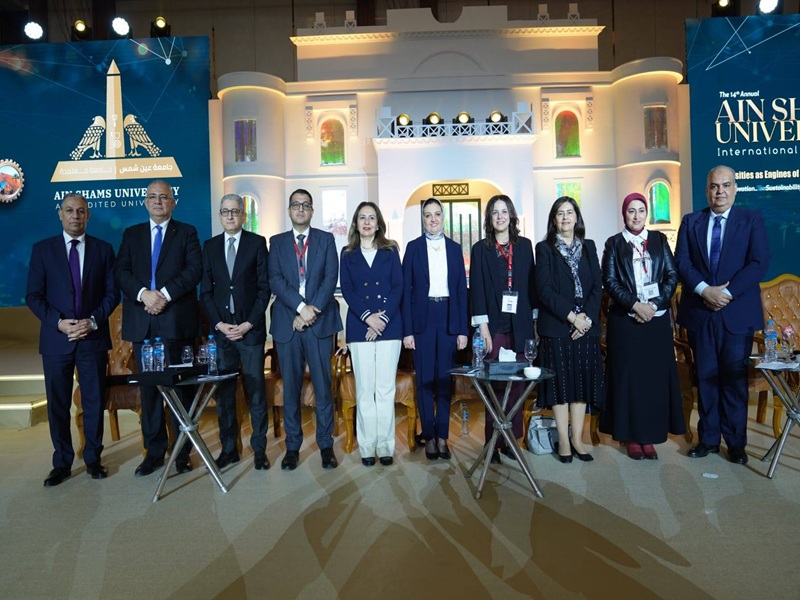
The 14th Ain Shams University International Conference Discusses the Role of Media in Promoting Community Awareness and Establishing Values and Ethics for Sustainable Development
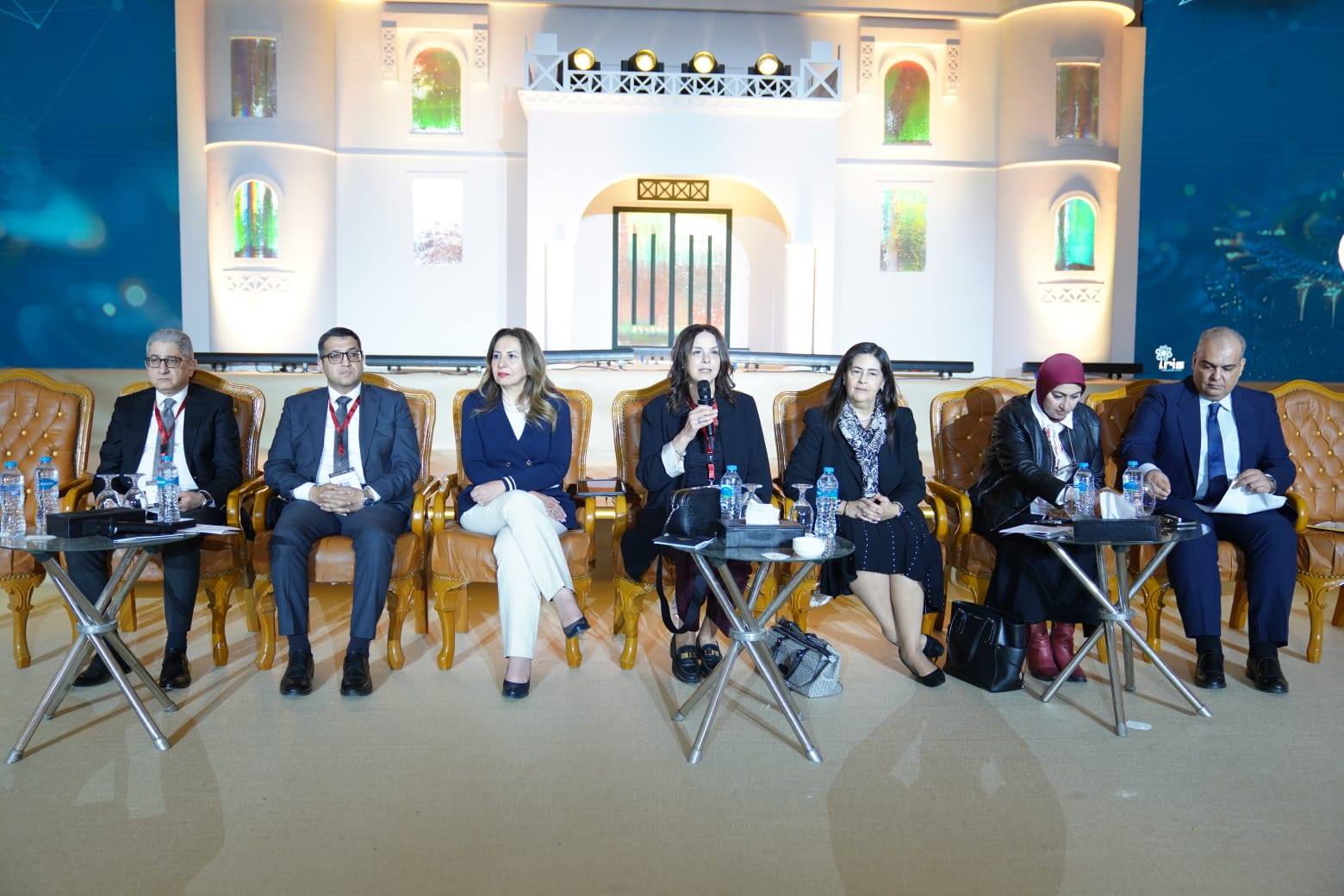
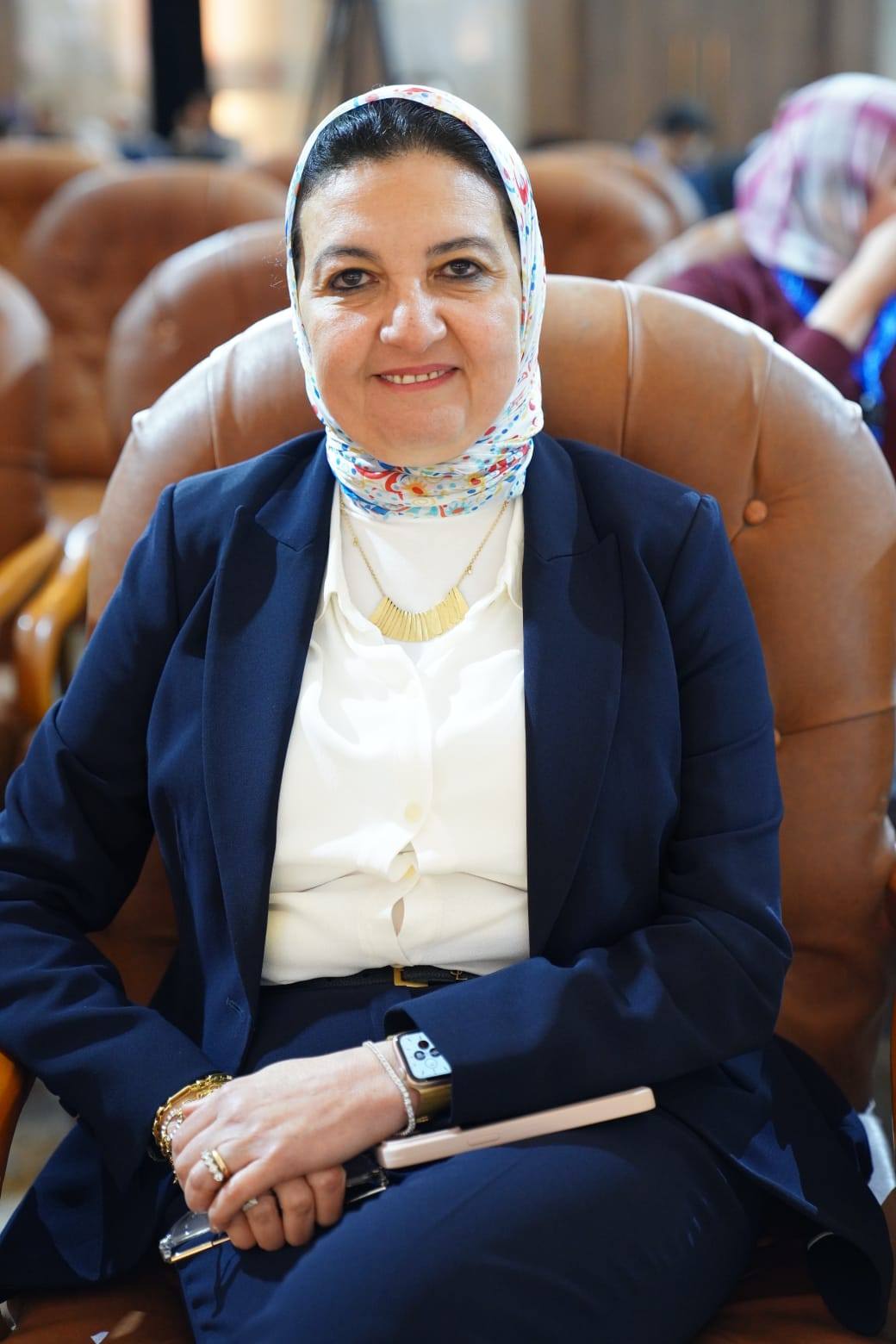
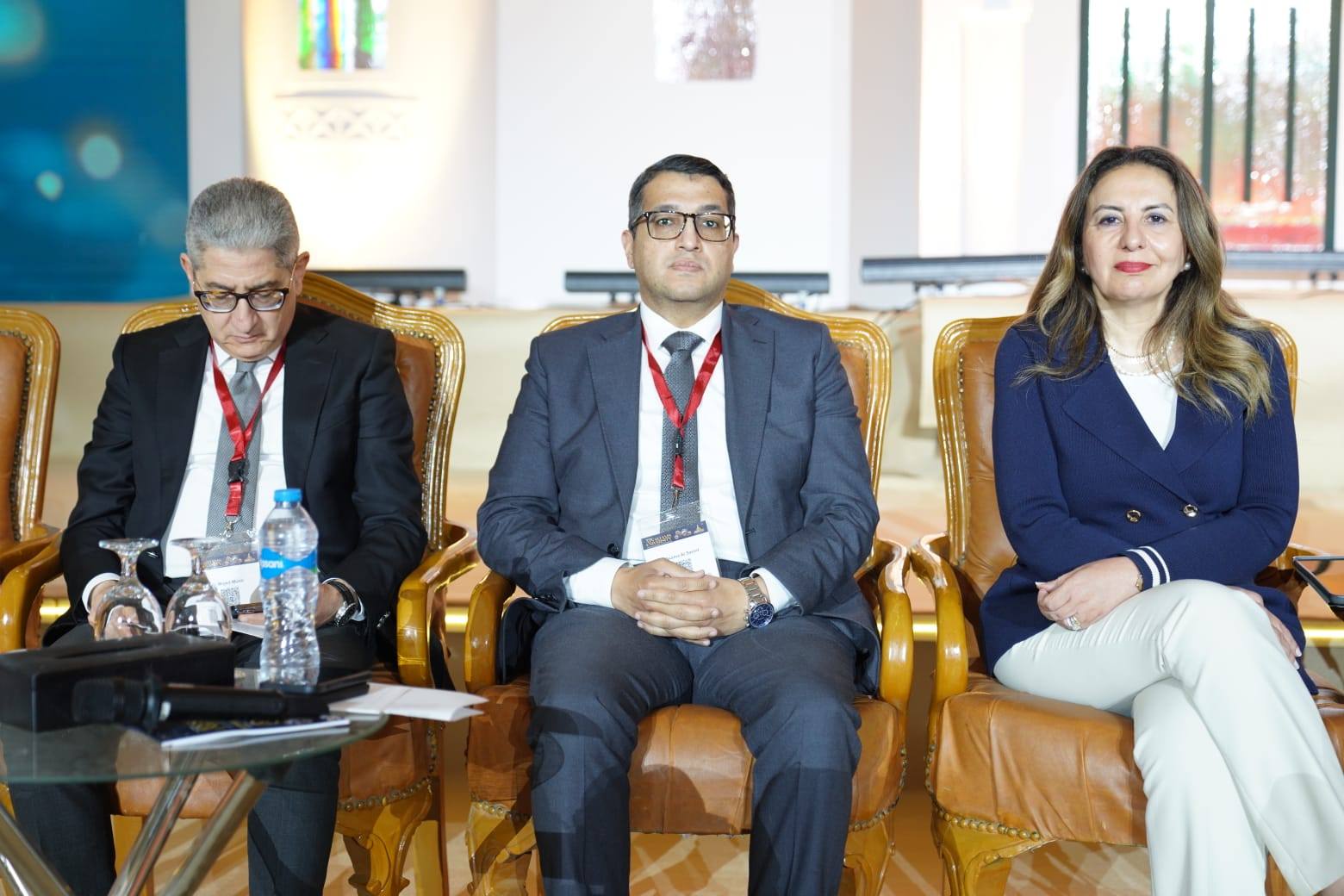
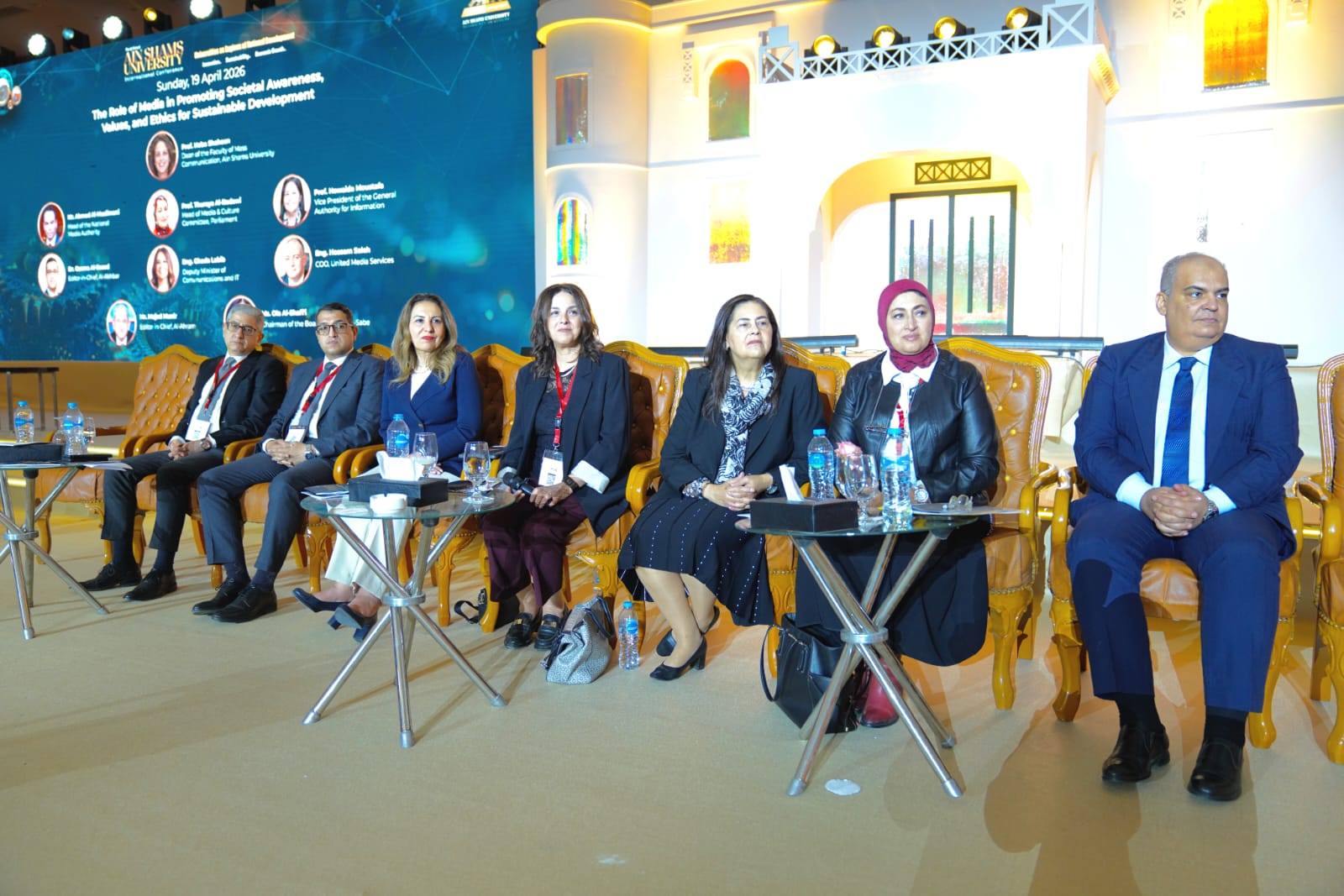
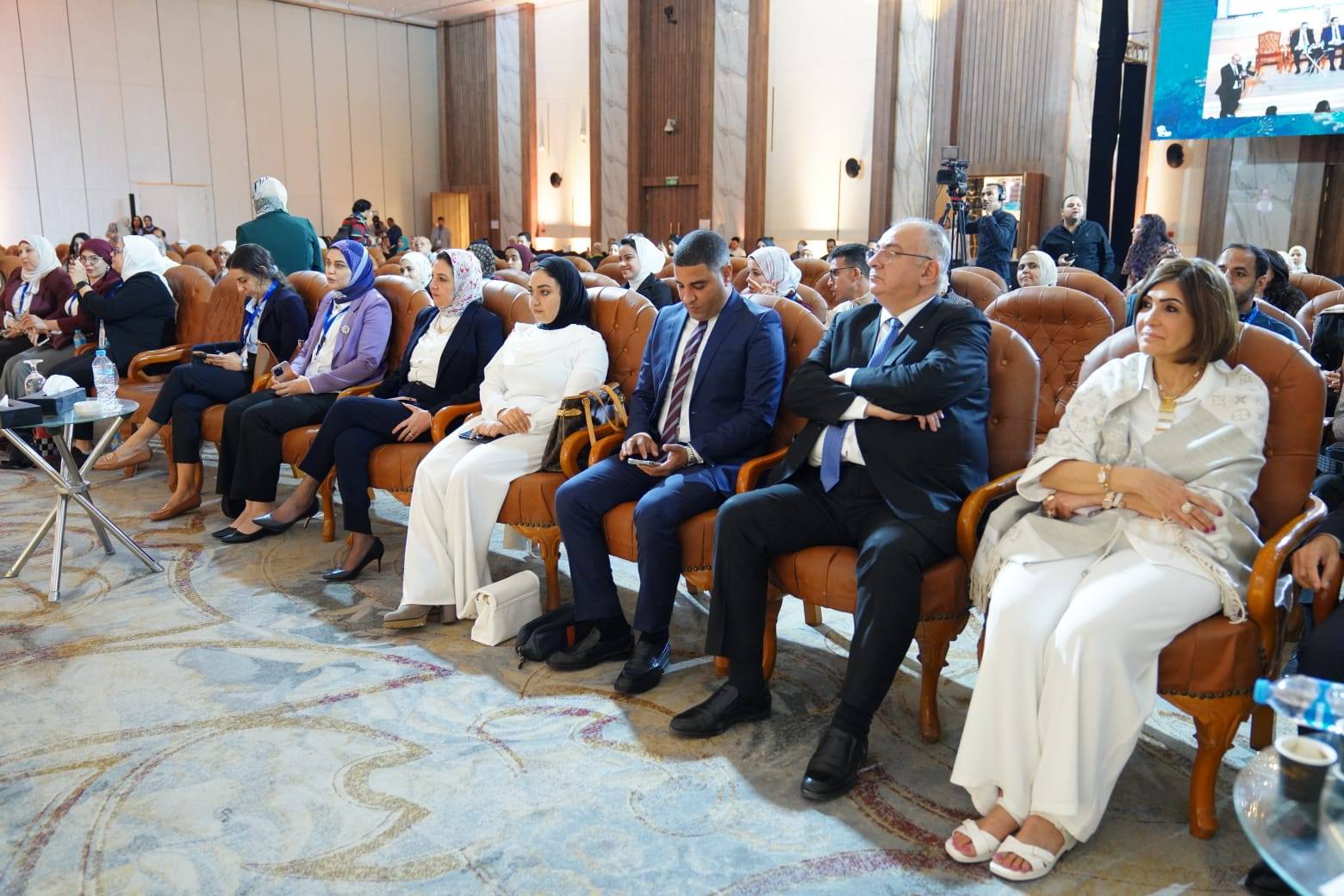
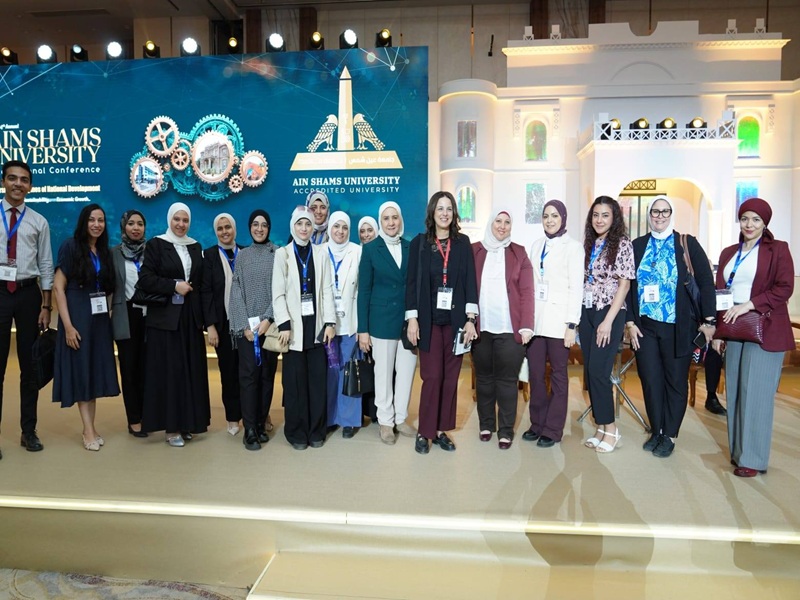
As part of the activities of the 14th International Conference of Ain Shams University, entitled "Universities as Engines of National Development... Towards Innovation and Sustainable Economic Growth," under the patronage of Prof. Abdel Aziz Qansouh, Minister of Higher Education and Scientific Research, Prof. Mohamed Diaa Zain El Abedeen, President of Ain Shams University and President of the Conference, and Prof. Amany Osama Kamel, Vice President of the University for Graduate Studies and Research and Executive Director of the Conference, Prof. Heba Shaheen, Dean of the Faculty of Mass Communication, chaired a session entitled "The Role of Media in Enhancing Community Awareness and Establishing Values and Ethics for Achieving Sustainable Development." The session featured a distinguished group of decision-makers and heads of media institutions, including: Engineer Ghada Labib, Deputy Minister of Communications and Information Technology for Institutional Development; Prof. Thuraya El Badawy, Head of the Media, Culture and Antiquities Committee in the House of Representatives; Prof. Howaida Mostafa, Vice President of the State Information Service; journalist Magid Mounir, Editor-in-Chief of Al-Ahram newspaper; journalist Dr. Osama El Saeed, Editor-in-Chief of Al-Akhbar newspaper; and Dr. Hazem Abu Al-Saud, President of the Maspero Academy, and Engineer Hossam Saleh, Chief Business Officer of the United Media Services Company.
 |
 |
 |
||
Prof. Heba Shaheen opened the session by emphasizing the media’s role as an active partner in supporting Egypt’s Vision 2030 for achieving sustainable development through targeted campaigns and engaging development content. She also highlighted the importance of effectively using social media platforms.
Furthermore, she reviewed the most prominent challenges of digital transformation, including cybersecurity threats, the spread of fake news, and the digital divide, in addition to discussing strategies for countering misinformation and protecting Egypt’s national development agenda.
 |
 |
 |
||
Engineer Ghada Labib explained that digital media is a pillar for supporting national development, stressing the need to enhance digital awareness among citizens to benefit from the digital services provided by the state through the “Digital Egypt” platform within the framework of the state’s orientation towards digital transformation and enhancing the quality of life, stressing the importance of integration between media and digital technology as two inseparable elements in building citizen awareness and confronting contemporary challenges, most notably the spread of rumors and unreliable news.
In this context, the state continues to implement a comprehensive methodology to serve the citizen through the “Digital Egypt” platform, which provides about 210 government services that affect daily life, within an approach aimed at facilitating access to services and achieving citizen satisfaction. However, the lack of awareness of some of these services hinders the full benefit of digital services, which highlights the need to intensify awareness efforts to reach millions of citizens, especially in national initiatives.
 |
 |
 |
||
She also emphasized the importance of adhering to professional standards in journalism, explaining that using mobile phones as publishing tools does not negate the need to uphold journalistic ethics and principles. She called for leveraging digital platforms to produce meaningful content that promotes positive values and projects a positive and accurate image of Egypt in international media.
Furthermore, journalist Magid Mounir stressed the crucial role of national media institutions in shaping public awareness and countering misinformation. He emphasized that credibility and in-depth professional reporting are the first line of defense against the ever-increasing flood of rumors in the digital age.
He explained that long-established press institutions, foremost among them Al-Ahram, which has a history of more than 150 years, possess a wealth of trust and experience that enables them to effectively counter attempts at misinformation. He pointed out that dealing quickly with rumors without in-depth analysis does not achieve the desired impact, and that confronting misinformation is no longer the responsibility of a single media outlet, but rather requires integration between various media, including national newspapers, satellite channels, digital platforms, and social media, to ensure that the correct message is delivered in a comprehensive and effective manner.
Dr. Osama Al-Saeed emphasized the importance of media’s evolution from traditional to interactive media through the use of modern technologies, particularly artificial intelligence and public opinion analytics. This evolution contributes to improved audience reach and enhances the positive impact of media content.
He stressed that modern media is no longer merely a conduit for information but has become an active partner in the development process, especially with the increasing role of artificial intelligence and the evolution of communication technologies. This necessitates collaboration with communications and digital transformation experts to produce more informed and effective media content. He also highlighted the need to humanize media content to serve the purpose of building awareness and achieving development.
Dr. Hazem Abu El-Saoud also highlighted the growing role of the Maspero Academy in developing media professionals through specialized training programs targeting young people, in cooperation with state institutions, with a focus on younger age groups to build early awareness.
He explained the importance of establishing a digital observatory for national awareness to monitor public opinion trends in real time, activating partnerships between media and technology institutions, and conducting specialized studies to understand audience behavior and develop media influence tools to keep pace with the rapid transformations in the digital environment.
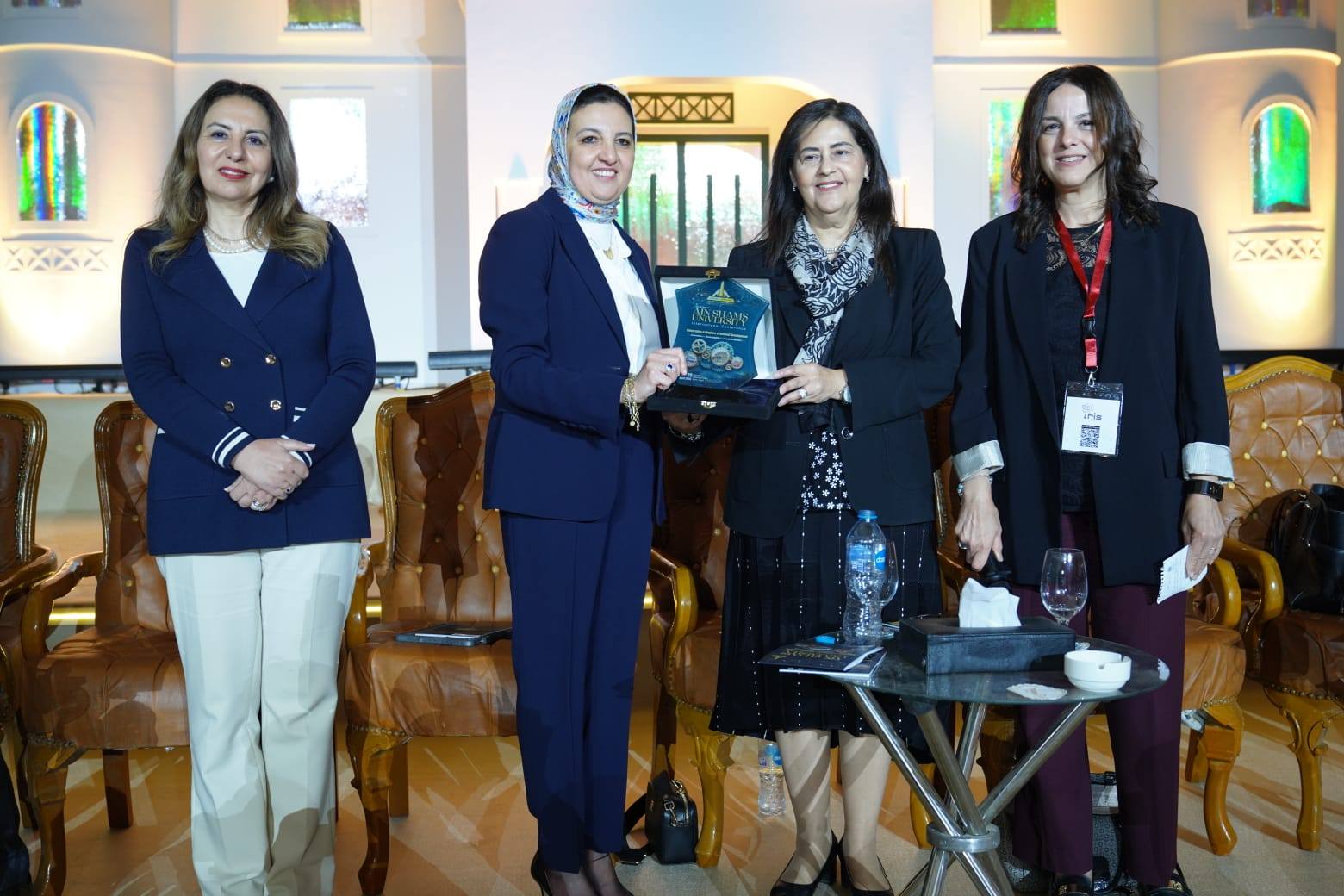
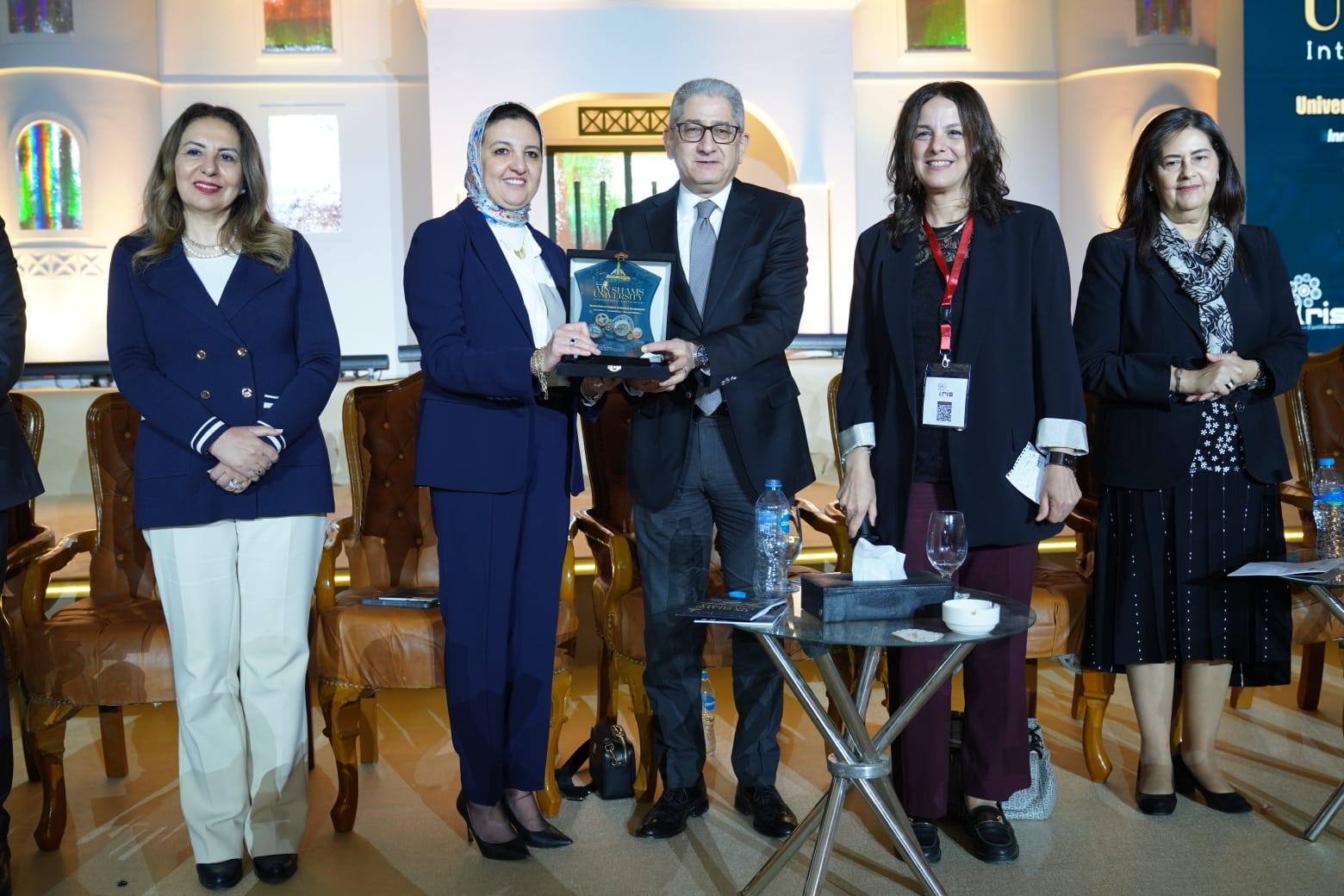
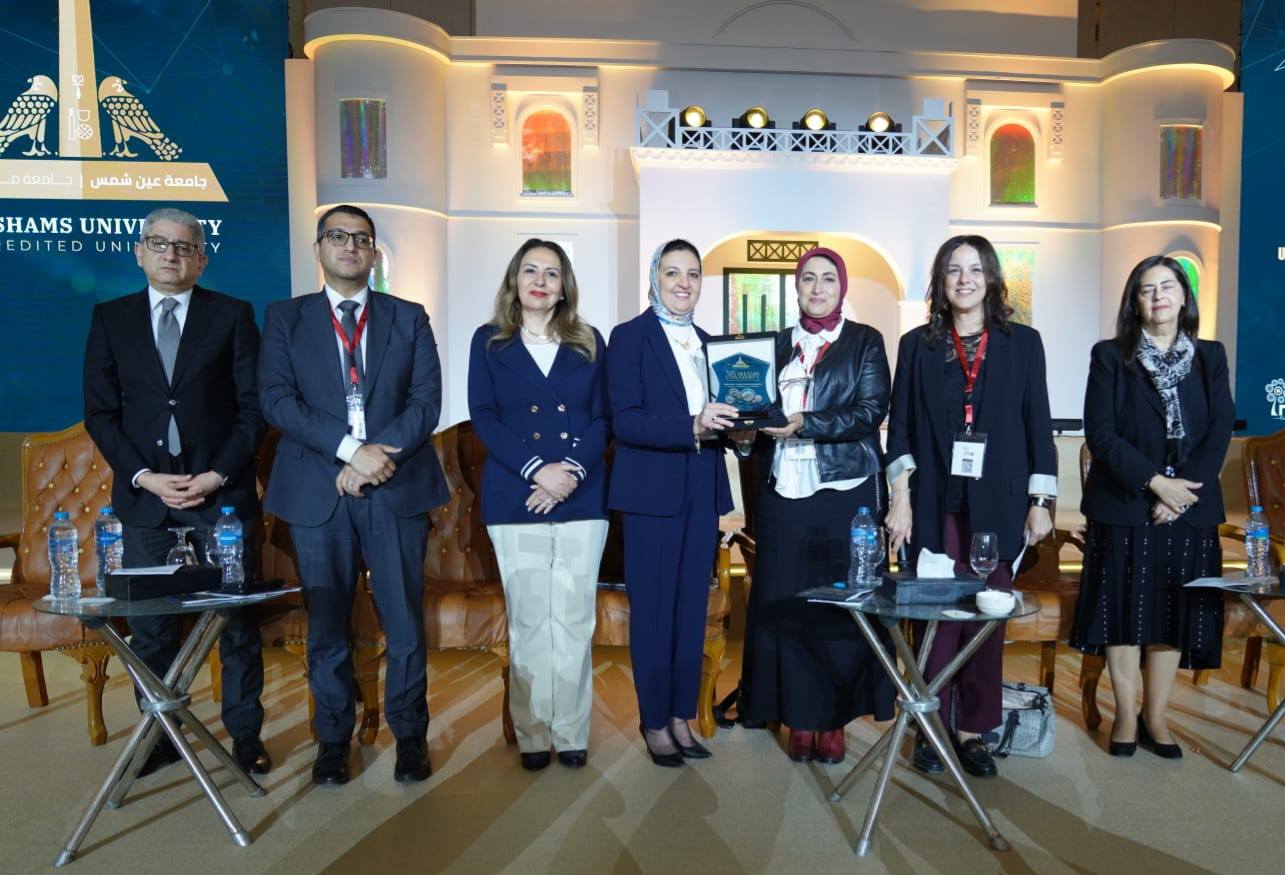
At the conclusion of the discussion session, Prof. Amany Kamel, Vice President of the University for Graduate Studies and Research, and Prof. Heba Shaheen, Dean of the Faculty of Mass Communication, honored the experts who participated in the session.