.svg)

"A New Beginning for Quality Education": A Training Workshop at the Faculty of Al-Alsun to Promote a Culture of Academic Excellence
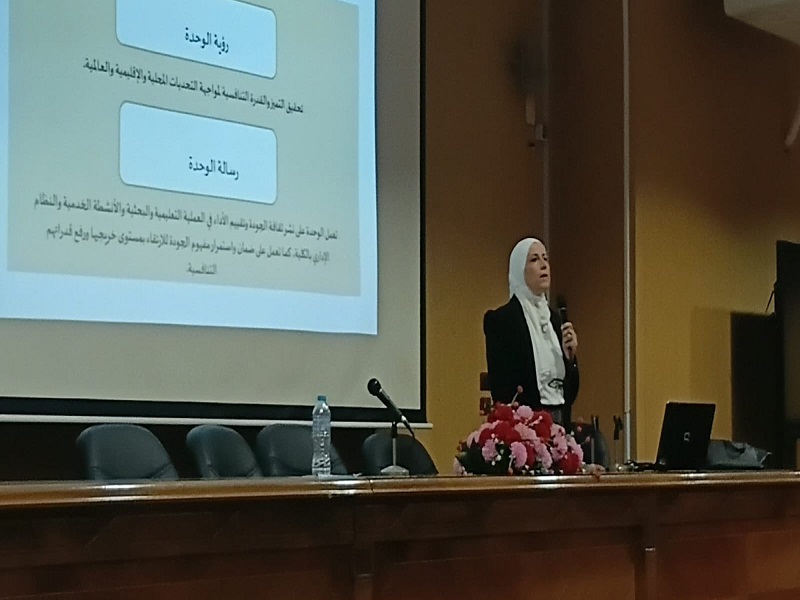
As part of the "New Beginning for Quality Assurance in Education" initiative launched by the National Authority for Quality Assurance and Accreditation of Education (NAQAAE), the Faculty of Al-Alsun at Ain Shams University organized a training workshop entitled "New Beginning for Quality Assurance in Education." The workshop was held under the auspices of Prof. Mohamed Diaa Zain El Abedeen, President of the University; Prof. Rami Maher, Vice President for Education and Student Affairs; and Prof. Yomna Safwat, Acting Dean of the Faculty and Vice Dean for Community Service and Environmental Development. It was supervised and conducted by Prof. Hind Asaad, Director of the Faculty's Quality Assurance Unit.
This workshop reflects NAQAAE's commitment, in cooperation with the Quality Assurance Center at Ain Shams University, to fostering a culture of quality and institutional excellence within the university community. It also aims to raise student awareness of the importance of quality systems and their active role in developing the educational process, thereby contributing to the advancement of university education.
 |
 |
The workshop addressed several important topics, including introducing the stakeholders involved in ensuring the quality of education, most notably the National Authority for Quality Assurance and Accreditation of Education and the Quality Assurance Center, as well as reviewing the role of the faculty's Quality Assurance Unit in meeting the required standards for academic program accreditation.
It also included a presentation of key terms related to the quality system, such as national standards, institutional accreditation, program accreditation, and the National Qualifications Registry, while highlighting the role of students in improving the quality of the educational process.
Prof. Hind Asaad explained that the concept of quality education is based on the principle of continuous improvement and development. She emphasized that the student is the focus of the educational process and its primary outcome, which necessitates equipping them with the competencies and skills that qualify them for the job market, in addition to developing their capacity for continuous self-learning to keep pace with rapid developments.
During her speech, she affirmed that quality represents a fundamental pillar for achieving institutional excellence, noting that the strategic goal is to build an integrated educational system capable of producing graduates with competitive skills that strongly qualify them for the job market at the local, regional, and international levels.
She also pointed out that the educational process within the university is based on the precise integration of its various elements, ensuring the graduation of qualified personnel who contribute to achieving sustainable development.
The workshop also highlighted the vital role played by the National Authority for Quality Assurance and Accreditation in evaluating and accrediting educational institutions according to precise standards that guarantee comprehensive and sustainable quality. Furthermore, it reviewed the university's vision, which is based on achieving educational leadership through supporting innovation, investing in knowledge, and strengthening its societal role.
At the conclusion of the workshop, the Faculty of Al-Alsun reaffirmed its commitment to pursuing academic accreditation and expanding its educational programs, while anticipating the future of language studies in light of the global technological revolution. This commitment aims to produce graduates who are modern and capable of adapting to the demands of the job market.
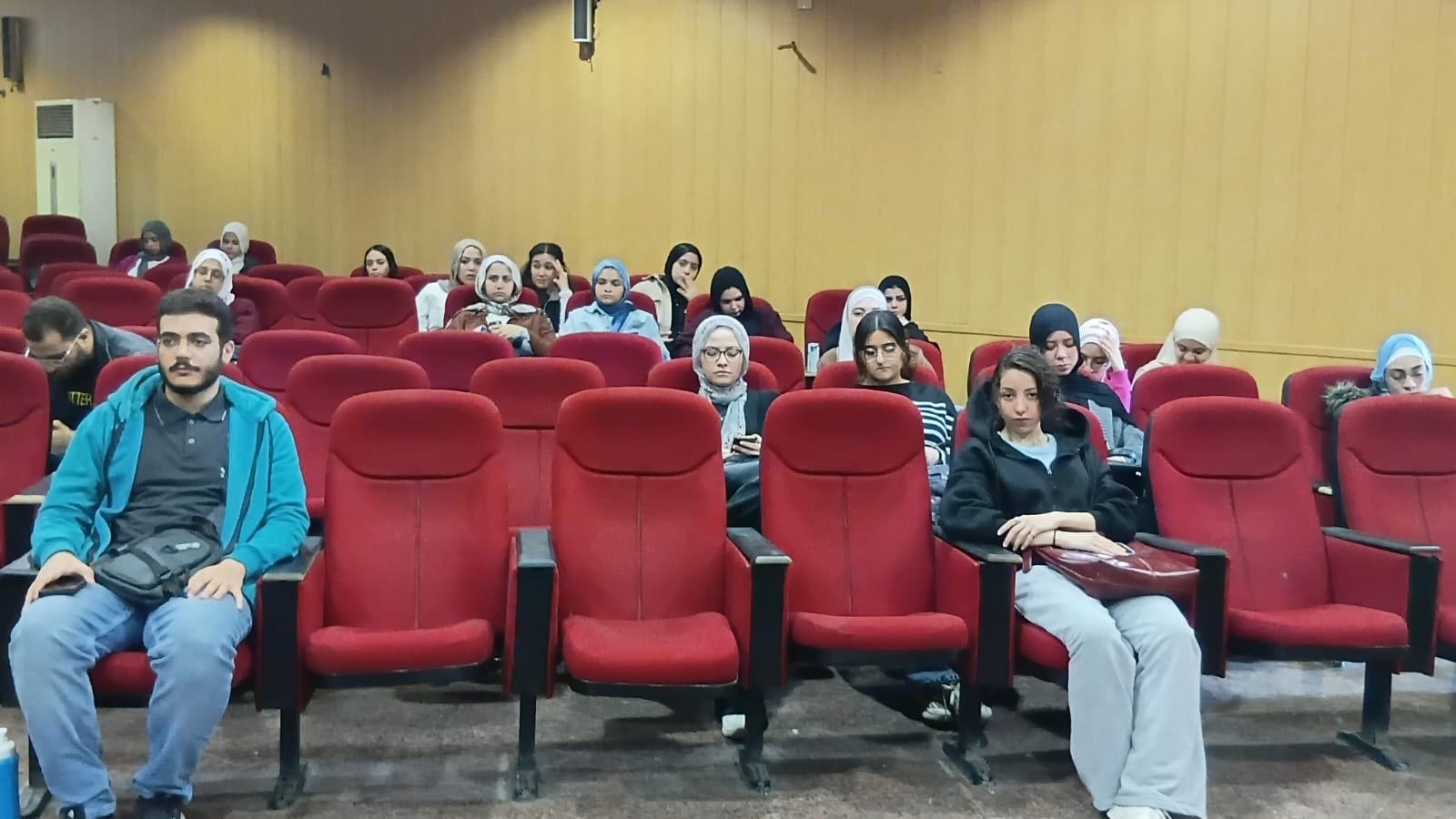
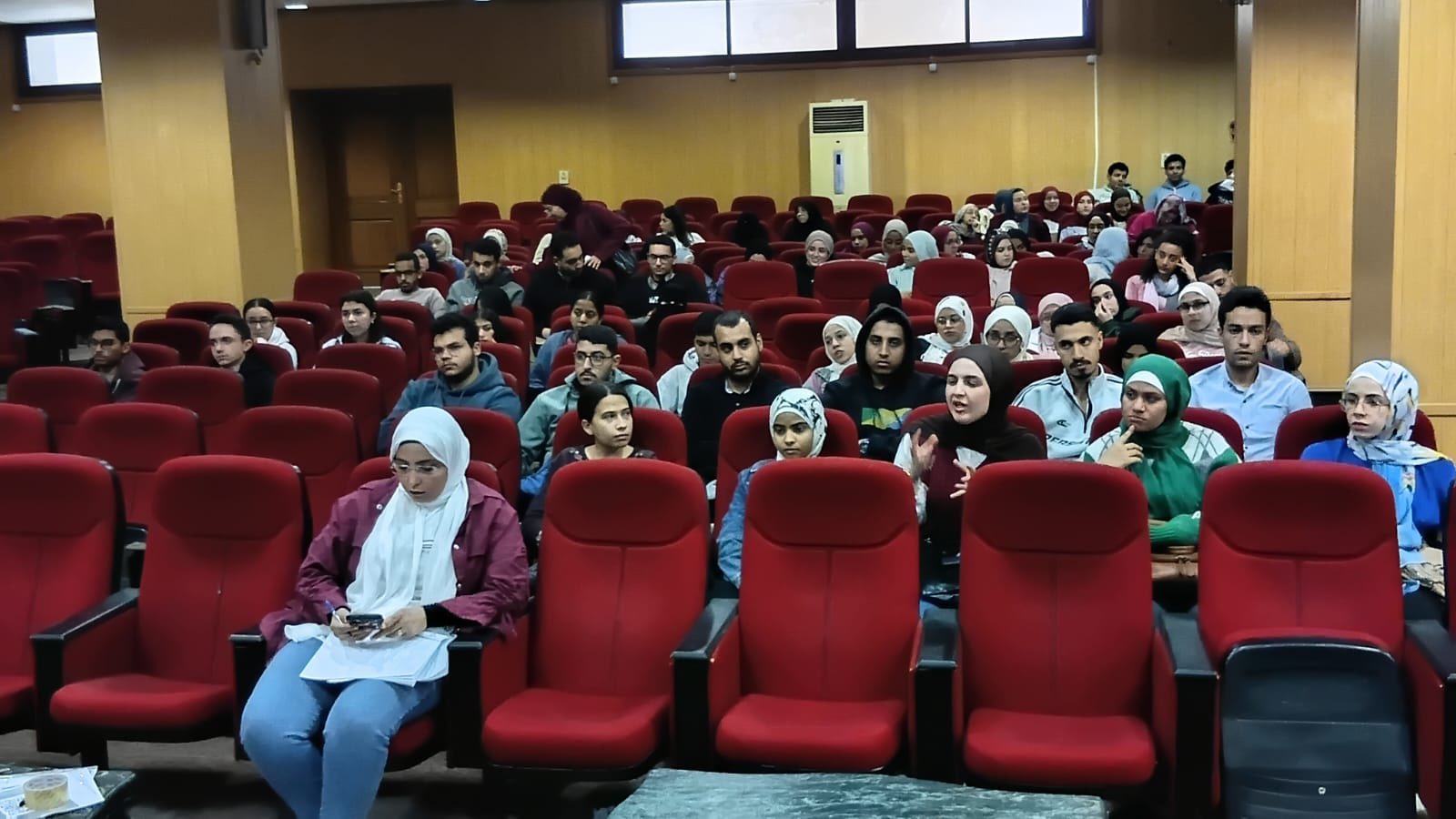
The workshop witnessed significant interaction from the attendees, providing an opportunity for discussion and the exchange of experiences in a productive academic atmosphere. This reflects a growing awareness of the importance of quality and supports the Faculty's efforts towards achieving sustainable institutional development.