
.svg)

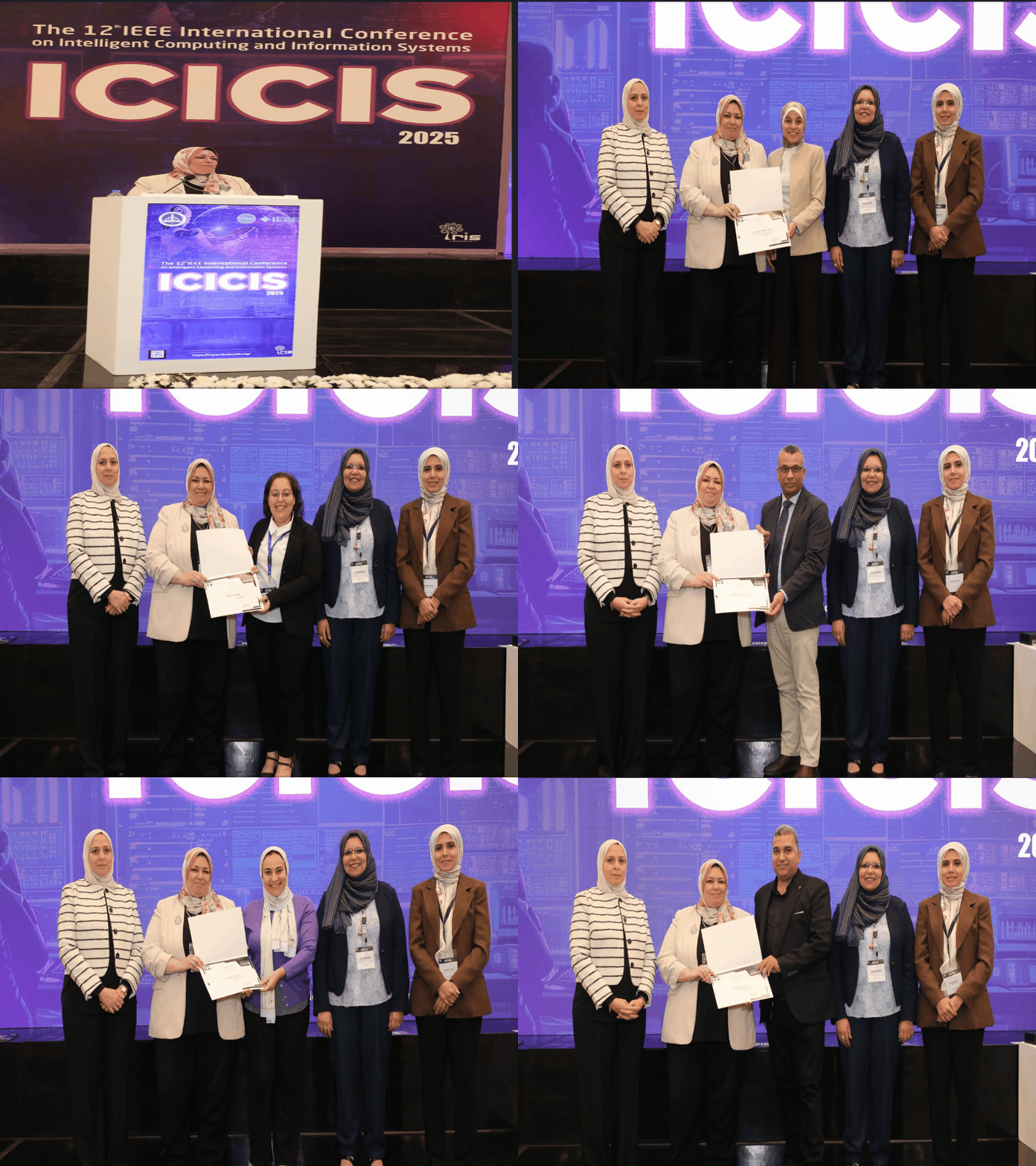
The closing of the 12th International Conference of the Faculty of Computer and Information Sciences on Intelligent Computing and Information Systems
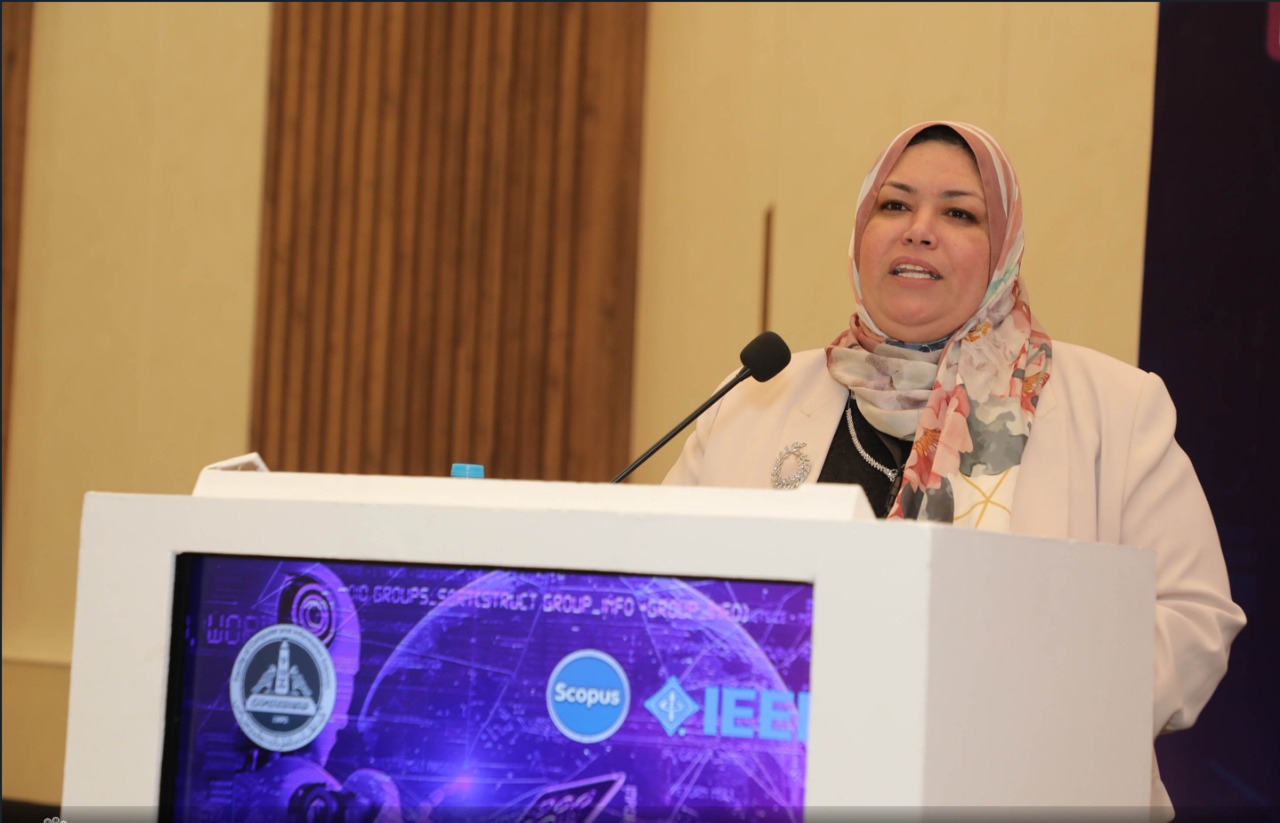
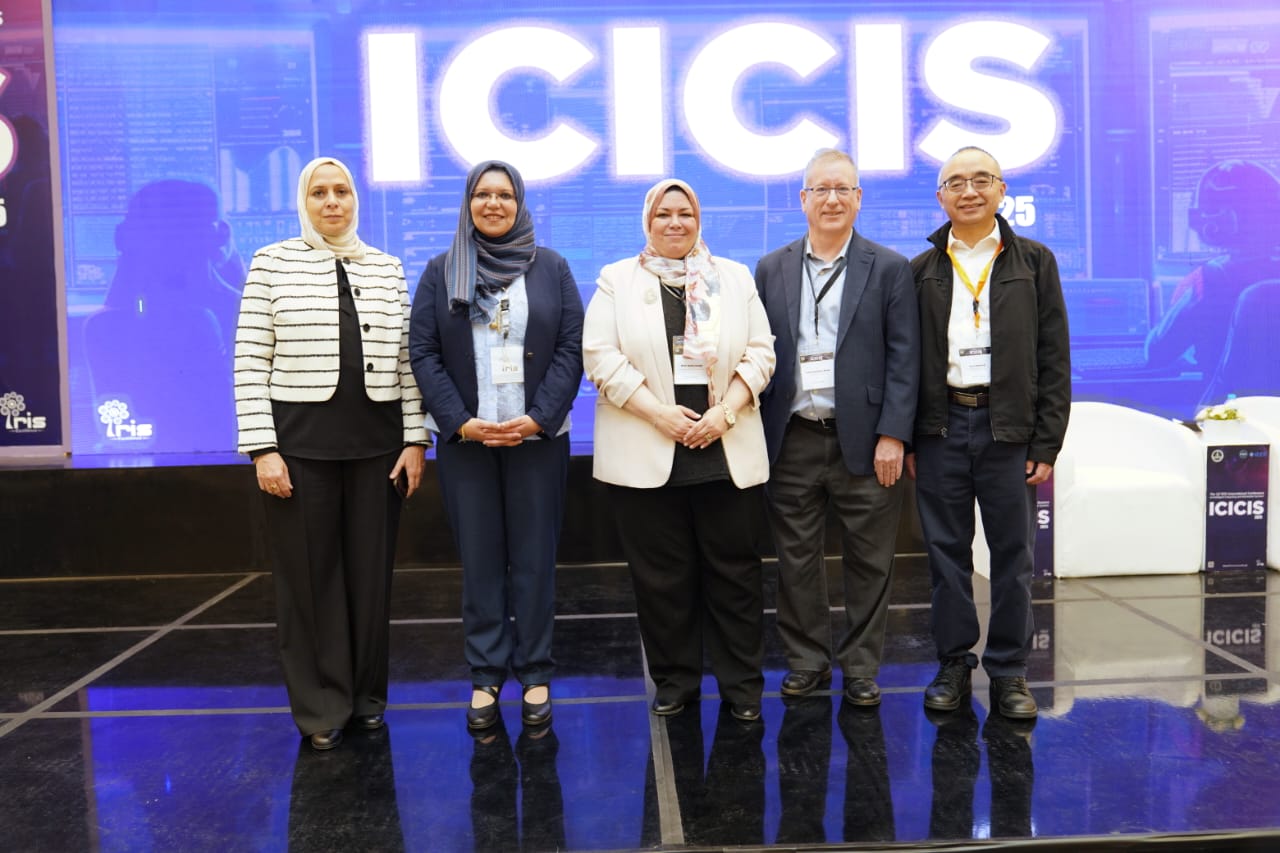
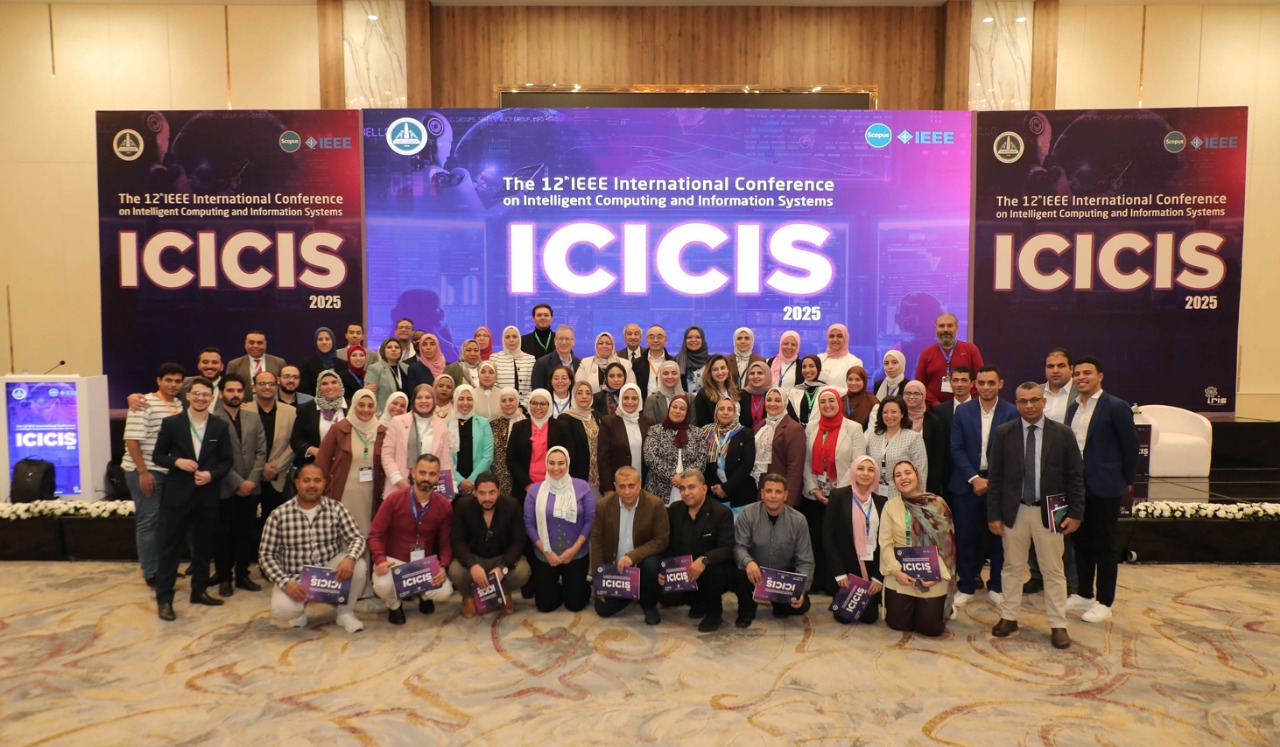
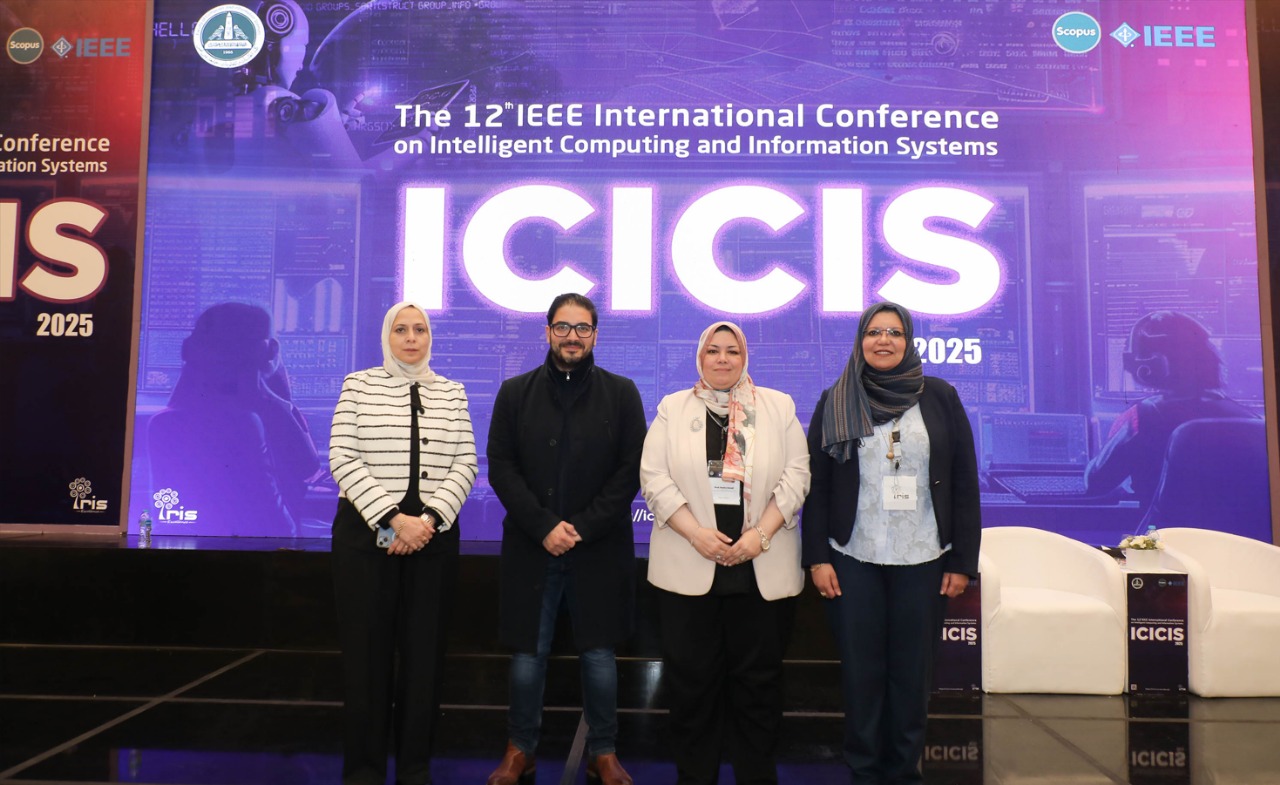
The International Conference of the Faculty of Computer and Information Sciences at Ain Shams University on Intelligent Computing and Information Systems (ICICIS 2025) concluded after two days of activities. The conference was held under the patronage of Prof. Ayman Ashour, Minister of Higher Education and Scientific Research, and Prof. Mohamed Diaa Zain El-Abedeen, President of Ain Shams University. The opening ceremony was attended by Prof. Amany Osama Kamel, Vice President for Graduate Studies and Research, and Prof. Ghada Farouk, Vice President for Community Service and Environmental Development, and the conference was officially inaugurated by Prof. Rasha Ismail, Dean of the Faculty of Computer and Information Sceinces and Conference Chair.
 |
 |
 |
||
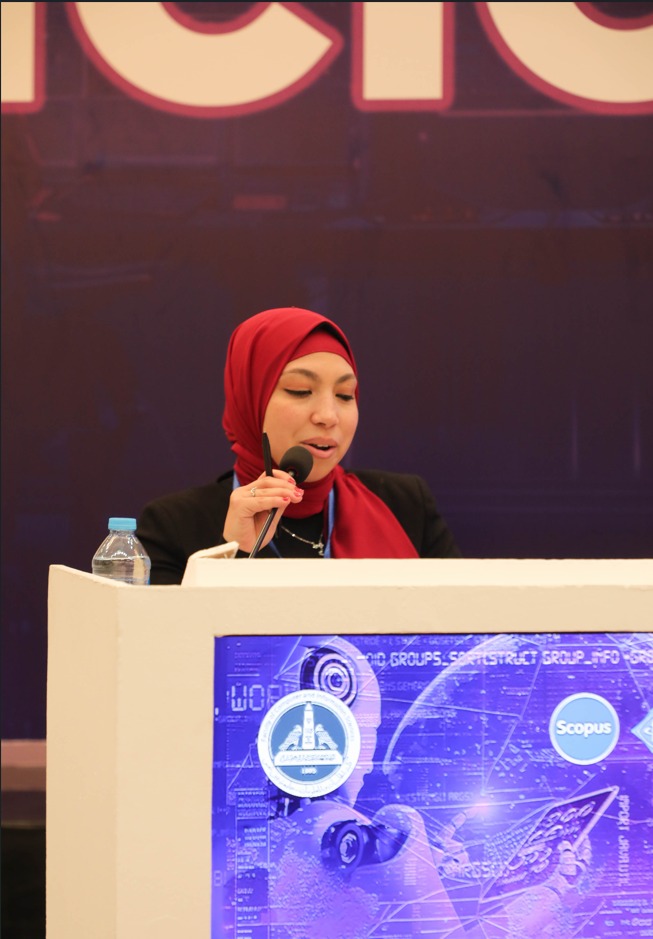
The conference hosted four international speakers from leading universities in the USA, the UK, and Germany, covering fields such as quantum computing, artificial intelligence, cybersecurity, and data science. Industry experts also participated to bridge the gap between research and practical applications.
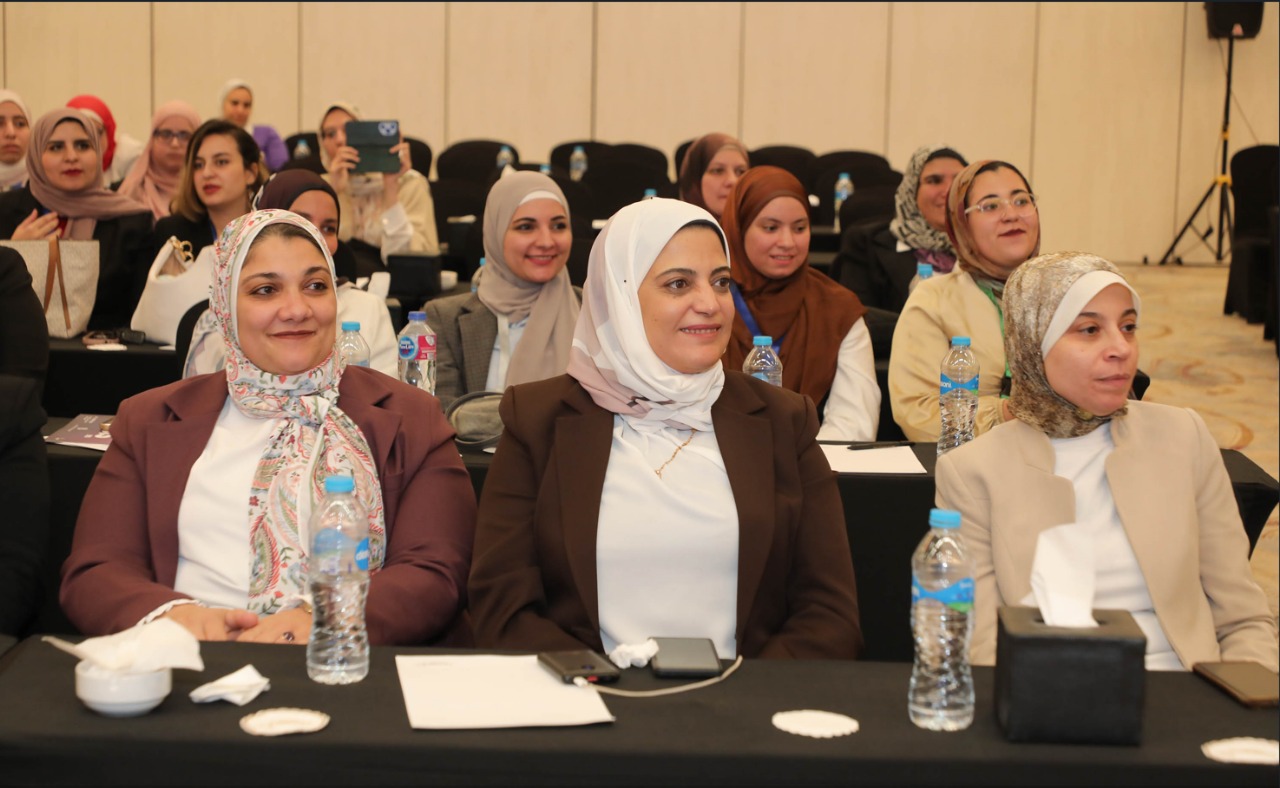
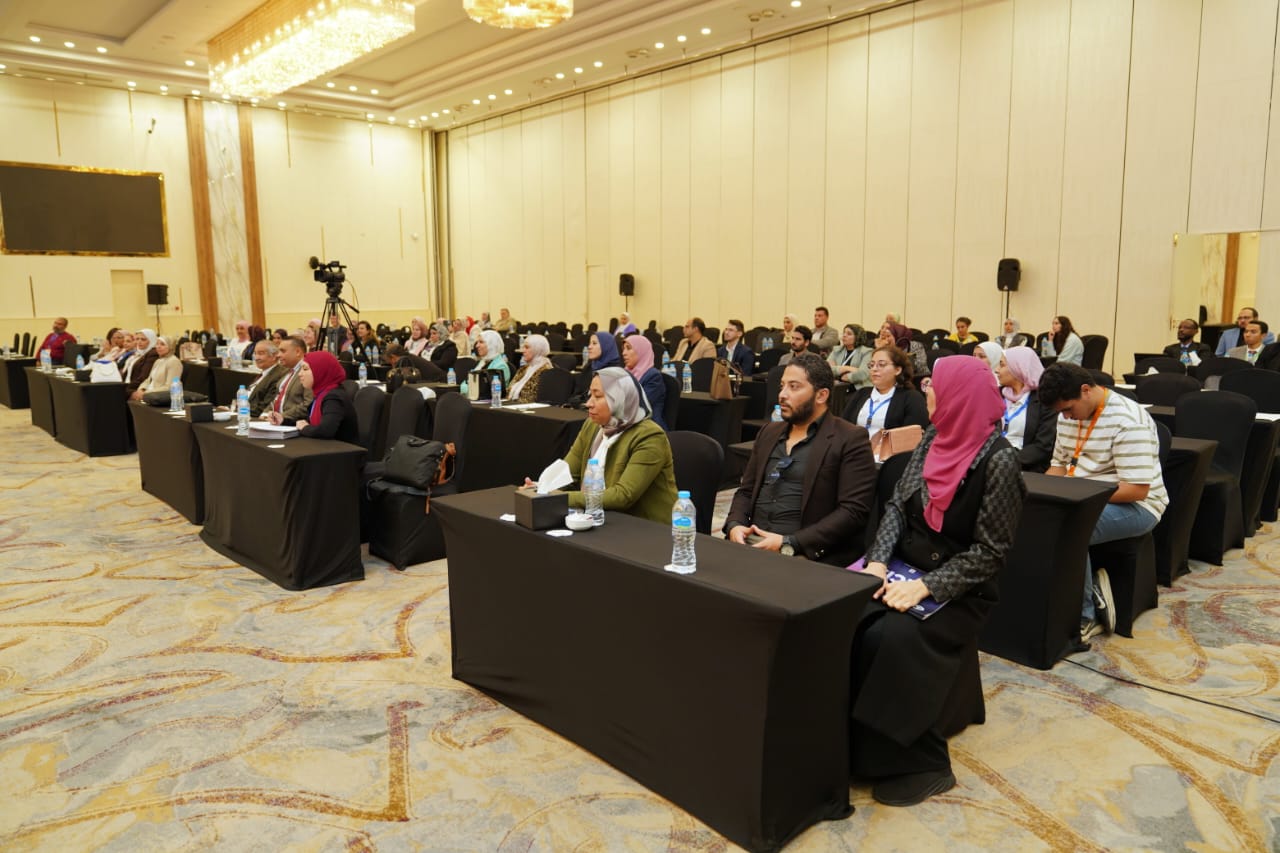
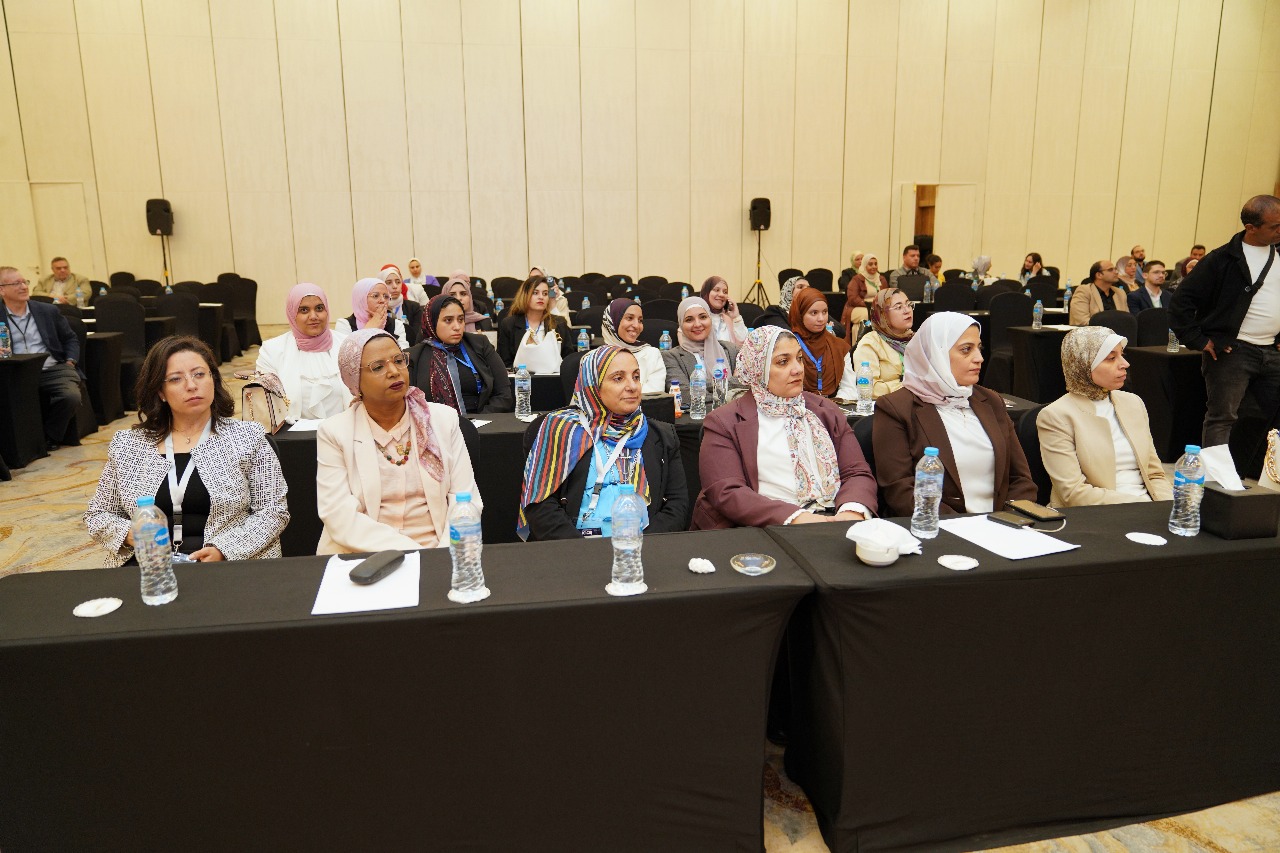
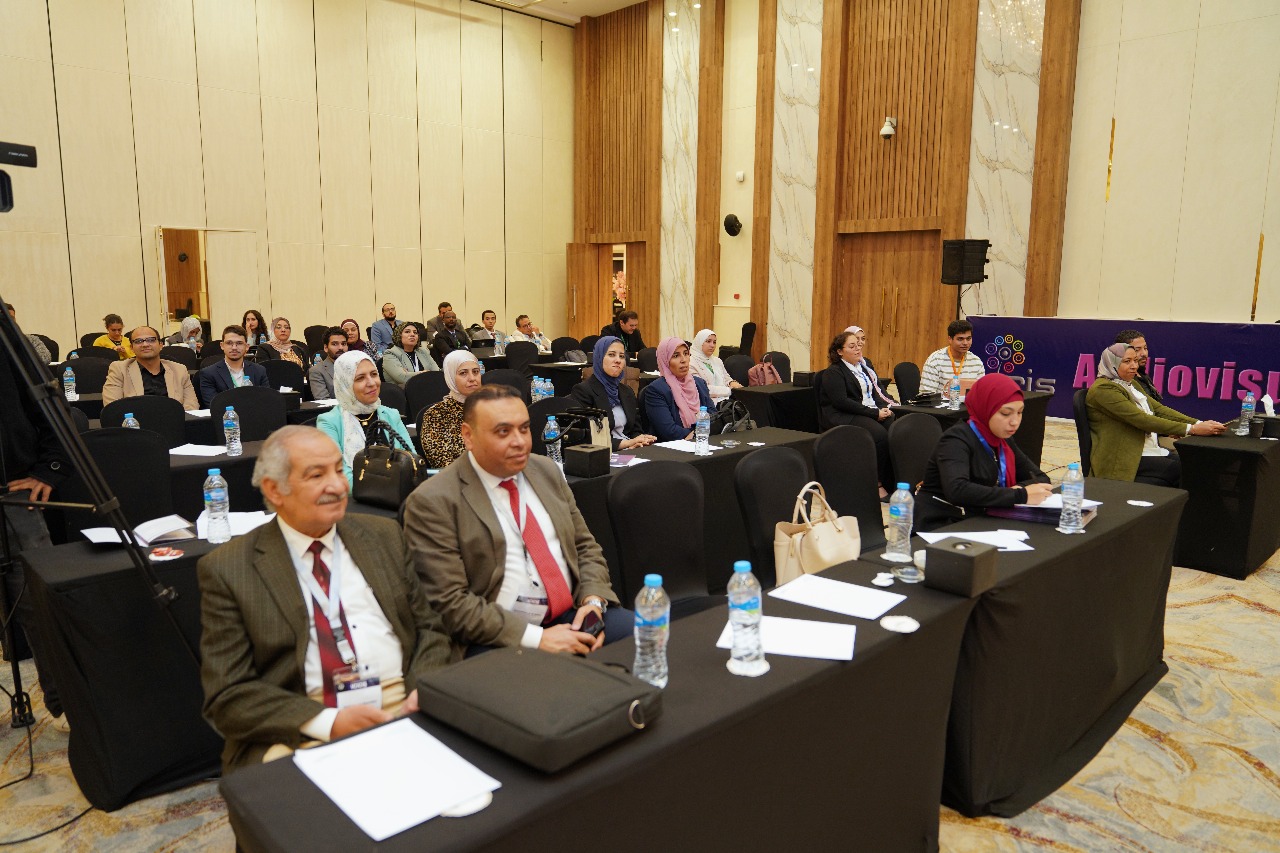
The program included 18 sessions over two days, along with four scientific keynote sessions from renowned international experts in areas such as quantum computing, cybersecurity, AI, and medical informatics, as well as three industry-led workshops from major companies. Over 100 research papers were presented by researchers from various countries, including the UK, France, the USA, Romania, India, Sri Lanka, Iraq, Algeria, Palestine, and Egypt. Nearly 450 professors, researchers, and students attended the sessions throughout the two days.
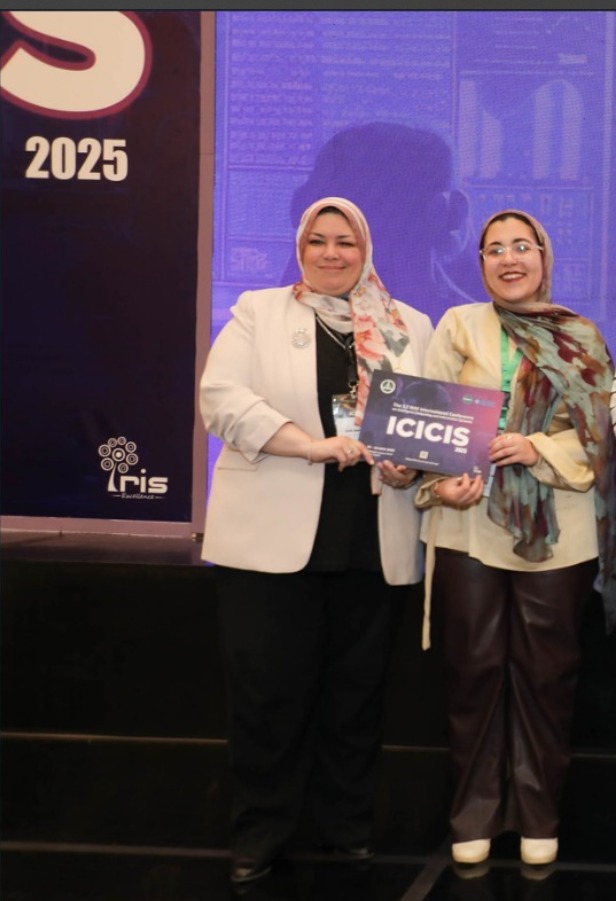
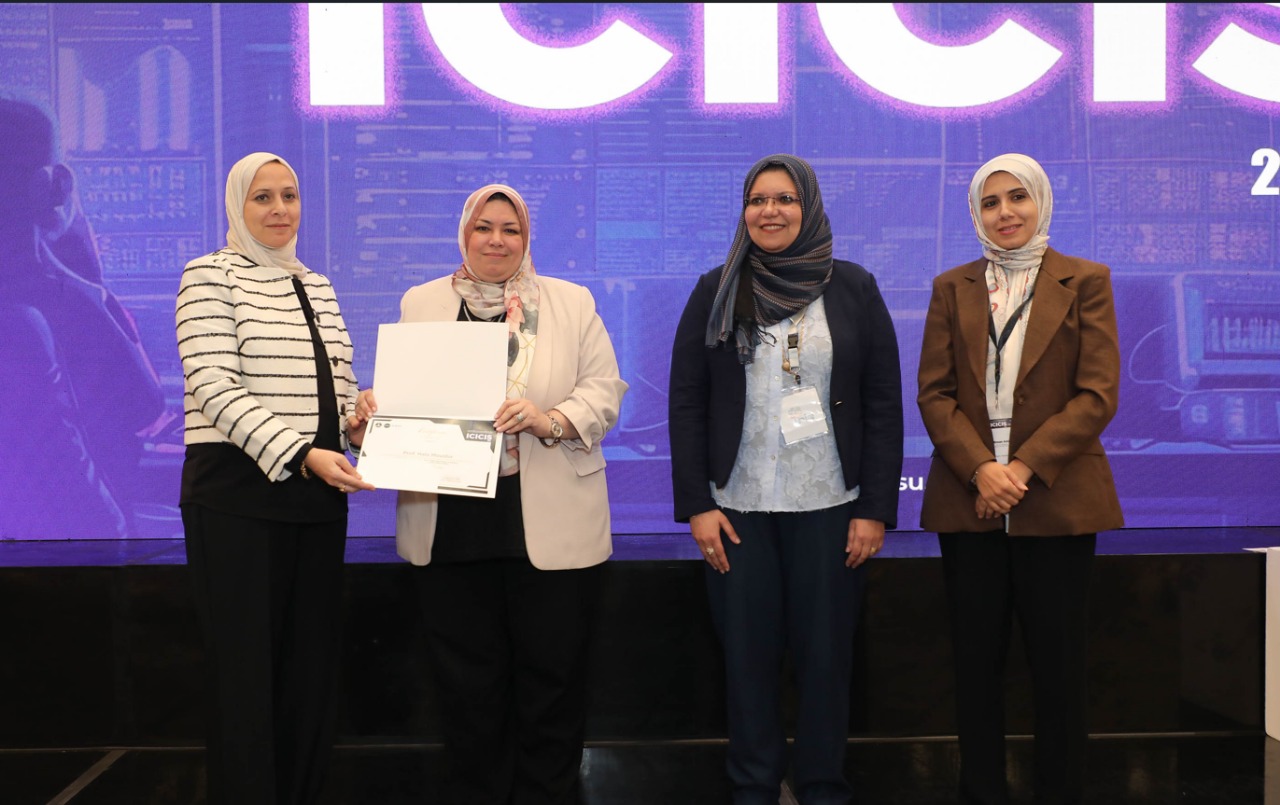
The paper "Ablation-Guided Litterfall Forecasting with Tree-Based Ensemble Models" by researcher Norhan Bahansi, supervised by Professor Dr. Walaa Khaled, Dr. Widad Hussein, and Dr. Fatma Nagib, was awarded Best Scientific Paper of the conference.
The conference issued the following recommendations:
- Enhance focus on Quantum Computing as part of the university’s strategic efforts to establish a new Center of Excellence in Quantum Technologies.
- Foster collaboration across diverse scientific and industrial domains to develop a robust and comprehensive data repository for advanced analytics, ensuring full compliance with privacy and security standards.
Promote cross-disciplinary research that integrates expertise from computing, engineering, medicine, business, and the social sciences to address complex societal challenges.
- Develop joint research programs with industry partners to drive innovation, accelerate technology transfer, and align research outcomes with real-world needs.
- Establish a national framework to regulate and guide the responsible use of Artificial Intelligence in both research and education, ensuring ethical practices, transparency, and accountability.
- Implement a strategic plan to support research at the intersection of cybersecurity, economics, and law, with a focus on developing cost-effective and sustainable cybersecurity solutions.
- Expand international partnerships to strengthen global research networks and increase opportunities for joint publications, exchanges, and co-supervised postgraduate studies.
- Invest in capacity building and training programs to equip researchers and students with advanced skills in AI, quantum computing, data science, and cybersecurity.
- Encourage innovation and entrepreneurship through incubation programs and support for start-ups derived from research outputs.
- Promote open science and data-sharing initiatives where appropriate, to accelerate discovery while maintaining strict ethical standards.
- Strengthen infrastructure for high-performance computing (HPC) and cloud-based research to support large-scale simulations, big data processing, and advanced modeling.
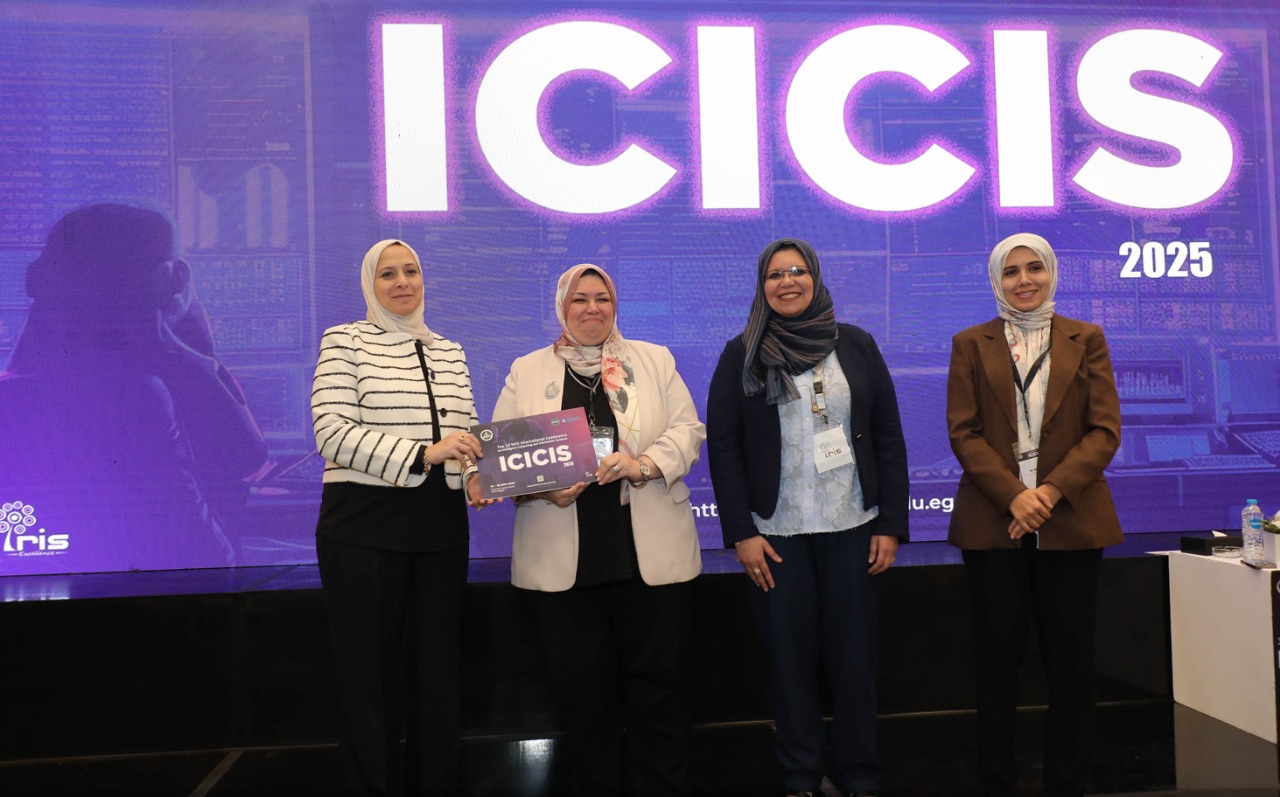
At the conclusion of the conference, the organizing committee was honored in recognition of their efforts in ensuring the success of the event.
 |
 |
 |
||
 |
 |
 |
||
 |
 |
 |
||