.svg)

Ministers of Higher Education, Education, and Social Solidarity, Alongside Japanese Ambassador, Witness Signing of New Egyptian Japanese Cooperation Agreements
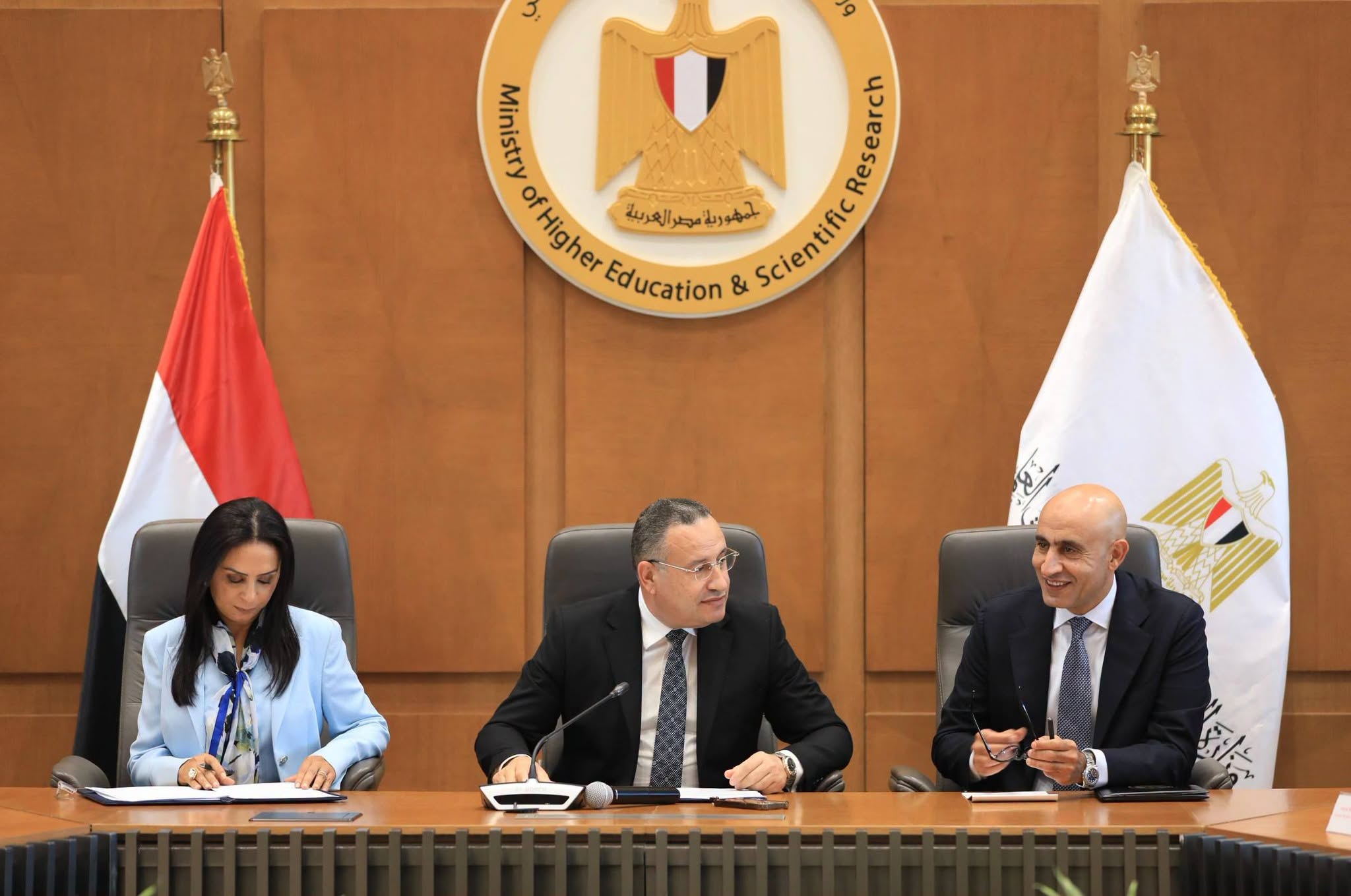
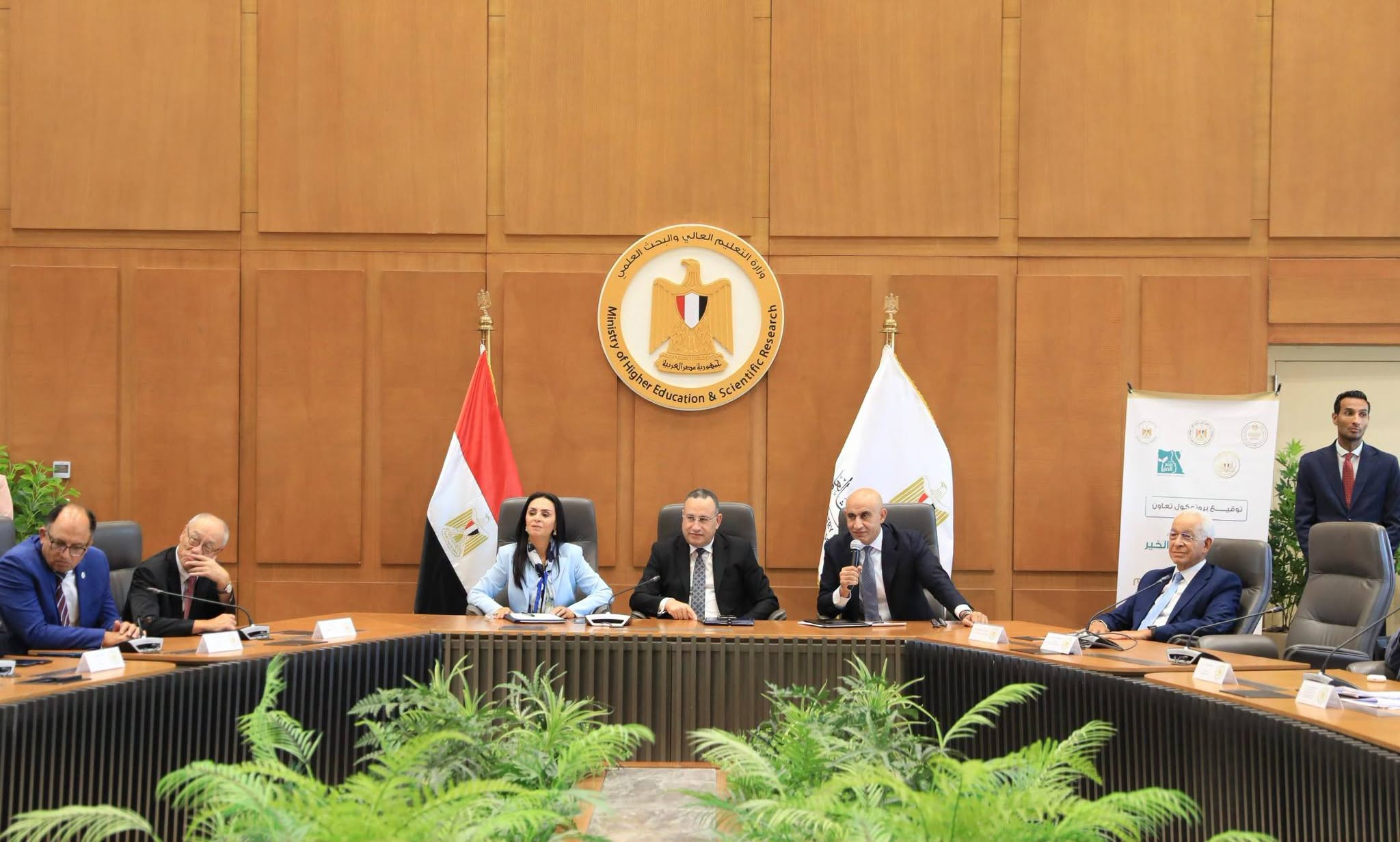
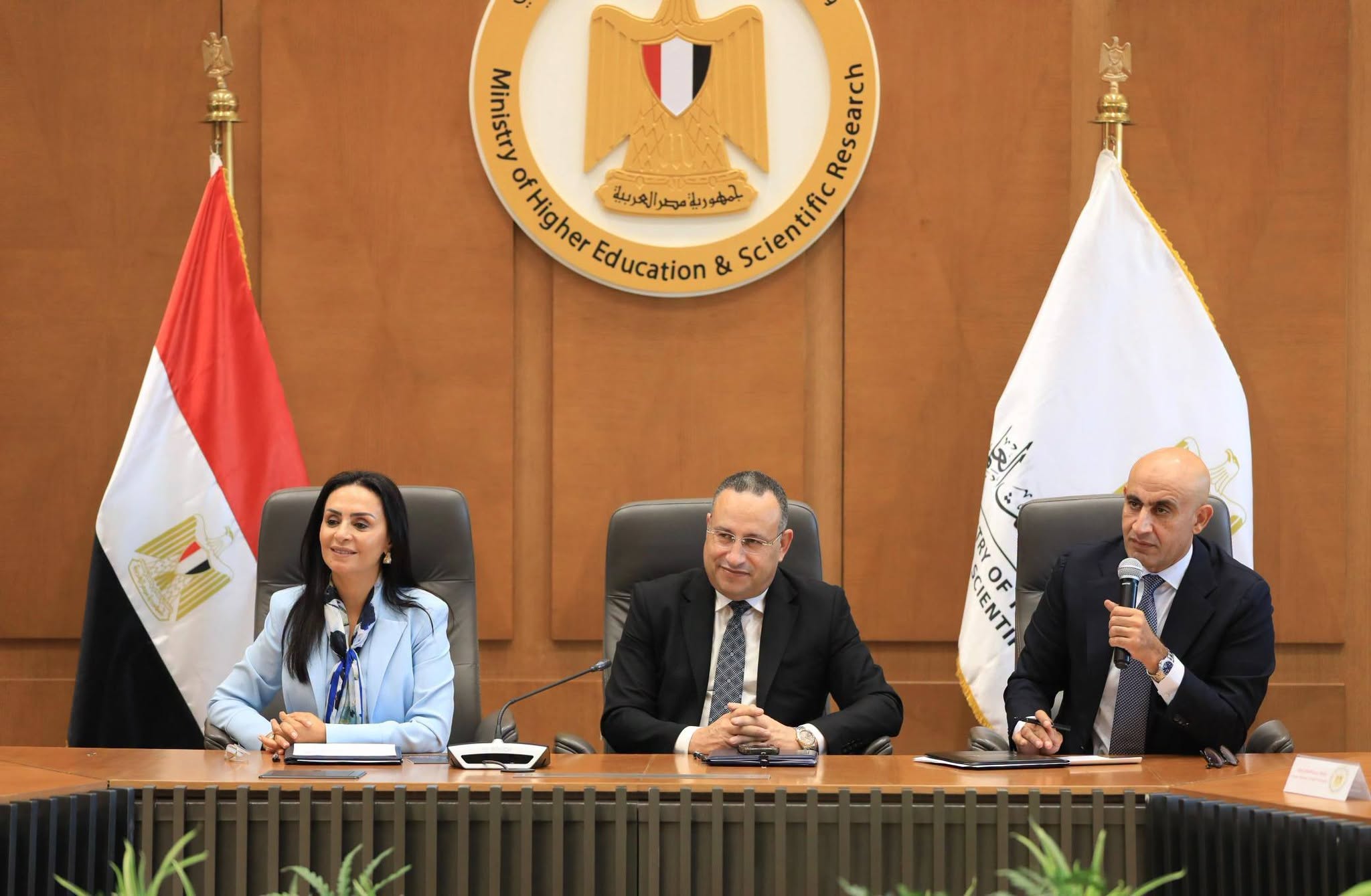
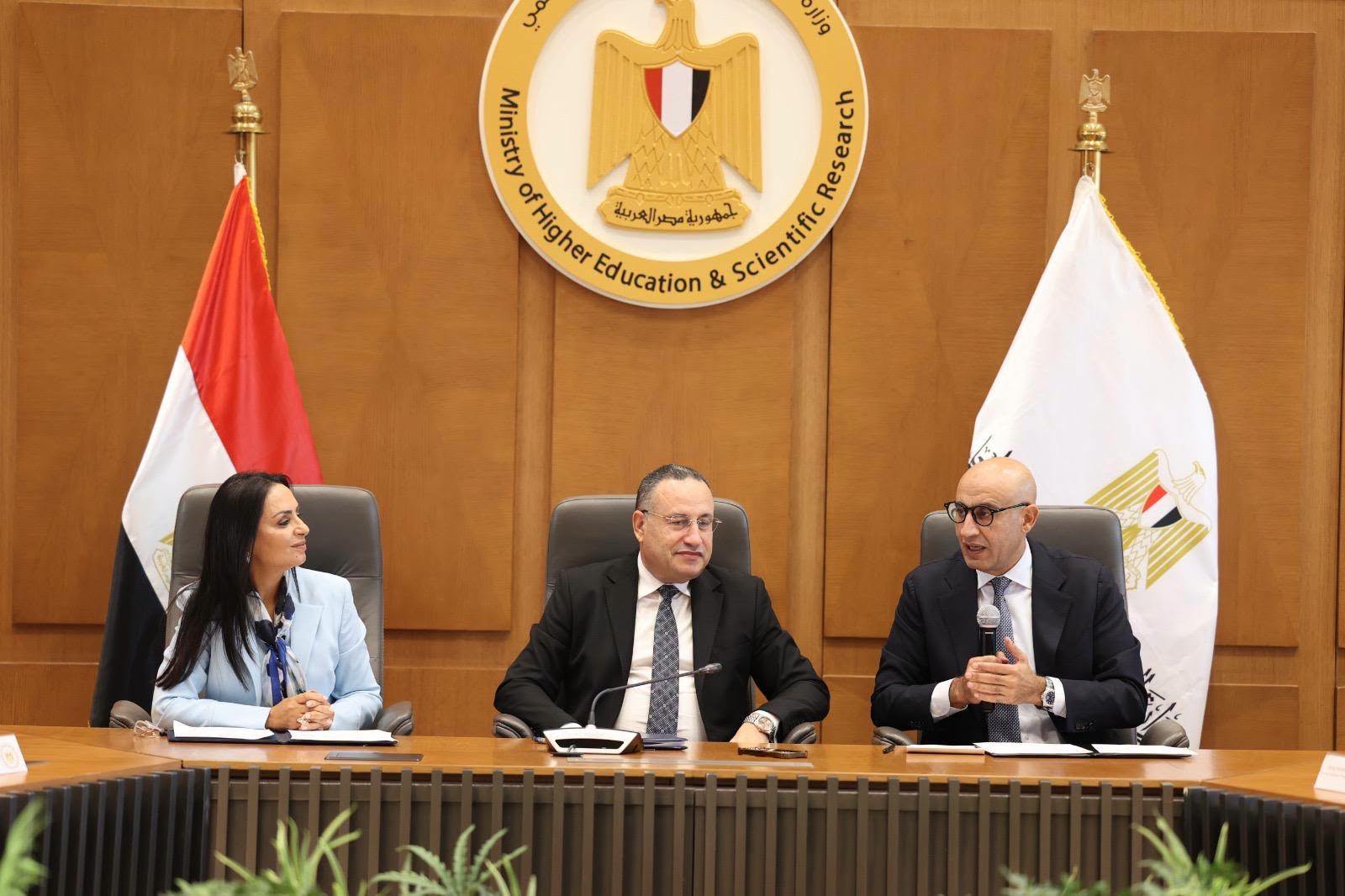
The Egyptian Japanese Education Partnership celebration witnessed the signing of several new agreements and the expansion of the “Tokkatsu” model across Egyptian universities, alongside the announcement of several initiatives aimed at supporting students, advancing technological education programs, and developing digital skills. The event was attended by Dr. Abdelaziz Konsowa, Minister of Higher Education and Scientific Research and Acting Minister of Culture; Mr. Mohamed Abdel Latif, Minister of Education and Technical Education; Dr. Maya Morsy, Minister of Social Solidarity; Dr. Hany Helal, former Minister of Higher Education and Scientific Research and Secretary-General of the Egypt-Japan Education Partnership; Ambassador Fumio Iwai, Ambassador of Japan to Egypt; Ms. Ebisu Yu, Chief Representative of the Japan International Cooperation Agency (JICA) Egypt Office; as well as a number of Egyptian university leaders and Egyptian and Japanese figures involved in educational cooperation.
The event was also attended by Dr. Mohamed Diaa Zain El-Abedeen, President of Ain Shams University; Dr. El-Sayed Kandil, President of Capital University; Dr. Sherif Saleh, President of Port Said University; Dr. Ahmed Mohamed Abdel Mawla, Acting President of Assiut University; Dr. Ahmed El-Sabbagh, President of the Egypt-Japan University of Science and Technology; Dr. Rasha Saad Sharaf, Secretary-General of the Education Development Fund; Dr. Ghada Abdelbary, Head of the Cultural Affairs and Missions Sector; and Dr. Adel Abdel Ghaffar, Media Advisor and Official Spokesperson for the Ministry of Higher Education and Scientific Research.
 |
 |
 |
||
Dr. Abdelaziz Konsowa, Minister of Higher Education and Scientific Research, affirmed that the Egyptian Japanese partnership in education is founded on a firm belief that investing in people, human capital, and infrastructure constitutes the true foundation for nations’ progress and future development. He noted that cooperation between Egypt and Japan spans decades and has produced numerous successful models, adding that the current phase seeks to advance this cooperation toward a broader and more integrated partnership that enhances the quality of education and strengthens the capabilities of students and graduates. He praised the graduation of the first cohort of 54 graduates from the “Tokkatsu” Diploma, describing it as a significant achievement that reflects the success of Egyptian Japanese cooperation in advancing the education system.
The Minister added that cooperation with Japanese universities represents a distinguished model that combines modern approaches with the benefits of Japanese values and traditions. He stressed the importance of expanding academic and research cooperation, particularly in postgraduate studies and innovation. He also referred to a cooperation agreement signed approximately five months ago, as well as preparations for a new agreement to establish a Center of Excellence in Civil Engineering. The initiative is expected to contribute to building scientific and research capacities, expanding partnerships between Egyptian and Japanese universities, and supporting innovation and scientific output, thereby strengthening Egypt’s position as a regional hub for education and scientific research.
In his remarks during the celebration, Mr. Mohamed Abdel Latif, Minister of Education and Technical Education, affirmed that the partnership between Egypt and Japan has become an important part of Egypt’s journey toward educational development. He noted that the “Tokkatsu” experience has helped foster the values of responsibility, cooperation, leadership, and community service, while reinforcing the concept of the school as an integrated environment where students learn how to live, work, participate, and succeed alongside others. He added that this approach aligns with Egypt’s educational reform agenda, which seeks to prepare young people who are capable of critical thinking, creativity, communication, collaboration, taking responsibility, and lifelong learning.
 |
 |
 |
||
Addressing the graduates of the “Tokkatsu” Diploma, the Minister emphasized that graduation marks the beginning of a new responsibility: transferring the knowledge and experience they have acquired to classrooms, schools, and educational institutions. He noted that the signing of the second phase of cooperation with the University of Fukui represents a transition from a phase of successful implementation to one of expansion, enabling the transfer of knowledge and expertise to additional Egyptian universities, the training and professional development of more educators, and the achievement of a broader nationwide impact.
Dr. Maya Morsy, Minister of Social Solidarity, praised Japan’s pioneering educational experience, which places particular emphasis on the behaviors and skills students acquire within the school environment. She affirmed the Ministry’s continued cooperation with the Japan International Cooperation Agency (JICA), describing it as a model of partnership that has evolved from exchanging expertise to developing effective operational systems. She also highlighted early childhood development as a long-term investment in human capital.
She emphasized that the Ministry adopts an approach that links social protection with equal opportunities, ensuring that economic circumstances do not prevent children from continuing their education. She explained that the “Takaful and Karama” program links part of its conditional cash assistance to the regular school attendance of children from beneficiary families, helping them remain within the education system, reducing dropout rates, and supporting families in meeting education-related costs. She added that, in coordination with the Ministry of Higher Education and Scientific Research and the Central Bank of Egypt, the “Future Scholars” Scholarship was launched for high-achieving secondary school graduates from families benefiting from “Takaful and Karama,” with the aim of investing in human capital, promoting social justice and equal opportunities, and developing highly qualified scientific talent.
Ambassador Fumio Iwai, Ambassador of Japan to Egypt, affirmed that Japan takes pride in its close cooperation with Egypt in the field of education. He noted that expanding the implementation of the Japanese educational model, with its emphasis on developing students’ independence, collaboration, and life skills, reflects the two countries’ shared commitment to human development and capacity building. He expressed his appreciation for the Egyptian government’s efforts, under the leadership of President Abdel Fattah El-Sisi, to expand Japanese-style education and advance teacher training programs. He added that studies and parent surveys have shown growing recognition of the positive impact of Japanese educational methods on children’s character development, independence, and ability to cooperate, encouraging further expansion of the model.
The Ambassador added that the “EJ-KOSEN” program continues to grow and develop, reflecting increasing interest in the initiative. He explained that the “KOSEN” system aims to develop highly skilled human resources capable of contributing to social and economic development and meeting the needs of Egyptian industry. He expressed his aspiration for continued close cooperation between Egypt and Japan in developing specialized talent. He also thanked the Ministries of Higher Education, Education, and Social Solidarity, Misr El Kheir Foundation, and all Egyptian partners involved in implementing the “EJ-KOSEN” and scholarship programs. He expressed hope that the agreement scheduled to be signed during the event would achieve further progress in the “KOSEN” and “EJ-KOSEN” programs and support human resource development efforts in Egypt.
The new expansion phase of the “Tokkatsu” Diploma for the 2026/2027 academic year will include four additional Egyptian universities: Cairo University, Alexandria University, Assiut University, and Port Said University. Participation will also continue through the Faculty of Women and the Faculty of Education at Ain Shams University, in addition to Capital University and the Egypt-Japan University of Science and Technology (E-JUST), bringing the total number of participating universities to seven, with a target of training and qualifying approximately 320 students.
 |
 |
 |
||
The first phase of the program included three universities: Capital University, the Faculty of Women at Ain Shams University, and the Egypt-Japan University of Science and Technology (E-JUST), with a total of 120 students. The program combines academic study with practical and field training, focusing on character development and strengthening life, communication, teamwork, critical thinking, responsibility, and citizenship skills. It also incorporates child-centered learning approaches, contributing to the preparation of graduates capable of meeting future demands.
The expansion of “Tokkatsu” across Egyptian universities comes within the framework of cooperation with Japan’s University of Fukui and aims to prepare teachers and researchers with the knowledge and skills required to implement the model while drawing on Japanese expertise to advance the educational process.
“Tokkatsu” refers to the Japanese model of special educational activities that focuses on the holistic development of students’ character by fostering communication, teamwork, discipline, independence, responsibility, and community service alongside academic achievement.
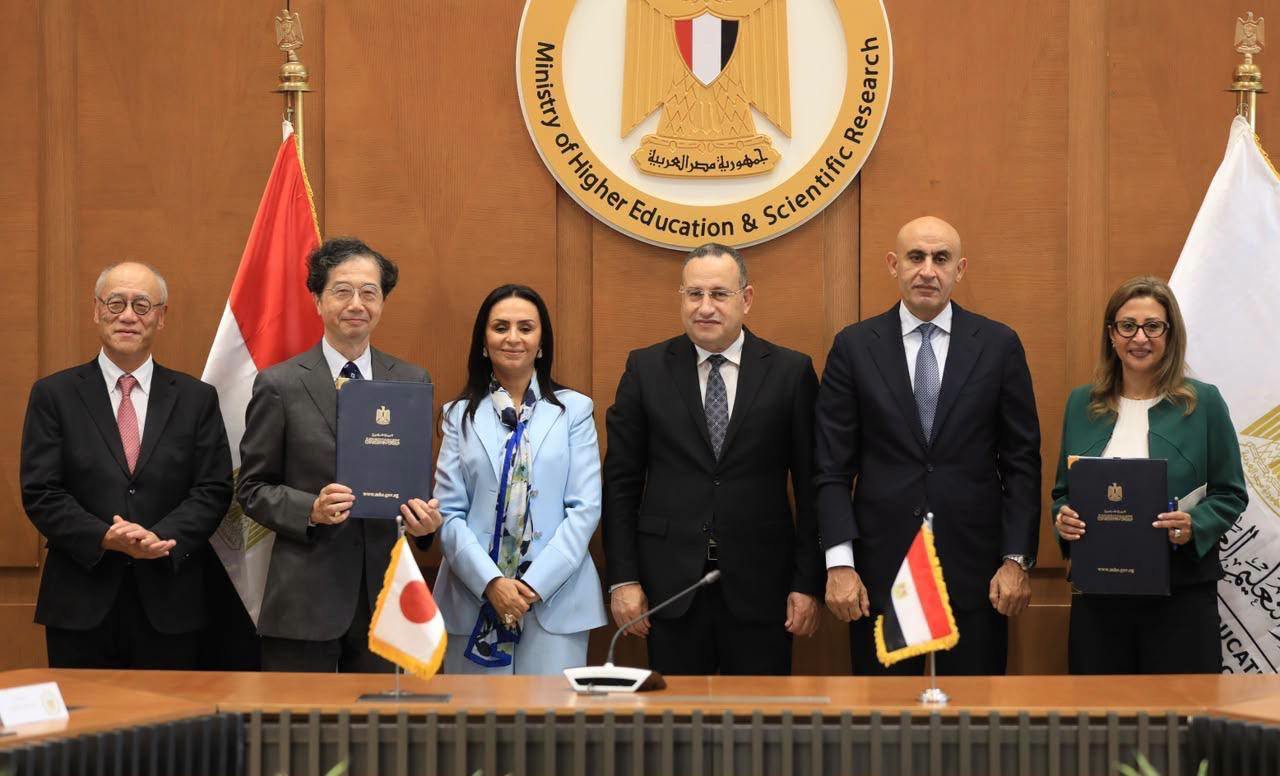
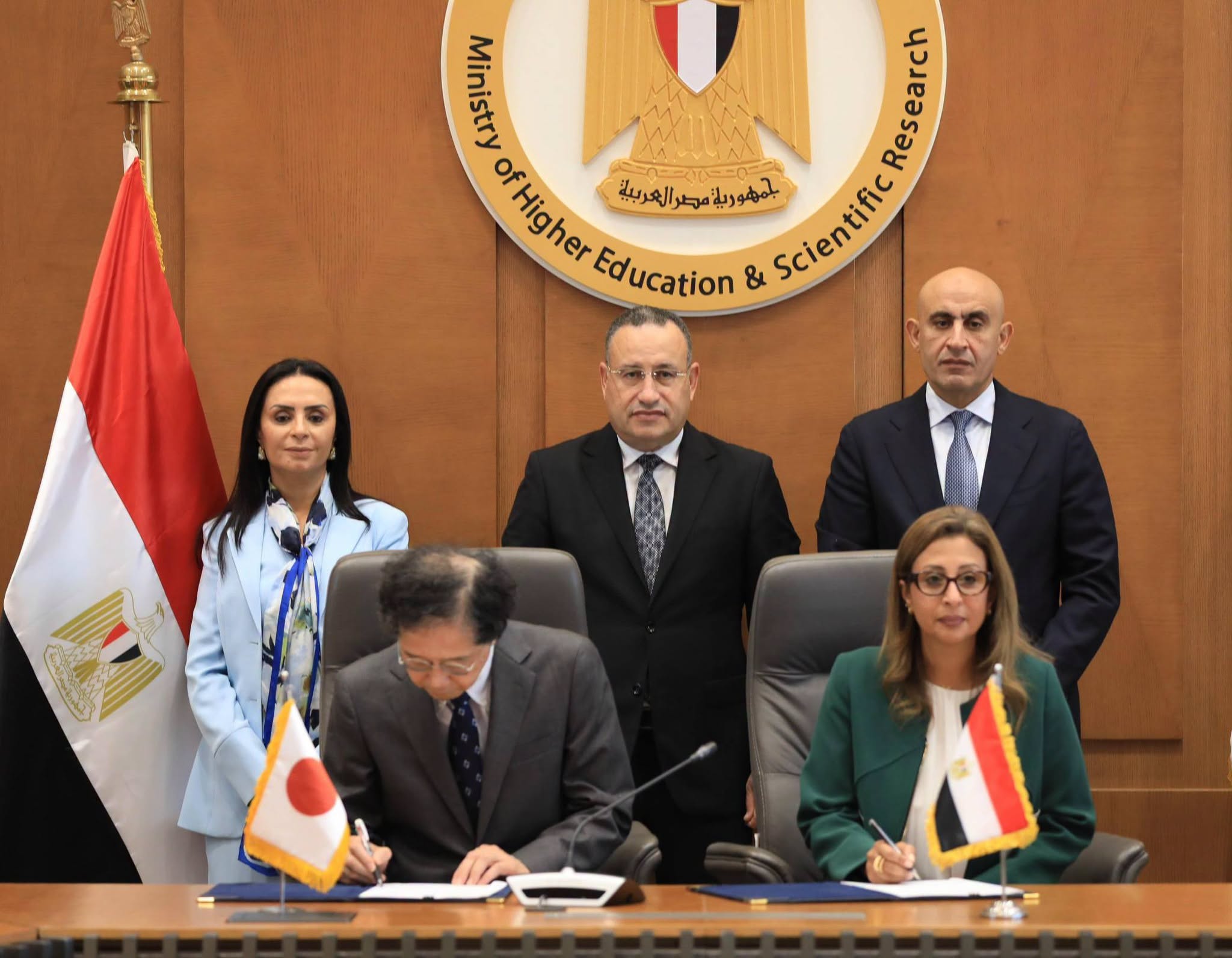
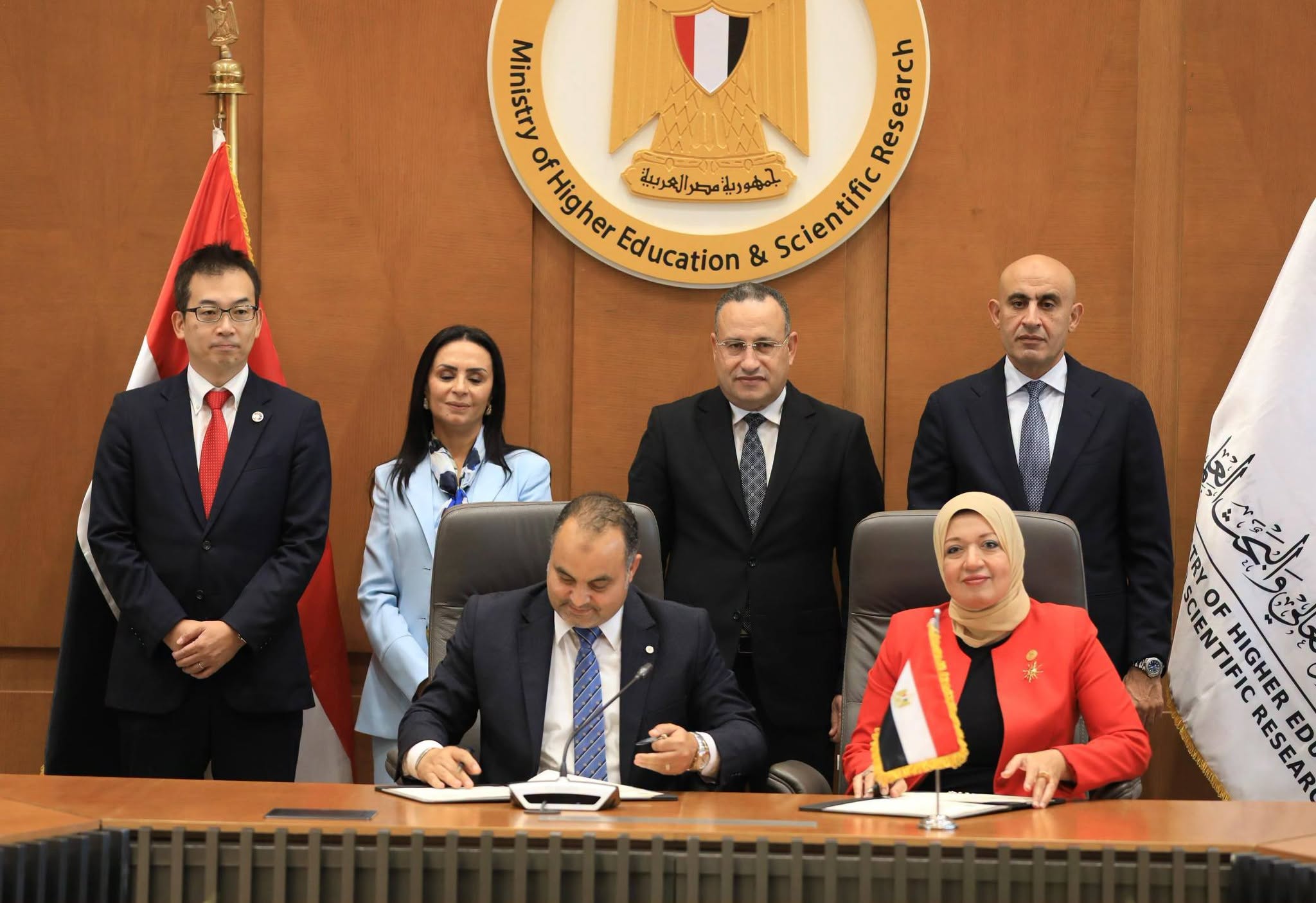
The event witnessed the signing of a new cooperation agreement between the Cultural Affairs and Missions Sector at the Ministry of Higher Education and Scientific Research and the University of Fukui in Japan. The agreement aims to support academic cooperation, training, and the exchange of expertise in “Tokkatsu,” thereby facilitating the program’s expansion across Egyptian universities.
A cooperation agreement was also signed between the Education Development Fund and Misr El Kheir Foundation to provide a number of full and partial scholarships for students enrolled in the integrated activities program known as “Tokkatsu,” as well as students at the Egyptian-Japanese KOSEN Institute in 10th of Ramadan City, supporting both high-achieving students and those facing financial challenges.
Dr. Rasha Saad Sharaf, Secretary-General of the Education Development Fund under the Egyptian Cabinet, affirmed that the cooperation protocol with Misr El Kheir Foundation provides a number of partial and full scholarships for students in the integrated activities program known as “Tokkatsu,” as well as students at the Egyptian Japanese KOSEN Institute in 10th of Ramadan City. She noted that the initiative supports high-achieving students and those in financial need, enabling them to continue their studies in these distinguished educational programs.
She explained that the scholarships cover the full duration of study, provided that students maintain a high level of academic performance for their scholarships to continue from one academic year to the next. She added that scholarships for the current year cover students enrolled in the Professional Diploma for Teacher Preparation at the seven universities participating in the program, as well as first- and second-year students at the Egyptian-Japanese KOSEN Institute. This expands access to high-quality education for eligible students and supports their academic progress.
Dr. Mohamed Refai, CEO of Misr El Kheir Foundation, stated that education is a cornerstone of building the New Republic, stressing that the partnership with the Education Development Fund seeks to invest in both students and teachers. He noted that the initiative supports 320 students in Egyptian-Japanese education programs and provides training for 200 teachers through the “Tokkatsu” program, contributing to equal educational opportunities for students and preparing teachers capable of instilling values and life skills in their students.
He emphasized that the partnership reflects a firm belief that education is the true engine of development and that supporting both students and teachers is essential to building a generation capable of leading Egypt’s future. He added that the initiative also helps ease the financial burden on the most vulnerable families, while demonstrating an effective model of integration between state institutions and civil society in achieving the Sustainable Development Goals and providing high-quality education aligned with future needs.
The event also witnessed the announcement of a partnership with Cisco to support the Education Development Fund in technological education and digital skills development, helping students and young people acquire skills required by the labor market and enhancing their readiness to keep pace with rapid developments in technology and digital transformation.
The importance of teacher preparation was also highlighted through educating and qualifying students at faculties of education for careers in teaching, thereby contributing to the development of a new generation of teachers capable of advancing the educational process and benefiting from the Japanese experience.
The “EJ-KOSEN” program is a model of technological education based on Japan’s “KOSEN” system, combining academic study with practical and technological training and focusing on science, engineering, technology, and applied skills to meet the needs of the labor market and industry.
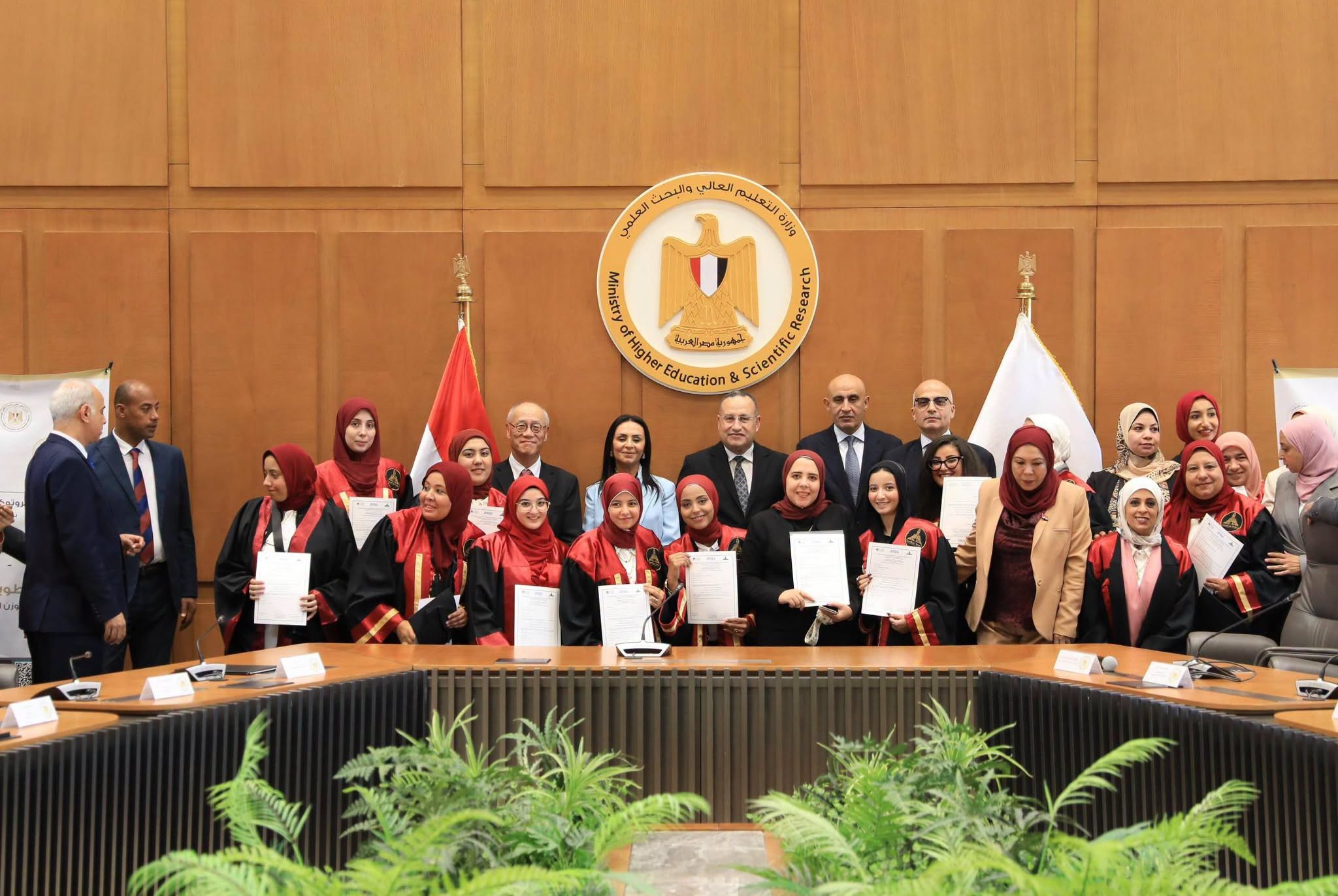
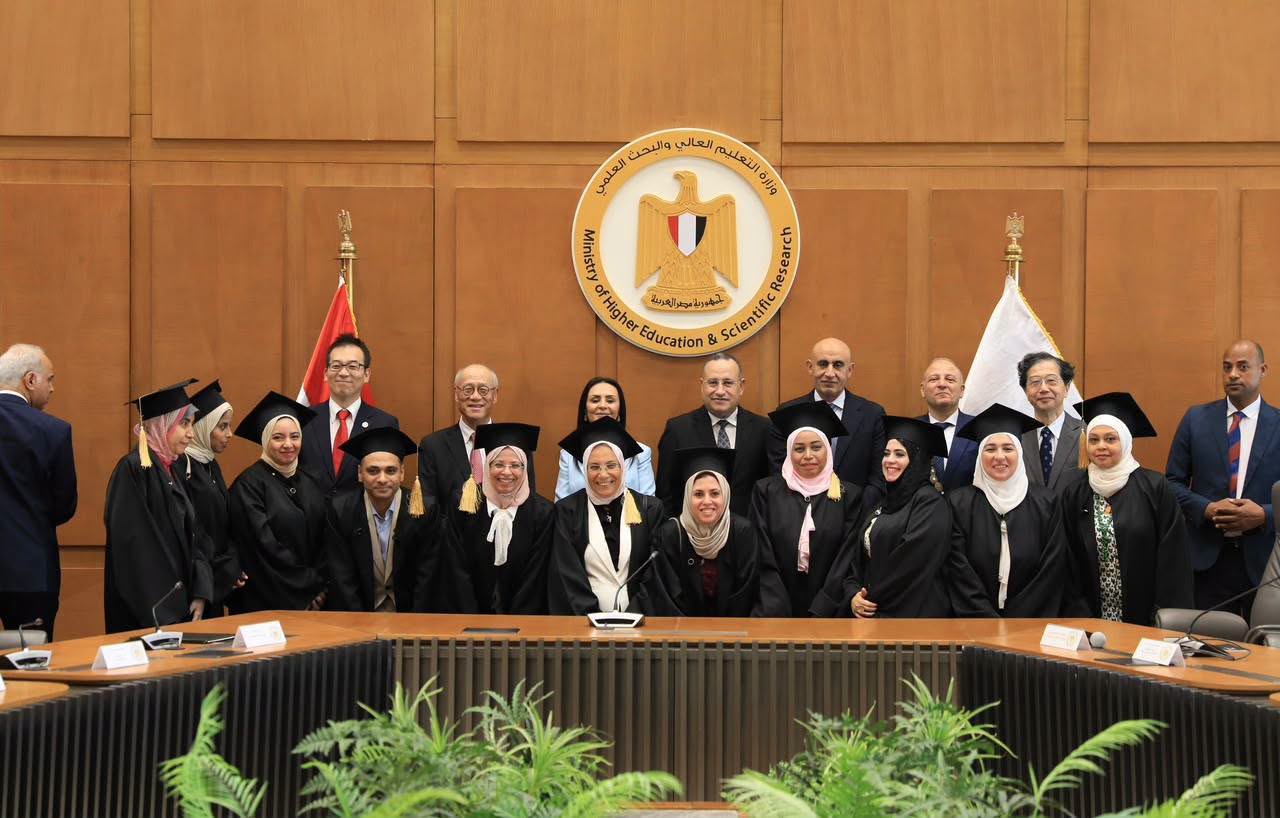
At the conclusion of the event, 54 graduates from the first cohort of the “Tokkatsu” Diploma at Capital University, Ain Shams University, and the Egypt-Japan University of Science and Technology (E-JUST) were honored and presented with their joint academic degree certificates. The ceremony, held within the framework of Egyptian Japanese academic cooperation, recognized their academic achievements and the educational and life skills they acquired throughout their studies and training.
The event was attended by a number of Japanese and Egyptian experts and academics, including Professor Shuichi Yanagisawa, Professor Emeritus at the University of Fukui and General Coordinator of the unit responsible for contributing to the development of the Egyptian-Japanese “Tokkatsu” Diploma; Dr. Yasmine Mostafa, Assistant Professor at the University of Fukui and Co-Coordinator of the unit; and Professor Akira Mitamura, Professor Emeritus at the University of Fukui, along with representatives of a number of Egyptian and Japanese institutions and universities.