
.svg)

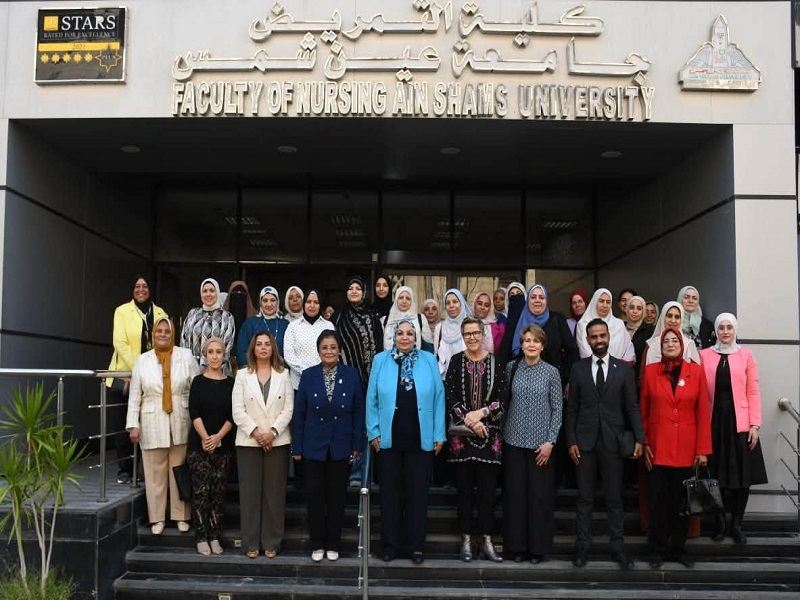
The Faculty of Nursing launches a training program to develop teaching skills in midwifery in cooperation with the Ministry of Health and Population and the United Nations Population Fund (UNFPA)
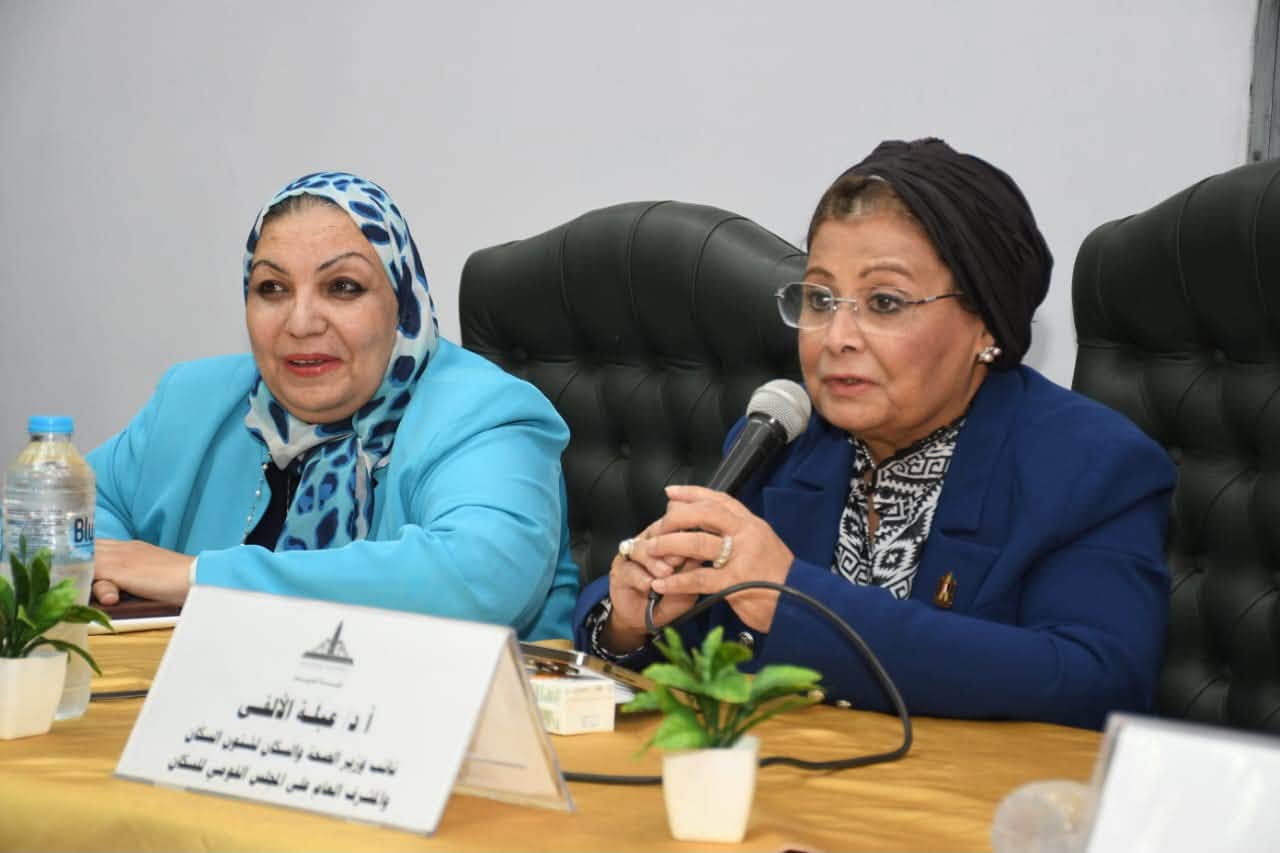
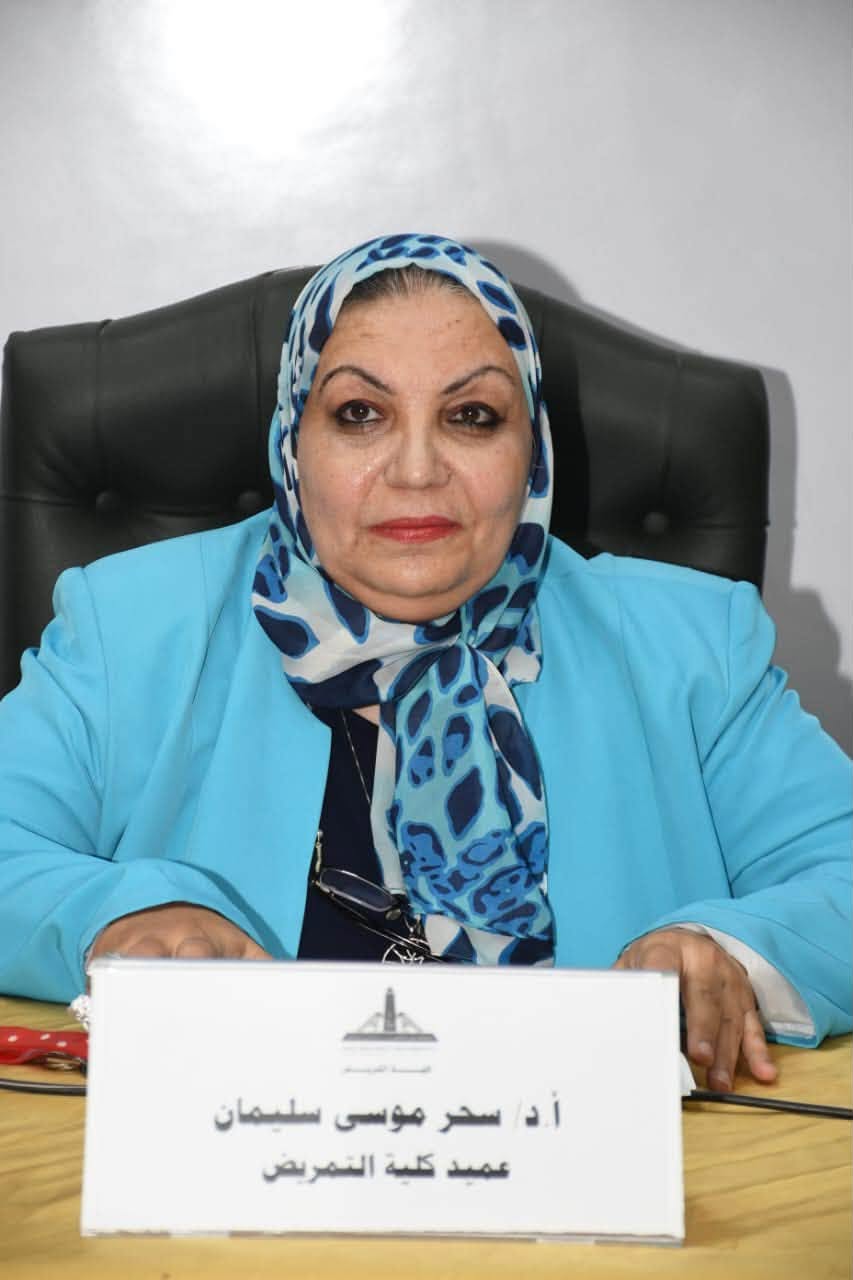
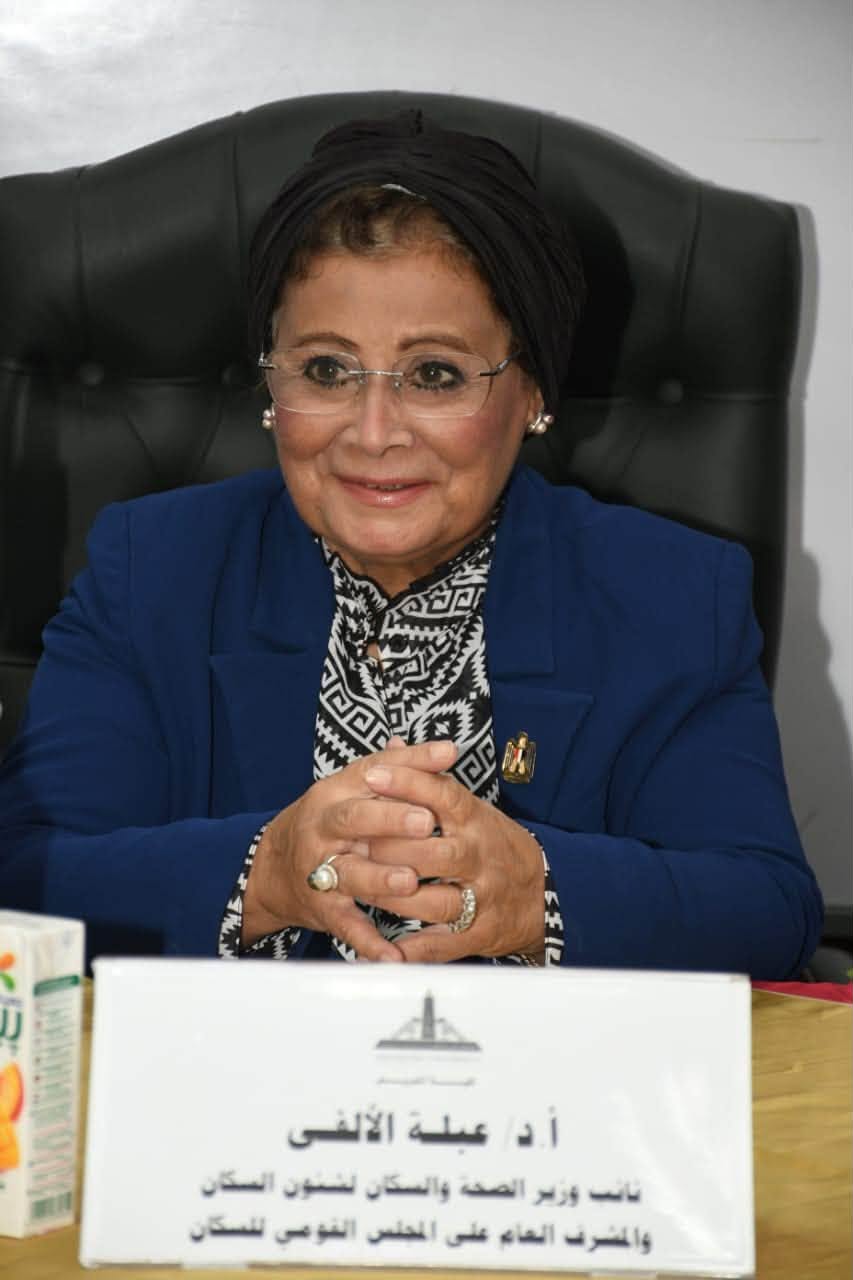
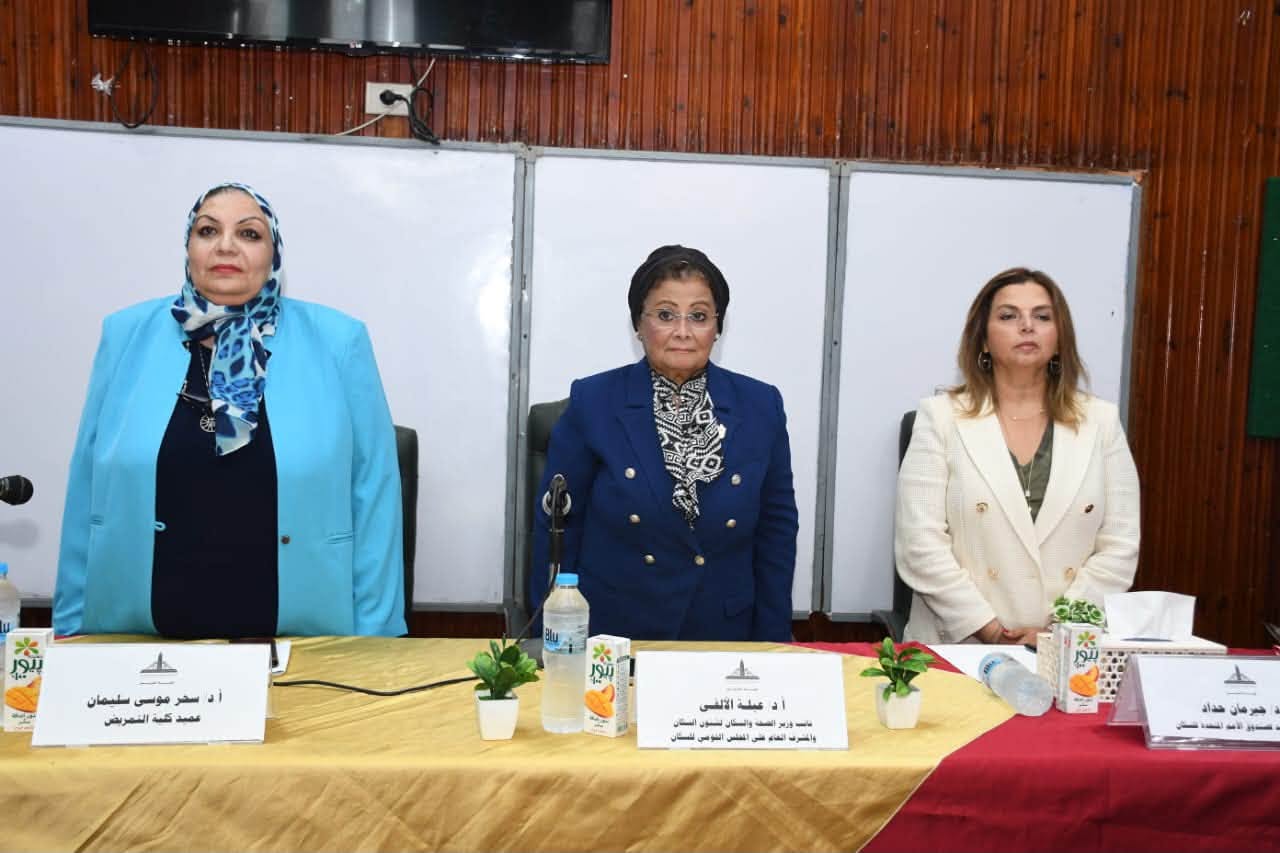
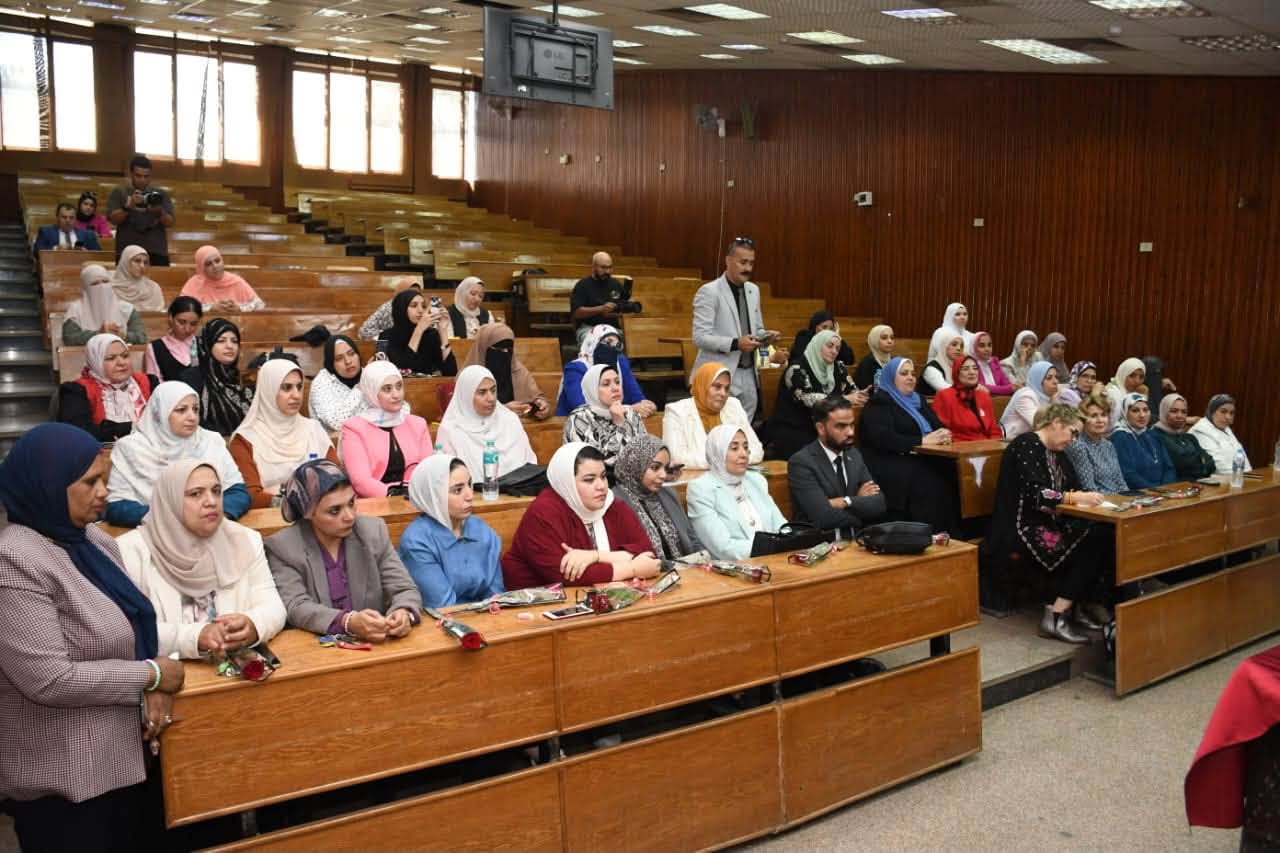
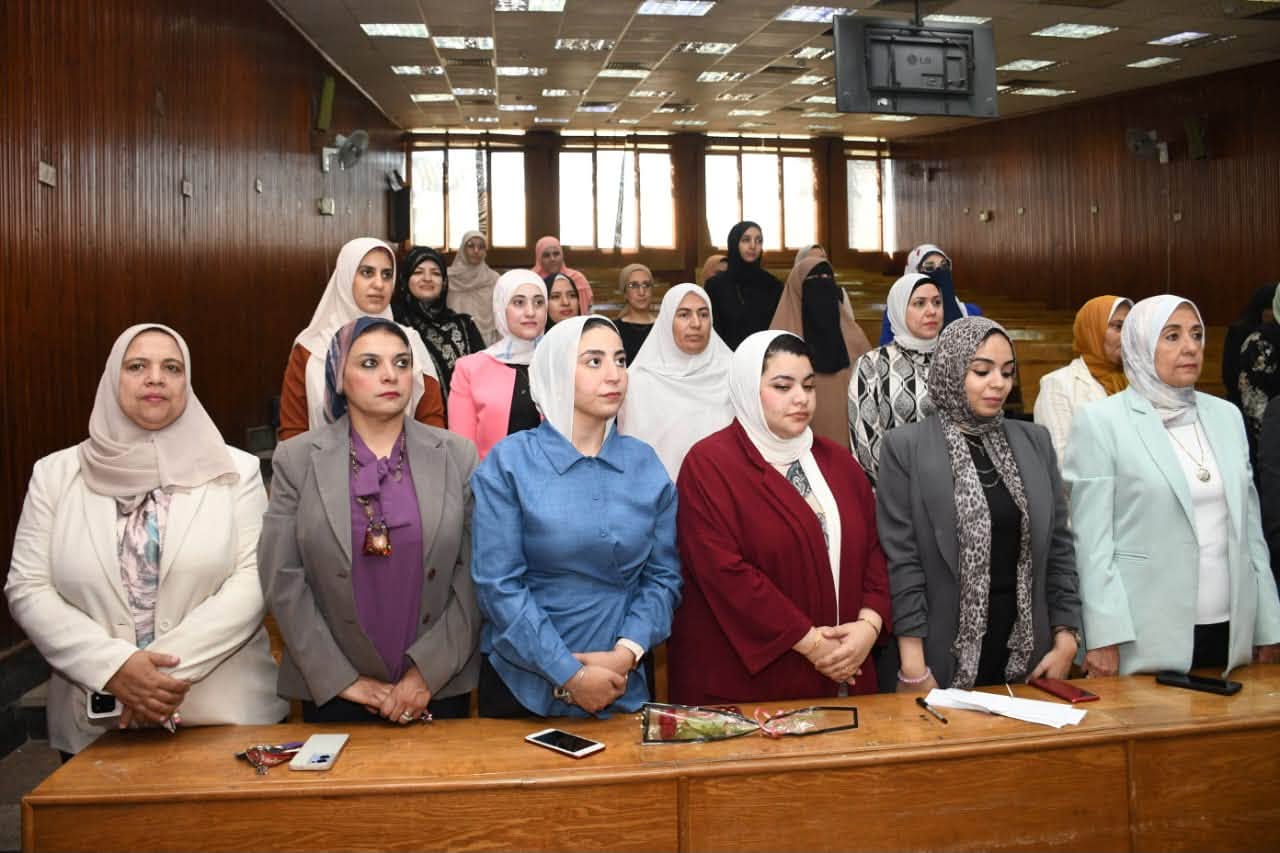
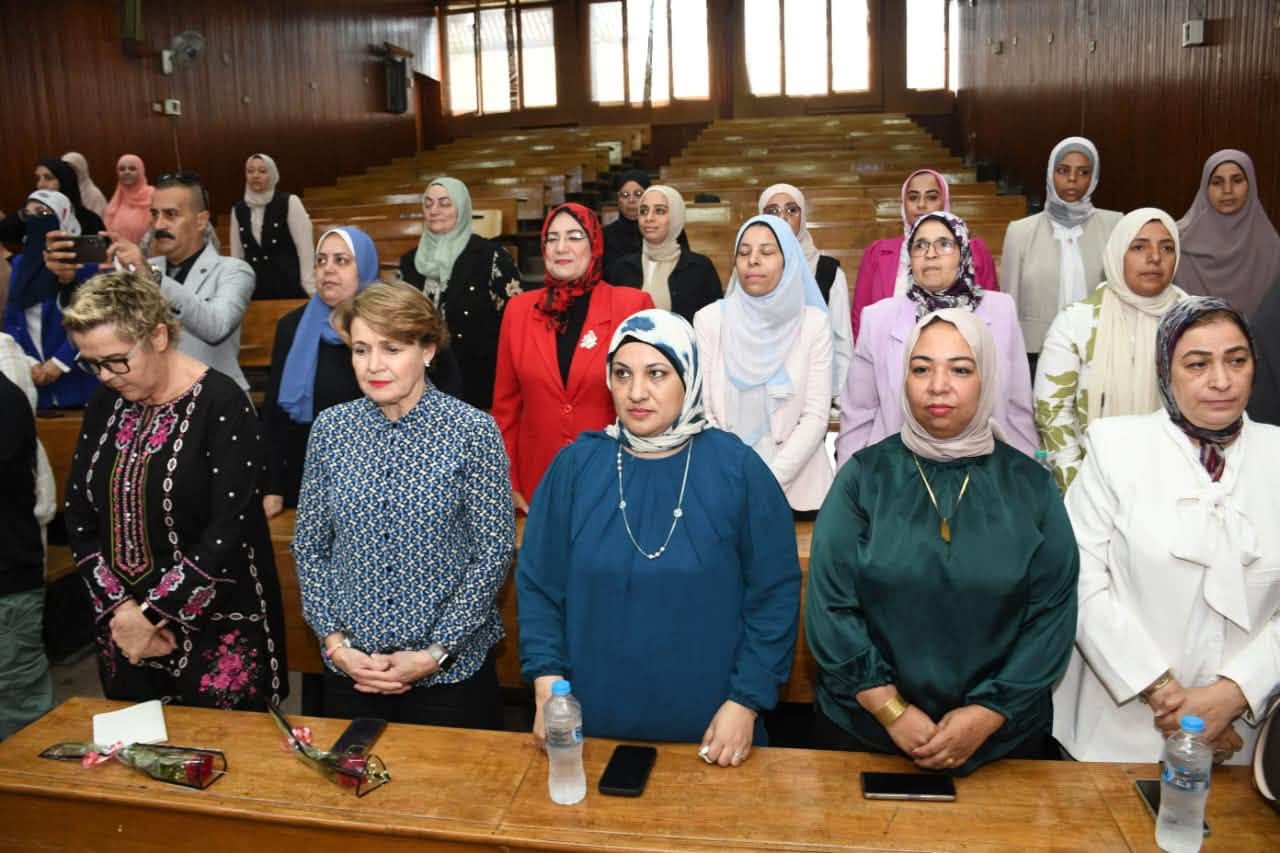
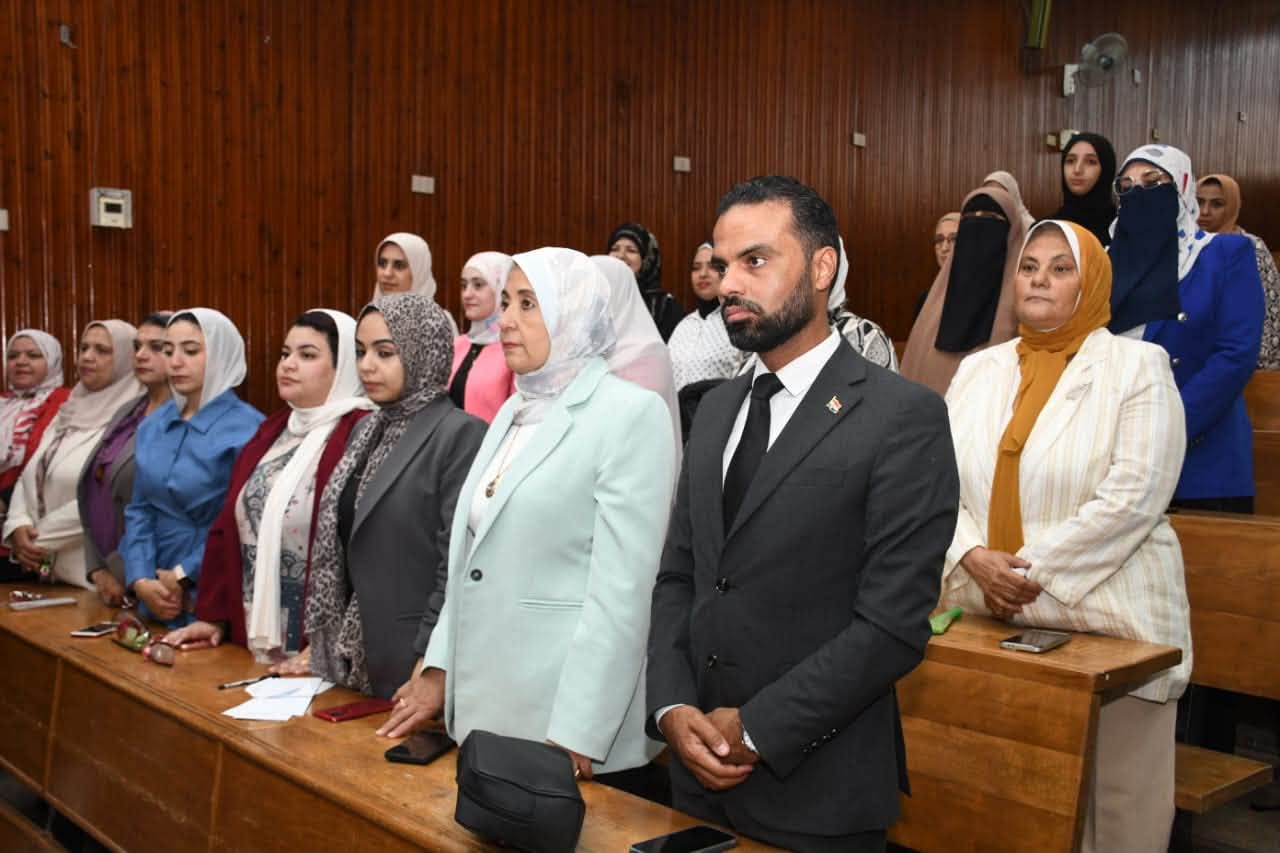
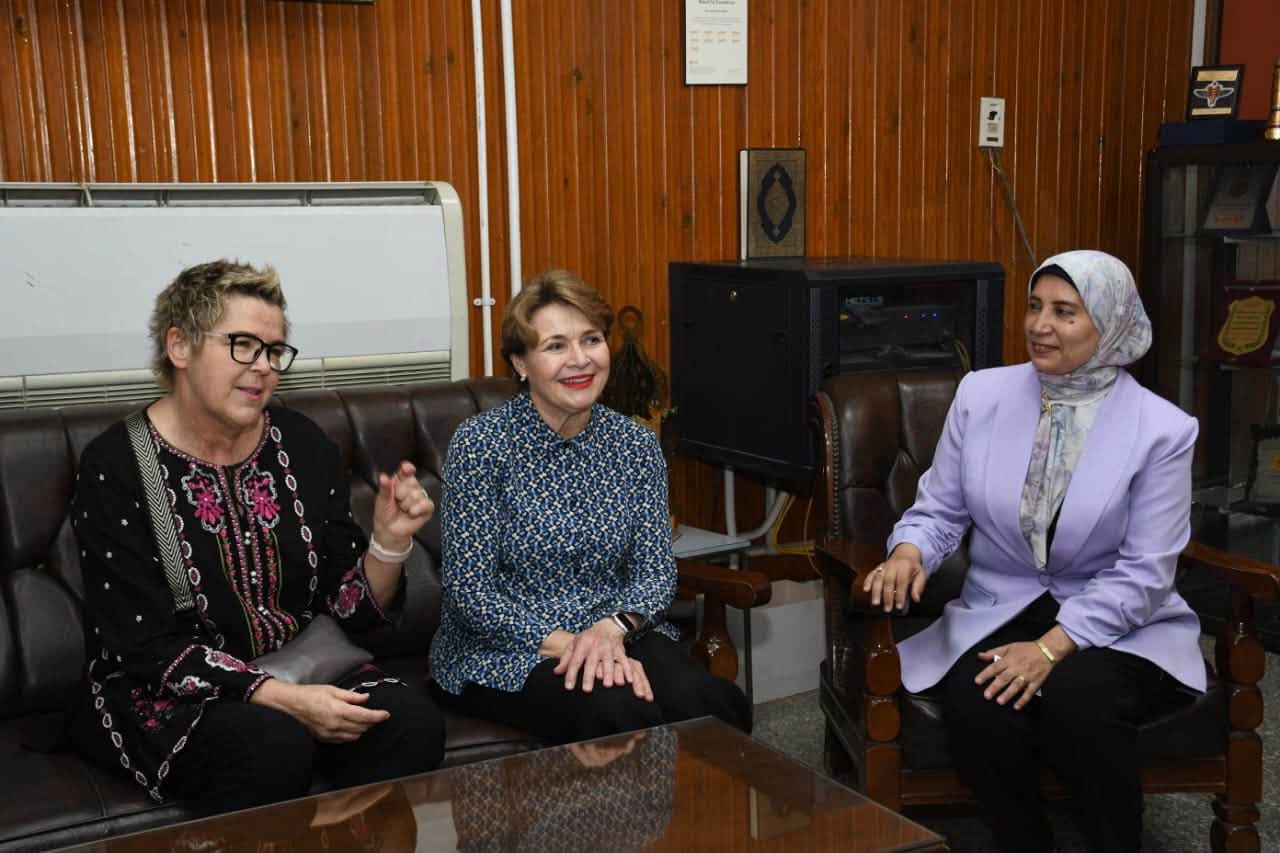
As part of Ain Shams University's commitment to supporting and developing academic and professional staff, and enhancing the quality of education and training in health fields, under the patronage of Prof. Mohamed Diaa Zain El Abedeen, President of Ain Shams University, and Prof. Amany Osama Kamel, Vice President of the University for Graduate Studies and Research, the opening activities of the training program to develop teaching skills in the field of midwifery were launched, in cooperation with the Ministry of Health and Population, the United Nations Population Fund (UNFPA) - Egypt Office, and the Burnett Institute in Australia, in the presence of Prof. Abla El Alfy, Deputy Minister of Health and Population for Population Affairs and General Supervisor of the National Population Council, Prof. Germain Haddad, Assistant Representative of the United Nations Population Fund, Prof. Sahar Moussa, Dean of the Faculty of Nursing at the University, and representatives of the Burnett Institute in Australia.
A significant responsibility rests on the shoulders of the first graduating class of midwifery students
 |
 |
 |
||
Prof. Abla El-Alfy emphasized that Egypt is witnessing a pivotal moment in the transformation of the midwifery training model, gradually shifting from reliance on obstetricians and gynecologists to training midwives themselves as trainers. This aligns with the global philosophy of the profession and enhances the efficiency of professional practice. She noted that this stage places a significant responsibility on the first graduating class of postgraduate midwifery students, as they are the future trainers and leaders in developing the profession.
She stressed that the midwifery training certificate represents a responsibility towards every midwife who will be trained in the future, emphasizing the necessity of focusing on practical skills alongside theoretical knowledge to ensure the provision of safe and high-quality care for mothers and newborns.
She indicated that an investment study conducted with support from the United Nations Population Fund (UNFPA) revealed Egypt's need for approximately 9,000 midwives. This would contribute to reducing cesarean section rates, which reached 79% according to the 2025 Family Survey, compared to about 72% in 2021.
She affirmed the Ministry's goal of reaching this number by the end of 2028, while also supporting the establishment of a health institute in each governorate to meet actual needs. She noted the collaboration with UNICEF and UNFPA to equip 27 laboratories for midwifery training and neonatal resuscitation, with equipment already received for six centers.
She also highlighted the importance of international cooperation with the UK, the Royal College of Midwives, and the International Council of Midwives to exchange expertise, train staff, and prepare supervisors. She revealed that the executive regulations for the midwifery profession are nearing completion, defining midwives' responsibilities, rights, and their role within hospitals to ensure safe and regulated practice.
She explained that the country aims to increase births within healthcare facilities, which currently stand at approximately 97%, and to maximize the midwife's role in primary healthcare from pregnancy through childbirth and beyond, up to the first 1,000 days of a child's life, as well as supporting family planning. She emphasized that developing the profession is fundamental to improving maternal and child care and addressing the rising rates of cesarean sections.
 |
 |
 |
||
The program is a step towards developing the education and training system
In her address, Prof. Sahar Moussa Suleiman, Dean of the Faculty of Nursing at Ain Shams University, explained that the program represents a significant step towards developing the education and training system in the field of midwifery. She pointed out that investing in preparing and qualifying specialized human resources is one of the most important pillars for improving the quality of healthcare.
She added that the Faculty of Nursing at Ain Shams University is committed to providing specialized training programs that meet the needs of the labor market and support continuous professional development. She emphasized that the program aims to prepare a generation of trainers capable of transferring knowledge and skills using modern teaching methods, which will positively impact the quality of maternal and child health services.
The Dean concluded by affirming the Faculty's continued support for initiatives and programs that contribute to achieving the goals of national strategies and enhancing Ain Shams University's position as a leading institution in education, training, scientific research, and community service.
In her address, Prof. Germaine Haddad emphasized the Fund's commitment to the midwifery profession, recognizing it as a crucial pillar in supporting women's and newborns' health. She noted that developing this profession represents a comprehensive model for healthcare provided to women and children.
She explained the importance of developing the midwifery system based on an economic feasibility study, considering it an effective model for investing in women's and children's health. This development aims to enhance the system's capacity to provide necessary support to pregnant women, including medical and psychological support, as well as integrated care throughout pregnancy and childbirth.
 |
 |
 |
||
She added that the goal is to build a cadre of midwives equipped with the necessary knowledge and skills, trained according to the latest professional standards and practices, thereby contributing to improving the quality of healthcare services provided to women and children.
She also pointed to the importance of investing in faculty staff and trainers in charge of training programs, as a long-term strategic investment and a national priority, explaining that building the capacities of trainers is a fundamental step towards establishing an integrated and sustainable institutional system for midwifery.
It is worth noting that the program aims to build a strong and sustainable cadre of midwifery trainers in Egypt, in accordance with international standards, the National Midwifery Strategy, and Egypt's Vision 2030. This will contribute to raising the level of education and training in the field of midwifery and support the quality of healthcare services provided to mothers and newborns. The program targets several groups working in health education and training, including faculty staff, academic lecturers, teaching assistants, health institute instructors, supervisors, and midwifery fellowship graduates.
The program will be divided into two periods: from August 23, 2026, to September 1, 2026, and from October 26, 2026, to November 4, 2026.