.svg)

"Sheikh Al-Arab Hammam"… New Discoveries by the Faculty of Archaeology Mission in Collaboration with the French Institute for Oriental Archaeology
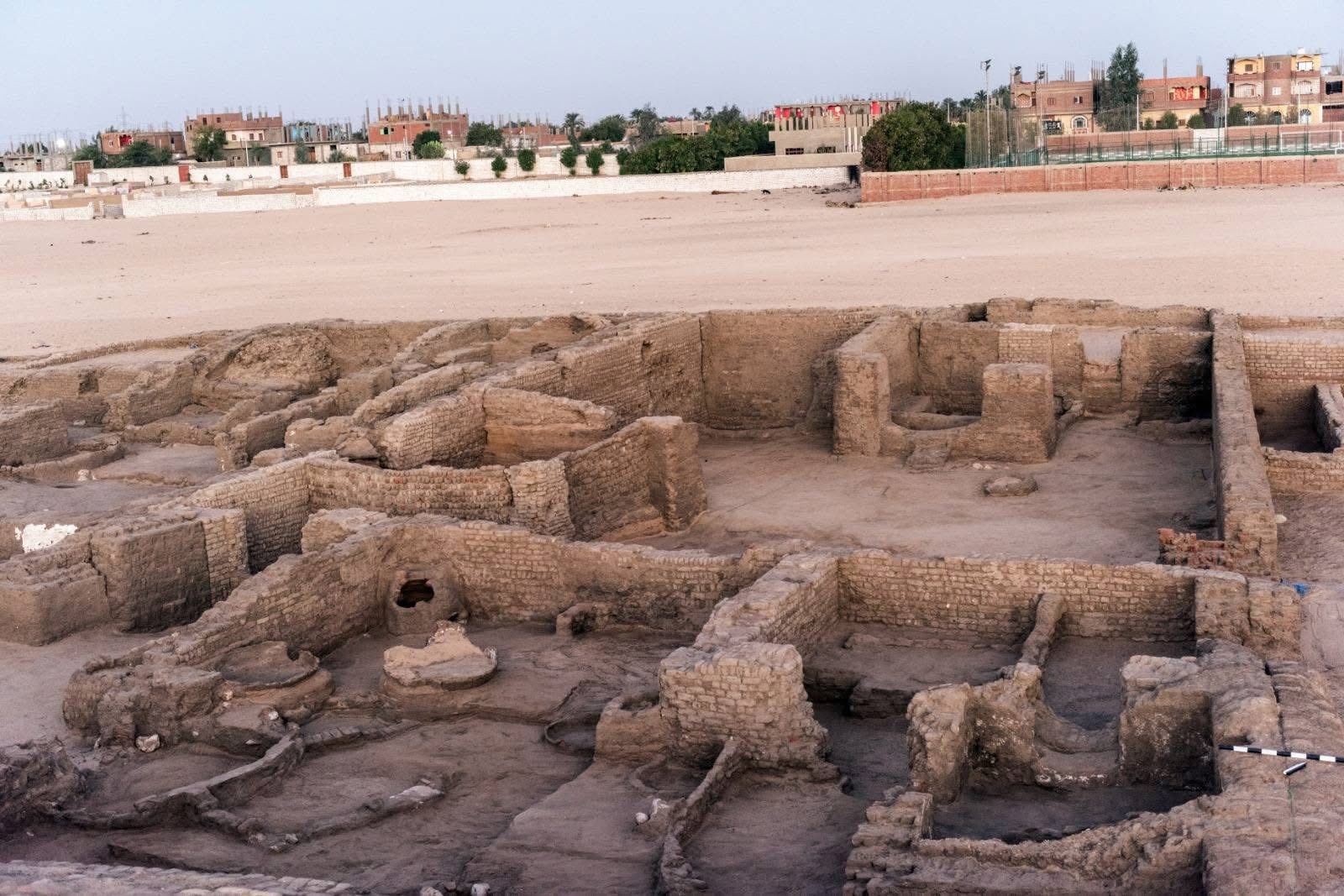
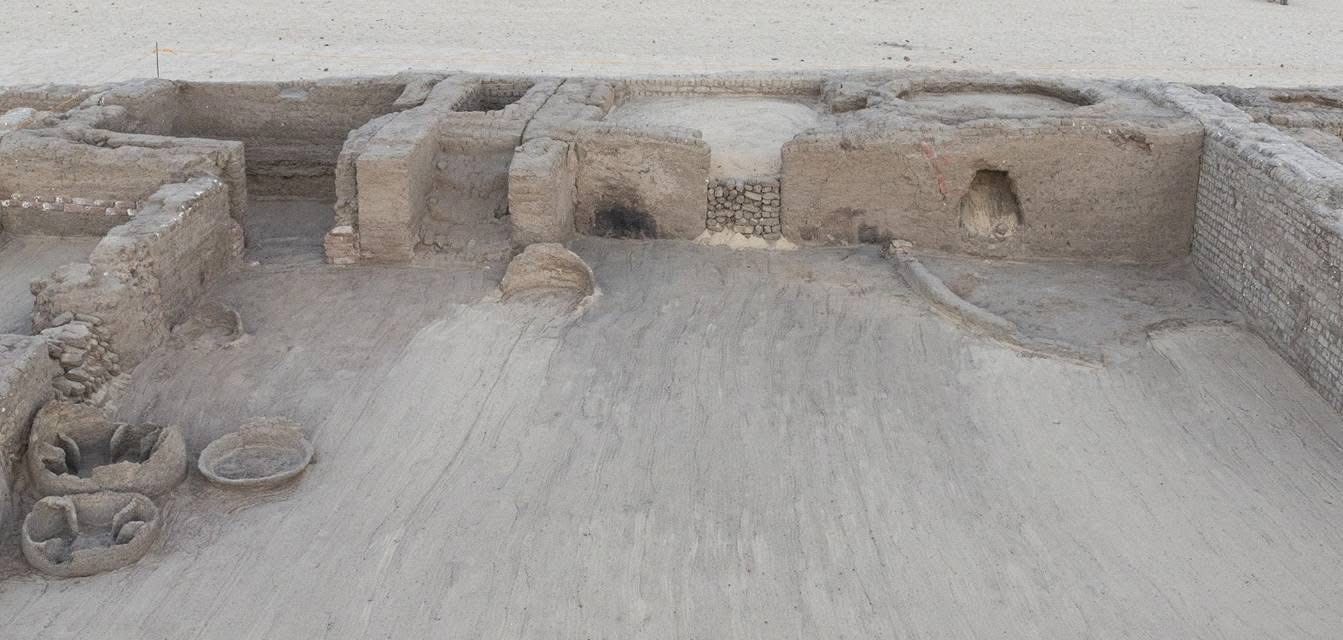
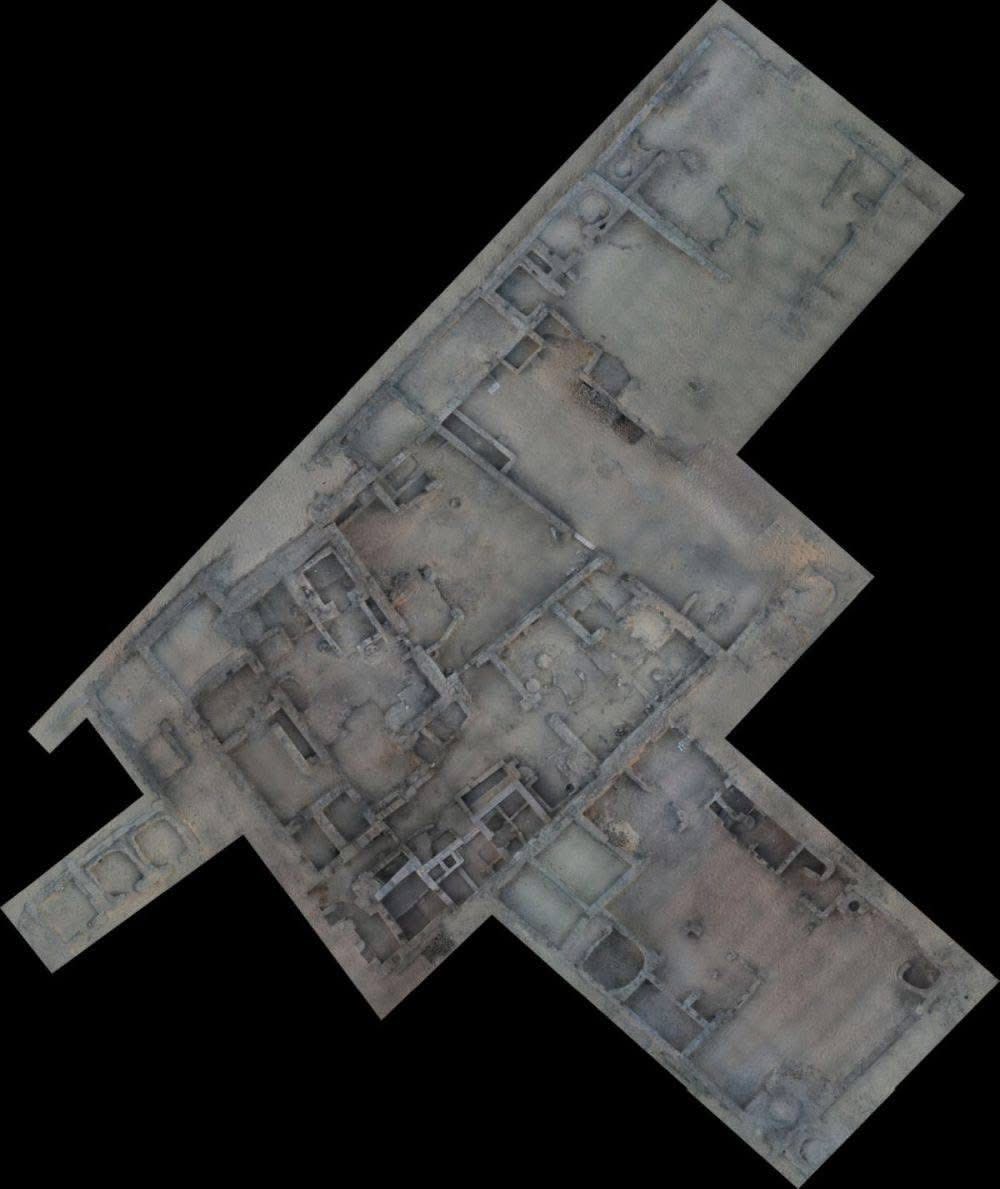
In a new scientific and archaeological achievement reflecting the integration of academic and field efforts, as well as the prospects of local and international cooperation, the joint archaeological mission of the Faculty of Archaeology at Ain Shams University and the French Institute for Oriental Archaeology (IFAO), under the supervision of the Supreme Council of Antiquities, has successfully uncovered parts of a residential city dating back to the 12th century AH / 18th century AD, during the era of Sheikh Al-Arab Hammam. The mission also revealed a Coptic necropolis from the Byzantine period located beneath it, at the site of Al-Arki village in Qena Governorate.
The Faculty of Archaeology at Ain Shams University played a pivotal role in this discovery through the participation of faculty members, their assistants, and students, under the leadership of Prof. Ahmed El-Shoky, Vice Dean of the Faculty of Archaeology and Head of the joint mission.
 |
 |
 |
||
He explained that the fieldwork relied on a modern scientific methodology that integrated historical studies with geophysical techniques, resulting in this strategic discovery that links the Byzantine and Islamic periods in Upper Egypt.
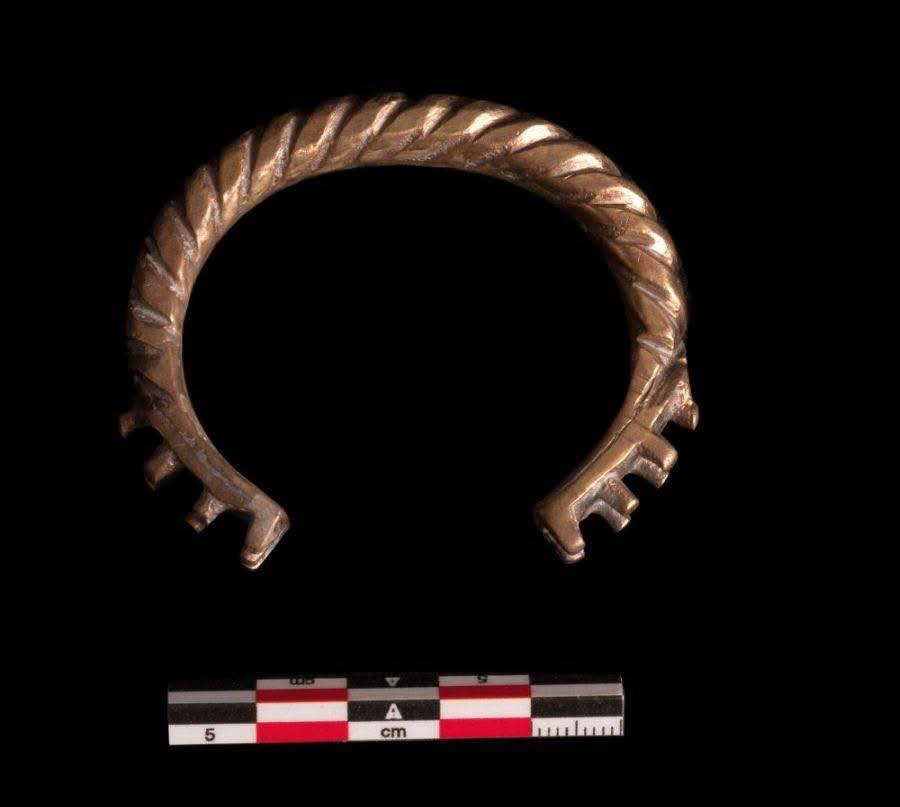
The excavations, supervised by the faculty in cooperation with the French side, uncovered six mudbrick houses, in addition to an associated industrial area, along with a variety of archaeological finds including bronze coins, pottery fragments, and children’s toys.
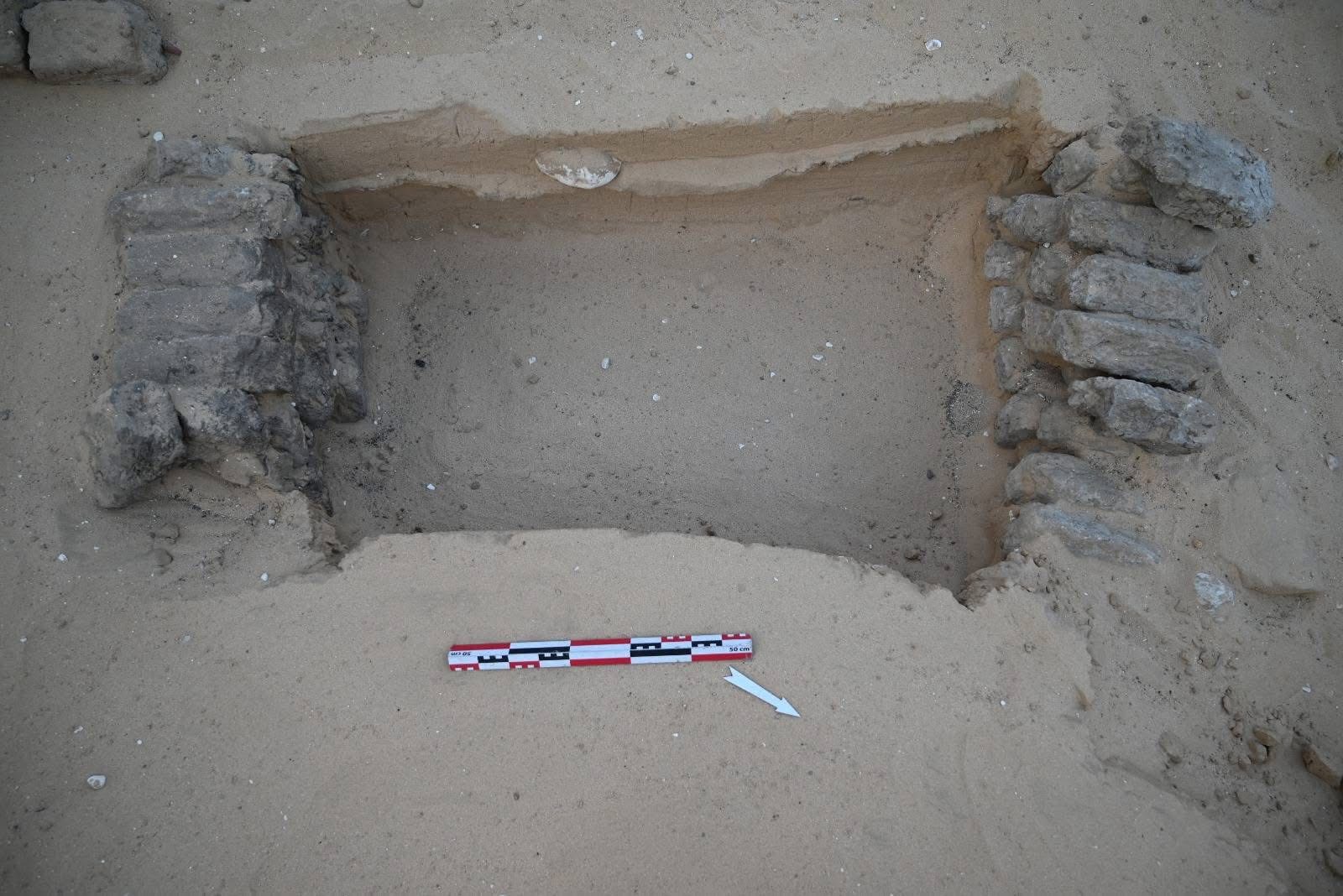
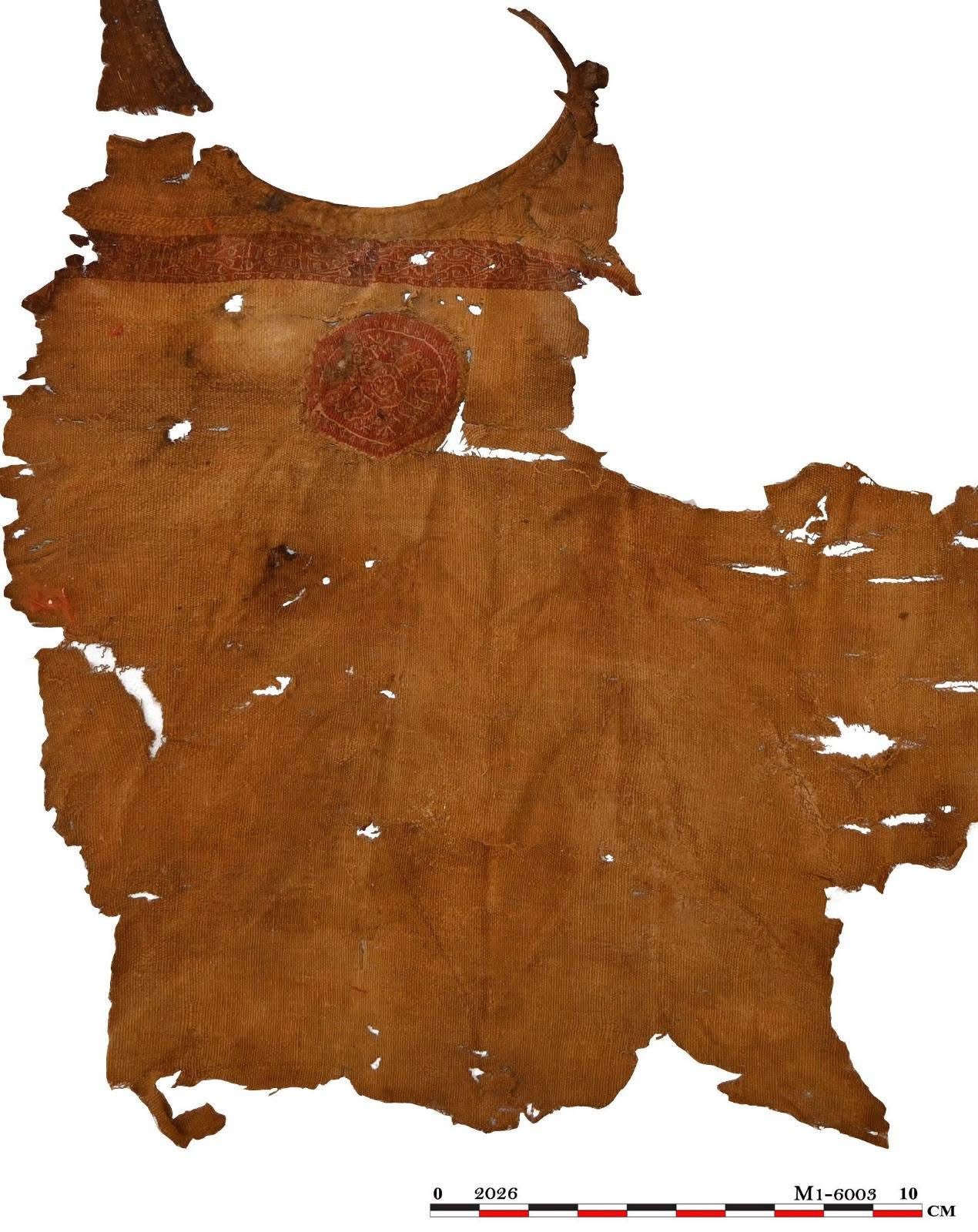
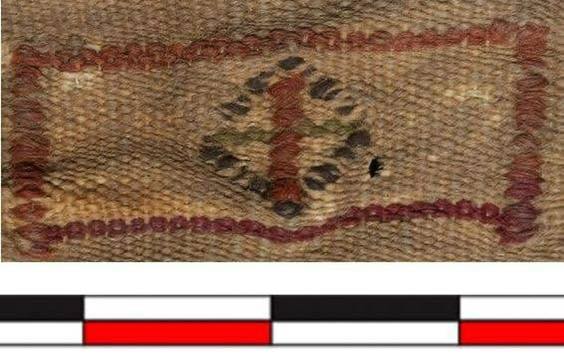
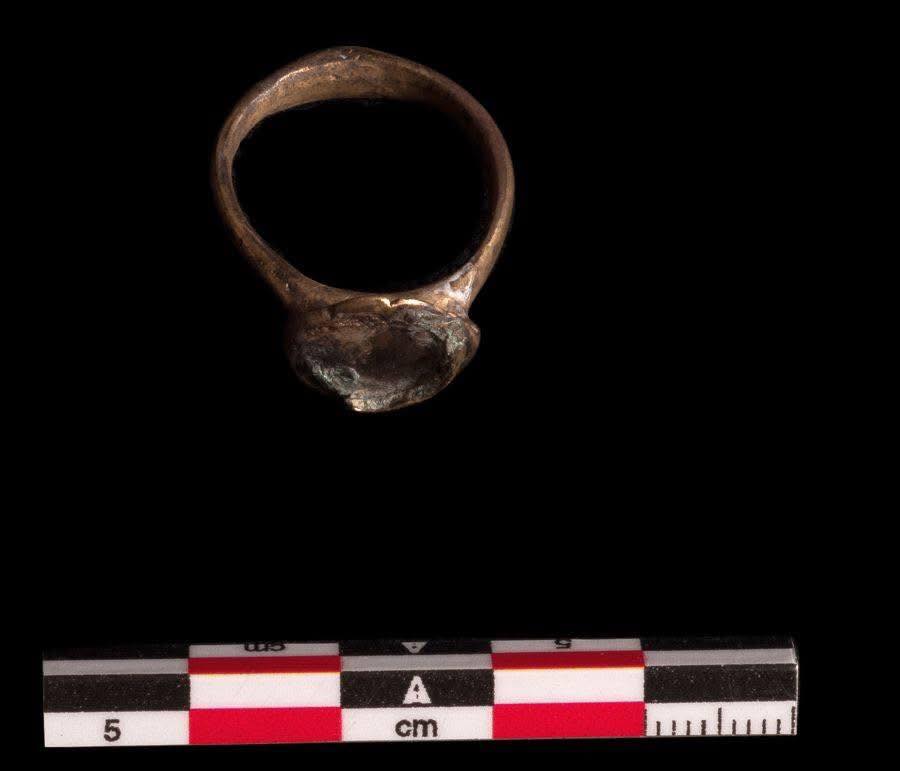
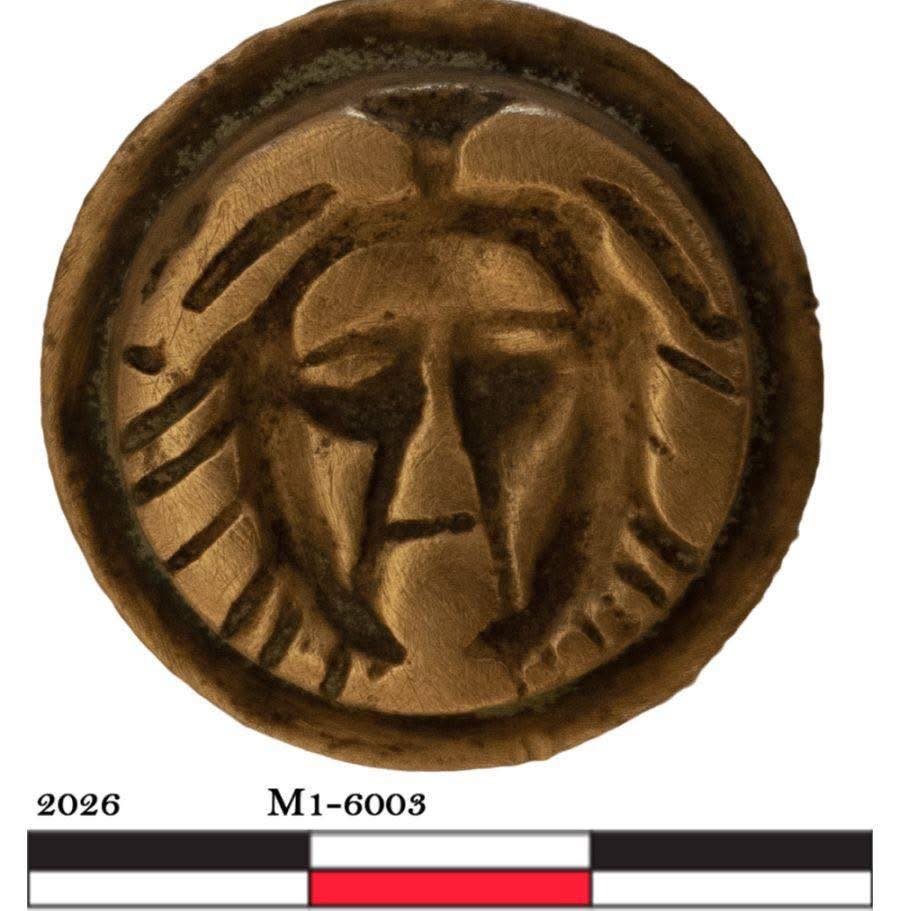
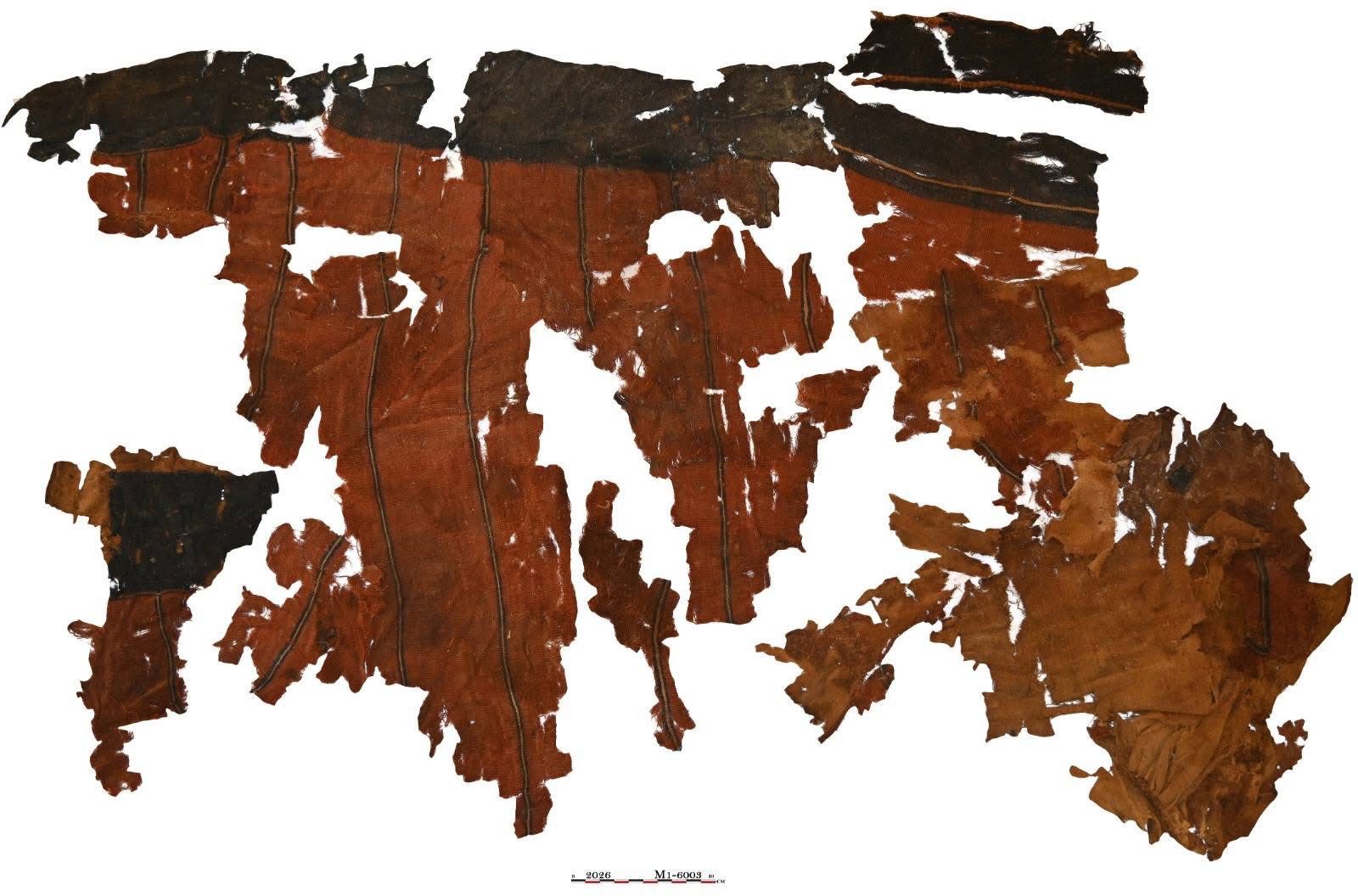
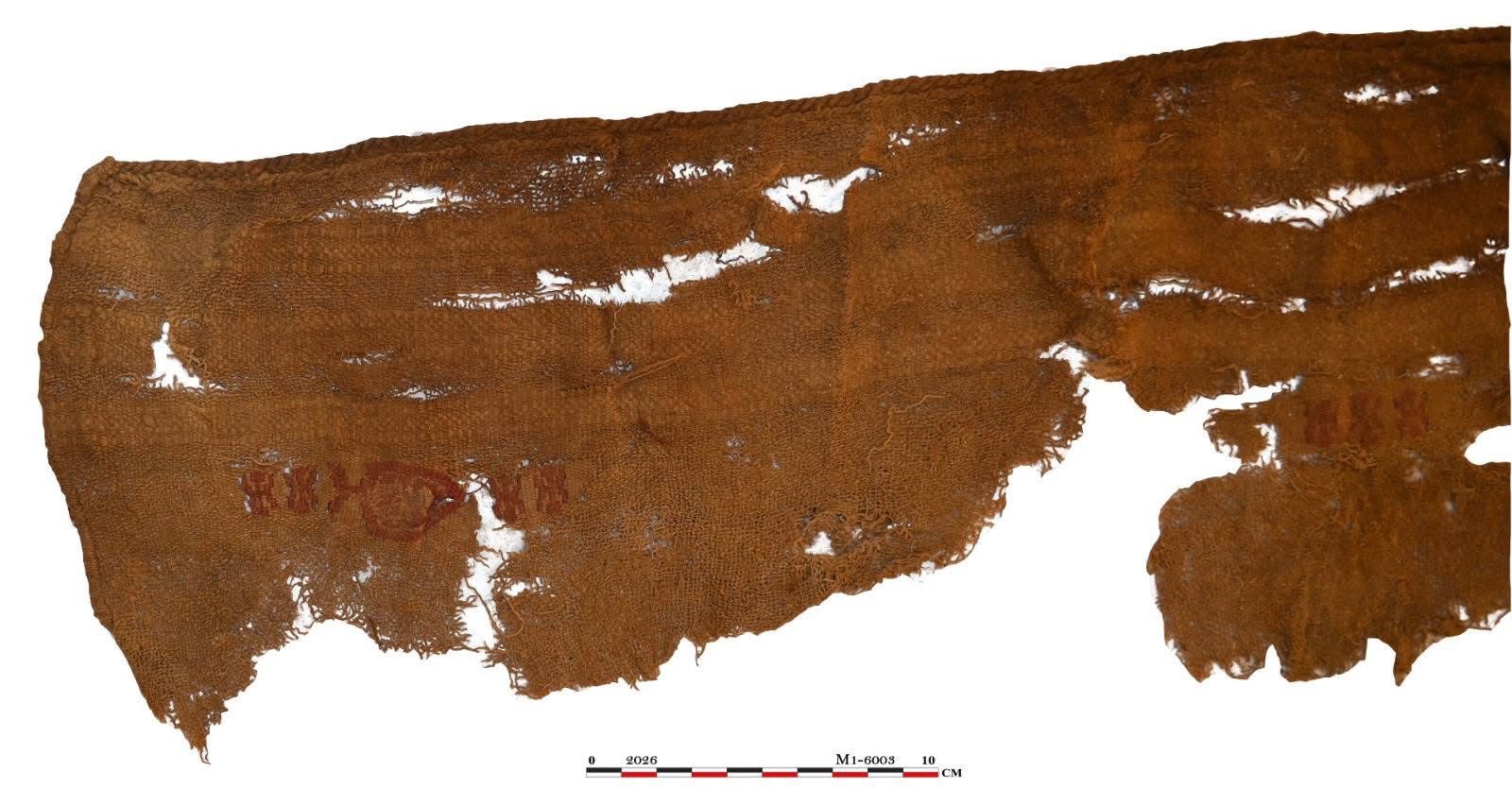
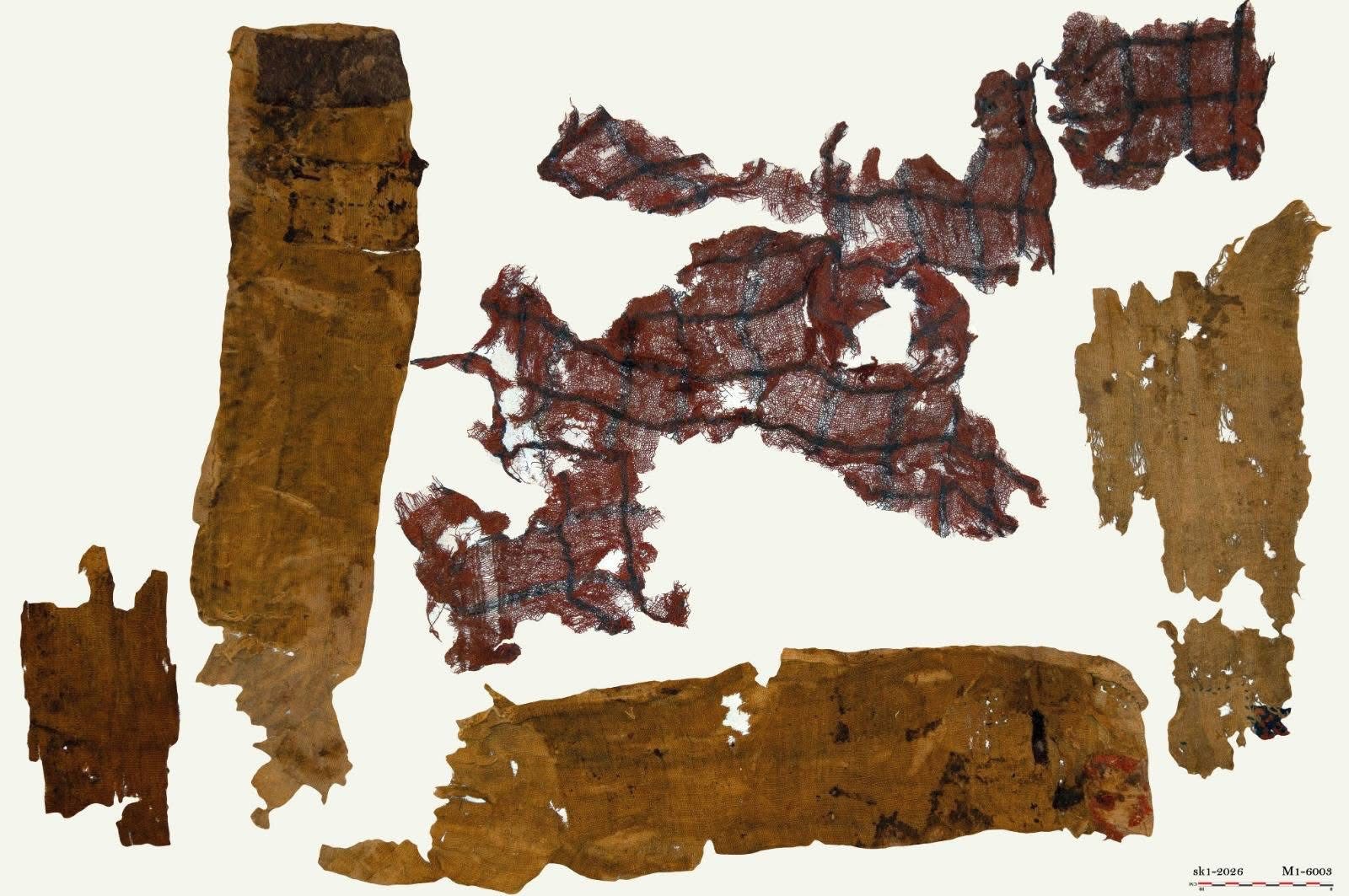
Regarding the Coptic necropolis, the Vice Dean noted that the team’s scientific vigilance led to the discovery of a limestone coffin lid that had been reused as flooring at the entrance of one of the buildings. This prompted the mission to conduct geophysical surveys, which confirmed the presence of a complete Byzantine necropolis beneath the residential city. The necropolis includes diverse burials, decorated Coptic textile fragments, and rare copper seals, representing a significant scientific addition to the study of settlement patterns and funerary practices in Upper Egypt.
 |
 |
 |
||
The Faculty of Archaeology’s role extended beyond research to include educational and training activities, through organizing intensive field training programs. These programs involved training restorers and antiquities inspectors in the Nag Hammadi area, as well as Faculty students, on the latest excavation and documentation techniques, mudbrick conservation, and archaeological site management.
This was also emphasized by Prof. Abbas Zawash, Director of Studies at the French Institute.
For his part, Mr. Sherif Fathy, Minister of Tourism and Antiquities, praised this fruitful cooperation, affirming that the project, led by Ain Shams University and the French Institute, aims to prepare the site and include it on the tourism map. He noted the site's historical significance in highlighting the legacy of Sheikh Al-Arab Hammam (1709–1769 AD), who ruled Upper Egypt from Minya in the north to Aswan in the south.
 |
 |
 |
||
 |
 |
 |
||