
.svg)

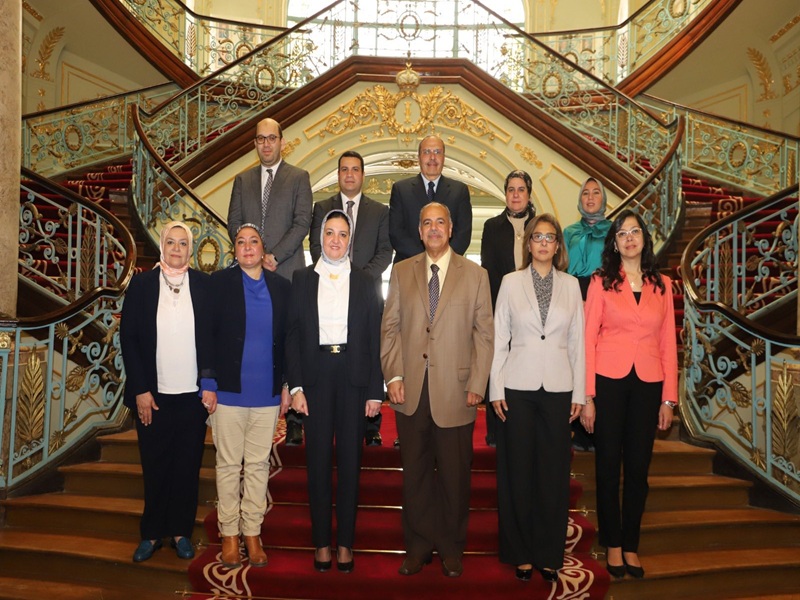
Ain Shams University hosts the meeting of the "Supreme Committee of the Egyptian Board of Pharmacy at the Egyptian Health Council" to discuss developing medication management and enhancing integrated healthcare
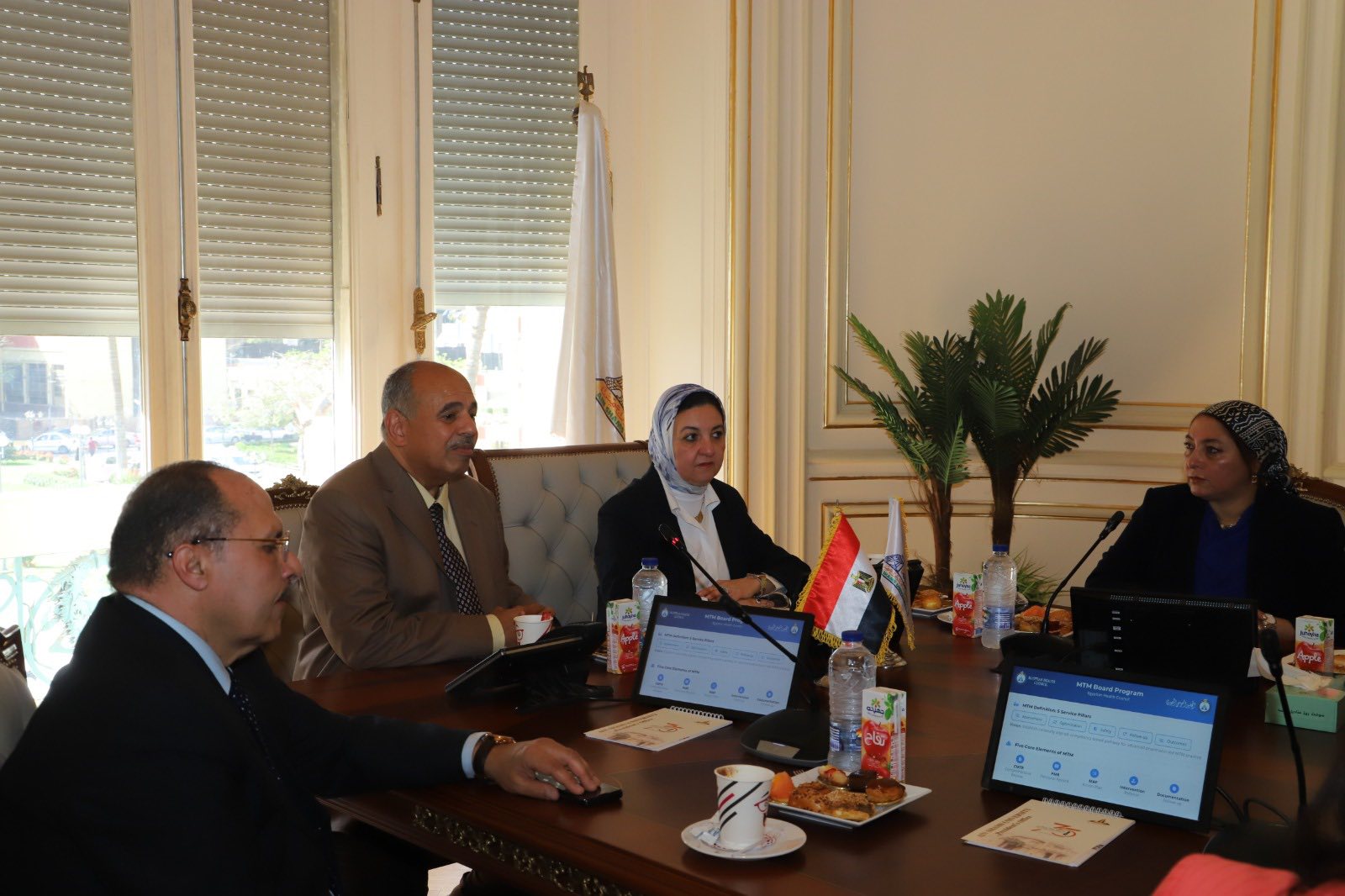
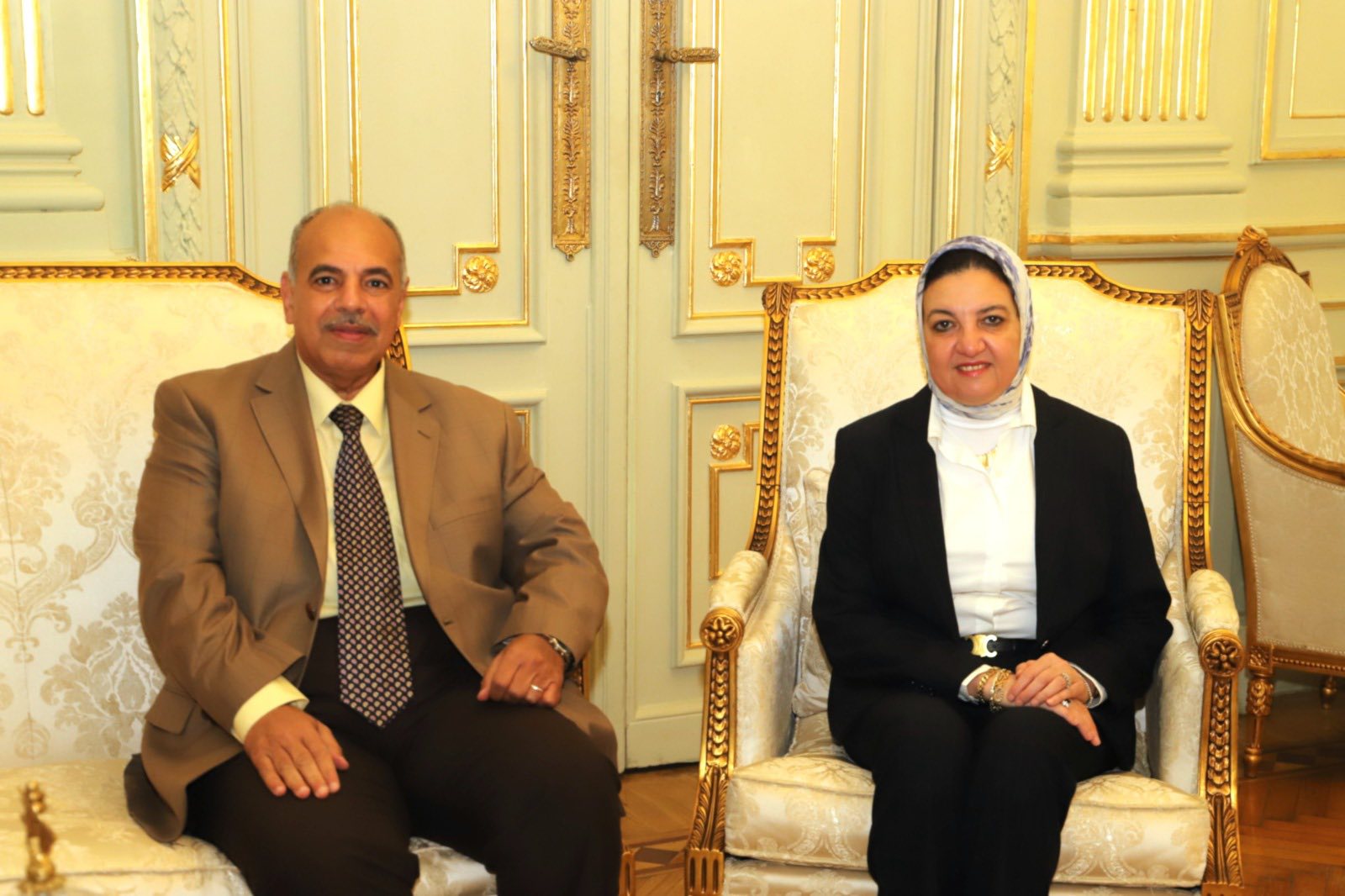
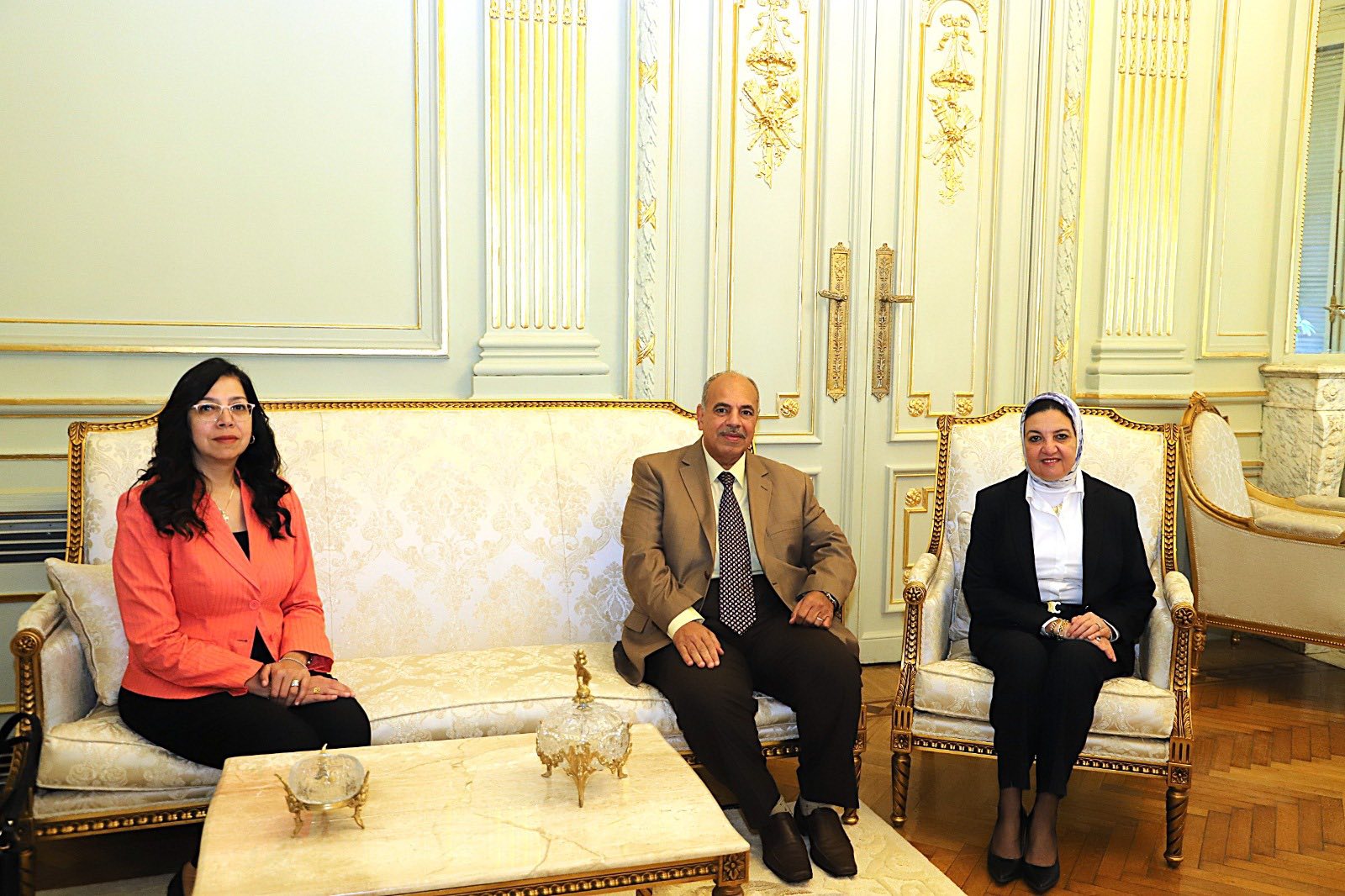
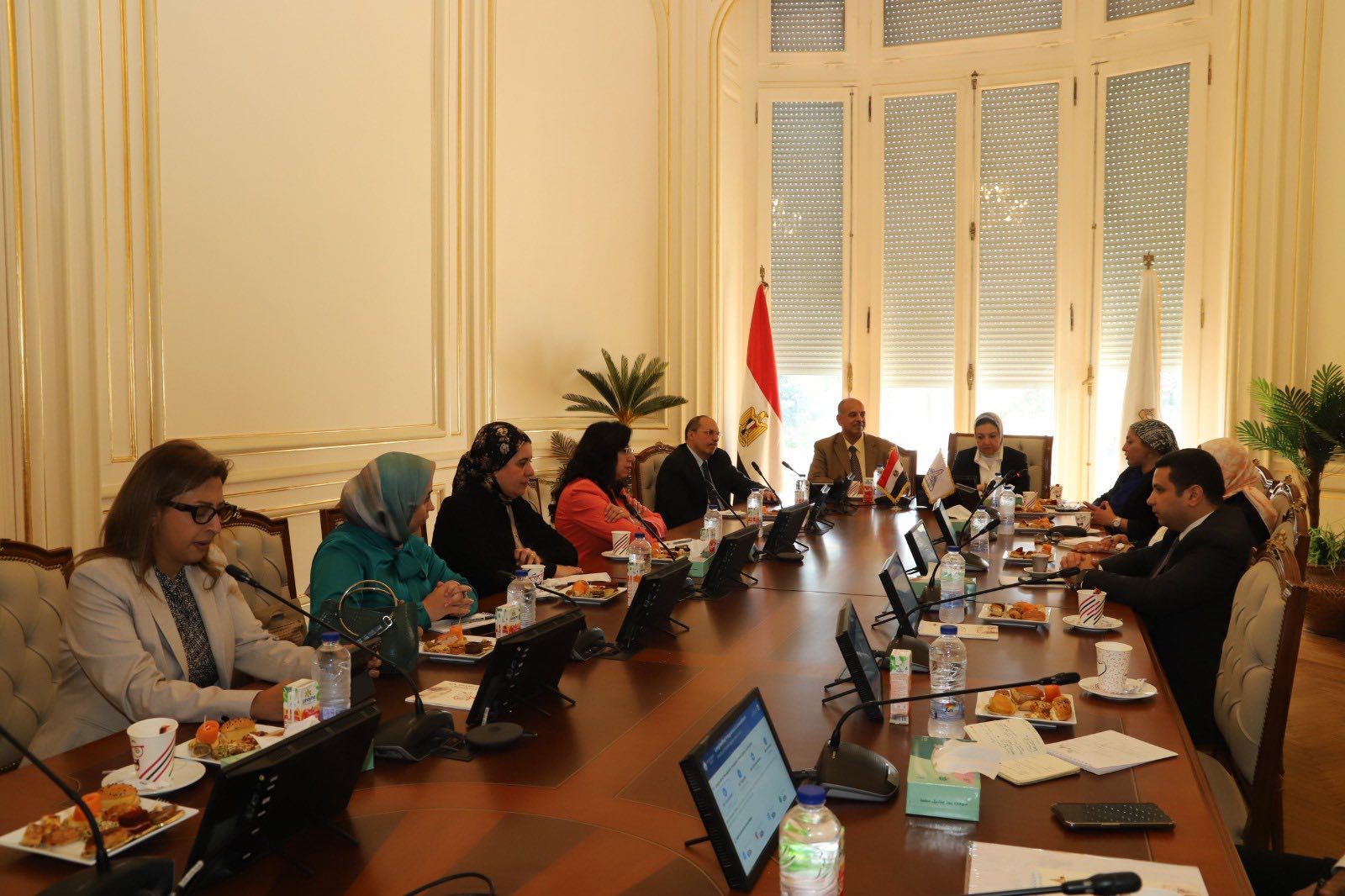
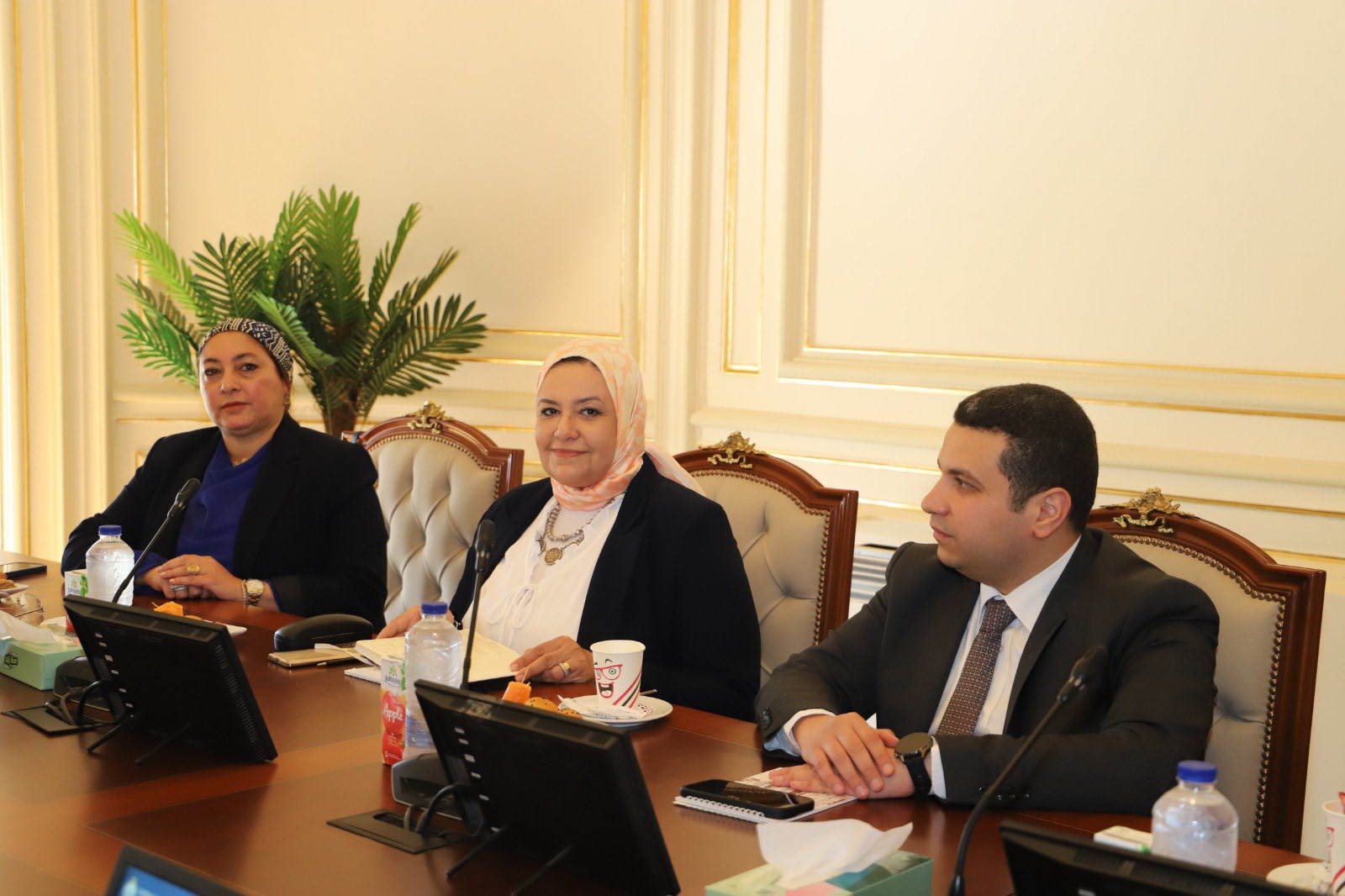
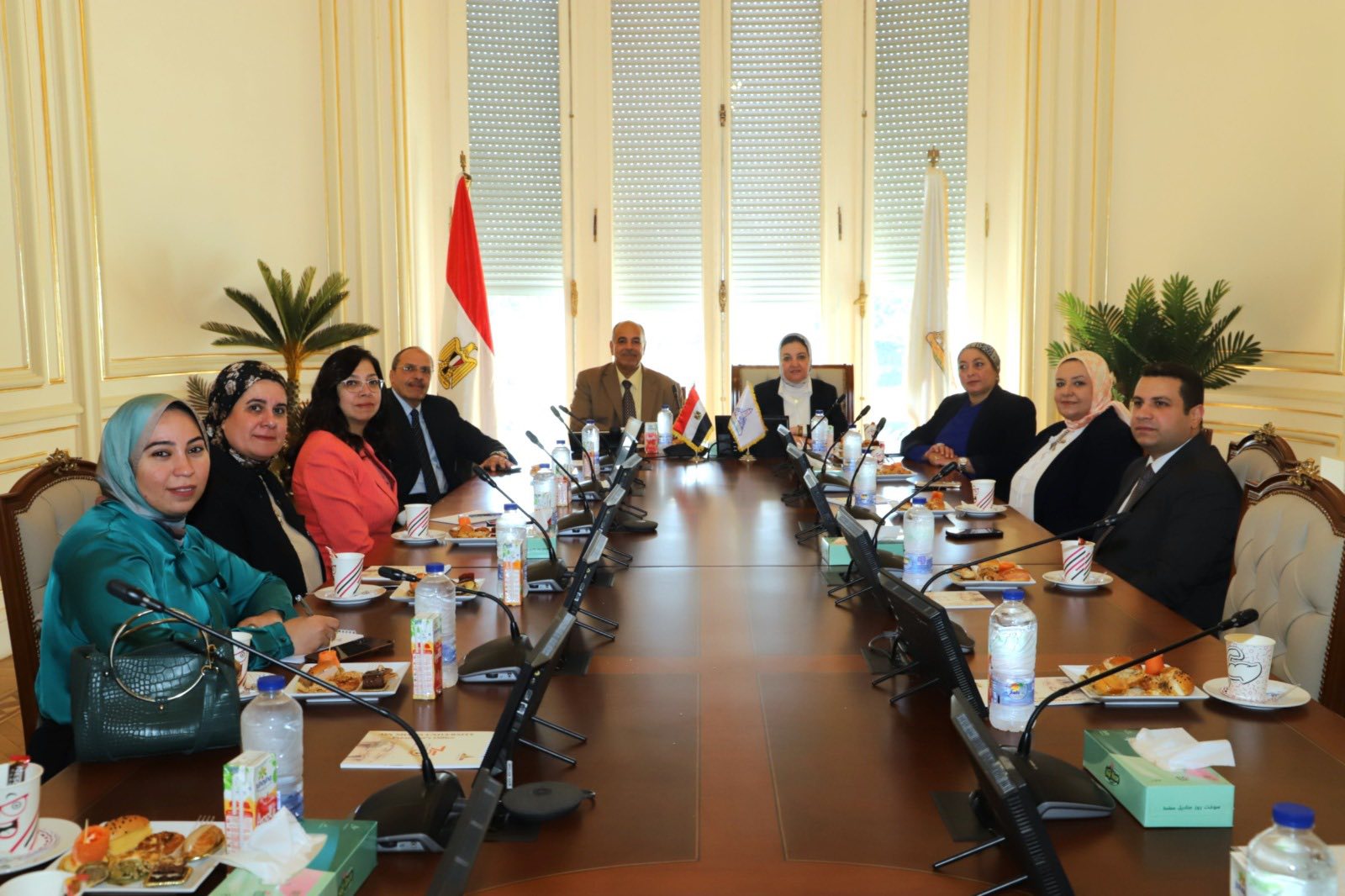
Prof. Amany Osama Kamel, Vice President of Ain Shams University for Graduate Studies and Research, hosted the periodic meeting of the Supreme Committee of the Egyptian Pharmacy Board at the Egyptian Health Council. The meeting was attended by a select group of pharmacy leaders, professors, and experts from both the academic and healthcare sectors.
 |
 |
 |
||
In her address, Prof. Amany Osama Kamel expressed her appreciation for the attendees' active participation, emphasizing that integration between academic institutions and the pharmaceutical sector is a fundamental pillar for developing the pharmaceutical system in Egypt and supporting the quality of healthcare services provided to citizens.
She also commended the proposed Medication Therapy Management (MTM) program, considering it a comprehensive model that contributes to enhancing the pharmacist's role within the healthcare system. This is achieved by providing advanced practice based on scientific and practical training and qualification, thus alleviating the burden on healthcare providers, especially in light of the pivotal role pharmacies played during the COVID-19 pandemic.
For his part, Prof. Osama Ahmed Badari, Professor of Clinical Pharmacy at the Faculty of Pharmacy, Ain Shams University and Chairman of the Pharmacy Board Committee, thanked Prof. Amany Osama Kamel for hosting the meeting, appreciating the efforts of all partners, especially the Cleopatra Hospitals Group, in supporting and developing the health system and enhancing the efficiency of pharmaceutical services.
The meeting was attended by members of the Supreme Committee of the Egyptian Pharmacy Board at the Egyptian Health Council: Prof. Osama Ahmed Badari, Professor of Clinical Pharmacy at the Faculty of Pharmacy, Ain Shams University and Chairman of the Pharmacy Board Committee; Prof. Ayman Gamal El-Din, Professor at the Faculty of Pharmacy, Al-Azhar University; Prof. Roula Milad, Vice Dean of the Faculty of Pharmacy, Ain Shams University; Prof. Dalia Abu Hussein, Professor and Director General of Quality Assurance at the Egyptian Drug Authority; Prof. Mona Shaalan, Vice Dean of the Faculty of Pharmacy, Misr International University; Prof. Ghada Abdel-Bari, former Vice President of Cairo University and Advisor to the University President; in addition to representatives of the health sector, including Dr. Karim Awad, Director General of the Pharmacy Sector at Cleopatra Hospitals Group; Dr. Wathiq Al-Satouhi, Director General of the Drug Therapy and Pharmaceutical Solutions Management Sector at the Group; Dr. Heba Anis, General Supervisor of Pharmacy Affairs at the Healthcare Authority; and Dr. Alaa Abdel-Qader Al-Mallah, Coordinator of the Supreme Scientific Committee for Pharmacy at the Egyptian Health Council.
 |
 |
 |
||
The meeting included a discussion of the proposed Medication Therapy Management (MTM) program, which aims to support public health and improve the quality of life for all members of society by providing advanced pharmaceutical services based on close monitoring of patients' medication regimens.
The program also aims to establish a national, competency-based pathway for pharmacist-led MTM practice, in line with the country's efforts to support medical convoys and campaigns and expand access to integrated, high-quality healthcare services.
The concept of Medication Therapy Management (MTM) was reviewed as an integrated model for optimizing medication use and maximizing therapeutic outcomes, within the framework of the Egyptian Health Council. The service is based on five key pillars: optimal assessment of medication use, ensuring safe medication use, continuous patient monitoring, and achieving the best possible therapeutic outcomes.
The meeting also included a comparison between MTM and clinical pharmacy. MTM focuses on improving medication use and ensuring continuity of care through comprehensive patient monitoring using an integrated, multi-system approach, while clinical pharmacy focuses on specialized and targeted disease management. Attendees emphasized the complementary nature of both roles in contributing to improved quality of healthcare.
It should be noted that the Egyptian Pharmacy Board is a training program and professional certificate granted by the Egyptian Health Council. It aims to develop the skills of pharmacists and raise their efficiency in various specialties, which contributes to improving the quality of health care and providing distinguished pharmaceutical services in accordance with the latest professional standards.
The meeting concluded with several important recommendations, most notably: approval of the final draft of the Pharmacotherapy Management specialization project; a recommendation to Prof. Mohamed Latif, Head of the Egyptian Health Council, to form a new scientific council to manage the affairs of the new specialization, including curriculum development and accreditation of training facilities; and an emphasis on contacting the General Syndicate of Pharmacists to include the new specialization in the list of new pharmacy specializations and to prepare lists of practitioners, thus supporting the development of professional practice and enhancing the quality of healthcare services.