.svg)

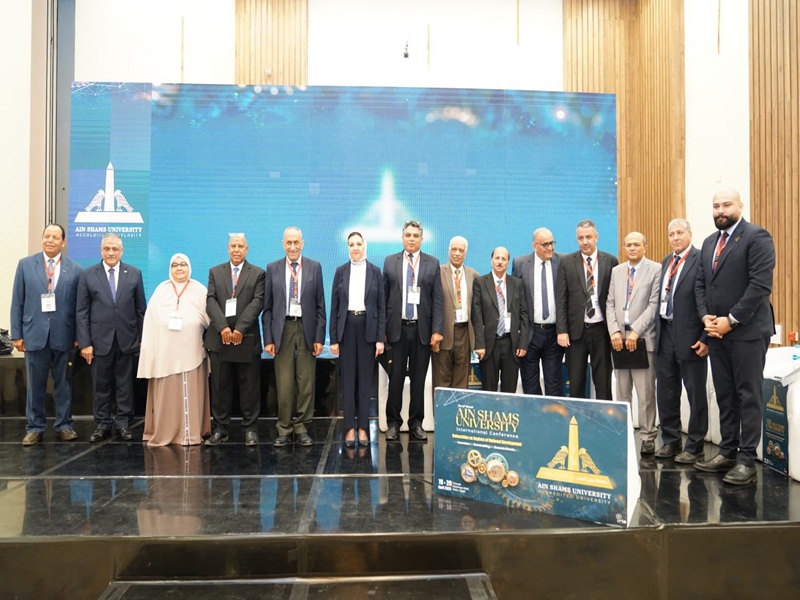
Ain Shams University's Annual Conference Discusses the Future of the Seed Industry in Egypt to Enhance Food Security
The activities of the Fourteenth International Scientific Conference of Ain Shams University, held under the slogan “Universities are engines of national development... towards innovation and sustainable economic growth”, witnessed a high-level attendance, under the patronage of Prof. Abdel Aziz Qansouh, Minister of Higher Education and Scientific Research, and chaired by Prof. Mohamed Diaa Zain El Abedeen, President of the University, with the participation of Prof. Amany Osama Kamel, Vice President of the University for Graduate Studies and Research and Executive Director of the Conference, Prof. Ghada Farouk, Vice President of the University for Community Service and Environmental Development, and Prof. Rami Maher Ghali, Vice President of the University for Education and Student Affairs.
 |
 |
 |
||
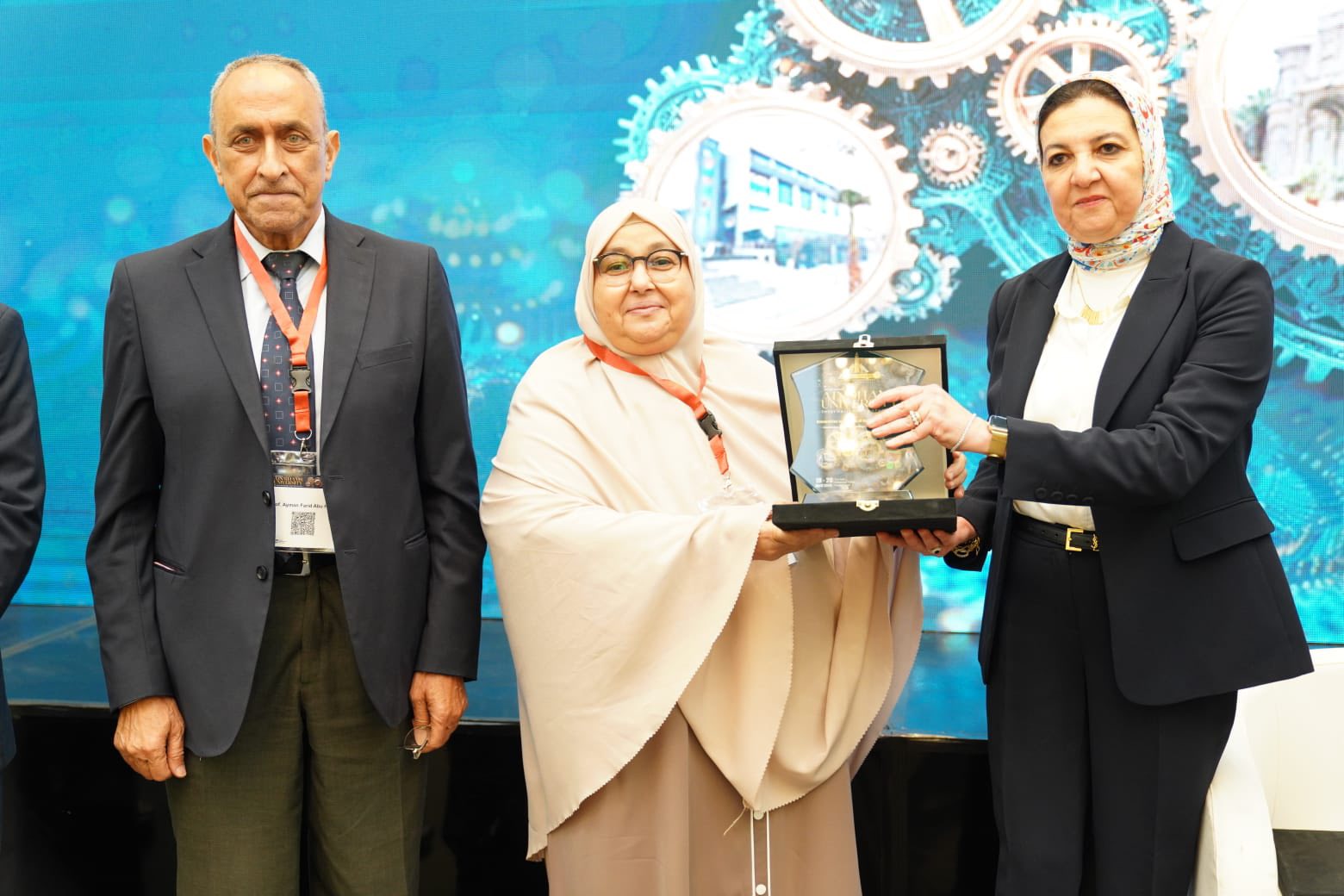
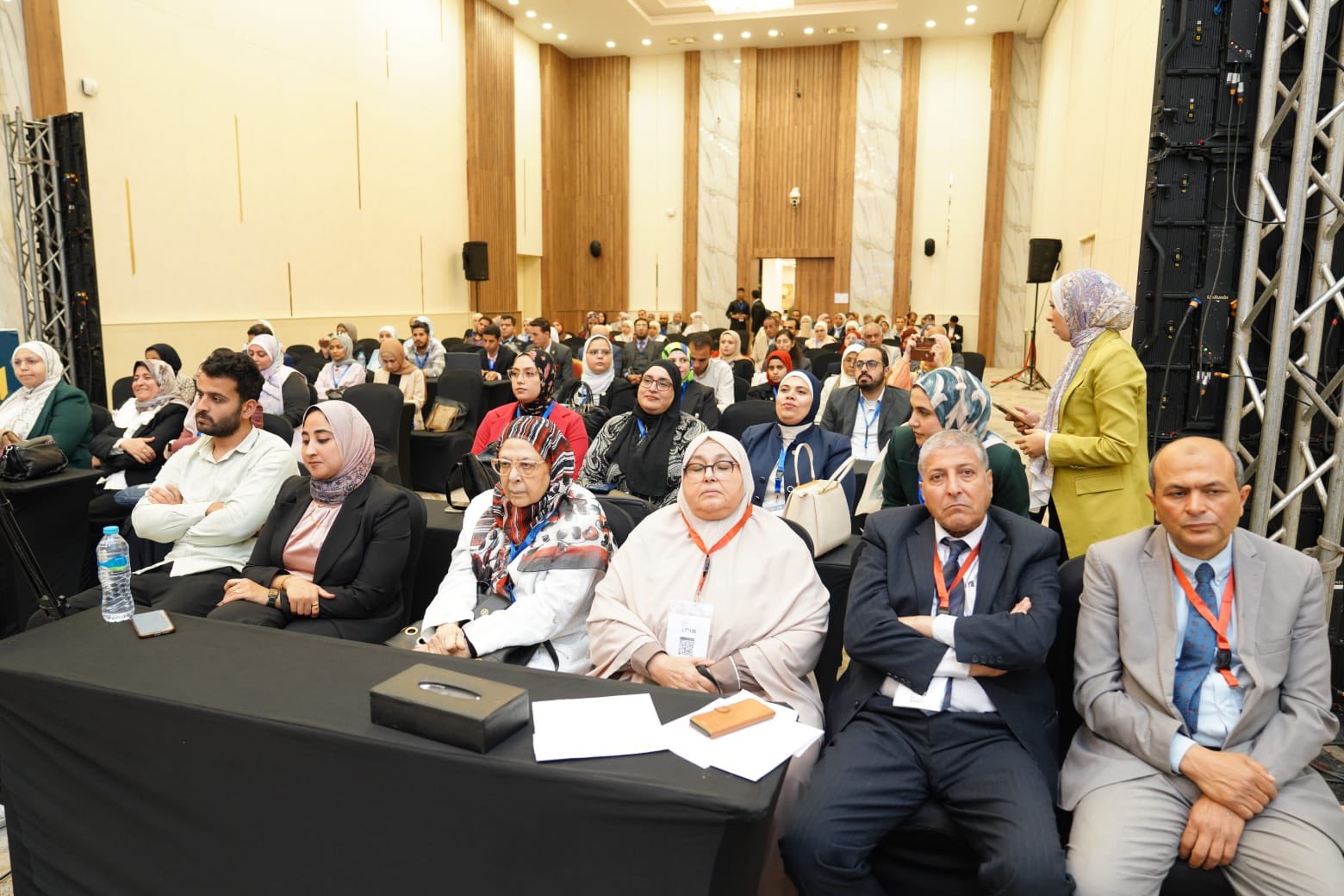
In this context, the conference held a distinguished scientific session entitled "The Future of the Seed Industry in Egypt: Current Challenges and Prospects for Transformation through Scientific Innovation," with the participation of a select group of leading scientists, experts, and decision-makers in the agricultural sector.
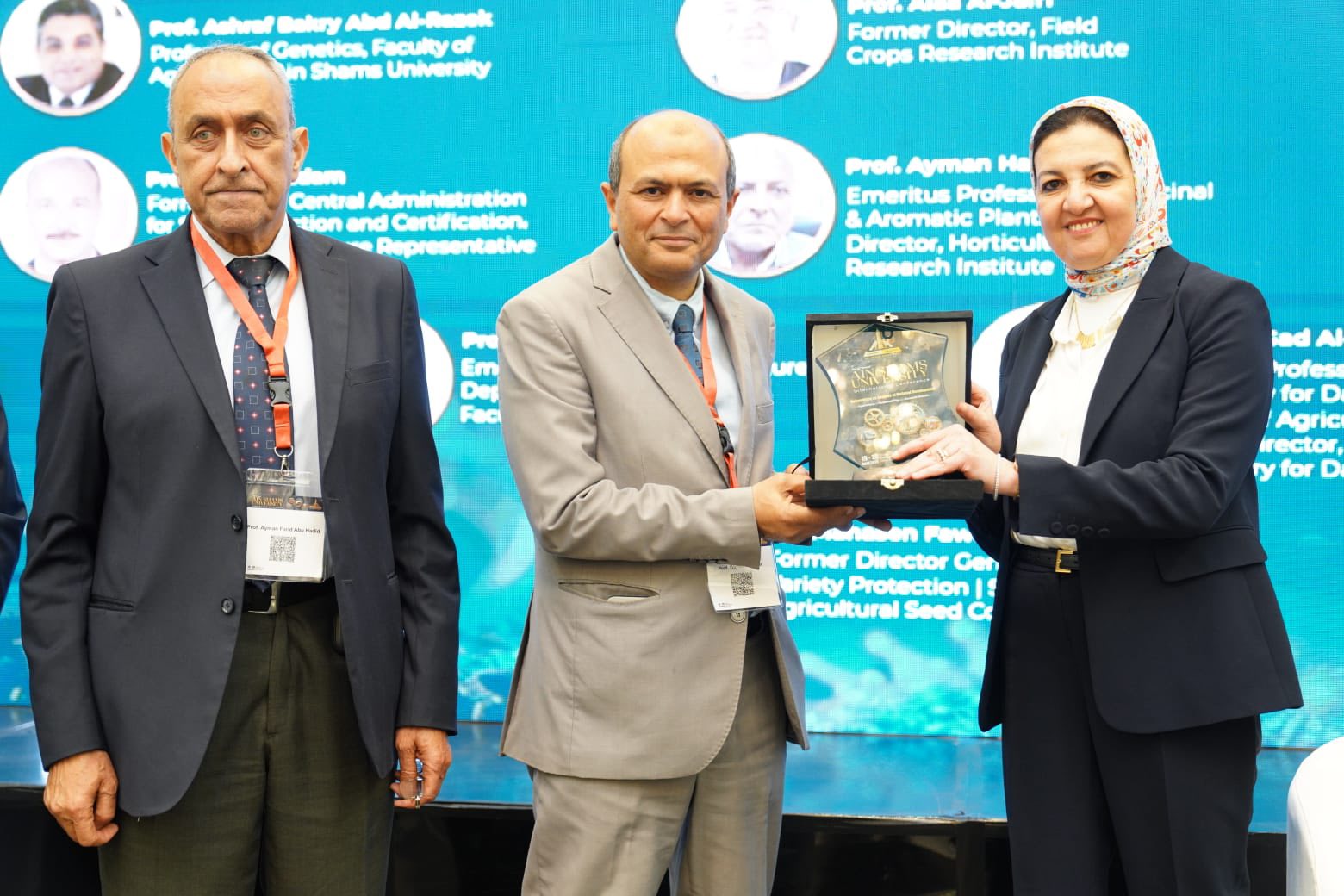
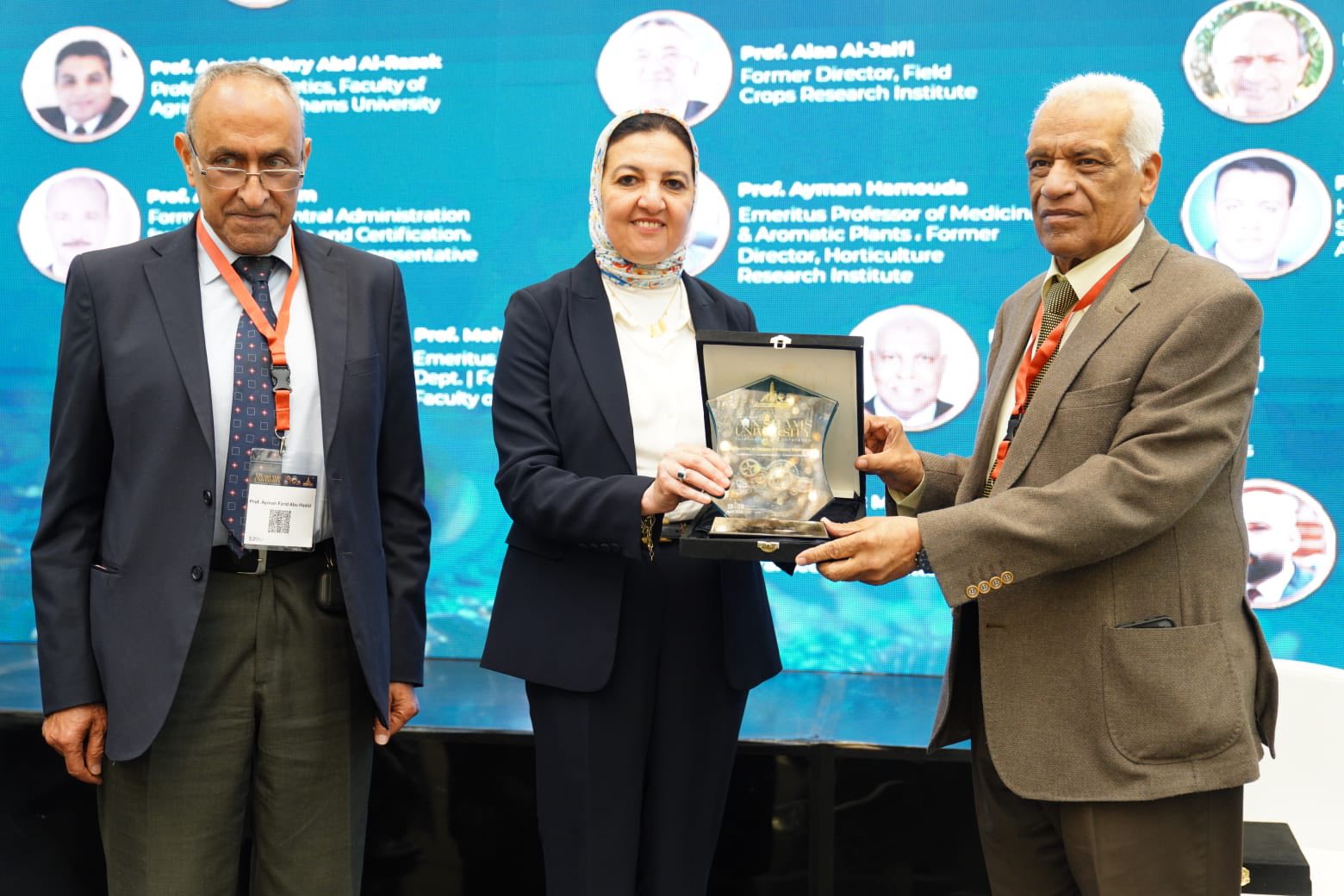
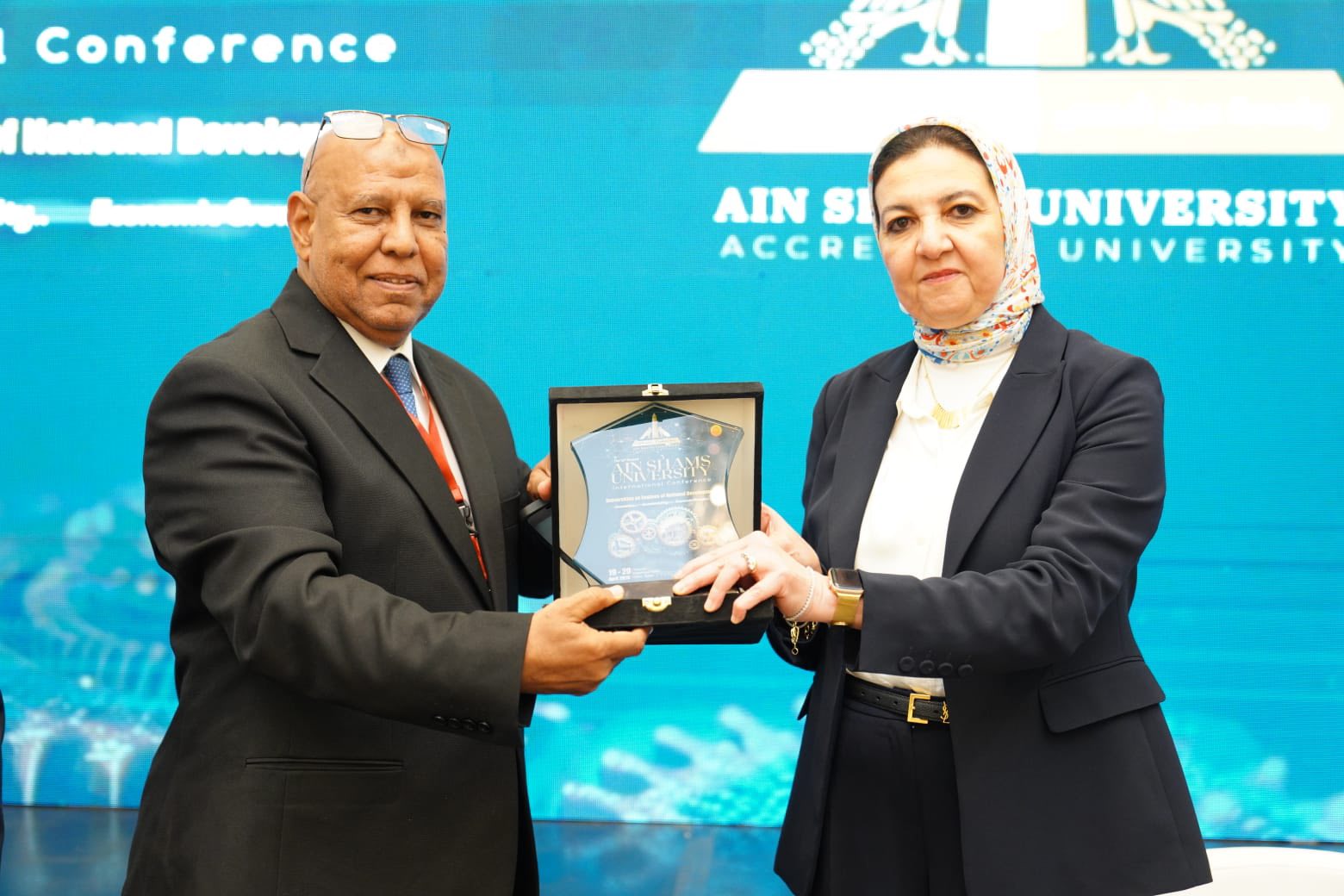
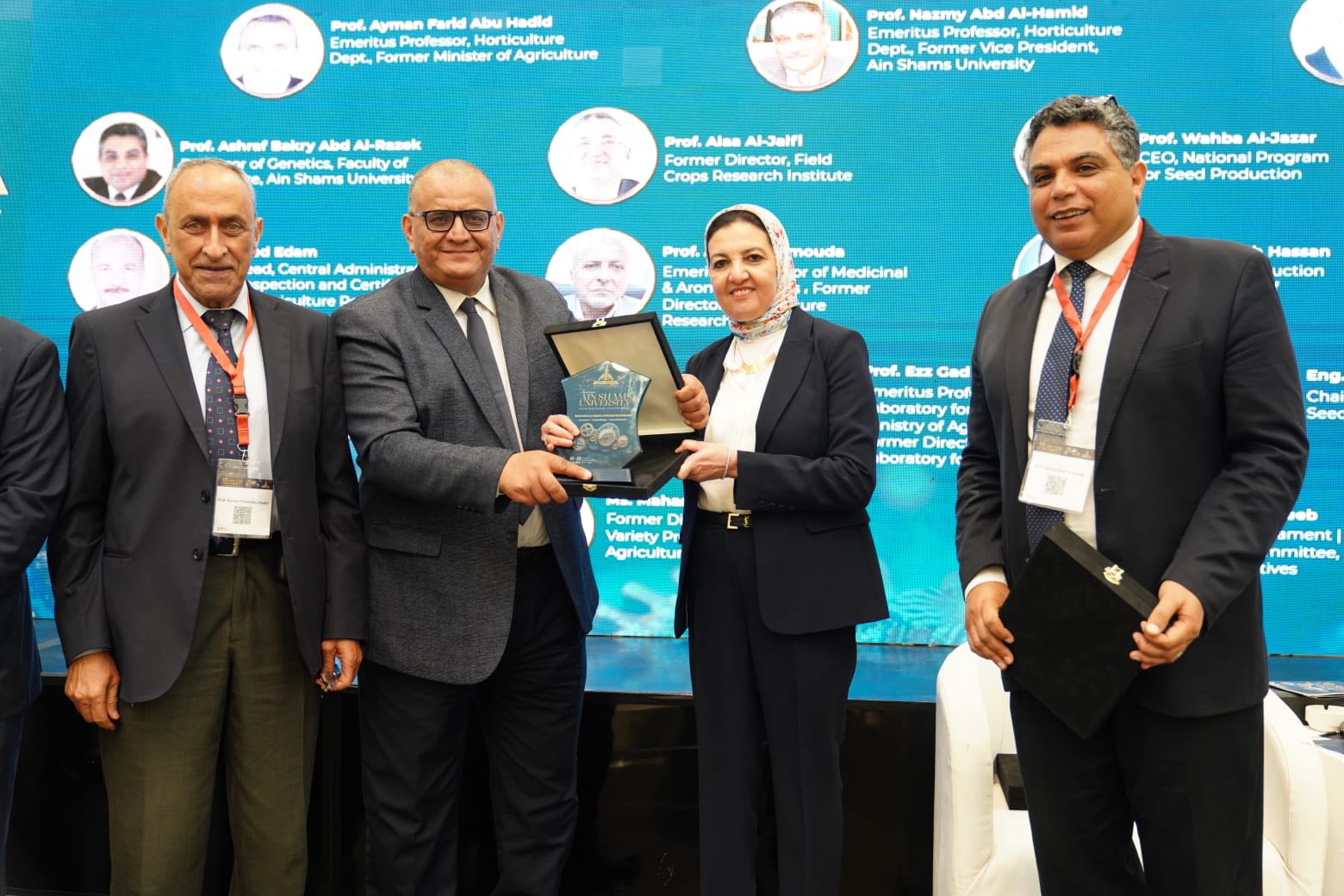
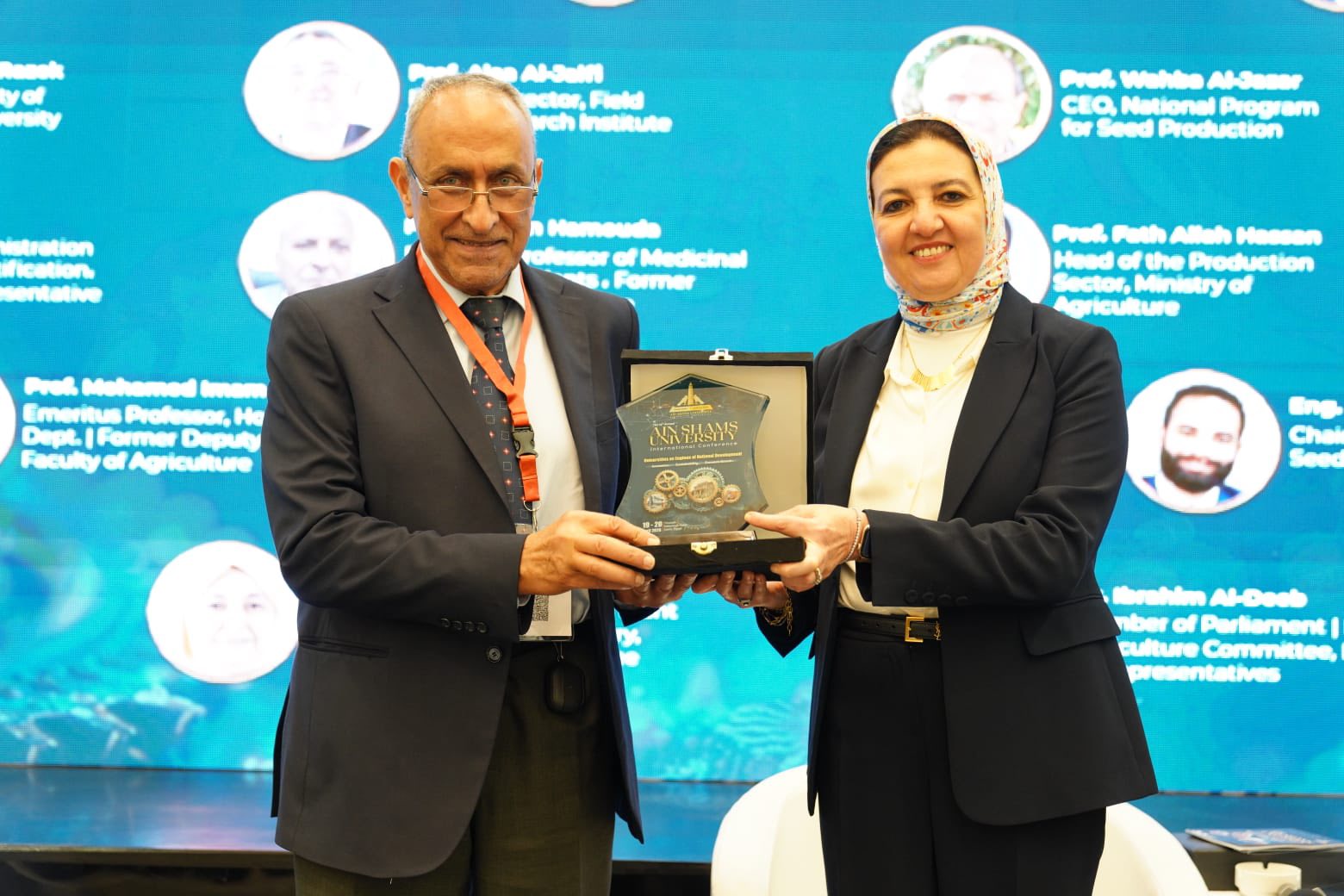
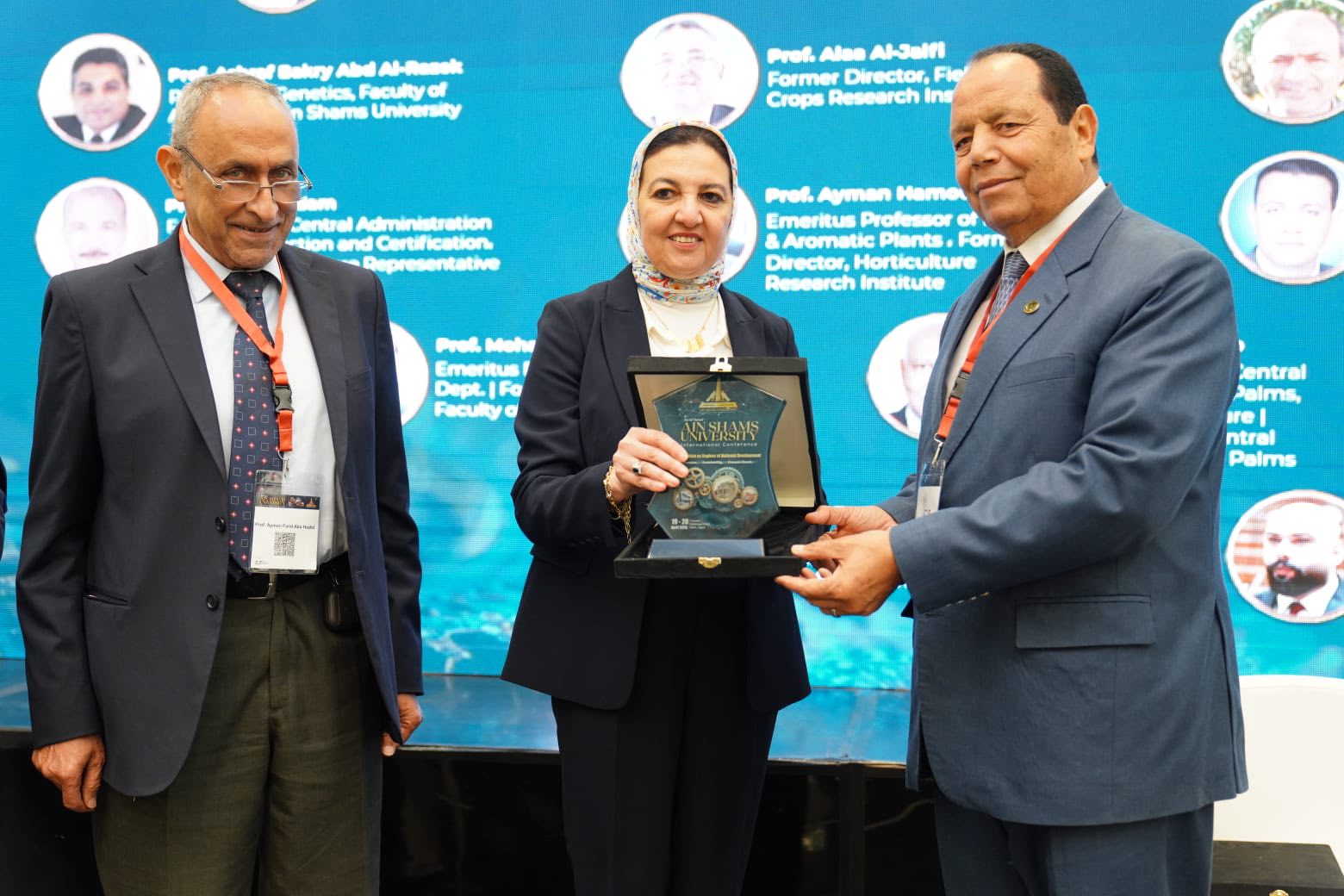
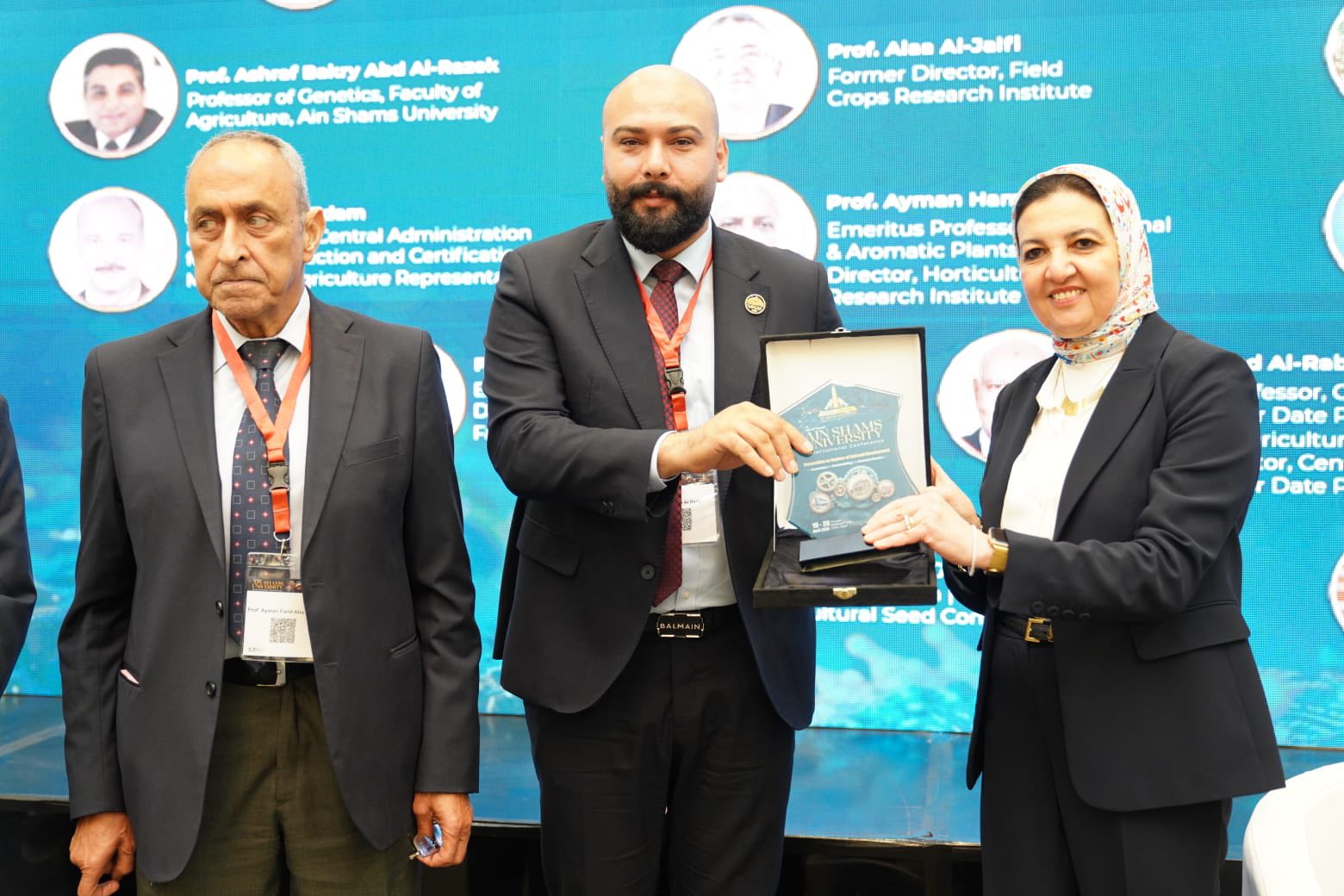
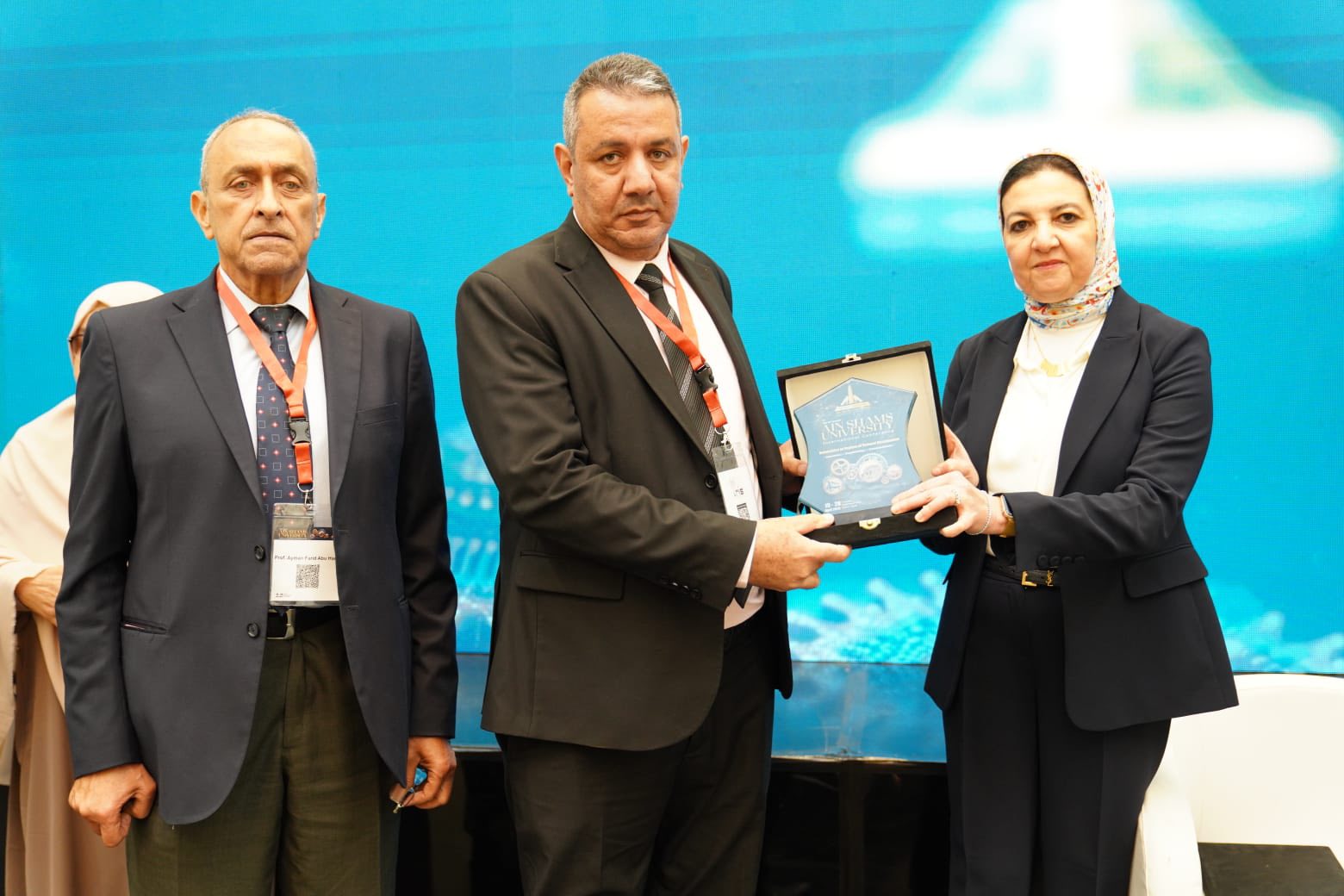
The session was chaired by Prof. Ayman Farid Abu Hadid, former Minister of Agriculture, and Prof. Nazmi Abdel Hamid, former Vice President of Ain Shams University, along with Prof. Mohamed Abdel Salam Rashed and Prof. Ashraf Bakri Abdel Razek. They discussed the current state of the seed sector in Egypt through a comprehensive analysis of the challenges it faces, most notably the import gap, market structure, and the seed certification and quality assurance system.
The session also addressed the legislative and regulatory dimensions related to plant variety registration and intellectual property rights protection, with Mrs. Mahasen Fawaz Mohammed reviewing the current legal challenges.
 |
 |
 |
||
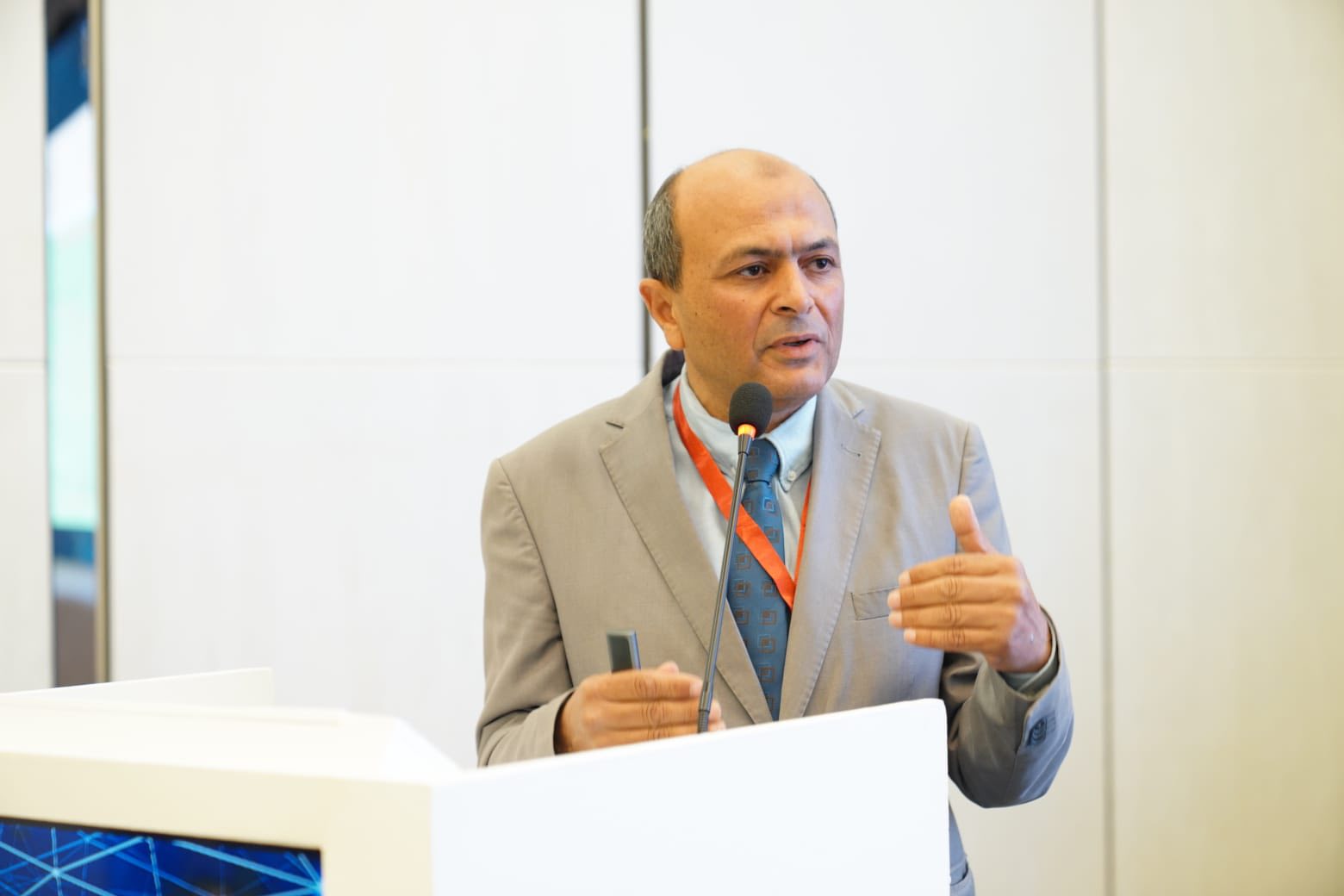
Prof. Wahba Al-Jazzar reviewed the current state of vegetable crop seeds, highlighting the most significant gaps in the market and emphasizing the importance of achieving self-sufficiency and enhancing competitiveness.
In a related context, Prof. Fathallah Hassan emphasized the importance of expanding local production to bridge the import gap.
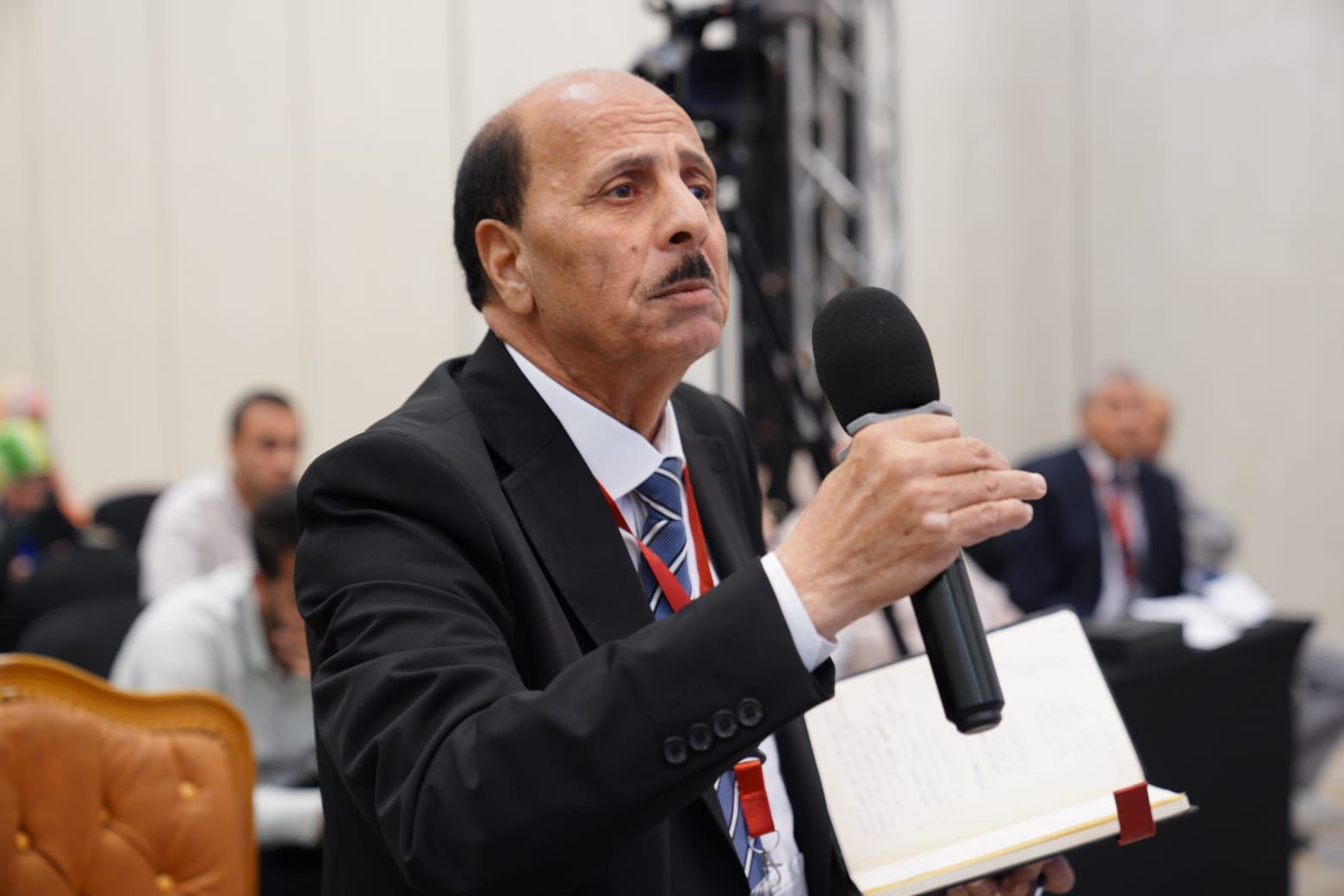
The session witnessed an extensive interactive discussion with the participation of representatives from the public and private sectors, including Engineer Mahmoud Majed, where visions were exchanged and innovative ideas were proposed to enhance partnerships and technology transfer, contributing to building a strong and sustainable national seed industry.
At the conclusion of the session, participants affirmed that developing the seed industry is a cornerstone for achieving food security in Egypt. They emphasized the need for integrated efforts between scientific research, legislation, and executive policies, along with supporting innovation as a key driver for achieving sustainable agricultural development.
 |
 |
 |
||
Throughout the conference sessions, it was stressed that developing the seed industry is no longer an option but an urgent necessity for enhancing food sovereignty and economic independence, particularly in light of the challenges associated with import dependency, a weak market structure, and an inadequate accreditation system.
Participants also called for flexible legislative reforms, attracting investments, empowering the private sector, supporting applied scientific research, and accelerating the transfer of modern technology.
One session reviewed the government's efforts to localize vegetable seed production, noting the launch of a national program in 2019 that has successfully registered several local hybrids and varieties, despite the continued high reliance on imports.
 |
 |
 |
||
One of the sessions reviewed the state's efforts to localize vegetable seed production, noting the launch of a national program in 2019 that has successfully registered a number of local hybrids and varieties, despite the continued high reliance on imports.
Discussions also addressed the size of the global market and its dominance by a limited number of large companies, which presents competitive challenges that necessitate developing local capabilities. The importance of the legislative framework, particularly Law No. 144 of 2019, in protecting the rights of breeders and promoting investment was emphasized, while warning against the risks of the spread of unlicensed varieties and the need to protect genetic resources.
In another focus, the sessions addressed the challenges associated with climate change, water scarcity, and salinity, emphasizing the role of modern technologies such as genetic engineering and gene editing in developing more resilient varieties. They stressed the need for a clear regulatory framework to ensure the safe application of these technologies.
Participants also reviewed successful plant breeding experiences that have contributed to increased productivity and reduced water consumption. They affirmed that integration between universities, research centers, the private sector, and farmers is the cornerstone of developing the seed industry, along with the necessity of providing institutional support and protection for breeders.
The conference concluded by emphasizing the importance of moving from theoretical discussions to practical application through integrated efforts between the government, universities, and the private sector. This collaboration aims to enhance Egypt's ability to become a regional hub for seed production and export, and to achieve sustainable agricultural development.