.svg)

The Faculty of Agriculture Hosts The International Conference on Developing Horticultural Crop Cultivation and Promoting Sustainability
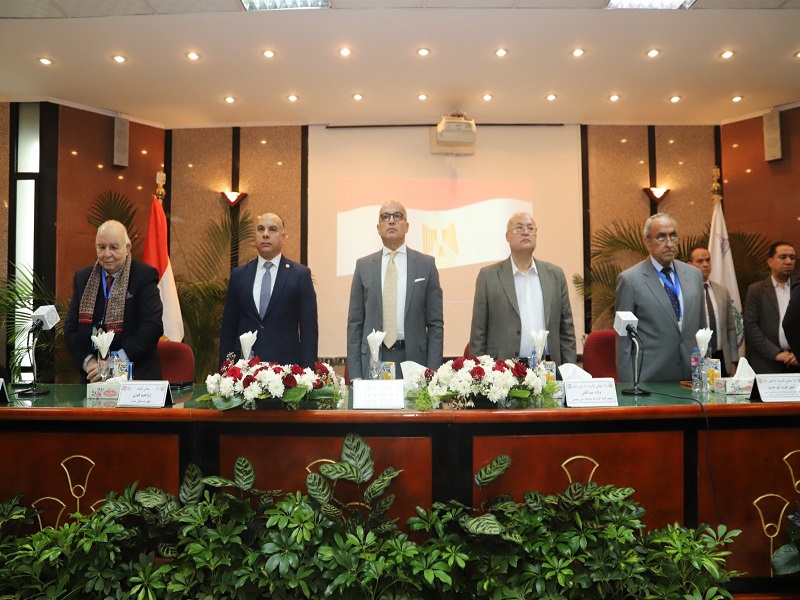
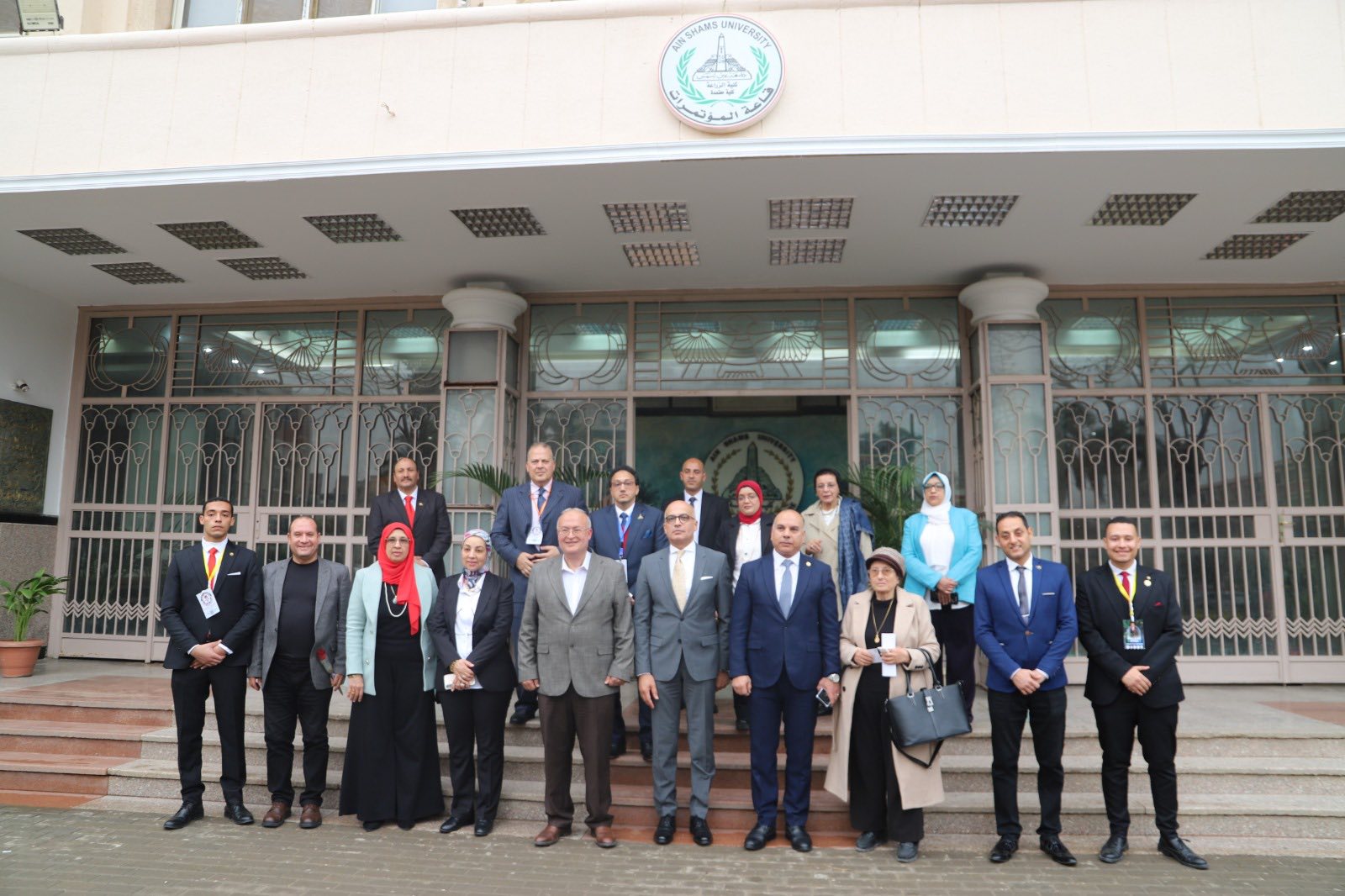
The Egyptian Horticulture Association organized an international scientific conference titled “Challenges Facing the Future of Horticultural Crop Cultivation in Egypt… A Vision for Orchard Development,” under the patronage of the Ministry of Agriculture and Land Reclamation, Prof. Mohamed Diaa Zain El-Abedeen, President of Ain Shams University, Prof. Dr. Amany Osama Kamel, Vice President for Graduate Studies and Research, and Prof. Walaa Abdel Ghany, Dean of the Faculty of Agriculture, Ain Shams University.
 |
 |
 |
||
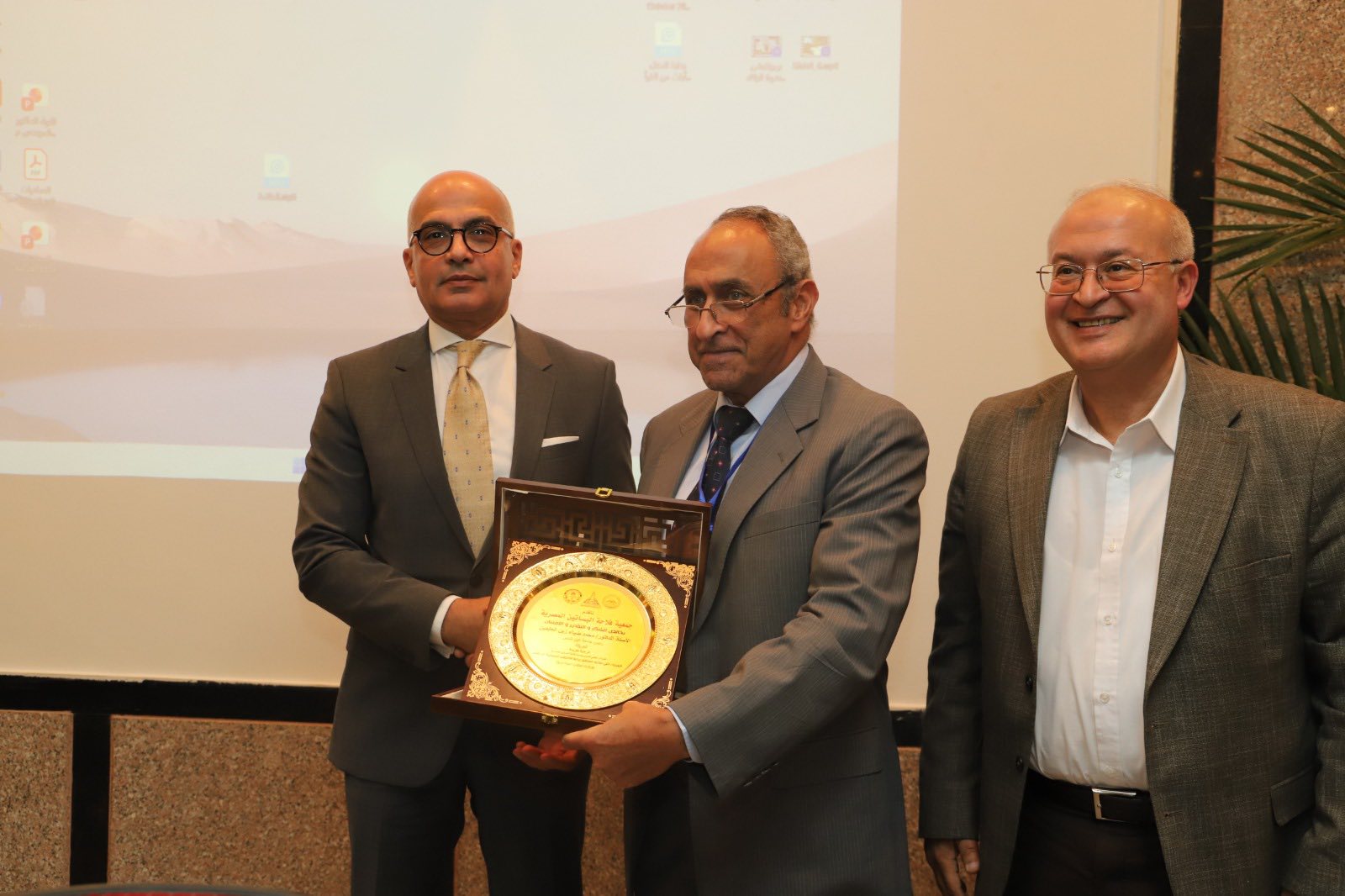
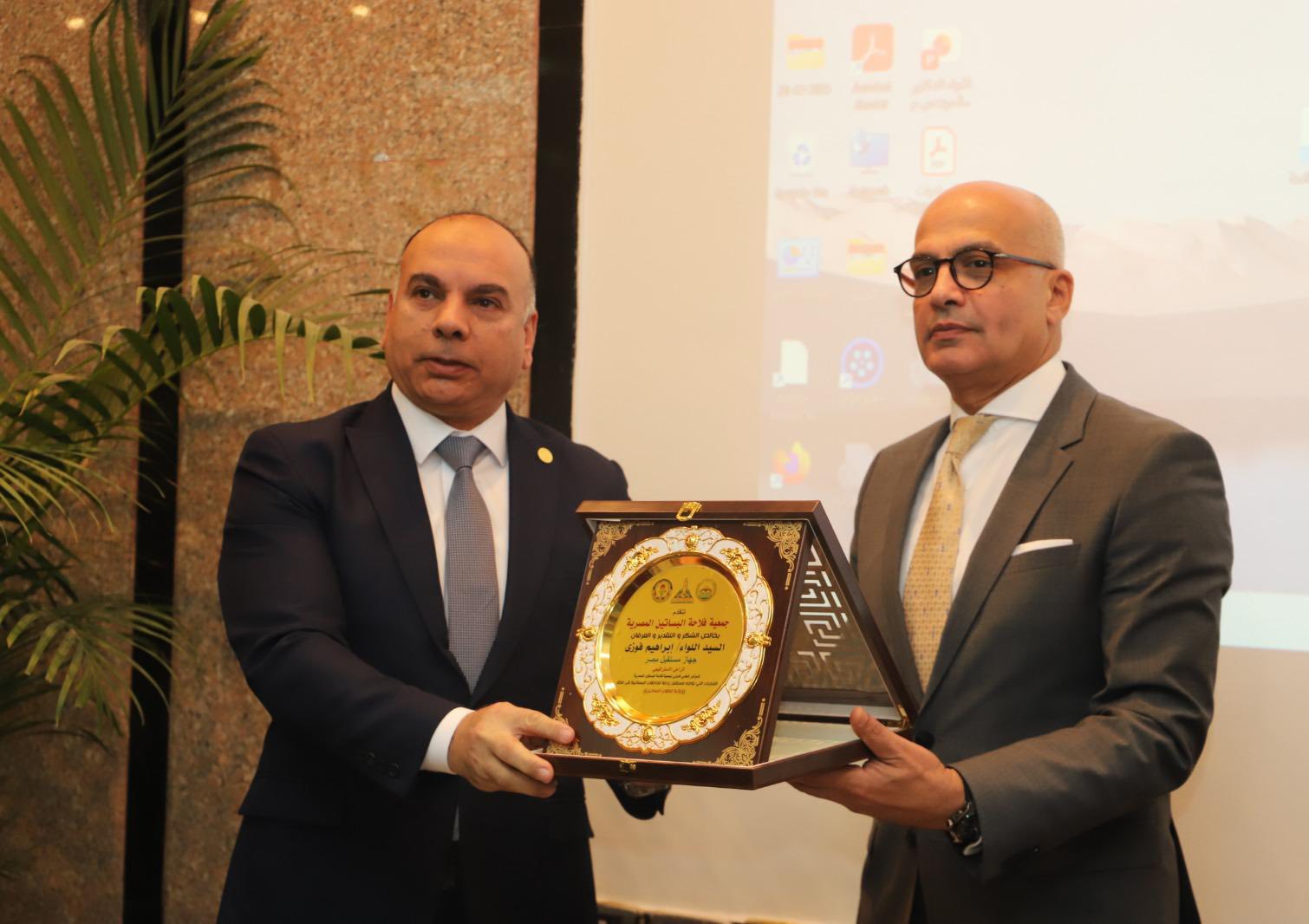
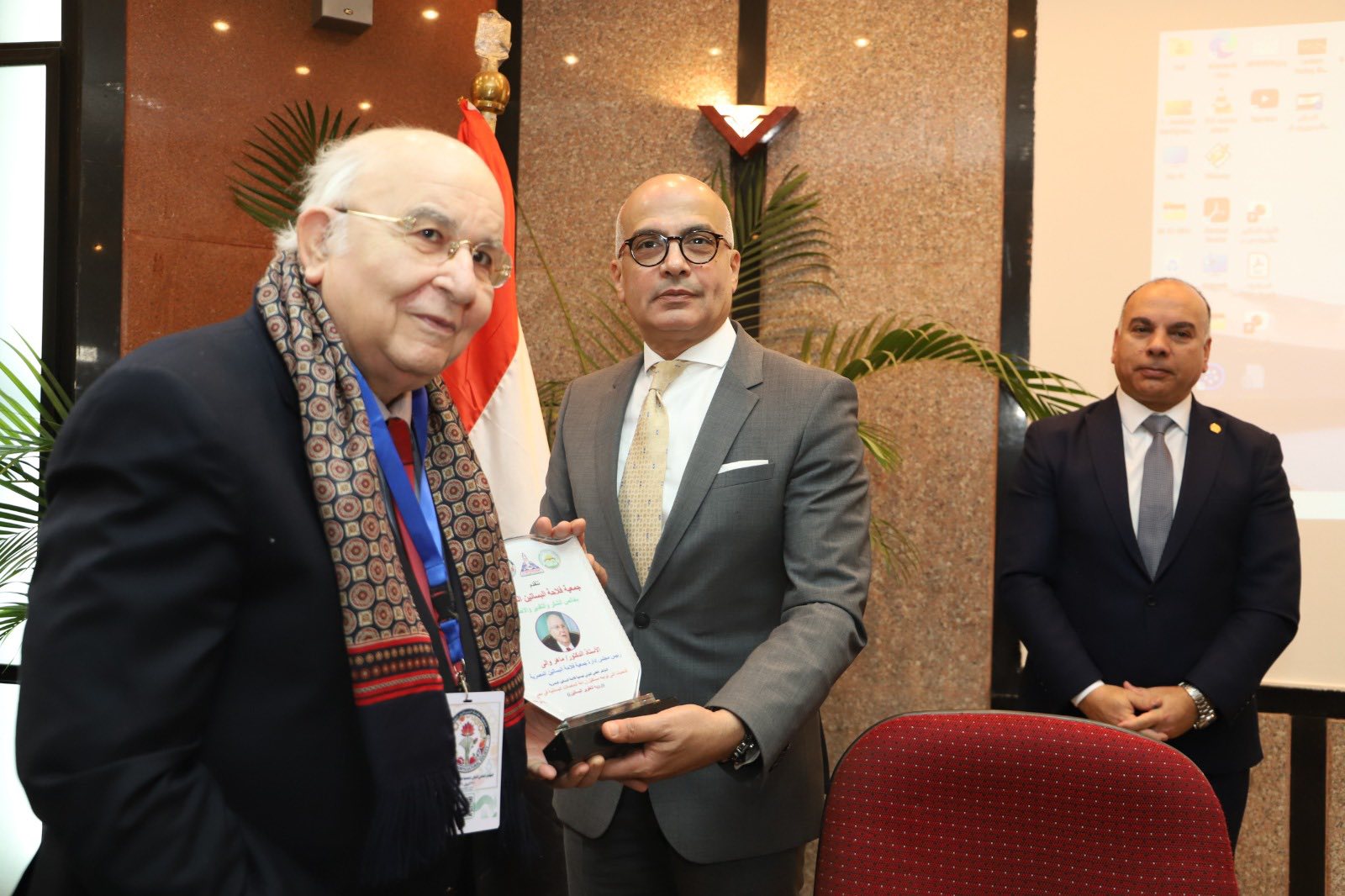
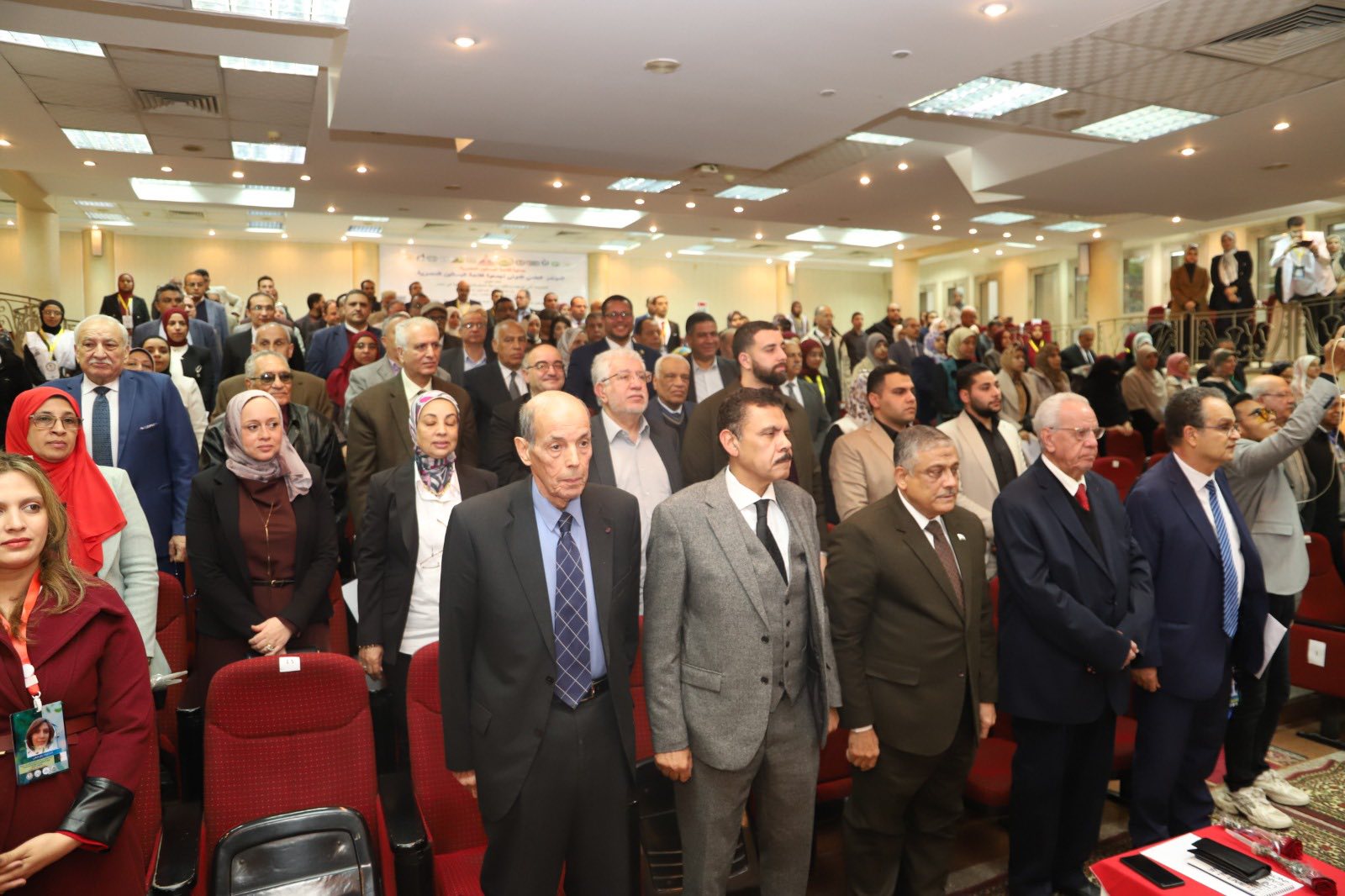
The conference was held in the presence of Major General Ibrahim Fawzi from the Future of Egypt Authority, Prof. Ahmed Abu El-Yazid, Vice Dean for Community Service and Environmental Development, Prof. Mona Zayed, Vice Dean for Graduate Studies and Research, Prof. Manal Mubarak, Vice Dean for Education and Student Affairs, Prof. Maher Wali, Chairman of the Egyptian Horticulture Association, Prof. Ayman Farid Abu Hadid, Conference President, Professor of Horticulture at the Faculty of Agriculture, former Minister of Agriculture and Land Reclamation, Vice Chairman of the Association, and Editor-in-Chief of the Egyptian Journal of Horticulture, along with a distinguished group of faculty staff, researchers, and conference coordinators.
In his speech, Prof. Mohamed Diaa Zain El-Abedeen expressed his pleasure at hosting this distinguished gathering at the Faculty of Agriculture, Ain Shams University, during this important international scientific conference, which reflects a deep awareness of the significance of the horticulture sector and its pivotal role in supporting food security and advancing sustainable development pathways in Egypt.
He emphasized that the agricultural sector, particularly horticultural crops, is a strategic pillar of the national economy, not only for its role in food provision but also for its contribution to agricultural exports and job creation, which places a greater responsibility on academic and research institutions to develop this sector and enhance its competitiveness.
 |
 |
 |
||
He further noted that the conference comes at a critical time amid accelerating global challenges, including climate change, resource scarcity, and rapid technological advancement, which necessitate the adoption of innovative scientific visions and integrated efforts among stakeholders to ensure optimal resource utilization and sustainable agricultural production.
He affirmed that, in line with Ain Shams University’s national and societal role, significant attention is given to supporting applied scientific research and strengthening partnerships with research institutions and executive sectors to translate research outputs into practical applications that support the country’s comprehensive development plans.
 |
 |
|
He added that investing in minds and innovation is the optimal path to addressing future challenges, and that such conferences serve as vital platforms for exchanging expertise and building shared visions that contribute to advancing the horticulture sector in Egypt.
In conclusion, he extended his sincere appreciation to the Egyptian Horticulture Association, the Faculty of Agriculture, and all organizers, while welcoming distinguished guests and wishing them a successful and fruitful conference with impactful recommendations.
For his part, Major General Ibrahim Fawzi, representing the Future of Egypt Sustainable Development Authority, expressed his pleasure in participating, highlighting the Egyptian state’s commitment to developing the agricultural sector, particularly horticulture, through major national projects aimed at agricultural expansion, optimal resource utilization, and the application of advanced technologies.
He explained that the Authority works to implement the state’s vision through land reclamation, modernization of irrigation systems, and strengthening supply chains and marketing, contributing to improved productivity and enhanced food security.
He stressed the importance of integrating scientific research with executive bodies to transfer technology into practical applications and transform research outputs into tangible solutions.
Prof. Maher Wali, Chairman of the Egyptian Horticulture Association, affirmed that the conference is being held amid significant challenges facing the sector, including climate change, water scarcity, and rising production costs, stressing the importance of scientific collaboration to provide innovative and sustainable solutions, and praising cooperation with the Ministry of Agriculture and Ain Shams University.
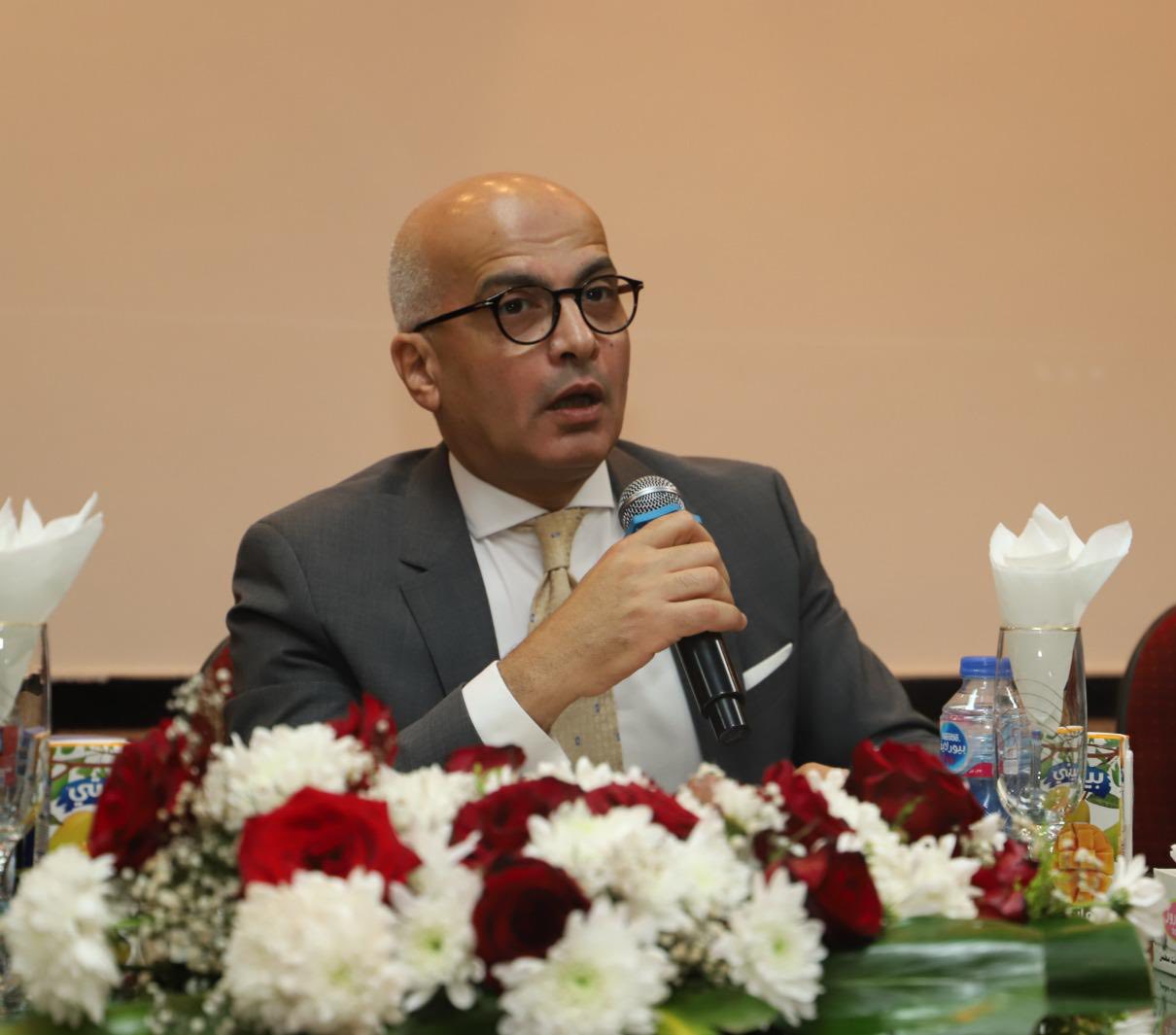
Prof. Ayman Farid Abu Hadid expressed his pleasure at inauguring this prominent international scientific event, which brings together an elite group of scientists, experts, and researchers from around the world to discuss the latest advancements in horticultural sciences.
He noted that the conference comes at a critical time, as the horticulture sector faces unprecedented challenges, including climate change, water scarcity, the need to achieve food security, and improving agricultural production quality in line with global market requirements.
He highlighted the importance of this scientific gathering as a platform for exchanging expertise, presenting modern visions, and strengthening international research cooperation to develop horticultural production systems, apply smart technologies, and enhance pre- and post-harvest systems.
He also emphasized the need to redefine research approaches in horticulture to go beyond traditional aspects and incorporate innovation, biotechnology, digital transformation, and environmental sustainability—objectives that the conference seeks to achieve through its specialized scientific sessions.
He further underscored the vital role of the Egyptian Horticulture Association in supporting scientific research and building bridges between academic institutions and applied sectors, serving agricultural development in Egypt and the Arab region.
In conclusion, he expressed hope that the conference will produce applicable scientific recommendations that address current challenges and open new horizons toward a more sustainable and innovative future for the horticulture sector.
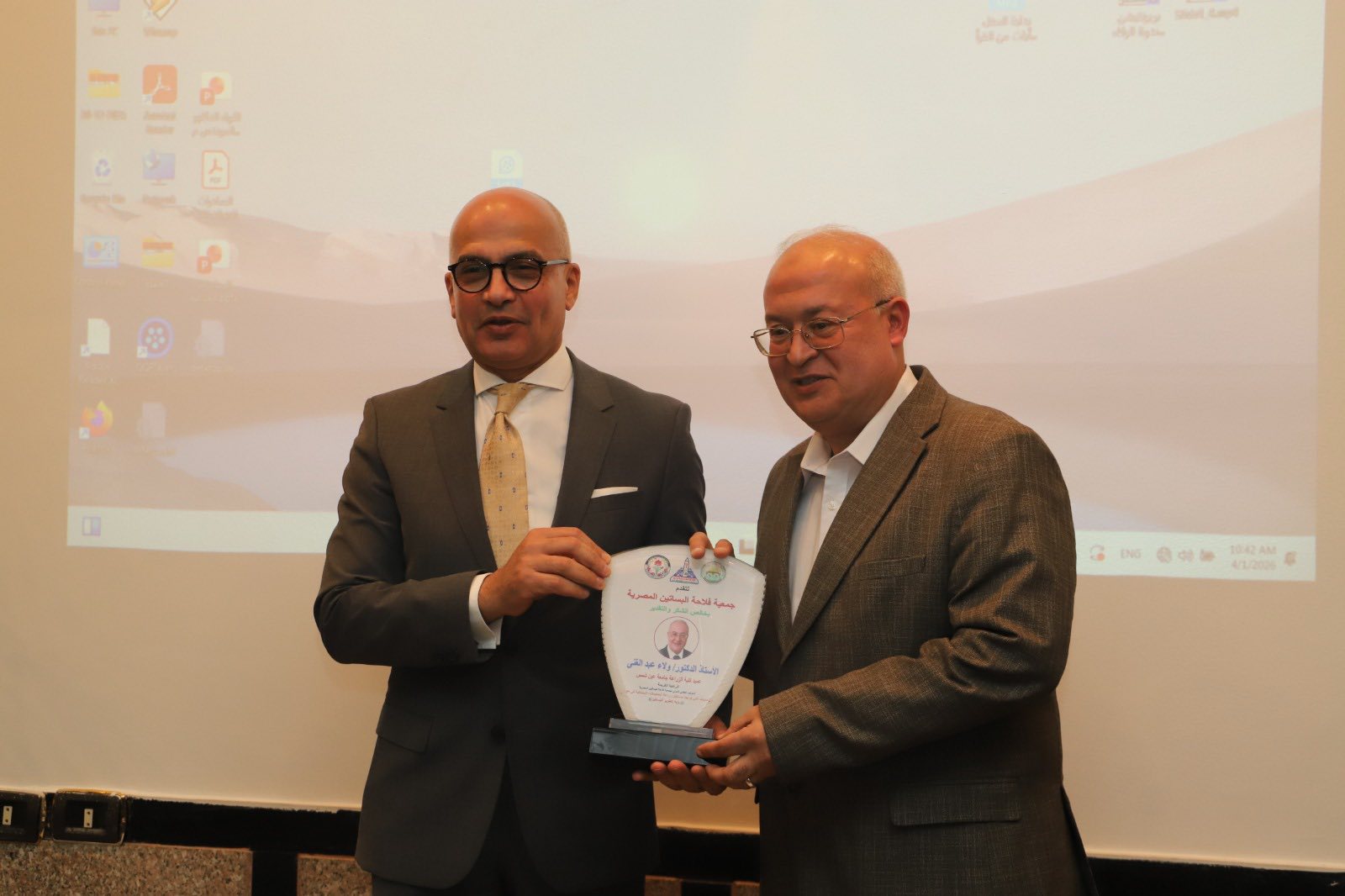
Prof. Walaa Abdel Ghani, Dean of the Faculty of Agriculture, welcomed the guests and emphasized the vital role of scientific research in supporting sustainable agricultural development, especially amid accelerating global challenges such as climate change, resource scarcity, and the need to ensure food security.
He affirmed the faculty’s firm belief that developing the horticulture sector requires integrated efforts between academic and research institutions, strengthening scientific partnerships, and exchanging expertise to reach innovative, applicable solutions that support the national economy and improve agricultural production quality.
He also stressed the faculty’s ongoing commitment to supporting young researchers, encouraging innovation, and adopting modern technologies that enhance productivity and optimize resource use in line with the state’s sustainable development vision.
The conference addresses several key themes essential for developing the horticulture sector, including sustainable development and its future impacts, modern biotechnologies in the production of vegetables, fruit trees, ornamental plants, and medicinal and aromatic plants, as well as the effects of climate change and environmental degradation on crop productivity.
It also covers modern irrigation systems, water management, renewable energy, post-harvest loss reduction, storage and marketing technologies, artificial intelligence applications in agricultural practices, modern strategies for pest and disease control, and the economics of horticultural crops considering global climate changes.
The conference aims to strengthen the link between scientific research and practical application, support innovation in modern agricultural technologies, present and discuss the latest research and future trends, enhance cooperation among universities, research centers, and the private sector, and promote agricultural awareness considering rapid technological advancement, particularly in artificial intelligence.
On the sidelines of the conference, a horticulture exhibition is being held, serving as a platform that brings together public and private institutions, companies involved in the cultivation, production, and export of horticultural crops, as well as startups and related industries, to showcase the latest innovations in sustainable agriculture and advanced solutions for preserving natural resources and renewable energy technologies.
The conference also features the presentation of graduation projects, offering undergraduate students from faculties of agriculture across Egypt a valuable opportunity to showcase their innovative ideas before leading local and international experts, helping transform these ideas into practical applications and opening promising prospects for their professional future.