.svg)

The Faculty of Al-Alsun organizes a seminar titled "Translation Between Theory and Practice"
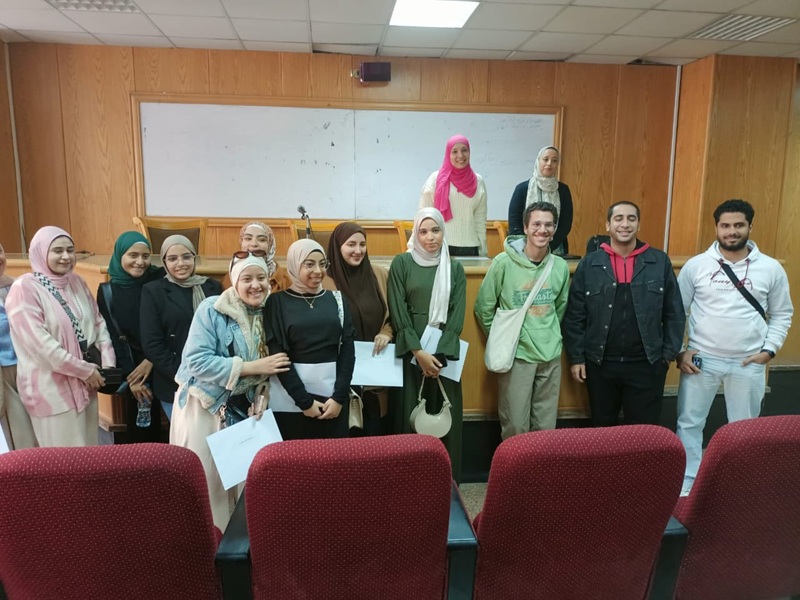
The Community Service and Environmental Development Sector at the Faculty of Al-Alsun, Ain Shams University, in cooperation with the Faculty’s Graduate Follow-up and Professional Training Unit, organized a scientific seminar entitled “Translation Between Theory and Practice.” This event was held as part of the faculty’s commitment to linking academic study with practical application, developing the skills of students and graduates, and preparing them for the requirements of the labor market in the field of translation.
The seminar was held under the patronage of Prof. Ghada Farouk, Vice President of Ain Shams University for Community Service and Environmental Development, and Prof. Yomna Safwat, Acting Dean of the Faculty and Vice Dean for Community Service and Environmental Development, and under the supervision of Prof. Mona Ahmed Hamed, Head of the Department of Oriental and Islamic Languages; Dr. Diana Nagi, Director of the Graduate Follow-up Unit; and Dr. Noha Shaker, Graduate Coordinator for the programs.
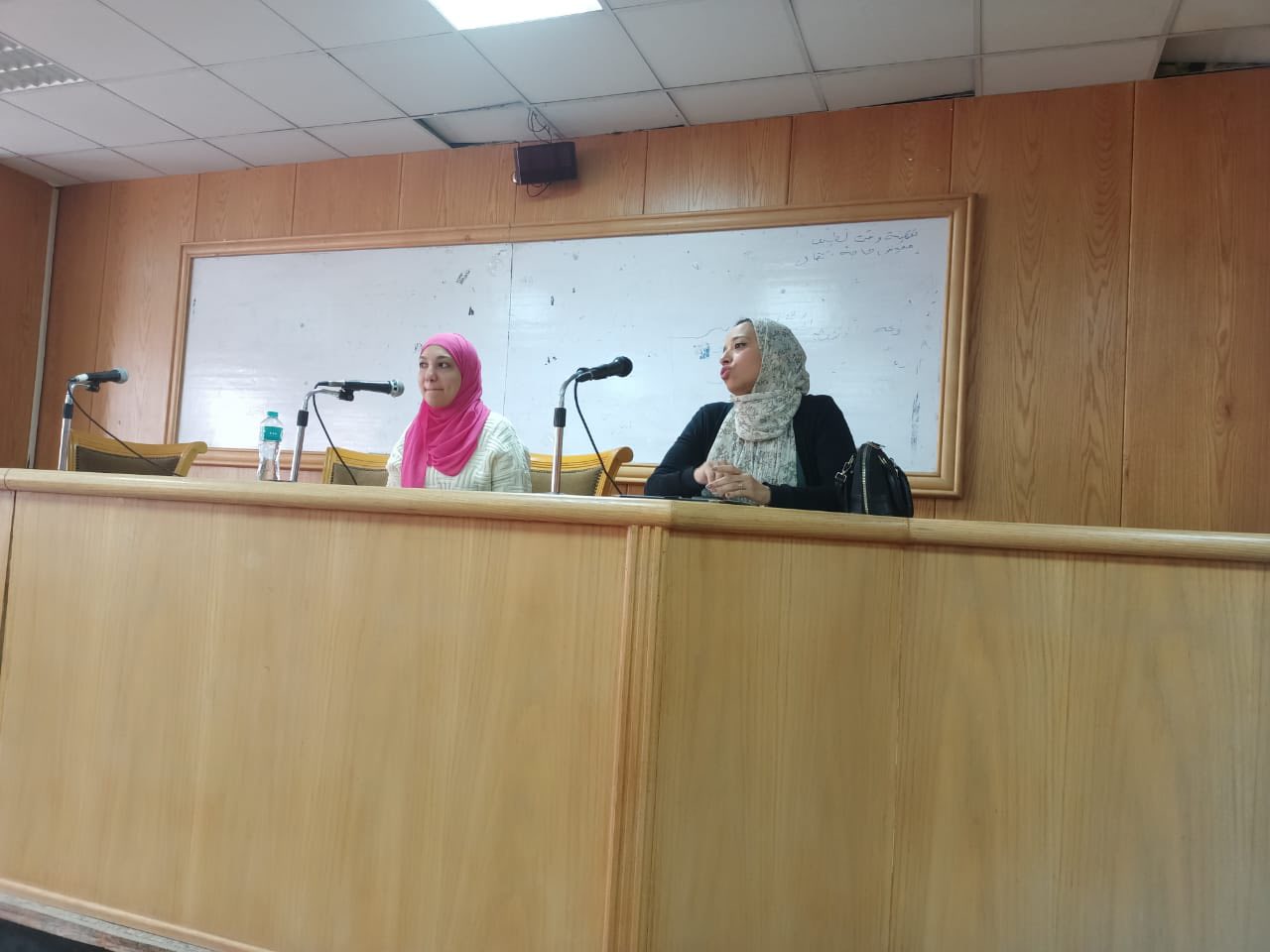
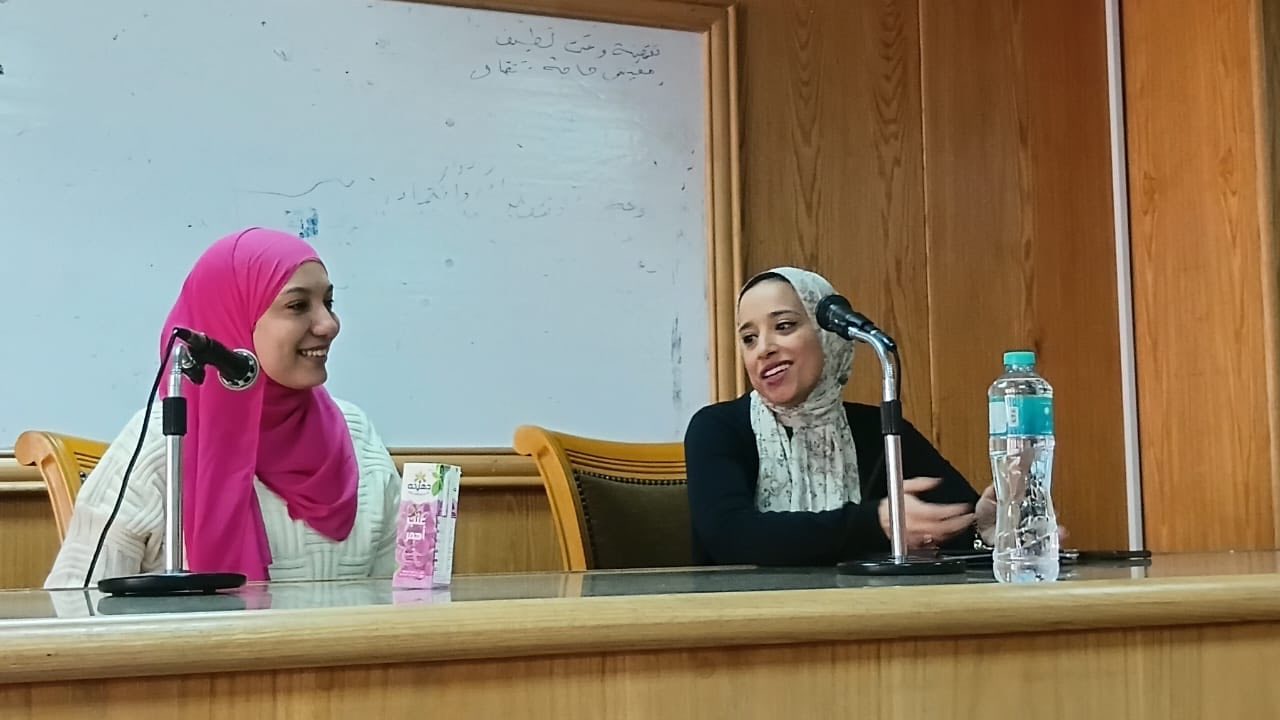
The seminar was delivered by Ms. Maryam Abdel Hakim, a specialized translator, who discussed the concept of translation, its types, and various specializations. She emphasized that translation is a complex mental and cultural process that goes beyond literal transfer of texts, relying instead on a deep understanding of context and meaning, as well as the translator’s cognitive and professional preparedness.
 |
 |
The lecture also addressed methods of preparing for translation using modern tools and digital technologies in an intelligent manner, stressing the need for intense concentration during translation to avoid mixing up terminology and to ensure accurate and correct delivery of information to the audience.
She further emphasized the importance of using artificial intelligence tools with caution in the field of translation, explaining that such tools may fall into semantic errors if the overall context of the text is not properly understood. She cited the word “capital” as an example, which means financial capital in economic translation, while AI may incorrectly translate it as “capital city” in an inappropriate context.
She noted that written translation has a distinctive and enjoyable nature, as it requires skill and creativity in phrasing without compromising the original meaning of the text, affirming that stylistic variation and the human translator’s unique imprint are indispensable elements.
The speaker also stated that she specializes in sports translation, explaining that working in any new specialization requires prior preparation, compiling appropriate terminology, and understanding the nature of the subject matter to achieve a high level of proficiency and professionalism in translating events.
The seminar further addressed the challenges faced by simultaneous interpreters, foremost among them differences in dialects and variations in pronunciation among speakers, as well as the importance of psychological readiness and awareness of current events in the country from which interpretation is taking place, whether political, economic, or social.
She explained that simultaneous interpreters may encounter stressful situations during interpreting sessions, noting that interpreters are allowed everything except losing their composure or becoming tense, and that psychological preparedness and emotional stability are the cornerstone of success.
She also stressed the importance of gaining experience through diverse practical situations and discussed the personal skills required of a translator, foremost among them self-confidence, quick responsiveness, accuracy of performance, and the ability to concentrate.
The seminar concluded with a review of the current state of the translation labor market in Egypt and the challenges faced by beginner translators, along with several practical tips to help them build a successful professional career in the field of translation.