.svg)

Ain Shams University Organizes a Workshop on the “Horizon Europe” Program to Support Scientific Research and Innovation and Enhance International Funding Opportunities
As part of the University’s efforts to enhance the capabilities of researchers and faculty staff to benefit from international funding programs and disseminate the knowledge and expertise gained from capacity-building programs related to the “Horizon Europe” Program.
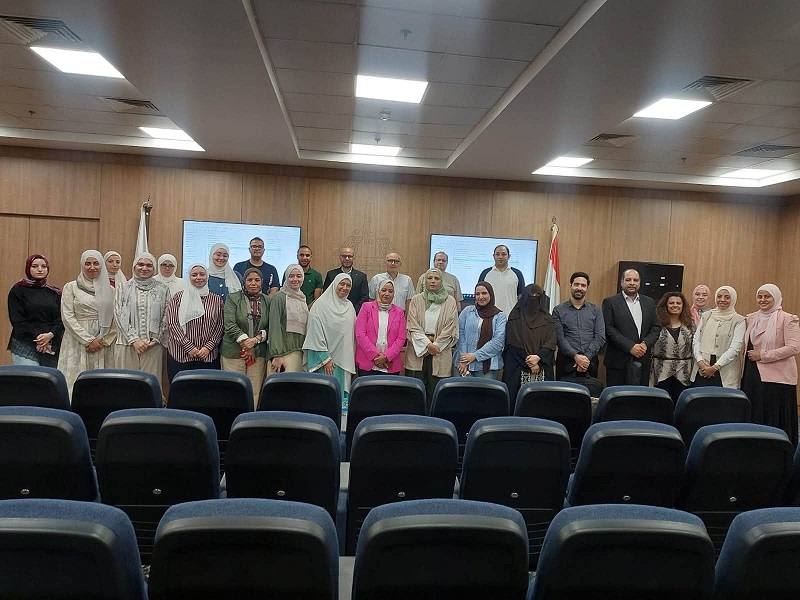
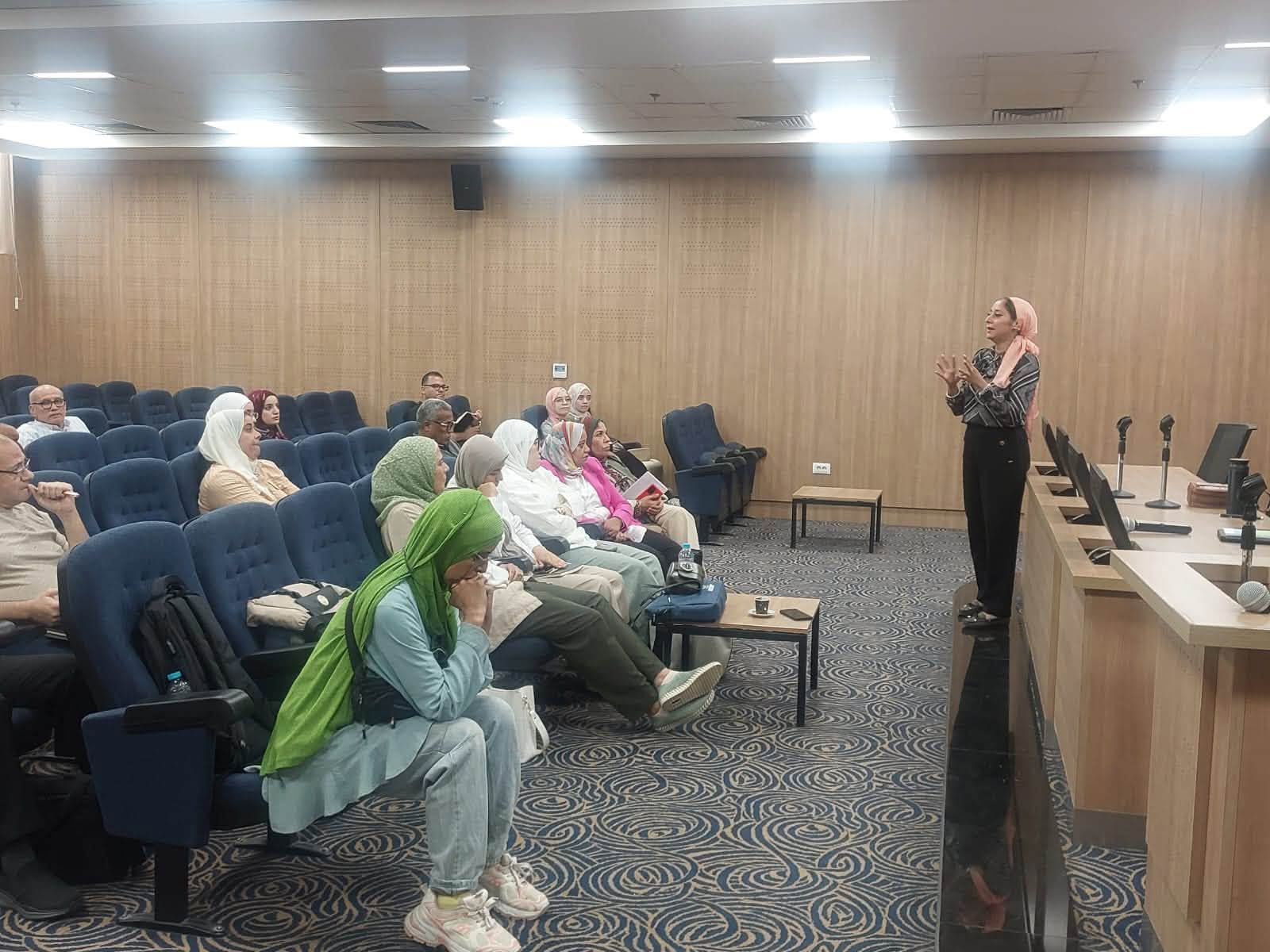
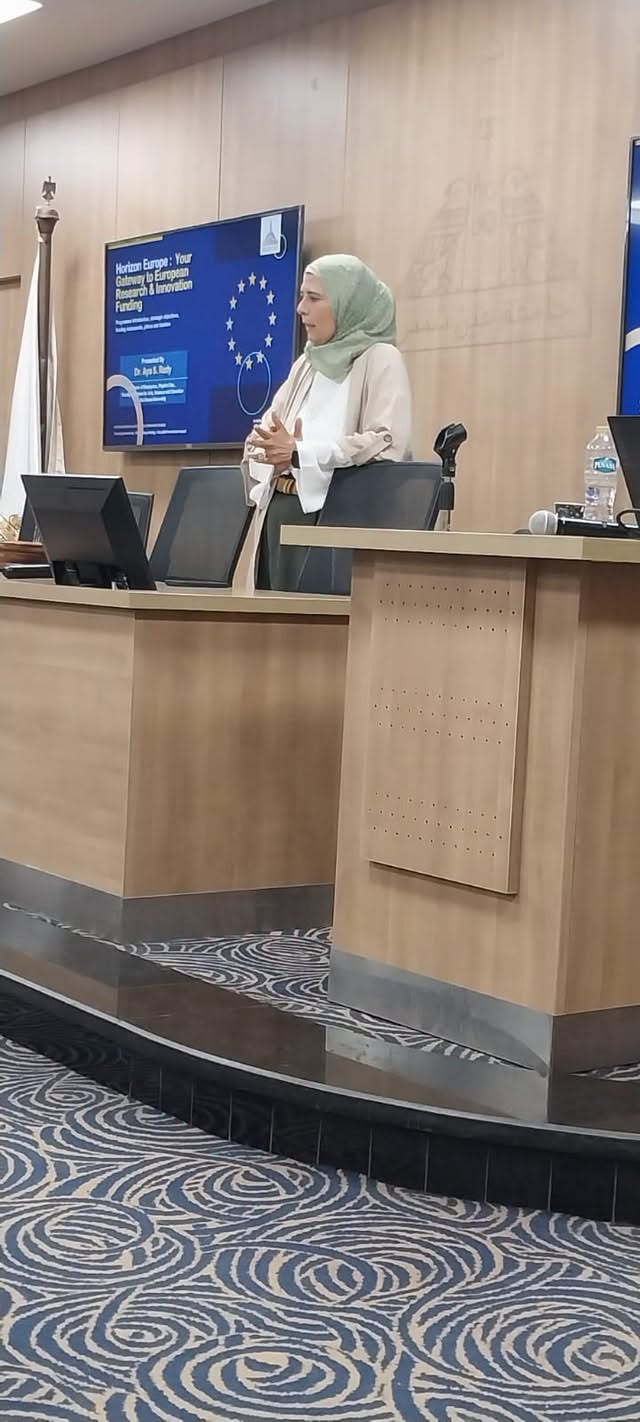
The Grants and Projects Administration at Ain Shams University organized a training workshop entitled “Horizon Europe: Your Gateway to European Research & Innovation Funding,” under the patronage of Prof. Mohamed Diaa Zain El-Abedeen, President of Ain Shams University, and Prof. Amany Osama Kamel, Vice President of the University for Graduate Studies and Research, and under the supervision of Prof. Hoda Sousa, Director of the University’s Grants and Projects Administration.
 |
 |
 |
||
Prof. Hoda Sousa emphasized that the workshop targeted faculty members, researchers, postgraduate students, and staff working in the fields of research support and international relations at the University, based on the importance of the “Horizon Europe” Program as one of the European Union’s leading programs supporting scientific research and innovation. The program provides opportunities to participate in international research projects and establish scientific partnerships with European and international universities and research centers.
She also introduced the “Horizon Europe” Program and the available funding opportunities that best suit different research projects.
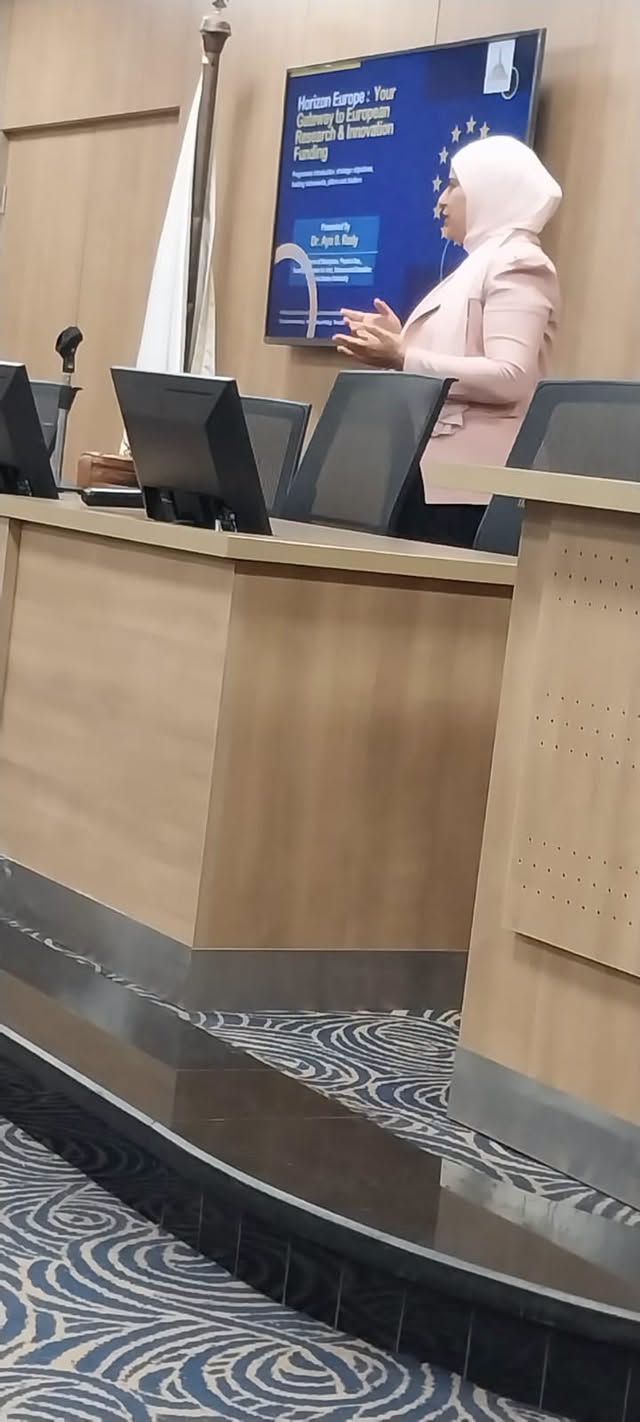
In the first session, Dr. Aya Sayed, Assistant Professor of Biophysics, presented an overview of the “Horizon Europe” Program, its strategic objectives, and the funding opportunities it offers to researchers and higher education institutions. She also explained how to identify and benefit from suitable funding calls through the Funding & Tenders Portal.
The session addressed the “Horizon Europe” Program as the European Union’s leading research and innovation program for the period 2021–2027, with a budget of €93.5 billion, and its structure based on three main pillars: Excellent Science, Global Challenges & European Industrial Competitiveness, and Innovative Europe.
The session also highlighted the program’s role in supporting scientific excellence and developing researchers’ capabilities, addressing global challenges, and promoting innovation through international cooperation and partnerships with universities, research institutions, and the industrial sector, leading to scientific outcomes and applications with economic and societal value.
The session also covered the key funding opportunities and various instruments provided by the program, including Research and Innovation Actions (RIA), Innovation Actions (IA), and Coordination and Support Actions (CSA), while explaining the importance of selecting the appropriate funding instrument according to the nature and maturity of the project and its Technology Readiness Level (TRL).
 |
 |
 |
||
The session also discussed the impact of Egypt’s association agreement with the Horizon Europe Program, signed in October 2025, which opened the door for Egyptian researchers and universities to participate more broadly in the program’s projects, including leading projects and benefiting from direct funding in accordance with the program’s applicable rules and conditions.
This section concluded with the presentation of a practical roadmap for researchers, starting with selecting an appropriate research idea, searching for a suitable funding call, building an international partnership, and developing the project concept, through to preparing and submitting the proposal.
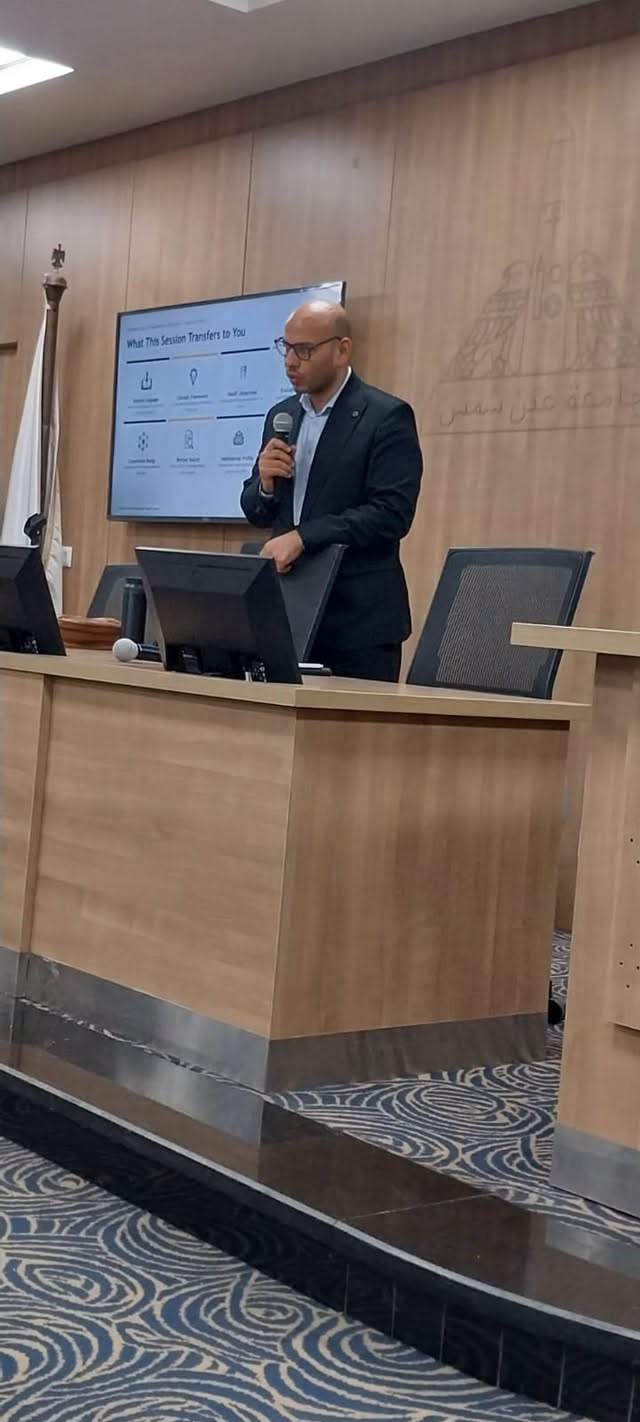
In the second session, Dr. Mahmoud Salah, Assistant Professor of Water Engineering, presented the “Idea to Project Concept” section, which focused on how to transform research ideas into project concepts that can be developed and compete for European funding.
The session addressed the importance of moving beyond simply having a research idea toward formulating a clear problem and achievable objectives, linking the idea to societal needs and priority challenges targeted by European funding programs, as well as the importance of building comprehensive international research partnerships that clearly distribute roles and expertise among team members.
The session also emphasized the need to align the research idea with the requirements of the funding call, select suitable partners, and develop an integrated project concept that lays the foundation for preparing a strong and competitive proposal.
The workshop also addressed mechanisms for searching for suitable funding calls, building international research partnerships and consortia, and opportunities for Ain Shams University to participate in “Horizon Europe” projects.
Dr. Noha Morsi, Assistant Professor of Pharmacy, delivered the third and final part of the workshop, which addressed the development, evaluation, implementation, and lifecycle management of research project proposals.
The session reviewed the basic structure of a “Horizon Europe” proposal, including the administrative section (Part A) and the technical section (Part B), as well as the main evaluation criteria for proposals, which are based on three key areas:
• Excellence
• Impact
• Quality and Efficiency of Implementation
The stages of proposal evaluation were also reviewed, beginning with eligibility and compliance checks, followed by evaluation by independent experts, and culminating in the announcement of the results.
The session placed particular emphasis on the importance of planning for impact from the early stages of the project, rather than treating impact as a later stage of implementation. This includes developing integrated strategies for communication, dissemination, and exploitation (Communication, Dissemination and Exploitation – CDE), and identifying target groups and appropriate channels for reaching them.
The session emphasized that project success is not limited to producing outstanding scientific results but also extends to the ability to transform these results into sustainable scientific, economic, and societal value, thereby enhancing the potential for the effective utilization of research project outputs.
The session also addressed the key aspects of project implementation and monitoring, including the preparation of technical and financial reports, resource management, monitoring performance indicators, and addressing risks and challenges that may arise during the various stages of project implementation.
This section concluded by emphasizing that developing a competitive proposal requires a clear and integrated link between the research problem, objectives, methodology, work plan, expected results, and targeted impact, reflecting the project team’s ability to implement the idea and achieve measurable and sustainable results.
Dr. Noha Morsi also provided an explanation of the requirements for successful implementation and management of funded projects, complementing the support provided by the Grants and Projects Administration to researchers and project managers throughout the various stages of the project lifecycle.
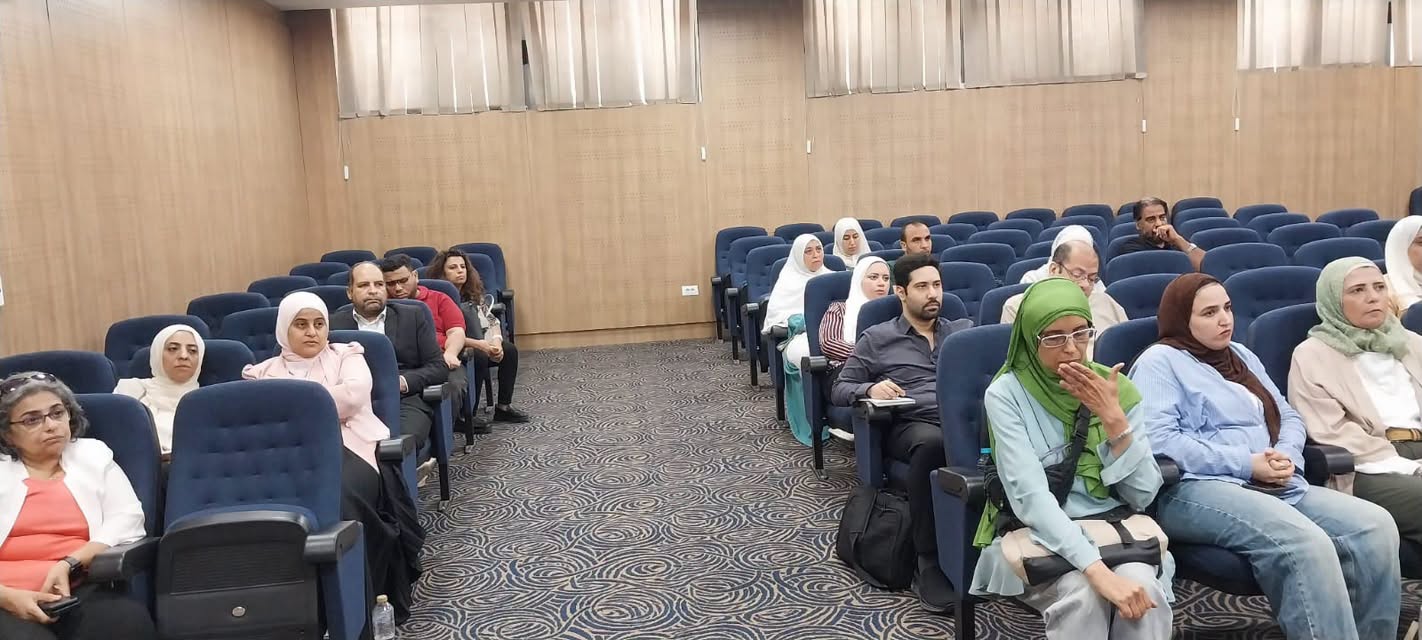
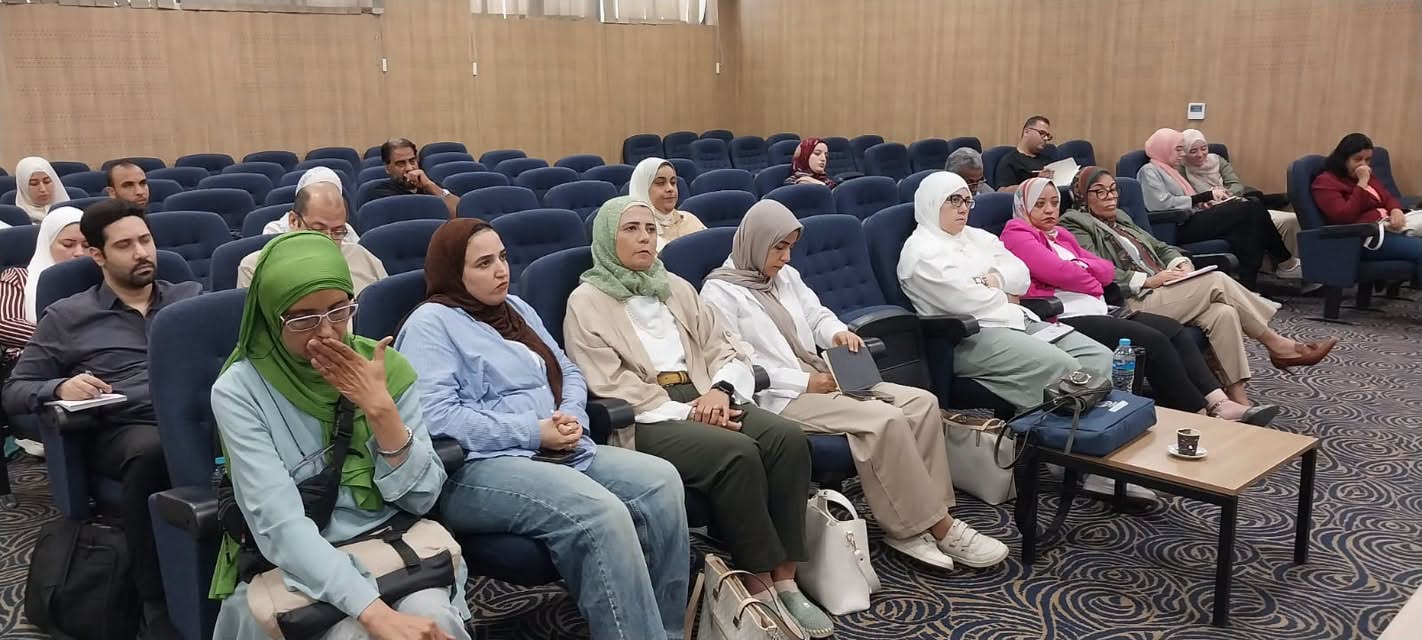
The workshop featured extensive interactive discussions between participants and members of the organizing team, addressing numerous inquiries related to mechanisms for participating in “Horizon Europe” projects and managing international research projects.
Prof. Hoda Sousa, Director of the University’s Grants and Projects Administration, also responded to participants’ inquiries, explaining the pivotal role played by the Administration in supporting researchers and project managers throughout the various stages of the project lifecycle, starting from identifying funding opportunities and preparing proposals, through implementation and monitoring, and up to completing financial, administrative, and contractual requirements.
She emphasized that the Grants and Projects Administration provides financial and administrative support and monitoring for funded projects, follows up on the preparation and review of financial reports, and provides guidance to project managers on preparing technical reports and fulfilling the requirements of funding bodies, in addition to offering advice and responding to inquiries that may arise during the implementation and management of research projects.
This workshop comes within the framework of Ain Shams University’s strategy aimed at strengthening internationalization, enhancing researchers’ readiness to participate in international research and innovation programs, increasing opportunities to secure external funding, and expanding international research partnerships, thereby contributing to the advancement of the scientific research and innovation ecosystem and strengthening Ain Shams University’s position at both the regional and international levels.
By combining an understanding of the Horizon Europe framework, selecting the appropriate funding opportunity, transforming an idea into a project concept, developing and evaluating the proposal, planning for impact, and managing the project through the completion of its lifecycle, the workshop provided participants with a comprehensive practical roadmap to help them move from a research idea to a competitive international project and enhance their ability to benefit from the opportunities offered by European funding programs.