.svg)

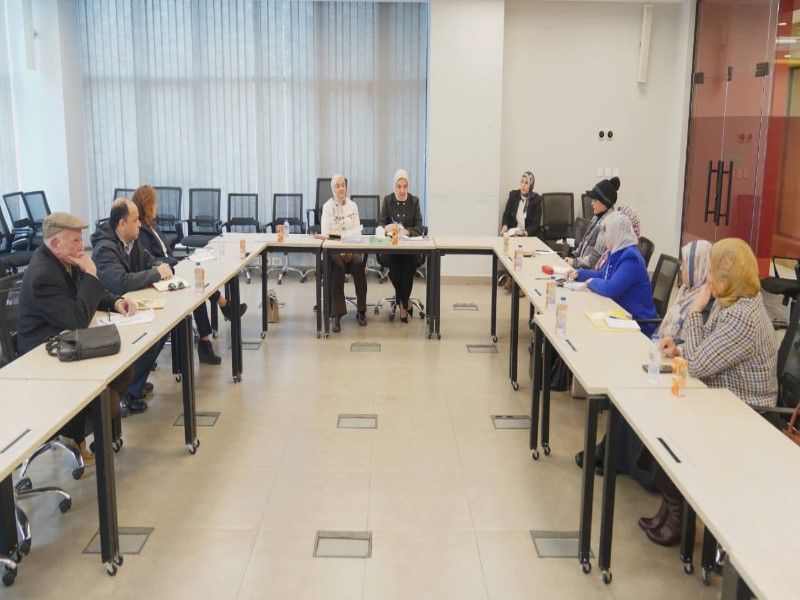
The Vice President of Ain Shams University for Postgraduate Studies and Research meets with the Institutional Animal Care and Use Committee (IACUC)
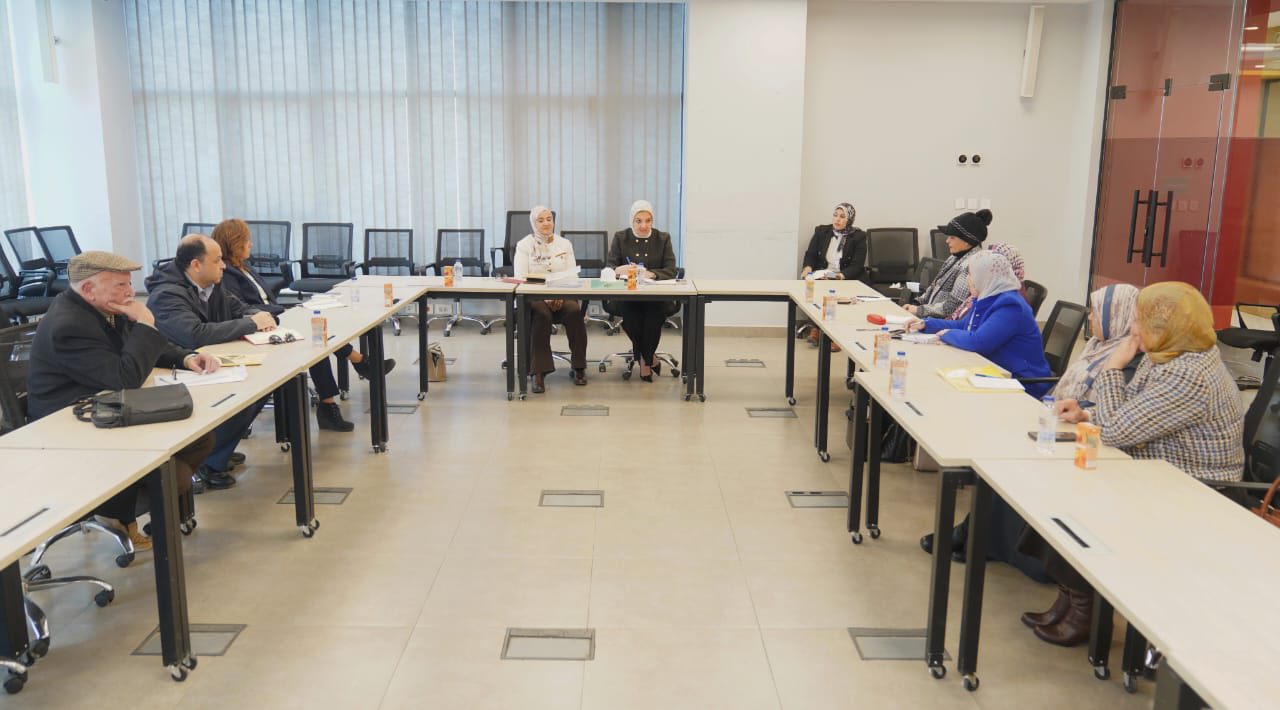
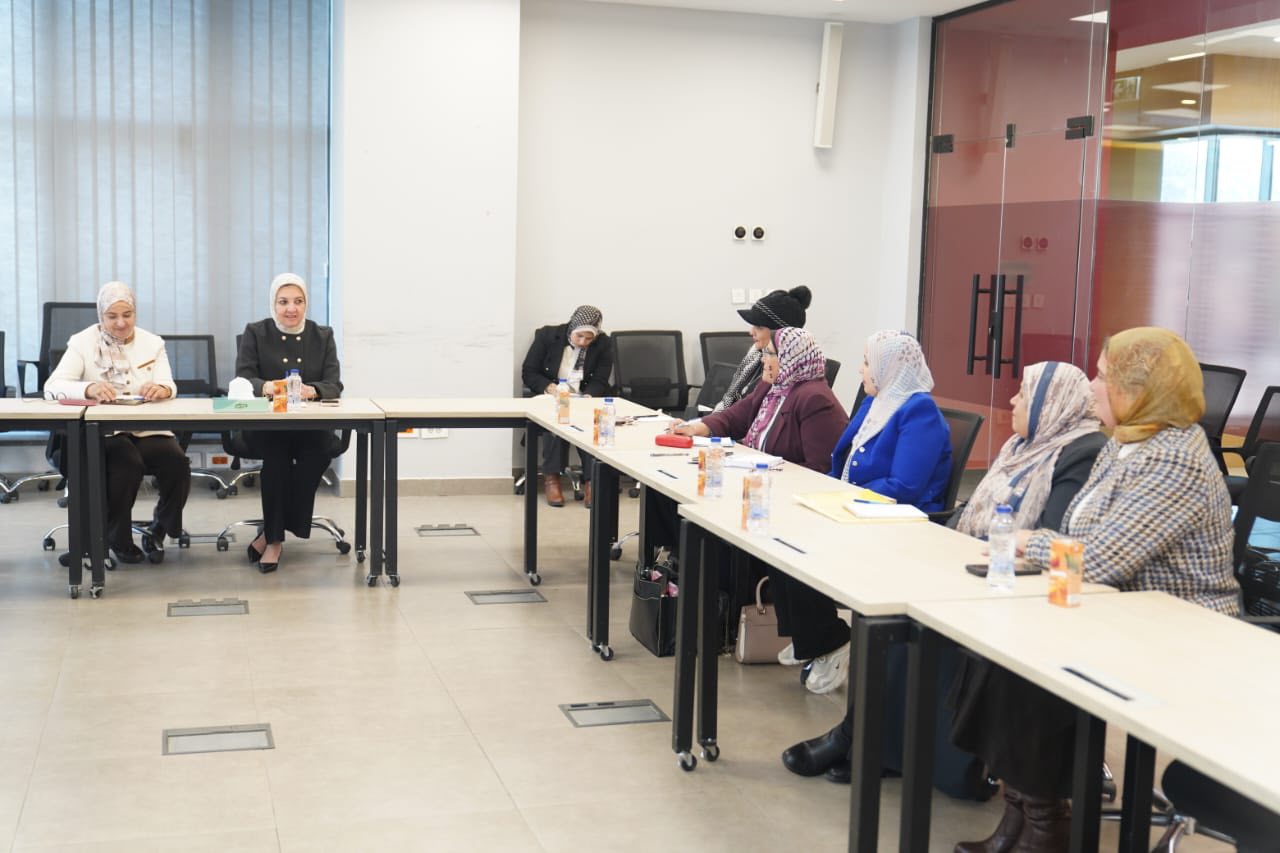
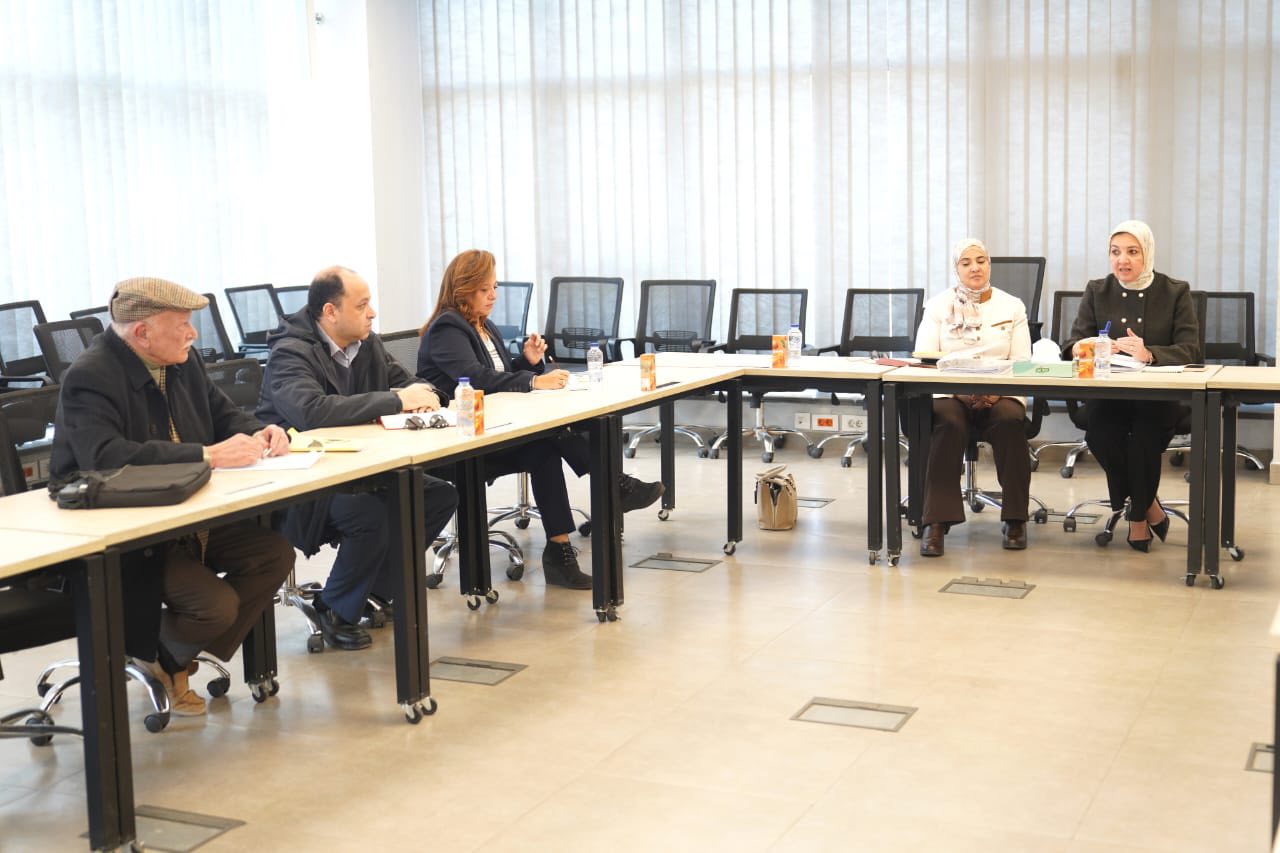
In line with Ain Shams University’s Postgraduate Studies and Research Sector’s commitment to promoting research ethics and adhering to the ethical standards governing the conduct of scientific research and experiments on animals, Prof. Amany Osama Kamel, Vice President of the University for Postgraduate Studies and Research, convened a meeting of the Ain Shams University Institutional Animal Care and Use Committee (IACUC).
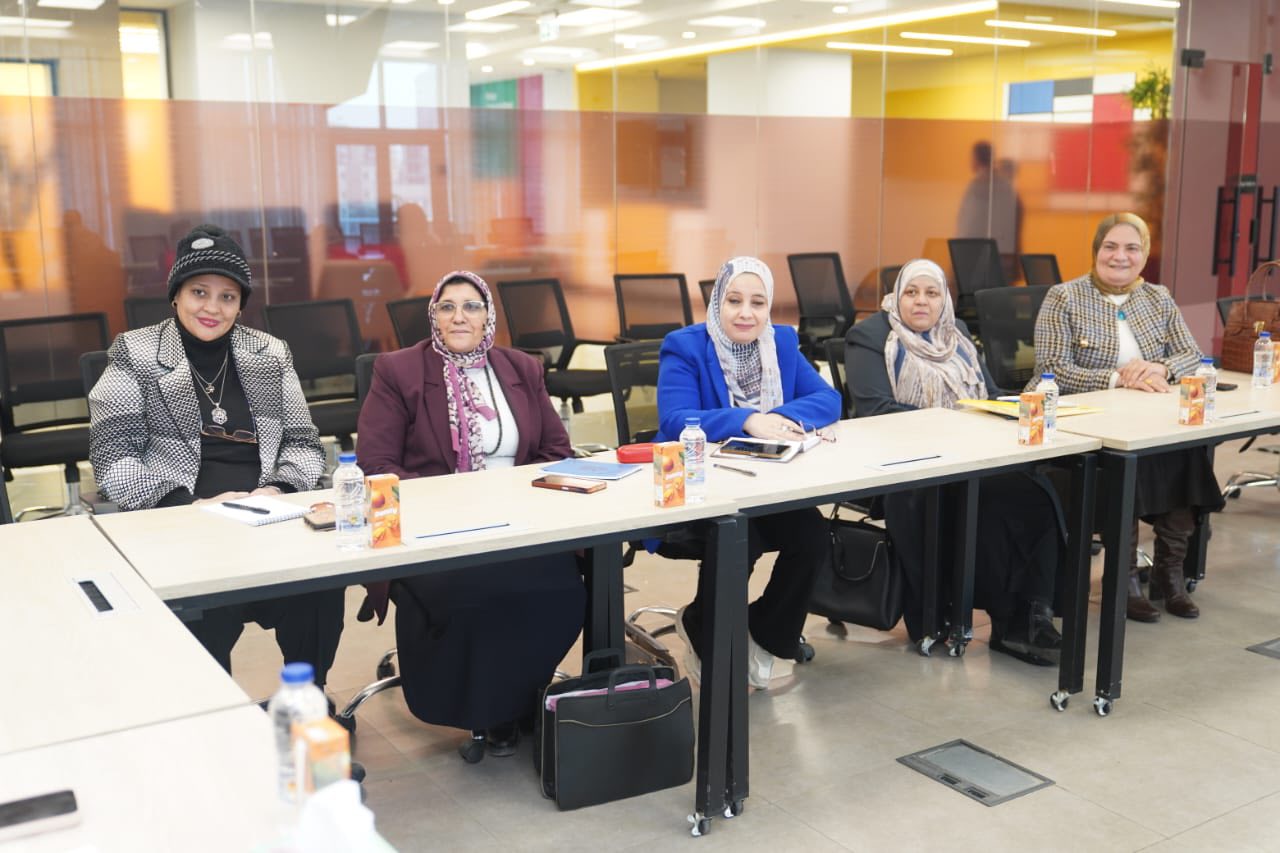
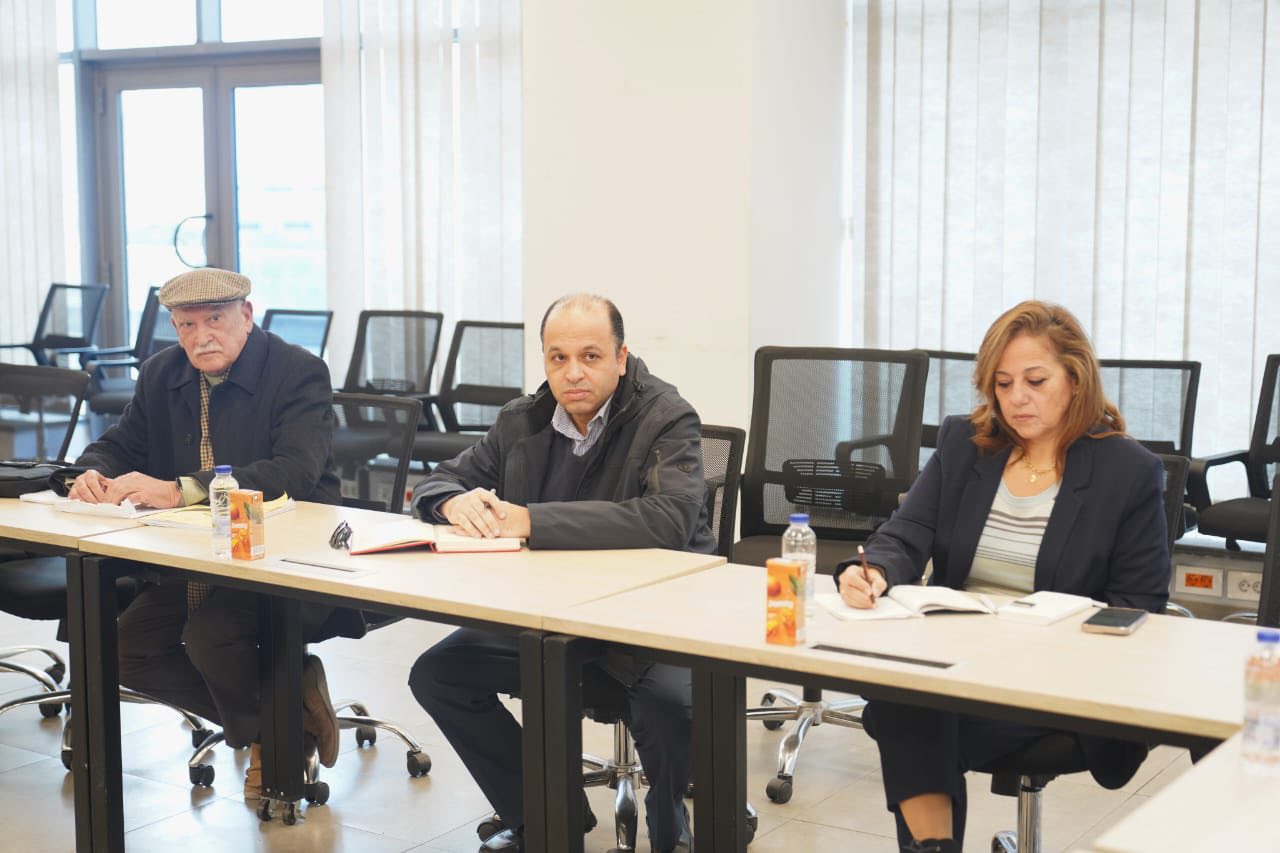
The meeting was attended by Prof. Ebtehal El-Demerdash Zaki, Chair of the Committee, with the participation of committee members from several faculties of the University, including Medicine, Veterinary Medicine, Dentistry, Science, Women’s College, and Education.
 |
 |
 |
||
The Vice President of the University emphasized that the establishment of the Committee aims to regulate the conduct of research experiments on animals in accordance with international standards and the guidelines of the Organization for Economic Co-operation and Development (OECD), ensure the ethical and humane treatment of animals, review and approve research protocols, and monitor their implementation. She stressed that no experiment should commence without prior approval and formal endorsement of the research protocol.
She also highlighted the importance of complying with relevant local and international laws and regulations, overseeing animal housing and care facilities across the University’s faculties, and training and qualifying personnel responsible for animal care in accordance with ethical and scientific standards.
 |
 |
In this context, she directed the Committee members to develop a clear vision and action plan, prepare a guideline regulating the mechanisms and procedures for handling laboratory animals in preparation for its implementation across the University’s faculties, and compile updated data on laboratory animal care units, along with conducting a comprehensive technical, financial, and administrative evaluation of these units.
Additionally, Prof. Ebtehal El-Demerdash Zaki discussed with the Committee members the organization of the action plan, the preparation of the guideline and internal bylaws, and the development of forms for submitting and monitoring requests for the use of animals in scientific research, in a manner that ensures unified procedures and achieves the highest standards of governance and ethical compliance.