
.svg)

Words, Sound, and Image: How to Produce a Professional Journalistic and Television Report, Workshop at the Faculty of Mass Communication
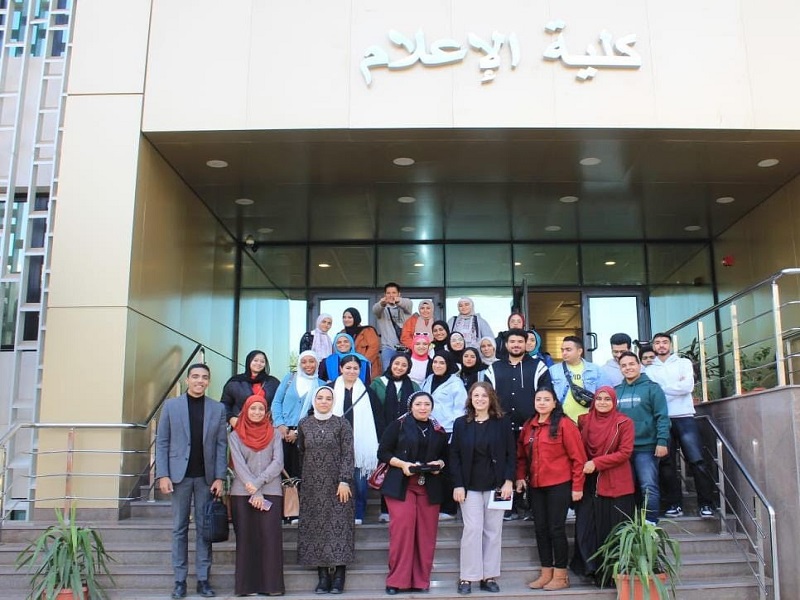
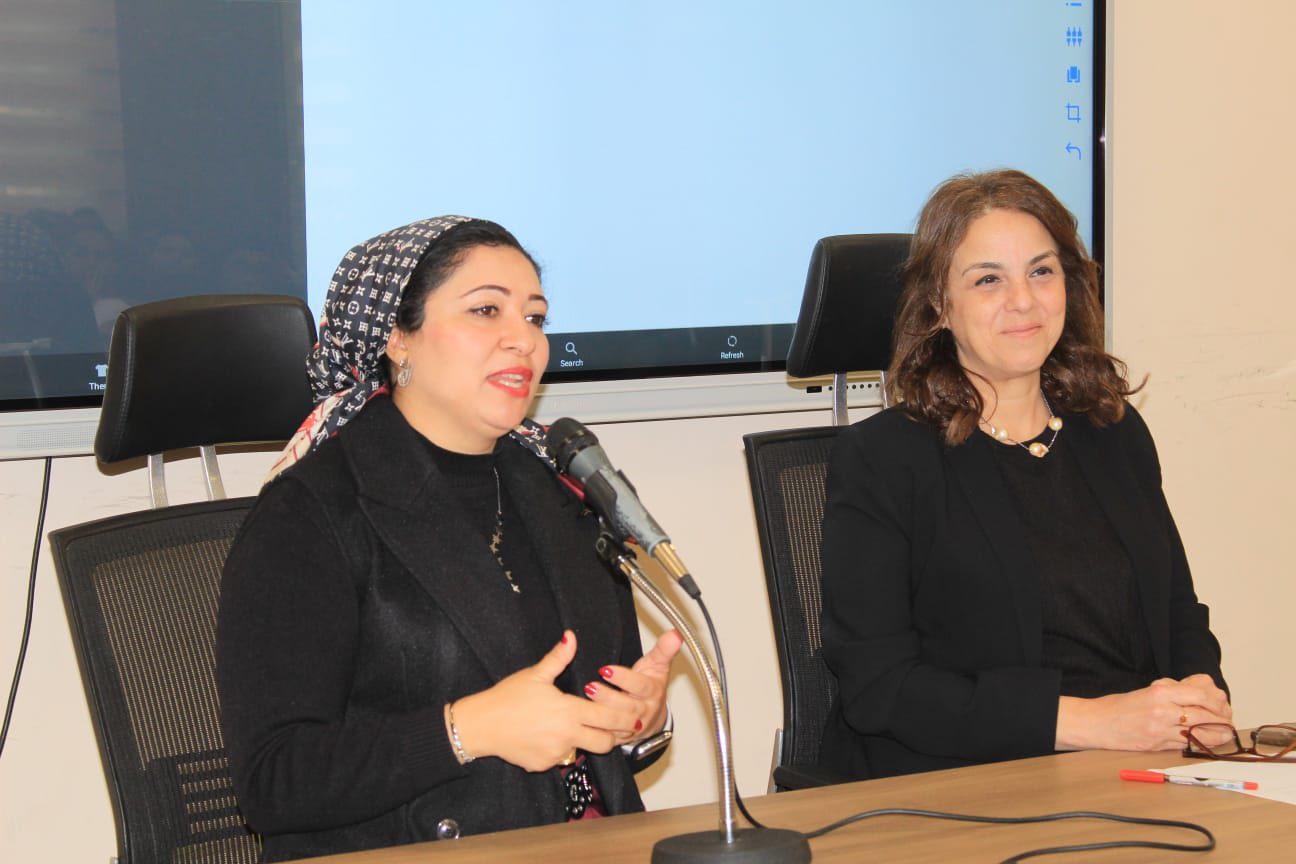
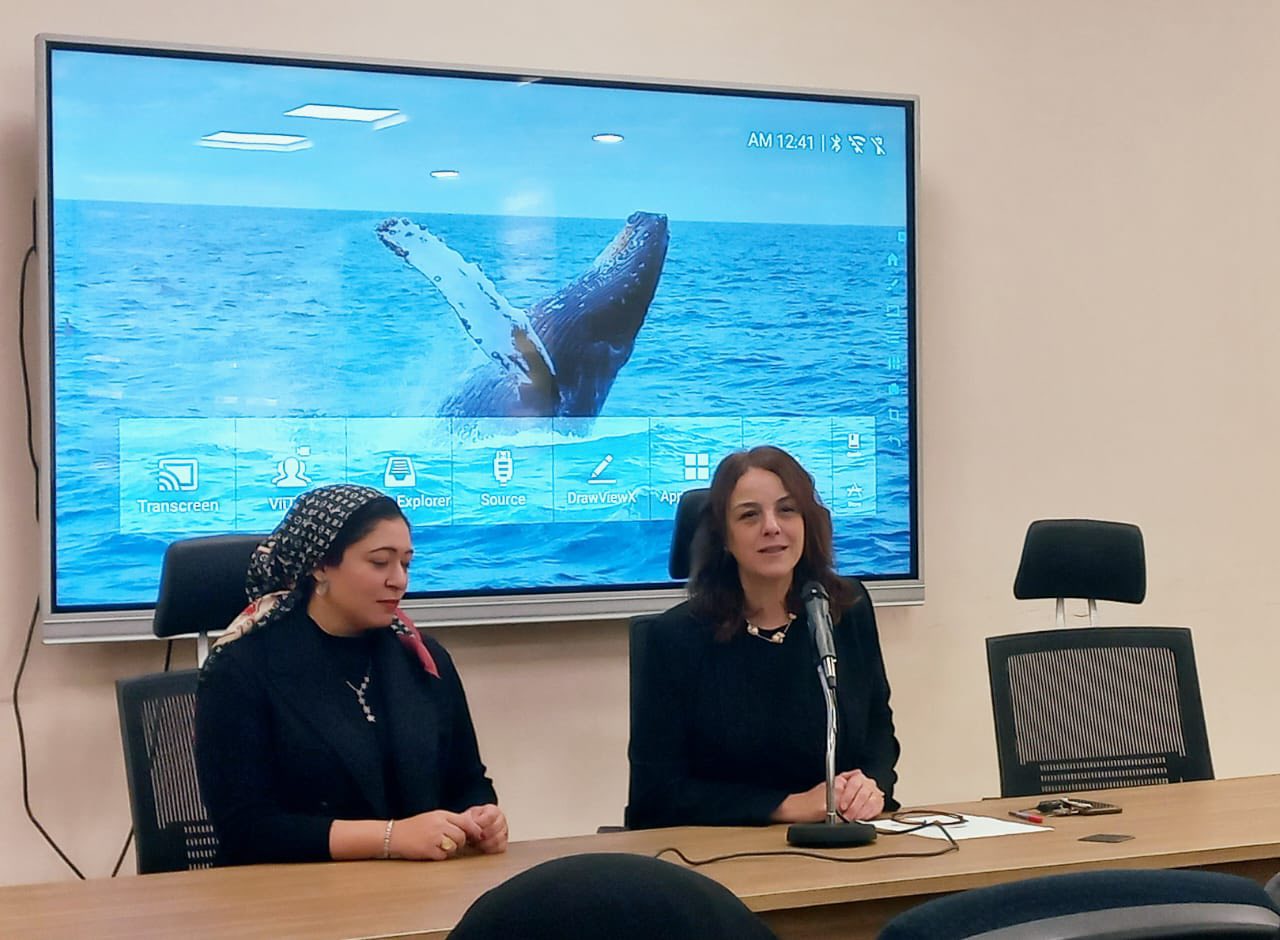
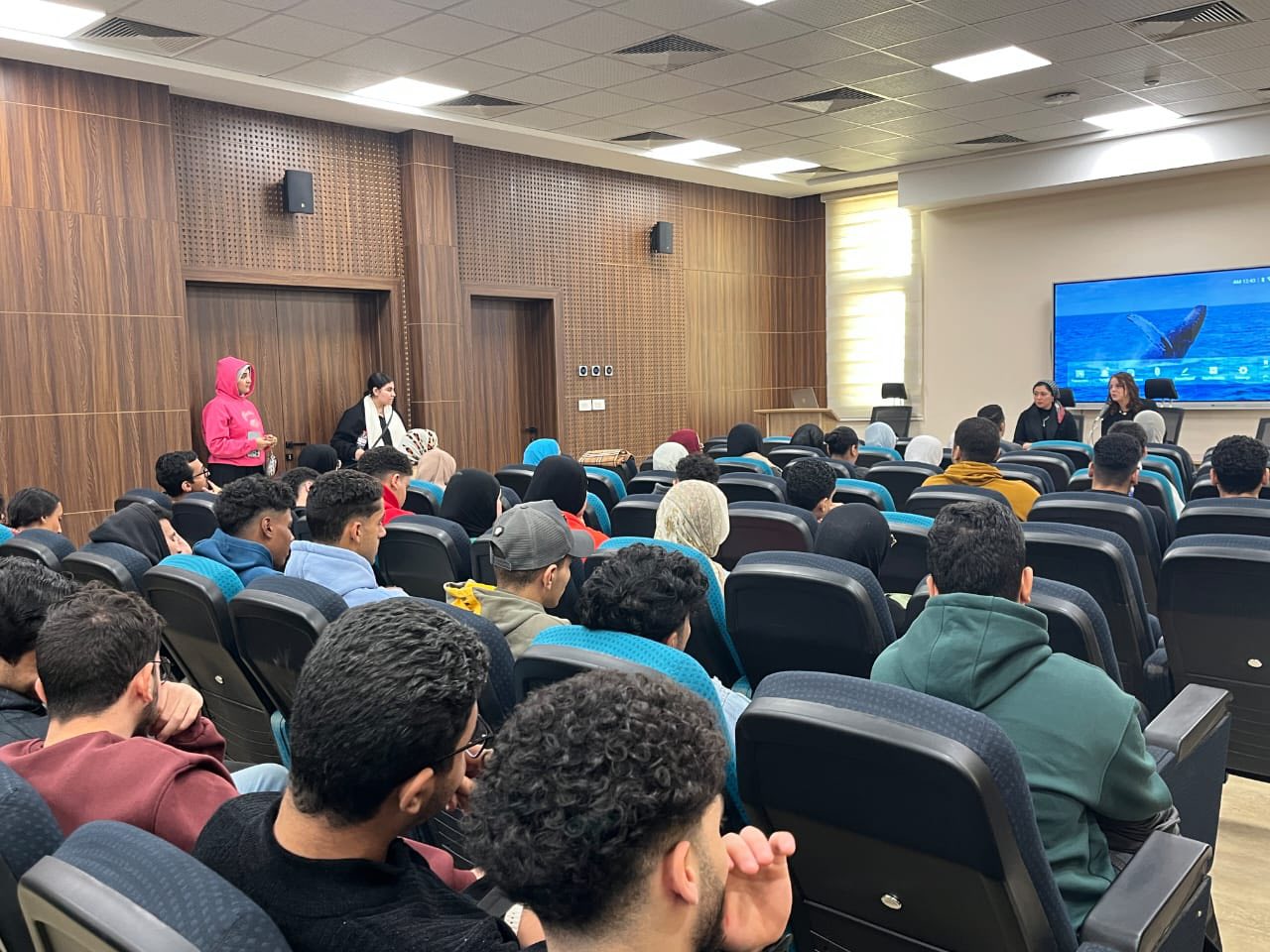
The Faculty of Mass Communication at Ain Shams University organized a workshop titled “Words, Sound, and Image: How to Produce a Professional Journalistic and Television Report?”, led by journalist Doreen Farghaly, Head of the Al-Watan TV Department and Editor-in-Chief of the program “Set Setat” on DMC channel. The event was held under the auspices of Prof. Mohamed Diaa Zain El Abdeen, President of Ain Shams University, and Prof. Rami Maher, Vice President for Education and Student Affairs, and under the supervision of Prof. Heba Shaheen, Dean of the Faculty of Mass Communication, and Prof. Salwa Suleiman, Vice Dean for Education and Student Affairs. The IClub team contributed to organizing and providing media coverage for the seminar, which was attended by faculty members, teaching assistants, and students.
 |
 |
 |
||
At the beginning of the workshop, Prof. Heba Shaheen welcomed Doreen Farghaly and praised her distinguished career in journalism, noting her professional journey through several newspapers and media institutions. Farghaly advanced from journalist to department head, then producer, and ultimately editor-in-chief of multiple programs, including Lazem Nefham, Settat Ma Ya’rafosh Yekdebou, and Masa’a DMC with broadcaster Eman El-Hosary. She has received numerous awards, most notably the Dubai Arab Journalism Award and the Areij Award for Investigative Journalism.
Dareen Farghaly emphasized the importance of practical training for media students during their studies, describing it as a gateway to gaining professional experience and understanding the workings of media institutions and newsrooms. She highlighted her early participation in several field training courses, which helped refine her skills and enrich her practical experience.
 |
 |
During the workshop, Farghaly presented several real-world examples of investigative reports she had conducted, revealing the behind-the-scenes process from idea generation to execution and publication. She stressed the journalist’s ability to select the right source, the “hero of the story”, amid multiple sources and narratives, particularly in investigative work.
She also underscored the need for journalists to protect themselves professionally and legally as part of a media institution, explaining the fundamental difference between a professional journalist and social media “influencers.” Farghaly clarified the distinction between narrow and broad sources in the journalism market, emphasizing reliance on credible sources supported by data and reports to avoid errors that could harm the journalist or their institution.
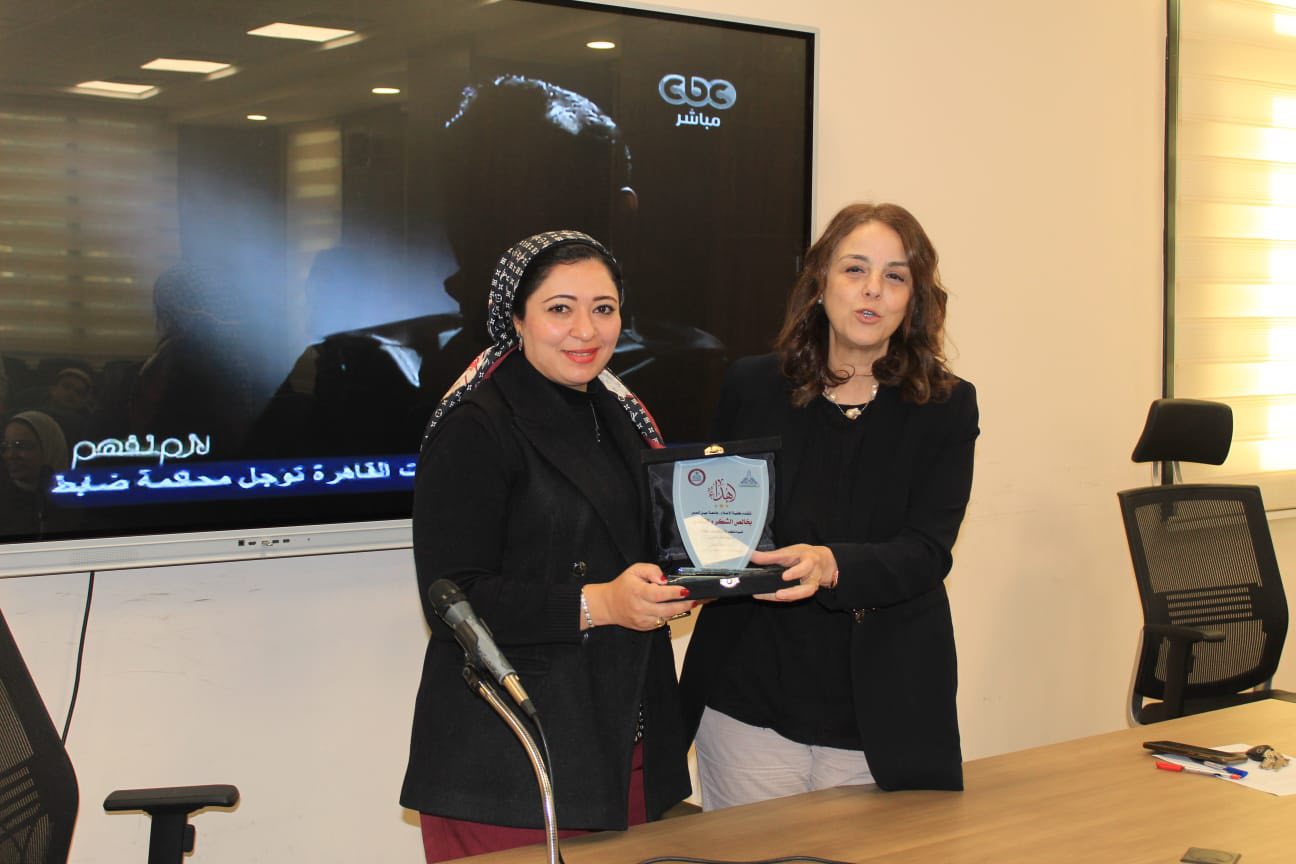
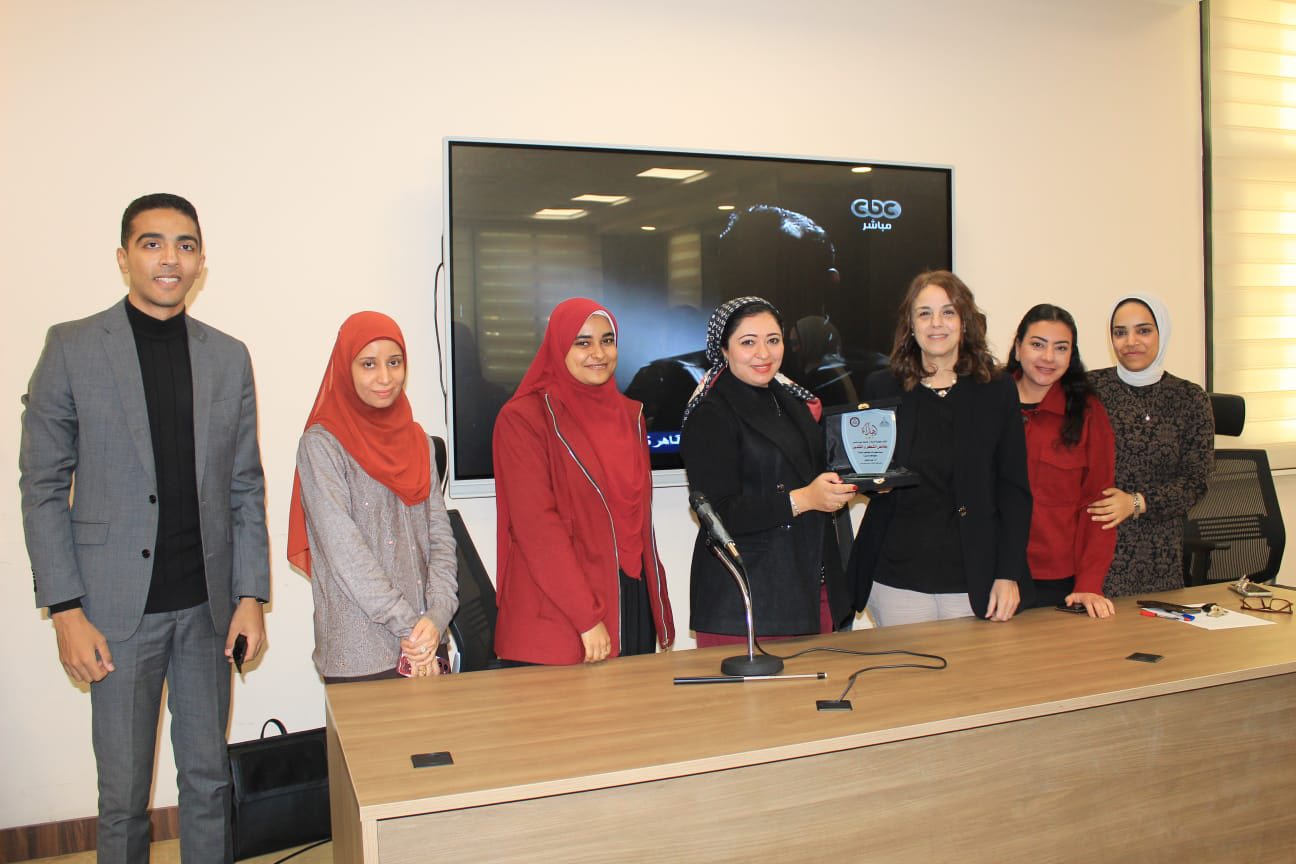
At the conclusion of the workshop, Doreen Farghaly was honored for her contributions to journalism and media, and for supporting the students of the faculty in advancing their professional careers.