

The Faculty of Al-Alsun Discusses Strategies for Teaching Arabic to Non-Native Speakers and Applications of Artificial Intelligence
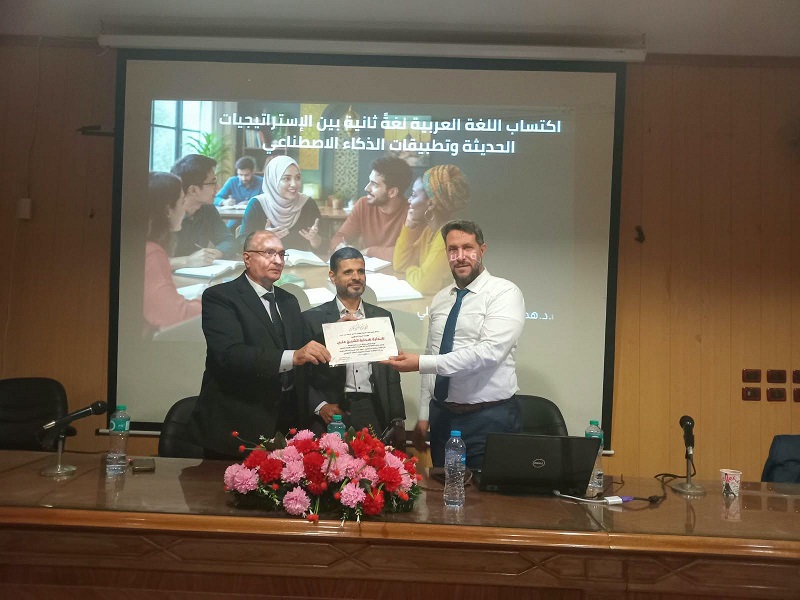
As part of the Faculty of Al-Alsun at Ain Shams University's commitment to keeping pace with modern developments in Arabic language education and strengthening the integration of academic studies with practical applications, the Department of Arabic Language, through its Cultural Activities Committee, organized a scientific seminar entitled “Teaching Arabic to Non-Native Speakers: Modern Strategies and Artificial Intelligence Applications” on Wednesday, November 4, 2026, under the patronage of Prof. Yomna Safwat, Dean of the Faculty, and Prof. Wagih Yacoub El-Sayed, Head of the Department of Arabic Language.
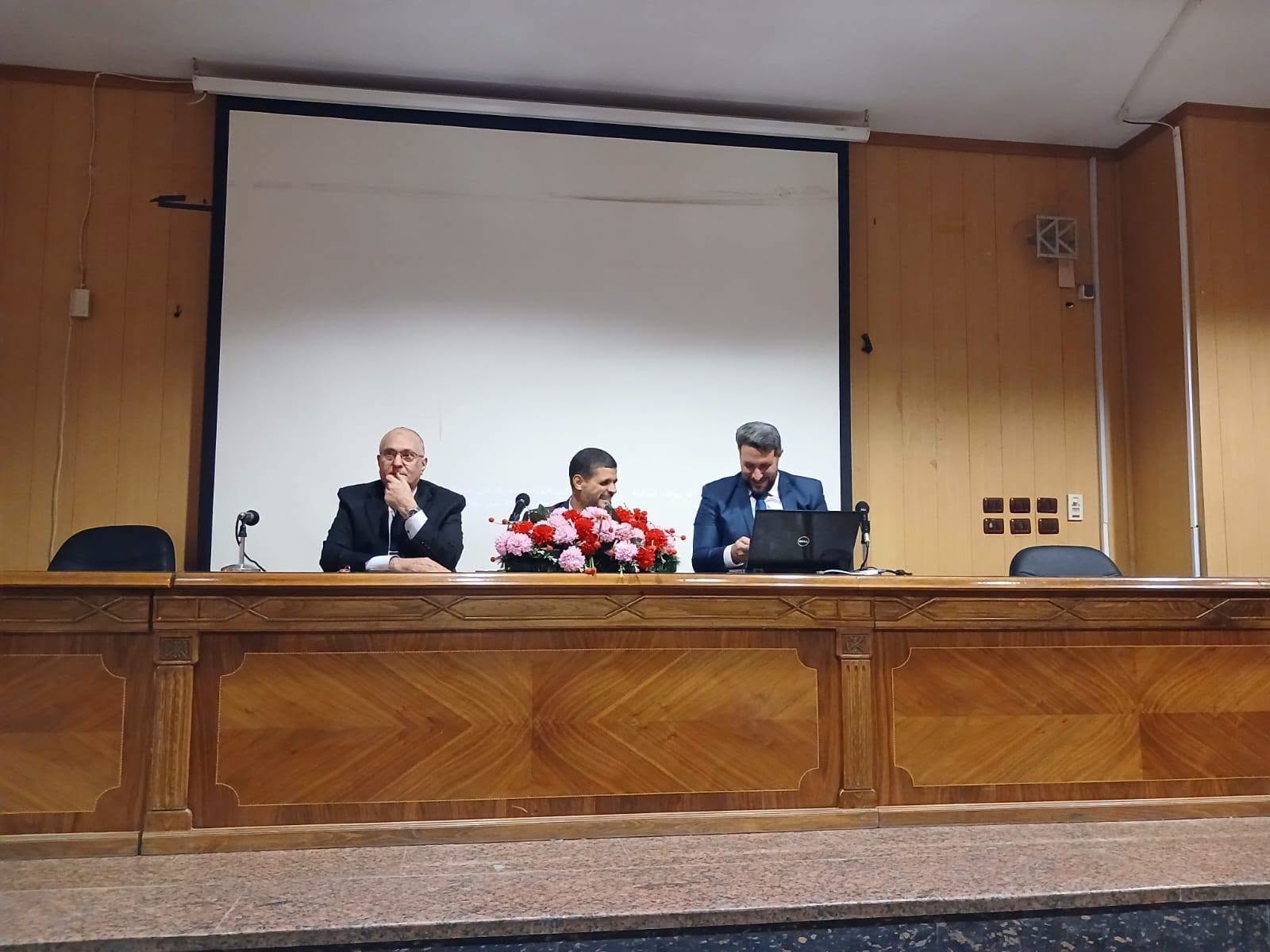
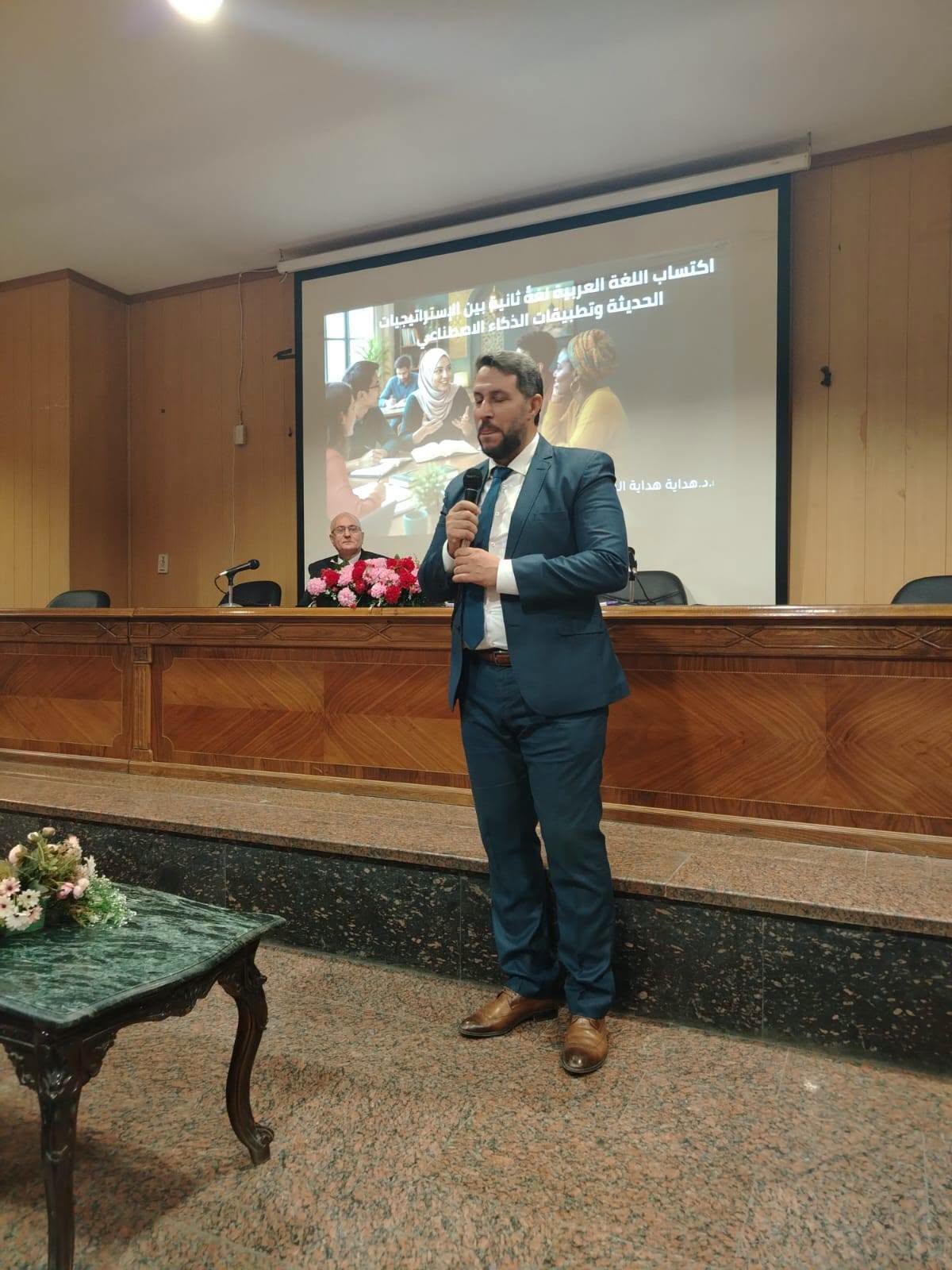
The seminar was delivered by Prof. Hidaya Hidaya El-Sheikh Ali, an expert in curricula and teaching methodologies specializing in teaching Arabic to non-native speakers and Vice Dean of Al-Azhar Institute for Teaching Arabic to Non-Native Speakers. The seminar was moderated by Prof. Ahmed Abdel Azim, Professor of Literature and Criticism at the Department.
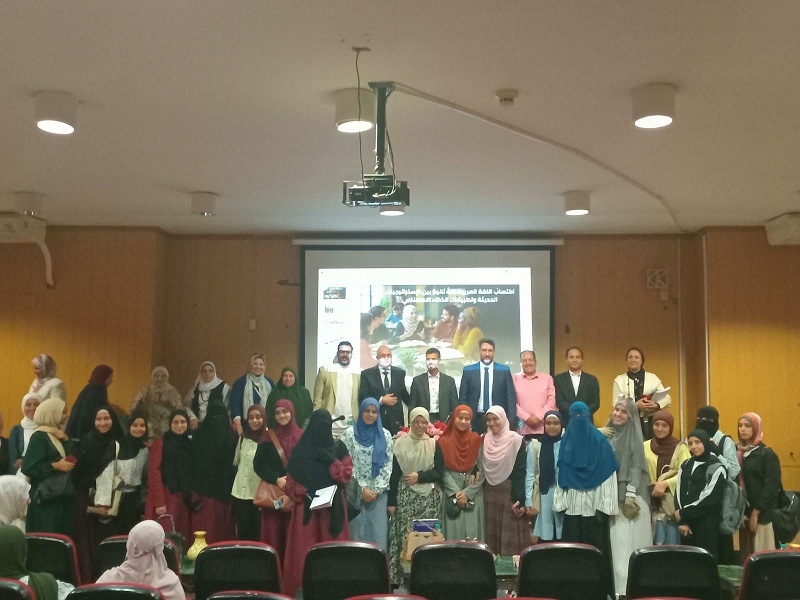
The seminar attracted a large audience of faculty staff, teaching assistants, and students from the Department of Arabic Language and various language departments across the faculty, reflecting the importance of the topic and its relevance to students and researchers in different linguistic disciplines.
 |
 |
 |
||
The speaker addressed several academic and practical aspects of teaching Arabic to non-native speakers considering ongoing developments in educational theories, teaching strategies, and digital technologies. He highlighted the essential teaching skills that instructors of Arabic as a foreign language should possess and the importance of applying them in accordance with the Common European Framework of Reference for Languages (CEFR). He emphasized the need to shift the focus from theoretical knowledge of the language to developing communicative competence, enabling learners to use Arabic effectively in various real-life situations.
The lecture adopted a practical and interactive approach, with the speaker supporting his presentation through numerous examples and realistic training scenarios. Drawing on 17 years of academic and professional experience in teaching Arabic to non-native speakers, he provided participants with practical insights from actual teaching experiences, bridging the gap between theoretical foundations and the challenges faced by both teachers and learners.
Following the lecture, the floor was opened for discussion, generating considerable interaction among participants. Questions and contributions addressed second-language acquisition, the professional and pedagogical skills required of teachers of Arabic to non-native speakers, ways to overcome difficulties encountered by learners, and the potential of artificial intelligence applications to enhance teaching and learning methods.
The discussions emphasized the importance of continuing to organize and expand specialized academic events to deepen understanding of teaching Arabic as a second language, keep pace with rapid developments in language education, and harness the capabilities of artificial intelligence applications to improve the educational process.