
.svg)

A distinguished scientific participation by the Middle East Research Center in the First Arab Forum for Administrative Justice and Integrity, affirming support for transparency efforts and the consolidation of anti-corruption principles
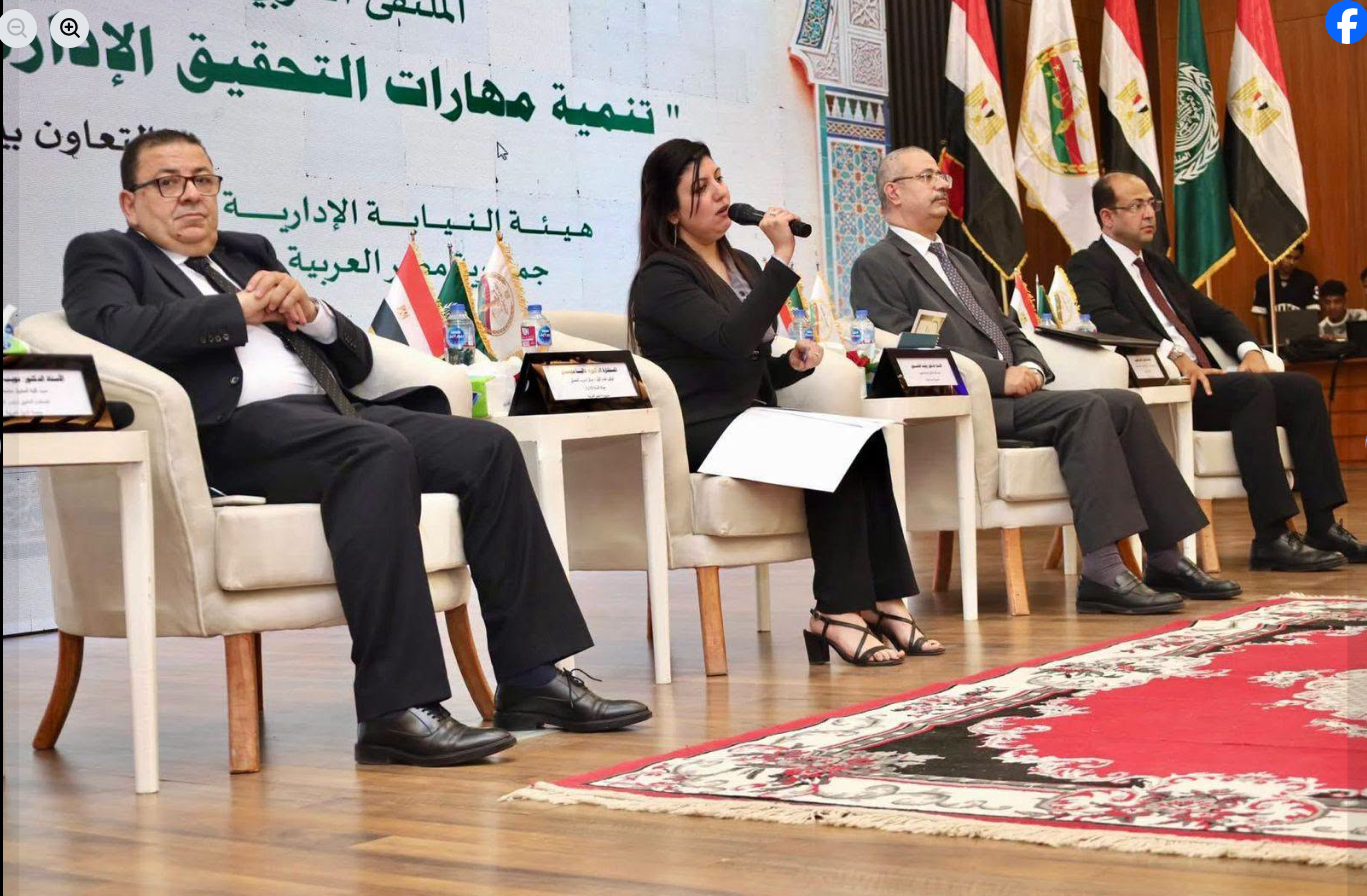
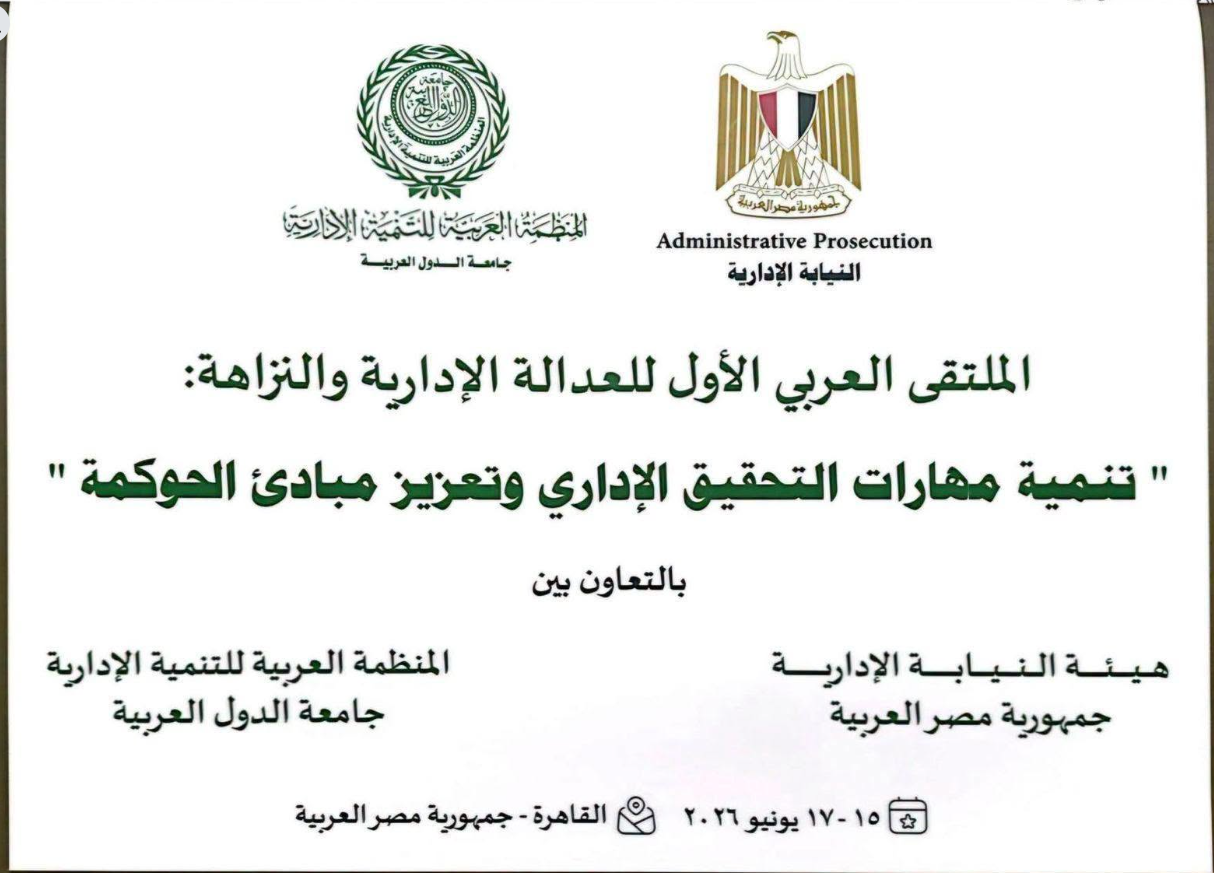
In line with its growing academic presence and active contributions to issues of integrity and governance, the Middle East Research and Future Studies Center participated in the First Arab Forum for Administrative Justice and Integrity. The Center was represented by Dr. Hatem Al-Abd, Director of the Center, who joined a select group of Egyptian and Arab leaders and experts at a forum held under the patronage of the Administrative Prosecution Authority and the Arab Administrative Development Organization.
 |
 |
 |
||
This participation took place during the first day of the forum, where Dr. Hatem Al-Abd delivered a keynote intervention in a panel discussion titled: “Disciplinary Accountability as a Tool to Enhance Governance in Light of the United Nations Convention against Corruption.”
In his presentation, he reviewed the general framework of the 2003 Convention as the most comprehensive international reference for combating corruption, establishing principles of transparency, supporting prevention and criminalization systems, and activating mechanisms for international cooperation and asset recovery. He also noted Egypt’s accession to the Convention and the resulting development of the Egyptian legislative environment in line with international standards.
He further addressed the legislative impact of the Convention on the Egyptian legal system, explaining that it contributed to the modernization of several laws and procedures related to anti-corruption efforts, thereby enhancing the efficiency of the administrative justice system and reinforcing principles of integrity and transparency within state institutions. He also discussed the interaction between international law and domestic law, emphasizing that international agreements serve as a guiding framework for developing national legislation in a way that balances international commitments with the legal particularities of the state, while strengthening the effectiveness of governance rules.
Additionally, Dr. Al-Abd highlighted the importance of the Conference of States Parties to the Convention as a key international mechanism for monitoring implementation and exchanging expertise. He pointed out that one of its most significant outcomes is the adoption of the Implementation Review Mechanism, which serves as an objective evaluation tool for assessing states’ compliance and contributes to continuous improvement efforts and the exchange of best practices. He also stressed that activating disciplinary accountability systems represents a fundamental pillar in strengthening governance, due to its role in ensuring workplace discipline and reinforcing principles of transparency and accountability in accordance with modern international standards.
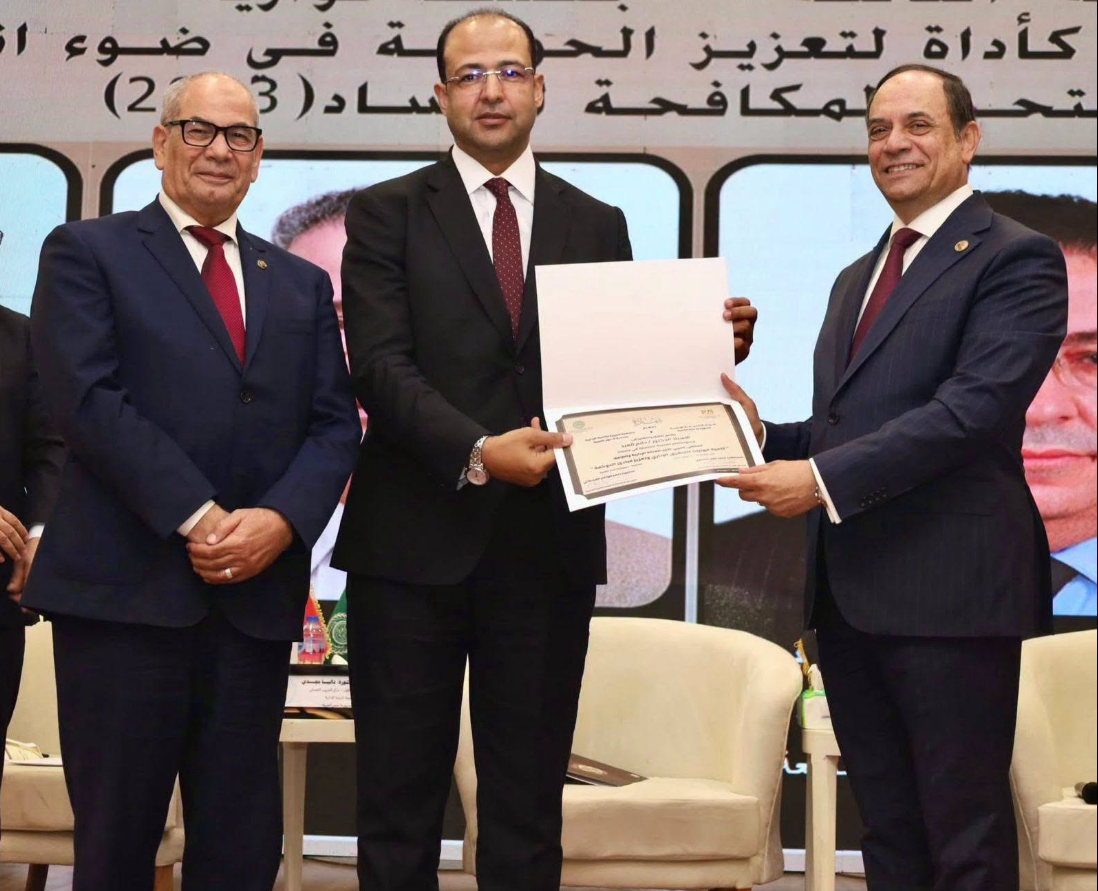
The event concluded with the honoring of Dr. Hatem Al-Abd in recognition of his distinguished scientific contributions, reflecting the level of academic impact provided by the Center and its experts in supporting issues of integrity and governance at both regional and international levels. This participation reaffirms the continued role of the Middle East Research and Future Studies Center as an intellectual hub contributing to building a more efficient and transparent administrative system, by leveraging scientific research to serve development and reform agendas, and by linking academic production to practical application requirements while supporting decision-makers with strategic insights that respond to current challenges.