.svg)

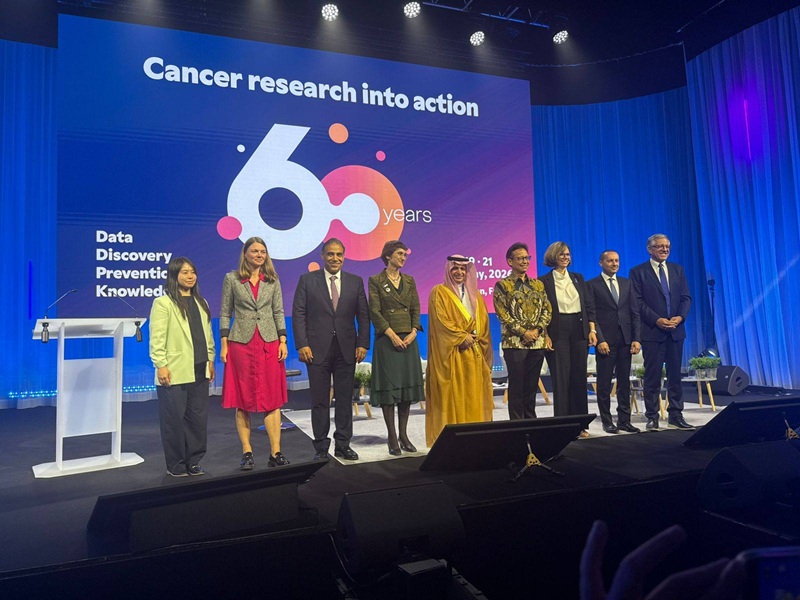
Prof. Hesham El Ghazaly, Director of the Medical Research Center (Masri) at Ain Shams University, reviews Egypt’s achievements in combating cancer during the celebration held by the International Agency for Research on Cancer in France
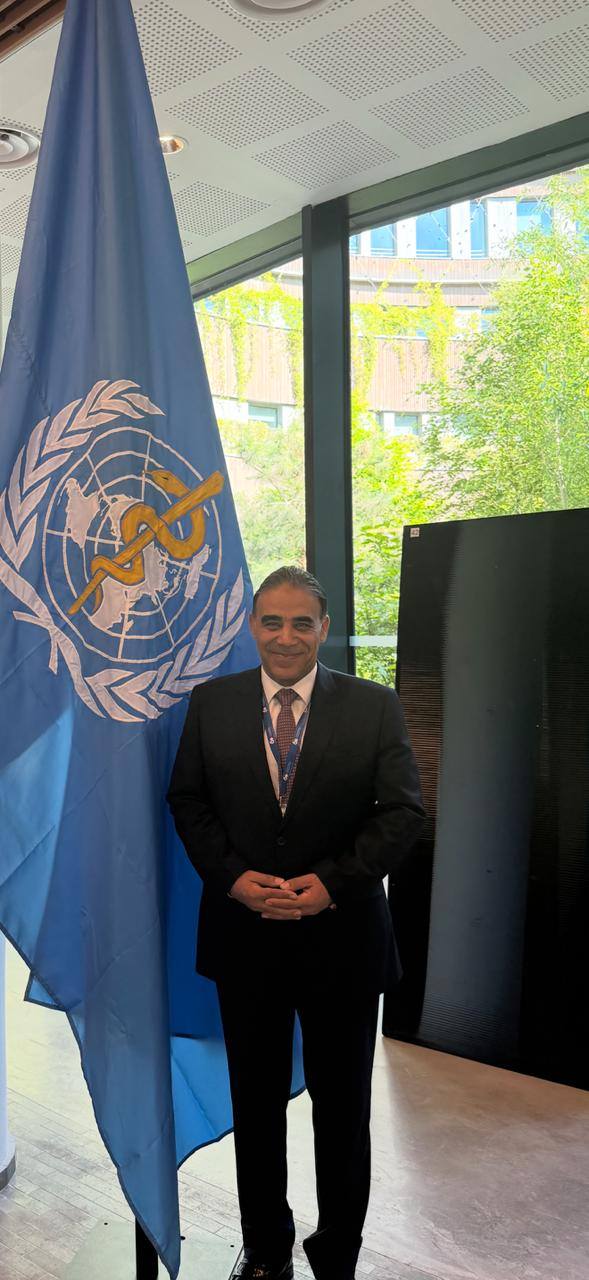
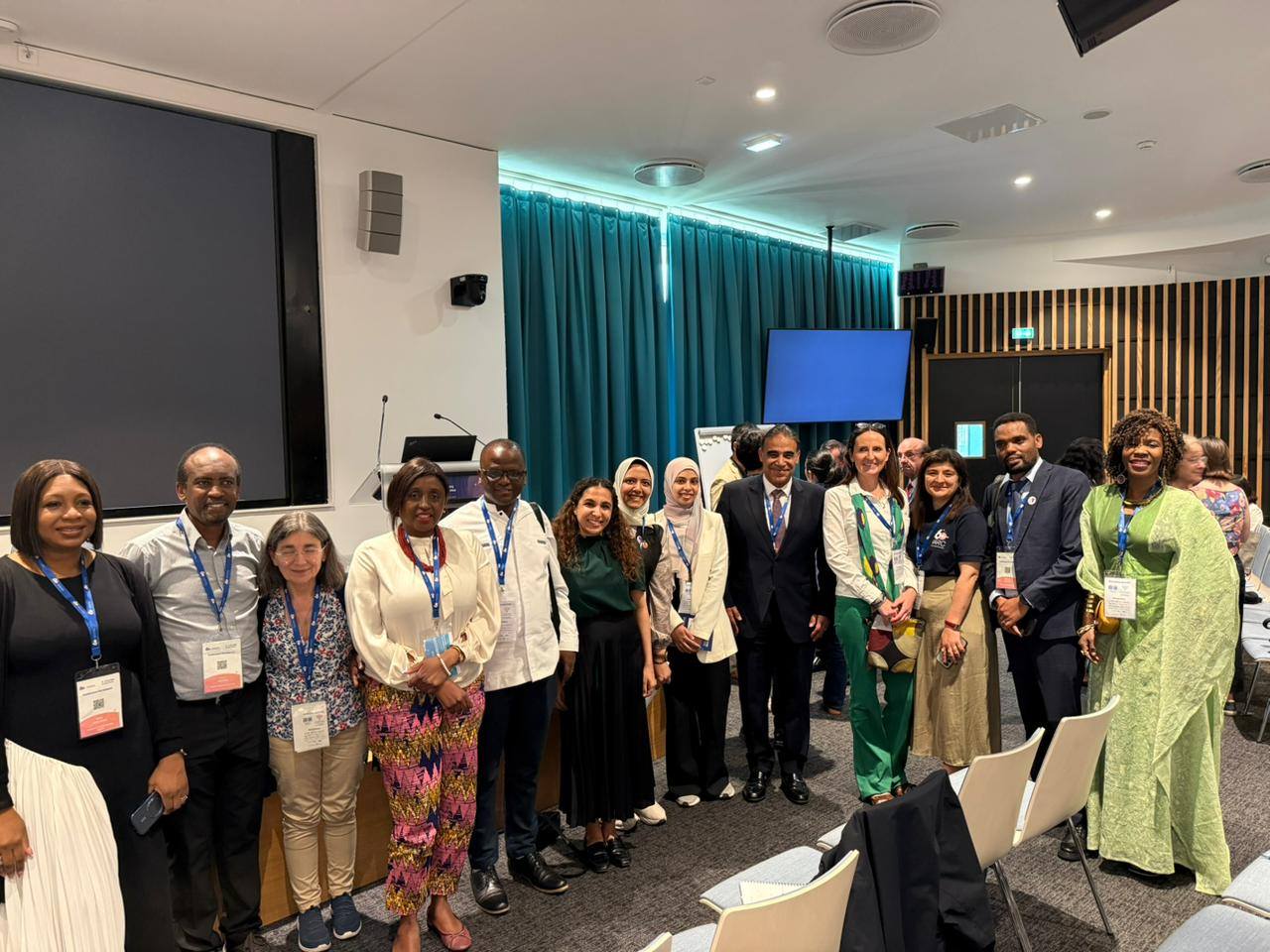
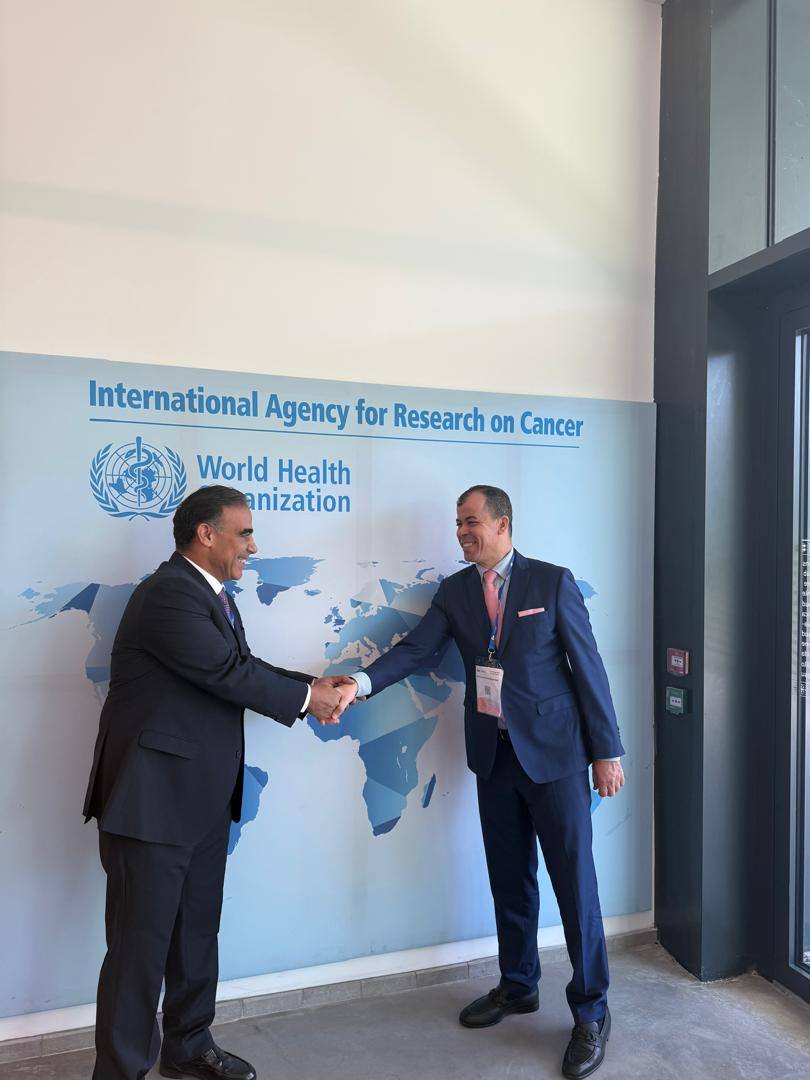
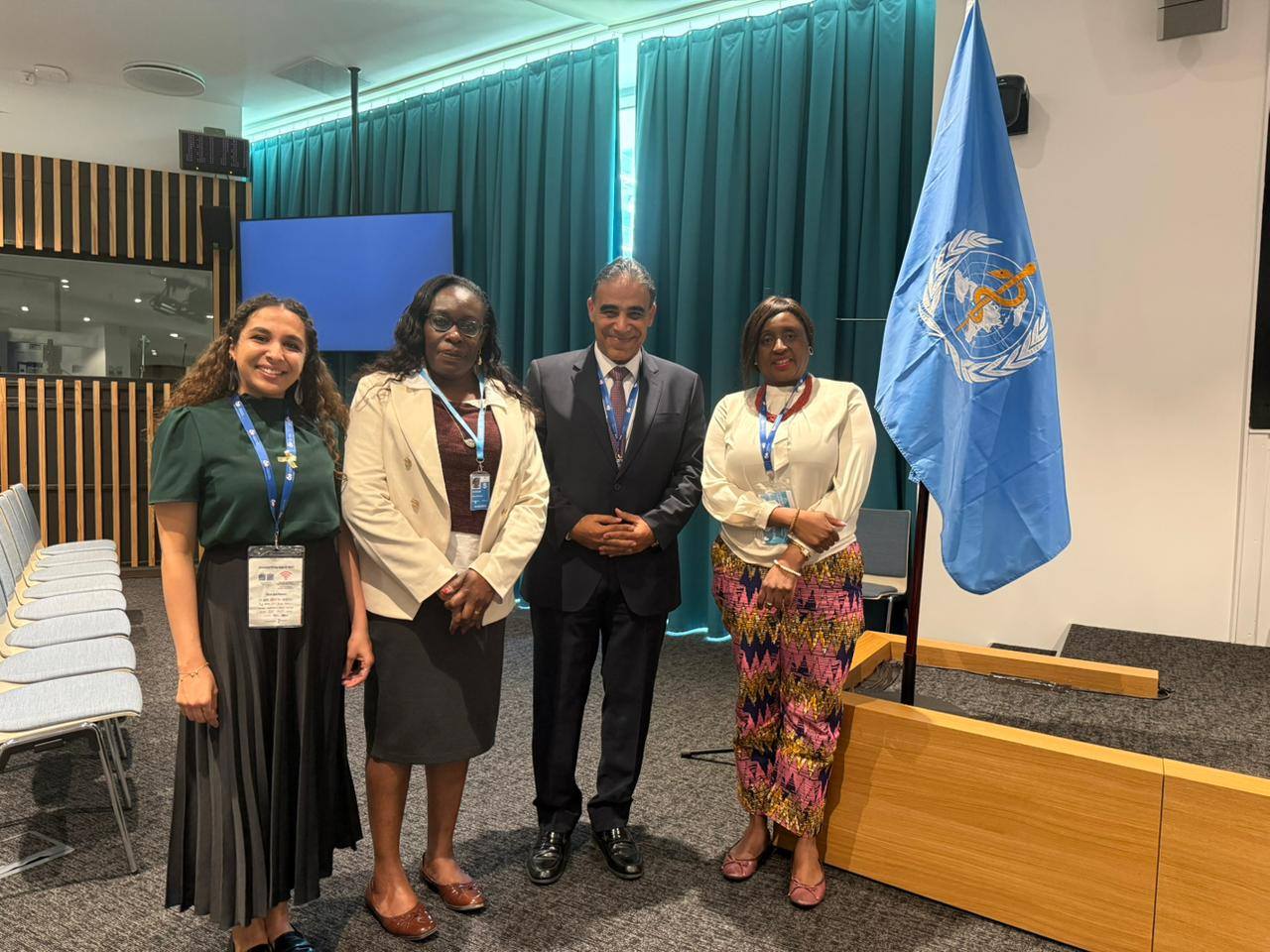
Prof. Hesham El Ghazaly, Egypt’s representative on the Scientific Council of the International Agency for Research on Cancer, affiliated with the World Health Organization, participated in the celebration marking the 60th anniversary of the establishment of the International Agency for Research on Cancer. The event was held in Lyon, France, from May 19 to 21, with the participation of an elite group of global leaders in science, public health, and policymaking from around the world.
 |
 |
 |
||
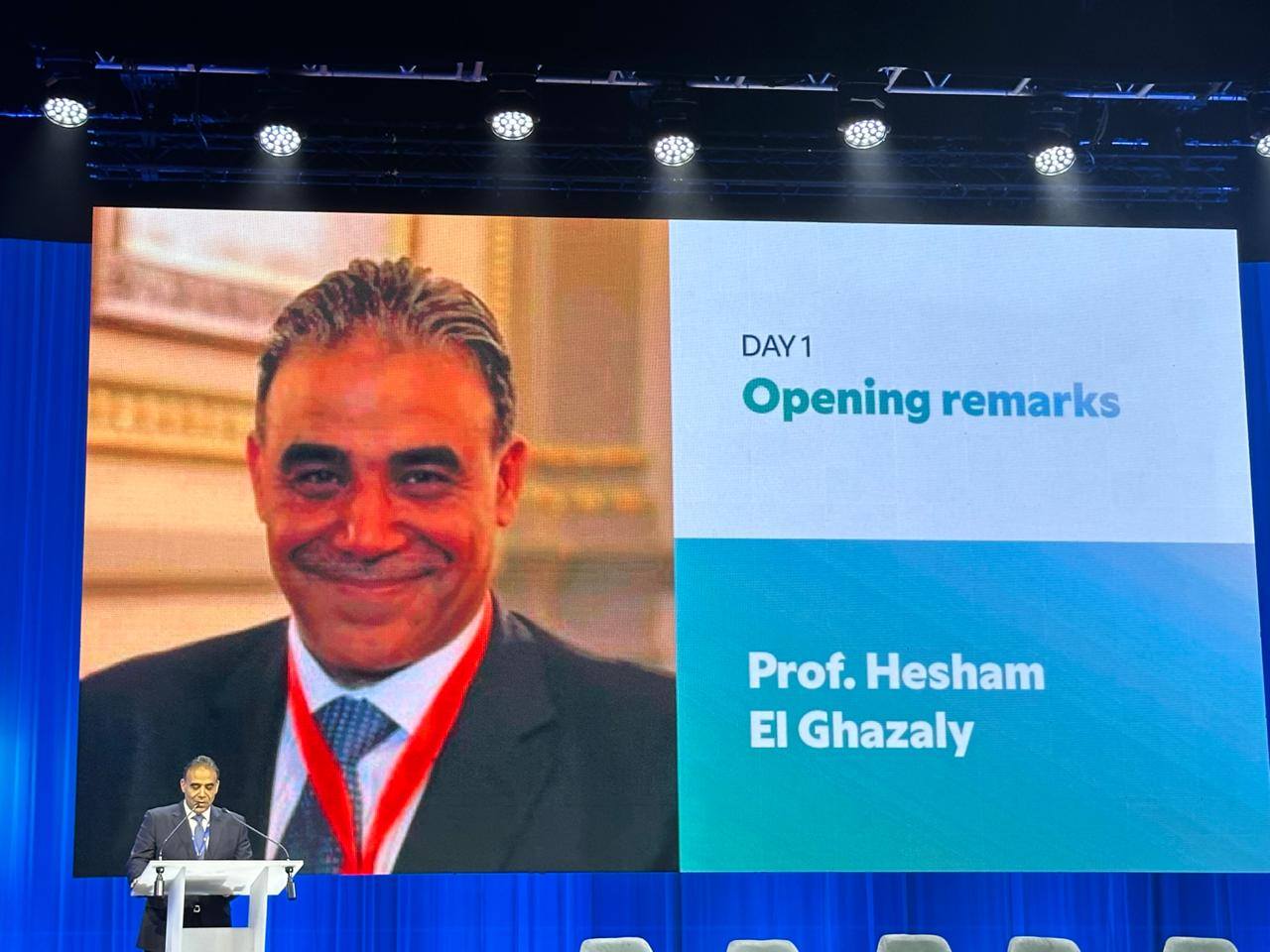
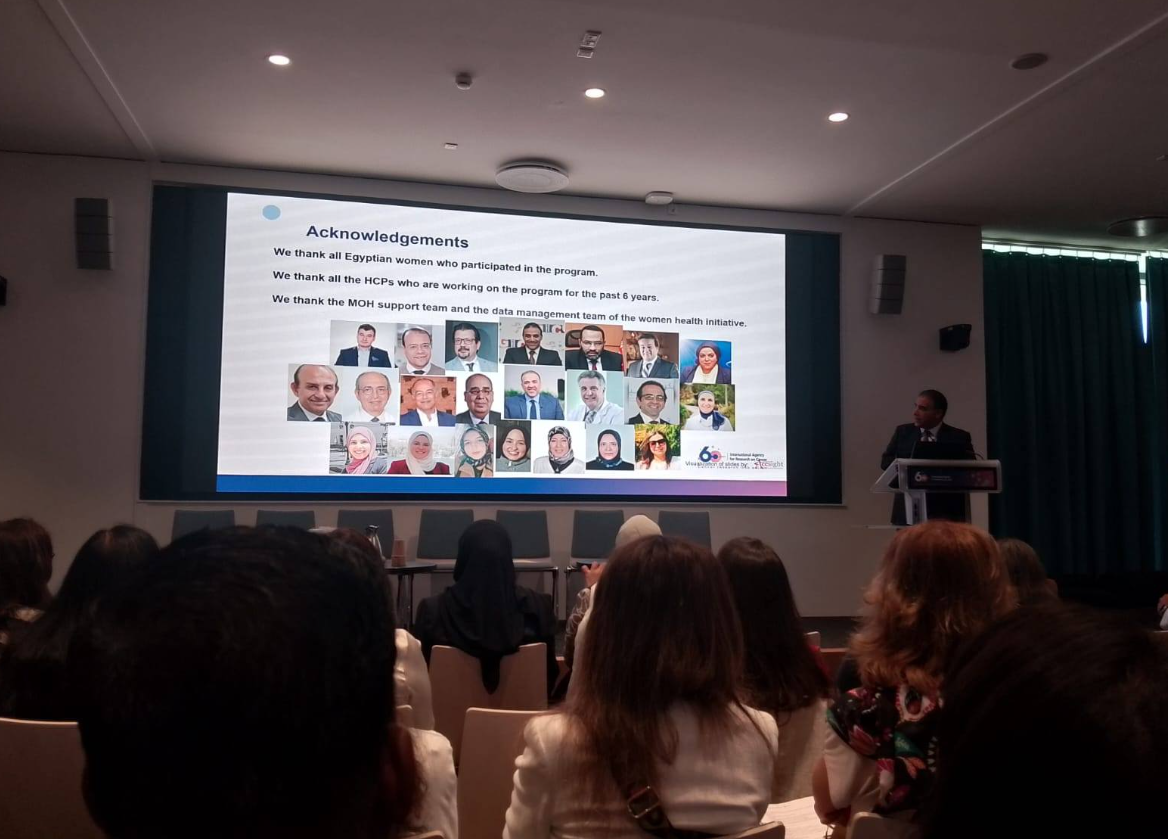
Dr. Hesham El Ghazaly, Director of the Research Center (Masri) at the Faculty of Medicine, Ain Shams University, and Chairman of the National Committee for the Presidential Women’s Health Initiative, delivered the opening speech of the celebration. During his speech, he reviewed Egypt’s most significant achievements in women’s health and cancer control, particularly in the areas of prevention and early detection.
In his speech, he emphasized the pivotal role played by the International Agency for Research on Cancer since its establishment in 1965 in reshaping the global cancer control agenda. He highlighted the shift from focusing solely on treatment to adopting policies based on prevention, early detection, and evidence-based scientific approaches. He also noted that the agency has become a globally trusted reference for cancer statistics, carcinogen classification, pathological standards, and the advancement of prevention sciences.
 |
 |
 |
||
Dr. El Ghazaly further stressed the importance of supporting low- and middle-income countries amid the increasing rates of new cancer cases in these nations. He reviewed Egypt’s collaboration with the International Agency for Research on Cancer, which included support for establishing the National Cancer Registry, participation in global epidemiological surveillance initiatives, and contributions to screening and early detection programs.
He also highlighted the Presidential Women’s Health Initiative as a successful model for transforming global scientific evidence into impactful national policies. He pointed out that the breast cancer early detection initiative is one of the largest programs in the Middle East and Africa, having successfully screened more than twenty-three million women through primary healthcare units distributed across all governorates of Egypt.
Dr. El Ghazaly explained that the initiative has contributed to a breakthrough in early diagnosis, with more than 80% of breast cancer cases detected at early stages. In addition, the average diagnostic period has been reduced from several months to less than 50 days, enabling women to receive faster and more effective treatment.
He also noted that the initiative has generated positive economic and social impacts, as economic evaluations demonstrated a positive return on investment, saving billions of Egyptian pounds, preserving thousands of life-years, and improving quality of life. This, he affirmed, proves that prevention and early detection represent both a successful health and economic investment.
Dr. Hesham El Ghazaly also participated in several high-level scientific sessions, including the launch of the GLOBOCAN 2024 report on the latest global estimates of cancer burden, in addition to sessions discussing breast cancer research, prevention strategies, and achieving equity in healthcare.
On the sidelines of the celebration, Dr. El Ghazaly held meetings with a number of international leaders, researchers, and decision-makers, strengthening Egypt’s presence within the global cancer research community and opening new avenues for cooperation in scientific research, training, and capacity building.
He affirmed that the Egyptian experience has become a practical model that can be implemented in low- and middle-income countries, stressing that political will supported by science and strong healthcare systems can create real transformation in combating cancer and improving the quality of life for millions.
The celebration was attended by several ministers of health, senior officials, and policymakers from different countries around the world, including the ministers of health of Brazil, Morocco, Indonesia, and Australia, in addition to the Deputy Minister of Health of France, the Vice President of Health of Saudi Arabia, the Vice President of Health of Germany, and Hesham El Ghazaly, Egypt’s representative on the Scientific Council of the International Agency for Research on Cancer.