
.svg)


The Faculty of Arts Holds Awareness Seminar on Protecting Children from Sexual Abuse
Ain Shams University’s Faculty of Arts organized an awareness seminar aimed at strengthening the protection of children from sexual abuse, titled: “Types of Sexual Abuse Against Children: The Profile of a Sexual Offender and Methods of Confrontation and Treatment.”
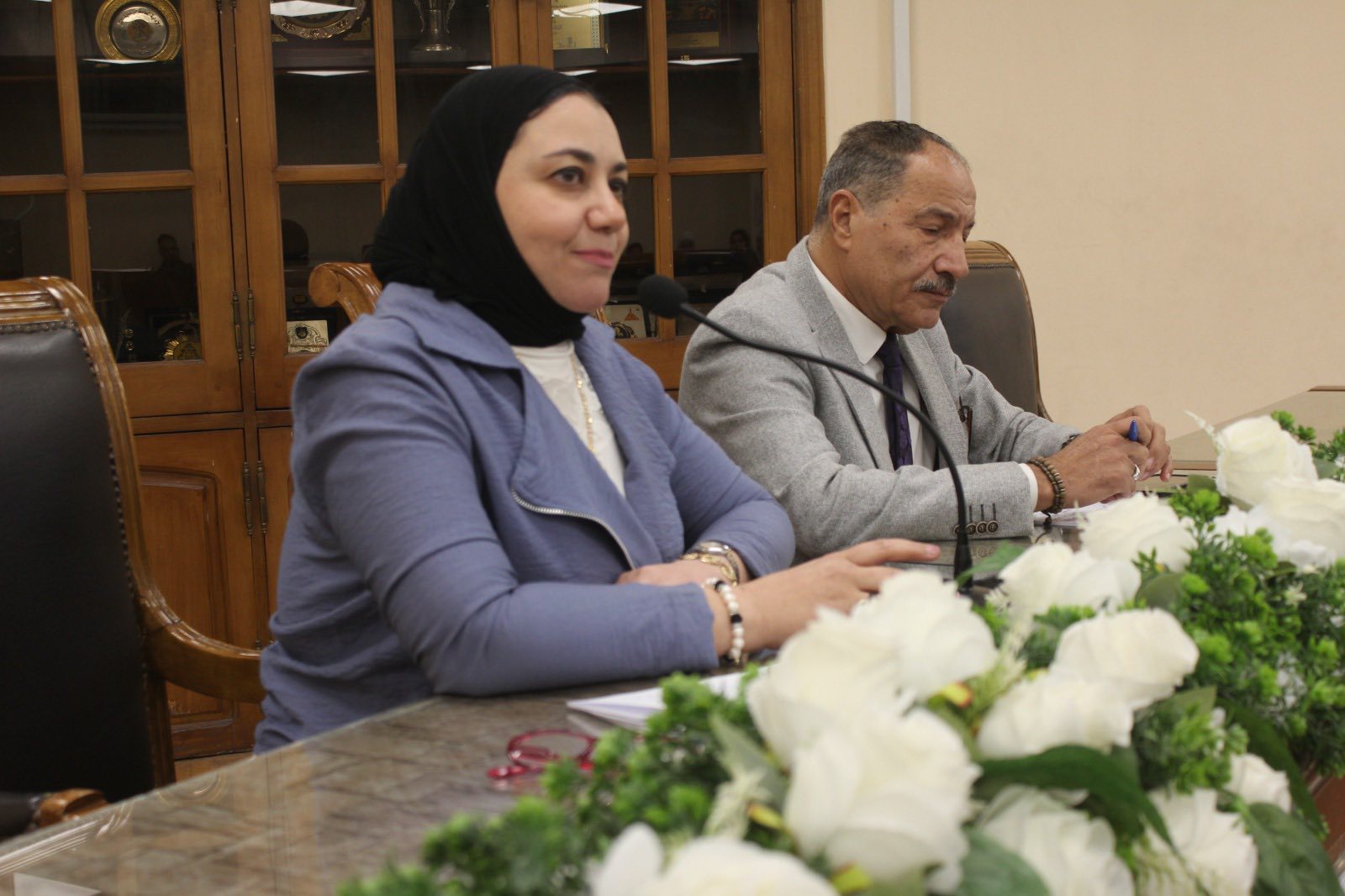
The seminar was held under the patronage of Prof. Mohamed Diaa Zain El Abedeen, President of Ain Shams University; Prof. Ghada Farouk, Vice President for Community Service and Environmental Development; and Prof. Hanan Kamel Metwally, Dean of the Faculty. It was supervised by Prof. Hanan Salem, Vice Dean for Community Service and Environmental Development.
Prof. Hanan Kamel Metwally emphasized that child protection is the primary gateway to building a healthy society, noting that the seminar aimed to raise awareness both within homes and educational environments, helping to identify abuse early before it leaves a lasting psychological impact on children who cannot express their feelings.
 |
 |
Prof. Hanan Salem highlighted that the Community Service Sector prioritizes childhood issues and that the seminar is part of a series of initiatives designed to support Egyptian families by providing knowledge and tools to prevent and address any risks threatening children. She stressed that safeguarding childhood is not just a responsibility but a moral duty and a life mission.
The seminar featured Prof. Fathi El-Sharkawy, Professor of Psychology and former Vice President for Education and Student Affairs, who explained that sexual abuse is not limited to overt violence but may begin with subtle forms of harm often unnoticed by adults, such as unwarranted touching or harmful approaches that children cannot perceive as dangerous. He noted that children often exhibit indirect distress signals, including sudden withdrawal, sleep disturbances, loss of appetite, or unexplained anger outbursts.
Prof. El-Sharkawy also outlined how the personality of a “sexual offender” develops, often stemming from complex factors such as neglect, emotional deprivation, or prior psychological or physical harm. These disturbances typically manifest through repeated behavioral patterns, including violation of privacy, lack of empathy, or exploitative behavior.
The seminar addressed confrontation steps, emphasizing the importance of listening to the child without inducing fear, providing psychological support before any intervention, involving the school in early observation, and implementing clear protection plans within the family. Treatment models discussed included behavior modification, raising sexual awareness among children, and teaching age-appropriate self-defense mechanisms.
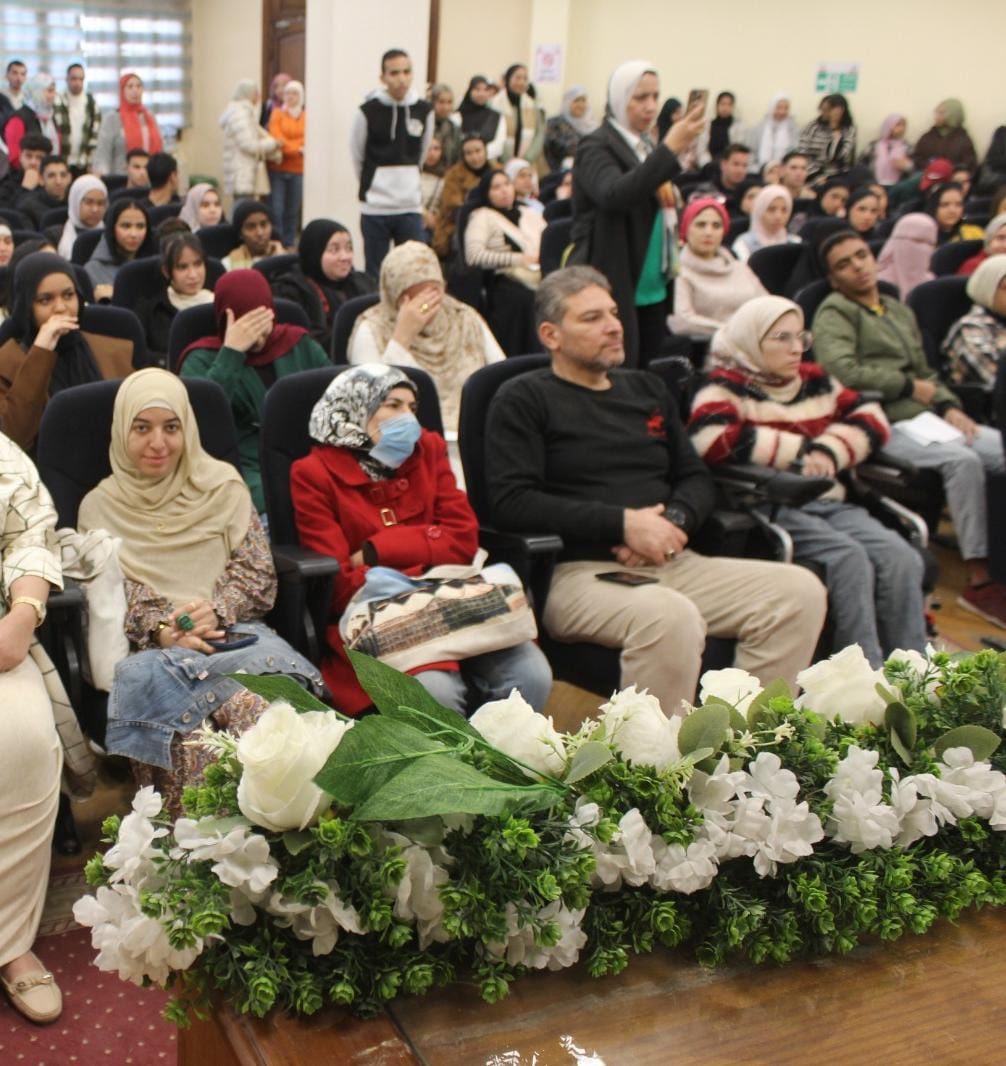
At the conclusion of the seminar, Prof. Hanan Salem presented a certificate of appreciation to Prof. Fathi El-Sharkawy in recognition of his scholarly contributions and his significant role in raising awareness and providing a comprehensive vision for child protection. She also expressed gratitude to all attendees, including faculty, students, and stakeholders, noting that such engagement reflects a growing societal awareness of the importance of safeguarding children and building a safe, confident generation.