
.svg)
Ain Shams University Celebrates Its National Role in the Construction of the Grand Egyptian Museum
2026-02-23A Scientific and Engineering Milestone Documenting the University’s Contributions to One of the Greatest Civilizational Projects
From Lecture Halls to Cultural Landmarks: Ain Shams University’s Contributions to the Grand Egyptian Museum
Science in the Service of History: How Ain Shams Scholars Contributed to Building the Grand Egyptian Museum
At a moment where science meets history, and engineering intertwines with civilization, the Grand Egyptian Museum stands as one of the greatest national projects, embodying Egypt’s ability to transform its rich heritage into a vibrant contemporary achievement.
At the heart of this national milestone, Ain Shams University was present through its scholars and experts, affirming that universities are not merely centers of knowledge, but true partners in shaping the future.
In this context, Ain Shams University organized a major celebration to document its pivotal role in the construction of this global landmark and to highlight the scientific and engineering contributions that stand as lasting testimony to the convergence of Egyptian intellect and the greatness of history.
Under the title, “Ain Shams University: National Leadership Shaping the Future, The Grand Egyptian Museum… A Pivotal Role and Lasting Contributions,” the celebration honored faculty members whose expertise and scientific excellence contributed to the construction of the Grand Egyptian Museum, one of the greatest civilizational landmarks of the modern era and a symbol of Egypt’s ability to transform its historic legacy into a contemporary cultural achievement.
The celebration reaffirmed the university’s enduring national role, not only as an educational and research institution, but also as an active partner in major national projects that reflect Egypt’s identity and strengthen its global cultural and scientific standing.
 |
 |
Ain Shams University President: Science is the Foundation of Progress
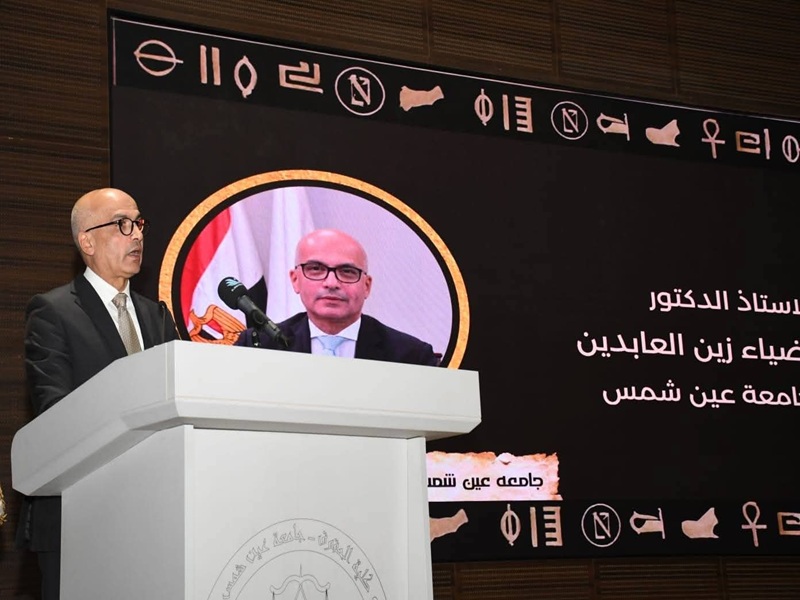
In his address, Prof. Dr. Mohamed Diaa Zain El Abedeen, President of Ain Shams University, expressed his pride in the contributions made by the university’s faculty to this unique national project, emphasizing that the celebration represents not merely a scientific or cultural event, but a documentation of a national journey in which the university played a key role.
He stressed that the Grand Egyptian Museum represents not only the greatness of the past, but also the capability of the present and the vision of the future. He affirmed that Ain Shams University has always been a fundamental partner in Egypt’s development, believing that the university’s role extends beyond education and research to include direct participation in national development projects.
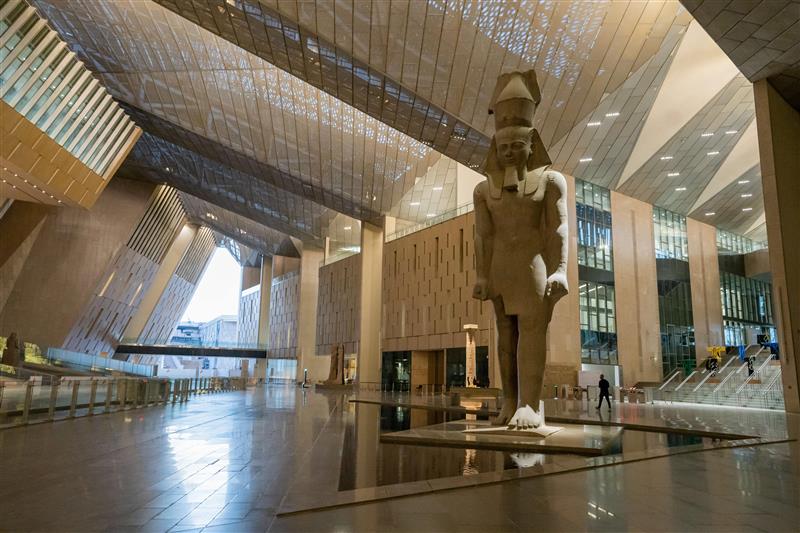
He added that faculty members, particularly from the Faculty of Engineering, contributed to precise scientific and engineering efforts, including construction works and the historic transfer of massive antiquities, most notably the statue of Ramses II, in a remarkable scientific and engineering achievement.
Engineering and Archaeology Integration: A Message to Future Generations
The university president emphasized that the Grand Egyptian Museum emerged through the integration of engineering and archaeology, becoming not just a building, but a cultural, civilizational, and human message reflecting Egypt’s identity and global stature. He noted that this experience will remain a lasting model of the harmony between science and heritage.
He concluded by reaffirming the university’s commitment to its national mission, supporting initiatives that contribute to building the Egyptian citizen, strengthening awareness, fostering national belonging, and shaping the future, emphasizing that science remains the primary driver of progress.
Ghada Farouk: Documenting Contributions Strengthens Institutional Memory
Prof. Dr. Ghada Farouk, Vice President for Community Service and Environmental Development, highlighted that such events shed light on one of the greatest national and civilizational projects in Egypt’s modern history, documenting the sincere contributions of Ain Shams University faculty who played vital roles in the Grand Egyptian Museum.
She emphasized that documenting these contributions reflects the importance of preserving institutional memory, not merely for recognition, but as inspiration for future generations.
Prof. Suzan Elkalliny: A Living Civilizational Project
Prof. Suzan Elkalliny, Media Advisor to Ain Shams University, noted that the Grand Egyptian Museum represents one of the most significant civilizational projects of modern times, demonstrating Egypt’s ability to transform its heritage into a living, contemporary achievement.
She expressed pride in the academic and engineering contributions of Ain Shams University scholars, who played an essential role from research laboratories and classrooms to implementation sites.
Scientific Presentations Document the Project’s Journey
The celebration featured specialized presentations documenting various aspects of the project. Prof. Yasser Mansour, Professor of Architectural Engineering and General Coordinator of the Grand Egyptian Museum project, discussed the museum’s development since before 2002.
Prof. Mostafa Rostom presented his work on transporting the Ramses II statue and other heavy artifacts, while Prof. Tamer El-Nady discussed vibration measurements, acoustic design, and infrastructure considerations related to the nearby metro line.
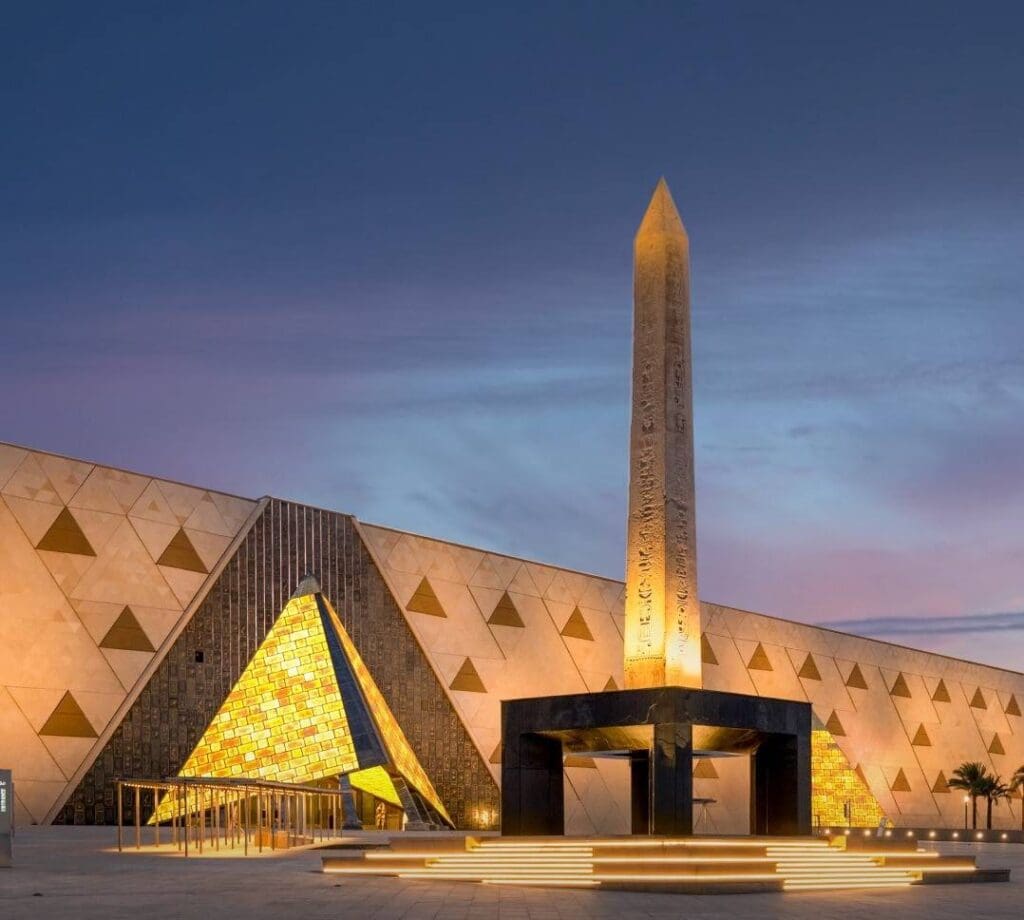
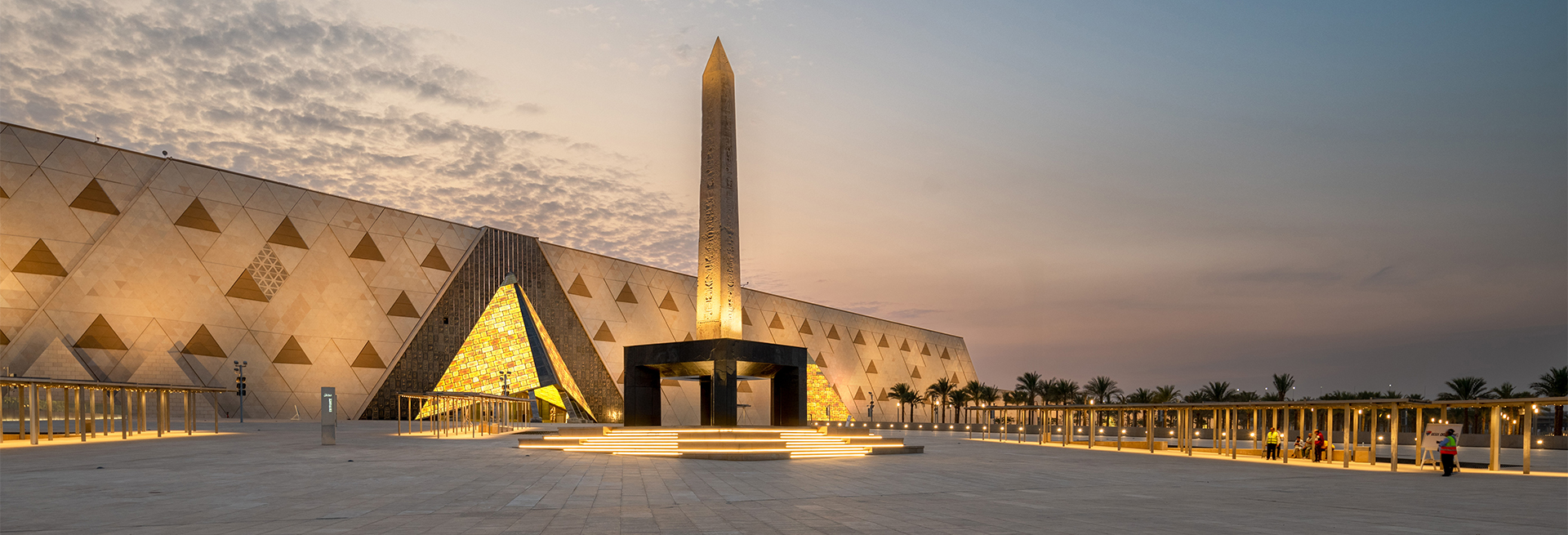
Additional contributions included geotechnical engineering, façade design inspired by pyramid geometry using Egyptian marble, engineering problem-solving solutions, and museum display planning led by former Minister of Antiquities Prof. Dr. Mamdouh Eldamaty.
Honoring Distinguished Contributors
The event also honored the late Prof. Ahmed Hussein for his historic role in transporting the Ramses II statue without dismantling it.
The university president affirmed that the Grand Egyptian Museum represents a proud chapter in Ain Shams University’s history and announced plans to document these engineering contributions in a dedicated publication.
Prof. Dr. Amr Shaat emphasized that the participation of Ain Shams University’s Faculty of Engineering reflects the excellence and global competitiveness of Egyptian expertise.
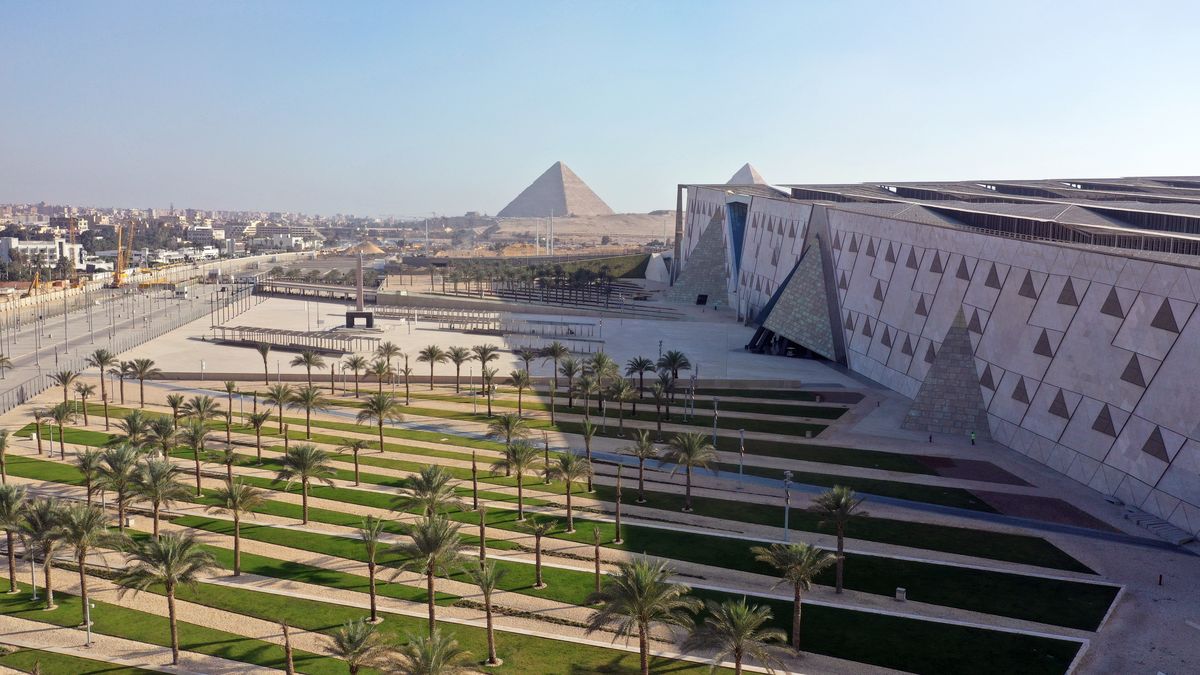
The Grand Egyptian Museum is the largest museum dedicated to ancient Egyptian civilization in the world, located near the Giza Pyramids. It houses over 100,000 artifacts spanning ancient Egyptian, Greek, and Roman eras.
The museum spans 117 acres and is designed to accommodate up to 5 million visitors annually, featuring conservation centers, exhibition halls, commercial areas, and cultural facilities.
This celebration affirmed that the Grand Egyptian Museum is not merely an architectural achievement, but a comprehensive scientific and national milestone driven by Egyptian expertise.
Through its faculty and experts, Ain Shams University demonstrated that its mission extends beyond education, actively contributing to national development, preserving cultural identity, and shaping Egypt’s future on the global stage.