

Ain Shams University President Participates in a High-Level Panel Discussion on the Partnership Between Medical Education and the Universal Health Insurance System at the “Future of Egypt’s Health” Forum
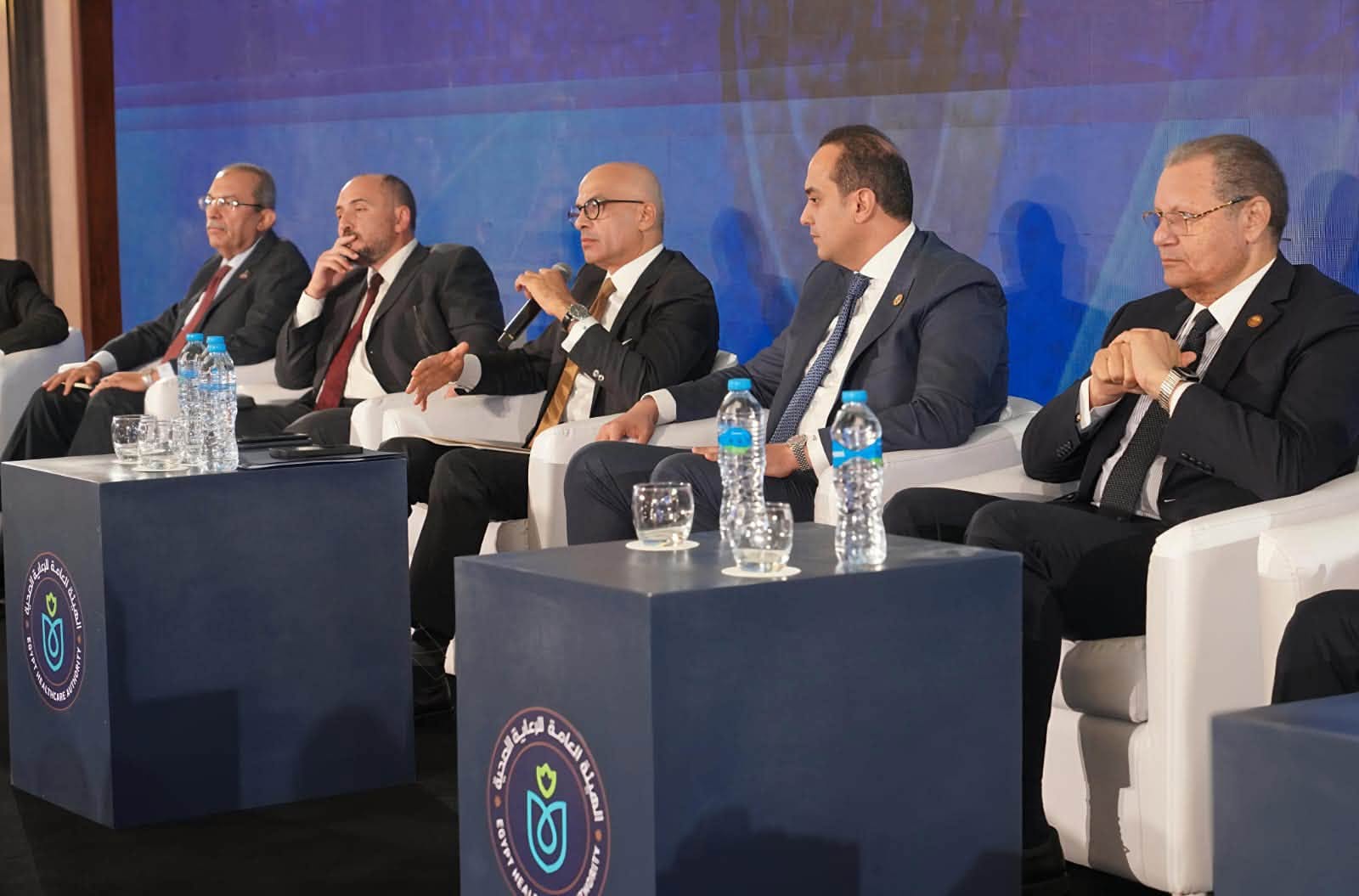
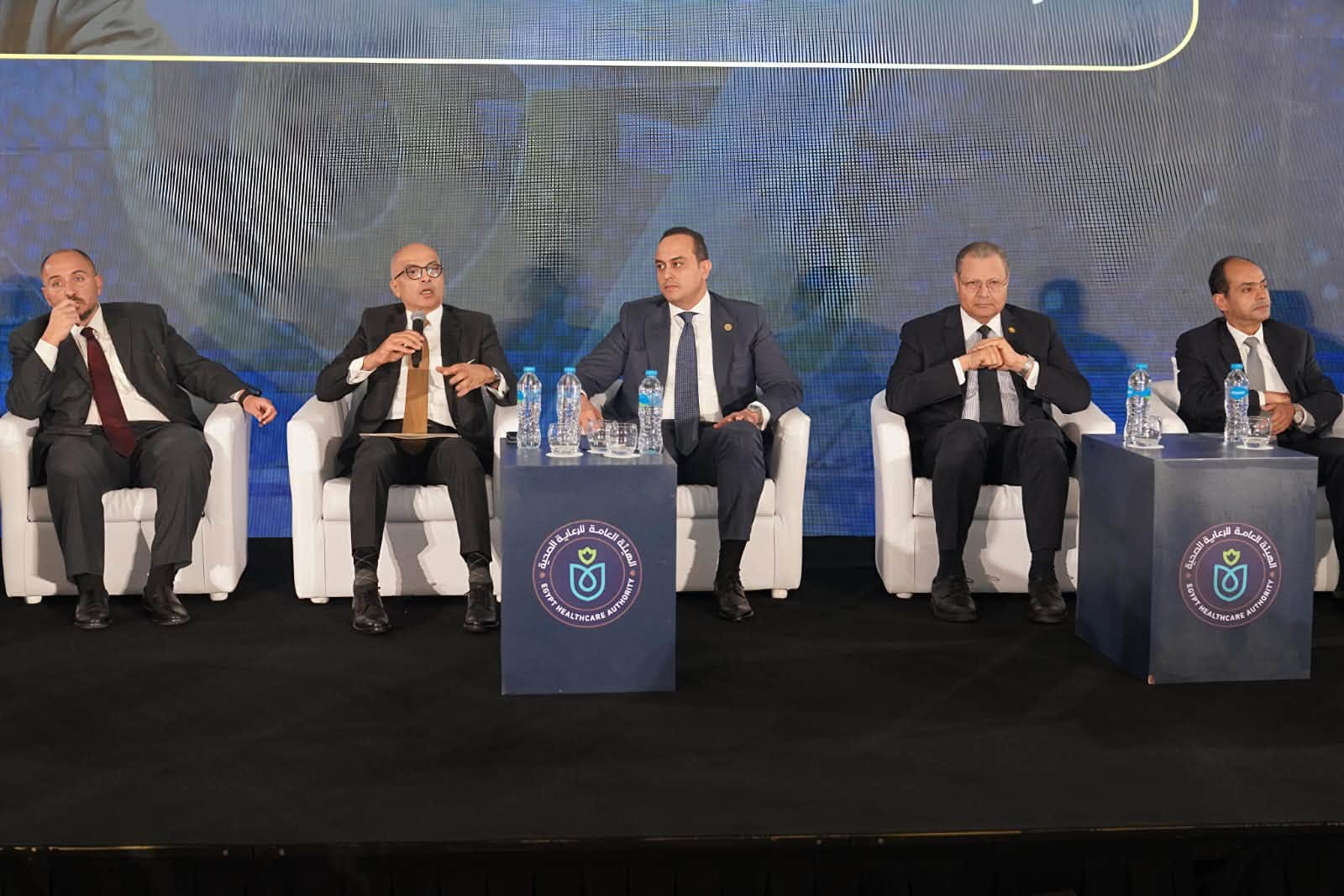
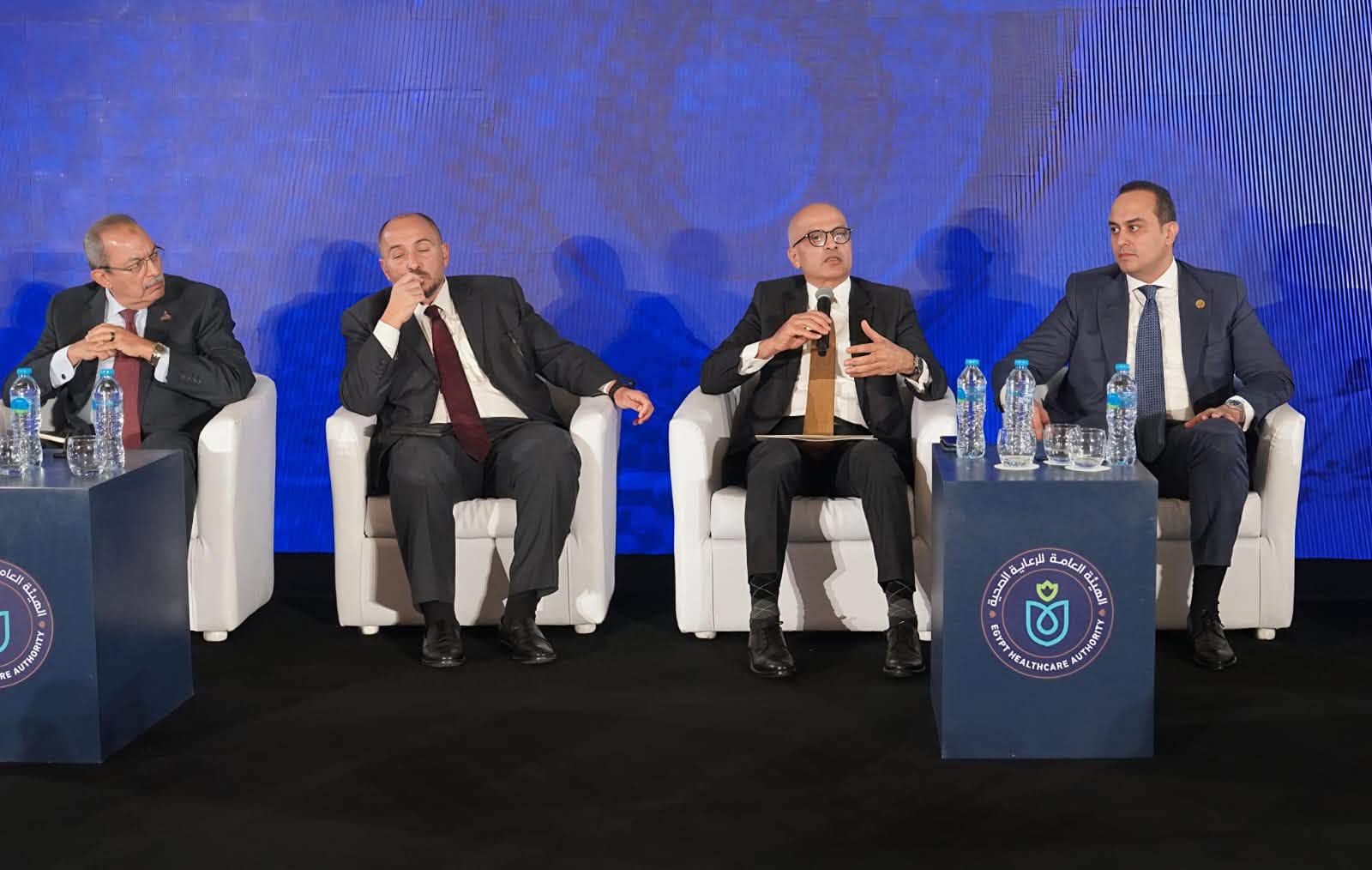
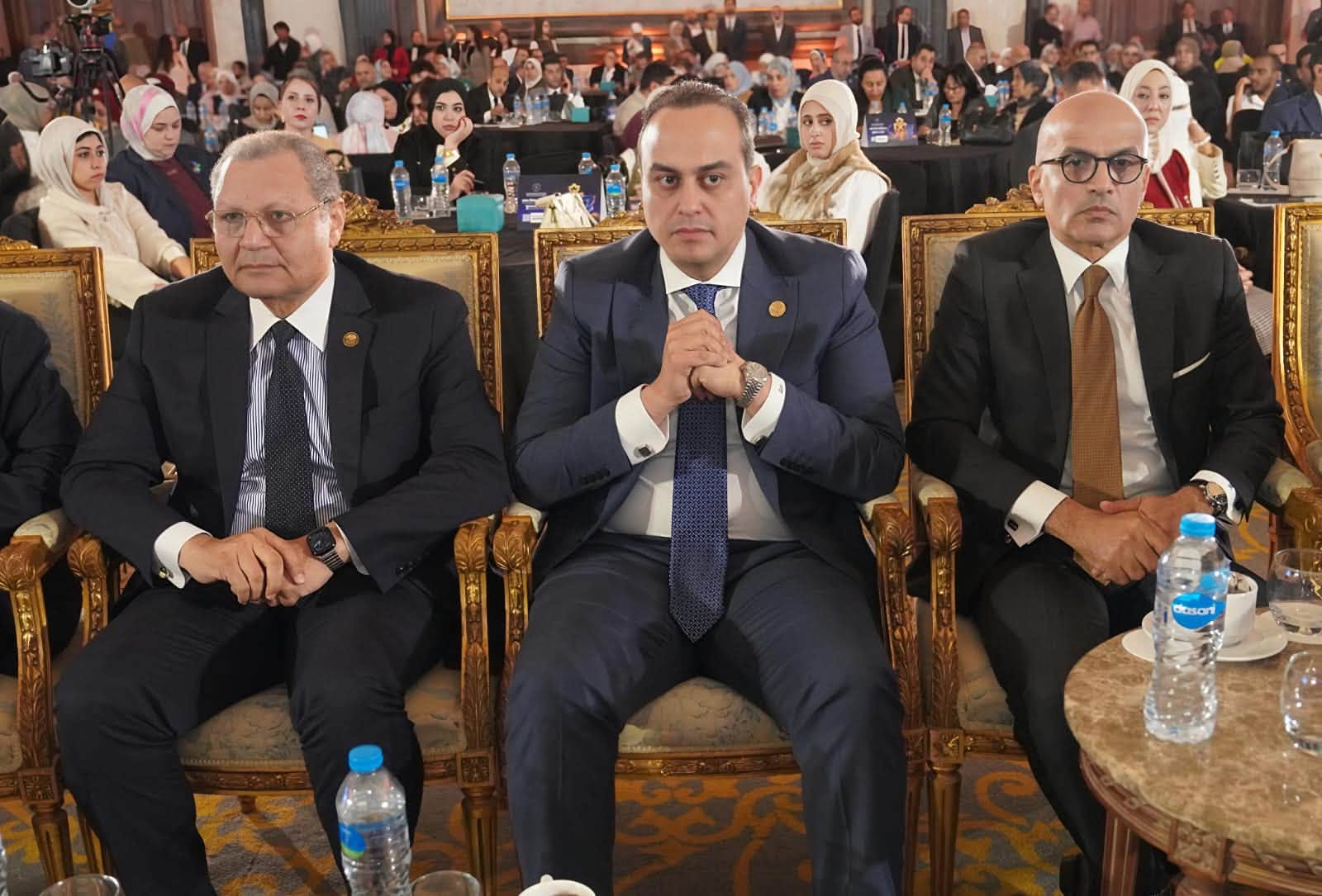
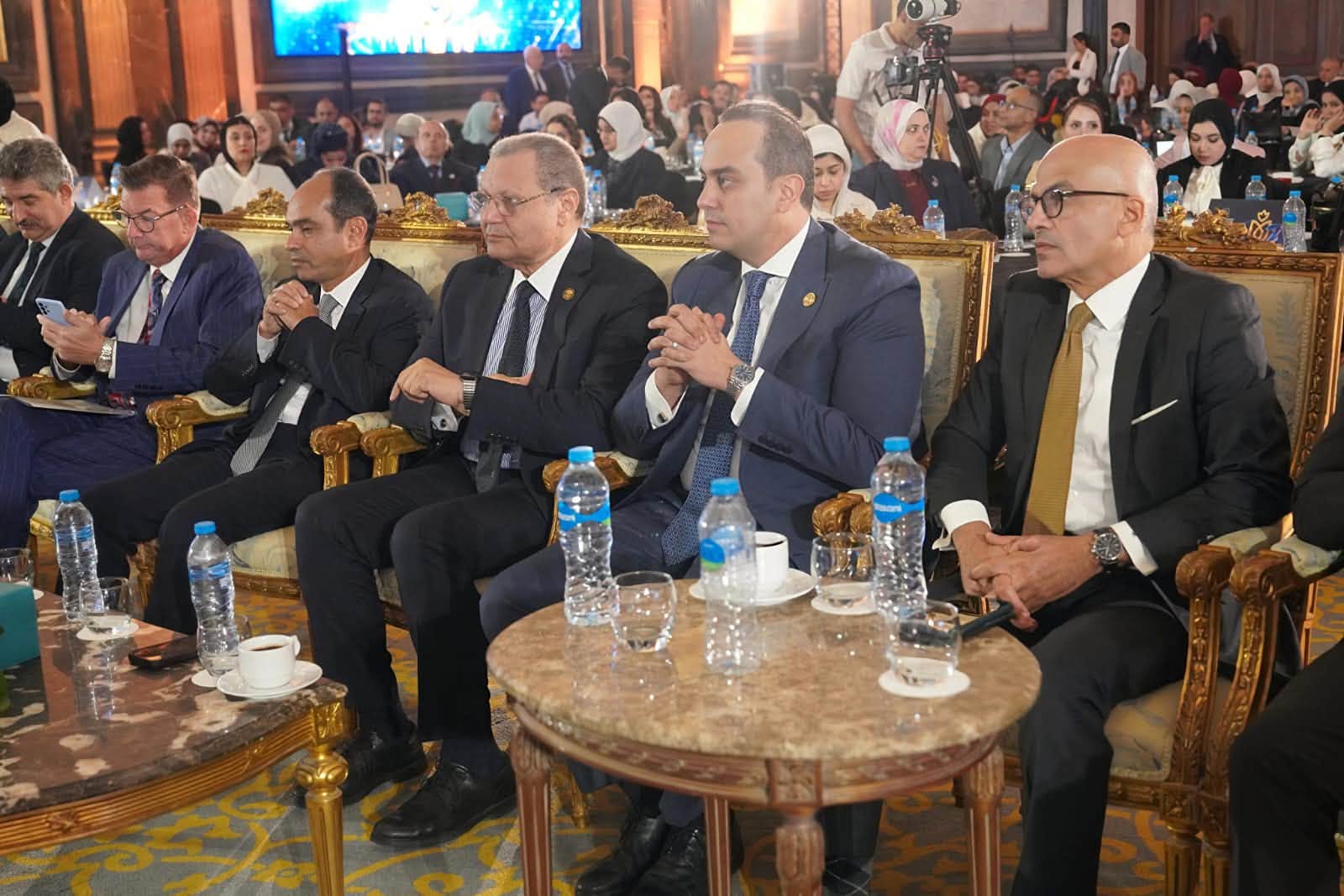
Prof. Mohamed Diaa Zain El-Abedeen, President of Ain Shams University, participated in a high-level panel discussion entitled “Partnership for Sustainability: Medical Education and the Universal Health Insurance System,” during the opening day of the Egypt Healthcare Authority’s 7th Annual Forum, held under the theme “Future of Egypt’s Health.” His participation came within the framework of the role played by Egyptian universities in supporting the healthcare system and strengthening integration between academic institutions and healthcare providers, thereby contributing to the advancement of medical education and aligning its outcomes with the actual needs of the healthcare system.
 |
 |
 |
||
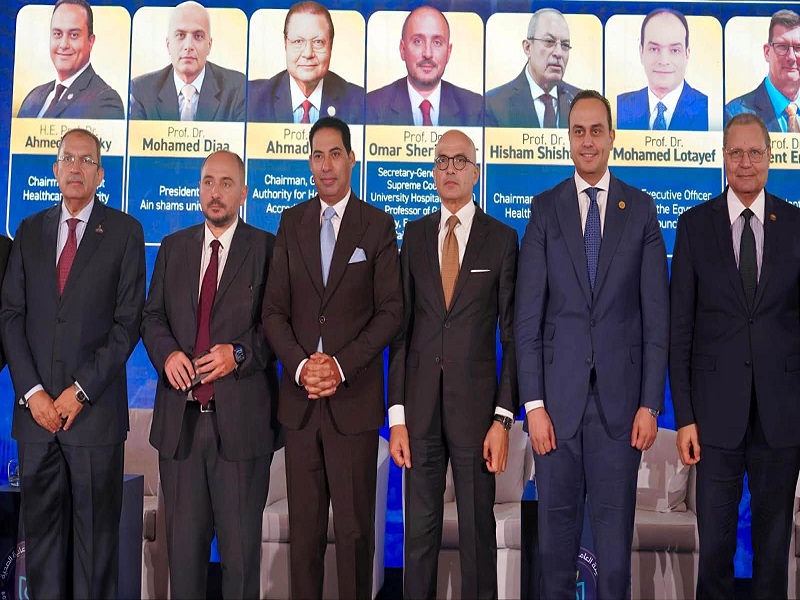
The session also brought together a distinguished group of Egyptian and international leaders and experts in healthcare and medical education, including Dr. Ahmed El-Sobky, Chairman of the Egypt Healthcare Authority and General Supervisor of the Universal Health Insurance Project; Dr. Omar Sherif Omar, Secretary of the Supreme Council of University Hospitals; Dr. Mohamed Latif, Chairman of the Egyptian Health Council; Dr. Ahmed Taha, Chairman of the General Authority for Healthcare Accreditation and Regulation; Prof. Vincent Emery, President of the University of Hertfordshire; Major General Hisham El-Sheshtawy, Chairman of the Senate’s Health Committee; and Dr. Amir El-Talwany, Executive Director of the Egypt Healthcare Authority and moderator of the session.
During his address, Prof. Mohamed Diaa Zain El-Abedeen emphasized the importance of establishing an integrated institutional framework for postgraduate medical training, with clearly defined pathways that ensure the optimal utilization of available human resources and capabilities. He highlighted the need for integration and coordination among universities, university hospitals, the Egypt Healthcare Authority, and various healthcare sectors to meet the actual and specialized needs of the healthcare system.
He also stressed the importance of developing the medical training system in accordance with international standards and practices, leveraging the technological capabilities and modern educational tools available at universities, and implementing rigorous assessment mechanisms throughout practical training, such as training portfolios. He further emphasized the importance of qualifying and training medical educators and trainers to ensure the optimal utilization of these resources and enhance the quality and efficiency of medical training.
 |
 |
The session addressed the importance of establishing sustainable partnerships between medical education institutions and the Universal Health Insurance System as a key pillar in advancing healthcare services through preparing qualified medical professionals, modernizing medical education and training methods, and strengthening cooperation in scientific research and medical applications.
The discussions also highlighted the importance of aligning the visions of educational institutions and healthcare authorities to enhance the quality of services provided to citizens and lay the foundations for a more efficient and sustainable healthcare system capable of keeping pace with rapid developments in the medical sector.