

Another Milestone in Institutional Excellence for Ain Shams University…TASH Center for Applied and Translational Research at the Faculty of Medicine Earns International ISO 9001 Certification
In another achievement reflecting Ain Shams University’s commitment to implementing the highest standards of quality and institutional excellence, the TASH Center for Applied and Translational Research at the Faculty of Medicine has obtained the international ISO 9001 Quality Management System certification. This achievement comes as part of the University’s strategy under the leadership of Prof. Mohamed Diaa Zain El-Abedeen, President of Ain Shams University, and with the support and follow-up of Prof. Ali El-Anwar, Dean of the Faculty of Medicine and Chairman of the Board of Directors of the University Hospitals, reinforcing efforts to develop the research system and enhance institutional performance in accordance with international standards.
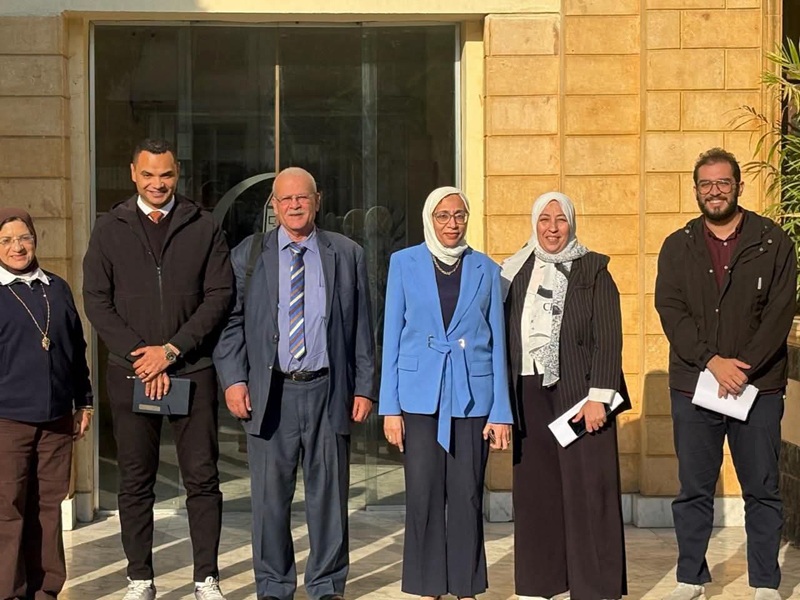
The certification was awarded following the successful completion of an external audit conducted by a delegation from TÜV UNITED EGYPT, headed by Prof. Ahmed Hassan, the company’s Executive Director, and Prof. Adel Abu Shanab, Head of the company’s Audit Team.
 |
 |
The audit delegation was received by representatives of the Faculty of Medicine, including Prof. Hala Samir Suweed, Vice Dean for Community Service and Environmental Development; Prof. Tarek Youssef, Vice Dean for Postgraduate Studies and Research; Prof. Dalia Ahmed Ibrahim, Director of the Faculty's Quality Assurance Unit; and Prof. Marwa Madbouly, Director of the TASH Center.
The visit included an inspection tour of the TASH Center for Applied and Translational Research, during which the delegation reviewed the center’s facilities and equipment, operational mechanisms, quality management system, and established procedures to assess the extent to which its operations comply with the requirements of the international ISO 9001 standard.
The center's achievement of this certification crowns its efforts to implement international quality standards, develop its institutional, administrative, and research operations, and enhance performance efficiency in line with international best practices. It also strengthens the center’s role in applied and translational research, contributes to improving scientific research outcomes, and promotes their alignment with societal needs.