

Ain Shams University Highlights an Extraordinary Medical Achievement at Ain Shams Specialized Hospital, Saving the Life of a Palestinian Child
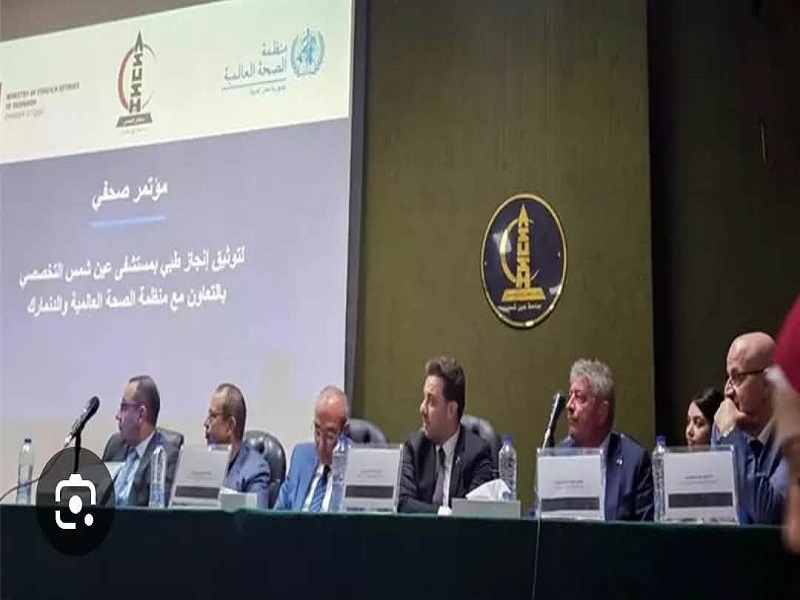
In an extraordinary medical and humanitarian achievement reflecting the leadership of Egyptian medicine and the expertise of its medical professionals in managing the most delicate and complex cases, Ain Shams Specialized Hospital in Abbassia held a press conference on Monday, October 19, 2026, to highlight the successful transcatheter pulmonary valve implantation performed by its medical team on a 13-year-old Palestinian child who had previously undergone three heart surgeries. The highly complex and high-risk procedure was carried out with the support of extracorporeal membrane oxygenation (ECMO), in collaboration with the World Health Organization (WHO) and the Kingdom of Denmark.
 |
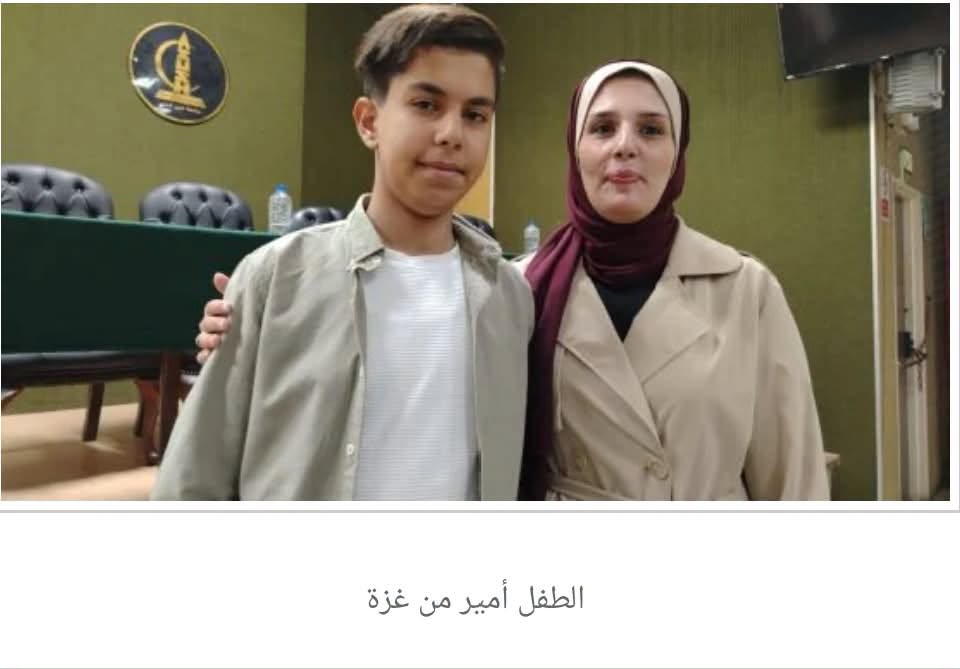 |
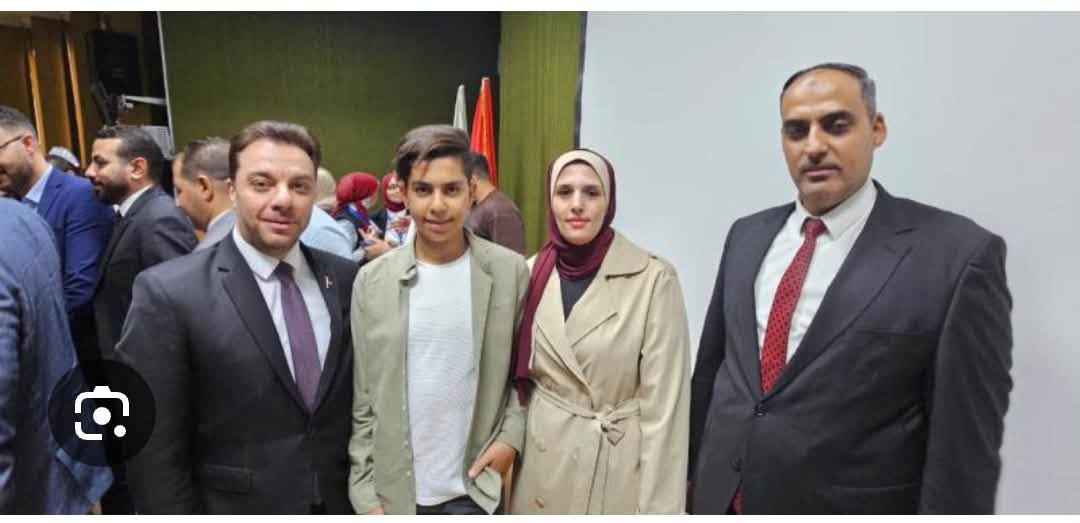
The press conference was attended by H.E. Lars Bo Møller, Ambassador of the Kingdom of Denmark to Egypt; Mr. Naji Al-Naji, Chargé d'Affaires of the Embassy of the State of Palestine in Egypt; Mr. Nima Saeed Abid, WHO Representative in Egypt; Prof. Tarek Youssef, Executive Director of Ain Shams University Hospitals; Prof. Hesham Anwar, Director of Ain Shams Specialized Hospital; Prof. Haitham Abdel Azim, Deputy Director of Ain Shams Specialized Hospital; Prof. Mohamed Abdel Razek, Medical Director of Ain Shams Specialized Hospital; and Prof. Amira Nour El-Din, Consultant in Interventional Cardiology, Congenital Heart Defects, and Valvular Heart Diseases. Also attending were members of the supporting medical team, Ms. Ghadeer, mother of the child who underwent the procedure, Amir Ali Aliwa, the child himself, and a large gathering of hospital physicians and supporting medical staff.
The Achievement Demonstrates the Power of Joint Efforts to Deliver Tangible Results
In his remarks, H.E. Lars Bo Møller, Ambassador of the Kingdom of Denmark to Egypt, explained that this successful international collaboration highlights a fundamental human right: ensuring that everyone has access to the healthcare they need.
He emphasized that this achievement required genuine courage and demonstrated the ability of international cooperation and humanitarian funding to translate collective efforts into tangible outcomes that make a meaningful difference in patients' lives.
He noted that more than 18,500 patients in Gaza urgently need medical intervention, commending Egypt's role in receiving 9,000 medically evacuated patients from Gaza, along with 13,000 accompanying family members. He pointed out that Egypt has received 67% of Gaza's patients and injured individuals.
He added that the scale of these needs places considerable pressure on Egypt's healthcare system, noting that Denmark supports these efforts through its partnerships with the World Health Organization in Egypt.
He explained that Denmark's initial contributions amounted to approximately USD 3.1 million, in addition to supporting the training of more than 800 healthcare professionals.
The Ambassador also announced Denmark's decision to extend the partnership project until December 2027, with an additional contribution of USD 1.5 million. This funding will help equip hospitals, strengthen healthcare professionals' emergency response capabilities, and improve Palestinian patients' access to quality healthcare.
Egypt Has Proven That Compassion Is More Than Just Words
In his address, Mr. Naji Al-Naji, Chargé d'Affaires of the Embassy of the State of Palestine in Egypt, affirmed that Egypt has demonstrated that compassion is not merely a slogan, but a genuine commitment reflected in humanitarian actions and sustained efforts to support the Palestinian people.
He added that the success of this medical intervention represents a ray of hope for thousands of Palestinian children suffering the devastating consequences of war. He stressed that these children will also need psychological support and assistance to overcome the lasting effects of the conflict.
He emphasized that Egypt, through its leadership, people, distinguished professionals, and physicians, stands as a strong source of support and protection for the Palestinian people. He praised Egypt's efforts to provide care and assistance to Palestinian patients and the injured, commending this achievement as a testament to the capabilities of Ain Shams University Hospitals, one of Egypt's leading medical and academic institutions.
With their highly qualified specialists and advanced expertise, the hospitals have demonstrated their ability to manage the most challenging medical cases, providing a model that combines scientific excellence, outstanding clinical practice, and humanitarian responsibility. This further strengthens the standing of Egyptian medicine in delivering advanced healthcare that saves lives and offers patients and their families renewed hope.
WHO Has Provided More Than USD 14 Million in Support
For his part, Mr. Nima Saeed Abid, WHO Representative in Egypt, explained that the probability of success for this medical procedure had not exceeded 25%. However, the expertise and courage of the medical and nursing teams played a decisive role in achieving this remarkable outcome.
He noted that the procedure cost approximately USD 50,000, including the heart valve, with generous financial support from the Kingdom of Denmark.
He added that the World Health Organization had provided more than USD 14 million in support and implemented over 120 training programs benefiting approximately 4,500 healthcare providers in Egypt.
He emphasized that behind every statistic lies a human life, a family, and a glimmer of hope emerging amid the most difficult circumstances. He reaffirmed WHO's continued commitment to sharing humanitarian responsibilities with Egypt, expressing his gratitude to the Kingdom of Denmark for its ongoing support and to the WHO team in Egypt for its dedicated efforts.
He expressed his happiness that the celebration of Amir's recovery would be the final event he attended before his retirement. He emphasized that giving someone a new chance at life embodies the very essence of WHO's mission: ensuring that the most vulnerable populations receive the healthcare they need. He also expressed hope that Amir's case would pave the way for further humanitarian and medical achievements.
Success Highlights the Importance of Integrating Medical Expertise, Scientific Research, and Clinical Practice
Prof. Tarek Youssef, Executive Director of Ain Shams University Hospitals, began his remarks by welcoming the attendees and expressing his sincere gratitude and appreciation to the Kingdom of Denmark and the World Health Organization for supporting humanitarian cases involving patients who cannot afford the substantial costs of such highly specialized interventional procedures, which may reach EGP 1 million per patient.
He emphasized that this support provides an essential foundation for helping patients who require advanced medical interventions, particularly considering the health and humanitarian consequences of wars and conflict-related injuries. He also highlighted Egypt's role in supporting those affected and providing them with the necessary medical care.
He explained that this achievement reflects the advanced scientific and professional standards attained by Egyptian medical professionals, as well as the extensive clinical expertise and modern technological capabilities available at Ain Shams University Hospitals. These resources enable the hospitals to manage critical and complex cases, reinforcing their role in developing specialized medical services and improving healthcare standards.
He added that this success underscores the importance of integrating medical expertise, scientific research, and clinical practice, alongside the pivotal role played by university hospitals in training medical professionals, advancing treatment practices, and providing care for patients requiring highly specialized and sophisticated interventions.
He also announced that the University is preparing to sign an agreement with the Tahya Misr Foundation to finance similar interventional procedures and catheter-based treatments for patients, particularly children.
The Case Was Far More Complex Than a Conventional Catheter-Based Valve Implantation
Prof. Amera Nour El-Din, Consultant in Interventional Cardiology, Congenital Heart Defects, and Valvular Heart Diseases, presented the medical details of the case, explaining that this achievement was the result of close collaboration among an integrated medical team comprising professors, consultants, physicians, nurses, and technicians from Ain Shams University Hospitals.
She highlighted the participation of specialists in cardiology, interventional catheterization, cardiothoracic surgery, anesthesia, and extracorporeal membrane oxygenation (ECMO), working together through a coordinated multidisciplinary approach to ensure the highest levels of precision and preparedness.
She emphasized that the case was far more challenging than a conventional transcatheter valve implantation. The child suffered from severely impaired right ventricular function, with its efficiency reduced to approximately 20%, alongside impaired left ventricular function of around 45%. Moreover, he had previously undergone three complex cardiac surgeries at different stages of his life.
She added that the severity of the case was further compounded by critical pulmonary valve stenosis, which obstructed blood flow from the right ventricle to the lungs. This significantly increased the risks associated with the intervention and required meticulous planning and comprehensive preparation for all possible scenarios, given the child's critically compromised cardiac function.
Despite these challenges, the medical team successfully performed the transcatheter pulmonary valve implantation with the assistance of extracorporeal membrane oxygenation (ECMO). The system provided circulatory support and maintained the child's hemodynamic stability throughout the procedure, enabling the team to manage the complications associated with impaired cardiac function and his history of multiple cardiac surgeries.
She added that the procedure lasted approximately five to seven hours. The medical team successfully weaned the child off mechanical ventilation within 24 hours, while all medications supporting blood circulation were discontinued within 48 hours, indicating the success of the intervention and improvement in the child's clinical stability.
During the conference, a recorded message was played by Mr. Ali Aliwa, Amir's father, speaking from the Gaza Strip. He expressed his heartfelt gratitude to everyone who contributed to saving his son's life.
Ms. Ghadeer, Amir's mother, also extended her sincere thanks and appreciation to everyone involved in saving her child. She expressed her gratitude to the medical team and supporting organizations for giving her son a new chance at life and restoring hope to their entire family.
The Achievement Was Made Possible Through the Efforts of a Multidisciplinary Medical Team
It is worth noting that this achievement was made possible through the combined efforts of a multidisciplinary medical team. The Cardiology and Interventional Catheterization Team included Associate Prof. Amira Nour El-Din, Consultant in Cardiology and Interventional Catheterization, and Prof. Yasmin Abdel Razek, Consultant in Cardiology and Interventional Catheterization.
The Cardiothoracic Surgery Team included Prof. Ashraf Abdel Hamid, Head of the Pediatric Cardiac Surgery Department, and Prof. Mohamed Gamal, Director of the Cardiothoracic Surgery Unit. The Anesthesia Team included Prof. Samia Sharaf and Prof. Sameh Michel.
The extracorporeal membrane oxygenation (ECMO) team contributed its specialized expertise to provide essential circulatory support throughout the procedure, helping the medical team overcome the complex challenges associated with the child's condition.
The team expressed its sincere gratitude and appreciation to Prof. Mohamed Atef, Director of the Catheterization Unit; Dr. Mahmoud Khairy, Assistant Lecturer in Cardiology; Ms. Nagwa, Head of the Nursing Team; and nursing team members Maha Mohamed and Mohamed Zaki.
Appreciation was also extended to the administrative and secretarial team, comprising Mona Gomaa, Asmahan Ismail, and Reda Ramadan; assistants Magda Mohamed and Heba Aliwa; as well as Mr. Walid, Head of the Technical Team, and all technical staff members, in recognition of their dedicated efforts and valuable contributions to the success of this highly specialized medical intervention.