.svg)

The Egyptian Society of Endocrinology and Metabolism Conference Opens New Horizons for Keeping Pace with the Latest Advances in the Diagnosis and Treatment of Endocrine and Metabolic Disorders
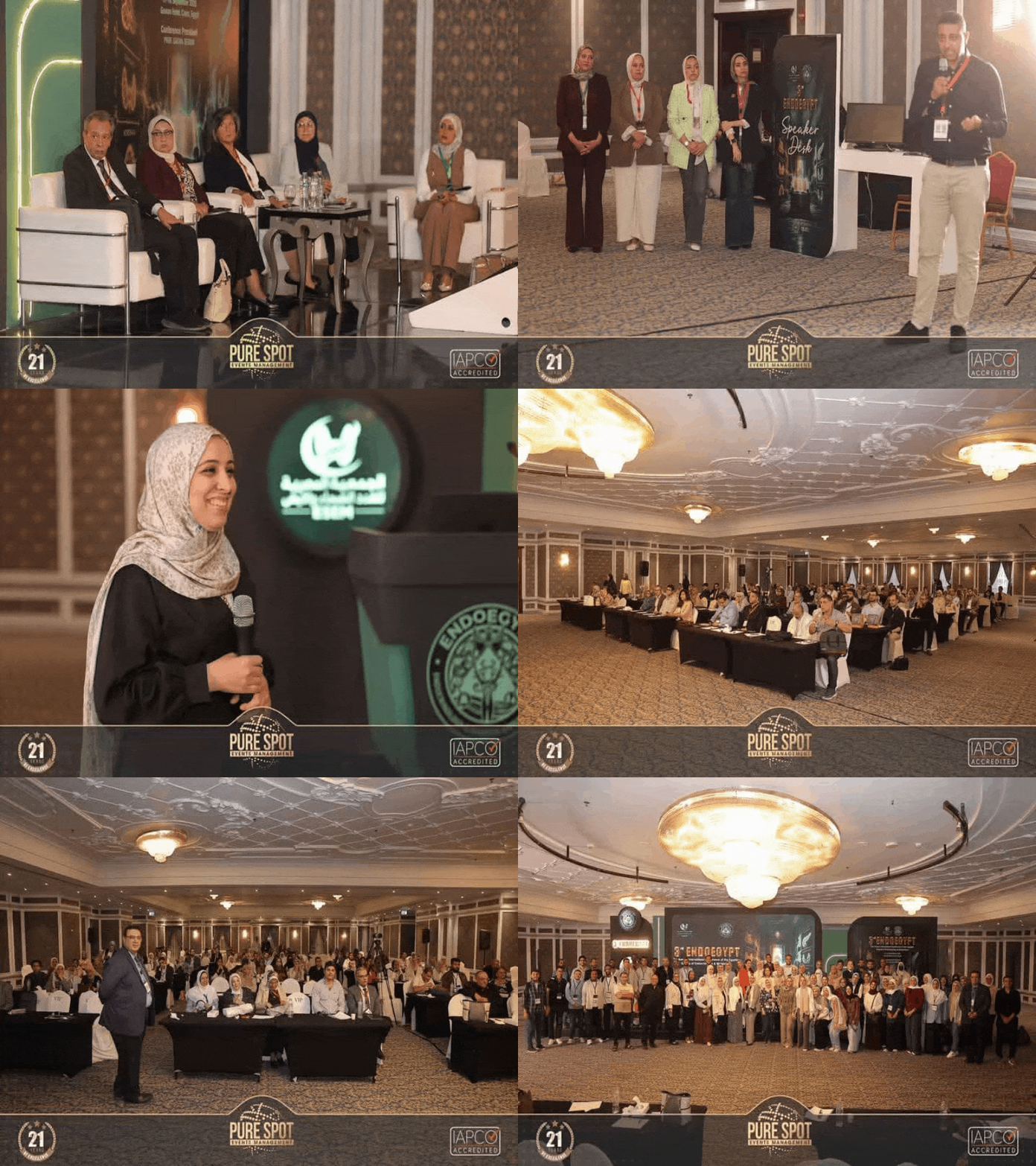
Under the patronage of Prof. Ali El-Anwar, Dean of the Faculty of Medicine and Chairman of the Board of Ain Shams University Hospitals, and Prof. Tarek Youssef, Executive Director of the University Hospitals, the Egyptian Society of Endocrinology and Metabolism Conference commenced its activities in the presence of Prof. Hala Suweed, Vice Dean for Community Service and Environmental Development Affairs; Prof. Tarek Youssef, Vice Dean for Postgraduate Studies and Research; and Prof. Tarek Maged, Head of the Internal Medicine Departments. The conference was chaired by Prof. Salwa Sedik, Professor of Endocrinology, with the participation of a distinguished group of leading professors, experts, and specialists in endocrinology and metabolism.
The conference comes amid growing health challenges associated with endocrine diseases and metabolic disorders, foremost among them diabetes and its complications, thyroid disorders, obesity, and growth disorders. This underscores the importance of intensifying medical and research efforts to keep pace with the latest therapeutic advances and diagnostic technologies and to provide patients with the highest standards of healthcare.
Throughout its activities, the conference features a series of scientific sessions and workshops presenting the latest studies and research in endocrinology and metabolism, alongside discussions of several complex clinical cases and the exchange of expertise among participants, contributing to the advancement of medical practices and treatment and prevention protocols.
The scientific recommendations of EndoEgypt 2026 highlight several important clinical messages focusing on individualized treatment, reducing complications, improving cardiovascular, renal, and metabolic outcomes, and ensuring the appropriate use of modern therapies and technologies.
Key Scientific Recommendations of the Conference:
Diabetes:
Diabetes management should not be limited to lowering HbA1c levels but should also aim to reduce cardiovascular, renal, and metabolic risks, with treatment selected according to the characteristics and needs of each patient.
Obesity:
Obesity should be managed as a chronic disease requiring long-term intervention that combines lifestyle modification with pharmacological treatment when needed.
Individualized Diabetes Treatment:
GLP-1–based therapies and SGLT2 inhibitors should be selected according to cardiovascular and renal risks, their effects on body weight, and the individual needs of each patient.
Insulin:
Unnecessary intensification of insulin therapy should be avoided, with doses reviewed periodically and treatment regimens simplified whenever possible.
Diabetes Technology:
Appropriate use of continuous glucose monitoring (CGM) devices and automated insulin delivery systems should be expanded, alongside the provision of the necessary patient education and medical follow-up.
Hypoglycemia:
The treatment plan should be reassessed following significant episodes of hypoglycemia, with efforts made to reduce risk factors whenever possible.
Diabetic Kidney Disease:
Early detection of chronic kidney disease should be pursued through measurement of the estimated glomerular filtration rate (eGFR) and urinary albumin-to-creatinine ratio (UACR), with cardio-renal protective therapies implemented when medically indicated.
Secondary Hypertension:
Secondary causes should be investigated selectively, with particular attention to primary aldosteronism in cases where such evaluation is warranted.
Hypercortisolism:
Evaluation for Cushing’s syndrome should be conducted when clear or progressive clinical features are present. Obesity, diabetes, or hypertension alone should not be considered sufficient indications for screening.
Thyroid Diseases:
A risk-stratified and individualized approach to treatment should be adopted, while avoiding unnecessary interventions in low-risk cases.
Hyperandrogenism and Polycystic Ovary Syndrome:
Hirsutism and hyperandrogenism should be evaluated according to the clinical presentation, with less common causes excluded when warning signs are present, such as marked virilization or substantially elevated androgen levels.
Menopause:
An individualized approach should be adopted in managing menopausal symptoms, balancing symptom relief with maintaining bone health, reducing cardiovascular risks, and improving quality of life.
Neuropathy and Peripheral Arterial Disease:
Symptom management should be combined with prevention of foot complications and reduction of cardiovascular risk factors, with vascular assessment performed when indicated.
Short Stature and Delayed Puberty:
Evaluation should be based on the growth pattern and growth velocity, bone age, and stages of sexual development. The underlying cause should be treated, with growth hormone or sex hormone therapy used when clearly indicated.
The recommendations emphasized that the essence of modern endocrinology practice lies in individualized, outcome-oriented care, reducing risks and complications, avoiding unnecessary treatment, and making judicious use of modern therapeutic and technological advances to achieve the best possible health outcomes for patients.
At the conclusion of the conference, appreciation and gratitude were extended to everyone involved in organizing this scientific event, including the scientific and organizing committees and supporting companies, as well as the participating professors, physicians, and specialists, whose attendance and active engagement enriched the conference and enhanced opportunities for the exchange of expertise and knowledge in one of the most dynamic and rapidly evolving fields of medicine.