
.svg)

Ain Shams University Leads the Digital Transformation Drive for Smarter Services and Stronger Governance
2026-08-20Network and Information Center Supports Digital Transformation
Digital Transformation Extends to Scientific Research
Digitalization of University Dormitory and Hospital Services
• Prof. Mohamed Diaa Zain El-Abedeen, President of Ain Shams University, affirmed that digital transformation is no longer a luxury, noting that the university recognized the importance of digital transformation at an early stage and that its efforts in this area have taken an institutional and strategic form over the past four to five years.
• The University President explained that Ain Shams University has implemented a major project to develop the infrastructure supporting digital transformation, with the aim of establishing a sustainable digital transformation ecosystem across the university. He noted that the infrastructure related to digital transformation has been fully upgraded.
Network and Information Center Supports Digital Transformation
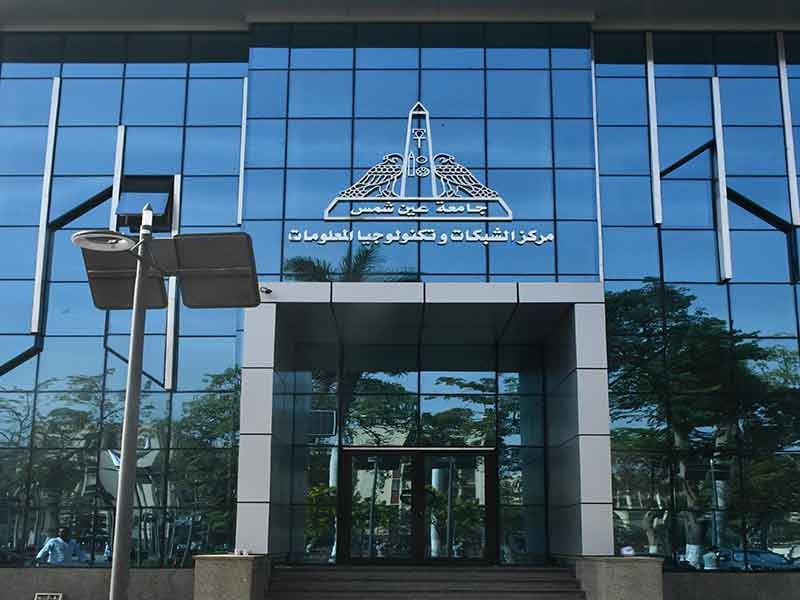
• He pointed out that the university’s Network and Information Center represents one of the most prominent outcomes of the development of its digital infrastructure. It was established using the latest technologies to support the university’s integrated digital ecosystem.
• He emphasized that digital transformation has extended across various services and sectors and is no longer limited to a single aspect of university operations.
Digitization of Educational Services for Students
• Prof. Mohamed Diaa noted that a key component of the digital transformation ecosystem concerns services provided to students, ranging from course registration to electronic payment of tuition fees.
• He explained that the university also relies on the LMS (Learning Management System) to provide educational services, including distance learning, recorded lectures, and other services that support the educational process.
• He also highlighted the university’s ACU2LEARN educational platform, which provides a range of digital tools and services supporting the educational process, in addition to online examinations and training activities for students.
Digital Transformation Extends to Scientific Research
• The President of Ain Shams University affirmed that digital transformation is no longer limited to educational services but has extended across the university’s entire ecosystem. He noted that work is underway to establish an integrated scientific research system featuring a database of research produced by the university.
• He explained that the system aims to electronically organize and manage the university’s scientific output, thereby enhancing the utilization of research produced across the university.
University Moves Toward Paperless System
• Prof. Mohamed Diaa Zain El-Abedeen noted that the university has begun transitioning to a Paperless system through the establishment of an electronic archive and the electronic management and circulation of documents in most cases, with the exception of certain financial procedures that may require handwritten signatures.
Warehouse Automation and Resource Governance
• He explained that warehouse automation is a key component of the digital transformation ecosystem due to its role in strengthening governance of university resources. He also pointed to the transition to electronic payments and the digitization of Cash In and Cash Out processes.
• He noted that an electronic system enables clear monitoring of resource flows by tracking what enters and leaves the system, thereby strengthening oversight and resource governance.
Digitization of University Dormitory and Hospital Services
• He added that digital transformation projects have also extended to university dormitories, including room reservations and meals provided to students, as well as similar applications in university hospitals.
• The President of Ain Shams University affirmed that this ecosystem has contributed to significant cost savings for the university by strengthening governance and ensuring that expenditures are directed toward actual needs.
• He explained that warehouse automation helps prevent the purchase of items that are already available in university warehouses, thereby reducing unnecessary spending and contributing to the preservation of a significant portion of the university’s resources.
