.svg)

Ain Shams University Leads Digital Transformation in Scientific Research with a Specialized Workshop on AI Policies by “LeapSpace” and “Elsevier” in Collaboration with the Egyptian Knowledge Bank
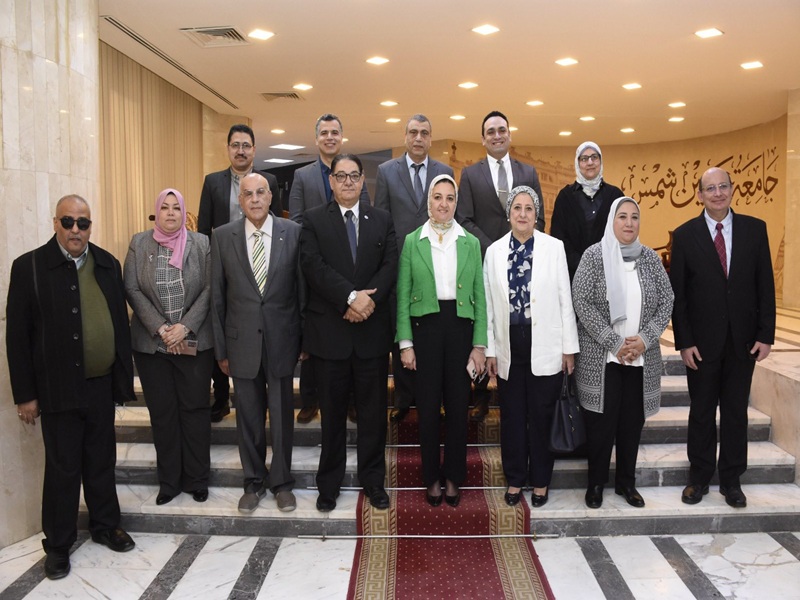
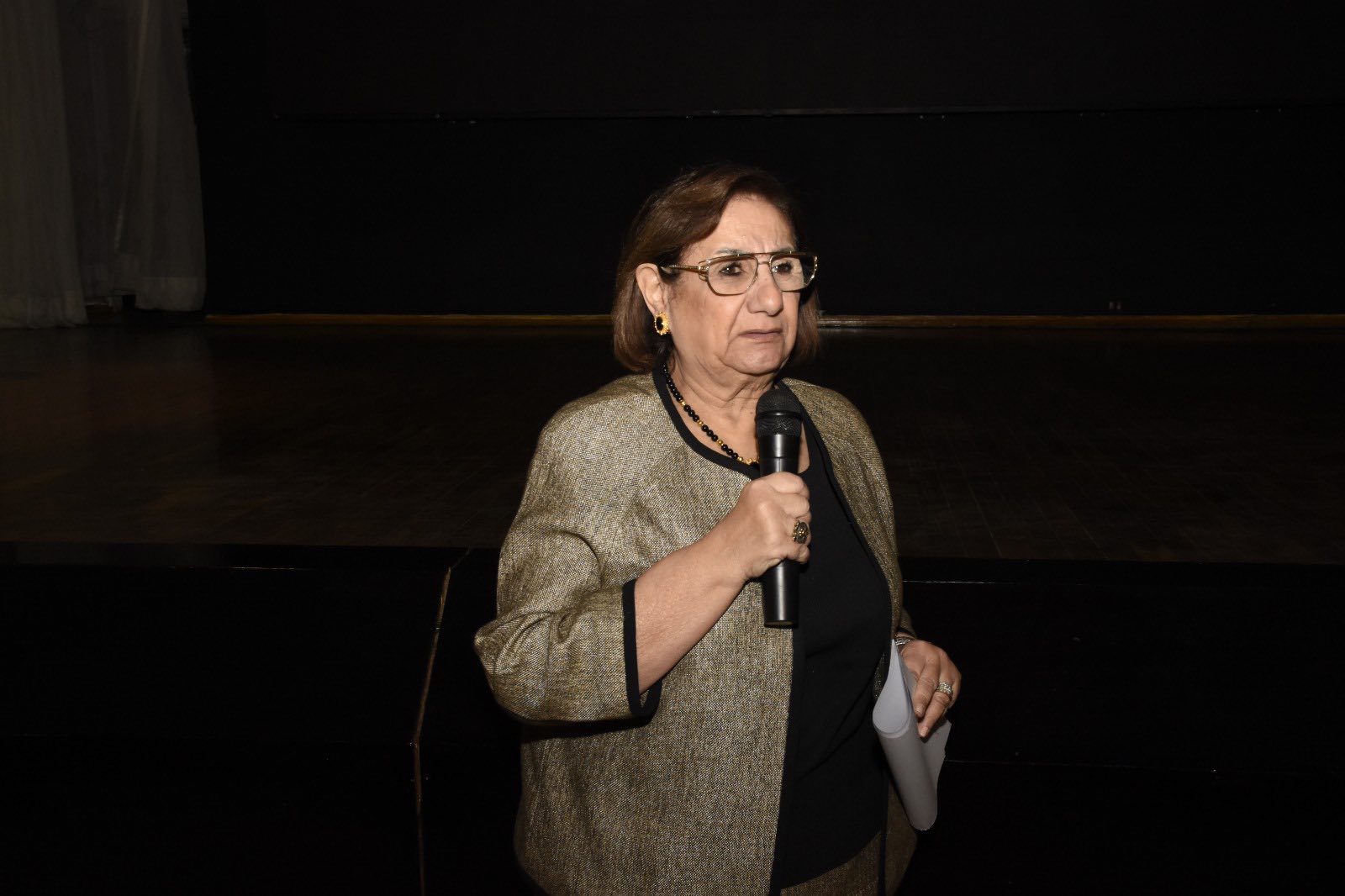
Prof. Amani Osama Kamel, Vice President of Ain Shams University for Graduate Studies and Research, inaugurated the activities of a specialized workshop organized by the Graduate Studies and Research Sector in collaboration with the Egyptian Knowledge Bank, titled: “Artificial Intelligence for Researchers: LeapSpace and Elsevier AI Policies.”
In her remarks, Prof. Amani Osama Kamel conveyed the greetings of Prof. Mohamed Diaa Zain El-Abedeen, President of the University, affirming the university administration’s commitment to supporting researchers’ capabilities and keeping pace with global developments in artificial intelligence and its applications in scientific research.
She also expressed her appreciation to the attendees, commending their awareness of the importance of artificial intelligence in scientific research, and extended special thanks to the Egyptian Knowledge Bank and Elsevier for their continuous support and efforts in providing researchers with the latest resources and technologies.
She emphasized that artificial intelligence has become a pivotal tool in advancing the scientific research system, stressing the importance of its responsible and ethical use to ensure maximum benefit without compromising academic integrity. She also encouraged researchers to develop their critical thinking skills and engage thoughtfully with the outputs of AI tools.
 |
 |
 |
||
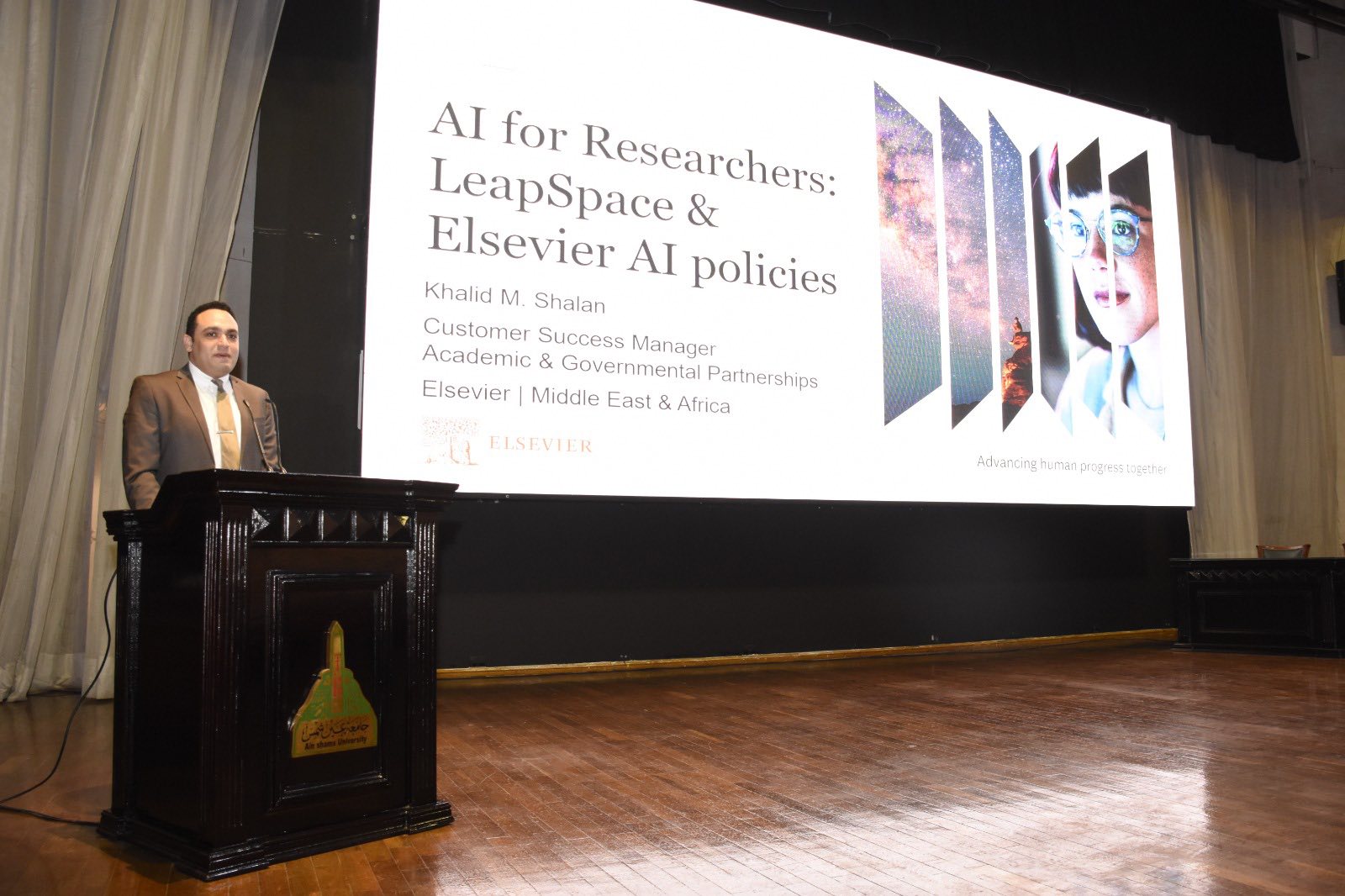
For his part, Eng. Khaled Shaalan, Customer Success Manager for Academic and Governmental Partnerships in the Middle East and Africa at Elsevier, opened the session with an overview of Elsevier, highlighting ways to benefit from its tools and the role of artificial intelligence in supporting scientific research, in addition to the efforts of the Egyptian Knowledge Bank in providing enabling technologies for researchers.
He also addressed the challenges associated with AI use, including risks of misuse, its impact on critical and research skills, and the ethical considerations surrounding its application.
Furthermore, he reviewed a range of AI tools, both general and research-specific, explaining how to use them effectively to support the research process.
During the workshop, Eng. Khaled Shaalan trained participants on how to use the LeapSpace platform, from entering basic data to preparing in-depth research reports using advanced search features. He also highlighted the platform’s features, opportunities for research collaboration and funding, and discussed its prospects and expected developments.
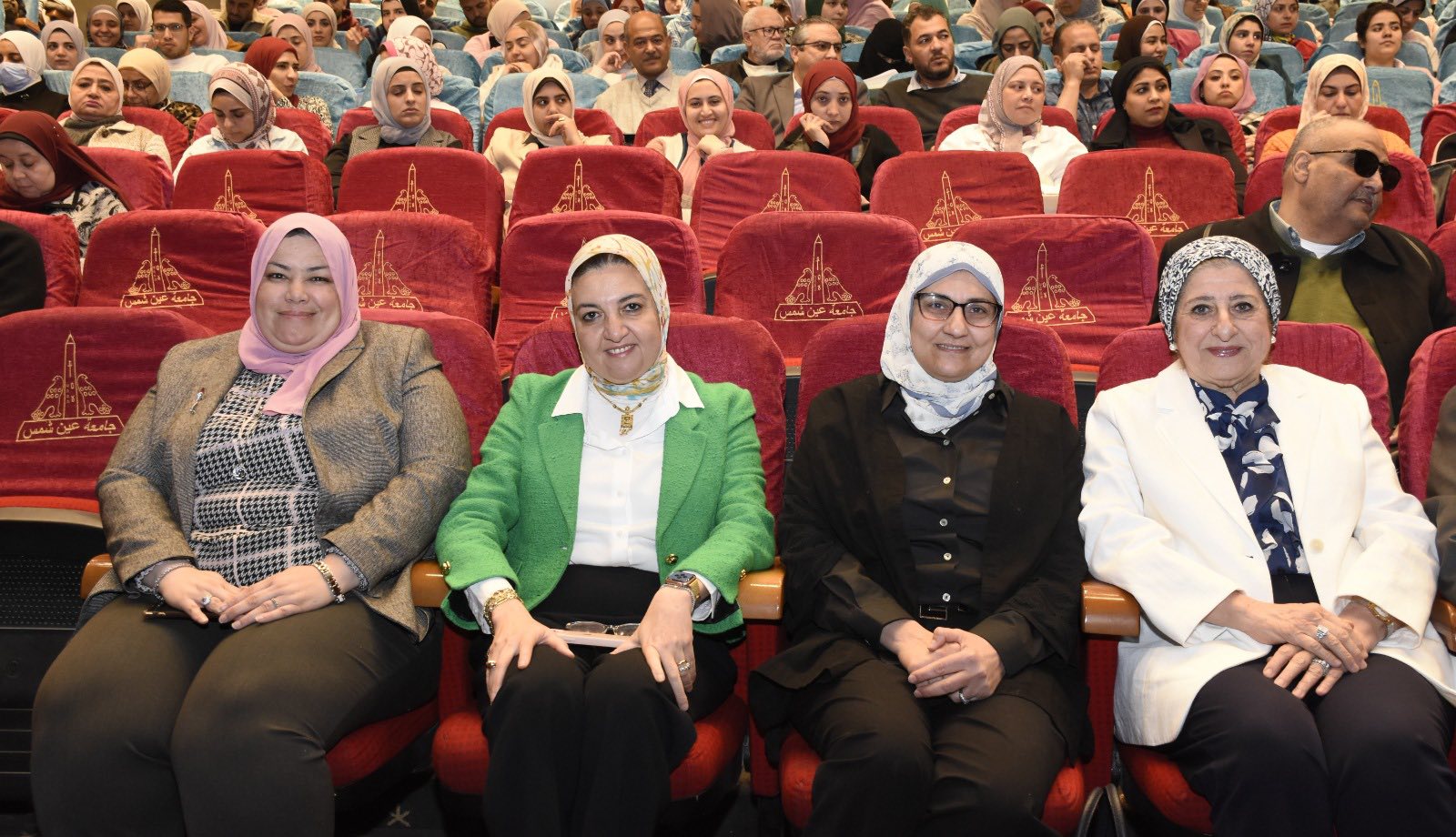
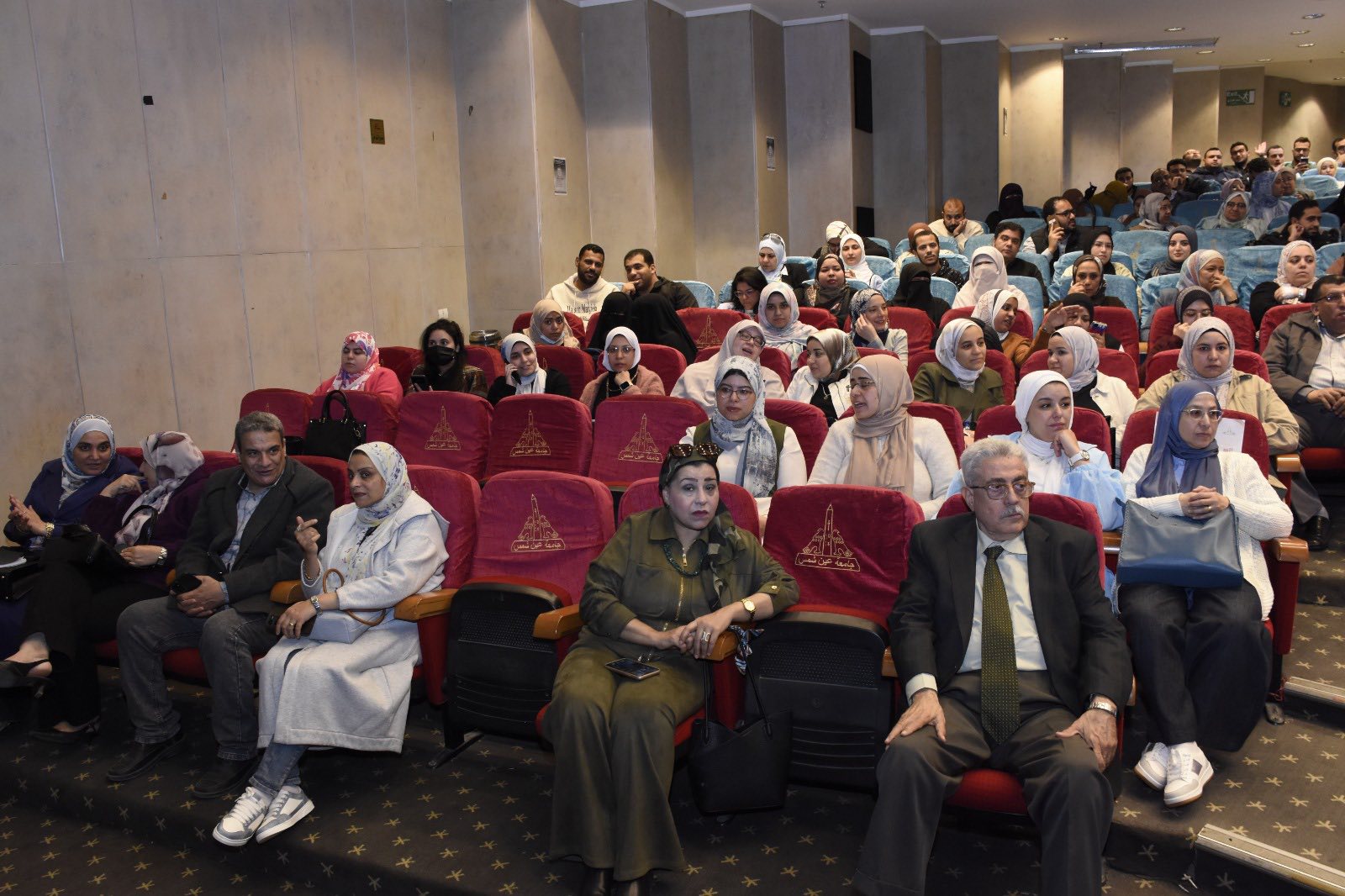
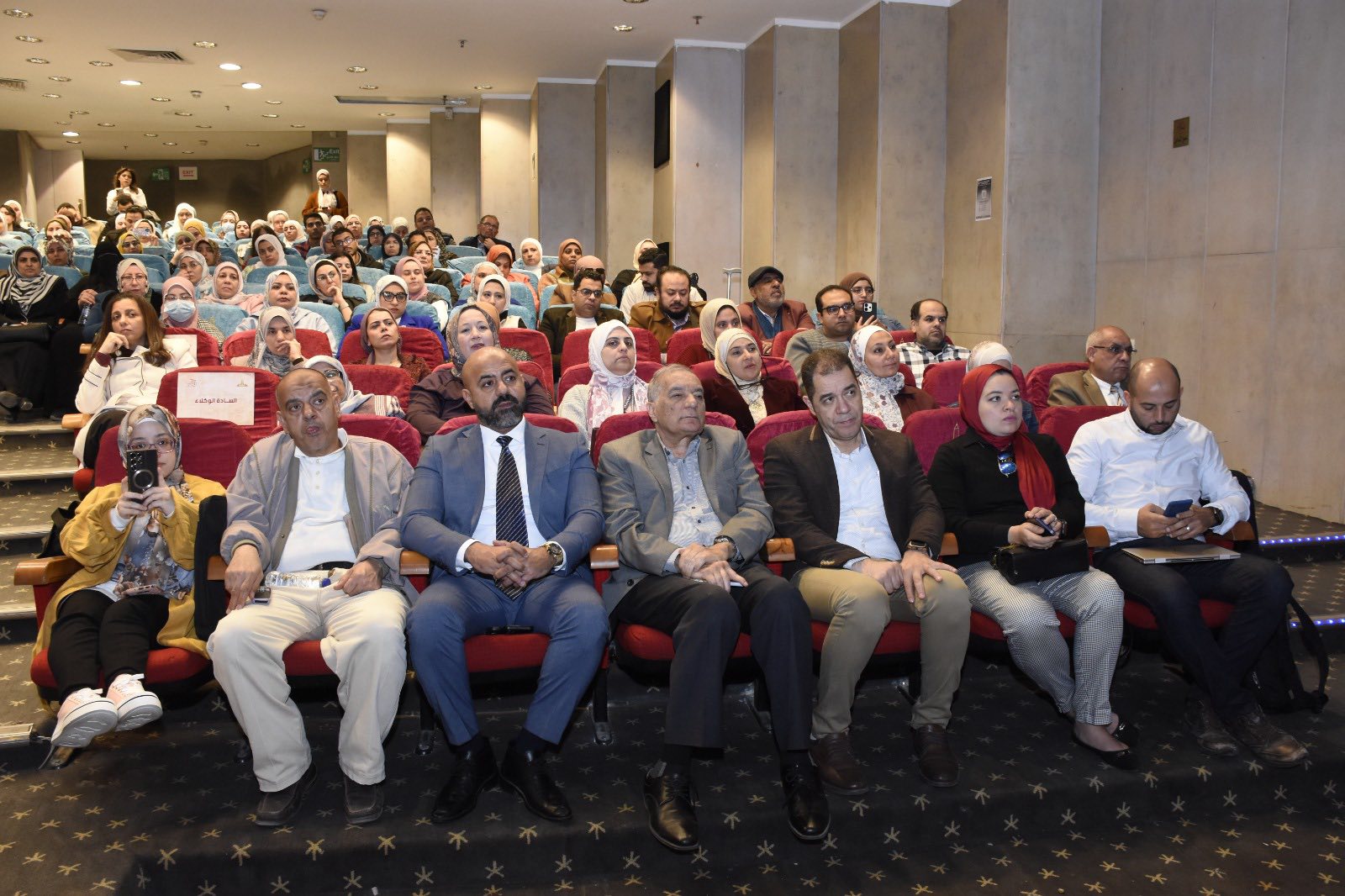
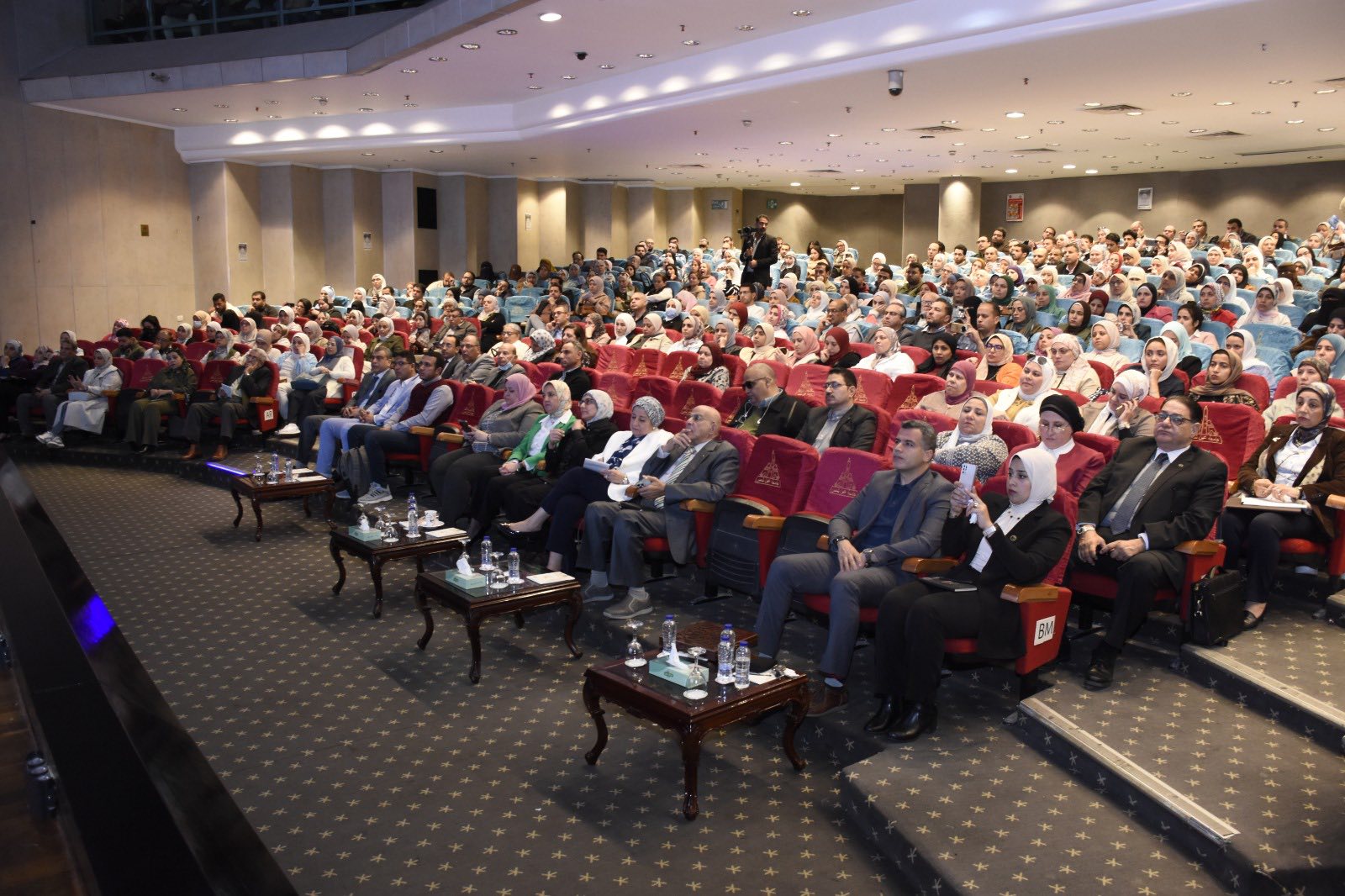
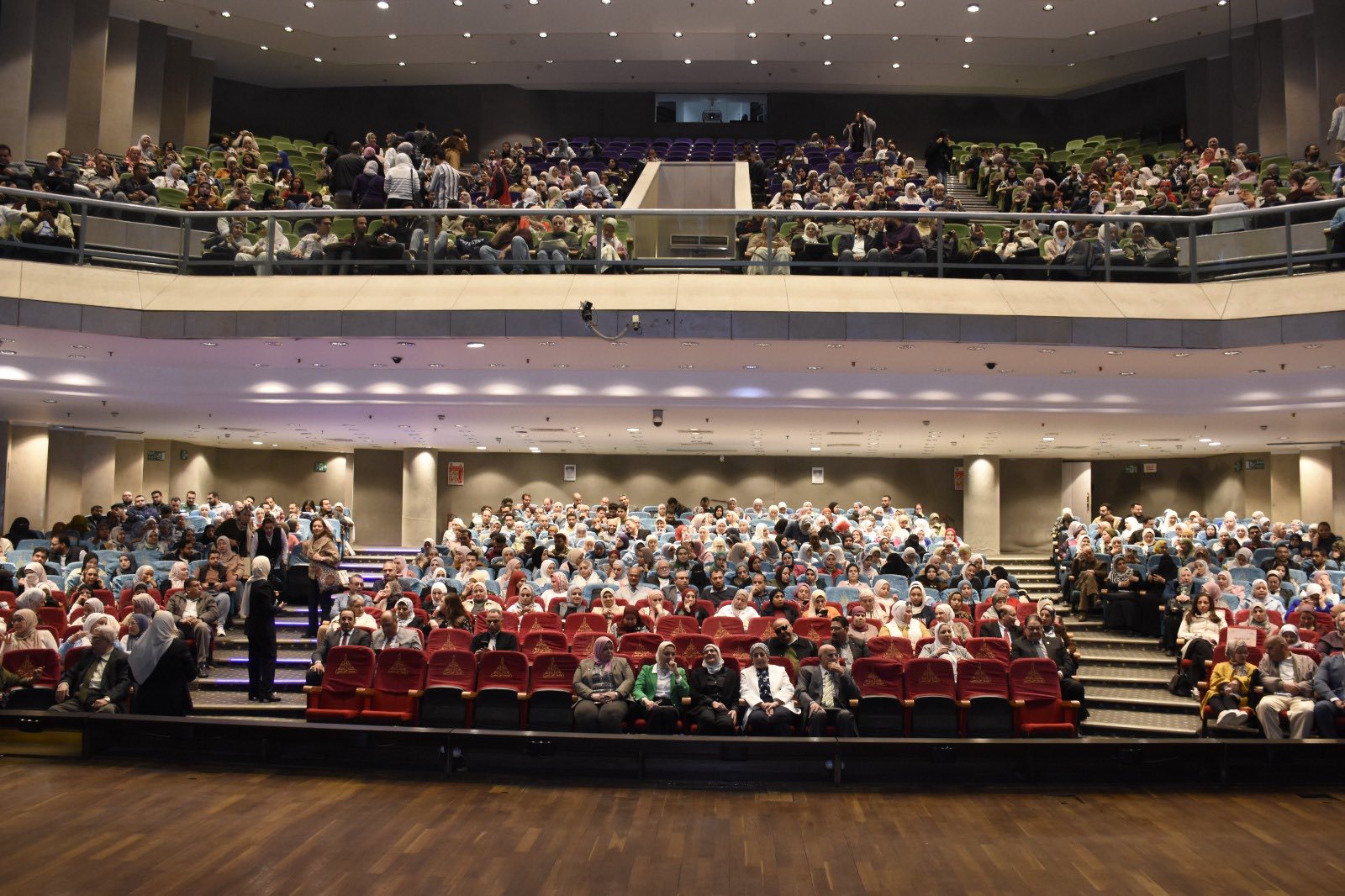
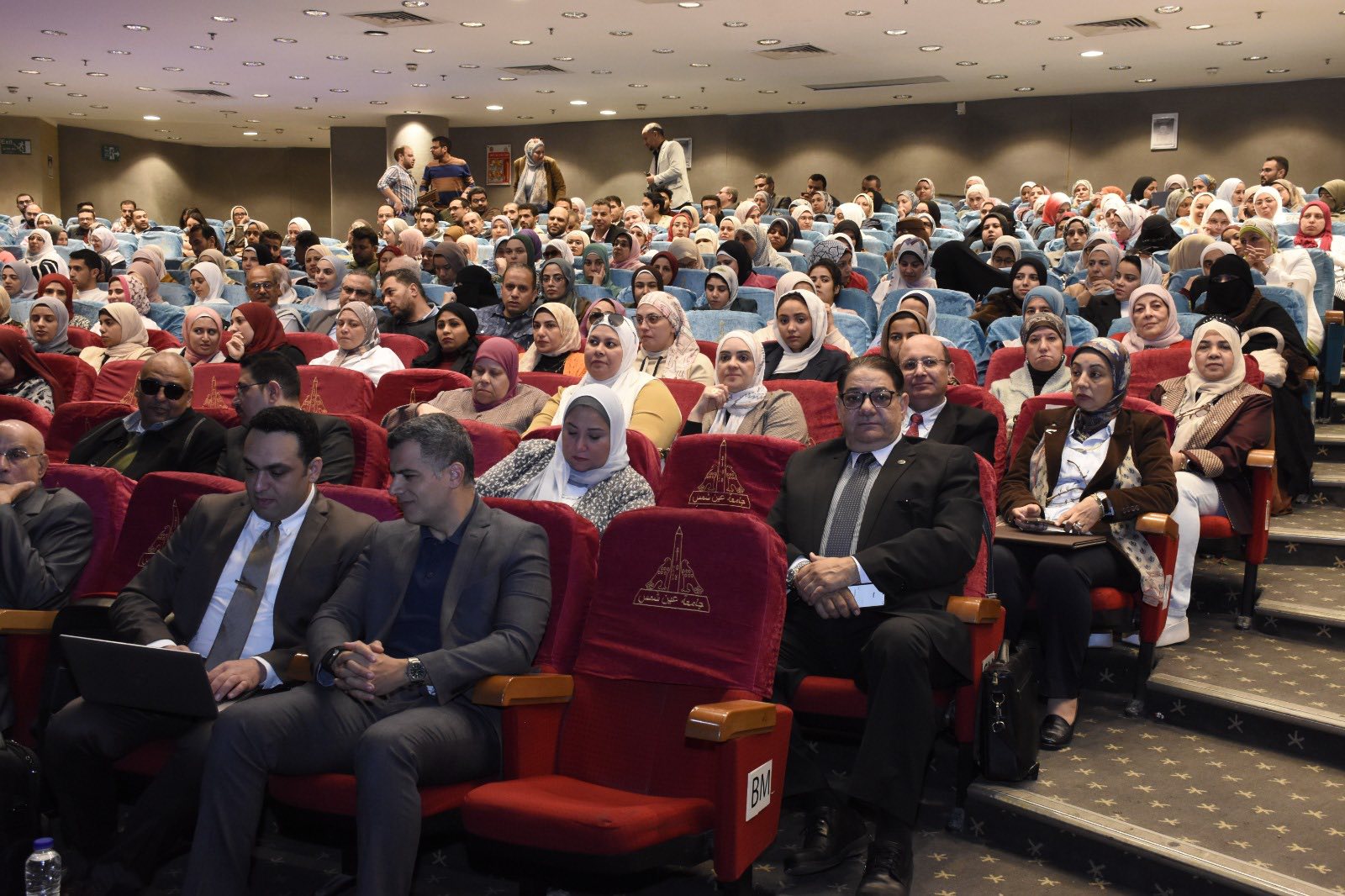
The workshop was attended by Dr. Mohamed Amir, Regional Director of Elsevier, along with a distinguished group of deans, vice deans, faculty staff, students, and researchers.
 |
 |
 |
||
The workshop aimed to introduce the latest applications and technologies of artificial intelligence in supporting researchers and enhancing research efficiency. It covered several key topics, including responsible AI for researchers and its associated challenges, its role within the Scopus database in accelerating scientific discovery, and the ethical considerations of its use in research and academic publishing.
It also addressed topics related to scientific publishing, such as Scopus journal rankings, mechanisms for selecting appropriate journals for publication, different publishing models, and Elsevier’s policies on publication fee waivers.
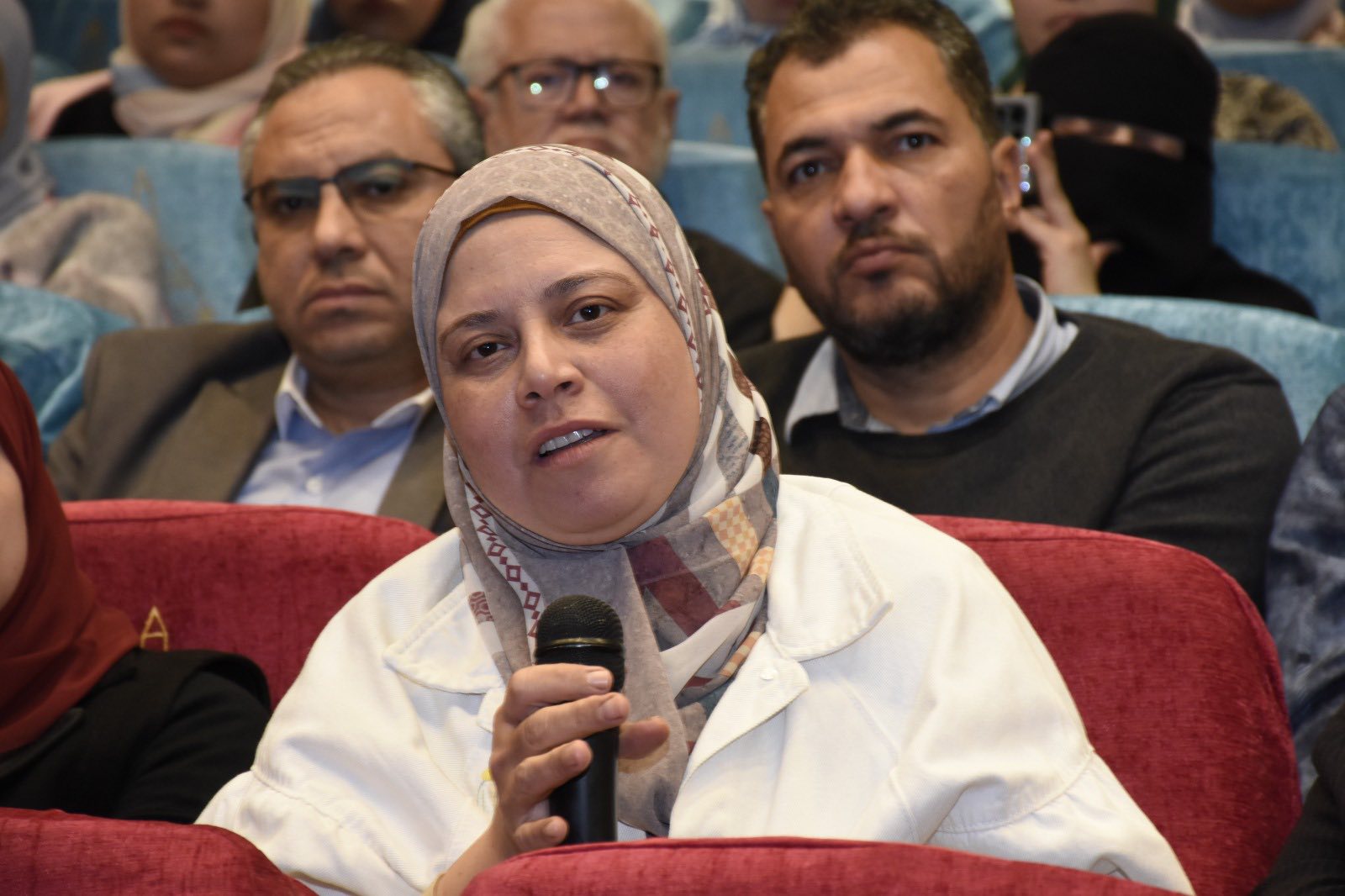
At the conclusion of the workshop, a discussion session was held to answer participants’ questions.
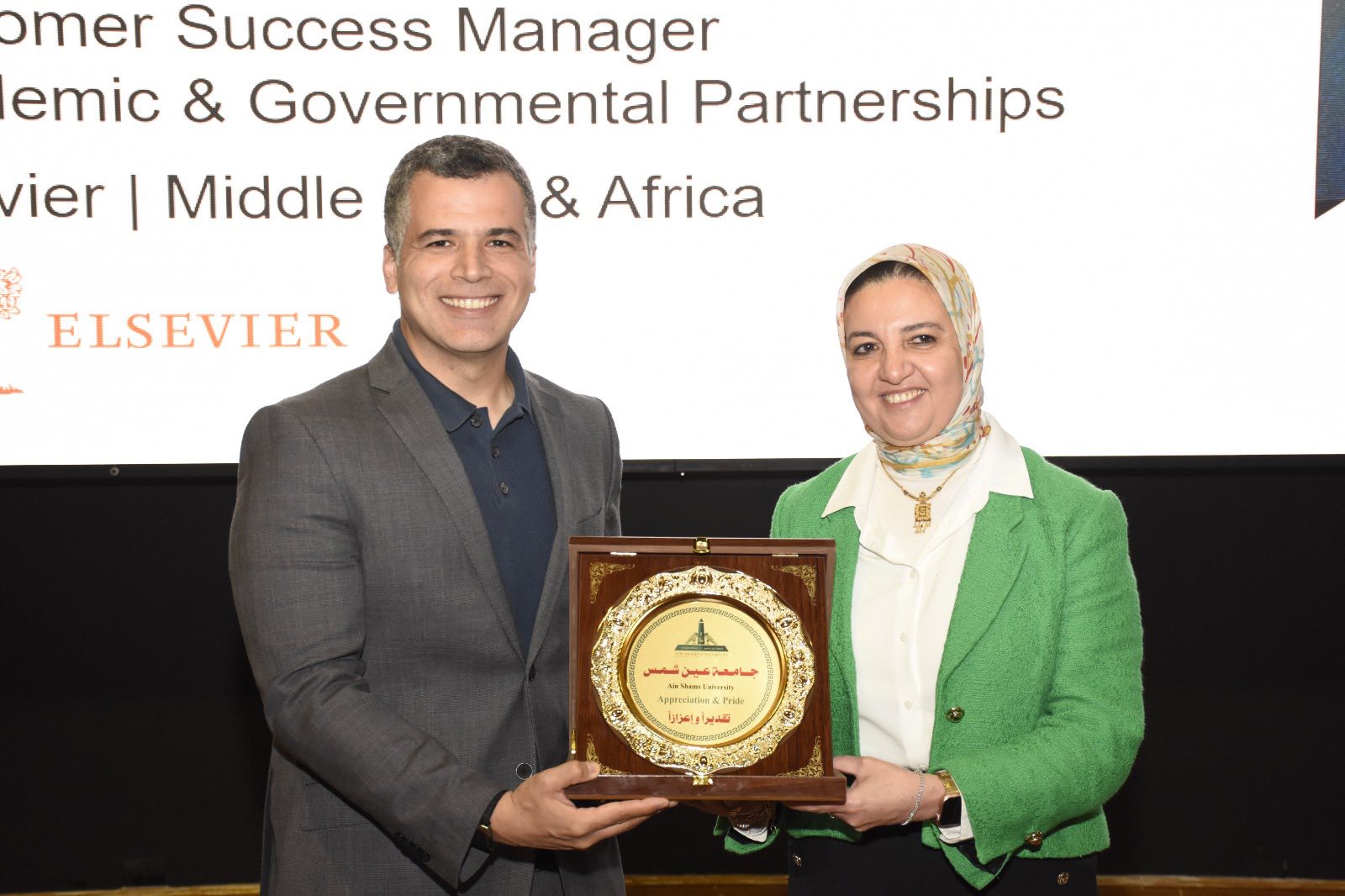
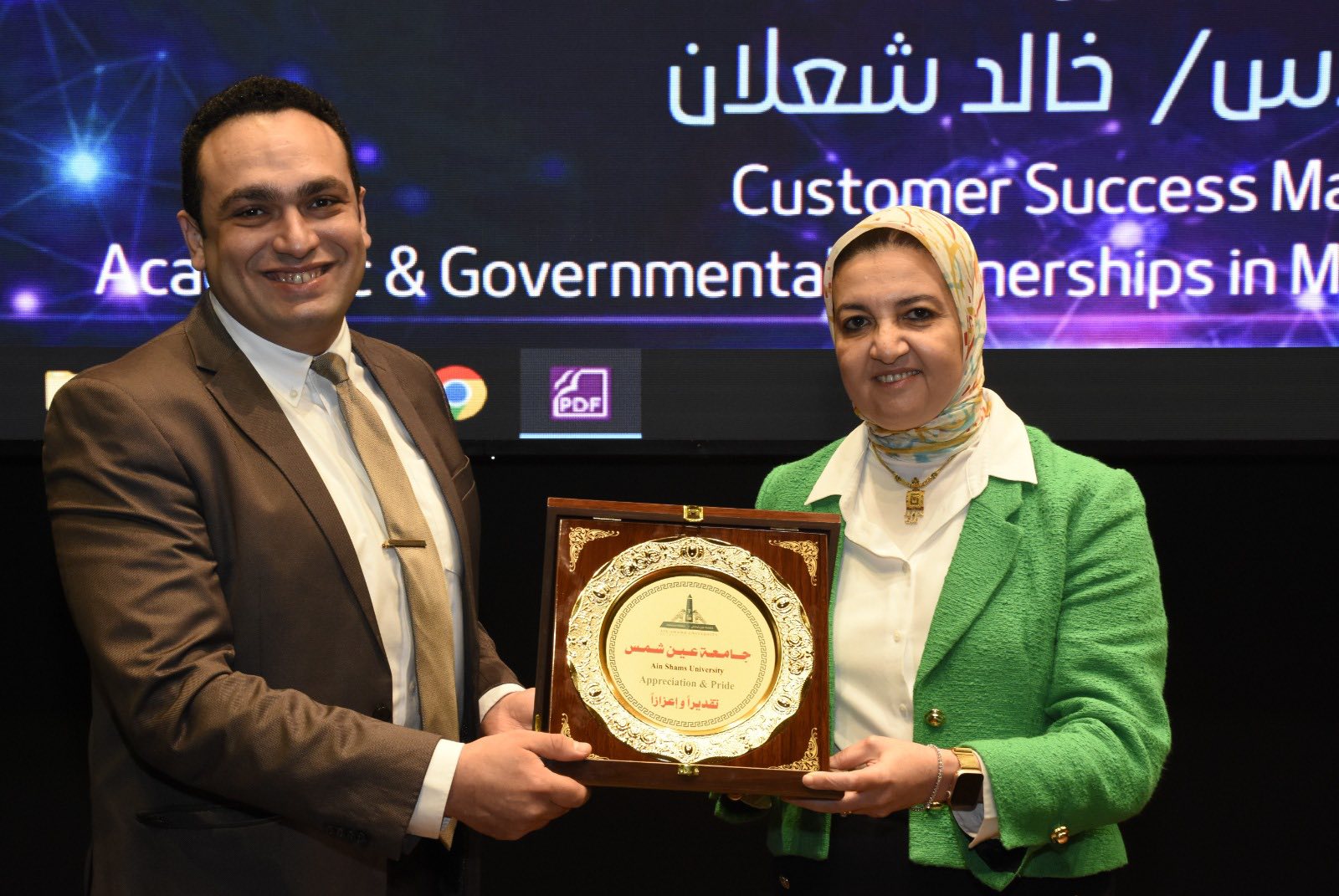
Prof. Amani Osama Kamel honored both Dr. Mohamed Amir and Eng. Khaled Shaalan by presenting them with the university’s shield in recognition of their efforts.
 |
 |
 |
||
 |
 |
 |
||