

Ain Shams University Concludes Its 29th International Conference on Obstetrics and Gynecology with a Set of Recommendations to Advance Medical Practices and Improve Maternal and Fetal Health
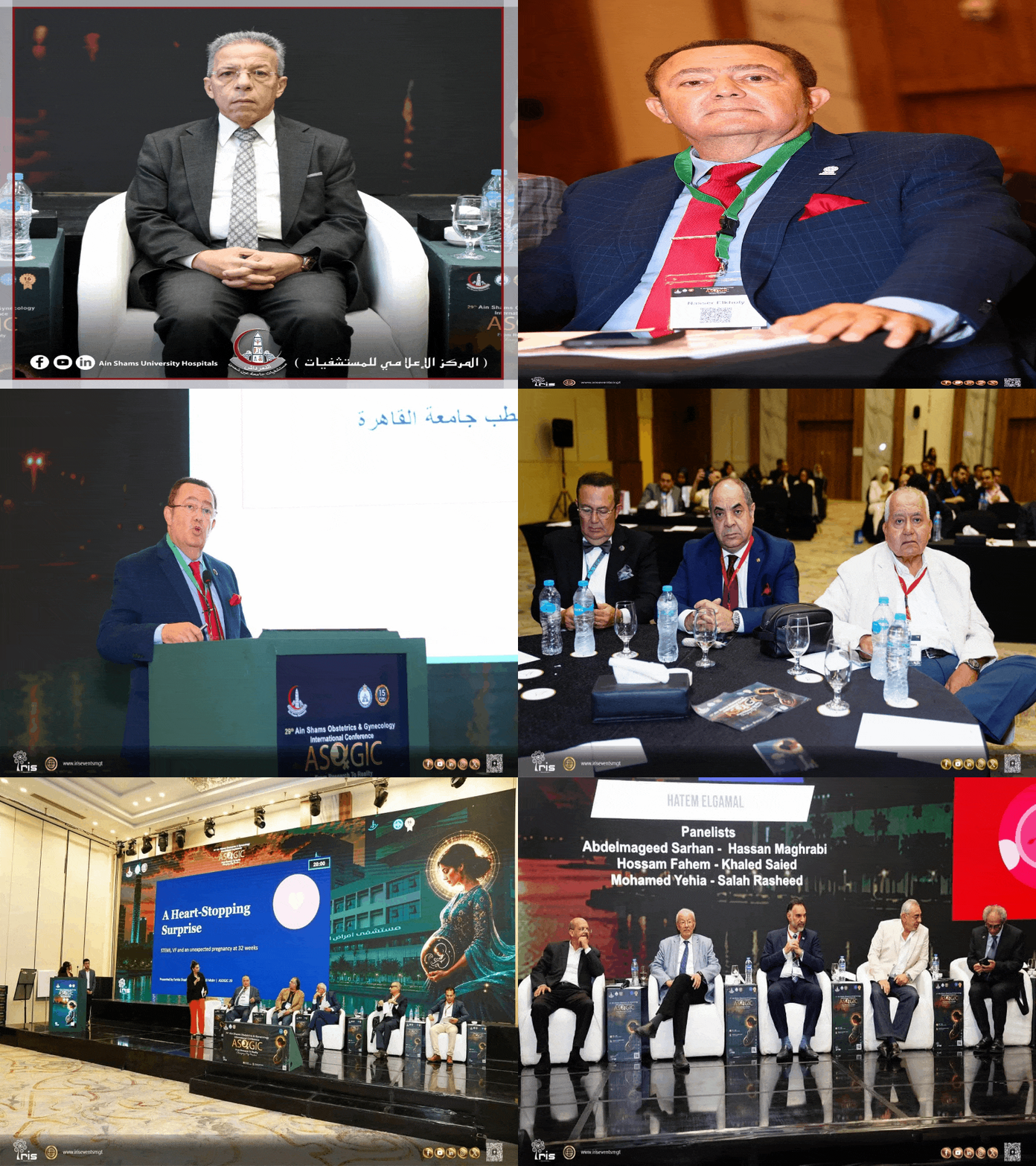
As part of Ain Shams University's ongoing efforts to promote scientific and medical excellence and keep pace with the latest global advancements in healthcare, the 29th International Conference on Obstetrics and Gynecology (ASOGIC 29), organized by the Faculty of Medicine at Ain Shams University, concluded its proceedings under the theme “From Research to Reality… Changing Medical Practice.” The conference was held under the patronage of Prof. Mohamed Diaa Zain El-Abedeen, President of Ain Shams University, and Prof. Ali El-Anwar, Dean of the Faculty of Medicine and Chairman of the Board of Directors of the University Hospitals.
The opening ceremony was attended by Prof. Osama Abdel Hay, President of the Egyptian Medical Syndicate; Prof. Tarek Youssef, Executive Director of Ain Shams University Hospitals; Prof. Hala Suweed, Vice Dean of the Faculty of Medicine for Community Service and Environmental Development; Prof. Rania Salah, Vice Dean for Education and Student Affairs; Prof. Tarek Mohamed Youssef, Vice Dean for Postgraduate Studies and Research; Prof. Rehab Abdel Rahman, General Director of the Obstetrics and Gynecology Hospital; Prof. Karam Bayoumi, Head of the Obstetrics and Gynecology Departments; Prof. Mohamed Abdel Hamid, Conference Chairman; and Prof. Khaled Said Moussa, Professor of Obstetrics, Gynecology, Infertility and IVF, and Director of the Fetal Care and Pelvic Floor Disorders Unit, alongside numerous faculty members and distinguished professors, experts, and specialists from Egypt and abroad.
The conference featured specialized scientific discussions addressing the latest developments in obstetrics and gynecology, laparoscopic and minimally invasive surgery, maternal-fetal medicine and high-risk pregnancies, infertility and assisted reproductive technologies, gynecologic oncology, pelvic floor disorders and urogynecology, as well as hands-on training, specialized workshops, and continuing medical education.
These discussions aimed to translate scientific research findings and modern technologies into improved clinical practices, better treatment outcomes, fewer complications, and enhanced patient safety. They also sought to develop physicians' professional and surgical skills and facilitate knowledge exchange among different generations of specialists.
The conference concluded with a comprehensive set of scientific and professional recommendations aimed at advancing women's healthcare throughout all stages of life, promoting evidence-based medical practices, strengthening multidisciplinary collaboration, and keeping pace with technological advances in medicine.
The key recommendations included:
- Integrating Artificial Intelligence into Medical Practice: Promoting the responsible use of artificial intelligence technologies to support clinical decision-making and improve the quality of healthcare services.
- Advancing Fertility and Infertility Services: Updating infertility diagnosis and treatment protocols in accordance with the latest scientific evidence and international guidelines, while incorporating recent advances in assisted reproductive technologies.
- Reducing Unnecessary Cesarean Deliveries: Lowering the rate of medically unnecessary primary cesarean deliveries through the implementation of established clinical guidelines while ensuring maternal and fetal safety.
- Improving the Diagnosis and Treatment of Endometriosis: Adopting an integrated, multidisciplinary approach that prioritizes fertility preservation, minimizes complications, and improves patients' quality of life.
- Strengthening Maternal and Fetal Care: Intensifying early detection efforts for pregnancy-related complications, improving the management and monitoring of high-risk pregnancies, and advancing obstetric emergency care to enhance maternal and fetal safety.
- Enhancing Women's Healthcare Across All Life Stages: Providing comprehensive healthcare tailored to women's needs during adolescence, reproductive years, and menopause, with an emphasis on prevention, early diagnosis, and appropriate therapeutic interventions.
- Adopting an Integrated Nutritional Care Model Throughout Motherhood: Moving beyond a sole focus on maternal weight toward a comprehensive nutritional care model spanning preconception, pregnancy, and the postpartum period, with the aim of improving maternal and fetal health and reducing short- and long-term complications.
- Promoting the Appropriate Expansion of Minimally Invasive Surgery: Encouraging the use of advanced, less invasive surgical techniques and adopting nerve-sparing and fertility-preserving approaches in gynecologic oncology procedures whenever medically appropriate, thereby reducing complications and improving recovery.
- Advancing Gynecologic Cancer Treatment: Strengthening collaboration among medical specialties, supporting early diagnosis, and updating therapeutic approaches in line with the latest scientific developments to achieve the best possible treatment outcomes.
- Promoting Medical Accountability and Professional Compliance: Reinforcing adherence to Egyptian Health Council guidelines, upholding the principles of medical accountability, and ensuring the professional and responsible use of social media by healthcare practitioners.
Supporting Young Physicians and Strengthening Collaboration Among Medical Faculties
As part of its commitment to developing the next generation of medical professionals, the conference recommended dedicating a scientific session to young physicians, focusing on enhancing their professional and research skills, strengthening their ability to make evidence-based clinical decisions, and keeping them informed of the latest medical and technological developments. The session would also provide opportunities for direct engagement with experts and the exchange of knowledge and experience.
The recommendations also called for expanding the concept of the Medical Olympiad, transforming it from an annual competitive event into a sustainable platform for collaboration and integration among medical faculties at Egyptian universities. This platform would combine academic excellence, surgical training, scientific research, and academic exchange, thereby contributing to the advancement of medical education and strengthening scientific and educational partnerships among university institutions.
Integrating Medical Knowledge with Religious and Societal Considerations
The recommendations further emphasized the importance of considering the religious and social dimensions of women's health by drawing on the perspectives of Al-Azhar Al-Sharif and the Egyptian Church regarding religious rulings associated with symptoms and medical conditions affecting women that may require religious guidance.
This approach reflects the importance of integrating medical knowledge with religious and societal considerations while respecting the cultural and social characteristics of Egyptian society.
The outcomes of Ain Shams University's 29th International Conference on Obstetrics and Gynecology reflect the continued commitment of the Faculty of Medicine and its Obstetrics and Gynecology Department to advancing their scientific, educational, and research missions. They also underscore the importance of translating research findings and emerging technologies into improved medical practices, supporting continuing medical education, and facilitating the exchange of expertise at both national and international levels.
Furthermore, the conference highlighted the importance of integrating scientific innovation, professional responsibility, practical training, and multidisciplinary collaboration to develop highly qualified medical professionals, improve the quality of healthcare provided to women and fetuses, enhance patient safety, and consolidate Ain Shams University's position as one of Egypt's leading academic and medical institutions.