

The Postgraduate Studies and Research Sector Council Reviews Plans to Advance Scientific Research and Digital Transformation and Highlights Faculties’ Achievements in Quality Assurance and Accreditation
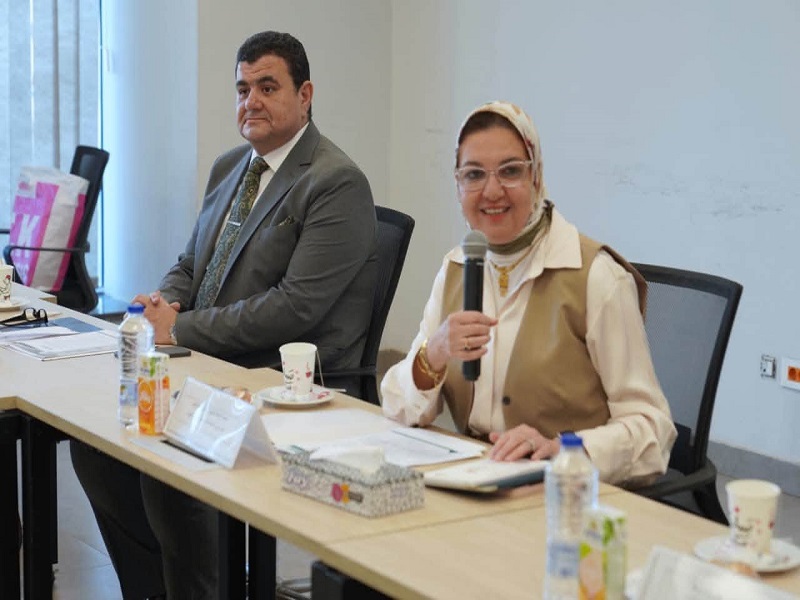
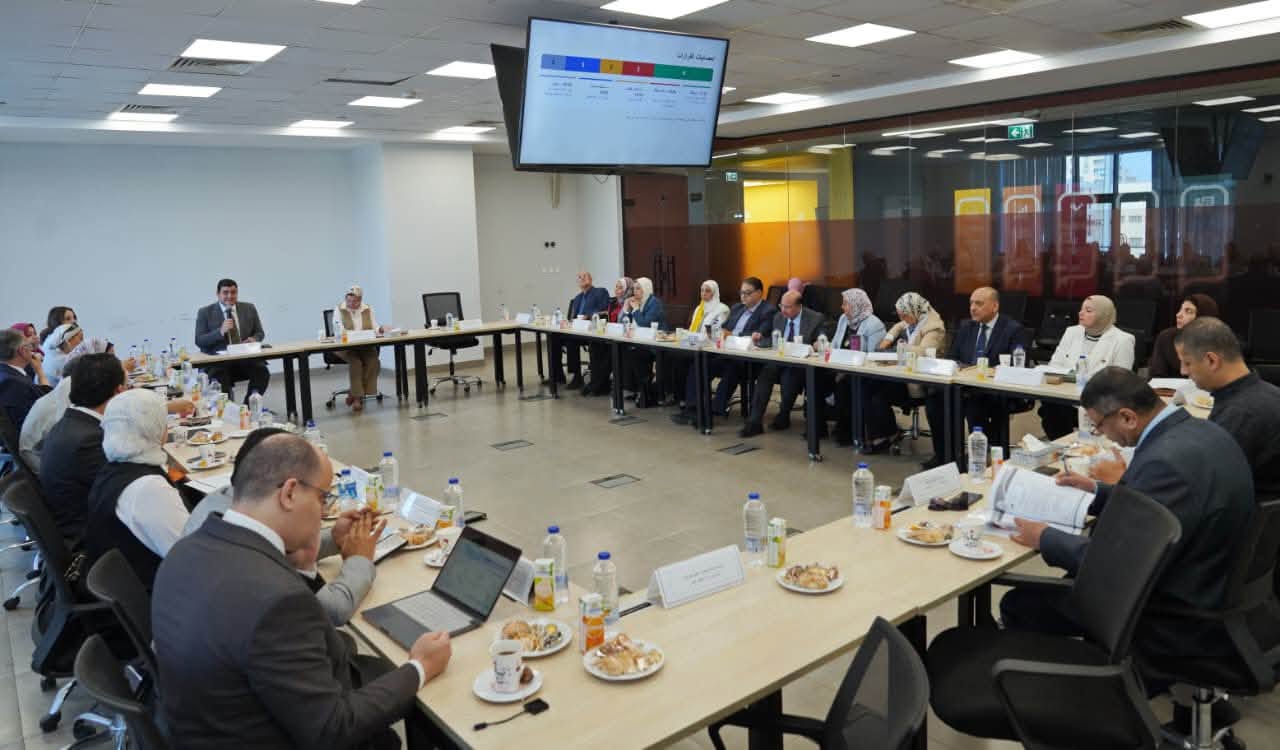
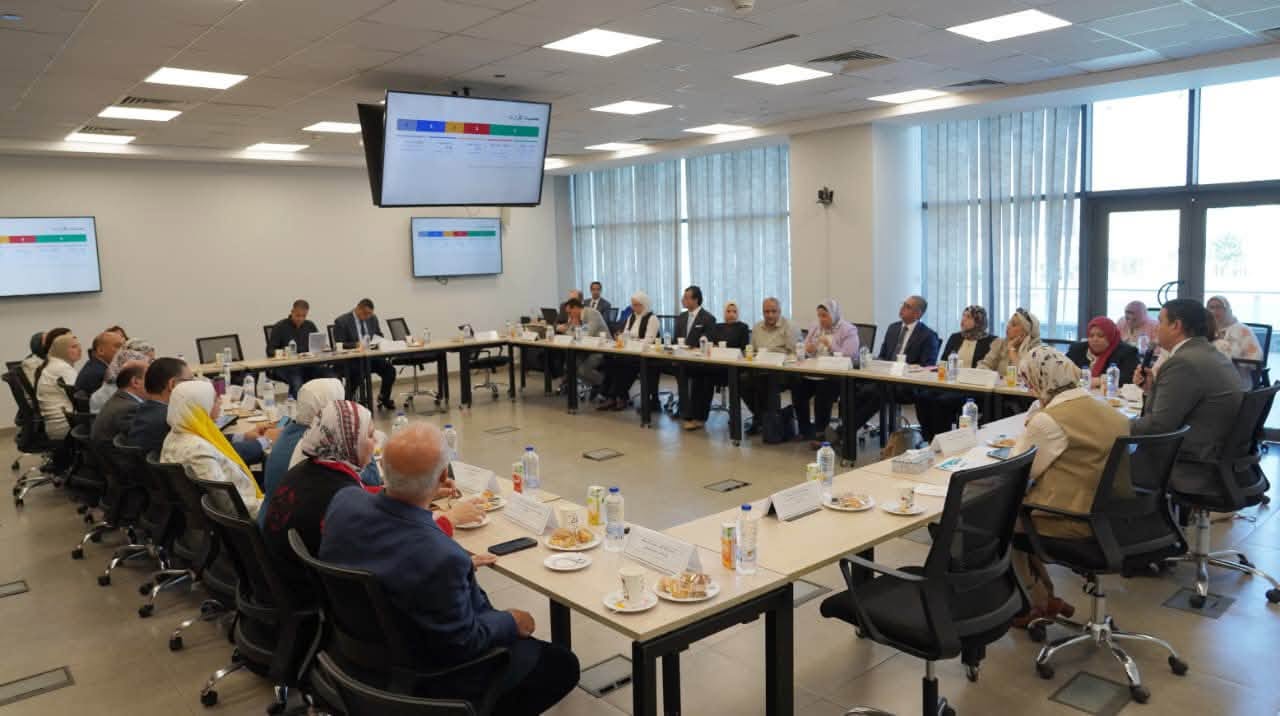
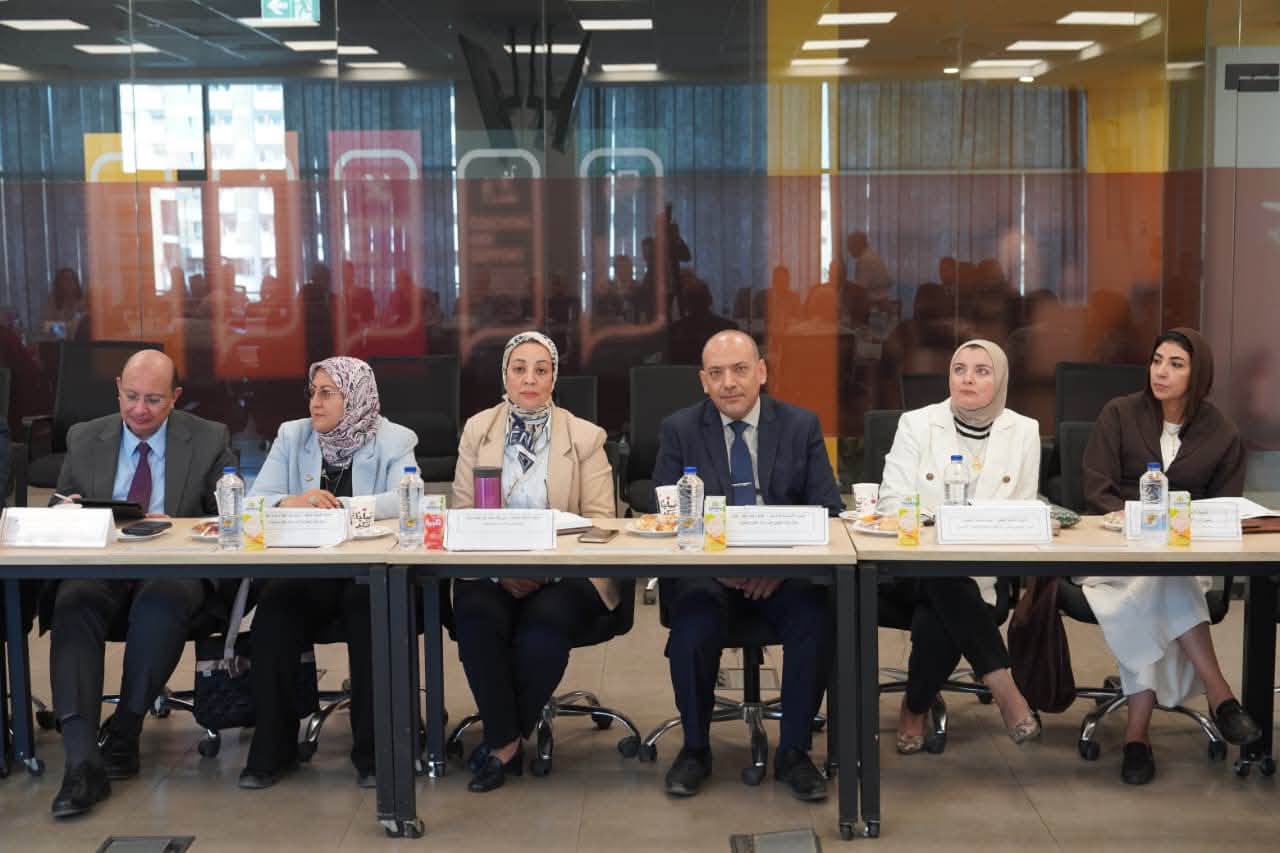
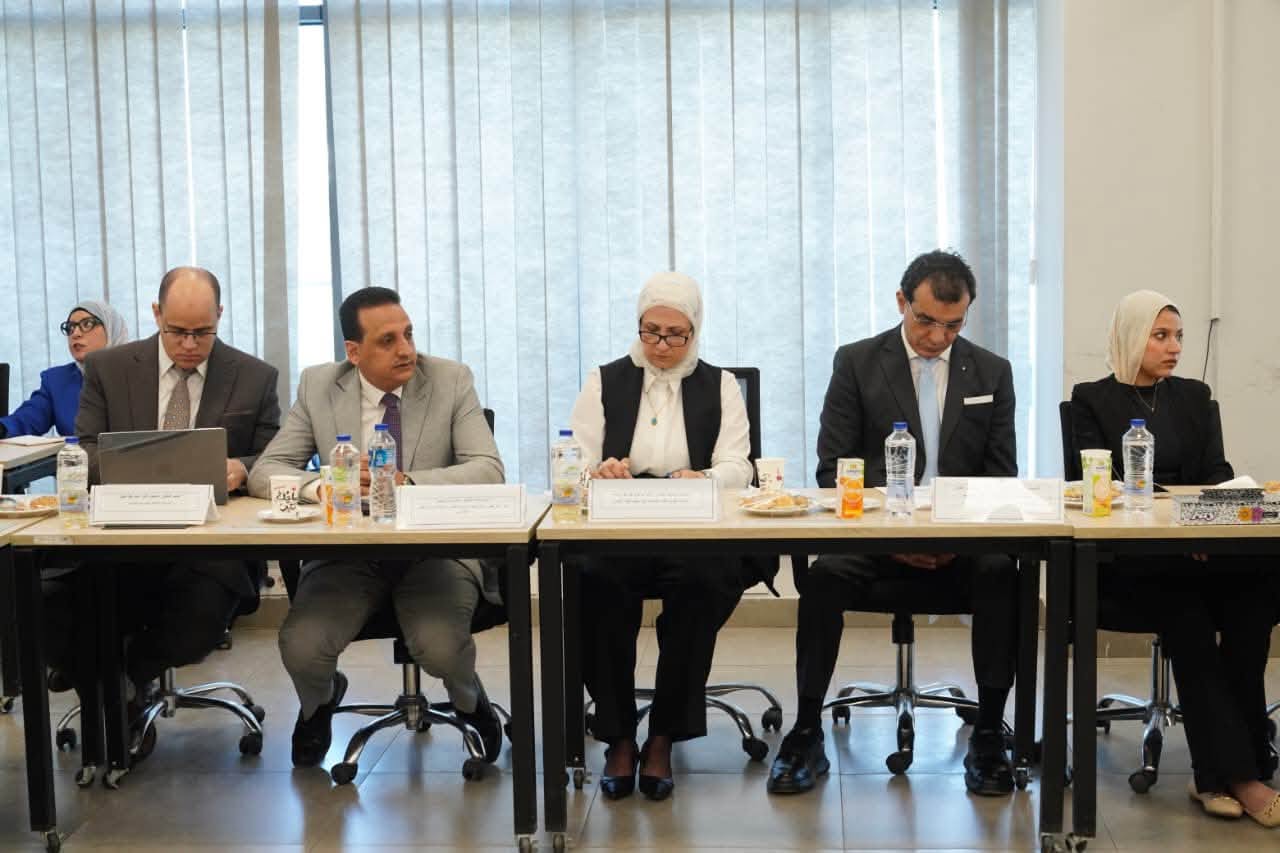
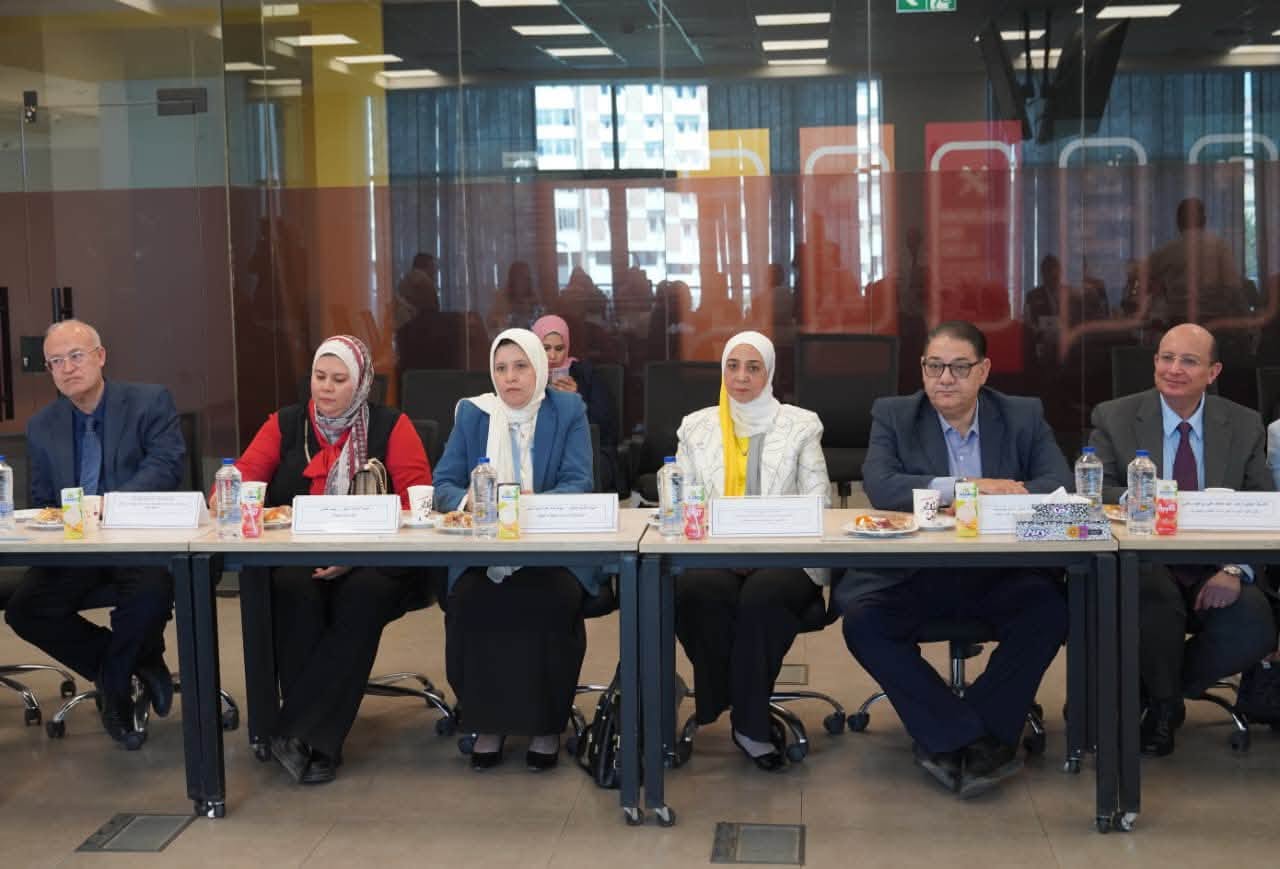
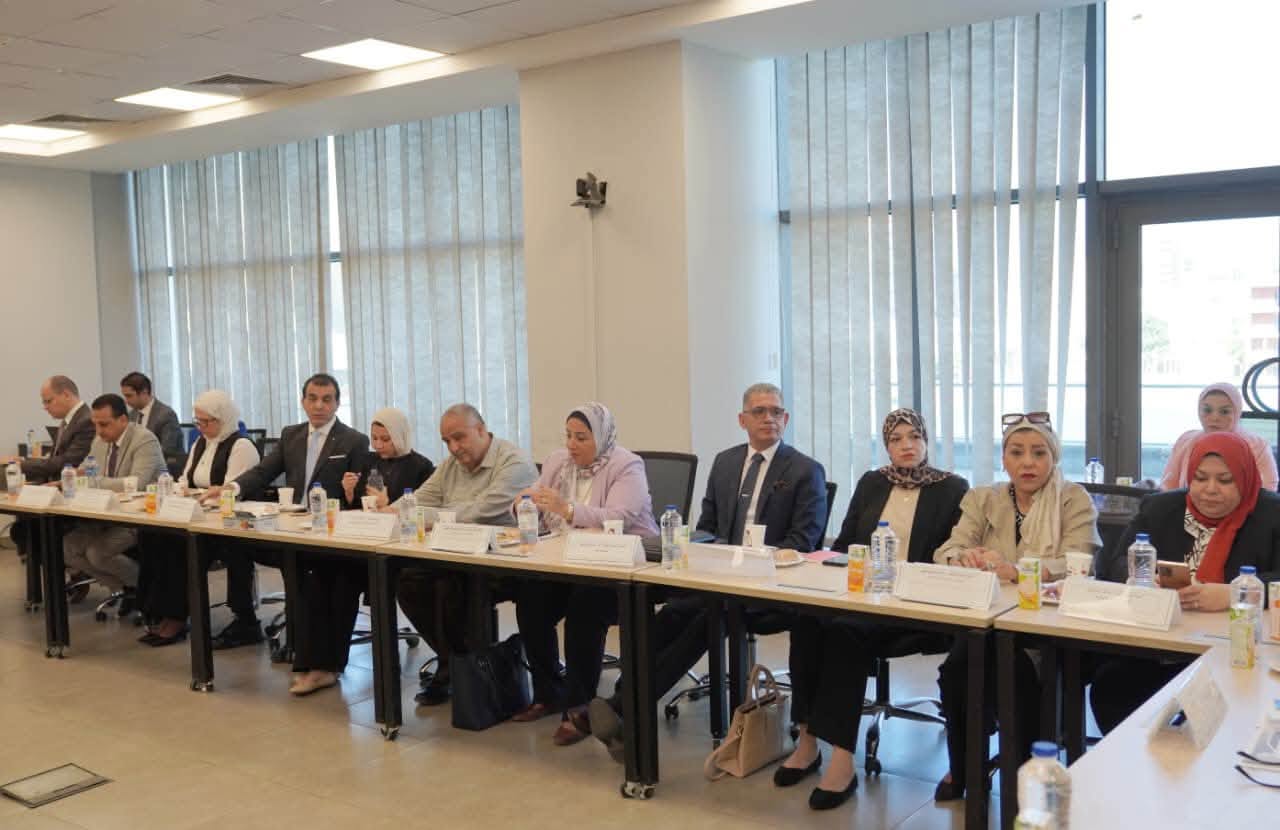
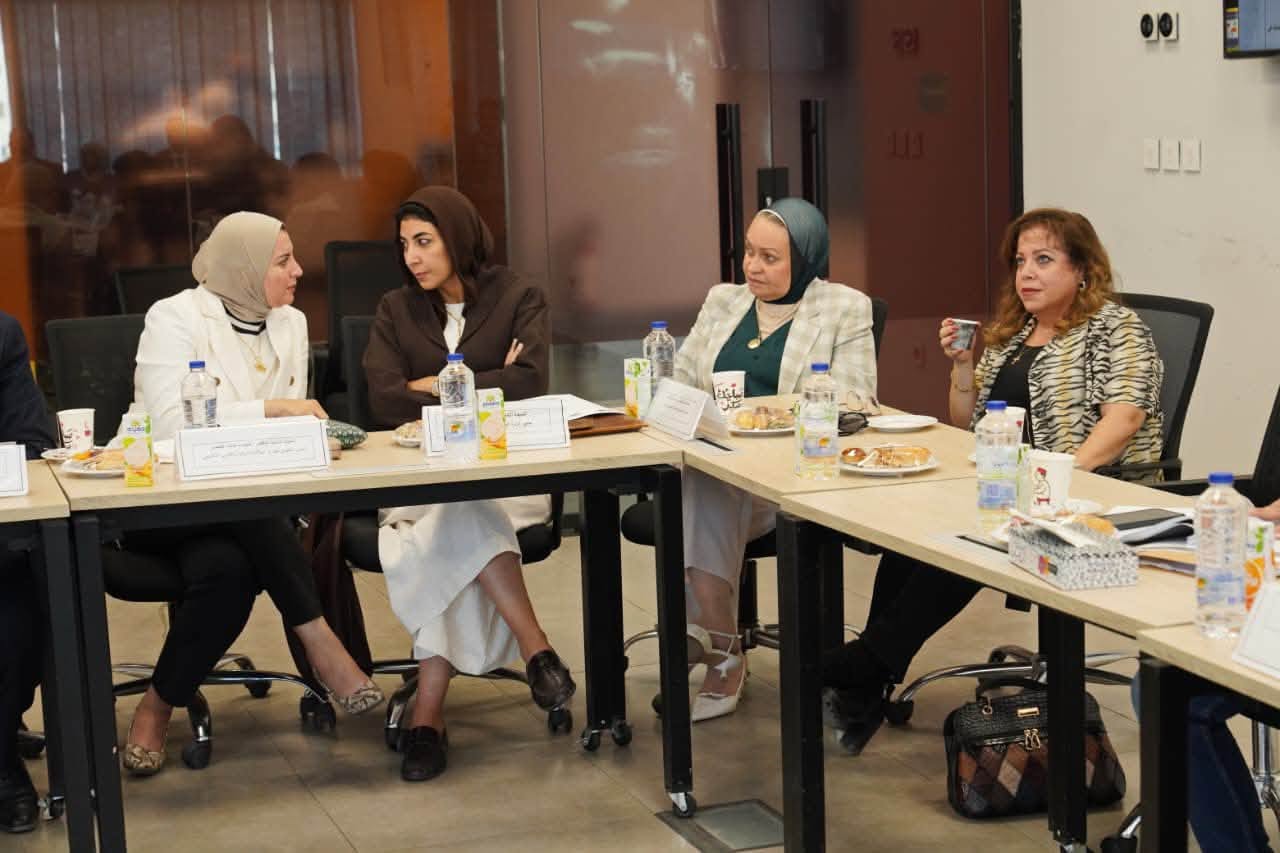
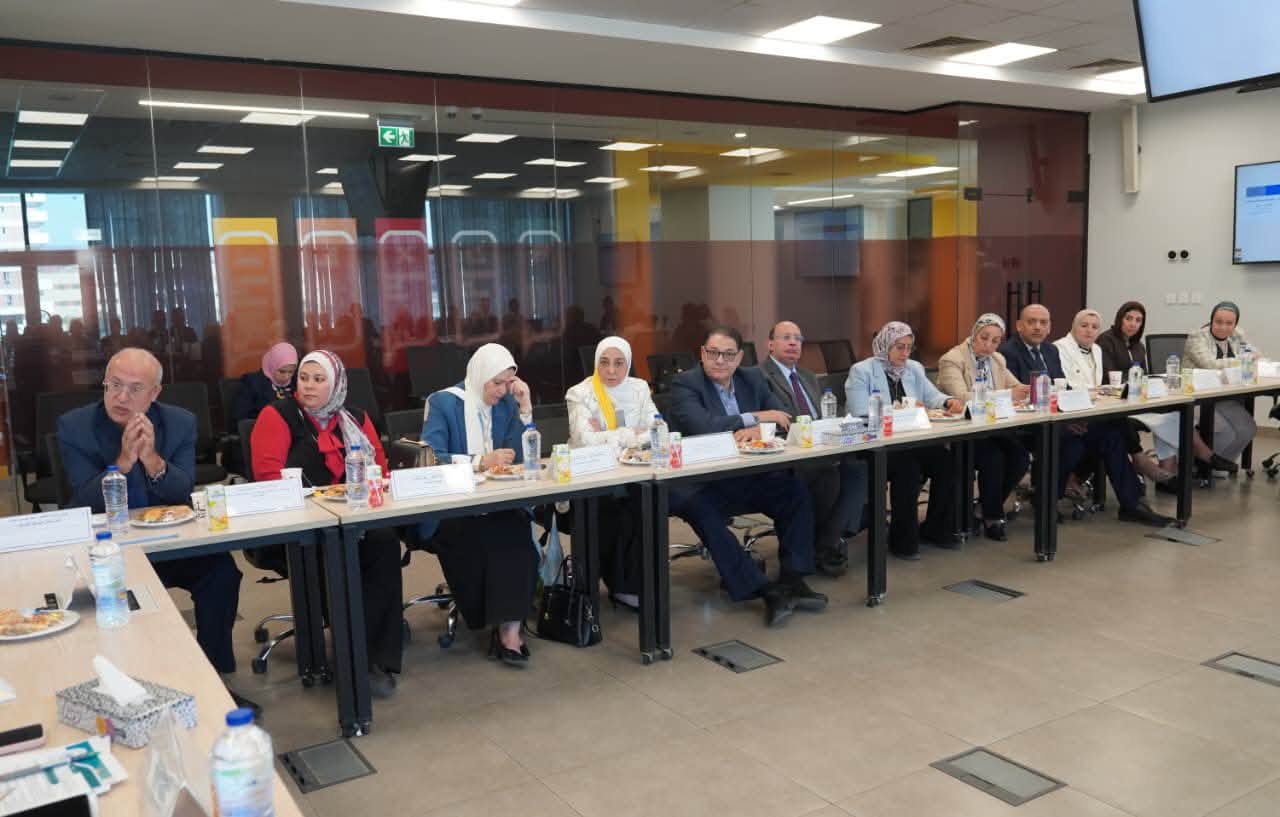
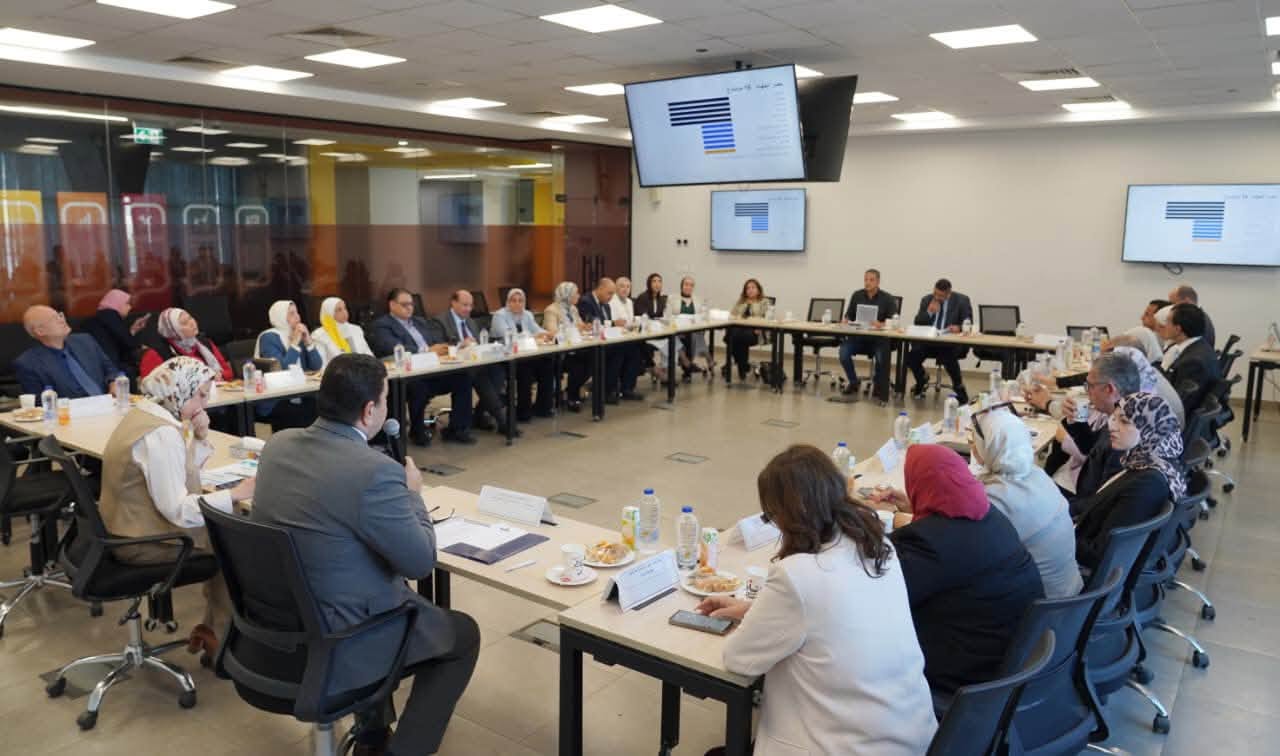
The Postgraduate Studies and Research Sector Council at Ain Shams University held its meeting, chaired by Prof. Amany Osama Kamel, Vice President for Postgraduate Studies and Research, and attended by the Vice Deans for Postgraduate Studies and Research and Council members. The meeting addressed several key issues related to advancing the scientific research system, promoting digital transformation, upgrading research laboratories, expanding international partnerships, and reviewing quality assurance and accreditation efforts across the University's faculties and academic programs.
Prof. Amany Osama Kamel opened the meeting by congratulating Prof. Walaa Abdel Ghany on his appointment as Supervisor of the Arid Lands Agricultural Research Institute. She also expressed her sincere gratitude and appreciation to Prof. Ghada Khairallah for her dedicated efforts and valuable contributions during her tenure as a Council member.
She further congratulated Prof. Tamer Abdullah Sharaf on the issuance of the Presidential Decree appointing him Dean of the Faculty of Science, and Prof. Hoda Kamal Mohamed on her appointment as Acting Dean of the Faculty of Childhood Studies, wishing them continued success in fulfilling their responsibilities.
In the same context, she welcomed Prof. Hany Nady, Professor at the Faculty of Education and representative of the Center for the Development of Educational Strategies and Research, and Dr. Engy Nouh, Director of the International Cooperation Department and Associate Professor at the Faculty of Dentistry, wishing them success in their respective roles.
 |
 |
 |
||
Completion of Scientific Research Uploads
Prof. Amany Osama Kamel emphasized the importance of completing the upload of all research publications by faculty members and teaching assistants to the "Ain Shams Scholar" platform. She stressed that this represents a fundamental step toward establishing a comprehensive database of national and international research output and utilizing artificial intelligence technologies to securely analyze and catalogue research internally. This will support the evaluation of scientific productivity, assessment of research readiness for incubation, and identification of opportunities for award nominations and recognition.
As part of efforts to advance digital transformation, she explained that a new server has been provided to support the implementation of an in-house artificial intelligence system at the University. The system will enable the analysis and cataloguing of scientific research while establishing a baseline reference database of faculty members' national and international publications. This will facilitate informed decision-making regarding the development of the University's research and innovation ecosystem.
She further emphasized the importance of faculty members uploading their research to the platform as a fundamental step toward building a comprehensive database that accurately reflects their scholarly output and enables them to benefit from future opportunities.
 |
 |
 |
||
Research Laboratory Development Plan
The Council reviewed the plan to upgrade research laboratories across the University's faculties and discussed ongoing efforts to update information on scientific equipment and its capabilities through the University's dedicated scientific equipment portal. These efforts aim to maximize the utilization of available research resources and promote integration and collaboration among faculties.
The Council also discussed approving the University's faculty conference calendar for the 2026/2027 academic year, based on submissions from the University Conference Committee coordinators, as part of efforts to organize scientific events and strengthen networking and knowledge exchange among researchers and specialists.
As part of Ain Shams University's commitment to maximizing the practical impact of scientific research and strengthening its role in innovation, technology transfer, and entrepreneurship, a standardized assessment form was approved to evaluate the application readiness of research outcomes. The form aims to determine the potential of academic theses, published research, and graduation projects to be transformed into practical applications, products, technological solutions, or entrepreneurial ventures with development and investment potential.
The assessment form will be incorporated into the essential requirements for the formation of thesis examination committees and the preparation of examination eligibility reports for master's and doctoral theses, as well as the evaluation of graduation projects and related research topics. This approach seeks to promote practical applicability and innovation alongside scientific and academic excellence, while enabling the early identification of promising opportunities to translate research findings into commercially viable applications.
The assessment results will also be used to guide researchers toward relevant innovation and development support entities, technology transfer offices, business incubators, and accelerators. This will strengthen links between scientific research and the needs of industry and society, support the development of an integrated ecosystem for transforming knowledge into products, projects, and startups, and contribute to sustainable economic and developmental value.
 |
 |
 |
||
Progress in Automating Postgraduate Studies Administration Across University Faculties
Prof. Rasha Ismail, Dean of the Faculty of Computer and Information Sciences, presented an update on the automation of postgraduate studies administration across the University's faculties through the University Management System (UMS).
Prof. Amani Osama Kamel stressed the need to strengthen cooperation between faculties and relevant departments and to accelerate the completion of automation procedures, thereby improving services provided to researchers and students and enhancing institutional efficiency.
For her part, Ms. Sherwet El-Ahmady, Executive Director of the International Relations and Academic Cooperation Sector, reviewed several agreements, protocols, and memoranda of understanding concluded or currently being coordinated between Ain Shams University and various international organizations and institutions. She highlighted proposed areas of cooperation and agreements under discussion, which aim to expand the University's international partnership network, strengthen academic and research collaboration, and create new opportunities for academic exchange and joint programs.
The meeting also featured an introductory video about the Faculty of Agriculture, highlighting its mission and vision. Prof. Amani Osama Kamel commended the faculty’s efforts under the leadership of its Dean, Prof. Walaa Abdel Ghany.
Digital Transformation Efforts in the Educational Process
Prof. Mona Mohamed Said Abdel Hamid Zayed, Vice Dean of the Faculty of Agriculture for Postgraduate Studies and Research, presented the Sector's key achievements and efforts to develop postgraduate studies and enhance its academic programs. She also highlighted the faculty’s scientific journals and their outstanding performance in international rankings, maintaining a first quartile (Q1) ranking since 2021, reflecting the continued advancement of the faculty’s scientific and research output.
As part of ongoing efforts to advance digital transformation in education, the Council reviewed the latest updates to the "asu2learn" platforms across the University's faculties. These developments were accompanied by training programs for faculty members and e-learning unit directors on utilizing the platforms' advanced capabilities and integrating artificial intelligence technologies into teaching and learning.
The presentation also highlighted the role of the digital dashboard in monitoring platform implementation across faculties by measuring course availability and student enrollment rates, tracking engagement levels and activities, and monitoring the exchange of educational materials between faculty members and students. These indicators enable performance monitoring and help identify areas for further improvement.
Prof. Myriam Ayad, Director of the Quality Assurance and Accreditation Center, reviewed the Center's efforts to support the faculties and strengthen the University's quality assurance and accreditation system. She also congratulated the faculties and academic programs that had achieved new accreditation milestones.
Accreditation of Academic Programs Across Several Faculties
The Faculty of Education obtained institutional accreditation, while two of its academic programs also received accreditation: the Bachelor of Arts and Education in Geography and Geographic Information Systems and the Bachelor of Science and Education in Mathematics.
The Faculty of Dentistry also obtained institutional accreditation, while its Credit-Hour Clinical Dentistry Bachelor's Program and Bachelor of Dental Medicine and Surgery Program received conditional accreditation.
The Faculty of Computer and Information Sciences secured accreditation for three academic programs: Computer Science, Computer Systems, and Software Engineering. In addition, the Physics Program at the Faculty of Science received accreditation.
These achievements have brought the total number of faculties holding institutional accreditation at Ain Shams University to seven. The University now has 87 academic programs accredited nationally by the National Authority for Quality Assurance and Accreditation of Education (NAQAAE), alongside 14 internationally accredited programs and eight programs holding conditional accreditation.
These milestones reflect the University's sustained efforts to enhance the quality of education and strengthen the competitiveness of its academic programs.
Comprehensive Framework for Training Programs
At the conclusion of the meeting, Dr. Dina Lashin, Director of the International Students Department, presented a proposed framework for improving the international student satisfaction survey in collaboration with the Quality Assurance and Accreditation Center. She also outlined a comprehensive proposal for short-term training programs and reviewed the Department's key events and activities, aimed at enhancing the international student experience and improving the quality of services provided.
The meeting reflects the commitment of Ain Shams University's Postgraduate Studies and Research Sector to continuously advancing the scientific research system, accelerating digital transformation, promoting academic excellence, and expanding international cooperation, in alignment with the University's strategy to strengthen its research and educational standing at both national and international levels.