.svg)

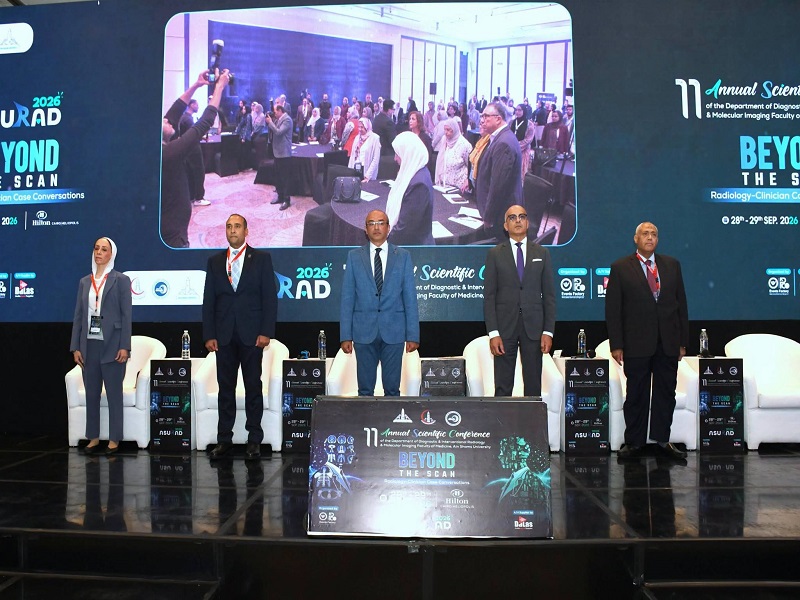
Ain Shams University President Inaugurates the 11th Scientific Conference of the Department of Diagnostic and Interventional Radiology and Molecular Imaging at the Faculty of Medicine
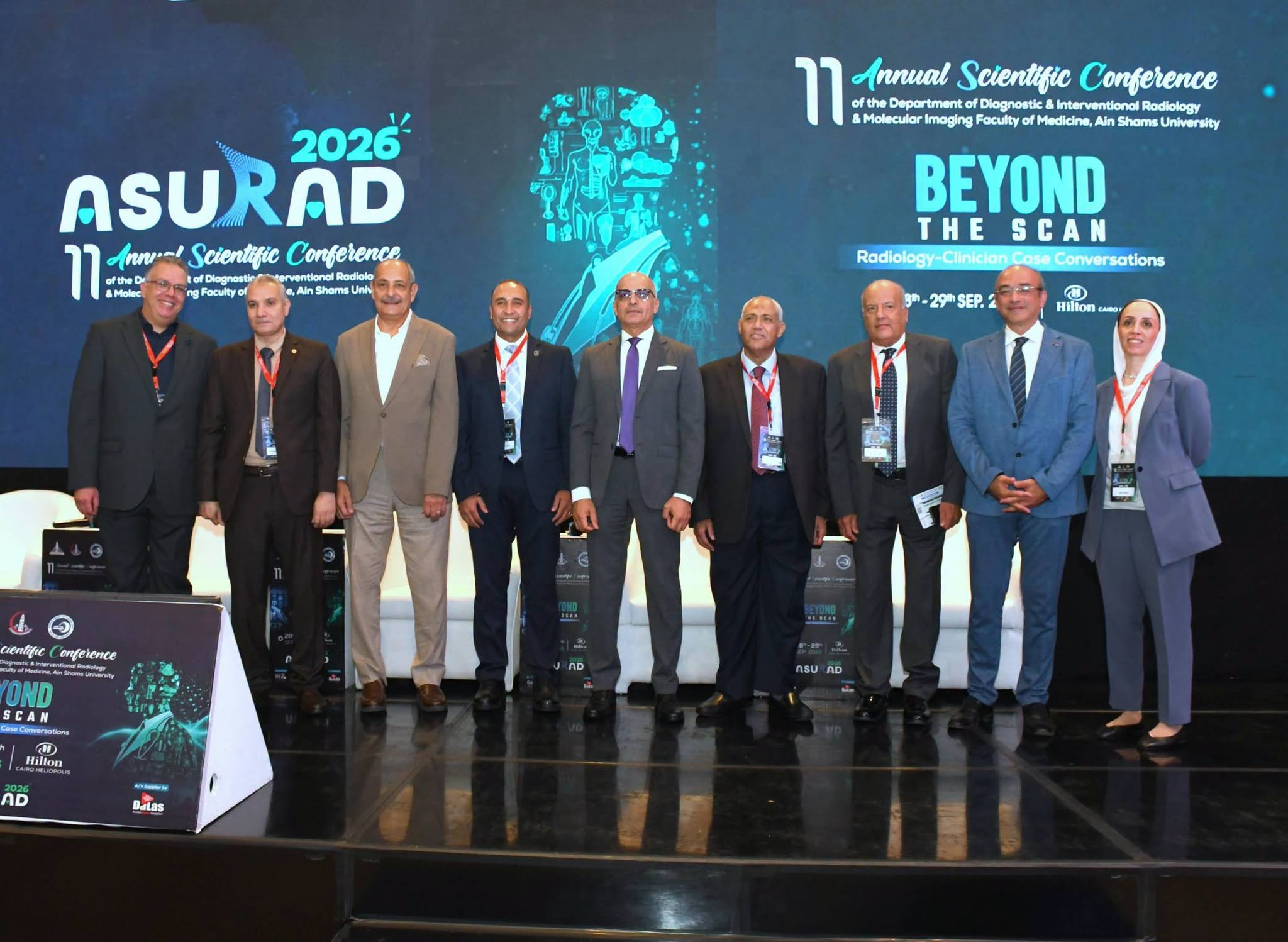
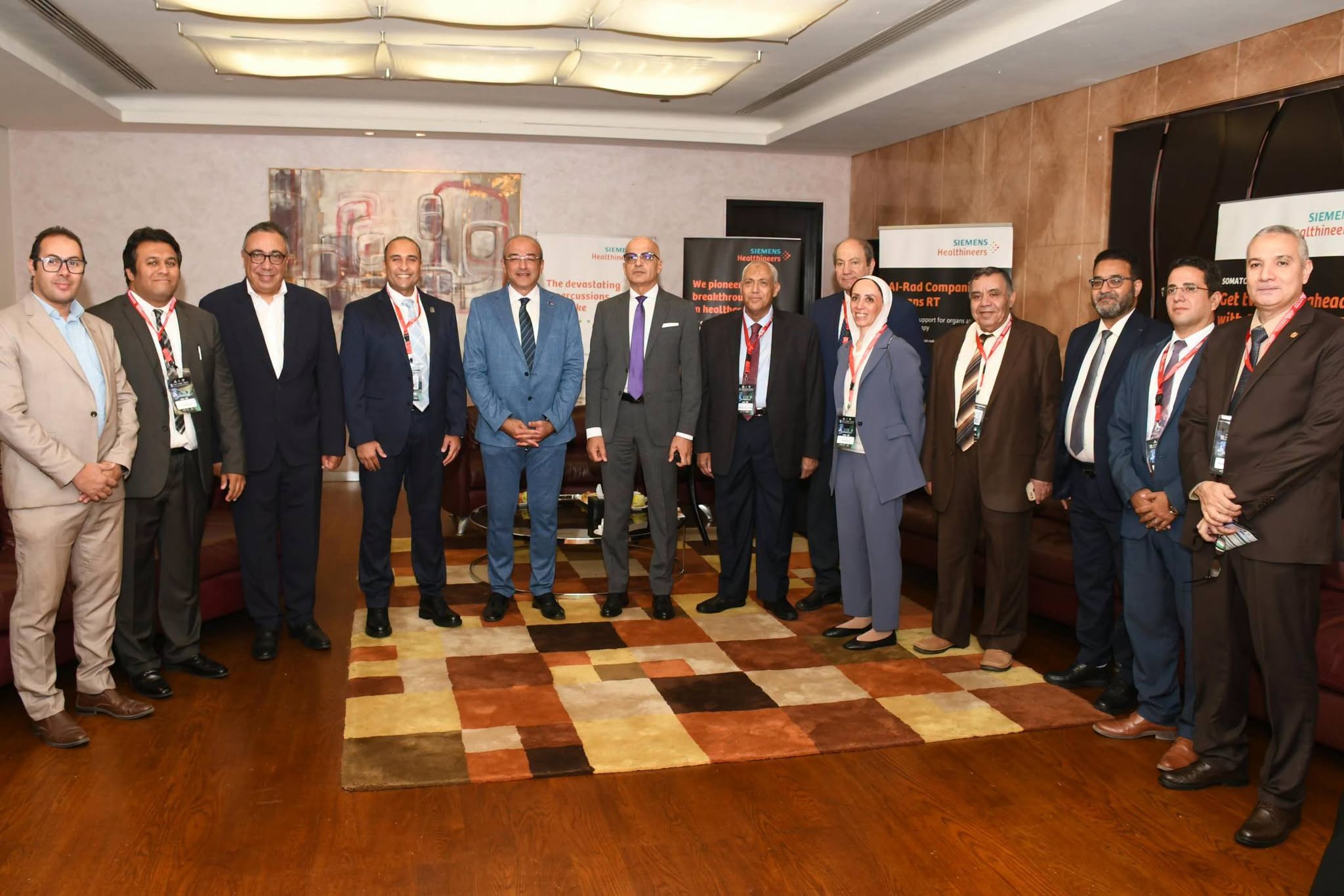
The 11th Scientific Conference of the Department of Diagnostic and Interventional Radiology and Molecular Imaging at the Faculty of Medicine, Ain Shams University, was held under the patronage of Prof. Mohamed Diaa Zain El-Abdeen, President of Ain Shams University; Prof. Dr. Ali El-Anwar, Dean of the Faculty of Medicine and Chairman of the University Hospitals Board of Directors; and Prof. Amany Rashad, Professor of Diagnostic and Interventional Radiology and Head of the department. The conference was attended by Prof. Dr. Tarek Youssef, Executive Director of the University Hospitals, and Prof. Dr. Mohamed Abou El-Hoda, Professor of Diagnostic Radiology and Conference President.
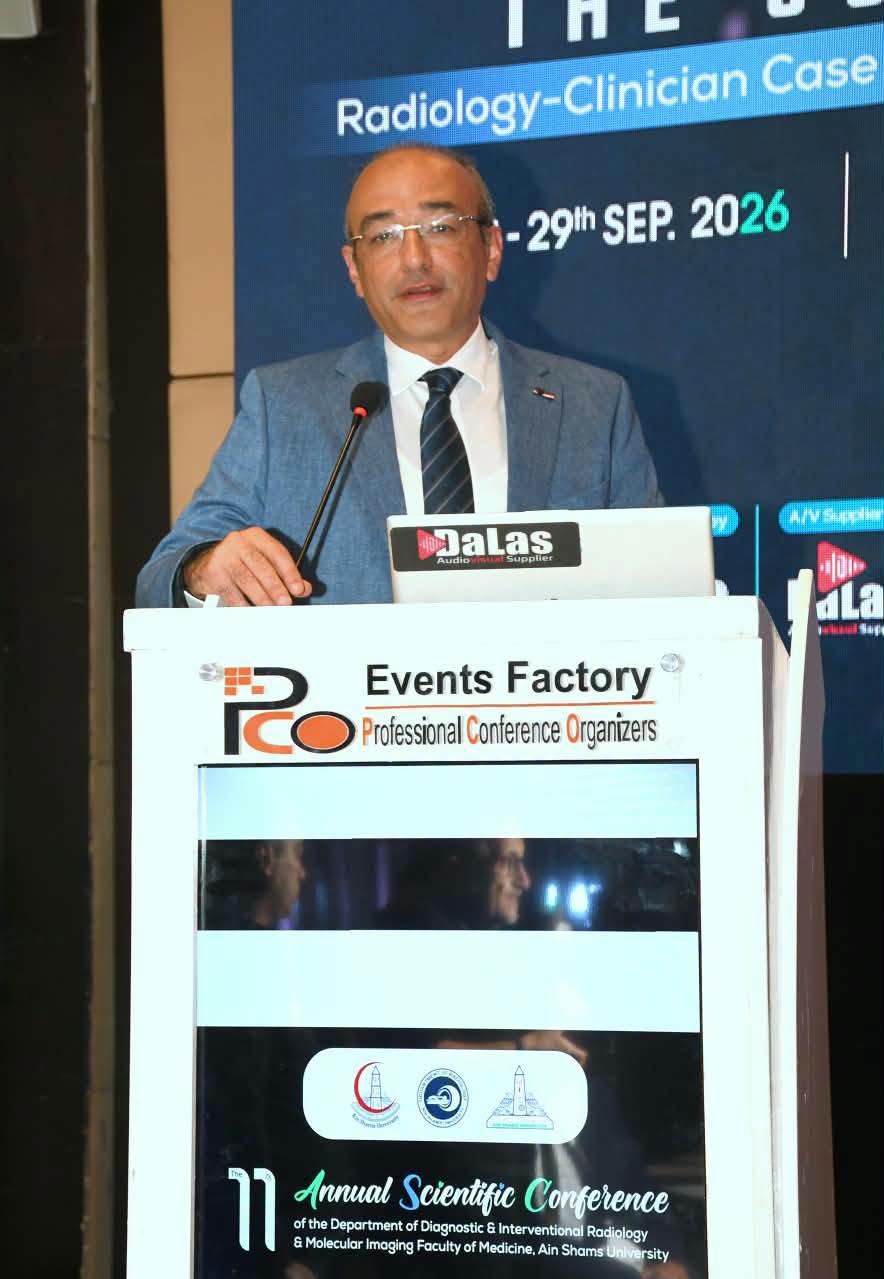
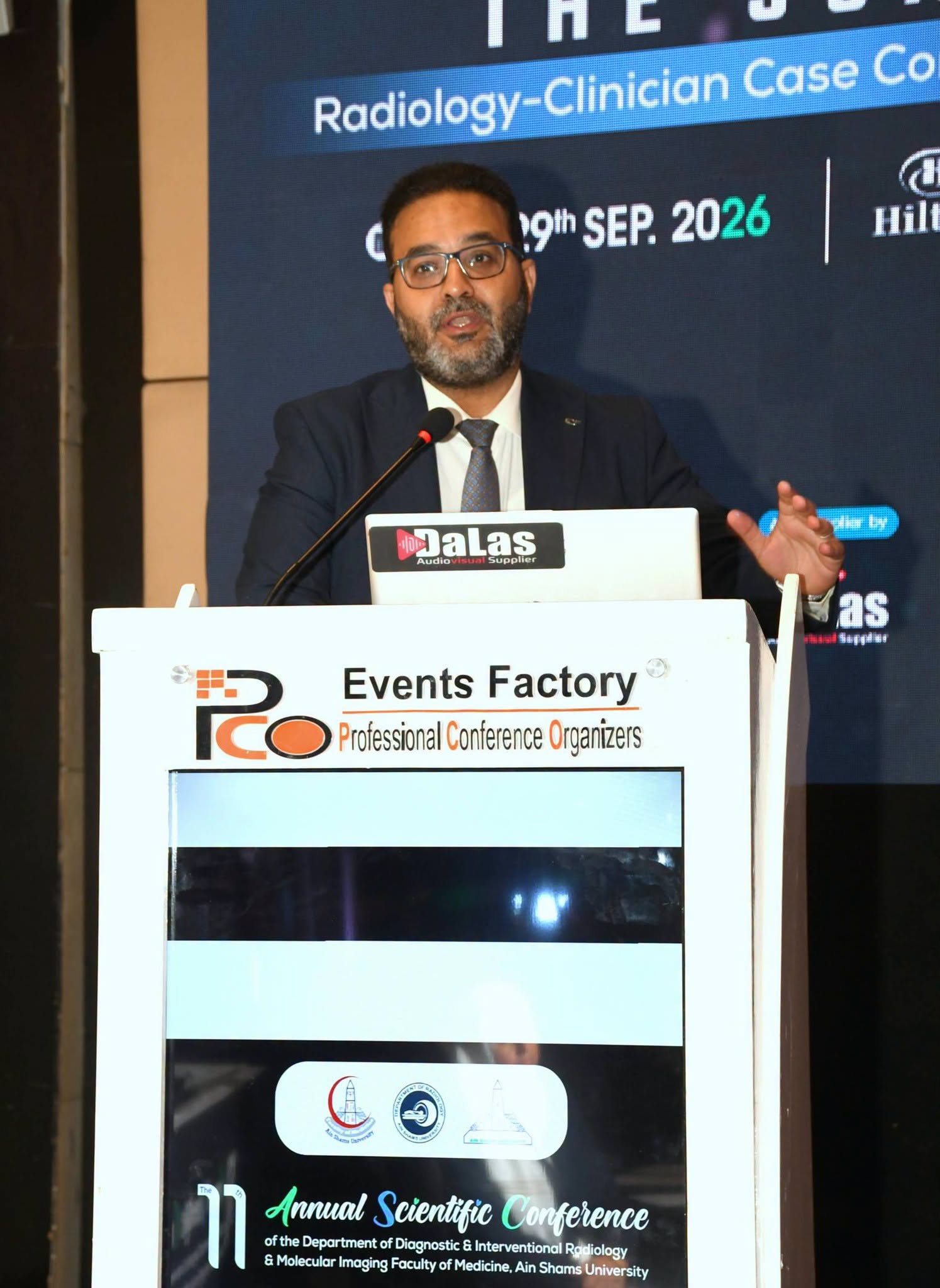
In his address during the conference’s opening ceremony, Prof. Dr. Mohamed Diaa Zain El-Abdeen, President of Ain Shams University, expressed his pride in the department’s distinguished scientific and medical role, highlighting the importance of keeping pace with the rapid advances in radiology technologies and artificial intelligence, supporting scientific research and innovation, and linking their outcomes to community needs and the development of the healthcare system.
The University President emphasized that cooperation and integration between the Department of Radiology and various clinical specialties represent a key pillar for advancing medical practice, contributing to more accurate and timely diagnoses and the development of appropriate treatment plans. He affirmed Ain Shams University’s commitment to preparing generations of physicians and researchers capable of keeping pace with scientific and technological advancements, while adhering to medical ethics and safeguarding patients’ privacy and safety.
 |
 |
 |
||
He also extended his appreciation and recognition to those responsible for organizing the conference, as well as to the faculty members, physicians, researchers, and students of the Department of Radiology, expressing his hope that the conference’s activities would contribute to strengthening scientific cooperation, exchanging expertise, and opening new horizons for innovation and development in the fields of diagnostic and interventional radiology.
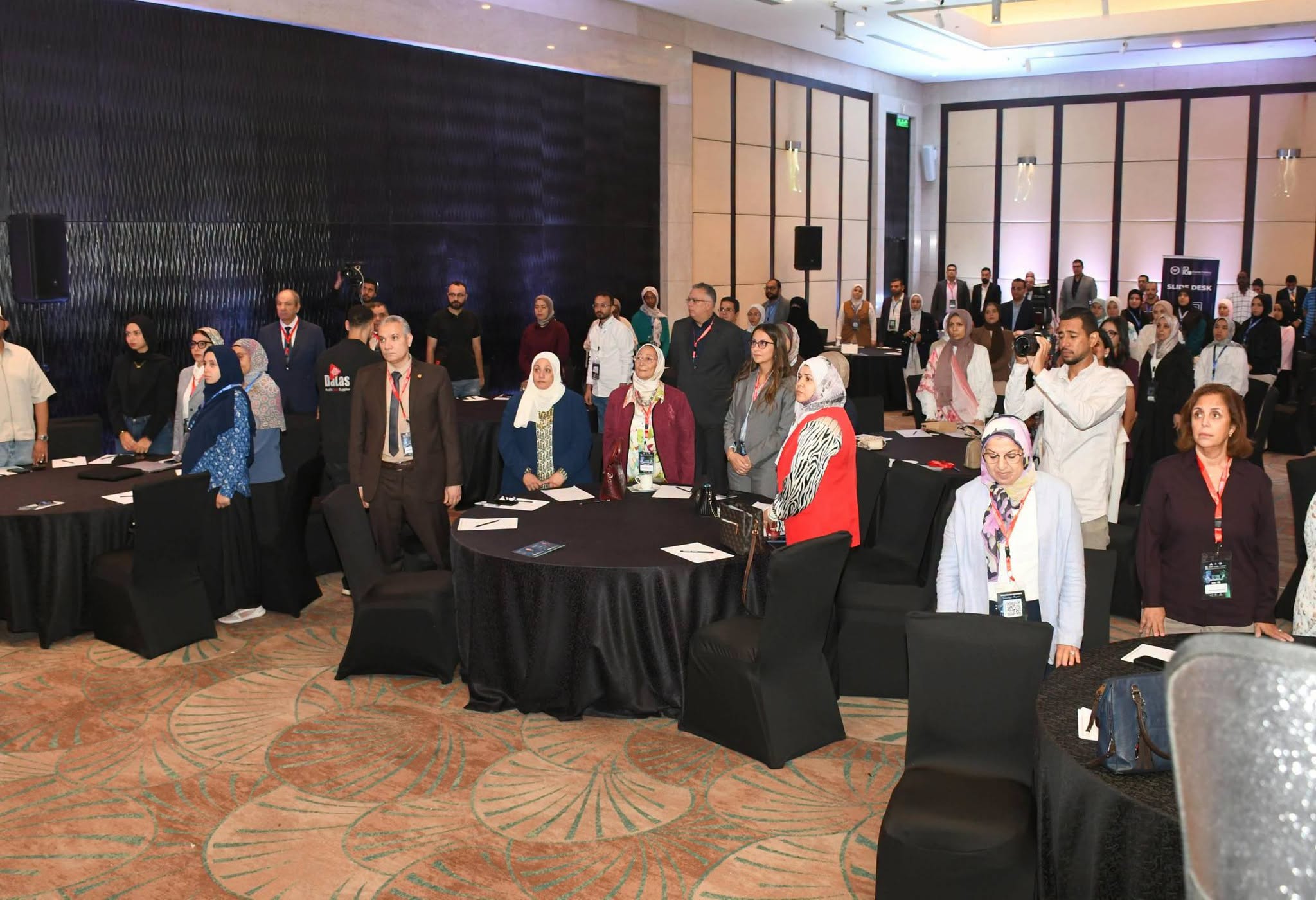
The 11th edition of the conference reflects the remarkable annual growth in scientific participation, the number of sessions, attendees, and workshops. This year’s conference focused on strengthening cooperation and integration between the Department of Radiology and various clinical departments, with the participation of a distinguished group of professors and consultants from different medical specialties.
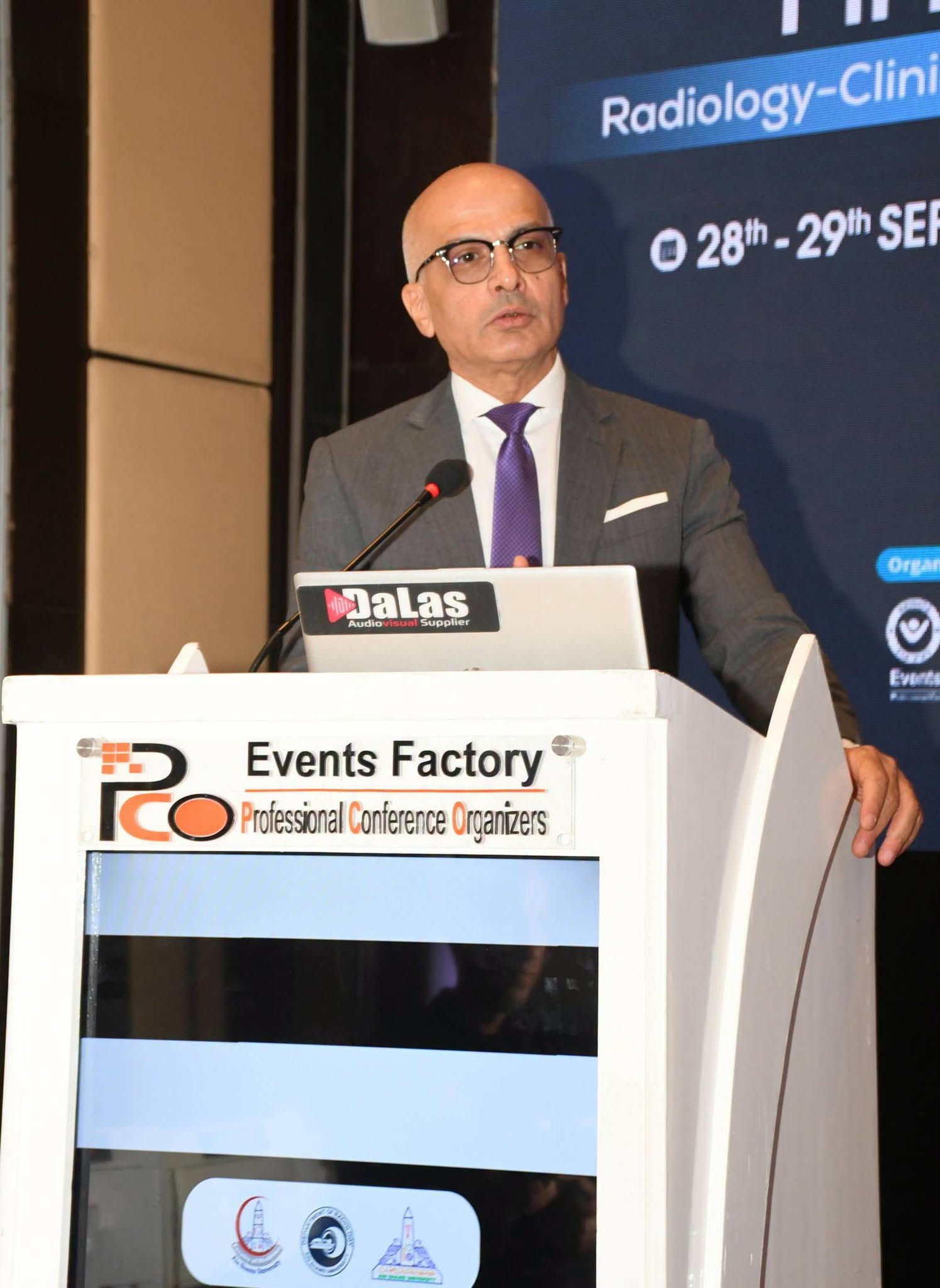
In his address, Dr. Tarek Youssef, Executive Director of the University Hospitals, highlighted the significant progress witnessed by the Department of Radiology, particularly in terms of the availability of numerous advanced, state-of-the-art medical devices, in line with the policies of the University and its hospitals and their strong support for the Department of Radiology, reflecting their confidence in its medical teams and commitment to providing better healthcare services to citizens.
He praised the role of the faculty members in selecting advanced equipment equipped with the latest systems for highly accurate diagnosis.
He also announced the installation of a new magnetic resonance imaging (MRI) scanner at Al Obour Hospital, which is expected to significantly enhance the healthcare services provided by the hospital and serve the surrounding areas, further supporting the University’s role in serving the community.
 |
 |
 |
||
Prof. Mohamed Abou El-Hoda, Professor of Diagnostic and Interventional Radiology and Conference President, explained that the conference featured 14 scientific sessions comprising 77 specialized lectures, in addition to sessions dedicated to discussing clinical cases and modern applications. The sessions brought together professors of interventional radiology and faculty members from various clinical departments, including Orthopedic Surgery, Urology, Obstetrics and Gynecology, and Endocrinology, underscoring the importance of interdisciplinary collaboration in serving patients and improving diagnostic and treatment outcomes.
He also noted that the conference addressed the latest developments in artificial intelligence technologies and their expanding applications across various fields of diagnostic and interventional radiology. In addition, scientific competitions were organized for physicians, focusing on the latest knowledge and applications in radiology and artificial intelligence.
He added that the conference featured 12 specialized workshops held over the two days of the event, covering a range of practical topics, including the use of ultrasound in gastrointestinal and intestinal diseases, as well as pregnancy and fetal monitoring. A specialized workshop was also held on the use of microwave ablation in cancer treatment and its applications in lung, bone, liver, and thyroid tumors. Another workshop addressed ultrasound-guided biopsies, while several other workshops explored applications of artificial intelligence across different radiology specialties.
He confirmed that the conference also addressed recent developments in nuclear medicine imaging, which has witnessed an expansion in its applications from diagnosis to therapeutic uses, particularly in the treatment of prostate cancer. The conference also highlighted the opening of the Nuclear Medicine Unit and the Radiotherapy Unit for Prostate Cancer at Demerdash Hospital, using the latest technologies in this field.
The conference was organized by Prof. Gamal Niazy, Conference Rapporteur, and Prof. Dr. Aya Yass. A distinguished group of radiologists also attended and participated in the conference, including Prof. Waheed Tantawy, Prof. Ahmed El-Dery, Prof. Omar Hussein, Prof. Osama Hatta, Prof. Menna Hatem, Prof. Ahmed Othman, Dr. Ahmed Samir, and Dr. Walid Hatta, professors of Diagnostic and Interventional Radiology.
The conference’s organizing team also included Prof. Dr. Ahmed El-Shimy, Prof. Dr. George Ezzat, Dr. Basant Abou El-Hoda, Dr. Rana Tarek, Dr. Ahmed Tawfik, and Dr. Basma Saady, Assistant Lecturers in the department.
The conference recommendations emphasized the importance of continuing and strengthening cooperation between the Department of Radiology and various medical specialties in support of patient care and to enhance the accuracy and speed of diagnosis and treatment. They also stressed the need to keep pace with rapid developments in artificial intelligence applications and interventional radiology technologies, while making use of recent advances in nuclear medicine imaging and radiotherapy and harnessing them to serve patients and improve the quality of healthcare.